Matox News

Truth Over Trends, always!

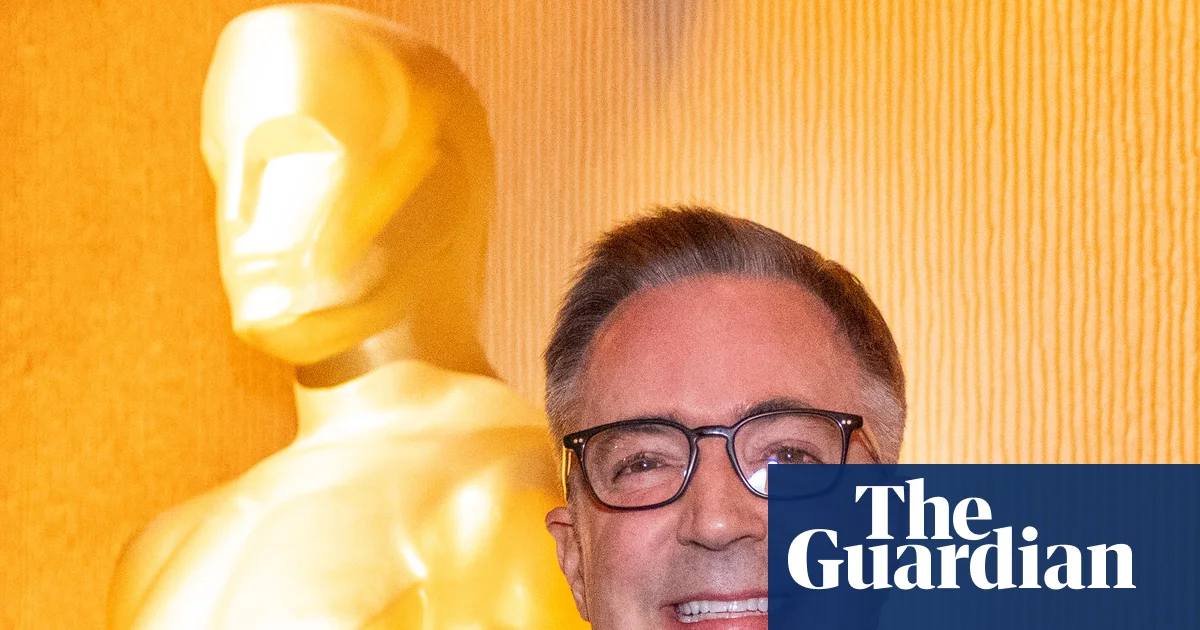
Oscars 2026: Oscars boss Bill Kramer highlights the power of YouTube to engage 2.5 billion viewers—criticizes TV, embraces AI, and advocates for early starts

As the sun blazes over downtown Los Angeles, a city that pulses with dreams and ambitions, the Academy Awards prepares to stage its annual celebration of cinematic artistry. Yet beneath the glitz and glamour, a profound shift is underway—one that threatens to redefine the very essence of cultural tradition. Historically, the Oscars have represented more than mere awards; they are a mirror to society’s soul, a reflection of shared values, myths, and memories. However, as Hollywood leans into the digital future with live streams on YouTube and grapples with emerging technologies like artificial intelligence, questions of authenticity, identity, and cultural continuity come to the fore. Culture—the bedrock of societal coherence—stands at a crossroads, demanding that we consider whether these innovations serve humanity’s collective memory or erode its cherished traditions.

Long regarded as the guardian of artistic excellence, the Academy of Motion Picture Arts and Sciences recognizes its vital role in shaping cultural continuity. As described by Academy CEO Bill Kramer, these changes are not mere technological shifts but signify a broader evolution of what culture represents in a rapidly transforming world. Kramer, a man whose career began with community-oriented work before rising to Hollywood’s highest echelons, echoes the wisdom of thinkers like G.K. Chesterton, who marveled at the importance of preserving the “secret” of tradition amid modern flux. The move towards global livestreaming aims to magnify Hollywood’s reach, extending the spectacle to an estimated 2.5 billion viewers worldwide. Yet, this expansion raises profound questions: Does the digital dissemination diminish the cultural significance that once hinged on communal, in-person experiences? Or can it serve as a contemporary vessel, carrying age-old stories into the modern age, much like the artist and philosopher T.S. Eliot suggested that tradition is the preservation of memory and prophecy intertwined?

This cultural transition also touches upon the industry’s response to technological innovations like artificial intelligence. While some waver in trepidation, fearing that AI could diminish human creativity, Kramer advocates a nuanced perspective. He asserts that AI is merely a tool—an extension of human ingenuity, not a replacement. This viewpoint aligns with the philosophical insight of Ortega y Gasset, who stressed that culture is the ongoing project of human consciousness shaping its tools and symbols. The true challenge lies in maintaining the integrity of artistic authorship—preserving the human spirit at the heart of storytelling. The Academy’s subtle updates on eligibility criteria and its firm stance on theatrical releases stand as testament to this effort to uphold tradition in the face of relentless technological change. Modernity need not dissolve cultural roots; instead, it offers an opportunity to deepen our understanding of what makes art genuinely human—a sentiment echoed by Chesterton, who revered faith in the enduring value of tradition.

Amid these transformations, voices such as Timothée Chalamet remind us of the importance of genuine cultural experience—those moments that etch themselves into collective memory. His remarks, though contentious, highlight a crucial debate: must art adapt to survive, or must it be preserved precisely because it is a window to our shared human essence? The challenge for the cultural custodians, like Kramer, is to navigate this tension—striving to honor tradition without forsaking innovation, fostering a cultural symphony that resonates across generations. As the Oscars prepare to unveil their latest chapter, one can sense that the true significance lies not solely in the awards handed out but in the unbroken thread connecting the past to the future—a testament that culture remains humanity’s memory and prophecy, a luminous testament to what we are and what we aspire to be. In this ongoing dialogue between memory and prophecy, we find a reflection of our very soul, enduring through the shifting tides of time—a reminder that, ultimately, culture is the living, breathing reflection of human spirit’s eternal voyage.
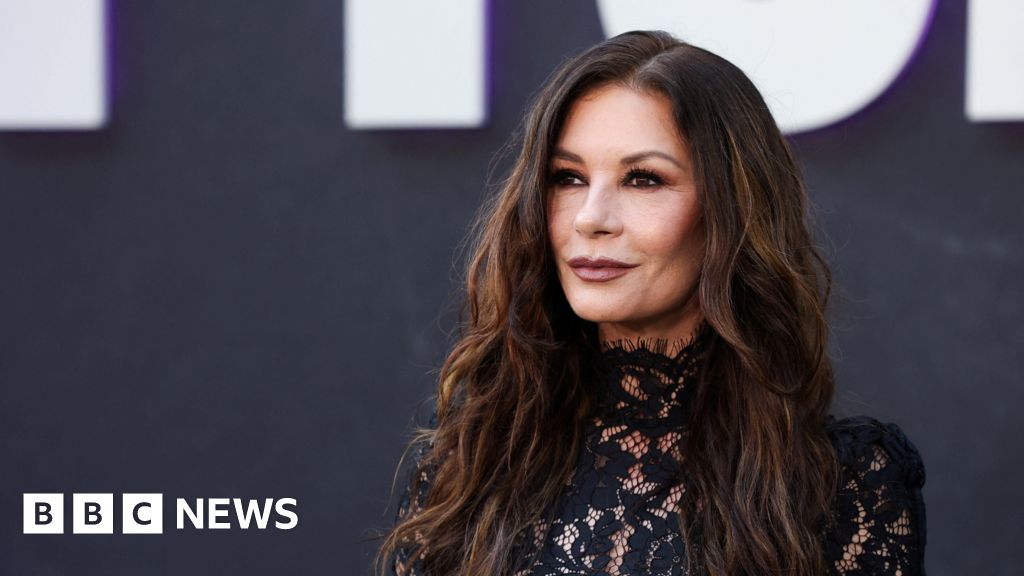
Catherine Zeta-Jones Embraces Art Collecting as She Prepares for Exciting New Role

In an era increasingly defined by fleeting trends and superficial pursuits, the assertion that a prominent actress spends more time with New York “art people” than with her Hollywood counterparts signals a revival of a profound cultural truth: culture is the bedrock of identity, tradition, and societal cohesion. While the allure of bustling film sets may dazzle the masses, it is the quieter, often underappreciated world of arts, philosophy, and—most critically—culture as a living, breathing entity that sustains the soul of a nation. As Ortega y Gasset proclaimed, “Without a cultural foundation, a society cannot sustain itself; it becomes a mere collection of individuals without shared meaning.”

This statement from the actress invites us to reflect on the enduring importance of culture beyond the ephemeral glare of Hollywood fame. New York’s art scene, with its galleries, residencies, and avant-garde cafes, embodies a tradition rooted in the cultivation of the human spirit—an arena where ideas are challenged and values forged. Such spaces echo the spirit of the great Renaissance traditions and the Enlightenment rationality, reminding us that progress is ultimately rooted in the cultural dialogues that shape our understanding of the world. Philosophers like T.S. Eliot have emphasized that true culture is not mere ornament, but the vital fabric connecting past, present, and future—a continual process of self-renewal that keeps society resilient against the corrosion of nihilism.

In this context, the actress’s preference underscores a vital cultural truth: that a vibrant, ongoing dialogue with the arts—whether through the visual, literary, or performing arts—is essential for fostering a sense of community and continuity. The arts serve as—not merely a reflection of current mores— but as the guardians of tradition, transmitting values that bind generations of citizens. Historical figures like Chesterton have illustrated how genuine culture, rooted in tradition, resists the disintegration of societal fabric. When public figures champion this principle, they remind society that the arts are not frivolous pursuits but the very essence of a healthy civilization.

Moreover, this focus on cultural roots acts as a form of defiance against the homogenizing forces of globalization. It is a conscious choice to nurture local traditions and practices that define a community’s identity. Tocqueville observed that democracies often risk losing their soul if they do not actively preserve their cultural distinctiveness amidst the “tyranny of the majority.” Today, in a relentless march towards sameness, the act of engaging with local art scenes becomes an act of patriotic resilience—an affirmation that cultural memory and shared values are what turn a mere population into a society.

In closing, the act of an actress choosing to spend her time immersed in New York’s artistic circles symbolizes a broader truth: that culture is both the memory of humanity and its prophecy—an unfolding story that bridges our past and beckons towards our future. As humanity’s collective canvas is painted across generations, it is the enduring dialogue between tradition and innovation that keeps the human spirit vital and forward-looking. For in the quiet echoes of the arts, and in their preservation, lies the promise that our societies, much like their creators, are destined to continue evolving—not as slaves of conformity, but as heirs of a timeless cultural legacy, resilient and unbowed amid the tumult of history.

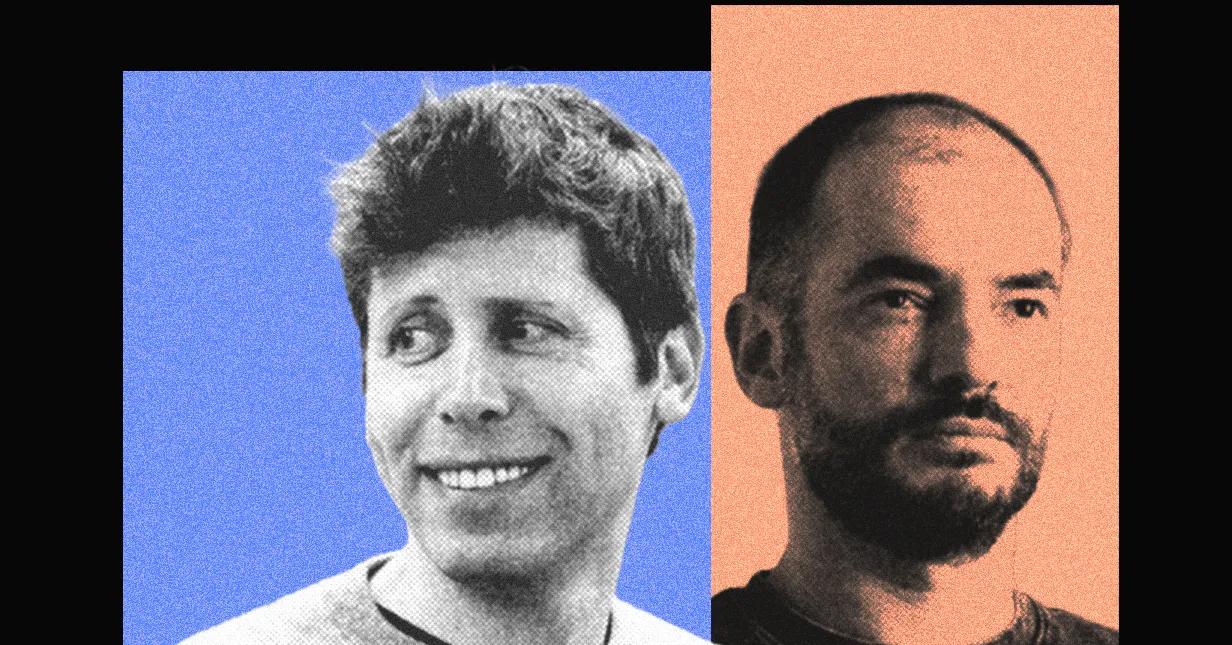
Loyalty Fades as Silicon Valley Embraces the Next Shift

Silicon Valley’s AI Talent Race Reshapes Industry Dynamics

In recent months, Silicon Valley has witnessed an unprecedented surge in high-stakes AI acquisitions and talent moves, signaling a seismic shift in the industry’s landscape. Major players like Meta, Google, and Nvidia have committed billions to acquiring cutting-edge AI startups, demonstrating that disruption in AI capabilities is accelerating at an exponential pace. These strategic investments are not merely about acquiring technology—they are about shaping the future battleground of artificial intelligence, where the contest for talent determines technological supremacy.

Meta’s bold move to invest over $14 billion in Scale AI, coupled with onboarding its CEO, Alexandr Wang, marks a clear signal that the social media giant is positioning itself as a dominant force in AI development. Meanwhile, Google spend a cool $2.4 billion to license Windsurf’s innovative technology, integrating its research teams into DeepMind. Not to be outdone, Nvidia wagered a staggering $20 billion on Groq’s inference platform and has aggressively hired its leadership, underscoring that hardware and inference capabilities remain pivotal in AI’s evolution.

Yet, this aggressive hunt for talent extends beyond mere investment. The industry has entered what analysts are calling a “great unbundling” of talent, with top researchers and founders bouncing between firms in a rapid, fluid market. The recent rehire of ex-OpenAI researchers by their former employer, along with Poaching activity from competing startups like Thinking Machines and Anthropic, underscores an intense war for intellectual capital. This talent mobility signals a fundamental shift in how AI innovation will be driven in the coming decade.

Still, these developments carry profound implications for the broader tech ecosystem. As investor Max Gazor points out, “deal structures are evolving to protect against talent flight,” with measures such as requiring board approval for key strategic moves. Moreover, the war for AI intelligence is not just about securing the best minds but also fundamentally redefining the landscape of AI innovation—favoring agility, bidirectional talent flows, and strategic acquisitions over traditional startup stability. As tech giants and emerging contenders race forward, the industry stands at a crossroads, where the winners of this AI arms race will define the technological and economic landscape of the future. For startups, investors, and developers alike, the message is clear: in the world of AI, timing, talent, and strategic disruption are the new currencies of success.

Social Media Auto Publish Powered By : XYZScripts.com



