Matox News

Truth Over Trends, always!

Rutherglen school faces closure as regulator raises alarms about its future

Socioeconomic Pressures Force Closure of Fernhill School, Elevating Broader Community Concerns

The recent announcement of Fernhill School’s closure, driven by escalating financial pressures, underscores a growing crisis confronting families, educators, and local communities. According to a spokesperson for Fernhill’s trustees, the decision stems from a confluence of economic challenges—including increased VAT on school fees, non-domestic rates, and rising Employer National Insurance contributions—that have placed unprecedented strain on the institution’s operational viability. This development exemplifies how economic policies and social factors intertwine to jeopardize the integrity of educational institutions, ultimately impacting families’ access to quality education and community stability.

Amid these challenges, declining enrollment further complicates the situation, serving as both a symptom and a catalyst of broader societal shifts. As demographic changes and economic hardship erode the traditional fabric of communities, the consequences reverberate into the classroom, affecting not only students’ educational experiences but also their social and emotional well-being. Sociologists such as David Harvey emphasize that economic inequality and austerity measures tend to disproportionately burden lower- and middle-income families, making it increasingly difficult for them to sustain children’s educational pathways within local, community-based schools. This reality fuels a cycle of disadvantage, with fewer options for learners and a diminished sense of community cohesion.

Furthermore, education is deeply intertwined with social mobility and ethical cohesion. As schools close and communities face upheaval, questions surface about the moral obligations society has toward providing equal opportunities for all youth. Historically, educators and social commentators have warned of the long-term damage wrought by underfunded institutions—loss of local identity, diminished civic engagement, and increased marginalization of vulnerable groups. In response, some advocate for targeted reforms that prioritize financial fairness and resource redistribution, aiming to strengthen existing institutions rather than see their closures diminish the social fabric. Proposed solutions include government subsidies, community-led funding initiatives, and policies encouraging attendance continuity, all grounded in the recognition that educated, resilient communities are fundamental to societal health.

Ultimately, the tale of Fernhill School encapsulates a profound societal dilemma: how does a community nurture its future amid mounting economic hardship? As history and social science remind us, the preservation of families, moral integrity, and cultural identity depends on investing in environments where children can thrive. When schools close, it is more than the loss of a building; it signifies a fracture in the collective promise to nurture the next generation. Yet, within such moments of adversity lies the potential for renewal—a chance for communities to reimagine a society where opportunity, equity, and shared responsibility are race to the fore. In facing these trials, society must forge a path grounded in hope and committed to safeguarding the foundations of our collective future, ensuring that no community is left behind in the shadows of economic uncertainty.
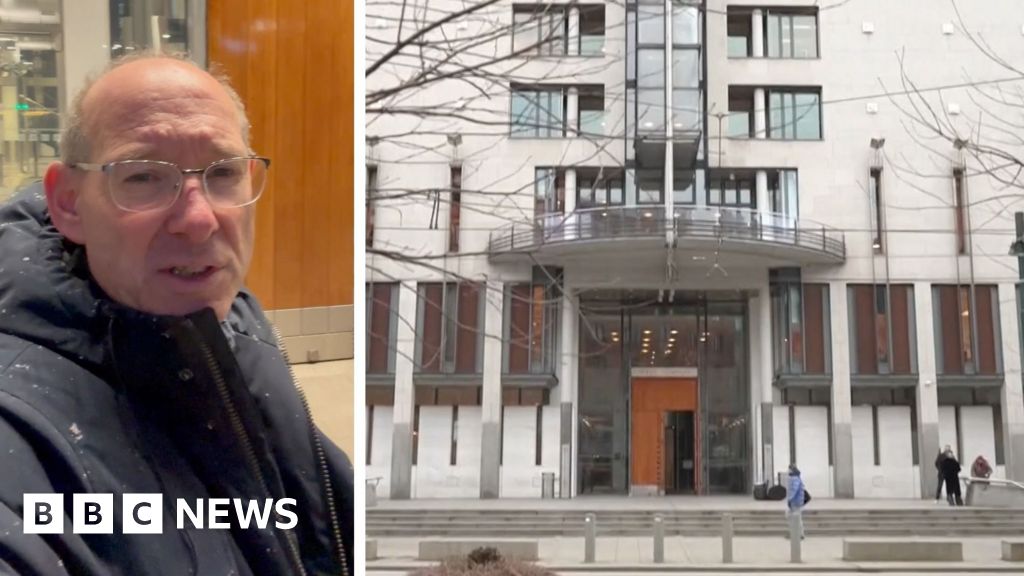
BBC Reports from Oslo Court as Crown Princess’s Son Faces Rape Trial

High-Profile Legal Proceedings in Norway Cast Shadow Over Royal Image Amidst Broader International Tensions

The forthcoming trial of Marius Borg Høiby, the son of Norway’s Crown Princess Mette-Marit, has captivated international attention as it prepares to unfold in Oslo. Accused of 38 charges—including severe allegations of sexual assault, threats, drug offenses, and property damage—Høiby’s case highlights the vulnerabilities of even the most privileged in society. If convicted, he risks a sentence surpassing a decade in prison, a stark reminder that no one is immune from justice, regardless of royal lineage. The recent re-arrest of Høiby, who has now been detained four times since August 2024, underscores the gravity of the accusations and the volatile environment surrounding his legal troubles.

This episode emerges amid revelations of links between his mother and Jeffrey Epstein, the infamous sex offender whose name continues to resonate across geopolitical corridors. These ties, although not necessarily indicative of guilt, raise concerns about the morality and integrity within elite circles, further fueling public mistrust towards the monarchy’s image. International analysts scrutinize this case not just as a national crisis but as part of a broader narrative where the actions of the powerful—especially those connected to prominent families—can undermine a nation’s social fabric. As United Nations and European Union institutions warn against the erosion of trust in leadership, Norway’s royal scandal underscores how personal misconduct can ripple across diplomatic and societal domains.

Impact on International Perception and Geopolitical Stability

Reflecting on this case illuminates a deeper geopolitical impact—how domestic scandals within influential nations shape their international standing. Norway, traditionally viewed as a model of stability and ethical governance, now grapples with an internal crisis that threatens its carefully curated reputation. Such scandals offer adversaries a foothold for criticism, especially within regions eager to highlight perceived moral failings in Western democracies. Economically, the scandal’s fallout could influence investor confidence, especially in sectors tied to Norway’s resource wealth and stability. Moreover, geopolitical analysts warn that these episodes of internal discord, if left unaddressed, risk emboldening opposition factions and destabilizing the social order.

Leading international organizations and security experts articulate concern that scandals featuring royal figures and their families challenge the notion of moral authority necessary for upholding sovereignty and national cohesion. As the case unfolds, the world will watch keenly, recognizing that the consequences extend beyond Norway’s borders. It becomes a symbol of whether societal elites are held accountable, or if they remain above the law, setting a dangerous precedent for societies across the globe.

Historical and Present-Day Parallels: Justice Without Borders

Historically, countries have experienced profound upheavals when scandals involving elites become public. The fall of empires and monarchies can often trace their roots to hidden truths revealed at times of crisis. Today, Norway’s predicament echoes what historians like Barbara Tuchman and Hannah Arendt warned about—the danger of unchecked privilege and the erosion of moral authority. International organizations such as the United Nations emphasize the importance of justice and transparency for peace and stability. Yet, this case serves as a stark reminder that the thin veneer of civility can be shattered overnight when the powerful are exposed, irrespective of national borders or political systems.

As Norway’s courts and society grapple with this controversy, a haunting question remains: Will this be a defining moment for accountability and integrity, or just another chapter in the long saga of elite immunity? The answers lie in how justice is served and whether the tide of public sentiment will uphold the rule of law or be consumed by sensationalism. As history continues to unfold, the weight of this scandal presses heavily upon the shoulders of its participants and observers worldwide—imposing the enduring reminder that no society is immune from the shadows cast by its own secrets.

Australia Faces Key Fight Over State Health Funding, Teen’s Body Found After Blue Mountains Camping

As the global landscape reels with shifting alliances and rising tensions, Australia finds itself at a pivotal crossroads, where internal politics threaten to ripple across the world stage. In the midst of negotiations over critical national issues such as health funding, aged care, and gun control, decision-makers in Canberra are making choices that could redefine Australia’s geopolitical stance for decades to come. Recent reports highlight a flurry of activity in the National Cabinet, as leaders grapple with a complex web of domestic challenges that hold profound implications beyond their borders.

The ongoing negotiations over the health funding deal underscore a larger theme of national sovereignty and resilience. Prime Minister Anthony Albanese and his cabinet are under pressure to secure an agreement that balances fiscal responsibility with the urgent needs of Australia’s health system. The proposed delay in launching new programs, such as the autism intervention under the NDIS, signifies an attempt to buy time in a climate of fiscal strain and political brinkmanship. Such decisions, analysts argue, reflect a broader strategic calculus that may influence Australia’s role in regional security and economic stability, especially as rival powers like China and Russia continue to expand their influence in the Indo-Pacific.

Meanwhile, the alarm over aged care shortages and misuse of funding reveals underlying tensions within Australian society that echo wider global concerns about social stability and human rights. Reports of prolonged wait times—up to 245 days for in-home care—highlight the failure to meet basic societal obligations, sparking sharp criticism from opposition parties and international observers alike. The scandal surrounding the unauthorized use of restrictive practices against NDIS participants exposes a severe failure in safeguarding vulnerable populations, a crisis that echoes similar issues in various Western nations. These domestic failures threaten to undermine Australia’s diplomatic standing, as allies and adversaries alike scrutinize how internal policies shape its commitments to international standards.

Furthermore, the debate surrounding the federal government’s approaching gun buyback scheme exposes the delicate balance of sovereignty and security. Albanese’s push for a comprehensive program costing hundreds of millions faces resistance from regions like Queensland and the Northern Territory, complicating efforts to present a unified front on national security. This internal discord risks emboldening international actors who interpret Australia’s divisiveness as a sign of political fragility—an unintended signal in an era of rising geopolitical instability. As historians warn, such internal divisions could weaken Australia’s capacity to act decisively in regional conflicts and global crises, thereby fostering a perception of vacillation at a time when strong leadership is desperately needed.

Every decision in Canberra resonates beyond its shores, shaping the very fabric of international diplomacy and conflict. Nations watch closely as Australia contends with internal crises that threaten to spill over and influence regional power dynamics. From escalating health crises to security gambits, the choices made by Australia’s leadership may well determine whether the continent remains a pillar of stability or succumbs to internal discord that invites opportunism from rivals. The weight of history presses heavily upon this nation, whose trajectory now hinges on the resolve to prioritize national interests in a world teetering on the edge of chaos. The unfolding saga remains a stark reminder: in the theater of geopolitics, the stakes have never been higher, and the future is written in the decisions of today.

Trump faces backlash over controversial comments on Rob Reiner and wife Michele – latest updates

The international stage continues to unravel in a complex tapestry of diplomacy, conflict, and political posturing. The recent developments surrounding Ukraine and U.S. negotiations underscore the persistent drive for peace amid ongoing territorial disputes. According to Ukraine’s top negotiator, Rustem Umerov, there have been “constructive and productive” talks, with hopes of forging a lasting peace. Yet, behind these diplomatic efforts lie intractable issues, notably the contested control of Donetsk and Luhansk regions, which remain pivotal in the broader conflict. Analysts from various think tanks and international organizations warn that unresolved territorial disputes could prolong the war, with repercussions that ripple far beyond Eastern Europe.

Meanwhile, the U.S. continues to exert influence over Ukraine’s territorial negotiations, demanding that Kyiv cede control of the Donbas regions as a precondition for peace talks. Reports from Reuters and AFP reveal that US negotiators are maintaining this stance, asserting that Russia’s primary objective is to reclaim territory—an assertion that Kyiv vehemently rejects. This insistence by Washington reflects a deeper strategic positioning, revealing how geopolitical interests are entwined with territorial sovereignty. In stark contrast, Russian President Vladimir Putin is said to prioritize territorial expansion, seeking to consolidate control over areas critical to Russia’s national security. The conflicting demands exemplify a broader chess game involving multiple nations, each vying to shape the future of a region that increasingly symbolizes the battleground of post-Cold War influence.

The European leaders, led by Friedrich Merz of Germany, actively participate in these talks, hosting discussions with Ukrainian President Volodymyr Zelenskyy and other key figures. The presence of Trump’s envoy, Steve Witkoff, and Jared Kushner underscores the continued interest from U.S. factions seeking a role in resolving the conflict — although their involvement is contentious amidst concerns over biases and diplomatic effectiveness. This dynamic illustrates the shifting boundaries of influence and the perilous dance of diplomacy in a Europe teetering on the edge of prolonged instability.

Simultaneously, domestic policy debates in America reveal a nation deeply divided on how to approach foreign conflicts and internal crises. Notably, the rhetoric of Donald Trump and Ilhan Omar exemplifies the tumult within U.S. politics—ranging from accusations of “disgusting” statements to allegations of government overreach. Recent reports highlight Trump’s plans to sign executive orders reclassifying marijuana, signaling a possible pivot that could reshape America’s drug policy landscape. Yet, as analysts warn, these decisions carry profound implications for international perceptions of U.S. stability and leadership in safeguarding democratic values.

In this ever-unfolding chapter of history, the fate of nations hangs precariously in the balance. As Ukraine‘s leaders wrestle with territorial sovereignty and U.S. policymakers grapple with internal divisions, the echoes of past conflicts and missed opportunities reverberate across continents. The meticulous power struggles and diplomatic negotiations of today are but threads woven into the larger fabric of history—each decision, each bold move, shaping the future of global stability. As world leaders convene in Berlin and elsewhere, the question remains: how long can the fragile veneer of peace hold before the next chapter of conflict demands its place in the annals of history?

Mass Exodus Underway: Youths Gear Up to Evacuate as Pacific Northwest Faces Major Flood Threat

Amidst the relentless forces of nature, residents of the Pacific Northwest and western Canada are witnessing an unprecedented surge of climate-driven challenges. Record-setting floods, driven by an intense atmospheric river, have transformed everyday life into a scene of emergency preparedness and resilience. While stories of natural disasters often depict chaos, they also underscore the vital importance of community strength, proactive planning, and embracing a lifestyle aligned with the changing environment. For the individuals living along the Skagit and Snohomish rivers, this moment is more than a natural crisis—it’s a wakeup call about the shifting tides of our climate and our role in facing them.

In Washington state, Governor Bob Ferguson declared a statewide emergency, recognizing that over 100,000 residents could soon face evacuations as floodwaters threaten to turn familiar landscapes into treacherous and unpredictable terrains. Major highways have been shut down, stranding commuters and disrupting the local economy, but amidst this chaos, there is a focus on adaptation and wellness. Many residents, inspired by authorities and climate resilience experts, are turning these challenges into opportunities for community bonding and personal growth. Evacuations in flood-prone areas like Skagit County highlight the critical importance of preparedness—not just as a safety protocol but as a lifestyle shift toward mindful resilience. The ongoing rescue efforts—using inflatable boats, helicopters, and brave rescue swimmers—serve as a stark reminder that true wellness depends on readiness and collective action when faced with adversity.

Globally, climate specialists highlight the importance of tailored strategies for urban sustainability and rural resilience. Authors like Dr. Katharine Hayhoe continually stress that understanding local impact is fundamental in developing preventive measures. For the youth—those who will inherit the consequences of today’s environmental decisions—the message is clear: embracing a lifestyle of proactive adaptation is paramount. Whether that means supporting local conservation initiatives, adopting sustainable habits, or educating oneself on climate science, these measures build a foundation of strength that transcends just surviving — they enable thriving.

  • Invest in emergency preparedness kits for your community
  • Support local infrastructure projects focused on flood mitigation
  • Educate yourself and peers about the climate impacts specific to your region

Such steps are integral in helping future generations foster a resilient mindset amid turbulent environmental times.

Crossing over into broader cultural shifts, the ongoing floods serve as a poignant reminder that wellness is not merely personal but collective. Urban areas like Seattle and Abbotsford exemplify how communities are responding adaptively, building climate-resistant infrastructure and cultivating environmentally conscious lifestyles. The emphasis on well-being now extends beyond traditional health metrics: it encompasses environmental footprint, mental resilience, and collective preparedness. Cultural conversations are evolving, inspired by thought leaders like Naomi Klein and environmental sustainability gurus, urging the next generation to see climate action as an extension of individual self-care and community pride. This holistic approach to lifestyle signifies not just a response to catastrophe but an active pursuit of personal and societal empowerment—learning how to live wisely in a world with shifting climates.

As these floods gradually recede, and communities begin the long process of recovery, the real takeaway is an inspired perception of lifestyle as an ongoing journey. Such moments of upheaval challenge us to embrace change—transcending fear and fostering hope. Resilience becomes more than just bouncing back; it transforms into a conscious way of embodying strength, adaptability, and forward-thinking in every aspect of life. Whether through supporting local initiatives, educating oneself about climate solutions, or simply fostering a mindset of readiness, each individual can contribute to shaping a resilient future. Ultimately, these natural trials reveal that wellness is rooted in our ability to adapt and thrive amid the inevitable changes ahead. It’s a journey of embracing life’s uncertainties with courage, integrity, and purpose—an inspiring testament that, with determination, we can navigate even the most turbulent waters.

Australia News Live: Butler Faces Off Over Health Funding as Silvagni Premieres in Court

In a world marked by escalating geopolitical tensions and internal crises, Australia finds itself navigating a complex landscape that reflects broader international trends. From domestic legal controversies to regional environmental threats, the nation’s current trajectory illustrates how decisions at the government level can ripple through society with profound consequences. At the heart of these unfolding stories lies a template of the interconnectedness of global and domestic issues, revealing that the fabric of international stability is woven as much from internal disputes as from geopolitical confrontations.

Recently, the conviction of Tom Silvagni, the son of AFL legend Stephen Silvagni, for two counts of rape has ignited intense public debate. Initially shielded by suppression orders Protecting his identity, the lifting of these restrictions underscores a Â*shift toward transparency*Â in managing high-profile criminal cases. However, the repercussions extend beyond personal culpability, illustrating how the public exposure of individuals involved in sensitive crimes influences societal trust and legal accountability. Historians and legal analysts warn that such cases sit at a turning point, reflecting a societal preference for openness, yet risking mental health deterioration among those implicated. Moreover, this domestic incident echoes the broader global discourse on transparency and justice, highlighting how national narratives can mirror worldwide struggles for accountability.

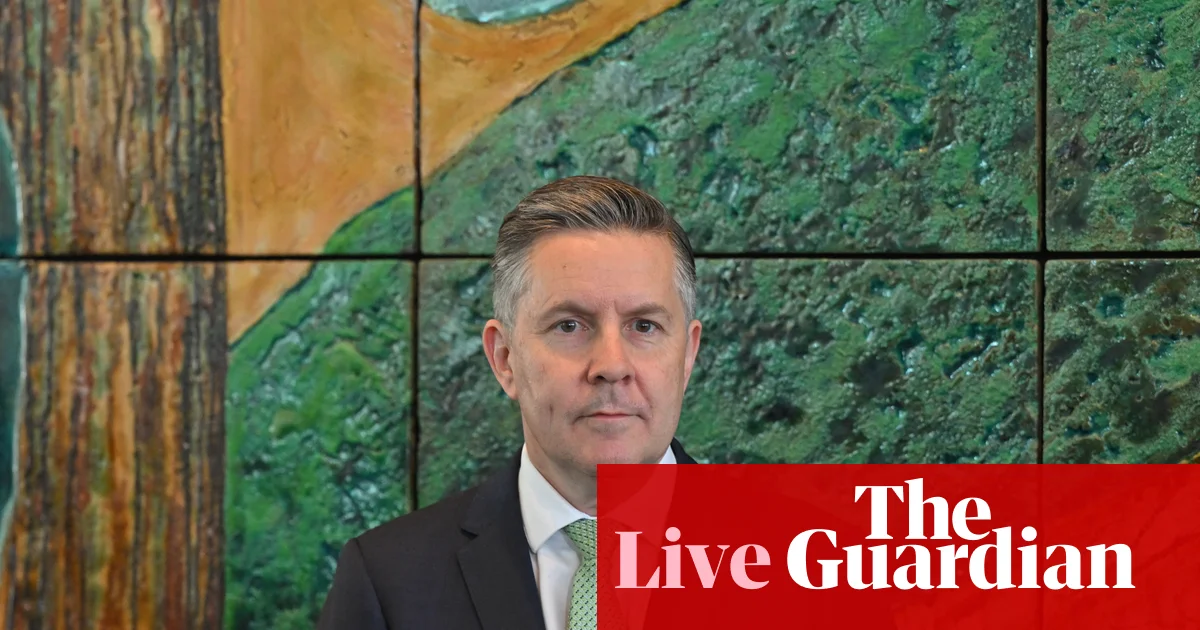
Simultaneously, the ongoing health funding standoff between the federal government and state leaders exemplifies a uncertain path toward a united policy framework. Minister Mark Butler has expressed hope that an additional $20 billion in hospital funding will facilitate an agreement before the holiday season. Yet, the implications extend beyond mere budget negotiations. As advocates for aged care and public health warn that shortages and staffing crises threaten societal well-being, this debate exemplifies how internal policies directly impact public safety and social cohesion. International health organizations, including the World Health Organization, caution that such divergences in policy and funding exacerbate disparities and threaten social stability, especially during periods of crisis. As history has demonstrated, unresolved domestic disputes tend to enflame regional tensions and open gateways for larger geopolitical struggles, making this current standoff not just a local affair but a beacon of larger systemic challenges.

Meanwhile, environmental concerns, notably the predicted marine heatwave conditions threatening the Great Barrier Reef, underscore the urgent need for international cooperation. As climate change continues to accelerate, Australia’s oceans have recorded their warmest 12 months, leading to recurring mass bleaching events. Analysts warn that the ongoing environmental degradation not only endangers one of the world’s most iconic natural wonders but also jeopardizes the economic and cultural fabric of regional societies that depend on tourism and marine biodiversity. Such ecological crises have the potential to destabilize regional power balances, inviting diplomatic tensions over environmental responsibility and climate policy. The response from the global community remains cautious, with some nations adopting a wait-and-see attitude, others pushing for stringent international measures—**yet the planet’s health hangs precariously in this unresolved tension**.

As history continues to unfurl amid the storm, these stories serve as a stark reminder that the weight of national crises is intertwined with the fate of global stability. From domestic legal upheavals to regional environmental threats, each decision, each crisis, emphasizes that our struggles are never isolated but part of a larger, unfolding narrative. The choices made today—whether in courtrooms, legislatures, or environmental summits—are the pages on which the forthcoming chapters of history are written. Only time will reveal if these fissures foster resilience or fracture the ties that hold the fabric of our shared future.

Australia pledges $95M military aid to Ukraine amid rising tensions; suspect faces murder charge in northern NSW

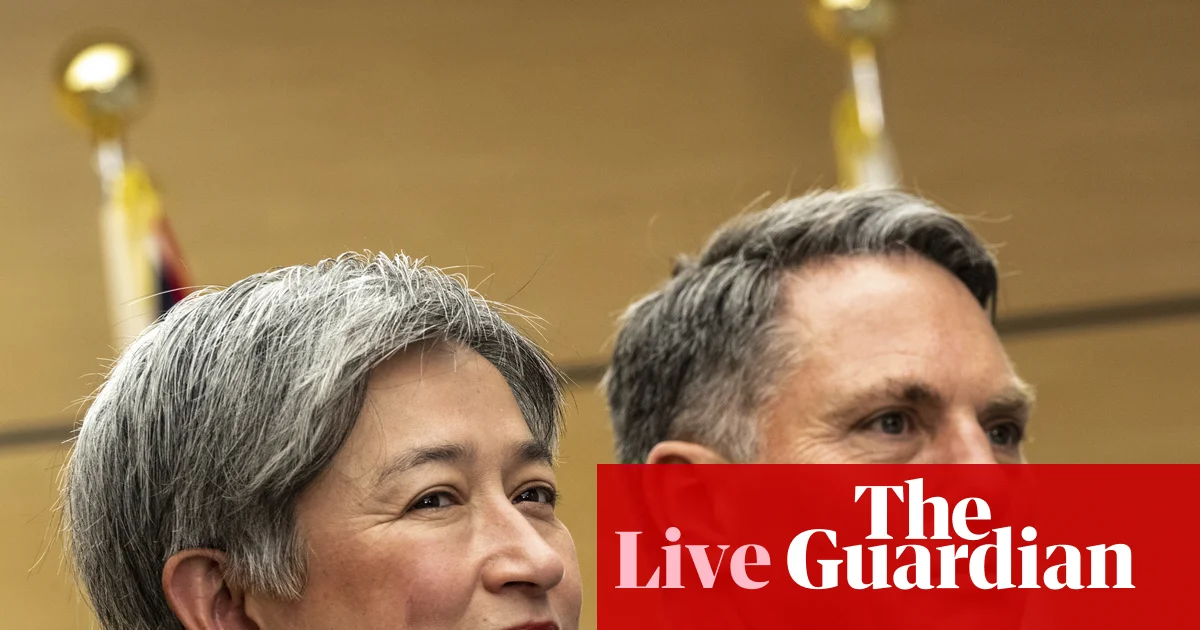
In a decisive move that underscores the mounting international tensions amid an ongoing conflict in Ukraine, the Australian government has pledged an additional $95 million in military support for Kyiv, bolstering its commitment to counter Russia’s aggression. Announced by Defence Minister Richard Marles and Foreign Minister Penny Wong, this latest aid package raises Australia’s total support since the conflict’s onset to over $1.7 billion. This reinforcement is not isolated; it aligns with NATO-led initiatives such as the Prioritised Ukraine Requirements List (PURL), aimed at delivering critical military equipment including radars, munitions, and the final deployment of 49 Abrams tanks to bolster Ukraine’s defenses.

As Australia exhibits unwavering backing for Ukraine’s sovereignty, the global repercussions of such commitments ripple across geopolitics. The decision to intensify sanctions against Moscow’s shadow fleet of oil tankers signals a broader effort by allied nations to choke Russia’s circumventing tactics—highlighted by the targeted measures on vessels supporting Moscow’s illicit energy trade. These diplomatic and military maneuvers, analyzed by international observers, reinforce the trajectory of multilateral efforts to uphold international law against Moscow’s provocations. Experts from institutions like the Council on Foreign Relations warn that these actions could set a precedent that complicates future diplomatic negotiations, potentially intensifying the geopolitical divide.

Simultaneously, domestic issues dominate the political landscape. In Australia, economic policy debates confront the reality of slow growth and persistent inflation, with Treasurer Jim Chalmers dismissing claims that the economy might be at its “speed limit.” The recent national accounts, showing just 2.1% annual growth, are being interpreted optimistically, with Chalmers emphasizing that private sector recovery and productivity gains signal a promising outlook. However, the buildup of inflationary pressures has sparked speculation of impending interest rate hikes by the Reserve Bank of Australia, risking a delicate balancing act for policymakers intent on maintaining economic momentum without igniting runaway inflation.

Meanwhile, issues underlying the nation’s internal security and resource management have gained prominence. The Australian Bureau of Statistics announced it would begin accounting for illegal cigarette sales—a covert economy that has seen a 29% drop in legal tobacco sales, an anomaly revealing deeper challenges. Experts warn that the surge in black market tobacco trade not only skews economic data but also facilitates criminal activity, exemplifying how organized gangs may exploit economic shifts. The government’s efforts to estimate illicit sales through innovative methods like wastewater detection aim to bring these shadow activities into the official economic framework, a move that could reshape how Australia measures its growth and stability.

From the battlefield of eastern Europe to the halls of domestic policy, Australia’s decisions reflect a nation grappling with international responsibilities and internal vulnerabilities. The support for Ukraine demonstrates an active role on the global stage, defending what many see as the values of sovereignty and democracy. At the same time, the challenges at home—economic slowdowns, inflation, and illicit trade—serve as a stark reminder that the weight of history is not only shaped by international conflict but also by the resilience and resolve of societies to confront their own crises. As policymakers navigate these intersecting currents, one thing remains clear: the unfolding story of national and international sovereignty continues to be written, and the next chapter may determine the balance of power for generations to come.

Sisu: A Bold Finnish Hero Faces Justice in a Gritty Sequel — A Fight for Honor and Revenge

In the modern cinematic landscape, few genres embody the essence of cultural resilience quite like the action film, especially those that draw heavily from historical and national symbols. The Finnish indie Sisu, directed by Jalmari Helander, epitomizes this phenomenon. Released in 2022 and subsequently gaining acclaim with its sequel Sisu: Road to Revenge, the film revitalizes a genre rooted in stoic endurance, raw heroism, and a persistent, uncompromising attachment to one’s homeland. Helander’s work, infused with a boyish enthusiasm reminiscent of childhood war games, underscores a cultural narrative: that the stories we tell ourselves about perseverance and victory are central to our identity and societal continuity.

Critics, including the writer at The Guardian, have appreciated Sisu for its economy of storytelling—an unpretentious, straightforward focus that echoes the philosophy of thinkers such as Ortega y Gasset, who emphasized the importance of individual vitality in shaping society. Helander’s narrative rejects the excesses of CGI spectacle in favor of practical effects and raw stunt work, cultivating a sense of authenticity that resonates powerfully with patriotic sentiments. The film underscores a vital cultural truth: that the stories of resilience, sacrifice, and cunning are how nations preserve their memory and forge their future. When Aatami—played with gritty defiance by Jorma Tommila—removes beams from his destroyed home or outsmarts Red Army foes, these images transcend mere entertainment. They become symbols—mementos of a collective identity grounded in perseverance.

Throughout cultural history, society has leaned on myths of heroism and survival to articulate its moral fabric. Critics like Chesterton have celebrated the appeal of stories rooted in fundamental human virtues. Today, Sisu channels this tradition, reminding viewers that the true strength of a nation lies in its people’s ability to endure and adapt, even under the most oppressive circumstances. The film’s celebration of the Finnish landscape—its sun-dappled vistas and rugged terrains—reinforces the idea that culture is a landscape of memory and prophecy. As T.S. Eliot observed, “The past should be altered by the present as much as the present is directed by the past.” Here, tradition is not static but a living, breathing force that guides a society’s moral compass—one rooted in the conviction that resilience is a form of rebellion against tyranny.

In an era often characterized by fragmentation, Sisu stands as a testament to the enduring power of cultural memory. Its focus on straightforward heroism, coupled with a reverence for tangible, practical effects, serves as a counterbalance to a Hollywood trend that often undermines genuine human effort with digital illusions. Helander’s work reveals that sometimes, the simplest stories—those of one man’s fight against overwhelming odds—resonate most deeply. Culture, after all, is both our collective memory and our prophecy. It defines who we have been and who we strive to become. As we consider these stories, we are reminded that humanity’s best hopes are born from resilience, from the unwavering belief that even in darkness, a spark of hope can illuminate the path forward—an enduring echo of the national spirit, calling us to remember and to anticipate a future forged in the fires of tradition and the forge of human will.

Hezbollah suspect faces trial in Germany amid rising security concerns

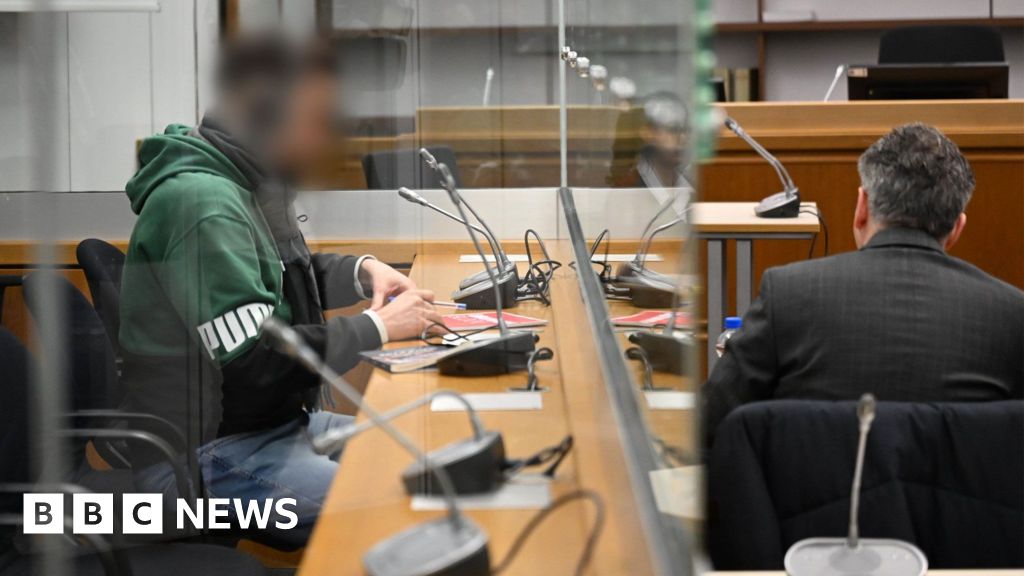
The recent trial of Fadel Z, a Lebanese national accused of assisting Hezbollah’s burgeoning drone arsenal, has cast a spotlight on the organization’s expanding military capabilities and the broader regional implications of its actions. Amidst ongoing hostilities and international concern, this case underscores the sophistication of Hezbollah’s covert operations that stretch across continents and threaten stability in the Middle East. According to German authorities, Z is alleged to have played a vital role in procuring components for Hezbollah’s drone program, which has reportedly amassed over 10,000 units by mid-2024. This development signifies a clear escalation in Hezbollah’s military strategy, transforming it from a clandestine militia into a technologically advanced force capable of offensive operations, with serious implications for geo-strategic stability.

Since launching an extensive drone program, Hezbollah has increasingly utilized European, Chinese, and American suppliers to arm its arsenal, often through front companies registered under false identities. This clandestine supply chain has enabled the group to acquire essential parts such as motors, propellers, and explosives. Prosecutors detail how operations like those of Fadel Z facilitate illicit trade across borders, aiding Hezbollah’s efforts to target Israeli military and civilian sites—most notably, the drone attack on a retirement home in Herzliya during Yom Kippur. Such acts of aggression are not isolated; they reflect an organized campaign backed by regional actors and global trade networks, heightening concerns over the destabilizing influence of Iran-backed militias. Analyst Dr. Martin Shaw from the International Strategic Studies Institute emphasizes that these developments serve to deepen Iran’s footprint across the Levant, challenging Western and regional efforts to contain Tehran’s influence.

Meanwhile, the escalation of violence between Israel and Hezbollah follows recent hostilities linked to Hamas’s October 2023 attack, prompting a deadly cycle of retaliation. Hezbollah’s response with drone strikes and rocket barrages marks a concerning shift in tactics, blurring the lines between state and non-state actors in a conflict that threatens regional and international stability. The conflict’s toll is staggering: Lebanese authorities report approximately 4,000 casualties, many civilians, along with the displacement of over 1.2 million residents, while Israel suffered over 80 soldier fatalities and dozens of civilian deaths. The United Nations and strategic analysts warn that continued escalation could ignite a broader regional conflict, drawing in powerful neighbors and global powers alike. As world leaders deliberate over diplomatic avenues, the decades-long ambiguity surrounding Hezbollah’s true military strength and covert activities remains a pressing geopolitical concern, with experts warning that, if unchecked, such insurgencies could redefine Middle Eastern geopolitics for generations to come.

As courts in Europe examine the depth of Hezbollah’s clandestine network, the global community watches with anticipation—and trepidation. The case of Fadel Z highlights a larger narrative: the intertwining of terrorism, advanced technology, and international trade that fuels ongoing conflicts. The unfolding story of this trial and the ongoing violence illustrates how decisions made behind closed doors can have rippling effects across continents. With history’s weight shifting ever more decisively, nations face an uncertain future—one where the balance of power hangs on the edge of a new technological arms race, teetering on the precipice of a broader regional war that could reshape the very fabric of the Middle East for decades yet unborn.

Bangladesh's Sheikh Hasina Faces Death Sentence Over Human Rights Violations
Bangladesh’s Sheikh Hasina Faces Death Sentence Over Human Rights Violations

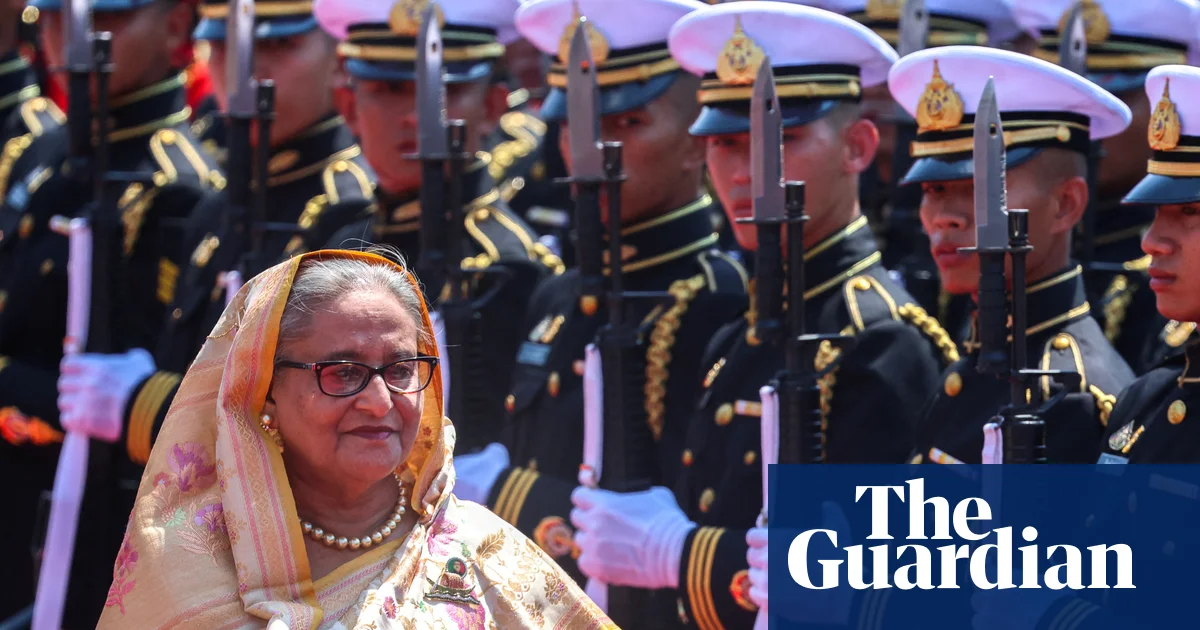
The recent sentencing of Bangladesh’s former prime minister Sheikh Hasina to death in absentia has sent shockwaves across the global geopolitical landscape. Convicted by a Dhaka tribunal for crimes against humanity related to a brutal crackdown on student-led protests, this verdict underscores a turbulent chapter in the nation’s ongoing struggle with authoritarianism and political instability. As international institutions and human rights organizations weigh in, the case exemplifies a broader shift in how emerging democracies are navigating the preservation of justice amid internal conflicts and external pressures.

  • The tribunal accused Hasina of incitement, ordering executions, and negligence—charges rooted in her alleged direct involvement in a deadly crackdown that left up to 1,400 dead during a year-long uprising.
  • Despite her vehement denial, claiming the proceedings as a “politically motivated charade,” the verdict has ignited fierce reactions, including nationwide protests and heightened security alerts in Dhaka.
  • Her exile in India and the refusal of extradition by New Delhi reflect the complex, multi-layered geopolitics at play, where regional alliances influence justice and accountability.

From the perspective of global analysts, this case reveals a pattern of rising authoritarian tendencies cloaked under the guise of judicial reform. Historians warn that such politically charged trials risk destabilizing fragile democracies, especially when the judicial process is perceived as a tool for political retribution. The United Nations has expressed concern over the death penalty, emphasizing that international standards demand fair trials and judicial transparency. Yet, the tribunal’s transparency—broadcast live and scrutinized by observers—has not assuaged critics who see the proceedings as a spectacle designed to eliminate political rivals rather than deliver justice.

In the wider geopolitical context, India’s role remains ambiguous. While claiming neutrality, New Delhi’s refusal to extradite Hasina underscores its strategic calculus—balancing regional stability against Islamabad’s interest in destabilizing Bangladesh through influence over opposition factions. Consequently, neighboring countries are closely watching the unfolding political storm, with many fearing that escalation could destabilize the region further. With China and the United States weighing competing interests, Bangladesh finds itself caught in a geopolitical tug-of-war that could have ripple effects across South Asia and beyond.

The verdict also reaches into the societal realm, stirring deep wounds among families of the slain protesters. For many, including Golam Rahman, whose son Nafis was shot during the crackdown, justice is a long-awaited step towards catharsis. Yet, the pensive shadows of repression remain, with critics warning that a harsh, punitive crackdown might suppress dissent temporarily but exacerbate long-term instability. The upcoming election, now stripped of most opposition parties, will be a litmus test of Bangladesh’s political future—whether it will drift further into authoritarianism or attempt genuine reform amidst swirling chaos.

As Hasina’s supporters and critics ultimately face at the crossroads of history, the global community remains vigilant. The unfolding story of Bangladesh is emblematic of a world where rising nationalism, regional rivalries, and internal strife threaten to rewrite the narrative of democracy and justice. In this moment of palpable tension, it is clear that the repercussions of this verdict—whether a step towards justice or a catalyst for further turmoil—will resonate far beyond the boundaries of Dhaka, shaping the course of history in South Asia and challenging the foundations of international law itself. Only time will reveal whether Bangladesh’s future will be molded by the rule of law or the relentless tides of political upheaval, as a nation stands on the precipice of its own destiny, teetering between the shadows of oppression and the hope for lasting change.

Social Media Auto Publish Powered By : XYZScripts.com