Matox News

Truth Over Trends, always!

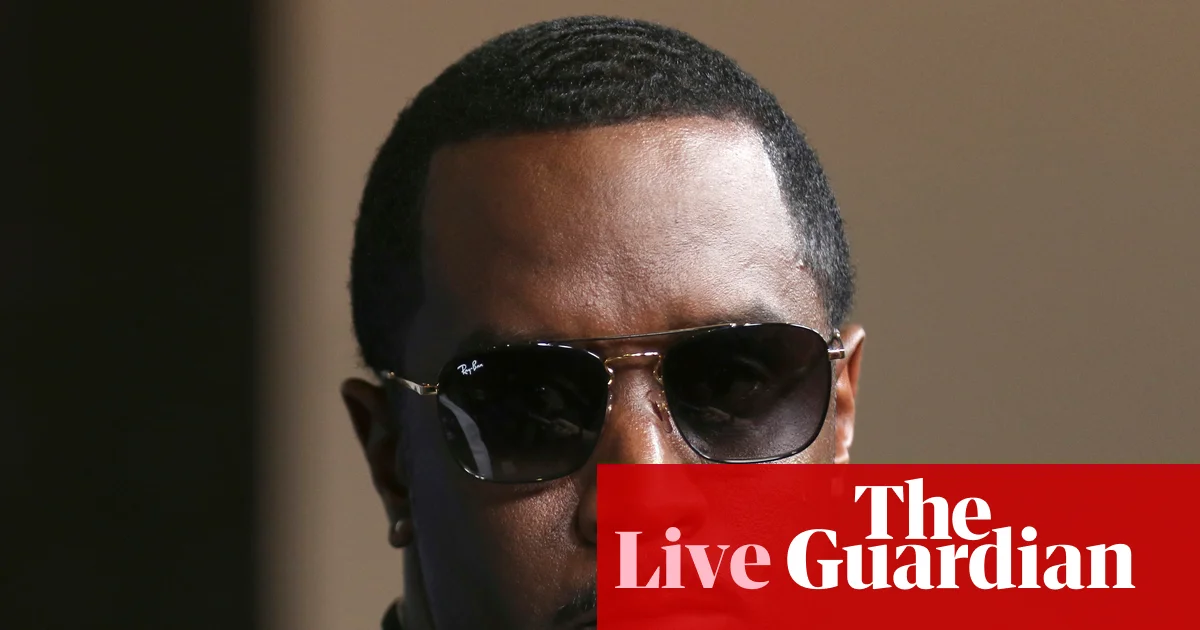
Sean ‘Diddy’ Combs Faces Sentencing After Plea for Second Chance — Live Updates

International Witness: The Geopolitical Ripple of Judicial Decisions and Power Struggles

In a world where the actions of Western celebrities often serve as mirrors to shifting societal and international norms, the recent developments involving Sean “Diddy” Combs exemplify how individual legal outcomes can ripple through global geopolitics. As Combs faces federal sentencing in Manhattan after his conviction related to prostitution charges, the ramifications extend well beyond the courtroom, touching on issues of international influence, legal sovereignty, and the moral fabric of societies worldwide.

Combs’ case highlights the intricate dance between law, influence, and global perceptions, especially considering his personal ties to political figures and potential presidential pardons. Reports suggest that supporters have appealed to the Trump administration for clemency, illustrating a blurred line between celebrity power and political interventions. This act of leveraging legal privileges underscores a broader phenomenon—the way in which powerful individuals can attempt to sway international perceptions, impacting diplomatic relations and the image of national justice systems. As historian and geopolitical analysts note, such cases are often more than personal; they are strategic vectors in the arena of soft power, shaping societal values and international trust in judicial institutions.

Meanwhile, the case’s domestic consequences are equally significant. The victims’ statements and the evidence presented reveal a disturbing pattern of violence and abuse intertwined with issues of morality, control, and societal decay. The amplification of victim voices in the courtroom underscores a global trend toward holding influential figures accountable, a movement with profound geopolitical impact—especially when combined with the potential for international clemency and diplomatic negotiations. International organizations, such as the United Nations, have raised concerns about the way powerful personalities influence justice, often at the cost of societal trust and societal norms.

As legal proceedings continue and Combs’ legal team considers appeals, the international community observes with bated breath. This is a turning point—one that signals the potential for a new era of accountability, yet warns of the risks of politicizing justice. In an era where societal values are in flux and the lines between celebrity influence and political power are increasingly blurred, each decision echoes across nations, societies, and generations. The unfolding story reminds us that the true weight of history is not solely in the verdicts rendered, but how those verdicts shape the course of nations and the moral compass of societies—a narrative still being written in the shadowed corridors of power and justice.

Mugabe's Son Faces Drug Charges in Court—Youth Perspectives Shift Buhari, but Justice Must Prevail
Mugabe’s Son Faces Drug Charges in Court—Youth Perspectives Shift Buhari, but Justice Must Prevail

Zimbabwe’s Political Legacy Faces New Scrutiny as Mugabe’s Son Encounters Legal Troubles

The recent arrest of Robert Mugabe Jr., the son of the late Zimbabwean ruler Robert Mugabe, has sent ripples through the nation’s fragile political landscape and raised questions about the lingering influence of his family’s dynasty. Mugabe Jr., aged 33, appeared in a Harare court on charges of drug possession after police intercepted him for driving the wrong way on a one-way street. Authorities claimed they discovered small sachets of cannabis in his possession—a detail contested by the defendant’s legal team—highlighting ongoing issues of law enforcement and judicial transparency that continue to shape Zimbabwe’s internal stability.

This incident is not isolated but part of a broader pattern that underscores the tumultuous ongoing struggle for political legitimacy and social control within Zimbabwe. The police reported arresting five alleged members of a criminal syndicate linked to Mugabe Jr., who purportedly possessed five sachets of marijuana and six ecstasy pills. Such allegations, although currently under investigation, bear important symbolic weight—they illustrate how the nation’s recent history of political upheaval, economic hardship, and social unrest remains intertwined with the Mugabe legacy. Analysts warn that these events may serve as pretexts for factional power struggles, especially as Zimbabwe navigates its post-Mugabe era, with current leader Emmerson Mnangagwa attempting to consolidate authority amid economic and political uncertainty.

Historically, Zimbabwe has been marked by a mix of liberation and repression. Its founding father, Robert Mugabe, was celebrated for his heroic role in ending colonial rule but later condemned for implementing policies that led to economic decline, hyperinflation, and widespread social discontent. International observers, including the United Nations and several regional organizations, have repeatedly called for transparency and reform, yet the country’s political culture remains deeply entrenched in patronage and corruption. With Mugabe Jr.’s incidents now coming to light, some analysts see it as a reflection of the persistent influence his family continues to wield behind the scenes, subtly shaping Zimbabwe’s geopolitics and internal dynamics.

In the broader scope of regional geopolitics, Zimbabwe’s internal upheavals hold implications for southern Africa’s stability. As South Africa, Zambia, and other neighboring states keenly observe shifting alliances and political factions, the specter of unresolved historical grievances looms large. How Zimbabwe handles these internal crises—particularly in terms of justice, transparency, and leadership accountability—will influence regional cooperation and investor confidence alike. Scholars suggest that Mugabe’s legacy remains a cautionary tale about the perils of authoritarianism and economic mismanagement. Looking forward, the decision of Zimbabwe’s judiciary regarding Mugabe Jr.’s bail and potential conviction will test the country’s commitment to the rule of law and its capacity for genuine political reform. As history continues to unfold, the nation faces a pivotal crossroad—whether to reconcile its past or allow echoes of a turbulent past to determine its future.

In the shadows of these unfolding events, the world watches with bated breath. The fate of Zimbabwe may not define the entire continent, but its trajectory carries profound implications for the resilience of democracy and the ongoing quest for justice in a nation scarred by decades of conflict. As Mugabe’s legacy persists, the question remains: will the currents of change finally break the cycle of repression, or will history once again be written in the blood and tears of Zimbabwe’s people? The answer lies ahead, but one certainty endures—history’s weight presses heavily on Zimbabwe’s shoulders, and the world stands witness to a nation still searching for its true destiny amid the shadows of its past.

Shipping boss tied to Kremlin's secret fleet faces charges
Shipping boss tied to Kremlin’s secret fleet faces charges

In a striking development that underscores the ongoing geopolitical contest fueled by the Russia-Ukraine conflict, France has taken decisive action against what appears to be a clandestine part of Russia’s shadow fleet. The detention of the Chinese-national captain of the tanker Boracay signals a deliberate attempt by Western nations to clamp down on Moscow’s covert oil operations designed to evade broad-based sanctions. This vessel, believed to be part of a widespread network of tankers—estimated to number between 600 and 1,000 ships, according to French President Emmanuel Macron—has been flagged for its suspicious activities, including attempts to mask its true flags and ownership as it transited European waters.

The detainment of the Boracay followed a surge of European security concerns after it was found near Saint-Nazaire, with authorities accusing it of refusing to comply with naval orders and ambiguity over its nationality. The vessel, registered in Benin—a common practice to obfuscate ownership—has a history of evasive maneuvers, including being detained earlier this year by Estonian authorities for sailing without a valid flag. This pattern highlights the persistent challenge faced by international maritime law enforcement efforts. By seizing the vessel, France aims to send a clear message: Western coalition partners will actively oppose Russia’s attempts to secretly bolster its energy exports, which are vital to its geopolitical resilience amidst sanctions.

This incident also comes amid a broader regional upheaval exemplified by recent drone incursions into European airspace. Incidents over **Denmark**, **Poland**, **Estonia**, and **Romania** suggest a breadth of destabilizing activities that Western nations attribute, at least officially, to Moscow. Despite denials from Russia—which insists that any such incursions are accidental—the pattern of increased military and surveillance activity has compelled a summit on EU security, with leaders like Macron emphasizing the urgency of countering these threats. The placement of drones over airports and military bases underscores a decisive shift towards hybrid warfare strategies—an evolution of conflict that blurs the lines between traditional combat and covert sabotage.

International organizations and security analysts warn that these developments are more than isolated incidents—they reflect a concerted effort by Russia to challenge Western dominance and instill instability within NATO’s eastern flank. The shadow fleet serves as a critical tool in Moscow’s arsenal, providing plausible deniability and strategic flexibility, while the drone activities may be prelude to larger, more aggressive moves. The European Union now stands at a crossroads: advancing sanctions and enforcement or risking unchecked aggression that could escalate into a broader conflict. As French officials scrutinize the vessel’s origins and movements, and as Russia dismisses accountability, the contest for influence in this vital region enters an uncertain, volatile phase. The unfolding narrative is a stark reminder: in today’s interconnected world, the decisions made in this moment will echo through the corridors of history, shaping the balance of power for generations to come.

Optus CEO Faces Tough Days After Singtel Meeting Amid Outage Crisis, Says Anika Wells

Australia’s Telco Crisis Illuminates Geopolitical Stakes in Critical Infrastructure

The recent series of outages plaguing Optus, one of Australia‘s largest telecommunications providers, has sparked immediate national concern and highlighted broader issues surrounding critical infrastructure resilience. The Australian government’s intervention — calling for an external review after two major triple-zero outages within a fortnight — underscores the fragile trust in essential services that underpin civilian safety and national security. Prime Minister Anthony Albanese publicly condemned Optus for “letting down its customers and the nation,” marking a significant moment where private enterprise’s failures impact the entire societal framework.

What elevates this domestic issue to a matter of geopolitical significance is the role of Singtel, Optus’s parent company based in Singapore. The communications minister, Anika Wells, engaged directly with Singtel’s leadership, signaling the importance of international corporate accountability—particularly in an era where digital infrastructure increasingly intertwines with national sovereignty. Analysts argue that such outages, and the subsequent inquiries, serve as a litmus test for whether Singapore’s corporate interests align with Australian security and resilience. Historically, foreign-based companies operating critical infrastructure in allied nations have often become channels through which broader geopolitical tensions are expressed or mitigated.

Deciphering Systemic Challenges & International Ramifications

The outages exposed at least one significant technical vulnerability: a firewall upgrade on September 18th unintentionally disabled emergency call capabilities across multiple regions, including South Australia and Western Australia. Despite assurances that individual human errors contributed, concern remains whether Optus and its parent will undertake comprehensive reforms needed to restore faith. The Australian Communications and Media Authority’s investigation aims to quantify whether such failures are systemic or isolated cases, with Wells warning of “significant consequences” if lapses persist.

In the broader geopolitical context, these events serve as a reminder that critical infrastructure is a battleground where sovereignty and national stability are continually tested. Countries worldwide are increasingly wary of reliance on foreign corporations or jurisdictions that may have competing strategic interests. As geopolitical analysts have pointed out, trust in foreign technology providers can become a vulnerability, especially when national security is at stake. The push for legislation to appoint a triple-zero custodian reflects an urgent desire for sovereignty over emergency services and critical communications—highlighting a critical turning point in Australia’s approach to managing and safeguarding its national infrastructure.

Unfolding Crisis & Lessons for the Global Community

Despite the government’s resistance to larger inquiries, the tone of Australian officials suggests that the outages could have far-reaching consequences. The Labor government’s calculated move to fast-track legislation indicates a clear recognition: trust once broken in essential services can have profound social and political repercussions, both domestically and internationally. The controversy surrounding Wells’s leadership and the ongoing investigation are emblematic of a wider debate about the firm’s ability to uphold national security protocols in an era where technological vulnerabilities can translate into geopolitical vulnerabilities.

As historians and security analysts warn, this episode could serve as a pivotal moment in how nations balance the pragmatism of foreign investment with the imperatives of sovereignty. The looming uncertainty surrounding Optus and Singtel’s future underscores that when the foundations of civil trust are shaken, the course of nations may be altered—for better or for worse—by the decisions made in boardrooms and government chambers alike.

Now, as Australian society grapples with the immediate fallout, the weight of history presses heavier—to remind us that the integrity of our infrastructure isn’t merely a matter of corporate accountability, but a defining frontier in the international contest for influence, security, and sovereignty. The escalating crisis offers a stark warning: in the relentless march of modern geopolitics, invisible lines are being redrawn, with support and resilience of national systems hanging precariously in the balance. The question remains—how many more such moments will it take before the world recognizes that in the shadows of seemingly trivial outages, the future of sovereignty itself is being written?

Valencia Faces Severe Floods Again After Deadly Devastation

Spain’s Valencia Region Faces Renewed Flooding Amid Climate Turbulence

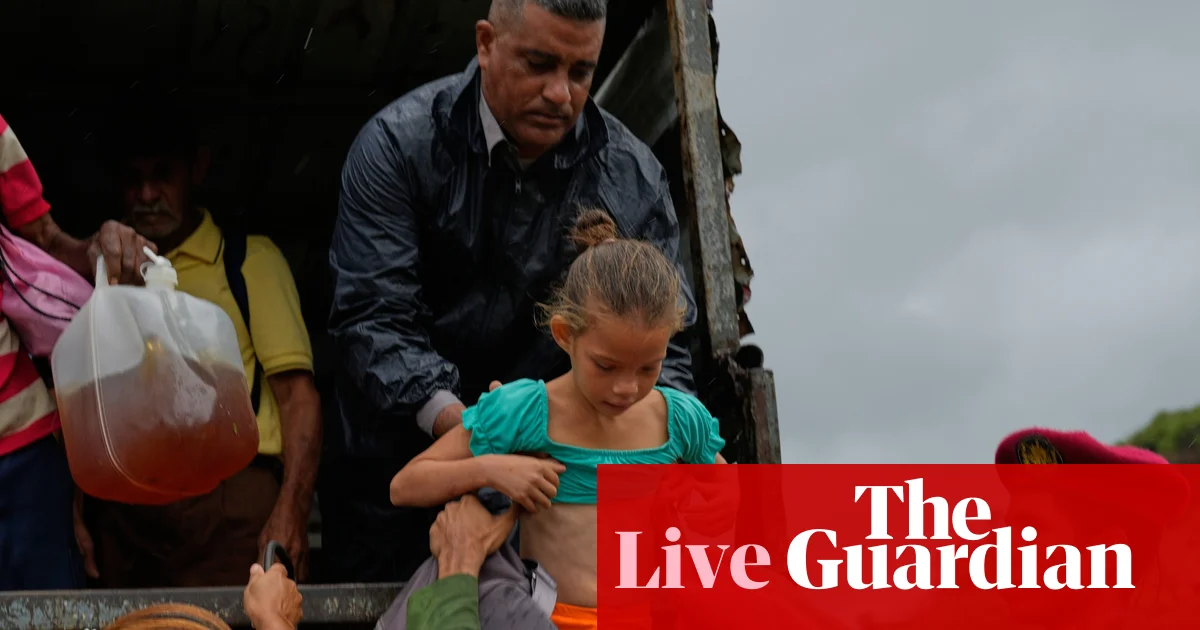
The Valencia region of Spain finds itself once again besieged by the forces of nature, as relentless storm activity wreaks havoc across the southern European coastline. This recent onslaught, driven by Storm Gabrielle, echoes the tragic floods that claimed over 230 lives last year — a sobering reminder of the increasing frequency and severity of climate-induced disasters. The meteorological agency AEMET reported that between 160 and 200mm of rain fell within just six to eight hours around the Ebro delta, unleashing floodwaters that have submerged parts of Valencia and neighboring Zaragoza in the Aragon region. Such intense precipitation reinforces the growing consensus among climatologists that exacerbated weather patterns are becoming a hallmark of a warming planet.

In the face of these natural crises, international analysts and climate experts warn that the global community faces a pressing threshold—one where climate change is no longer a distant threat but a visceral reality impacting everyday lives. The European Environment Agency has repeatedly emphasized that regions like Valencia, famed for their agricultural productivity and tourism, are on the frontlines of climate upheaval. The local authorities responded swiftly by declaring a red alert, enacting emergency protocols to safeguard residents. Schools, public libraries, and parks in Valencia have been shuttered for the day, prioritizing safety against the swift-moving floodwaters. Fortunately, no injuries have been reported so far, but the psychological and economic toll remains palpable, as local communities brace for continued instability.

Geopolitical Ramifications of Environmental Crisis

What might seem like localized weather phenomena are, in truth, intertwined with broader geopolitical implications. Climate volatility disproportionately affects Mediterranean nations like Spain, where water security and agricultural stability are critical to national sovereignty. Countries across Europe, the Middle East, and North Africa recognize the unyielding link between environmental stability and geopolitical security, with some analysts warning that resource scarcity could ignite regional conflicts. The European Union, through initiatives such as the European Green Deal, aims to address climate challenges comprehensively, but critics argue that policy implementation remains sluggish. International organizations like the United Nations have issued stark warnings: failure to adapt to climate realities could intensify migration pressures, unsettle regional alliances, and destabilize fragile states.

Historian and foreign policy analyst Dr. Jonathan Pierce underscores that these recurring weather disasters serve as a stark warning of how decisions made today will influence the geopolitical landscape of tomorrow. “Climate change is no longer an abstract issue,” he asserts. “It is a direct challenge to sovereignty, economic stability, and societal cohesion. Countries that respond proactively will preserve their resilience, while those that ignore the warning signs risk existential crises.” These sentiments are echoed by international bodies that emphasize a need for cohesive global action—action that is still insufficient given the scale of the crisis imminent from climate shifts.

Unfolding the Future of Global Power Dynamics

As we stand at this critical juncture, the decision-making by political and economic leaders now becomes all the more consequential. Valencia’s renewed floods are emblematic of a larger narrative—one where climate variability could reshape alliances, influence global markets, and redefine the responsibilities of powerful nations. From the United States to China, leaders grapple with not just immediate disaster response but also strategic foresight—how to mobilize resources, secure borders, and promote sustainable development amid mounting environmental stress.

History has shown that times of crisis often determine the course of nations; the unfolding story of climate change and geopolitical resilience will be inscribed in the annals of history. As the waters in Valencia recede, the world confronts a sobering truth: the decisions taken in the coming days will either forge a sustainable path forward or plunge societies into chaos under the weight of neglect and complacency. The future remains unwritten—and the fate of countless nations hangs precariously in the balance, awaiting the next chapter in this unfolding saga of environmental and geopolitical upheaval.

James Comey faces federal charges of obstruction and perjury, raising concerns

The recent indictment of former FBI Director James Comey by a federal grand jury marks a pivotal moment in the ongoing power struggles within the American political landscape. This development, coming on the heels of President Donald Trump’s calls for accountability, underscores the relentless battle over control of institutions and narrative. Comey, once a cornerstone of the FBI’s leadership, now faces charges including making a false statement and obstruction—charges that transcend mere legal accusations, embodying the ideological clash between those seeking to maintain law and order versus those striving for accountability in the face of perceived corruption.

From a historical perspective, this move echoes classic political dramas where the machinery of justice becomes a tool in the broader power struggle. The timing, just days after Trump’s public insistence on prosecuting Comey, amplifies the notion that decisions within the justice system are becoming increasingly intertwined with partisan interests. Experts in constitutional law note that such indictments, especially against figures once considered within the security state establishment, reflect a turbulent shift—possibly a redefinition of the boundaries of executive authority and oversight. This is reminiscent of earlier eras of political upheaval, where legal actions against high-ranking officials signal whether a nation is on a path toward justice or chaos.

Critics argue that the charges are emblematic of a broader trend where political factions leverage legal mechanisms to settle scores or shape public perception. Supporters, however, contend that no public servant is immune to scrutiny, regardless of stature. As constitutional theorists remind us, the rule of law must be protected against the temptation of political vendettas, lest the very fabric of constitutional governance frays. The charges also serve to remind citizens that, in a constitutional republic, power is mortal and fleeting; institutions exist to keep it in check, but they are also vulnerable to manipulation.

Ultimately, these events underscore that politics is less about personalities and more about the battle for the soul of the nation. Decisions made today will ripple through history, shaping not just legal precedents but the societal fabric itself. As political strategist and thinker Leo Strauss might suggest, in this realm of relentless power struggles, the future remains unwritten—destiny is proclaimed on the stage of battles that test the limits of authority and justice. In this unfolding narrative, the true victors are those who shape the rules of the game—and, perhaps, who decide the very course of national destiny.

Nicolas Maduro faces mounting challenges in his grip on power

Within the tumultuous landscape of Latin American politics, Venezuela’s President, Nicolás Maduro, faces a critical juncture emblematic of the broader crisis threatening the very fabric of democratic legitimacy. Once heralded by some as a champion of socialist ideals, Maduro now finds himself entangled in a relentless power struggle that echoes the classic conflicts between authoritarian resilience and revolutionary resurgence. The whispers of international condemnation, combined with growing domestic unrest, suggest that Maduro is increasingly running out of options, with each decision echoing deeper into the nation’s destiny.

Maduro’s recent measures signal a potential shift that many political analysts see as an attempt to consolidate power amidst mounting challenges. The decision to tighten control over opposition-led institutions, coupled with crackdowns on dissent, mirrors historical tactics used by populist regimes seeking to strengthen the grip on the levers of power. As constitutional experts dissect these moves, parallels arise with regimes of the past that prioritized centralized authority over democratic accountability. The question remains: are these reforms defensive acts designed to preserve Maduro’s tenure, or are they the harbingers of an irreversible slide into authoritarianism?

Furthermore, the socio-economic fallout of these power struggles extends far beyond Caracas. The Venezuelan people, caught in a relentless struggle for survival, are often seen as pawns in a grand political chess game. The decisions made in the palace corridors—whether to hold new elections, amend the constitution, or suppress opposition voices—directly shape the life chances of millions. This reflects an age-old truth in political theory: where power resides, so too does the capacity to shape societal destiny. As the regime tightens its grip, it raises a fundamental question rooted in historical parallels — will the nation’s sovereignty be dictated by the ambitions of a solitary leader, or will it ultimately pivot back to the sovereignty of the people?

As the global community observes, the internal fractures within Venezuela serve as a stark reminder of how power struggles define history’s course. Whether Maduro manages to prolong his hold on power or succumbs to internal dissent and external pressure, the unfolding crisis underscores a timeless truth: politics is the arena where the fate of nations is decided, and where the future is written with each decision made in the corridors of power. With each passing day, Maduro’s dwindling options reveal that in the theater of sovereignty, the stage is set for either resurgence or ruin—only history can truly reveal the scripts yet to be enacted.

Northern Powerhouse Rail Faces New Delay in Growth Push

The UK economy continues to navigate a complex landscape of infrastructure ambitions and fiscal prudence, as recent developments signal a significant shift in long-term regional growth strategies. The much-anticipated Northern Powerhouse Rail (NPR) project, a flagship plan initially championed by former Conservative Chancellor George Osborne in 2014, has faced yet another delay. The envisioned high-speed line connecting Liverpool and Manchester—a key component of the broader effort to decongest London-centric economic activity—will not be announced at the Labour Party conference next week, primarily due to ongoing concerns over long-term financial sustainability and implementation risks.

The policy environment appears cautious, as government insiders signal a strategic review aimed at avoiding the costly mistakes that have plagued the High-Speed 2 (HS2) scheme. Since its inception, HS2 has been marred by escalating costs and missed deadlines, prompting policymakers to scrutinize the value for money of ambitious infrastructure projects. The Treasury, alongside the Department for Transport, has proposed a plan to allocate up to £1.5 billion in preparatory funds, hinting at a future where stage-by-stage development is prioritized over pushing forward with unvetted proposals. This careful approach reflects a broader governmental shift—favoring fiscal discipline and risk mitigation over expansive expansion, but it raises questions about the future economic impact of delayed connectivity enhancements in the North.

Economists and think tanks such as the Centre for Policy Studies have raised concerns about the long-term regional economic divide, emphasizing that connectivity improvements like NPR are critical to boosting productivity outside London. The project’s delay signifies a possible re-evaluation of infrastructure funding priorities, as the government seeks to balance cost-effectiveness with the regional economic growth that has long been stymied by inadequate transport links. Critics argue that postponing the development of such critical infrastructure could hinder the UK’s competitiveness on the global stage, potentially ceding ground to emerging powers that prioritize integrated regional development. With Manchester and Liverpool poised to be economic hubs in their own right, the infrastructure bottleneck risks hampering their ascent, thereby affecting the broader market impact.

In the financial realm, this hesitation has tangible effects on investment sentiment. Major contractors and construction firms are at a crossroads, facing uncertainty about future projects that could unlock billions in economic activity. The shift in policy signals might also influence investor confidence, as companies seek stability amidst the broader economic and political flux. Moreover, the controversy surrounding the cancelled HS2 Phase 2—where £12 billion was reallocated—serves as a stark reminder of the delicate balance between ambition and fiscal responsibility. Notably, critics like Andrew Gilligan, writing for the Policy Exchange think tank, call for outright scrapping of NPR altogether, arguing that the risks outweigh the benefits. Yet, such opposition also highlights the ideological tug-of-war—whether infrastructure expansion is a catalyst for growth or a source of fiscal excess.

Looking forward, the trajectory of Northern Powerhouse Rail and similar mega-projects will serve as a barometer for the UK’s economic resilience and political will. As regional leaders and industry stakeholders await decisive action, the economy’s pulse continues to beat strongly—each delay and policy shift shaping the battlefield of future power. The coming weeks and months will reveal whether Britain’s infrastructure ambitions remain rooted in pragmatic innovation or sink into the quagmire of prolonged indecision. In this epic saga of growth—where nations stake their future—the true power lies in an economy agile enough to transform ambitious visions into tangible realities, fueling a renaissance driven by connectivity, competitiveness, and patriotism.

Autistic teen faces school exit as funds for travel are slashed

In a society that prides itself on fairness and compassion, the unfolding crisis in special educational needs and disability (Send) support exposes a harsh reality: families caring for children with complex needs are facing systemic neglect and social insensitivity. As communities increasingly rely on local governments to bridge gaps left by austerity-driven cutbacks, the stark disparities in support serve as a wake-up call to reevaluate societal priorities. The story of Luke, a fourteen-year-old autistic boy with sensory processing disorder and ADHD from Somerset, exemplifies how families are being left to shoulder the burden of inadequate social services, impacting not only the well-being of individual children but also the fabric of their families and communities.

With the transition to post-16 education, families like Luke’s find the support structures that once provided essential aid suddenly dissolving. Somerset Council’s decision to cease paying for Luke’s specialized transport—a taxi and in-car support worker—highlight the increasing disconnect between policy and human need. Now, his family faces a difficult choice: to bear the financial weight of costly travel alternatives or to risk safety by navigating unpredictable, unsupervised journeys. This shift not only endangers children like Luke but also underscores a broader societal failure to protect vulnerable youth. Social commentators and sociologists warn that when communities fail to provide adequate support, they risk fragmenting under the weight of inequality, with families bearing the brunt of systemic neglect.

‘Not safe’: The Human Cost of Systemic Austerity

Luke’s mother, Tatjana, describes her son as having “no road safety, no danger safety,” emphasizing that in his current state, he cannot transition to independent travel without significant risk. Her account sheds light on a fundamental moral challenge: the ethical obligation of society to safeguard its most vulnerable members. Since reaching age 16, Luke’s family has been offered a mere “Personal Travel Payment” of fifty pence per mile. Yet, with specialist taxi costs reaching nearly £97 per journey, this amount is grossly insufficient. The loss of dedicated, trained support for children with complex needs often translates into families sacrificing their financial stability and mental health.

Social historian Dr. Helen Miles notes the deterioration in support for families with special needs children, warning that “the long-term consequences threaten to erode social cohesion.” Families, especially those with physical or emotional hardships, become isolated as they struggle to fill the void left by underfunded government programs. Tatjana’s story—her partner’s spinal condition, her former husband’s leg amputation—epitomizes that the social safety net is fraying for those who need it most. Without sufficient support, children like Luke may face a future marred by instability, frustration, and the risk of educational failure, which inevitably impacts families’ stability and the community’s social fabric.

‘The system is broken’: Calls for reform and renewed hope

Former MP Gideon Amos articulates a bitter reality: “The Send system is broken.” His comments reflect a growing frustration among politicians, social workers, and families alike, who observe that “the current approach fails not just in policy but in moral substance.” The Department for Education’s promise to reform and “transform outcomes” signals an opportunity but also a challenge: society must reimagine how it cares for its children. Local authorities like Somerset claim they put “care and consideration” into decisions but admit their resources are stretched thin.

  • The current figures show approximately 120 post-16 Send children in Somerset rely on transport support, a number that is unlikely to decline given demographic trends.

This ongoing crisis is a stark reminder that without fundamental systemic overhaul, support for vulnerable children risks becoming a token gesture rather than a societal commitment.

As society stands at a crossroads, the question remains: will society’s collective moral conscience awaken to the plight of children like Luke? The stories behind policies are rooted in human faces—families torn between love and survival, children with dreams hindered by systemic neglect. The challenge ahead is not merely administrative but moral: to build a society where every child’s safety, potential, and dignity are prioritized, regardless of age or ability. In this moment of societal reflection, hope lies in collective action, reform, and an unwavering commitment to transform social failure into a future where every child can find their place. Only then can society truly claim to be just, compassionate, and resilient—qualities that define the strength of a civilization.

Social Media Auto Publish Powered By : XYZScripts.com