Matox News

Truth Over Trends, always!

From policing Black style to sparking a fashion revolution: How the NBA’s dress code shifted youth culture

The world of sports, especially the NBA, has always been more than just a game—it’s a reflection of society’s evolving cultural landscape. Twenty years ago, a sudden policy change aimed at imposing professionalism sparked a fierce culture war, highlighting tensions between league authorities and players who viewed their attire as an extension of their identities. Back then, the NBA dress code was seen as a racially charged move, designed to curb hip-hop-inspired fashion staples like do-rags, jerseys, and oversized T-shirts. For many fans and players, it was not just about appearance but a broader issue surrounding expression, race, and cultural identity. The controversy centered on iconic figures like Allen Iverson, who became a symbol of unapologetic individuality through tattoos, braids, and baggy clothes—a mirror of a cultural movement that was seeing its voice silenced in the league’s push for a sanitized, “professional” image.

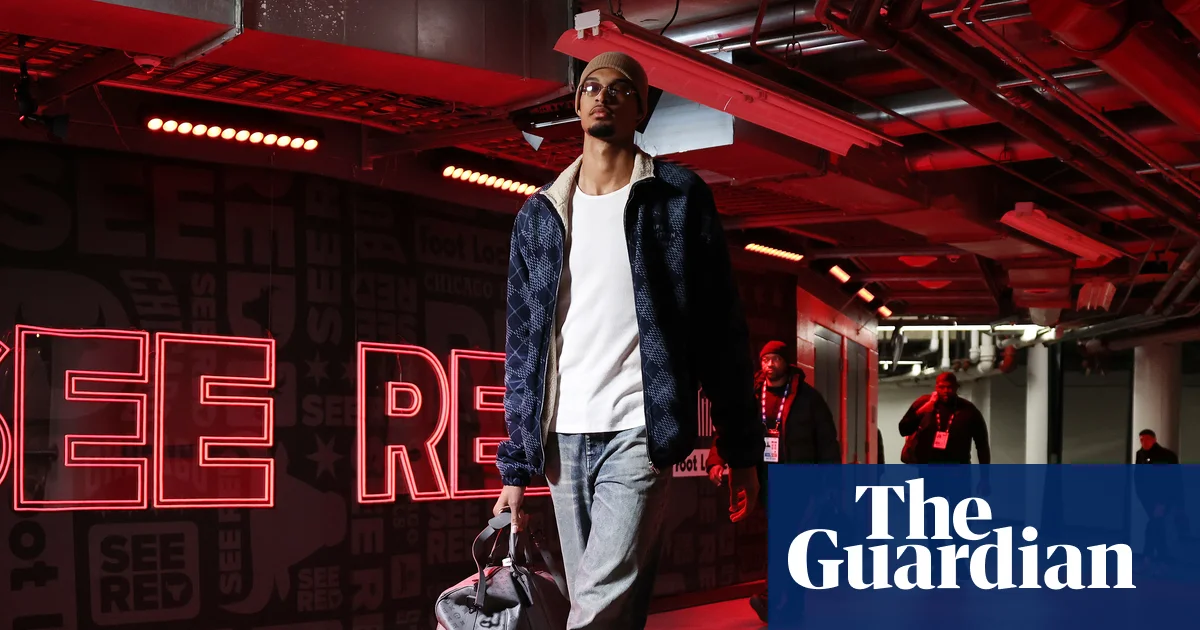
Fast forward two decades, and the narrative around the league’s dress code has undergone a dramatic transformation. What once was seen as a policing of Black culture has evolved into a fashion revolution that places the NBA at the forefront of global style innovation. Influencers like Darius Garland and Tim Hardaway Jr. now arrive at pre-game events as if they’re walking down designer runways. The league’s “tunnel fashion,” with photographers capturing every outfit, has become a cultural phenomenon. Many analysts agree that this shift reflects how the NBA players have largely taken control of their narratives, turning what was once a restrictive dress code into a platform for self-expression and branding. As Kathy Behrens, the league’s president of social responsibility, explains, the goal was never to erase culture but to elevate it—something the players have embraced wholeheartedly, turning their outfits into a form of communication that transcends sport.

  • Fashion is now entwined with business: many players leverage style for commercial opportunities, partnering with clothing brands like Lululemon and Armani, unraveling a new revenue stream beyond traditional endorsements.
  • Pre-game “fits” have transcended casual wear to become an art form, often sparking friendly competitions among players over who can showcase the most innovative ensemble.
  • The influence of hip-hop culture, once suppressed, now fuels the league’s fashion scene, with players citing artists as their style icons and using their wardrobe choices to connect with fans.

At its core, this evolution represents more than just clothes; it’s about social influence and cultural identity. The NBA’s journey from a strict dress code to a global fashion stage exemplifies how young athletes are redefining professionalism, rejecting outdated stereotypes, and asserting their influence in a way that resonates across generations. What, however, is the next evolution—will this wave of individual style and cultural expression continue to grow, or will the league attempt to impose new constraints? As players and fans increasingly view their attire as a statement of personal and cultural identity, the question remains: can the NBA strike a balance between professionalism and authentic self-expression without losing its cultural edge?
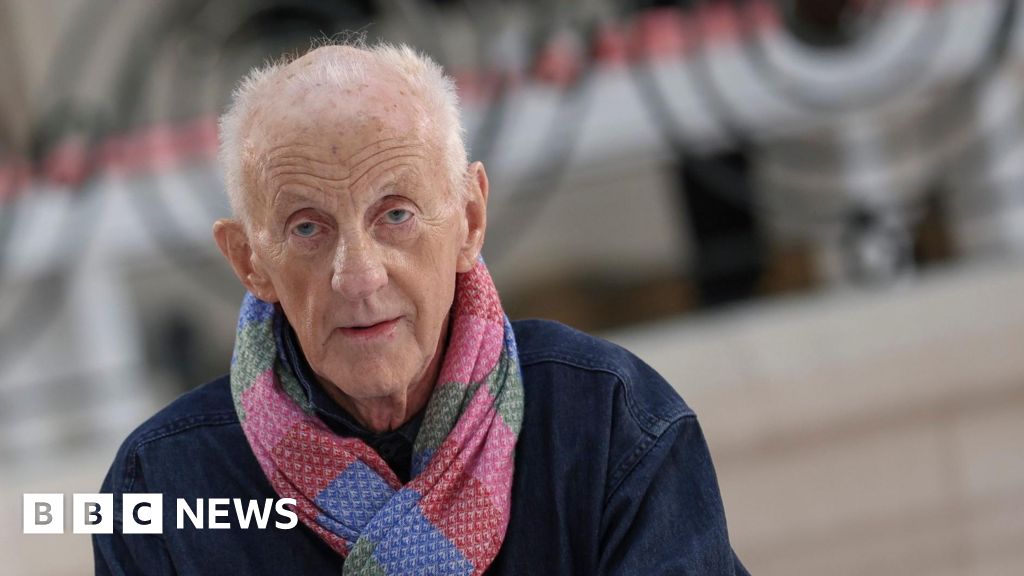
Irish Fashion Icon Passes at 80: A Lasting Legacy

In a notable loss for the international fashion community, Irish designer Paul Costelloe passed away in London at the age of 80, leaving behind a legacy that transcends borders and exemplifies the power of cultural influence on global markets. Costelloe’s death marks the end of an era where fashion intertwined with history and politics, and his life’s work vividly illustrates the how decisions in cultural representation affect national identities and societal perceptions. With a career that spanned over four decades, his influence extended from Dublin’s fashion scene to the haute couture runways of London, Paris, Milan, and New York, making Irish fashion a recognized force internationally.

Costelloe’s role as Princess Diana’s personal designer from 1983 until her tragic passing in 1997 epitomizes the intersection of fashion and diplomacy. His use of traditional Irish fabrics and textiles—such as linen and tweed—helped elevate Ireland’s cultural narrative in global fashion circles. Historians and fashion analysts have noted that his collaborations with Irish brands, like Dunnes Stores, alongside his participation as a closing designer at Ireland’s inaugural Fashion Week in October, played a crucial role in positioning Ireland as a modern yet culturally rooted fashion hub. This underscores how international decisions about cultural export and branding directly influence national prestige and economic development, especially amidst shifting geopolitical landscapes.

However, Costelloe’s legacy is not merely about fabric and design but also about the broader geopolitical impact. As Ireland navigates its place between traditional European influences and the global economic engine, figures like Costelloe serve as cultural ambassadors, demonstrating that fashion can be a form of soft power. Despite controversies—such as his 1998 remark criticizing Irish women’s style—his voice in 2023 reflected a more mature appreciation of Ireland’s evolving place in Europe. Such reflections exemplify how international perceptions and cultural confidence are often shaped by individual narratives, reinforcing the importance of cultural diplomacy in geopolitics. Irish officials, including Taoiseach Micheál Martin and Tánaiste Simon Harris, lauded his contributions, emphasizing that his work elevated Irish fashion onto the global stage and bolstered national identity.

As the world continues to grapple with shifting alliances and the relentless pace of globalization, the death of Paul Costelloe reminds us that history is a dynamic, unfolding story—one rooted in the decisions made today about cultural representation, industry standards, and international influence. His life’s work encapsulates a narrative where Ireland’s cultural export deepens diplomatic ties and challenges stereotypes, asserting that fashion remains a powerful tool of diplomacy and national pride. With his passing, the weight of history presses heavily, leaving future generations to reckon with the significance of figures who, through art and innovation, helped shape the narrative of an island nation in the grand theater of world affairs. The story is far from over, and the true measure of his impact will be seen in the enduring fabric of Irish identity woven into global consciousness.

Anna Wintour’s Vogue Covers: A Bold Message at the Forefront of Fashion and Culture

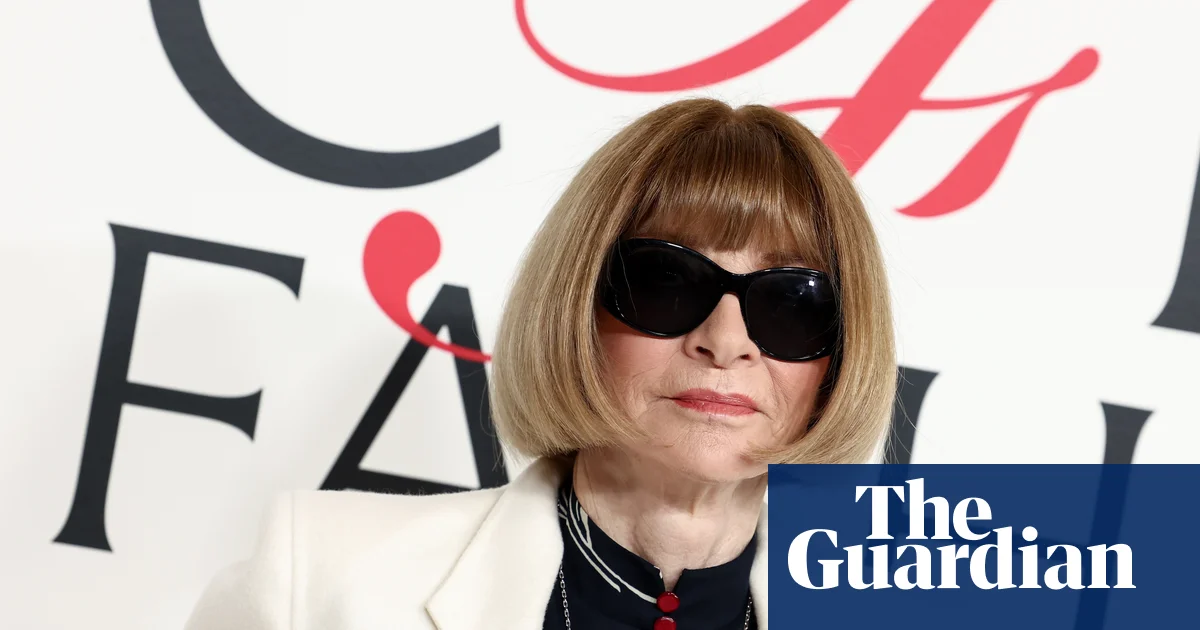
As Anna Wintour prepares to step away from her nearly four-decade reign as the editor-in-chief of Vogue, the question on everyone’s lips is: what will the next chapter in high fashion’s cultural influence look like? During her tenure, Wintour redefined what a fashion magazine could be—shaking up industry standards, pushing social boundaries, and cementing Vogue’s place as a cultural icon. Her final December 2025 cover, featuring Timothée Chalamet photographed by Annie Leibovitz, symbolized her love for the avant-garde—yet, it also sparked controversy, highlighting an undercurrent of societal leverage that her departure could shift.

This cover, set against a cosmic backdrop provided by NASA, exemplifies Wintour’s penchant for making her magazine a platform for spectacle and conversation. Critics online dismissed it as “offensive” and questioned whether it represented anything more than art for art’s sake. However, industry insiders like Jeremy Leslie of magCulture argue that even the most perplexing covers serve a strategic purpose: keeping Vogue, and by extension fashion media, in the global consciousness. Her history of provocative choices—ranging from Madonna in 1989 to Beyoncé in 2018—underscores an enduring truth: fashion media acts as both mirror and molder of societal values, often pushing boundaries that society itself is hesitant to confront.

Wintour’s legacy is also marked by moments of controversy and cultural critique. Covers featuring figures like Beyoncé as the first Black photographer, as well as missteps like the 2008 Gisele Bündchen and LeBron James cover, reveal an industry still grappling with questions of representation and social responsibility. As Chloe Malle, now leading Vogue’s editorial content, prepares to reframe the magazine’s upcoming visual language, many wonder if her era will mirror Wintour’s knack for boldness or shift toward a more subdued, less provocative model. This transition isn’t just about style—it’s about social impact, and how fashion wields influence in shaping societal norms.

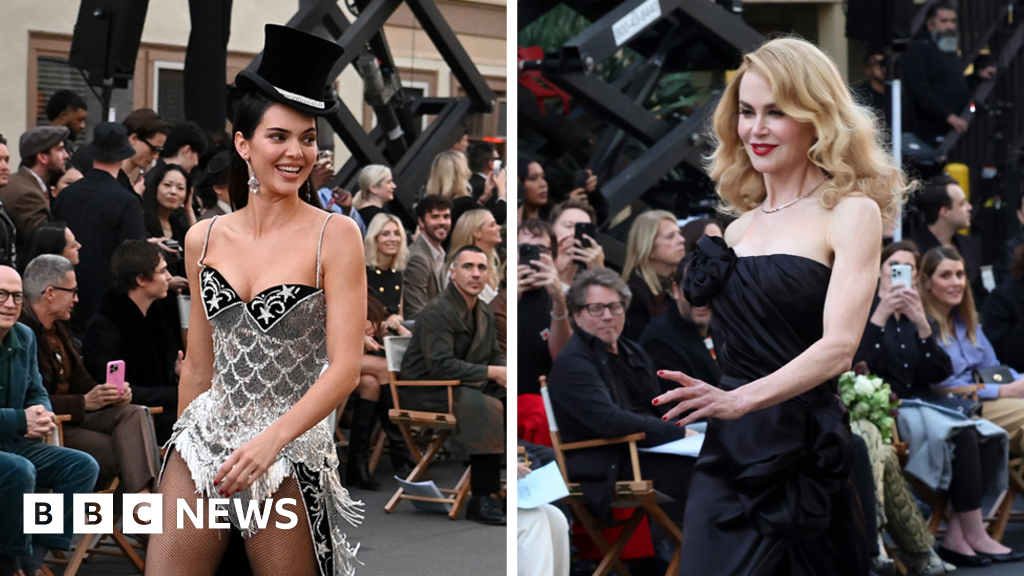
Meanwhile, Wintour’s recent focus on Vogue World, a series of fashion shows blending entertainment, philanthropy, and high style, signals another layer to her influence—one that moves beyond pages and into immersive cultural experiences. These events, held in iconic cities like Los Angeles and Milan, bring together stars like Kendall Jenner, Nicole Kidman, and others in a spectacle that marries fashion with societal outreach. As fashion’s landscape shifts to more experiential and socially conscious domains, the question remains: will future creative leaders harness this platform to redefine social relevance or will fashion become increasingly insular, serving just the wealthiest and most powerful?

As the evolution of Vogue’s influence unfolds, all eyes are on the next frontier. Will the digital age and social media democratization allow for more authentic representation and societal engagement from fashion’s power brokers? Or will the industry’s penchant for spectacle and controversy continue to serve as a distraction from deeper social issues? The next big question is: as traditional gatekeepers like Anna Wintour make way for a new era, what values will take center stage—artistry, activism, or pure spectacle—and how will they shape society’s expectations of culture in the decades to come?

Hi-Fi Vibes: How Sound System Culture is Dominating UK Art and Fashion — Peter Doig on the Beat

The Rising Cultural Power of Sound Systems in Art and Fashion

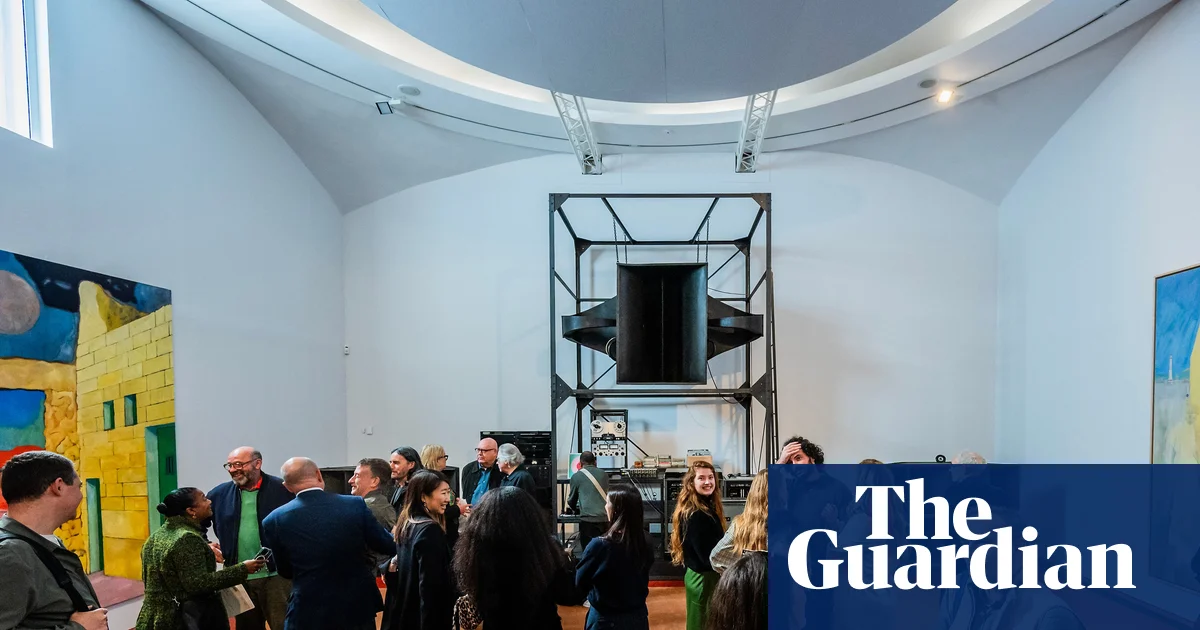
In recent years, high-end sound system culture has transcended its roots to become a defining element of contemporary art and fashion scenes. From Peter Doig’s innovative “House of Music” exhibition at the Serpentine Gallery to collaborations with iconic brands like Dior and Valentino, the integration of sophisticated audio technology is reshaping sensory experiences. Doig’s installation, which features vintage Western Electric and Bell Labs speakers alongside bespoke Klangfilm Euronor speakers acquired from Kraftwerk’s Florian Schneider, embodies this shift. His concern that visitors might question the purpose of music-enhanced art underscores a broader societal debate: is the fusion of auditory and visual culture merely a trend, or does it signal a profound cultural transformation?

This trend is aligned with a wider movement where the gallery space is no longer purely visual but becoming a listening environment. Across the UK, museums and galleries like Liverpool’s Walker Gallery and platforms such as V&A East are hosting sessions that emphasize the re-emergence of sound system culture—originally born in Jamaica in the 1950s and propelled into the UK by the Windrush generation. These sound systems are now acting as social catalysts, fostering community engagement and cultural dialogue. Sociologist Julian Henriques from Goldsmiths highlights that such initiatives are not only expanding audience reach but also challenging the traditionally male domain of sound system culture, paving the way for a more inclusive and diverse cultural landscape.

Beyond the art world, fashion houses have embraced high-fidelity audio as a symbol of modern prestige. Valentino’s flagship store in New York hosted a ten-hour listening session, while Stone Island’s collaboration with Friendly Pressure showcased the integration of sound systems into the fabric of design and retail experiences during Milan’s design week. This convergence of fashion and sound recalls Doig’s 2020 runway collaboration with Dior, where towering speaker stacks loomed over models on the runway, turning a simple walk into a sensory spectacle. As culture critic Suze Webb notes, speakers have become status symbols; “sound systems and quality hi-fi have over the last few years become cool and aspirational,” fueling a desire among the youth to embed sound into their social identities.

The Cultural Impact and Social Relevance

The increased visibility of sound system culture is not accidental but reflects a deeper social shift. More Black and Caribbean creatives are now in key roles within the global cultural economy, bringing authentic understanding and appreciation for the roots of this movement. Prof Julian Henriques emphasizes that while some of the radical roots may be fading, the widespread interest signals a positive cultural evolution. It’s about making sound a central medium of expression—reminding us that audio isn’t just background noise but a potent tool for resistance, presence, and community-building.

Influencers like Virgil Abloh, who was a DJ before transforming fashion, and emerging spaces like Devon Turnbull’s OJAS Listening Room, exemplify how deep-listening experiences are becoming mainstream. The question remains: as high-fidelity audio continues to grow in popularity, will we see a redefinition of social and cultural status centered around sound? Or will this wave of auditory innovation challenge our perceptions of art, identity, and even societal divides? In a culture obsessed with visual spectacle, one thing is clear—listening and sound are poised to become the next frontier in shaping collective identity and cultural power. The next big question might just be: how will society harness this heightened importance of sound in constructing a more unified or divided cultural future?

Farmer’s Bold Rescue of ‘Gay Sheep’ Sparks Colorful Revolution with Rainbow Wool

In an inspiring testament to how lifestyle shifts can foster compassion and creativity, a recent collaboration between a German sheep farmer and a Los Angeles fashion designer has captivated the public’s attention. The duo’s innovative project involves transforming the wool of rescued sheep—those spared from slaughter—into a vibrant, eco-conscious knitwear collection. This initiative not only underscores a _growing movement_ toward sustainable living but also demonstrates how personal impact can extend beyond individual well-being to influence broader cultural narratives about animal welfare, environmental responsibility, and creative expression.

The story begins on a rural farm in Germany, where compassionate farmers have increasingly turned to rescue efforts amid rising concerns over animal rights and ethical farming. The sheep, often overlooked in conventional agriculture, are given a new lease on life, proving that kindness is the cornerstone of resilient, forward-thinking lifestyles. Their wool, once destined for slaughter, is now repurposed into colorful, one-of-a-kind garments that celebrate lifestyle shifts rooted in wellness and ethical conscience. Fashion, as we know, is no longer just about aesthetics but a meaningful statement—aligning with the philosophies of wellness experts and cultural commentators like Dr. Ruth Westheimer and John Robbins, who emphasize the importance of moral integrity in everyday choices.

This initiative exemplifies the power of creative reuse; transforming what might have been waste into wearable art encourages a sense of purpose and responsibility. Consumers today are increasingly seeking out brands that reflect their values—brands that prioritize sustainability, wellness, and ethical sourcing. The knitwear collection is more than just clothing; it’s an embodiment of a lifestyle that recognizes the interconnectedness of healthful living, environmental stewardship, and personal inspiration. As the world awakens to the impact of ecological and ethical choices, stories like this serve as a reminder that personal impact can ripple outward, shaping cultural norms and inspiring newer, kinder ways of living.

For those eager to embrace such lifestyle shifts in their own lives, consider these key takeaways:

  • Prioritize brands and products that emphasize _ethical sourcing_ and _sustainable production_.
  • Support local artisans and initiatives that repurpose waste into beauty—whether in fashion, home decor, or cuisine.
  • Adopt an _informed perspective_ on how individual choices contribute to _larger societal changes_.
  • Explore _wellness practices_ that foster *mindful consumption* and _personal growth_, inspired by cultural narratives that value compassion and sustainability.

As cultural narratives evolve, they invite a reflection on the true purpose of lifestyle in shaping a better world. The fusion of fashion, ethics, and personal well-being demonstrates that embracing change is a journey—one that is as individual as it is collective. Like the rescued sheep woven into this collection, we are all threads in a larger fabric, capable of contributing to a tapestry that values respect, innovation, and hope. In embracing these shifts, each person can help craft a future where wellness isn’t just personal but a collective pursuit—a lifestyle rooted in compassion and inspired by possibility, guiding us toward a horizon where kindness becomes the new norm.

Jess Cartner-Morley on Fashion: Party Season Brings Glitter and Glam—But Not Everything Shines Bright

If there’s one thing that captures the spirit of modern youth culture, it’s the eagerness to embrace the festive season from the earliest possible moment. While traditionalists might scoff at jumping into holiday preparations as soon as September, a significant shift in social behaviors indicates that this newfound enthusiasm for holiday cheer isn’t just about the cheer itself—it’s about the statement it makes. Now, booking Christmas food deliveries in September isn’t just practical; it’s a lifestyle choice that blends forward-thinking consumerism with societal mindfulness about embracing small joys early. This trend signals a cultural shift toward the anticipation and personalization of holiday traditions, positioning the season as a form of self-expression even before December arrives.

The fashion landscape, however, remains more traditionally aloof — at least on the surface. The current narrative is flooded with curation from influencers and fashion analysts emphasizing that holiday partywear should be deliberate, meaningful, and smartly selected. Amid the glitter and the sparkle, there’s a conscious pushback against the *”more is more”* mentality that once defined Christmas shopping sprees. Influencers like Jess Cartner-Morley advocate for a pared-back approach—like opting for a long, elegant coat instead of multiple mini ensembles. This is not just about fashion; it’s a reflection of a generation that values quality over quantity, mindful consumption, and the social relevance of dressing intentionally. The emphasis is on selecting pieces that evoke nostalgia or timeless sophistication, rather than succumbing to fleeting trends driven by social media hype.

What’s fascinating about this shift is the way social influences are reshaping the cultural impact of holiday fashion. Instead of impulsively buying on a whim, youth consumers are increasingly engaging in mindful browsing, muting the noise of fast fashion and social media to connect with clothing that truly resonates with their personal style. Influencer-driven platforms like Instagram and TikTok are making this change palpable—many users are curating feeds filled with understated, classic pieces, drawing a stark contrast to the over-the-top, glitter-fest trends of years past. The result? A more meaningful, socially conscious approach to festive dressing, where each outfit tells a story and aligns with individual values. As analyzed by sociologists studying consumer behavior, this approach promotes a healthier attitude toward materialism, encouraging youth to scrutinize their choices rather than default to consumption driven by societal pressure.

Yet, beneath this veneer of conscious consumerism lies an intriguing question: Will this commitment to thoughtful purchase and subdued style redefine holiday fashion forever? Or is it just another trend that will eventually be swept away by the allure of instant gratification and viral hype? As the next wave of influencers reshapes the scene—perhaps emphasizing sustainable materials, vintage finds, or DIY fashion—the real question becomes: What will the next generation wear when they pause to reflect on what truly connects fashion to their social identity? The future of holiday dressing might not be about the flashiest sequins but about what this trend signifies—a cultural movement towards authenticity, sustainability, and self-designed narratives in an age dominated by social media-driven spectacle.

Got a Trendy Halloween Costume Idea? Check Out Your Own Wardrobe’s Hideaway! | Fashion

As the spooky season approaches, a fascinating cultural shift is unfolding in the realm of Halloween festivities. Traditionalists may still be rummaging through boxes for that dusty, decade-old costume, but a new wave of trend-savvy youth is redefining what it means to celebrate. Halloween has transitioned from a night of simple fun to a playground of creative expression, fueled by social media influencers, trendsetters, and the rising obsession with “in-the-know” cultural nods. This generation isn’t just dressing up for the night; they are making statement looks with effortless, last-minute touches that scream trend consciousness.

Leading the charge are the so-called cultural high achievers—from A-list celebrities like Kim Kardashian and Heidi Klum to innovative artists like Janelle Monáe. These icons spend weeks curated their costumes, leveraging platforms like Pinterest and Instagram to craft intricate, highly conceptual outfits. Their obsession isn’t just about costumes but about crafting a narrative that resonates with ever-evolving cultural moments. This influence trickles down to mainstream youth, who now see Halloween as an opportunity to join the conversation on societal trends, pop culture, and political commentary through their fashion choices. The result is a holiday that’s less about candy and more about cultural cachet — a kind of Halloween “manifesto” where costumes are loaded with meaning, parody, or insider references.

However, not everyone is investing hours or dollars into elaborate ensembles. Instead, a new subset of trend-hunters is embracing the art of the “stolen idea”. Inspired by recent headlines—like the daring Louvre jewel theft or viral crime stories—youth are assembling quick, punchy costumes that shout social relevance. For example, donning a hi-vis vest and piling on jewelry from their own collection transforms into an instant costume mimicking the infamous €76m jewel thieves, blending satire with social commentary. It’s a clever way of turning viral stories into wearable, relatable statements. Sociologists like Dr. Emily Chen argue this reflects a broader societal shift: we’re increasingly defining our identities through rapid commentary on media phenomena, where humor and irony are primary tools for social engagement.

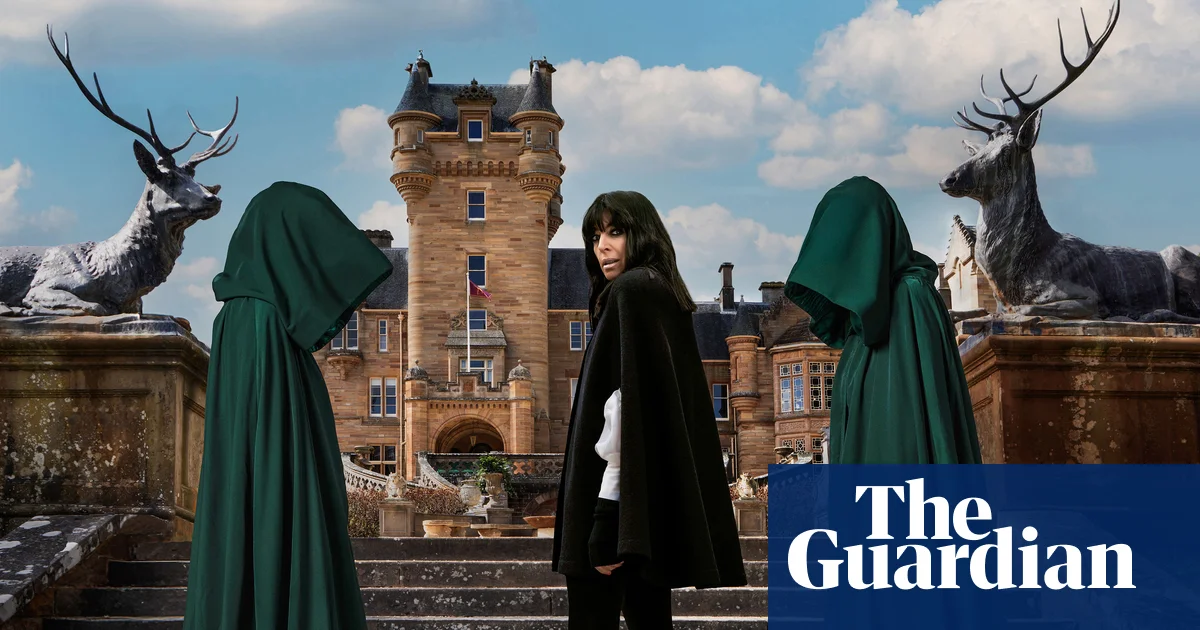
This trend isn’t just about aesthetics; it’s reshaping the social fabric of Halloween. As influencers like Claudia Winkleman showcase DIY accessories—snipping old gloves or layering eye makeup—young people are redefining what it means to participate authentically. The iconic “incognito mode”— Leo DiCaprio’s face-covering at a Venice wedding—embodies this desire to balance social spectacle with a curated sense of mystery, pushing the boundaries of traditional costume conventions. Meanwhile, comfort and humor reign supreme with options like wrapping oneself in a sleeping bag as a “Demon Hunter” or going retro with 2000s-inspired fashion staples—think boat shoes and baggy jeans—reminding us that even throwbacks can amplify current cultural conversations.

Ultimately, the next question we should be asking is whether this rapid, socially charged approach to Halloween costumes signals a deeper shift in youth culture. Are we witnessing the emergence of a new form of digital-era storytelling—where costumes serve as semiotic short-cuts and social commentary—destined to influence fashion, media, and social activism beyond October 31? As trends continue to evolve at breakneck speed, one thing is clear: Halloween’s cultural impact extends far beyond candy and costume contests. This is a reflection of a generation that’s increasingly savvy, strategic, and willing to use their appearance as a canvas for expressing complex societal narratives. The next big challenge? Deciphering how far this desire for meaningful, quick-witted self-expression can take us in shaping tomorrow’s cultural landscape.

Hollywood icons and trendsetters champion bold cinematic fashion

Global Power Shifts as Nations Navigate an Era of Uncertainty

In a world grappling with unprecedented geopolitical shifts, recent developments underscore the fragile state of international stability and the profound consequences of diplomatic decisions. Central to this evolving landscape is the complex interplay of major powers vying for influence, while international organizations grapple with maintaining order amid mounting challenges. As analysts warn of an impending recalibration of global alliances, nations are forced to confront the realities of a multipolar world where decision-making bears the weight of history.

The United States remains a dominant actor, yet its diplomatic posture appears increasingly cautious as tensions with China and Russia intensify. According to historians such as Dr. Elizabeth Carter, recent policies signal a retreat from unilateral engagement towards a more strategic balance of power, emphasizing resilience rather than dominance. Meanwhile, European Union nations face their own dilemmas, balancing economic recovery with the rising tide of internal and external dissent. Crucially, the G7 summit’s resolutions reveal a commitment to shoring up defenses and fostering alliances, yet critics argue this may be insufficient against the backdrop of a resurgent Russia’s assertiveness.

Simultaneously, a wave of cultural and social upheaval continues to shape domestic policies. Events such as Vogue World: Hollywood exemplify how nations project soft power and influence through spectacle and celebrity. The recent gathering in Los Angeles, showcasing luminaries from Nicole Kidman to Miley Cyrus, exemplifies the strategic use of media and culture to bolster national prestige. Beyond glitz and glamour, these moments reflect a deeper narrative: how nations choose to present themselves to the world influences not only perception but also diplomatic leverage. International organizations such as the United Nations caution that these cultural displays are no substitute for substantive policy, yet the spectacle continues to serve as a reflection of a world obsessed with image and influence.

As geopolitical tensions deepen, the choices made today will echo through history’s corridors. Analysts warn that a failure to address core conflicts risks ushering in an era of instability where societal divisions widen and the fabric of international order unravels. In the shadow of these monumental decisions, societies are left to ponder the future—whether unity can be restored or if history’s relentless tide of change will forge a new world order in flames of conflict or in the quiet whispers of diplomacy. It is here, at this crossroads of history, that the true weight of our era is being written, a story yet unfinished, destined to shape the generations to come.

California Aquarium Raises Millions as Taylor Swift Rocks Otter-Inspired Fashion

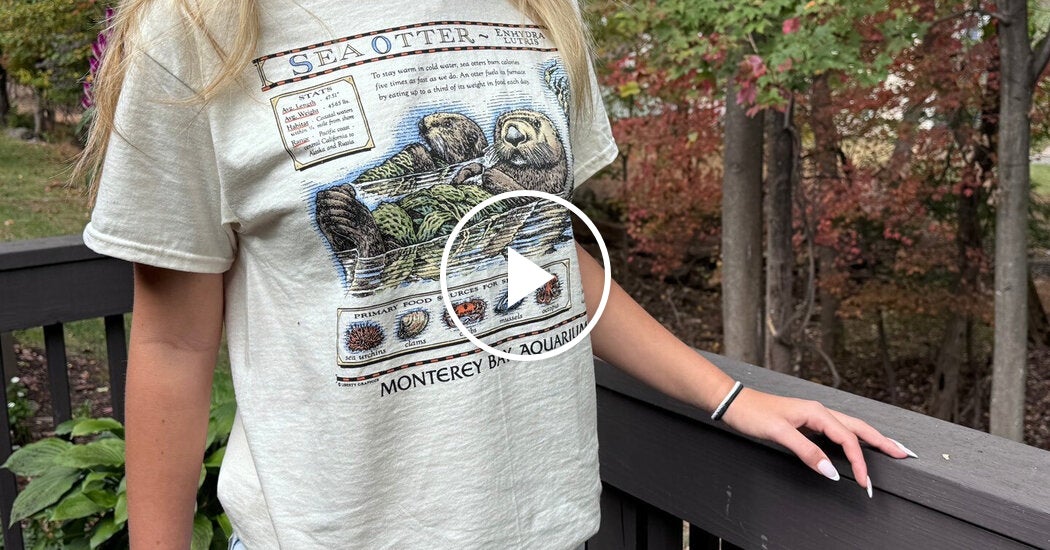
In an age where cultural icons often serve as mere commodities, the story of Taylor Swift’s Otter Shirt underscores a profound truth: culture remains a potent vessel of identity, tradition, and societal renewal. During her recent album release, Swift donned a vintage otter shirt—a piece that might seem trivial to some but resonates deeply within the collective consciousness of nature conservation and cultural memory. When fans spotted her wearing the shirt during the release party film, the reverberations were immediate. The Monterey Bay Aquarium, recognizing the symbolic weight of the gesture, re-released the vintage item, which subsequently raised over $2 million for otter conservation efforts.

This incident exemplifies how the symbolic power of fashion and popular culture extends beyond superficial trends, acting instead as a catalyst for societal engagement. Artistic expression, as philosopher G.K. Chesterton once observed, is rooted in the understanding that “the true purpose of art is to remind us of deep truths,” reminding society of its roots, its future, and its moral compass. Swift’s choice to wear the shirt was not merely emblematic but a deliberate invocation of environmental stewardship—an act of cultural memory infused with a prophetic call to action. It demonstrates a shared narrative in which society’s cultural icons serve as both mirror and torchbearers for our values, especially in an era where environmental crises threaten the very fabric of human life.

Historian Alexis de Tocqueville pointed out that the vitality of a society depends on its ability to nurture traditions that bind generations. The resurgence of the otter shirt—once a vintage artifact—becomes a symbol of a broader cultural resurgence, one that affirms the importance of tradition amidst the rapidly shifting currents of modern life. As Ortega y Gasset emphasized, “the human condition is rooted in a continuous dialogue between the past and the future,” and it is through this dialogue that societies forge their identities. Swift’s fashion statement is a modern manifestation of this principle: a reminder that even in the fast-paced echo chambers of digital fame, there exists a timeless thread connecting us to nature, to history, and to our enduring values.

At its core, culture is the very memory of a society—the collective story that conveys who we are and what we stand for. Yet, it also serves as the prophetic voice of what we might become. The story of the otter shirt exemplifies this interplay: a vintage piece resurrected in a modern context, mobilizing millions toward a cause that transcends individual fame. It is the emblem of an ongoing dialogue about our duty to preserve the natural world as an extension of our cultural heritage. As T.S. Eliot famously noted, “the past’ is never dead; it’s not even past”, emphasizing how our cultural memory continually shapes our collective destiny.

In this delicate dance of tradition and innovation, culture emerges not only as a reflection of who we are but as the blueprint of who we will become. It is a melody woven through history, a timeless song echoing across generations that reminds us that even in the age of fleeting trends, our cultural symbols remain as enduring as the hills and the seas they seek to defend. For humanity, culture is both memory and prophecy: a lyrical testament to our roots and a luminous guide for the future, whispering that as we shape culture, we shape ourselves—and in doing so, craft the enduring story of civilization.

Fashion Shift Alert: Less Plus-Size Presence at Runway Shows Sparks Conversations Among Young Trendsetters

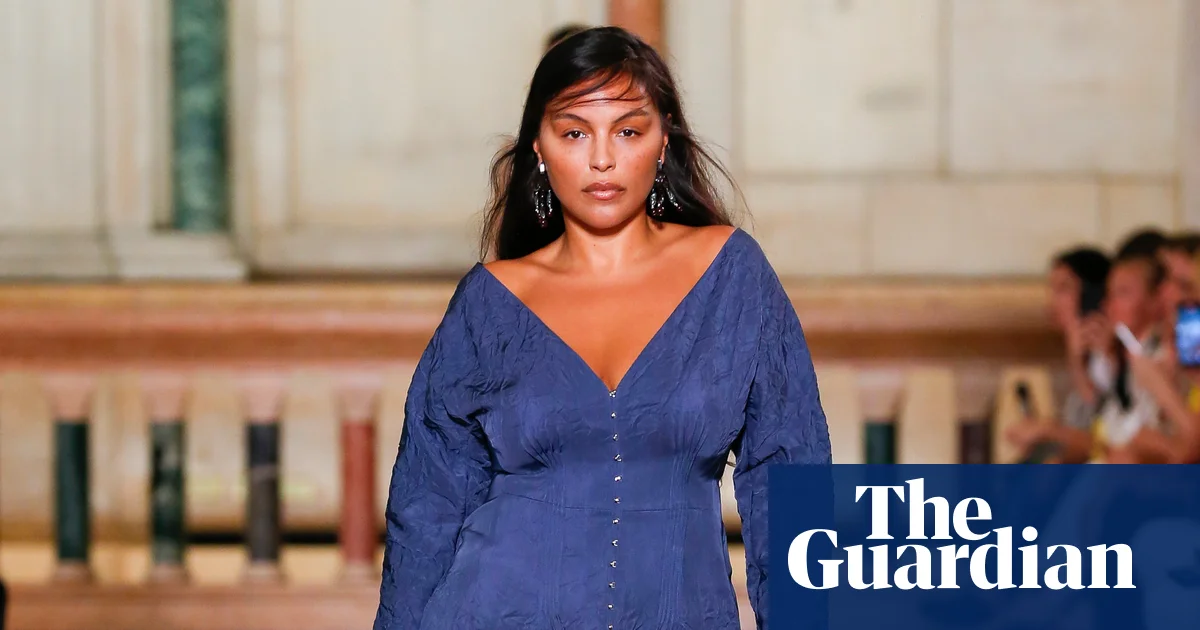
In recent years, the fashion industry was beginning to show signs of embracing true inclusivity. Runways were dominated by models of varied sizes, and campaigns spotlighted body diversity as a message of progress. However, new reports reveal a disturbing regression toward a predominantly thin ideal. According to a recent Vogue Business analysis, a staggering 97.1% of the 9,038 looks across 198 womenswear shows featured models measuring between US size 0-4 — hardly a sign of genuine size diversity. This trend underscores a broader societal push back, with catwalks and advertising reinforcing a narrow beauty standard that many critics argue is both unfair and unhealthy.

Among industry insiders, alarm bells are ringing. Elektra Kotsoni, Deputy Editorial Director of Vogue Business, describes the current situation as “horrible,” highlighting that in Milan alone, only 4 of 55 brands showcased models outside the straight-size range — the lowest proportion since such data collection began. This resurgence of skinny-shaming, bolstered by the widespread use of weight-loss drugs like Ozempic, signals a societal shift fueled by consumer obsession with thinness. Celebrity endorsements and a rising trend among influencers promoting extreme weight management reveal how the #bodypositivity movement is increasingly sidelined in favor of commercialized perfection. Such drugs, originally designed for diabetes treatment, are now contributing to shortages and a parallel online market that encourages rapid, often unhealthy, weight loss.

Yet, despite the industry’s flirtation with inclusion just a few years ago, the trend is veering sharply in the opposite direction. The decline of plus-size visibility on the runway is lamented by models like Felicity Hayward, who describes the previous era (2011-2017) as a “golden age” of representation. Today, plus-size models are reportedly losing ground, with some resorting to weight loss to stay relevant in a market that is increasingly favoring the ultra-thin. Designer Rick Owens exemplifies this shift; after showcasing a handful of plus-size models last season, he has now entirely excluded them. Such decisions threaten to reduce fashion to a mere product of societal standards—an unsettling placeholder for a culture that once prided itself on progress and diversity.

While this reversion to conventional standards might appear to be a superficial industry trend, it bears profound social implications. Brands are removing dedicated plus-size sections and shrinking their ranges, effectively making inclusion inaccessible outside online platforms. Meanwhile, critics like sociologist Susie Orbach argue that these developments reflect the commodification of bodies—a societal shift where physical appearance is increasingly dictated by market forces rather than individual authenticity. The unsettling reality is that the fashion world, and by extension society, may soon face a pivotal question: are we returning to a narrow definition of beauty because it’s easier to sell, or because society is truly more comfortable with it? As influencers and sociologists continue to debate, the next big question might be whether this push toward superficial uniformity is masking deeper societal anxieties about identity, health, and progress itself.

Social Media Auto Publish Powered By : XYZScripts.com