Matox News

Truth Over Trends, always!

Sisu: A Bold Finnish Hero Faces Justice in a Gritty Sequel — A Fight for Honor and Revenge

In the modern cinematic landscape, few genres embody the essence of cultural resilience quite like the action film, especially those that draw heavily from historical and national symbols. The Finnish indie Sisu, directed by Jalmari Helander, epitomizes this phenomenon. Released in 2022 and subsequently gaining acclaim with its sequel Sisu: Road to Revenge, the film revitalizes a genre rooted in stoic endurance, raw heroism, and a persistent, uncompromising attachment to one’s homeland. Helander’s work, infused with a boyish enthusiasm reminiscent of childhood war games, underscores a cultural narrative: that the stories we tell ourselves about perseverance and victory are central to our identity and societal continuity.

Critics, including the writer at The Guardian, have appreciated Sisu for its economy of storytelling—an unpretentious, straightforward focus that echoes the philosophy of thinkers such as Ortega y Gasset, who emphasized the importance of individual vitality in shaping society. Helander’s narrative rejects the excesses of CGI spectacle in favor of practical effects and raw stunt work, cultivating a sense of authenticity that resonates powerfully with patriotic sentiments. The film underscores a vital cultural truth: that the stories of resilience, sacrifice, and cunning are how nations preserve their memory and forge their future. When Aatami—played with gritty defiance by Jorma Tommila—removes beams from his destroyed home or outsmarts Red Army foes, these images transcend mere entertainment. They become symbols—mementos of a collective identity grounded in perseverance.

Throughout cultural history, society has leaned on myths of heroism and survival to articulate its moral fabric. Critics like Chesterton have celebrated the appeal of stories rooted in fundamental human virtues. Today, Sisu channels this tradition, reminding viewers that the true strength of a nation lies in its people’s ability to endure and adapt, even under the most oppressive circumstances. The film’s celebration of the Finnish landscape—its sun-dappled vistas and rugged terrains—reinforces the idea that culture is a landscape of memory and prophecy. As T.S. Eliot observed, “The past should be altered by the present as much as the present is directed by the past.” Here, tradition is not static but a living, breathing force that guides a society’s moral compass—one rooted in the conviction that resilience is a form of rebellion against tyranny.

In an era often characterized by fragmentation, Sisu stands as a testament to the enduring power of cultural memory. Its focus on straightforward heroism, coupled with a reverence for tangible, practical effects, serves as a counterbalance to a Hollywood trend that often undermines genuine human effort with digital illusions. Helander’s work reveals that sometimes, the simplest stories—those of one man’s fight against overwhelming odds—resonate most deeply. Culture, after all, is both our collective memory and our prophecy. It defines who we have been and who we strive to become. As we consider these stories, we are reminded that humanity’s best hopes are born from resilience, from the unwavering belief that even in darkness, a spark of hope can illuminate the path forward—an enduring echo of the national spirit, calling us to remember and to anticipate a future forged in the fires of tradition and the forge of human will.

Why’s Trump warning the BBC with a legal fight? The shocking details behind the showdown

In today’s rapidly shifting cultural landscape, even the most venerable institutions like the BBC are not immune to upheaval. Recently, the corporation has found itself embroiled in a controversy that extends beyond journalism and into the realm of public trust and personal impact. The fallout from the controversial documentary about Donald Trump, titled Trump: A Second Chance?, exemplifies how media narrative editing and perceived bias can cause ripple effects at the highest levels. The resignations of the BBC’s director general, Tim Davie, and the head of news, Deborah Turness, underscore a broader realignment—one where accountability and safeguarding journalistic integrity stand at the crossroads with political and cultural pressures.

This turmoil also highlights the power of lifestyle shifts—not just for individuals, but for organizations navigating the turbulent waters of free speech, trust, and public influence. The leaked internal memo suggested that the documentary had been edited to seemingly distort Trump’s speech, creating a narrative that some critics argue skewed public perception. The backlash, intensified by aggressive legal threats from Trump himself, presses us to consider how the personal impacts of media—shaped by agendas, biases, and artistic choices—can influence mental well-being, governance, and cultural discourse. For young audiences committed to defending the values of truth and integrity, this situation provides a stark reminder that lifestyle extends far beyond health and leisure—it also encompasses the choices we make about where we consume information and whom we trust.

Amidst this crisis, it’s vital to recognize the importance of cultivating a well-rounded, critically aware mindset. Influential wellness experts like Dr. Jordan Peterson advocate for embracing personal responsibility in shaping how we interpret media stories. Developments at the BBC serve as a call to action: actively engaging with diverse narratives and cultivating resilience against manipulative narratives is a key component of lifestyle transformation that empowers young people today. Furthermore, the repercussions extend to how institutions address public accountability; the resignation of top executives signals a recognition that maintaining trust demands renewed dedication to transparency, accuracy, and ethical standards—principles that resonate deeply with those seeking purpose through informed choices.

  • Engage with reputable news outlets to develop a nuanced understanding of the world.
  • Prioritize media literacy—question, analyze, and verify before accepting narratives as truth.
  • Foster resilience against sensationalism—champion honesty over sensationalism in your personal and community circles.
  • Support organizations committed to journalistic integrity and societal well-being.

As the story unfolds at the heart of British media, it prompts us to reflect on our own journey. Our lives are a continual process of choosing what to believe, how to respond, and which values to uphold. The turbulence faced by the BBC is a microcosm of a broader challenge: embracing a lifestyle characterized by discernment, moral clarity, and resilience. Like navigating a complex landscape, our journey begins with the conscious decision to seek truth, foster well-being, and inspire the next generation of thinkers—those who will stand resilient in the face of misinformation and upheaval. In this way, the true power lies not just in institutions, but in the collective pursuit of a life dedicated to integrity and purpose—an ongoing voyage that defines who we are and shapes the world we wish to see.

Second brother of French anti-drugs activist shot dead in Marseille—another tragic blow to the fight against crime

Marseille Violence: The Tragedy of Gang Warfare and Its Global Implications

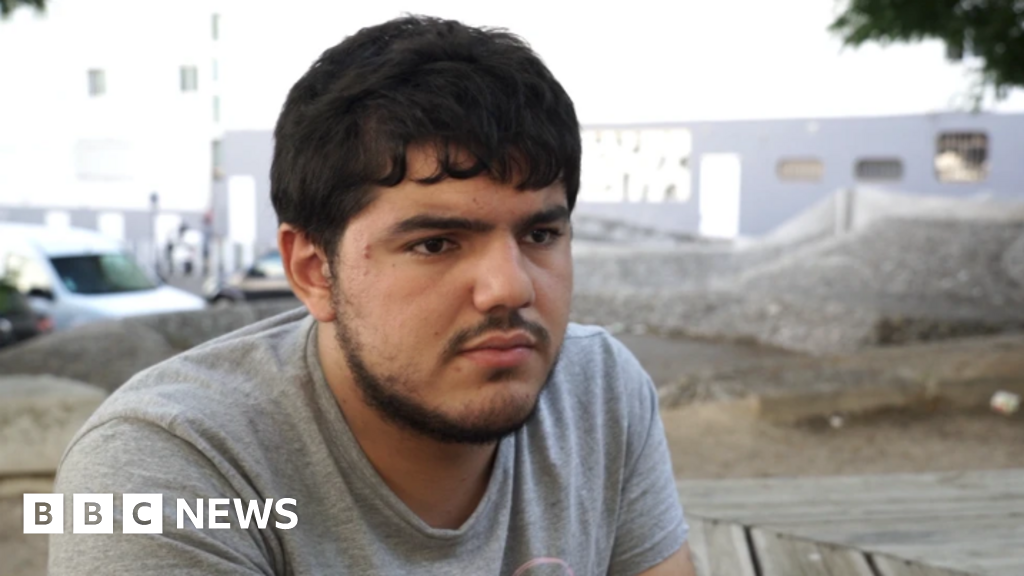
The recent brutal murders in Marseille, France, underscore a critical escalation in urban violence, with profound geopolitical repercussions that extend beyond local boundaries. The killing of two brothers from the same family—Brahim in 2020 and now Mehdi in 2023—illuminates the destructive power of organized crime and its enduring grip over the city’s most vulnerable communities. The tragic pattern, with youth as young as 15 pulled into violent vendettas, serves as a stark reminder of the erosion of social stability within Western nations, challenging political leaders and law enforcement agencies alike. The fact that a young anti-drugs activist, Amine Kessaci, whose work aimed to mitigate this chaos, receives death threats underscores an unsettling turning point—a confrontation with the fracture lines in French society and the wider Western world.

Marseille’s endemic violence is emblematic of a broader uprising of urban insurgencies affecting many Western city-states. As gangs continue to carve out turf within high-immigration neighborhoods, their warfare spills into street-level shootings, often occurring in broad daylight, as seen with Mehdi’s murder by motorcycle gunfire. Local authorities acknowledge that these crimes are not isolated; they are part of a harrowing cycle of revenge and territorial disputes, often fueled by drug trafficking networks that have entrenched themselves in the city’s fabric. The European and international community, including analysts and historians, highlight that such violence threatens the very fabric of civil society, prompting urgent calls for comprehensive reforms. Yet, the persistence of these conflicts raises uncomfortable questions about how nations can reform immigration, law enforcement, and social policy to prevent a slide into lawless chaos.

The Shadow of Organized Crime and Political Reckoning

  • The murder of Brahim, linked to drug gang vendettas, encapsulates the threat posed by criminal organizations that often operate with impunity and difficulty for authorities to dismantle.
  • Mehdi’s murder, seemingly unrelated to gangs, is feared to be a warning aimed squarely at Amine, whose outspoken activism and political ambitions made him a target—symbolizing how criminal violence intersects with political activism.
  • Amine’s establishment of Conscience, an NGO dedicated to aiding families affected by drugs violence, underscores a new wave of civic activism aimed at combating these structures from within.

Such developments signal a warning of a wider societal breakdown, with international watchdogs cautioning that, without decisive action, these localized conflicts could spiral into a broader crisis of governance and security. The French government’s response, characterized by police protection for activists like Amine, reflects a recognition of the seriousness of these threats. Still, critics argue that current policies lack the strategic depth needed to truly unravel the roots of criminal networks. The European Union and other international bodies continue to monitor the situation, with some alarmed by the increasing youth involvement in gangs—an issue that threatens to undermine future generations’ prospects and social cohesion.

Consequences for Europe and Beyond

The violence in Marseille epitomizes a continuing challenge for EU nations attempting to balance multicultural integration with national security. As analysts point out, the situation could serve as a harbinger for similar strains across other European borders, especially in cities with large immigrant populations. The ongoing crisis also raises questions about international cooperation—whether global institutions will rise to the occasion or become overwhelmed by the complexity of such urban war zones. The historical perspective warns that neglecting these issues risks turning once-thriving urban centers into lawless enclaves, where de facto warlord rule replaces civil authority, echoing patterns seen in failed states worldwide.

As history unfolds, the death of Mehdi and Brahim Kessaci will be remembered not only as isolated tragedies but as symbols of a war within cities that threaten to rewrite the social contract. The weight of this moment challenges leaders and societies to confront uncomfortable truths about governance, integration, and the true cost of neglecting the roots of urban decay. The future remains uncertain—balancing on the precipice of change, where each decision could either mend a fractured society or plunge it further into the shadows of chaos. History, it seems, is still writing its darkest chapters, and the fate of Marseille may well serve as a cautionary tale for cities worldwide struggling beneath the weight of their own internal conflicts.

France doubles down on fight against resilient jihadist threat a decade after Bataclan

Evolution of the Jihadist Threat: A Decade After Paris Attacks

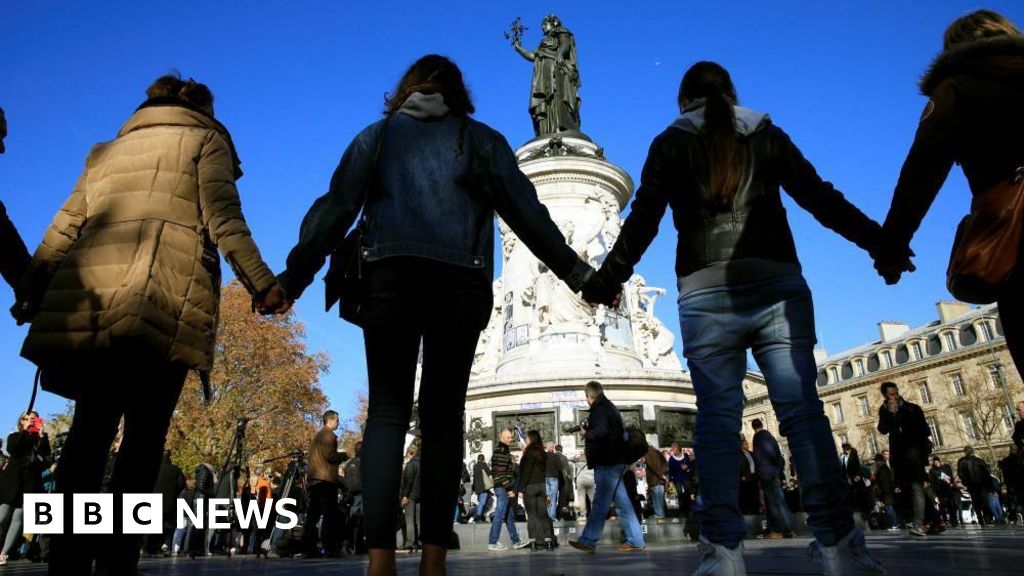
As France commemorates the 10th anniversary of the devastating Bataclan massacres, the nation faces an unsettling reminder that the jihadist threat endures. The attacks, carried out by young militants linked to Islamic State (IS), shattered the façade of security in Europe and transformed its geopolitical landscape. The attack, which resulted in the tragic loss of 130 lives, marked a turning point in global counterterrorism efforts, prompting intense scrutiny of radicalization pathways, international support networks, and intelligence capabilities. While IS has lost its territorial caliphate, analysts warn that the residual ideological and operational networks continue to metastasize across borders, threatening the very fabric of Western societies.

This year, an arrest underscores the persistent danger. A 27-year-old French convert to Islam, identified as Maëva B, has been detained on suspicion of plotting her own act of violence. Her connection to Salah Abdeslam—the sole survivor of the November 2015 attacks—has come under intense investigation. Prison authorities discovered Abdeslam had been communicating with her via a USB containing jihadist propaganda, which traced back to her face-to-face meetings with the convicted terrorist. This connection reveals the disturbing reality of how radicalization can operate clandestinely within the prison system, illustrating that the threat has not diminished but adapted, often lurking in unexpected spaces. Authorities now focus on the so-called “ambient jihadism”, a diffuse threat fueled by online echo chambers, grievances exploited by global conflict, and a fractured national political climate that increasingly resonates with extremist narratives.

Historical and Geopolitical Significance

The 2015 Paris attacks were more than just acts of terror; they were a geopolitical crisis that highlighted the vulnerabilities of modern open societies. The coordination—and brutality—of the assaults by young men of North African origin, trained in IS territory within the Middle East, exposed the porous nature of European borders and the complex web of support supporting radical initiatives. Drawing from the insights of historians like Gilles Kepel, provincial governments and worldwide organizations began to realize that the post-attack security measures were only a partial solution. The global fight had to evolve, targeting online radicalization, dismantling support networks, and countering the socio-political conditions that breed extremism. Yet, despite military defeats, the ideological contagion persists, proving that the root system of radical Islamism continues to thrive clandestinely, metastasizing within vulnerable communities.

The geopolitical impact has been profound, shaping policies across the Atlantic. European nations, especially France, have fortified security measures but remain haunted by the resignation that their enemies are no longer always visible or easily contained. As Kepel suggests, the danger now is less from organized cells and more from “ambient jihadism”, a phenomenon exploited by global conflicts — including ongoing crises in Gaza and Israel — which serve as catalysts for radical narratives. The political crisis gripping France—characterized by a polarized parliament and compromised leadership—further amplifies the risk, diminishing the nation’s social cohesion and increasing the likelihood of violence. International organizations warn that if national unity unravels, extremism could ignite new waves of violence, making the current epoch a perilous turning point in Western history.

The Ongoing Battle and the Weight of History

In the wake of these developments, the collective memory of Paris’ tragedy remains a stark reminder of what is at stake. The Bataclan attack, now a symbol of Islamist violence, echoes a warning that resonates globally. Despite the military’s apparent decline of IS in the Middle East, the threat landscape has shifted, becoming more unpredictable and diffuse. The recent offer of “restorative justice” by Salah Abdeslam—met with outrage by many—symbolizes the moral and political dilemmas facing Western societies. As the day concludes with the Eiffel Tower lighting up in national colors, the question remains: How will history judge these decisions? Will future generations find us resilient or complicit in a still-unfolding saga of conflict, ideology, and the fragile pursuit of civilization amidst chaos?

As the world watches, the shadow of Paris’ wounds lengthens into the present, reminding us that the struggle against radical extremism is not over but evolving. The past informs the present, and in this, history continues its unforgiving march, one that may yet determine the future of free societies across the globe.

Trump vows to sue BBC over altered speech, claims duty to fight bias

Global Power Play: Trump versus BBC Sparks International Tensions

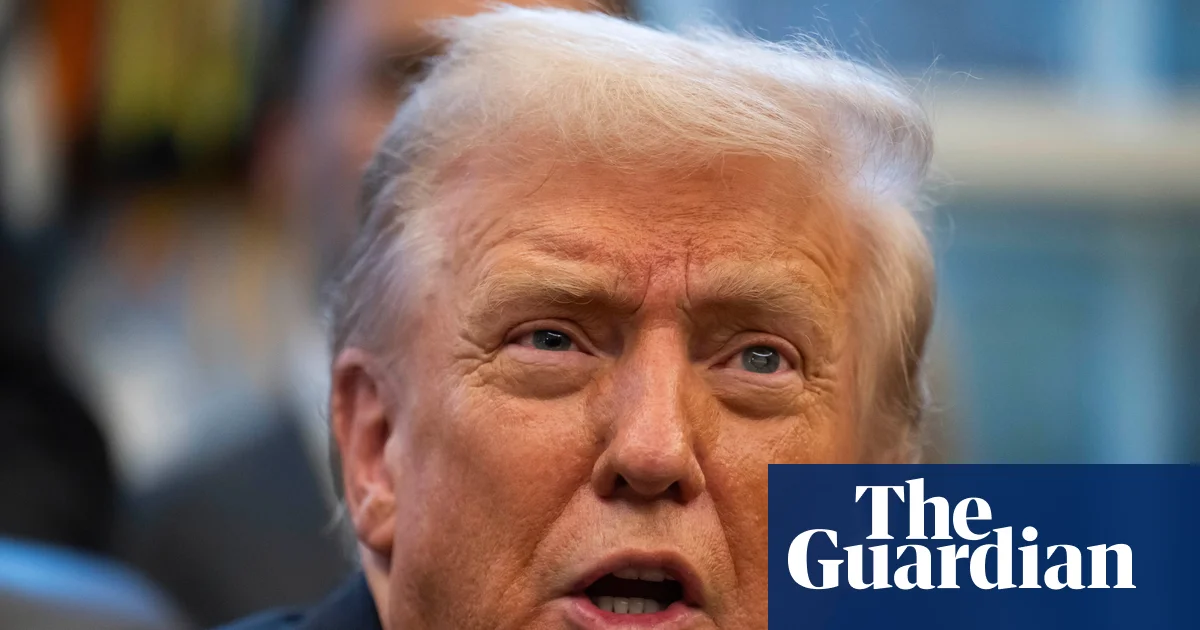
In a developing saga that underscores the enduring volatility of transatlantic relations, former U.S. President Donald Trump has declared his intention to pursue legal action against the British Broadcasting Corporation (BBC), igniting fears of a broader eroding trust between allied nations. The controversy centers around the BBC’s editing of a Panorama documentary that manipulated a speech Trump delivered on January 6, 2021. Trump claims the aired segment misrepresented his words, implying a call for violence—an assertion the corporation acknowledges, having issued an apology. However, the mere fact that this incident has escalated to a threatened billion-dollar lawsuit indicates how media narratives can swiftly morph into diplomatic flashpoints.

The repercussions extended beyond the courts, provoking a wave of shockwave effects within the British media landscape. The resignation of BBC Director General Tim Davie and Deborah Turness, the head of BBC News, has been widely interpreted as a sign of internal turmoil provoked by the controversy. Many analysts see this as a reflection of the deepening rift between free press principles and the rising tendency of political trivialization and weaponization of media. Critics within the BBC have expressed fears about the institution’s perceived bias, highlighted in recent internal memos—particularly one authored by former independent adviser Michael Prescott, which accused the corporation of liberal bias. Despite_counterarguments_html>representing historical issues, the controversy illustrates how the BBC’s credibility is increasingly scrutinized amid the shifting sands of international facts and narratives.

Geopolitical Impact: Transatlantic Tensions and the Future of Global Media

The upcoming legal showdown is expected to have profound geopolitical repercussions. While Florida’s legal landscape may not favor Trump’s claims, the case amplifies a larger narrative—one where national interests and media sovereignty increasingly collide. Experts warn that the dispute could set dangerous precedents, empowering political actors to wield the judiciary as a tool for controlling international narratives. It raises fundamental questions about who controls the truth and how societal consensus is shaped in an era of misinformation. International organizations, such as the United Nations, have repeatedly warned against weaponizing legal mechanisms for political ends, yet the trend persists. The controversy surrounding the BBC’s editing practices resonates beyond bilateral tensions, serving as a warning signal about the fragile balance between free speech, media integrity, and political influence.

Meanwhile, the British government faces increasing pressure to defend its sovereignty against not only domestic internal strife but also external accusations of bias and manipulation. The rising tide of populist nationalism across Europe and North America underscores a broader desire to assert control over national narratives and resist the perceived encroachment of globalist interests. As historians and political analysts note, these conflicts are more than mere disputes—they are a reflection of deep-rooted societal debates about sovereignty, truth, and the future direction of Western democracies. The recent BBC crisis exemplifies how media institutions are caught in the crossfire of international power struggles, with their decisions having tangible consequences on national identity and social cohesion.

The Unfolding Narrative: The Weight of History

As the legal proceedings loom, and the BBC grapples with internal and external pressures, the overarching question remains: what does this mean for the future? Will this conflict exemplify a new era where media outlets become battlegrounds for ideological dominance, or will it serve as a wake-up call to defend the integrity of information itself? History warns us that such clashes are rarely contained; they ripple outward, affecting alliances, societal trust, and the very fabric of democracy. With each court date and internal memo, the weight of history presses down—reminding us that the decisions made today, especially in the realm of media and law, will echo through future generations. Ultimately, the unfolding story of Trump vs. the BBC is a stark symbol of a world where the lines between truth, power, and influence are more blurred than ever, leaving the global community at a crossroads—the outcome uncertain, and time itself undeniably running out.

Syria joins coalition to fight ISIS after Trump talks

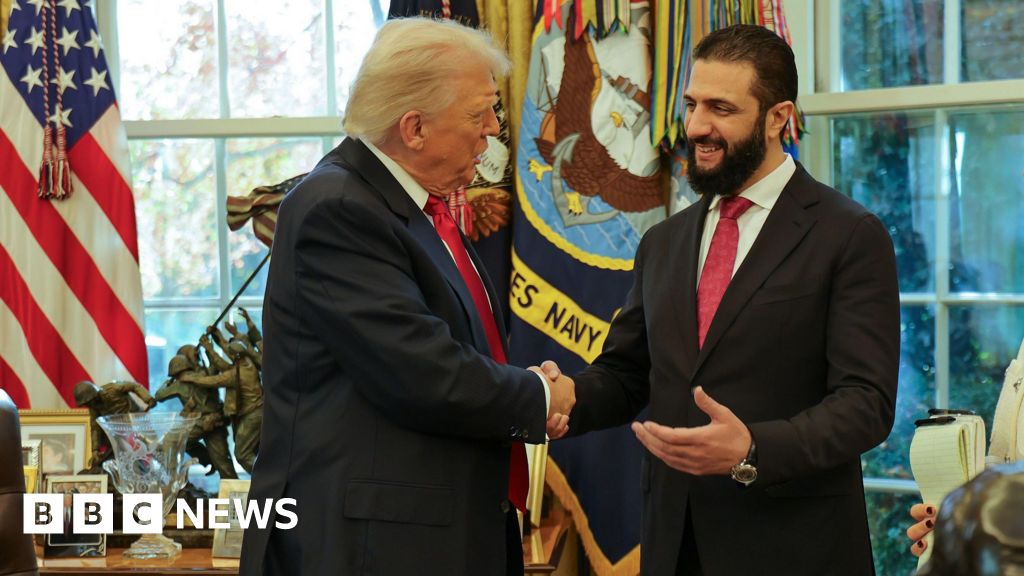
The United States has dramatically shifted its foreign policy stance toward Syria, signaling a potential turning point in the volatile Middle East. For years, Syrian relations with Western powers have been marked by sanctions, diplomatic isolation, and conflict. Yet, recent developments indicate a strategic pivot, as Syria prepares to join an international coalition against the Islamic State, marking it as the 90th member committed to eradicating remaining terrorist elements and addressing regional instability. This move not only signifies a notable diplomatic breakthrough but also underscores the complex dynamics of how international decisions can redefine national destinies. The breakthrough occurred amid a historic visit to the White House by Syrian President Ahmed al-Sharaa, an event unprecedented in diplomatic history, as the US government officially recognizes a figure once branded a terrorist as a government partner.

This unprecedented rapprochement is underpinned by a series of bold decisions, including the lifting of economic restrictions and a suspension of the Caesar Act, which had severely sanctioned the Syrian government since 2019. Announced by the US Treasury Department, these measures aim to foster economic development and rebuild Syria’s institutions—an effort supported by international organizations and analysts who emphasize the importance of stabilization in the region. Experts warn, however, that this apparent thaw could complicate long-standing regional conflicts and fuel geopolitical tensions, particularly with countries skeptical of Damascus’s intentions. In addition, the US intends to renew diplomatic ties, allowing Syria to reopen its embassy in Washington—a remarkable diplomatic gesture that suggests a reevaluation of America’s Middle East strategy.

On the international stage, Russia and China — longstanding allies of Syria—are watching closely, as the US moves towards a more pragmatic engagement. This shift signals a departure from earlier policies driven by regime change aspirations, and a realignment driven by pragmatic geopolitical concerns. As noted by scholars such as Dr. Steven Heydemann of the Middle East Institute, the United States is deliberately recalibrating its role—balancing counterterrorism efforts with a desire to influence the post-war reconstruction process. Meanwhile, how this policy shift impacts global power balances and local societies remains uncertain, but it undoubtedly redefines Syria’s place in the international order. The decision to involve Damascus in a coalition against global terrorist threats reflects a broader lesson on how wars reshape alliances, and how the past can be reinterpreted for geopolitical gain.

As history continues to unfold, the question remains: will Syria’s new diplomatic path truly pave the way for stability and peace, or will it deepen regional divisions? The world watches as the leaders of today, guided by the burdens of history and the weight of their decisions, attempt to forge a new chapter—one written in the uncertain ink of diplomacy, conflict, and fleeting hope. In this complex narrative, the true impact of these decisions will only be revealed with time, leaving future generations to ponder whether these moves will bring lasting peace or ignite new conflicts in an already fractured region.

Starmer warns: No consensus left on climate fight, youth should stay alert

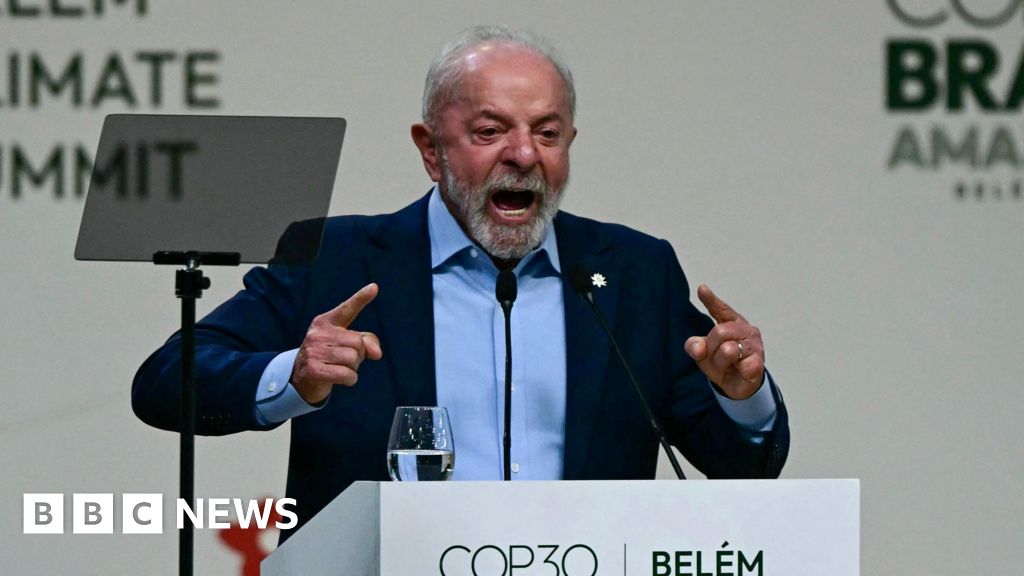
Belém, Brazil—As the COP30 climate summit unfolds amidst unprecedented global chaos, the world’s most influential nations are diverging sharply on how to address the existential threat of global warming. With President Lula da Silva warning of “extremist forces” fabricating fake news to condemn future generations to a planet forever altered by climate change, the summit is rapidly transforming into a battleground of conflicting narratives and geopolitical interests. Despite his passionate plea, the summit witnesses a perplexing retreat from collective action, with many leading nations conspicuously absent and even the host country’s flagship initiatives facing withdrawal. As given by international analysts, such divisions threaten to undermine any meaningful progress, leaving the world on a perilous trajectory toward climate chaos.

The absence of key players—the United States, Russia, China, and India—casts a long shadow over global consensus on climate policy. President Trump’s dismissive stance—calling climate change “the greatest con job”—has reverberated through diplomatic corridors, emboldening skeptics and delaying decisive action. Meanwhile, UK Prime Minister Sir Keir Starmer openly acknowledged that the once-unified support for climate initiatives has frayed, lamenting that “today, however, sadly that consensus is gone.” Such statements starkly highlight how internal political shifts and *geopolitical conflicts* are fueling a dangerous impasse. At the heart of the negotiations lies the critical question of how to fund climate mitigation efforts, particularly in defending vital rainforest ecosystems that act as “the planet’s lungs,” as experts like environmental historian Dr. Alan Smith emphasize. Yet, the UK’s decision to withdraw from the $125 billion rainforest protection fund—despite its earlier leadership—underscores a betrayal of international commitments.

As the summit progresses, the tone remains urgent but fractured. The rainforests cover a mere 6% of the Earth’s landmass but hold half of the planet’s species and billions of tons of carbon. The Prince of Wales and other observers warn that failure to protect these ecosystems risks pushing future societies toward ecological collapse. Prince William called for “urgent optimism,” urging nations to rise above their differences and act—yet the reality on the ground tells a different story. Destructive weather events—like Hurricane Melissa, which caused catastrophic damage across the Caribbean—serve as sobering reminders that climate impacts are already claiming lives and destroying communities. Scientists at Imperial College have warned that climate change heightened the rainfall from Hurricane Melissa by 16%, exposing the catastrophic potential of continued inaction. The question remains whether this summit will be remembered as a turning point or merely another chapter in the relentless saga of diplomatic stalemate.

Historically, these international rifts serve as a stark warning for future generations. Academics like Dr. Maria Lopez argue that the decisions made in Belém could either be a testament to humanity’s resolve or a lamentable capitulation. The unfolding story of COP30 is a testament to the ongoing struggle between geopolitical self-interest and the moral responsibility to safeguard our planet’s future. As history writes its next chapter, the world must reckon with the fact that the decisive moments of this summit—and perhaps the century—are now in the making. The shadow of this generation’s decisions will linger long after the final declaration, shaping the scarred landscape of history itself.

Delivery driver jailed for killing man aiding woman in wedding fight

In a world increasingly marked by instability and local conflicts, the recent case of Hassan Jhangur’s criminal actions in the United Kingdom underscores the profound consequences of unchecked violence. Jhangur, a 25-year-old man, was sentenced to a minimum of 26 years in prison after deliberately running his car into a group of innocent bystanders, tragically killing Chris Marriott, a 46-year-old food delivery driver and a man known for his compassion and community service. This heinous act, rooted in a family feud that culminated in a public dispute, exemplifies how personal conflicts can erupt into catastrophic events, threatening societal stability and human lives. Local authorities and judges alike recognize that such senseless violence leaves a scar not only on the victims and their families but also on the fabric of society itself.

This incident provides a stark reminder of how domestic disputes and familial rivalries sometimes spill over into the wider community, with devastating consequences. The court proceedings revealed a narrative of deep-seated tension, precipitated by a wedding celebration weekend that turned into chaos and ultimately tragedy. Witnesses testified that the collision was not accidental but a calculated attack, with Jhangur intentionally targeting bystanders in a moment of fury. The courtroom verdict highlighted the deliberate nature of the violence, with Judge Morris condemning it as “hot-headed and wanton.” Such cases act as a rallying point for international organizations like the United Nations and Interpol to emphasize the need for stronger mechanisms to prevent violence rooted in social discord, which can have ripple effects far beyond local communities.

From a geostrategic perspective, the impact of localized violence extends into broader geopolitical dynamics, especially in an era where nations are grappling with internal divisions and external threats. Countries like the United States, Russia, and China face their own internal tumult, but incidents like Jhangur’s demonstrate that internal disputes, if unresolved, threaten national stability and international peace. Analysts warn that such acts of unchecked violence can be exploited politically, leading to increased social polarization and possibly fueling social unrest that affects regional security. The case also echoes a warning issued by countless historians and international experts that domestic violence and societal breakdowns often serve as precursors to larger conflicts, weakening nations from within while adversaries look on with strategic interest. The violence in Sheffield might be a microcosm of the dangerous fragility of social order across the globe, urging policymakers to prioritize social cohesion and community resilience.

As the world watches, the tragic story of Chris Marriott’s death becomes a poignant chapter in a larger, ongoing narrative—that history is often shaped not just by grand diplomatic treaties or military conflicts, but also by individual acts of violence and societal breakdowns. The weight of these moments lingers in the collective consciousness, urging nations to reflect on basic human values and the importance of justice and social harmony. The coming years will reveal whether such tragic incidents serve as catalysts for meaningful change or simply fade into the background of a tumultuous world. Yet, the lessons remain clear: in a world teetering on the edge of instability, every act of violence leaves an indelible mark, and history’s pen continues to write its story, one tragic event at a time.

Modi's Party Battles Key Election Fight in India’s Youth Heartland
Modi’s Party Battles Key Election Fight in India’s Youth Heartland

India’s Bihar Election: A Landmark Moment in the Geopolitical Arena

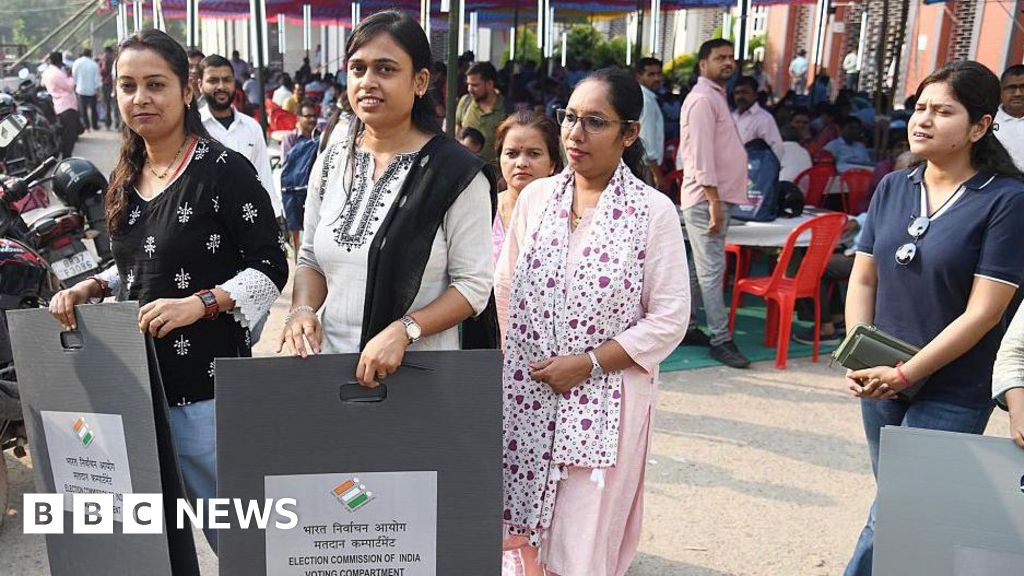
As the eastern state of Bihar prepares for its critical electoral showdown, the nation watches with bated breath, recognizing that the outcome is more than a regional contest—it is a barometer for broader geopolitical trends. With over 74 million eligible voters, the election sets the stage for a pivotal shift that could influence India’s national direction, especially in how it consolidates power amidst internal divisions and external pressures. The recent voting process, marked by the first phase in Bihar, exemplifies the intense political jockeying that continues to define India’s democracy, where every vote carries implications not just for local governance but for the global standing of a nation aspiring to regional dominance.

Amid accusations of electoral roll revisions skewed to favor the ruling Bharatiya Janata Party (BJP), the election exposes underlying tensions that extend well beyond Bihar’s borders. Critics, including opposition parties, accuse India’s Election Commission of disenfranchising genuine voters—particularly among marginalized groups—and thus skewing the democratic process. In contrast, the BJP and the Election Commission maintain that the exercise ensures electoral integrity. This controversy underscores a broader question about how internal decisions within India influence the nation’s image on the international stage, especially as global institutions scrutinize its commitment to fair democratic practices. Analysts have noted that the legitimacy of these elections will have lasting effects on India’s internal coherence, affecting its economic stability and diplomatic credibility among allies and rivals alike.

Historical Leaders and Future Uncertainty

The political landscape in Bihar remains intertwined with historic figures whose influence has shaped the state’s ongoing saga of political rivalry and social change. Names such as Nitish Kumar and Lalu Prasad Yadav echo through decades of Bihar’s turbulent politics. Kumar, a veteran leader, has been a guiding force, often aligning with national narratives to bolster Bihar’s development agenda, notably aiding the BJP’s push into federal power following the 2024 general elections. Conversely, Yadav, once a charismatic champion of marginalized castes, now faces legal challenges, yet his political progeny continue to vie for dominance—most notably his son Tejashwi Yadav, who is being projected as the opposition’s key candidate. This generational shift marks a potential turning point; leaders in declining health hint that Bihar’s current political order could soon give way to new faces, thus altering the socio-political fabric of the region.

International observers and historians warn that the possible end of these political dynasties does not only signify a local change but may herald a redefinition of Bihar’s role in India’s larger geopolitical calculus. As analysts from institutions such as the United Nations Development Programme and *noted* Indian political historians suggest, the consolidation or fragmentation of Bihar’s political landscape could influence India’s national unity, economic policy, and its capacity to project power in South Asia. The delicate balance maintained by these aging political titans is now under threat, raising questions about how India will manage internal stability as it seeks a more assertive role on the global stage.

Choices that Reshape the Future

The unfolding election has also become a battleground of ideas, with a fresh entry—the Jan Suraaj Party led by Prashant Kishor—signaling a new wave of political engagement driven by young voters. His campaign represents a broader shift, emphasizing the importance of youth participation and fresh perspectives. Meanwhile, the controversy over voter list revisions, which saw millions of names removed—including many Muslim voters—raises serious questions about India’s democratic trajectory. Critics argue this dilutes the voice of the marginalized, while supporters contend it refines electoral fairness. Regardless, the outcome depends heavily on the urban and female voters, whose rising participation could tip the scales in favor of change or re-stabilization.

As the counting approaches on November 14th, the world must recognize that Bihar’s election is more than a regional event; it is a crucial chapter in the wider story of India’s evolution as a global power. The choices made within those voting booths resonate far beyond India’s borders, influencing regional alliances, economic partnerships, and the broader struggle for influence in a multipolar world where every political shift can alter the balance of power. *The unfolding drama of Bihar’s future, written in the quiet act of casting a ballot, echoes through history’s corridors—reminding us that the destiny of nations is shaped by moments of decisive change, often buried within millions of individual voices.*

Carney's federal budget ramps up spending to fight back against US tariffs, youth demand stronger economic resilience
Carney’s federal budget ramps up spending to fight back against US tariffs, youth demand stronger economic resilience

Canada’s Bold Fiscal Shift: Carney’s Budget Sparks Global Geopolitical Ripples

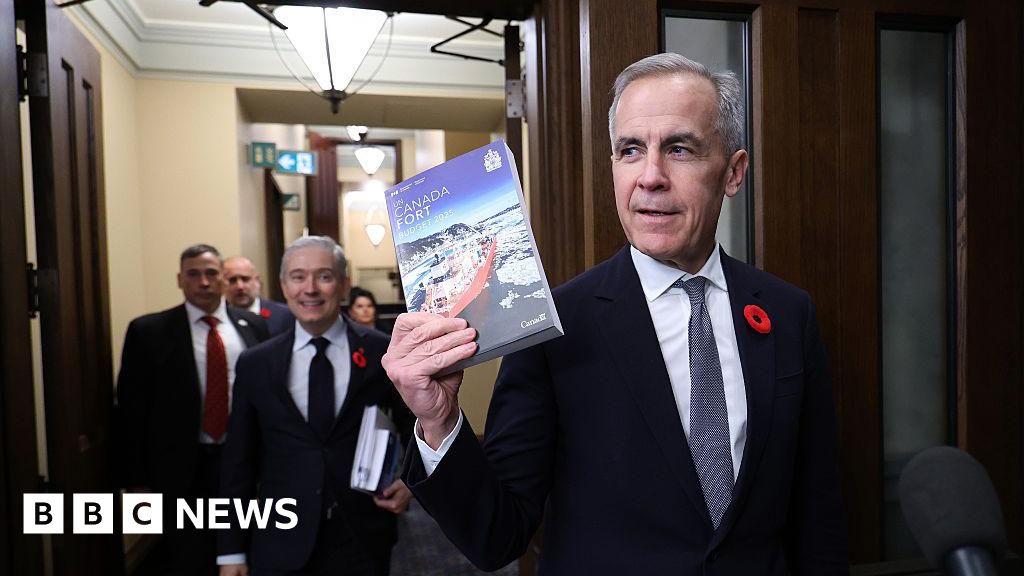
In a decisive move reminiscent of emerging economic strategies, Canada’s Prime Minister Mark Carney has unveiled his government’s inaugural federal budget, an ambitious blueprint aimed at transforming Canada’s economic landscape amid increasing US tariffs and trade tensions. Touted as an “investment budget,” it signifies a deliberate pivot towards resilience and global competitiveness, with a stark acknowledgment of Canada’s economic vulnerabilities and the need for swift, bold action. The plan projects a record-breaking deficit of C$78 billion—second only in Canadian history—yet underscores a strategic gamble: attracting C$1 trillion in foreign investment over the coming five years to offset the fiscal deficit and energize growth.

Internationally, the geopolitical impact of Canada’s budget resonates beyond its borders. By committing to a C$280 billion investment in trade infrastructure, the government aims to double exports to non-US markets over the next decade, signaling a strategic diversification of its trade dependencies—a move heavily scrutinized by analysts as a potential recalibration of North American economic ties. This shift is part of a broader bid to challenge the US’s economic dominance and make Canada a more attractive hub for international business than its southern neighbor. In tandem, the budget allocates nearly C$1 billion to integrate artificial intelligence into government and commercial sectors, reflecting a forward-looking approach in harnessing technological advancements to bolster national resilience and global influence.

However, critics skewer the plan as a double-edged sword, pointing to the austerity measures within its framework. The government plans to cut 40,000 federal jobs by 2029 and slash international aid to pre-pandemic levels, demonstrating a readiness to accept short-term societal pain for long-term strategic gain. This, combined with lowering immigration targets and restricting student visas, fuels internal debate about how decisions shape Society’s fabric. The budget’s passage, hampered by a fragile minority government and potential defections—such as the recent defection threat from a Conservative MP—heightens the risk of political upheaval, possibly even triggering a federal election. Such instability only underscores the *turning point* at which Canada finds itself—a nation at crossroads, balancing economic revitalization against social and political turbulence.

Recognized by international organizations and historians alike as a critical moment, this expansive budget reflects a broader blueprints for national sovereignty amid global shifts. Analysts from the International Monetary Fund and economic historians warn that Canada’s strategies could redefine the geopolitical landscape of North America, challenging the U.S.’s supremacy while building a more autonomous Canadian economy. Yet, the true impact remains uncertain—whether these bold initiatives will succeed in rescuing the nation’s future or merely deepen the shadow of mounting deficits and social unrest. As the dust settles over Ottawa, the world waits, shoulder to shoulder with Canadians, for the next chapter in this unfolding saga—an era where the decisions made today may well dictate the course of history for generations to come.

Social Media Auto Publish Powered By : XYZScripts.com