Matox News

Truth Over Trends, always!

Screenmaxxing: How Hollywood’s Bold Moves are Redefining the Big Screen Experience for a New Generation | Film Industry

In the age of relentless technological innovation, what does the future hold for the cinematic experience? Disney’s recent announcement of InfinityVision exemplifies a broader trend of “screenmaxxing”—an industry obsession with augmenting picture size, sound quality, and visual fidelity, all aimed at enticing audiences away from the comfort of their homes. As theaters carve out new niches with premium large-format (PLF) screens—be it Dolby, RPX, or the latest HDR by Barco—their strategy hinges on safeguarding cultural space from the encroachment of streaming services and the allure of personalized, at-home entertainment. This underscores a fundamental truth: for many, film remains a vital expression of community, tradition, and shared identity, which cannot be fully replicated by the pixelated glare of a television or the darkened solitude of a screen.

The phenomenon of elevating the viewing experience is not merely about spectacle; it is deeply intertwined with notions of cultural continuity. Historically, cinema has served as a mirror and a molder of collective memory, echoing the insights of thinkers like Ortega y Gasset and Tocqueville who recognized that society’s soul is captured in its institutions and shared stories. In modern cinemas, the expansion of formats—from VistaVision to Imax—embodies a desire to preserve the scale and grandeur that breathes life into myth and legend. Meanwhile, the push by theaters to invest in increasingly advanced projection systems, such as HDR by Barco or the resurrected VistaVision, reflects an understanding that visual grandeur is symbolic of societal aspiration and cultural resilience. These formats evoke not only a sense of wonder but reaffirm our cultural identities—reminding us that the cinema is a temple of shared dreams, an allegorical temple where our collective memory is sacred and our cultural future is imagined.

Yet, with this surge for technological supremacy comes concern: are theaters merely chasing the latest shiny object, risking a dilution of the true cultural mission? As critic G.K. Chesterton argued, the peril of modern innovation lies in turning cultural artifacts into commodities—an assembly line of spectacle that flattens the depth and meaning of our stories. The proliferation of formats, such as the debate over Imax versus alternative PLFs, reveals a market driven by consumer perceptions of superiority—perceptions that are often constructed more by branding than by substance. True cultural significance, after all, resides in story—not in pixels. The challenge for the industry is to transcend mere “screenmaxxing” and focus on fostering an environment where cinema can serve as a vessel for enduring values, stories, and shared national or cultural identity.

As we watch this visual arms race unfold, it becomes evident that **the cinematic experience is a living archive of human memory and a prophetic glimpse into our collective future**. Just as T.S. Eliot reflected that “the past inherits the future,” so too does our cultural participation in cinema serve as a testament to who we are and what we aspire to become. The true power of the big screen lies not in its size or brightness but in its capacity to forge connections—between generations, communities, and ideals. In the flickering glow of projected images, we are reminded that culture is both a remembrance and a prophecy, a shared story that endures across time, guiding us into the unknown with the promise that, somehow, as long as we tell our stories, we remain unbroken.

Godzilla Minus Zero roars into NYC in first look—tech meets monster mayhem!

Next-Generation Kaiju Franchise Embraces Innovation and Global Disruption

The Godzilla franchise, long regarded as a titan of cinematic innovation, continues its evolution into the digital age with the upcoming release of Godzilla Minus Zero. This latest installment signals more than just another monster movie; it underscores a strategic pivot towards leveraging cutting-edge technology to disrupt traditional filmmaking boundaries. As Hollywood grapples with audience fragmentation and rapid technological shifts, Toho’s decision to film Minus Zero in IMAX exemplifies a strategic move to enhance immersive viewer experiences and restore the franchise’s technological dominance.

Innovation within the franchise extends beyond its visual presentation—this film marks a milestone as the first Japanese production shot entirely in IMAX, aiming to deliver unparalleled cinematic clarity for global audiences. Director Takashi Yamazaki, known for his work on giant robot movies like Grandgear, is guiding the film’s vision toward blending nostalgia with technological prowess. The shift from Tokyo to New York underscores a broader industry trend: leveraging international settings and high-tech production methods to appeal to a global audience, while disrupting Hollywood’s hegemonic dominance. This strategic localization also signals an adaptable paradigm for studios seeking to redefine cultural narratives on a worldwide scale.

Moreover, the franchise’s expansion across multiple media underscores an innovative approach to audience engagement and franchise building. Alongside the theatrical debut of Godzilla Minus Zero on November 6th, the monster is also featured in Apple TV’s Monarch: Legacy of Monsters and the upcoming Godzilla x Kong: Supernova. This multi-platform strategy aligns with insights from industry analysts like Gartner, emphasizing that brands integrating film, streaming, and ancillary media are more resilient amid increasing competition and technological disruption. It also highlights the importance of interactive digital ecosystems in maintaining audience engagement, especially among younger demographics attuned to immersive digital experiences.

Beyond entertainment, this unfolding evolution in franchise storytelling reflects broader trends shaping the entire media and technology landscape—namely, disruptive innovations such as augmented reality, AI-driven content creation, and immersive 8K displays. Commentators like Elon Musk and Peter Thiel have underscored how these technologies are setting the stage for a future where entertainment becomes increasingly personalized, interactive, and reality-blurring. By integrating these innovations early, Hollywood and Japanese studios are positioning themselves to dominate the next wave of entertainment consumption, disrupting long-standing market norms.

As the industry watches anxiously, the implications extend well beyond cinema halls. Godzilla Minus Zero exemplifies a broader industry imperative: embracing technological disruption is no longer optional but essential for survival. With the global media landscape in flux, companies that prioritize innovation and agility will be the ones leading the charge into a new era of entertainment. The coming months will be crucial—those who act swiftly to harness emerging tech trends may shape the entertainment paradigm of tomorrow. The question remains: how swiftly and effectively will industry leaders adapt? The future belongs to those who dare to disrupt and innovate.”

Can Nintendo Correct Its Princess Dilemma in the ‘Super Mario Galaxy’ Film?

In a media landscape saturated with superficial entertainment, one might be tempted to dismiss the evolution of Nintendo’s beloved characters as mere commercial happenstance. Yet, beneath the pixelated veneer of Mario’s universe lies a compelling narrative about the shifting paradigms of gender roles, cultural storytelling, and societal values. From the humble damsel in distress of the early 1980s to modern symbols of strength and independence, these characters reflect broader cultural dynamics and philosophical insights into the relevance of culture to identity, tradition, and societal integrity.

The pioneering era of Mario and his ilk began with the simple premise of rescue: Lady—later called Pauling—was kidnapped by Donkey Kong, establishing a damsel-in-distress trope that echoed age-old narratives of heroism intertwined with the subjugation of women. This pattern persisted into the era of Princess Toadstool or Peach, whose wildest narrative ambition was to be rescued from castles, her persona mired in a perpetual state of helplessness, fitting neatly into a reactionary narrative framework present since the days of classical fairy tales. As Tocqueville observed, societal mores and legends serve as mirrors of the collective unconscious, shaping and reflecting the very fabric of our cultural identity. These game narratives—though seemingly trivial—embody a societal attitude toward gender roles, emphasizing a nostalgic constancy that resonates across generations.

However, the narrative arc begins to shift remarkably with the reemergence of Pauline in 2017 and the reimagining of Princess Peach in games like Super Mario Odyssey. Pauline, once a mere damsel, now assumes the role of the independent, multi-faceted figure—a city mayor and singer, donning a red pantsuit rather than princessly attire. This transformation echoes the historical parallel of societal emancipation: from passive to active, from victim to agent of change. Such developments echo insights of cultural critics like G.K. Chesterton, who once proclaimed that “the true soldier fights not because he hates what is in front of him, but because he loves what is behind him.” The evolution of these characters signifies a societal shift away from traditional victimhood towards a celebration of agency, strength, and self-determination, forging a comeback rooted in cultural memory and future prophecy.

Adding to this tapestry is Rosalina, who departs entirely from the damsel trope, embodying a figure of maternal strength and universal authority. With her cosmic origin story, Rosalina transcends the triviality of rescue narratives, hinting at the pursuit of a deeper understanding of existence—an unspoken rebellion against the superficiality that has long pervaded popular entertainment. This evolution illustrates the cultural tendency of modern storytelling: to explore themes of inner strength, heritage, and universal connection. The articulate efforts by Nintendo to expand her story with additional chapters and narratives underscore a fundamental truth illuminated by Ortega y Gasset: that culture is a living memory, a prophecy made flesh, shaping the ongoing story of human identity.

In conclusion, the character development within Nintendo’s franchise encapsulates a larger cultural narrative—that of tradition’s resilience and the never-ending quest for authentic self-expression. These virtual figures, once mere placeholders in a storytelling void, now carry the weight of societal change, embodying a culture’s enduring desire for meaning, agency, and continuity in the face of relentless change. As we observe this transformation, it becomes clear that in the grand tapestry of human history, culture is both memory and prophecy: a reflection of where we have been and a guiding light towards where we are yet to go. In the silent poetry of pixel and play, we find the echoes of our collective soul—a testament to the unyielding spirit of human creativity and tradition that persists beyond the fleeting shadows of entertainment, whispering through the ages that our stories, like ourselves, are destined to evolve—ever resilient, ever true.

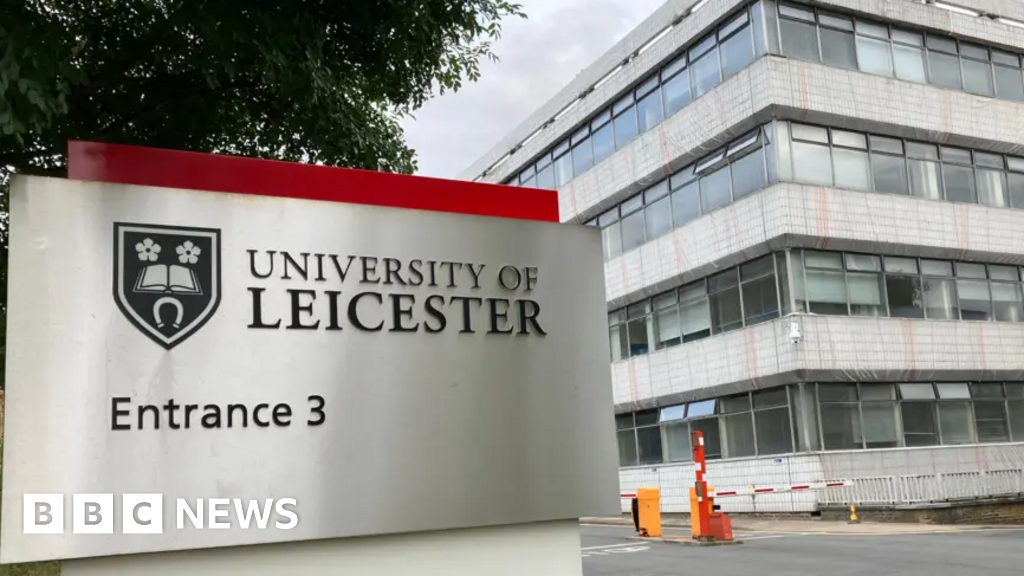
University cuts film and modern languages programs, risking future innovation and cultural diversity

Recent developments in the educational sector have sparked widespread concern among families, educators, and community leaders. A labor union has issued a stark warning that as many as 300 students may face the withdrawal of offers—a consequence of recent policy decisions affecting school funding. This situation highlights the ongoing tensions between public resource allocation and the fundamental right to quality education. The ripple effects threaten not only individual futures but also the fabric of local communities, revealing how social issues wield a profound influence on the next generation.

Educational institutions serve as the backbone of societal growth, shaping future citizens and workforce members. When funding is restricted or diverted, the ripple effects on families and communities are palpable. Students experiencing the loss of opportunities face increased uncertainty about their academic and vocational trajectories—a challenge that often exacerbates existing inequalities. Sociologists like James Coleman have long underscored that disparities in educational access are directly linked to broader social stratification, perpetuating cycles of poverty and marginalization. As these cuts threaten to detach hundreds of students from essential resources, the very societal cohesion that relies on a well-educated populace is put at risk.

The decision appears to mirror a broader societal debate on prioritizing fiscal austerity over investment in human capital. Many social commentators argue that such cuts are shortsighted, disregarding the moral and ethical obligation to ensure equitable educational opportunities. For families, especially those in underserved communities, the prospect of losing access to programs or offers is more than an inconvenience—it signifies a widening socio-economic gap that undermines the principle of equal opportunity. Historically, policymakers have debated the social costs of austerity measures, but current developments underscore an urgent need to reevaluate priorities. Ensuring that no student’s future is sacrificed for short-term fiscal gains could pave the way for sustainable community development.

Furthermore, the stress placed on families and local communities cannot be overstated. When educational offers are rescinded, families are forced to grapple with new uncertainties—whether their children can continue their education uninterrupted or secure alternative pathways. Schools, which serve as community hubs and moral anchors, face increased pressures to fill in the gaps left by diminished resources. Social experts such as Robert Putnam have emphasized that strong social capital within communities is vital for resilience in times of crisis. The current situation tests whether community networks can foster collective solutions or whether societal divides will deepen, exacerbating social tensions and intergenerational discontent.

The challenges posed by such policy decisions demand a deliberate and compassionate response—one that balances fiscal responsibility with ethical stewardship of future generations. As history and social analysis remind us, societies that neglect their foundational institutions—like education—ultimately diminish their own prospects. Still, amid these pressing difficulties, there remains a flicker of hope. When communities rally to prioritize equity, access, and shared responsibility, society can forge a path forward. Much like the resilient stories of communities that endured and thrived during times of hardship, the question lingers: Will society choose a future built on division or one united by renewal and hope?

Peaky Blinders: The Immortal Man — Tommy Shelby Comes Full Force in a Gritty, Epic Film Battle

In the current cultural landscape, the appeal of gritty historical drama remains an indelible testament to the enduring human fascination with identity, tradition, and the shadows of our collective past. The upcoming standalone film, Peaky Blinders: The Immortal Man, exemplifies this phenomenon. Based on Steven Knight’s successful television series, it revives the legendary Birmingham gangsters, anchored by the iconic Tommy Shelby—a character whose complex psyche encapsulates the struggle between personal trauma and societal responsibility. With a cinematic canvas soaked in mud and blood, the film explores themes of loyalty, betrayal, and the relentless pursuit of power, all set against the backdrop of Britain’s darkest war era.

Historically, the rise of gangster culture during Britain’s Victorian and Edwardian periods reflected a turbulent transition from old-world tradition to modern chaos. As Ortega y Gasset once observed, the sense of cultural continuity acts as a foundation for societal identity, a buffer against the disorienting forces of change. Yet, in the universe of Peaky Blinders, that continuity is fractured—replaced by a brutal, visceral mythology of honor and survival. The show’s portrayal of Tommy Shelby, a Romani-traveller turned ruthless kingpin, echoes the timeless narrative of the tragic hero who navigates the narrow road between order and chaos. It reminds us that culture—far from being mere ornament—is the very fabric that sustains communal memory, informing our understanding of ourselves amid the relentless tide of progress.

The film’s narrative underscores the importance of culture as both memory and prophecy. We see Tommy haunted by ghosts of war and family, symbolizing how historical trauma shapes present identity. Rebecca Ferguson’s character brings a cultural consciousness that challenges the posturing of superficial heroism; her insights reveal the deeper layers of societal decay. Meanwhile, the portrayal of Erasmus Shelby’s reckless alliance with Nazi conspirators echoes T.S. Eliot’s notion that “the past should be reconstructed, not forgotten,” emphasizing the necessity of confronting history’s darker chapters to avoid repetition. The film thus elevates the gangster saga into a reflection on the moral and cultural resilience required to defy chaos and uphold a sense of purpose rooted in tradition.

  • Origins of Britain’s gangster mythos rooted in Victorian urban chaos
  • The significance of cultural memory in shaping national identity
  • The moral debates surrounding loyalty, honor, and modernity
  • The enduring relevance of tradition in the face of technological and ideological upheaval

In the grand tapestry of history and culture, figures like Tommy Shelby serve as modern equivalents of Chesterton’s “Christian hero,” embodying virtues forged in the crucible of adversity. As Tocqueville warned of the dangers of homogenization and loss of civic virtue, so too does this narrative remind us that culture is the vigilant guardian of liberty and identity. The cinematic revival of Peaky Blinders becomes more than entertainment; it is a mirror reflecting once again that human communities are defined not merely by their laws, but by the stories they tell—stories that echo through the ages, whispering of memory, warning of future prophecy, and calling to the resilient spirit of a society ever compelled to remember and redefine itself. For in culture, we find our own reflection and the blueprint of what humanity can become when rooted in the enduring soil of tradition and hope.

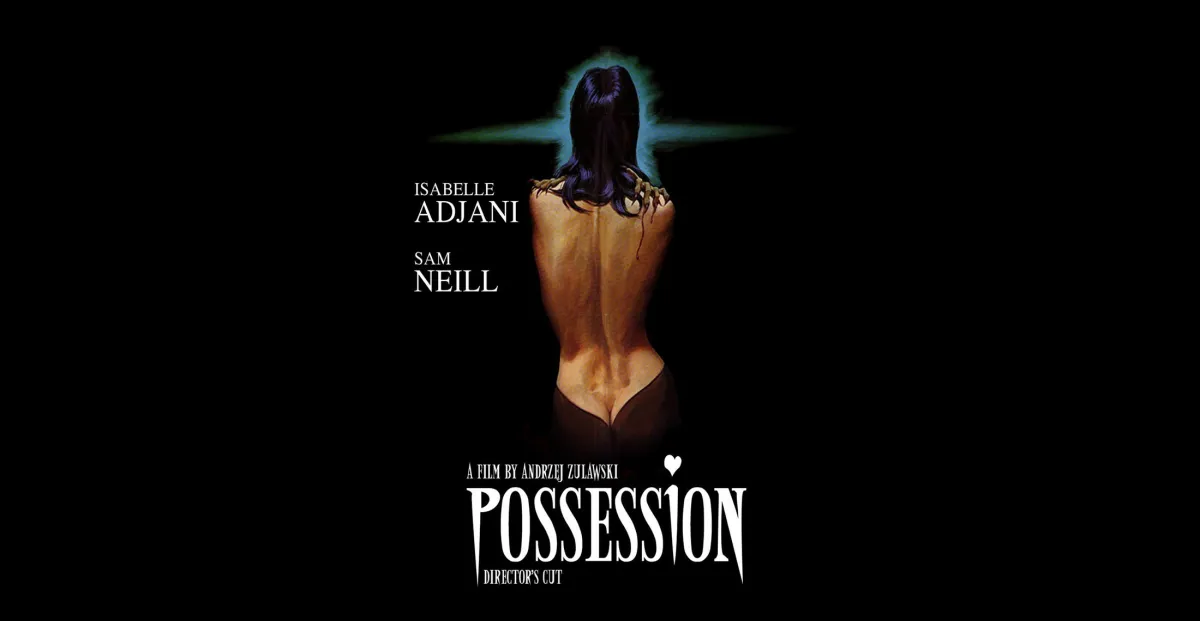
Don’t Miss Out: The Mind-Bending Cult Classic ‘Possession’ Is a Must-See for Young Tech Fans

The Future of Tech Innovation: Disruption on the Horizon

In an era marked by rapid technological advancement, companies like OpenAI, Tesla, and Google are pushing the boundaries of perception, transforming the landscape of artificial intelligence, transportation, and online services. These firms exemplify how relentless innovation fuels disruption, forcing industries to adapt at an unprecedented pace. For the analytical minds at Gartner and MIT, this wave of change signals a fundamental evolution—one that prioritizes agility, sophistication, and market redefinition.

At the forefront of this disruption is the emergence of autonomous systems and generative AI, fundamentally altering how businesses operate and compete. OpenAI’s GPT models demonstrate how artificial intelligence can augment human decision-making, streamline operations, and even redefine content creation. As Peter Thiel highlights, such innovations threaten legacy industries by lowering barriers to entry and democratizing access to advanced tools. Meanwhile, Tesla’s autonomous vehicle technology exemplifies hardware-software confluence that challenges traditional automotive paradigms, opening new avenues for consumer value and business scalability.

Yet, the implications extend beyond mere disruption. Industry incumbents must reevaluate their strategies or face obsolescence. The disruption driven by these innovations exemplifies a broader trend: the erosion of monopolistic complacency. For young innovators and startups, these breakthroughs represent unique opportunities to carve out market share in a landscape that is increasingly unsettled by disruptive entrants. As industry analysts warn, delay in adaptation could lead to marginalization as new tech giants rise.

Looking ahead, the relentless march of innovation prompts a crucial question: how will traditional business models respond to this seismic shift? The future belongs to those who embrace disruption—not resist it. Investments in R&D, agile product development, and strategic foresight will be essential to navigate this tumultuous terrain. As the world quickly pivots toward this new paradigm, the urgency cannot be understated. Tech leaders, policymakers, and entrepreneurs must act decisively, harnessing the disruptive power of next-generation technologies to secure a competitive edge in the digital age.

Legendary Actor Bud Cort of Harold and Maude Passes Away at 77 — A Lasting Influence on Film and Youth Culture

In an era where culture serves as both mirror and compass for society, the life and work of Bud Cort remind us of the enduring power of art to shape identity and reflect the depths of human experience. Best known for his role in Harold and Maude, Cort epitomized a certain countercultural sensibility, one that challenged conventional notions of life, death, and societal expectations. His portrayal of a death-obsessed youth who forms a poignant relationship with an older woman resonated deeply, becoming a symbol of authenticity and the refusal to conform — traits that are the bedrock of cultural vitality in the face of societal homogenization.

What makes Cort’s legacy particularly compelling is not merely his acting talents but his embodiment of a philosophy of cultural resistance. As the philosopher Ortega y Gasset argued, every culture is a collective effort to confront the chaos of existence through shared symbols and narratives. Cort, through his nuanced performances, injected a dose of rebellious reality into popular cinema, pushing against the dull narratives of conformity. Despite an initial lukewarm reception, Harold and Maude was later celebrated as a quintessential example of how authentic art inevitably triumphs over superficial trends, mirroring Tocqueville’s insights that democratic societies flourish when rooted in enduring cultural traditions that foster individual expression and moral resilience.

Throughout his career, Cort’s ability to oscillate between comedic and profound roles exemplified a broader cultural truth: that the soul of a society is often revealed in its willingness to explore the fringes, to celebrate those who see the world differently. His rejection of the role in One Flew Over the Cuckoo’s Nest signals a conscious effort to preserve his artistic integrity, recognizing that true culture demands a steadfast commitment to originality rather than fleeting fame. In an age where cultural orthodoxy often stifles genuine expression, Cort’s resistance becomes a testament to the importance of maintaining the integrity of cultural memory — a living archive that both preserves the past and guides us into the future.

As T.S. Eliot famously wrote, “We shall not cease from exploration, and the end of all our exploring will be to arrive where we started and know the place for the first time.” In this light, Bud Cort’s life embodies a poetic dialogue between memory and prophecy, reminding us that the enduring value of culture lies in its ability to preserve humanity’s collective soul while illuminating new spiritual horizons. Culture, after all, is neither merely entertainment nor tradition; it is our very essence — the echo of our ancestors and the beacon for generations yet unborn, whispering softly that human life, with all its passions and contradictions, is ultimately a sacred ongoing story waiting to be told.

A New Beginning for Sundance: Fresh Perspectives and What’s Ahead for the 2026 Film Festival

The Evolving Spirit of Sundance: A Reflection on Culture, Identity, and the Promise of New Horizons

Once heralded as the heart of independent American cinema, the Sundance Film Festival has long embodied more than mere entertainment; it is an emblem of cultural authenticity, tradition, and societal identity. Founded by the iconic Robert Redford, Sundance was initially a celebration of the rugged frontier spirit, a platform for filmmakers who dared to challenge the mainstream and craft stories rooted in authenticity and local color. As Ortega y Gasset observed, “A culture is the incarnation of the ideals, troubles, aspirations, and contradictions of its people.” Sundance’s identity has always been intertwined with this philosophy—an ongoing dialogue between art and life, challenging the uniformity of Hollywood and fostering the distinct voices that shape a nation’s soul. As the festival shifts from Park City to Boulder, questions arise about whether this migration signifies a recalibration of cultural priorities, or a necessary evolution in an era demanding resilience and reinvention.

The festival’s historical relevance extends beyond the arts into the very fabric of societal change. It has historically celebrated films that grappled with American values, social justice, and identity politics, echoing Tocqueville’s insights on the importance of local cultures as the foundation of democracy. Films like Little Miss Sunshine or Whiplash serve as milestones—not just for their cinematic artistry but for their reflection of American resilience and the unyielding pursuit of excellence amidst adversity. Yet, today’s Sundance faces a paradox: while technological advancements have democratized film production, making independent filmmaking more accessible, access to distribution and slots in the festival are tightenings of a gate increasingly guarded by economic interests and corporate financiers. This shift underscores Gasset’s assertion that culture, once a collective expression, is now often filtered through economic and ideological lenses, risking the dilution of authentic voices in favor of market-driven narratives.

The Cultural Shift: From Authenticity to Commercial Opportunism

Recent years have witnessed a transformation, wherein the historic Sundance ideal—an incubator for raw, unpolished stories—has become entangled with the commercial pursuits of streamers and studios. The festival now often reflects a stratification: the real films that challenge convention and inspire discourse, versus those crafted within a calculated, factory-like process aimed at pleasing a broad, attention-starved audience. Philosophers like Chesterton warned of the danger of losing sight of the true in pursuit of the merely entertaining, and modern Sundance seems caught at this crossroads. The remarkable success of films like Josephine, which tackles harrowing subjects with originality, exemplifies the enduring relevance of art that speaks to the human condition beneath the veneer of commercial appeal. Such films remind us that culture is the memory of society and the prophecy of its future, a prophetic voice echoing through the shadows of contentious and uncomfortable truths.

As critics and audiences grapple with shifting tastes, the festival’s market dynamics reveal an underlying tension: the blurred lines between artistic integrity and financial viability. The absence of broad studio backing and limited sales post-festival reflect a conservative climate, where risks are minimized, and content is scrutinized through the lens of profitability. Yet, hope persists in the form of genuine cinematic art—films like Josephine—a film that not only confronts a tough subject yet does so with profound originality—embodying the quintessential Sundance spirit: challenging, daring, and purposeful.

Looking Forward: A New Horizon for Sundance and Society’s Cultural Mission

As Sundance prepares to relocate to Boulder, echoes of historical parallels resonate: just as great movements in art and thought have sought new ground—be it the Renaissance’s movement from Florence to Venice or the Harlem Renaissance’s cultural revival—so too must the festival redefine its cultural mission. The debate surrounding what Sundance should be—an incubator for authentic storytelling or a marketplace of commercially viable content—reflects a broader societal inquiry: what is the role of culture in forging identity and guiding society? To quote T.S. Eliot, “The progress of an artist is a continual self-sacrifice,” emphasizing that true cultural progress requires sacrifice, honesty, and resilience. The festival’s move offers an opportunity not merely for geographical change but for a renewal of purpose—balancing the demands of visibility and commerce with an unwavering commitment to the truthful and original voices of tomorrow.

In the end, culture remains a vital thread linking our past and future—a tapestry woven with memory, hope, and prophecy. Sundance, in its evolving form, may yet remind us that the true power of cinema lies not in its commercial success but in its ability to mirror humanity’s deepest struggles and aspirations. As we stand on the cusp of this new chapter, the enduring question remains: will we heed the wisdom of our cultural memory and listen for the prophetic voices whispering from the shadows? Perhaps, in their echoes, lies humanity’s most profound future—an enduring testament that from the ashes of change rises the future of art and identity intertwined in the sacred dance of tradition and innovation.

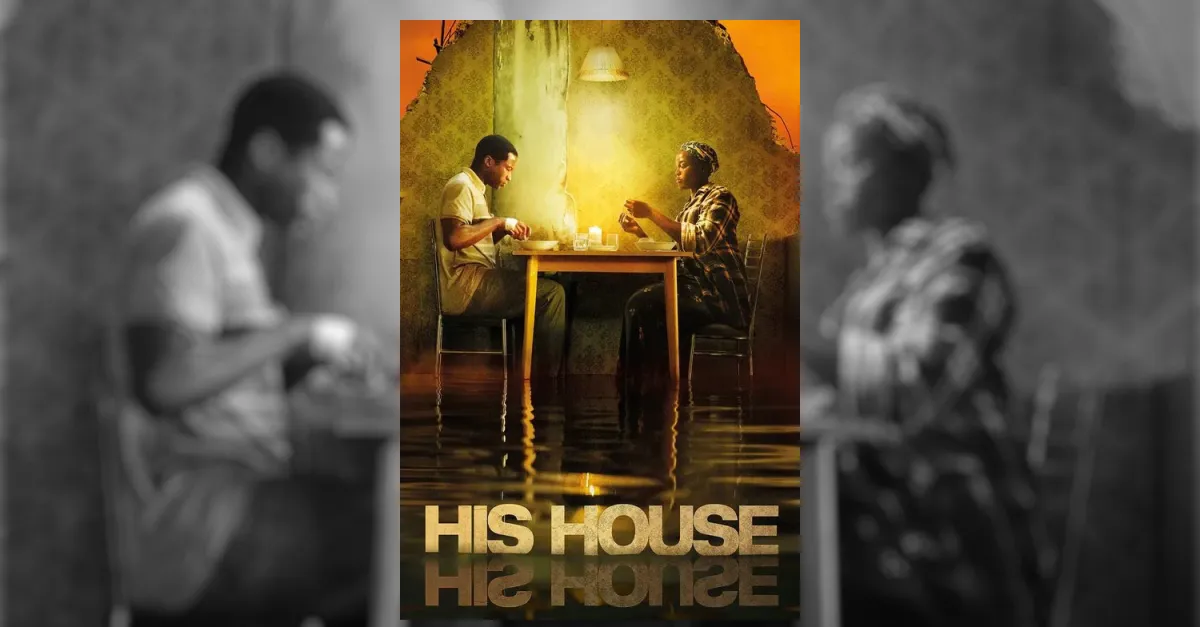
Don’t Miss Out: His House Is the Modern Horror That’s Redefining Fear for a New Generation

Tech Industry on the Brink: AI and Disruption Reshape Business Landscape

The technology sector is witnessing unprecedented levels of *innovation* and *disruption* driven primarily by advancements in artificial intelligence (AI) and machine learning (ML). Ambitious companies and visionary entrepreneurs, such as OpenAI and Google, are pushing boundaries to redefine what machines can accomplish. According to Gartner’s latest forecast, AI-driven automation will transform nearly 50% of all business processes within the next five years, signaling a fundamental shift in how organizations operate. This surge in AI capabilities isn’t just incremental—it’s revolutionary, fostering an environment where rapid scalability and real-time decision-making become the norm.

One of the most significant industry shifts lies in generative AI models, which are enabling capabilities once considered science fiction—such as human-level content creation, autonomous decision-making, and personalized interactions at scale. OpenAI’s GPT-4 exemplifies this evolution, with analysts highlighting its potential to displace traditional content and service industries, from journalism to customer support. Such innovations are expected to diminish barriers for startups, fostering a new wave of *disruption* that could challenge established giants like Microsoft and Amazon to adapt or face obsolescence.

However, with disruptive technology comes both opportunity and risk. Industry leaders such as Elon Musk and Peter Thiel warn of the *emerging ethical and regulatory challenges* that could hamper AI’s transformative power. Their insights underscore the need for proactive governance structures, lest unchecked AI development amplify biases or create unintended consequences. Nonetheless, the *business implications* are clear: organizations that leverage AI effectively will gain a decisive competitive edge, while those slow to adapt risk being rendered irrelevant.

Looking ahead, *the landscape of innovation is poised for even greater upheaval*. MIT researchers forecast that integration of AI with emerging technologies like blockchain and quantum computing will multiply the disruptive potential tenfold. Industry insiders predict that within the next decade, markets will see *entire sectors—finance, healthcare, transportation—completely reimagined.* As disruption accelerates, entrepreneurs awakening to these shifts must act swiftly, or risk being left behind in a rapidly evolving technological ecosystem. The future is not just approaching—it is here. The question remains: how quickly will organizations harness these emerging technological frontiers to secure their place in tomorrow’s economy?

Netflix secures victory in Warner Bros. bidding war—tech giants shake up the entertainment game

Netflix’s Strategic Push into Hollywood: A Paradigm Shift in Content and Business Models

In a move that could redefine the entertainment landscape, Netflix is reportedly considering acquiring Warner Bros. and its associated assets, including HBO Max. While the deal faces imminent regulatory hurdles, notably opposition from the Department of Justice, industry insiders suggest that if approved, this acquisition could trigger a seismic shift in how streaming giants operate within traditional Hollywood frameworks. Such an integration would place Netflix at the helm of one of the oldest and most influential film studios, fundamentally altering existing distribution, production, and theatrical paradigms.

From an innovation perspective, this move signals a disruption of the conventional content supply chain. Historically, Netflix has prioritized digital-first distribution, avoiding involvement in theatrical releases and traditional studio operations. The potential transition into studio management would allow Netflix to leverage its data-driven approach to content creation while integrating theatrical releases into its ecosystem. This strategic positioning could enable the company to compete directly with legacy studios by controlling more of the content lifecycle—from production to consumer. Such vertical integration aligns with industry trend forecasts from Gartner and MIT, which emphasize the importance of disruptive consolidation as a way to leverage big data and cutting-edge AI for content optimization and personalized marketing.

The implications for the broader industry are profound. A successful acquisition not only disrupts the traditional Hollywood power balance but could accelerate the consolidation of media assets across emerging digital platforms, forcing competitors to adapt or face obsolescence. Analysts like Peter Thiel have long argued that such disruptive business models fuel innovation by creating new avenues for revenue and consumer engagement. If Netflix can integrate large-scale theatrical content, it may gather a significant competitive advantage—offering consumers a seamless experience that combines the best of traditional cinema and digital streaming, accelerating the metamorphosis of the entertainment industry.

Business Implications and Future Outlook

The potential acquisition underscores how disruption in the tech and entertainment sectors is accelerating, with major players seeking to reinvent their roles within the evolving ecosystem. While regulator concerns and antitrust scrutiny are significant hurdles, industry insiders suggest that the strategic value of owning a legacy studio—combining creative control with data-driven insights—could outweigh regulatory obstacles in the long term. This move may also set a precedent for vertical integration, inspiring other tech giants, such as Apple and Amazon, to pursue acquisitions that further blur the lines between content creation and distribution.

Looking ahead, the industry faces an imperative to innovate rapidly in response to consumer demand for high-quality, multi-platform content. Executives, investors, and creators must recognize that disruption is now a strategic necessity. As Netflix potentially steps into a new role as a Hollywood studio powerhouse, the entire media landscape remains on the cusp of profound transformation—one that demands agility, strategic foresight, and an unwavering commitment to pushing the boundaries of entertainment technology. The future belongs to those who can harness the power of innovation amidst regulatory challenges, seizing opportunities to reshape cultural consumption in ways previously thought impossible.

Social Media Auto Publish Powered By : XYZScripts.com