Matox News

Truth Over Trends, always!

Shropshire Council Faces Growing Youth Backlash Over Flag Removal Amid Rising Tensions

Society Under Strain: The Cultural and Social Impact of Flag Campaigns in England

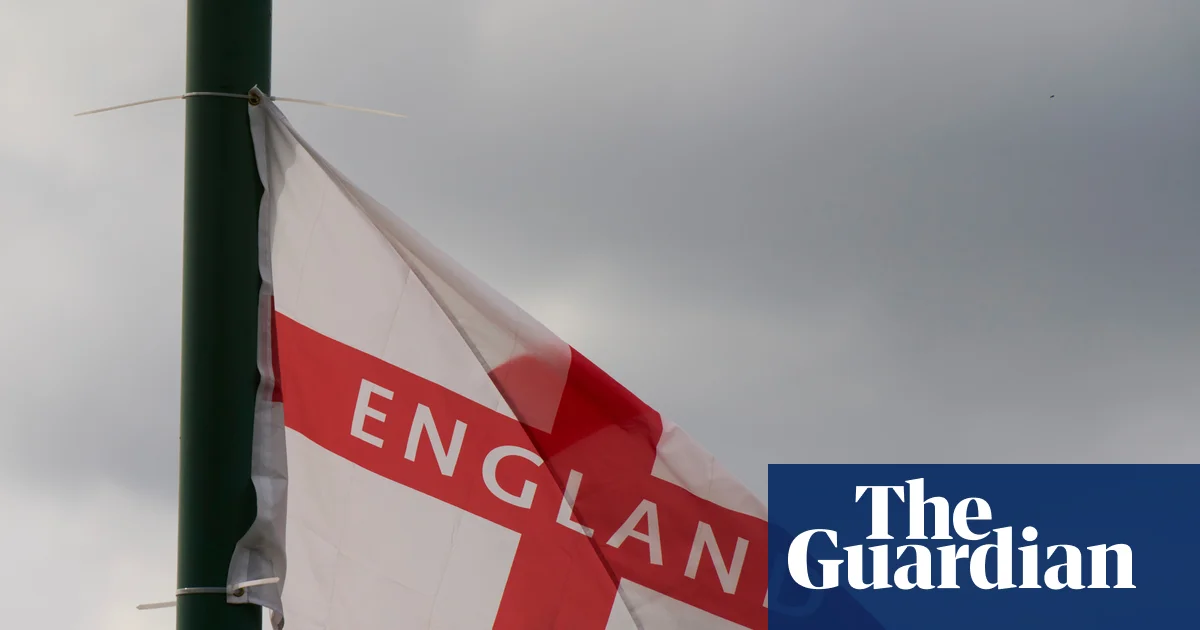
In recent months, local governments across England have reported a disturbing rise in threatening behavior and abuse directed at public service staff and officials. From Shropshire to Oxfordshire, officials recount escalating incidents of intimidation while attempting to perform routine duties, such as street lighting repairs or removing unauthorized flags. These disturbances are not isolated; they reflect deeper social tensions surrounding the display of national symbols and their interpretation within contemporary society.

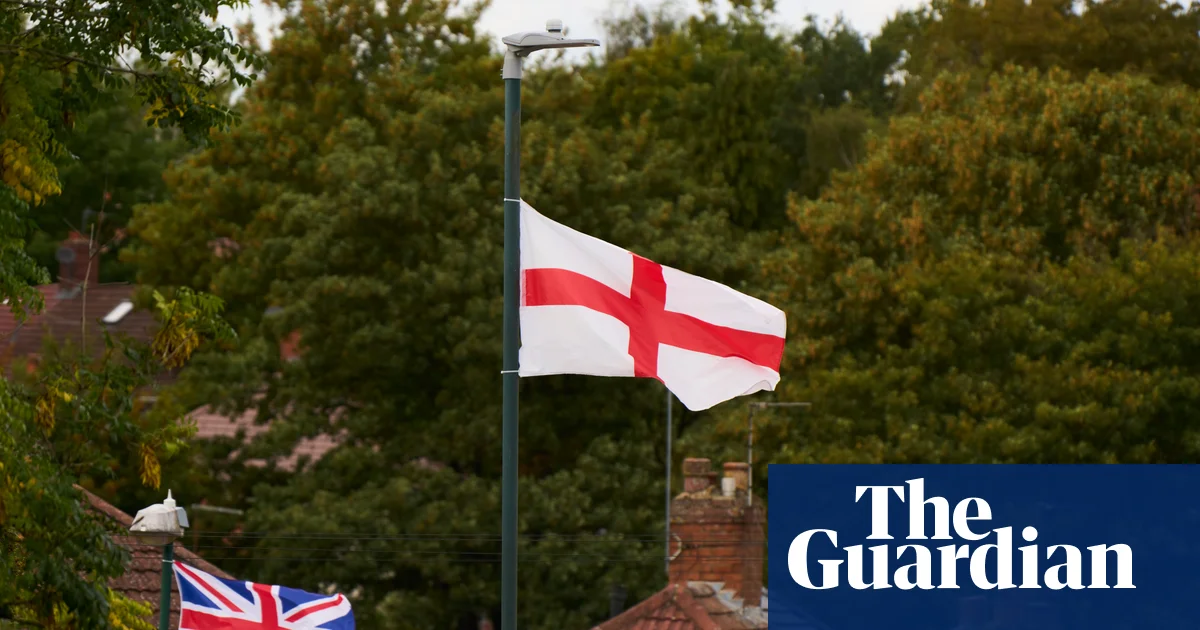
This controversy primarily revolves around a flag campaign that began last summer, purportedly initiated in Birmingham. In the ensuing months, hundreds of union and St. George’s flags have appeared on lamp-posts, roundabouts, and street furniture throughout England. For some communities, these flags are conscious symbols of pride and patriotism. Yet, for others—especially those concerned with the social fabric and cohesion—they are seen as tools of division and intimidation. Many charities and local authorities argue that the campaign exacerbates existing social fractures, creating an environment where families and neighborhoods feel increasingly unsafe and divided.

Across counties, officials have struggled to balance respect for free expression with the need to maintain public safety and community harmony. In Shropshire, despite initial refusals to police flag displays, authorities recently announced plans to remove unauthorized flags citing safety concerns and hefty removal costs—already reaching as high as £13,000 following storm damage, and threatening to burden local taxpayers further. Meanwhile, in Oxfordshire, police and council leaders report that threatening behavior and abuse have become commonplace, with some residents feeling unwelcome in what should be their own neighborhoods. Such tensions not only strain community bonds but also threaten the moral and psychological well-being of families caught in the social crossfire.

Social commentators like sociologists and historians warn that these conflicts are indicative of more profound cultural shifts and _demographic changes_ that challenge traditional notions of shared identity. The phenomenon raises urgent questions about the moral responsibilities of societal leaders, the impact of unchecked nationalism, and the ways in which local governments can foster environments of > inclusivity and respect. As communities grapple with statutes and symbols, they reveal the enduring struggle to define national identity amidst an increasingly fractured social landscape. Moving forward, deliberate efforts to promote dialogue and understanding are vital, lest society become further divided—the very fabric that sustains its moral integrity fraying under the weight of unchecked symbolism and social discord.

In this moment of crisis, society stands at a crossroads, where the quest for cultural expression intersects with the urgent need for social cohesion. Truly, the heart of the challenge lies not in the flags themselves but in how communities choose to confront their differences. For amid the chaos and contention, hope persists—a hope that, through reflection, compassion, and decisive leadership, society can forge a path toward renewed unity and understanding. Amidst these turbulent times, perhaps society’s greatest strength is not in its symbols but in its capacity to heal and rebuild from within, shaping a future where every family feels both proud and safe in their shared homeland.
Banksy Confirms London Statue of Blinded Man by Flag Is His Work

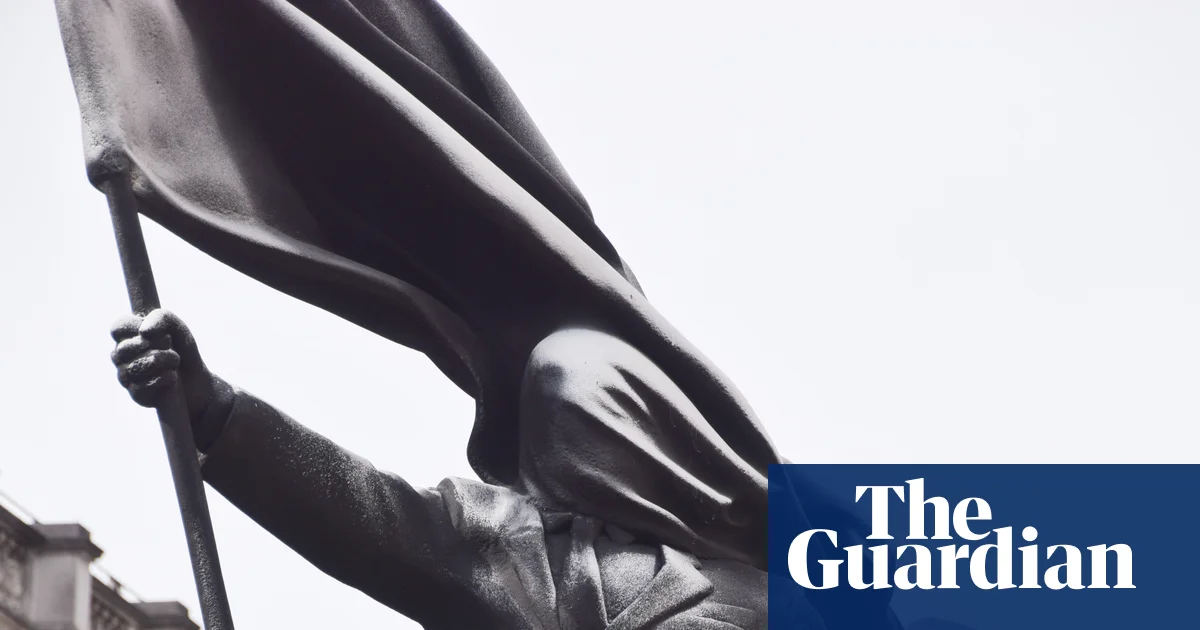
London, a city long celebrated for its rich tapestry of history and political symbolism, has become the latest stage for a provocative piece by the elusive street artist known as Banksy. This week, amidst the shadows of Westminster, a new statue depicting a man draped in a flag was clandestinely installed in Waterloo Place. The artwork, which depicts a figure marching forward, face obscured, clutching a billowing flag, serves as a stark reminder of ongoing public discontent and the ideological battles that shape our modern geopolitics. Its placement near venerable figures like Florence Nightingale and war memorials underscores how art continues to challenge, critique, and reflect societal values at the heart of Britain’s political landscape.

This act of guerrilla artistry is more than mere vandalism; it is a deliberate statement that echoes across the United Kingdom’s complex relationship with sovereignty, identity, and national security. Historian and political analysts have long noted the power of symbols in shaping public discourse. Banksy’s choice of a faceless marcher with a flag as a shield and banner speaks to broader themes: the unresolved questions of border politics, immigration, and Britain’s stance on international conflicts. Such works are not accidental but are calibrated to influence the global narrative, urging viewers to reconsider what truly underpins national sovereignty in an era marked by unprecedented migration and cultural clashes.

International organizations and geopolitical analysts interpret Banksy’s latest piece as part of an ongoing cultural dialogue—one that often masks its political intent with art. The timing is notable, coinciding with increased debates about Britain’s role in global affairs and its internal struggles over identity and security. The artist’s confirmed works—ranging from murals addressing homelessness to political protests—serve as stirring reminders that art remains a potent vehicle for dissent and reflection. Experts warn that such acts can ignite national debate or ignite tensions, especially when art intersects with sensitive issues like immigration, civil liberties, and sovereignty.

Recent investigations have even attempted to unmask the artist behind these provocative works, with claims linking Robin Gunningham, a Bristol native, to the pseudonymous Banksy. Nevertheless, the artist’s lawyer firmly denies these allegations, emphasizing the importance of anonymity in protecting a figure whose work continues to influence both popular culture and political discourse. As history has shown, the power of an anonymous voice can be more disruptive and impactful than any state-controlled narrative. This ongoing saga leaves us with a haunting question: in a world fractured by ideology and conflict, what role does art play in shaping or resisting the course of history?

As the echoes of Banksy’s latest intervention fade into the night, the weight of history presses heavily on the horizon. With each clandestine act of artistic rebellion, the lines between the official narrative and the subversive blur further—reminding us that in the theater of geopolitics, the boundaries of rebellion and acceptance are often indistinguishable. The world watches as Britain’s streets become battlegrounds not just for political debate but for the very symbols that define our collective identity. And in this unfolding story, every statue, every mural, becomes a chapter in the ongoing struggle over what nations, societies, and individuals hold sacred—and what they dare to challenge.

Brazil’s Former President Detained as Authorities Flag Flight Risk

The recent arrest of Jair Bolsonaro, the controversial former Brazilian president, marks a pivotal moment in Brazil’s tumultuous political landscape and signals a potential shift in Latin American geopolitics. Convicted of plotting a military coup aimed at seizing power after his electoral defeat in 2022, Bolsonaro’s detention has ignited both support and condemnation among international observers. The Supreme Court Justice Alexandre de Moraes justified the move by citing the risk of Bolsonaro fleeing—highlighting how state security measures are increasingly intertwined with political vendettas in a region grappling with political polarization. As Bolsonaro’s supporters gather en masse, the full geopolitical impact of this crisis remains uncertain, yet fundamental questions surrounding national sovereignty and regional stability are now at the forefront.

Bolsonaro’s conviction, which led to a sentence of over 27 years, centered on his alleged role in orchestrating a conspiracy to subvert democratic processes. Notably, courts accused him of inciting violence during the assault on government institutions on 8 January—an event widely condemned as a direct consequence of his rhetoric. Leading international organizations have expressed concern, warning that such actions threaten the fragile democratic fabric of Brazil. Renowned analysts warn that his detention and the subsequent crackdown could further polarize the nation, risking destabilization in the region and inspiring like-minded populist movements across Latin America. Meanwhile, the United States, under the rhetoric of trade sanctions and diplomatic caution, has observed these developments with a mix of apprehension and strategic calculation, aware that Brazil’s stability is a cornerstone for regional influence and global trade routes.

Moreover, the detention of Bolsonaro has a broader international dimension, symbolizing a clash between old-world populism and emerging forms of governance in the 21st century. His legal team challenged the custody measures, emphasizing that “supporters are willing to fight for democracy,” even as the court warned that the former president posed a serious flight risk. The specter of Bolsonaro seeking asylum at foreign embassies, notably in the U.S., underscores the potential for diplomatic flashpoints. Such threats not only complicate Brazil’s internal affairs but also ripple into U.S.-Brazil relations, with implications for trade, diplomacy, and regional alliances. International organizations, including the OAS, have called for calm, but the underlying tensions reveal a deep fissure—one that could define Brazil’s political trajectory for years to come.

As Brazil stands at this crossroads, historians note that the unfolding events echo past crises that have shaped the modern world—moments where the fight for democracy clashed with authoritarian impulses. The decision to imprison Bolsonaro, taking into account his role in inciting violence and attempting to destabilize the government, could serve as a precedent on how emerging democracies confront populist insurgents. Yet, the potential for unrest remains significant, as Bolsonaro’s supporters prepare to rally in his favor. This confrontation will test the resilience of Brazil’s institutions and the international community’s ability to prevent a descent into chaos. In this moment, history continues to write itself—reminding us that the fate of nations often hinges on choices made not just in courts but in the hearts and minds of their people, with each step edging closer to a new chapter in the ongoing saga of liberty versus tyranny.

Reform Council Pushes for Flag Removal to Brighten Up Christmas Lights in Kent

Controversy Over Flags and Christmas Lights in Harrietsham

Flags vs. Festive Cheer: The Cultural Clash in Harrietsham

The recent decision by Kent county council to mandate the removal of union and St George’s flags from streetlights before the village can proceed with its traditional Christmas decorations has sparked a fierce debate that reflects broader societal tensions. This incident, deemed “beyond ironic” by local leaders, underscores how cultural symbols and identity politics increasingly influence community life and social cohesion. As the council’s safety concerns dominate discussions, the decision highlights an underlying struggle over the societal role of national symbols amid a rapidly changing demographic landscape.

The controversy centers on the flags, which are often associated with national pride and patriotic expression. While the county council asserts that safety during light installation is paramount, critics argue that the decision is emblematic of a broader trend of government intervention in cultural expression. For many families and communities, such symbols are part of their identity, deeply intertwined with their history and sense of belonging. The actions of the council have ignited concerns among residents and local groups who see this as an erosion of freedom to display their heritage. Notably, the parish council emphasizes that the flags, which were put up without formal permission, do not belong to the council property and therefore cannot be removed without owner consent—highlighting issues of property rights, local autonomy, and the cultural significance of public symbols.

This conflict has implications beyond mere symbolism; it affects the social fabric of communities and the everyday experiences of families. When local authorities restrict expressions that unite or represent a community’s history, it can lead to alienation and social fragmentation. Sociologists like Dr. Lisa Greenfield warn that such restrictions risk marginalizing conservative and patriotic elements, which are vital voices in the ongoing conversation about national identity. The debate reveals a cultural shift where traditional symbols are being scrutinized under the guise of safety or political correctness, often at the expense of community cohesion and shared celebration. Furthermore, the controversy illustrates how social tensions around identity, patriotism, and multiculturalism influence local governance and public spaces.

Supporters of the council’s stance argue that safety remains the highest priority in public planning, emphasizing that flags can obstruct visibility or interfere with installation safety. Peter Osborne, Kent council’s cabinet member for highways and transport, asserts that the removal process can be done efficiently by contractors without significant costs. Yet, critics like Stuart Jeffrey, a Green councillor and leader of Maidstone borough council, suggest that the broader issue is symbolic — that the flags represent more than just personal or local pride, but the tensions between local tradition and the push for a homogenized national identity. They contend that “the flags serve as a reminder of the community’s history, and their removal signifies a form of cultural suppression.”

Ultimately, this conflict resonates as a microcosm of society’s ongoing struggle to balance tradition with progress. It raises essential questions about how communities can preserve their heritage and identity in an increasingly diverse society, without compromising safety or the rule of law. As we move forward, the challenge lies not only in resolving disagreements over symbols and regulations but in fostering a society where families, educators, and communities can find common ground amid the inevitable changes shaping modern Britain. Reflecting on this, one can hope that society’s greatest strength remains its capacity to adapt, unite, and honor its roots—transforming division into dialogue, and symbols of division into symbols of collective hope for a more inclusive future.

Social Media Auto Publish Powered By : XYZScripts.com