Matox News

Truth Over Trends, always!

Young Stars Shine as Future of Sports Takes Center Stage

J.J. McCarthy’s Journey: Finding Consistency in the NFL

The Minnesota Vikings are back in the spotlight as they aim to sharpen their performance for the upcoming season. Central to their plans is quarterback J.J. McCarthy, who is determined to elevate his game and find the consistency that eluded him last year. In a recent interview, McCarthy described his current state as a “cork about to come off a bottle,” signaling his readiness to unleash his full potential on the field.

His commitment to refining his mechanics is commendable. As he reflects on his journey, McCarthy emphasizes the importance of staying grounded. “Each day is about improvement,” he stated, showcasing his dedication not only to himself but to his teammates as well. This determination comes at a crucial juncture for the Vikings as they strive for a competitive edge in a tough division.

Key to McCarthy’s progress is the coaching prowess of head coach Kevin O’Connell, who has built a reputation for cultivating young talent. Commentators like Chris Collinsworth have noted the impressive adjustments O’Connell has made, which have led to a more dynamic team offensive. Under their guidance, the Vikings are aiming to transform McCarthy’s potential into measured results. The coaching staff is pushing for a focus on fundamentals, which they believe will pay dividends in game situations.

  • J.J. McCarthy is working on rebuilding his mechanics to enhance performance.
  • Coach Kevin O’Connell plays a pivotal role in developing McCarthy’s skillset.
  • Commentator Chris Collinsworth highlighted the transformational strategies being implemented.

As the Vikings gear up for the season, the quest for consistency represents more than just a personal battle for McCarthy; it encapsulates the essence of what sports embody. In a world often divided, the commitment to unified effort on the field transcends individual records, serving as a reminder that victory is sweeter when shared among teammates and fans alike. The hope for the Vikings lies in the idea that each game—each play—can forge bonds that stand the test of time, symbolizing the heart of competition and camaraderie. With every snap, J.J. McCarthy may just be the key to igniting that spirit as he readies himself for the challenges ahead.
Source link

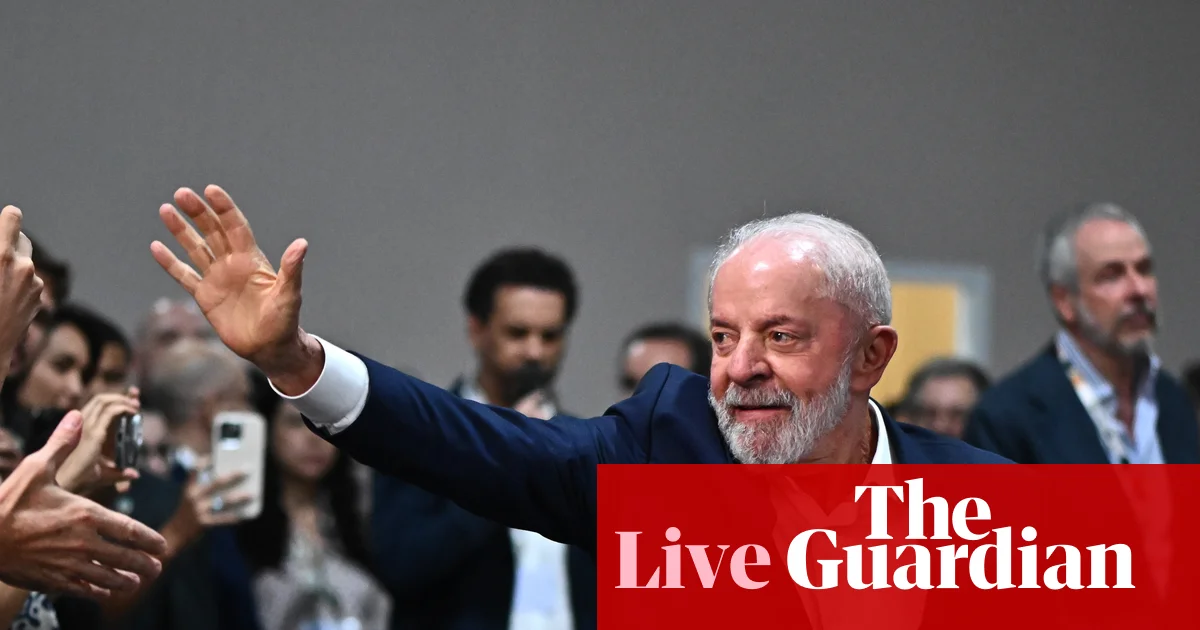
Lula Urges Summit to End Reliance on Fossil Fuels—A Wake-Up Call for the Future

As the UN Climate Summit (COP30) reaches its climax in Belém, Brazil, the international community faces a pivotal moment that could determine the future trajectory of global climate policy. The summit, an arena where nations negotiate the delicate balance between environmental responsibility and sovereignty, is marked by intense debate and unresolved tensions over crucial issues such as climate finance, fossil fuel reduction, and trade measures. Despite claims from Brazilian President Luiz Inácio Lula da Silva that consensus will prevail, many analysts warn that the summit’s outcome may not deliver the decisive agreements needed to stave off the worst of climate catastrophe.

According to seasoned climate diplomats and expert commentators, this summit is more complex than previous years, featuring multiple negotiation tracks articulated in arcane acronyms and confidential drafts that leave many observers bewildered. Historically, late stages of COP negotiations tend to coalesce around key issues, but this year, the absence of clear resolutions on emissions reductions and financial commitments underscores the deep fissures among nations. The staging of high-level ministerial meetings, aimed at forging consensus, has not yet succeeded in producing the much-anticipated finalized text. The delay underscores the challenges of balancing global ambitions with political and economic realities.

President Lula’s comments earlier in the summit hint at a more flexible approach, emphasizing “building the way to live without fossil fuels” without imposing strict timelines on nations for their reduction efforts. His assertion that negotiations are rooted in respecting sovereignty and fostering consensus echoes the broader narrative of naively optimistic diplomacy. However, critics cite persistent disagreements over climate finance, especially concerning aid to vulnerable Pacific island nations and lesser-developed countries, which remain highly contentious. The core question remains: can the world’s political leadership overcome these divisions and agree on a clear roadmap to phase out fossil fuels? Many believe that without tangible commitments, the summit risks ending in mere rhetoric, leaving the pressing crisis unaddressed.

The ***geopolitical impact*** of the summit’s missed deadlines extends far beyond the conference halls in Brazil. As climate negotiations become a battleground for influence, nations like China, the United States, and European countries are under relentless scrutiny. Intergovernmental organizations, including the IPCC, continue to warn that the window of opportunity to limit global warming to manageable levels is closing rapidly. Broad concerns also persist about unilateral trade measures and financial obligations, which threaten to undermine collective efforts. The unfolding drama in Belém could set the precedent for future international cooperation or, conversely, fuel a fractured geopolitical landscape where climate action becomes a battleground for national interests rather than a collective effort to save the planet.

As the summit lurches toward its eventual conclusion, with many late-night negotiations on the horizon, the international community is left to ponder whether this gathering will mark a turning point or fade into the annals of missed opportunities. With the world watching and the weight of history bearing down, the words and decisions made in these final days will echo through generations to come. The looming question remains: **will humanity unite in time to forge a resilient, sustainable future, or are we witnesses to the last chapter of collective climate responsibility**? The unfolding narrative of COP30 continues to write itself—one of hope tested by discord, and of a planet’s fragile future hanging in the balance.

Our boy’s almost three—that’s progress and pride for our future.

Cracks in the Foundation: The Crisis of Childcare and Its Impact on Society

Across communities in the UK, a quiet yet alarming crisis is unfolding — the persistent decline of childcare providers. Families like Monika and Henry Byrne find themselves racing against time, only to face a sobering reality. After their son Leo turns three, they have just six weeks to secure a place in childcare, but many doors remain closed. Despite wielding full-time jobs, their struggle underscores a broader social issue: the shrinking pool of childminders. Official figures reveal a stark reality — the number of registered childminders has plummeted from nearly 48,000 in 2015 to just 26,000 in 2024, threatening the very fabric of accessible early childhood care.

This decline is not merely a statistic; it has profound repercussions on families, education, and communities. As sociologists like Francesca Castellani note, early childhood care is pivotal in shaping future social and educational outcomes. When families are denied affordable and reliable childcare, they are pushed into difficult choices, often sacrificing careers or delaying employment altogether. Judy Wylde, a seasoned childminder, describes a system in disarray — her 35 years of experience, which once allowed her to care for children like her grandson Louie for free, is now compromised by inadequate funding. The funding rate, she asserts, is “atrocious,” forcing her to work at a loss and preventing her from continuing her vital role. Such loss of long-standing community carers signifies more than economic failure; it erodes the social cohesion that bonds families, caregivers, and communities together.

Furthermore, the rising demand for childcare clashes with dwindling supply, forcing families into painful compromises. The government’s expansion of 30 hours of free childcare for children from nine months is a step forward, yet many childcare providers remain unable to meet the demand. Surveys by organizations like Coram PACEY reveal that hundreds of childminders are restricting or opting out of caring for older children, citing insufficient funding as the main obstacle.

  • Childminders work with unique staff-to-child ratios, making their work more flexible but also more costly.
  • Changes in regulations — like relaxed rules on working from community halls — aim to support providers, but many believe these measures do not go far enough.
  • The financial strain pushes small-scale caregivers to the brink, with some making dramatic decisions about whether to continue caring for children at all.

Such challenges signify deeper structural issues. As Hartmut Rosa emphasizes, a society’s social infrastructure — its early years care being a cornerstone — directly influences social stability. When that infrastructure begins to erode, families are left vulnerable, and societal resilience is threatened. The crisis also impacts individual human dignity; caregivers like Georgina Young, who makes gingerbread men with children she’s cared for since infancy, express frustration at working at a loss, feeling undervalued in a sector essential to societal health.

It is clear that reforms are still overdue — for fairer funding, for streamlined regulations, and for policies that recognize and uplift our frontline community carers. Without such measures, the societal cost will continue to grow, manifesting in fewer opportunities for families, compromised education for children, and weakened community bonds. But amidst this turbulent landscape, hope persists. With sustained effort, societal recognition, and moral clarity, society can rebuild its early childhood care system. It can restore the dignity of caregivers, bolster families’ stability, and nurture the future generation with the strength of unity and justice. Society’s challenge now is to remember that the foundation of a resilient, thriving nation rests on the youngest among us — and on our unwavering commitment to care for them from their very first days.

Future Stars Shine: Rising Talent Dominate Weekend Sports Showdown!

Qualification Concludes with Thrilling Moments and Promising Talents

As the qualification rounds wrap up, fans are left buzzing about the events that transpired. Teams have displayed not just skill, but also a passion that underlines why sports unite us all. The outcomes were more than mere wins and losses; they embodied the dedication of young athletes striving to make their mark. In a recent commentary segment, analysts emphasized the importance of these moments, saying, “This is where legends are born.”

The National Team, led by head coach John Smith, put on a stellar performance, securing their place in the upcoming championship with an emphatic victory over the Rival Team. Remarkably, they scored three goals within the first half, which fueled their momentum throughout the match. Player Michael Johnson was a standout, netting two goals and assisting in a third, proving he is a name to watch in the coming matches. Coach Smith praised his team in the post-game press conference, stating, “The energy was electric, and these young men know what is at stake.”

  • Key performance metrics: Johnson’s two goals and one assist were pivotal.
  • Defensive strategies: The National Team demonstrated an exceptionally tight defense, yielding only one goal.
  • Crowd engagement: Attendance surged, with fans rallying in support, making the venue feel like a home ground.

In contrast, the Underdog Team provided a valiant effort but fell short of qualification, losing to the Top Contender in a heart-wrenching match. Commentator Jane Doe highlighted the spirit of sportsmanship shown by the Underdog Team, stating, “Despite the score, their determination shone through, reminding us of why we love this game.” Both teams showcased athletic prowess and sportsmanship, emphasizing that it’s not merely about winning but connecting with fans and the community.

As qualification comes to a close, one thing remains clear: sports have the power to inspire unity and resilience, transcending the scoreboard. In a world often divided, the sheer thrill and camaraderie found in competitive sports remind us that we are all part of a greater story. Whether it’s a thrilling finish or a hard-fought battle, the essence of the game lies in its ability to bring people together, igniting a passion that fuels not just athletes, but entire communities.

Source link

Future Stars Shine: Young Athletes Break Records at Regional Championships

NWSL Semifinals: Teams Poised for Glory

As the road to the NWSL Championship heats up, the spotlight shines brightly on the 2025 semifinalists. Each of these teams has something to prove, making this year’s semifinals a spectacle that fans will not want to miss. With a championship on the line, the stakes couldn’t be higher. Coaches and players alike are gearing up to showcase their tenacity and teamwork, reminding us all that the spirit of competition goes beyond the final score.

The semifinal matchups feature some of the league’s most exciting and talent-rich teams. Seattle Reign, boasting a formidable defense, faces off against a resilient Portland Thorns squad that has shown flashes of brilliance throughout the season. Meanwhile, the North Carolina Courage looks to continue their impressive run as they take on the underdog Chicago Red Stars, a team that has defied odds to reach this stage. Commentators highlight the significance of these clashes, noting that “every play counts in knockout rounds; it’s about who can execute under pressure.”

  • Seattle Reign’s defense, led by standout goalkeeper Megan McCool, has posted five shutouts in their last eight matches.
  • Portland Thorns have taken their last two encounters against the Reign, showcasing a tactical sophistication that keeps them a fan-favorite.
  • The North Carolina Courage has scored an impressive 47 goals this season, making them a formidable offensive force against the Chicago Red Stars.

Coaches from all sides are emphasizing the importance of unity and mental fortitude as they prepare for these high-stakes matchups. “It’s more than just the scoreboard,” says Courage head coach Paul Riley. “It’s about our connection, our drive, and what we represent on and off the pitch.” Indeed, these words echo the sentiment of the community and the fans who rally around their teams, fostering a sense of belonging through sports.

As the whistle blows to kick off the semifinals, fans should remember that these matches symbolize much more than athletic prowess. They are stories of determination, camaraderie, and collective triumph, uniting communities across the nation. The quest for the NWSL Championship is just the beginning of what sports can achieve—a unifying force that celebrates the indomitable human spirit.

Source link

Top TVs of 2025: Sony, Samsung, LG, and the Future of Viewing

Emerging Tech Giants Push Boundaries in the Home Entertainment Market

The consumer electronics sector continues to showcase urgent innovation and fierce disruption, with brands like Hisense, TCL, Sony, and Samsung leading the charge. These companies are leveraging advancements in mini-LED, QLED, and OLED technologies to redefine the benchmark for picture quality, brightness, and user experience. Analysts from Gartner suggest that the market is experiencing a paradigm shift towards premium display technologies, driven by a consumer demand for more immersive, high-fidelity content consumption. The shift not only intensifies competition but also compels established players to innovate at an unprecedented speed, with some products even risking obsolescence as newer models flood the market.

Innovation and Disruption: The Technology Landscape

At the forefront of this innovation is Hisense’s U8QG, a Mini-LED model promising eye-popping brightness and contrast ratios rivaling OLEDs, yet with better black levels and HDR performance. Similarly, TCL’s QM7K has gained attention for its luxurious black levels and contrast, positioning itself as a potential OLED alternative. However, critics highlight a recurring theme: software glitches and color accuracy issues, indicating a still-maturing ecosystem that could destabilize market confidence if not addressed swiftly.

Meanwhile, Sony’s A95L and Bravia 7 models exemplify the convergence of picture processing and AI-driven upscaling — technologies that are disrupting traditional boundaries between display and intelligent systems. These developments are reinforced by industries like MIT and MIT-based startups pioneering innovations in display tech, heralding a future where real-time image enhancement and adaptive content delivery become industry standard. Yet, as Peter Thiel and other tech investors warn, fast-paced technological disruption often precedes mature software ecosystems, leading to initial instability.

Business Implications and Industry Trajectory

The ongoing upgrades in TV technology pose formidable challenges to existing manufacturers and retailers. The smart TV market is shifting rapidly, emphasizing not only hardware but also integrated ecosystems and services. Companies investing in AI, cloud-based content, and seamless interoperability will gain substantial competitive advantages. Historically, firms like Samsung have been early movers, harnessing their dominant processor and AI-upscaling frameworks, which increasingly become crucial value propositions in premium segments.

Additionally, a key industry implication is the push for standardization in firmware updates and software support. TCL’s recent firmware fix for its QM7K reveals that software stability will be a critical determinant of ongoing consumer trust and brand loyalty. This focus on reliable software ecosystems and consumer experience aligns with the broader trend of convergence between hardware innovation and software robustness—a necessary evolution for the future of smart home tech.

Looking Ahead: The Urgency to Innovate or Perish

As NVIDIA, Elon Musk’s Neuralink, and other disruptors continue to pioneer AI and neural interface applications, the TV industry is poised at a pivotal juncture. The next wave of innovation will likely intertwine virtual reality, AI-driven personalization, and ultra-high-definition content delivery. Industry leaders must act swiftly to adapt or risk being displaced by startups leveraging new cores of computation and connectivity. The consumers of tomorrow demand not just better screens but new immersive experiences driven by disruption, innovation, and relentless R&D.

The future landscape will favor those with agility, foresight, and unyielding commitment to technological leadership. Whether it’s through advances in micro-LED displays, AI-powered image processing, or integrated content ecosystems, the message is clear: disruption is not just an opportunity but a necessity for survival in the next era of digital entertainment.

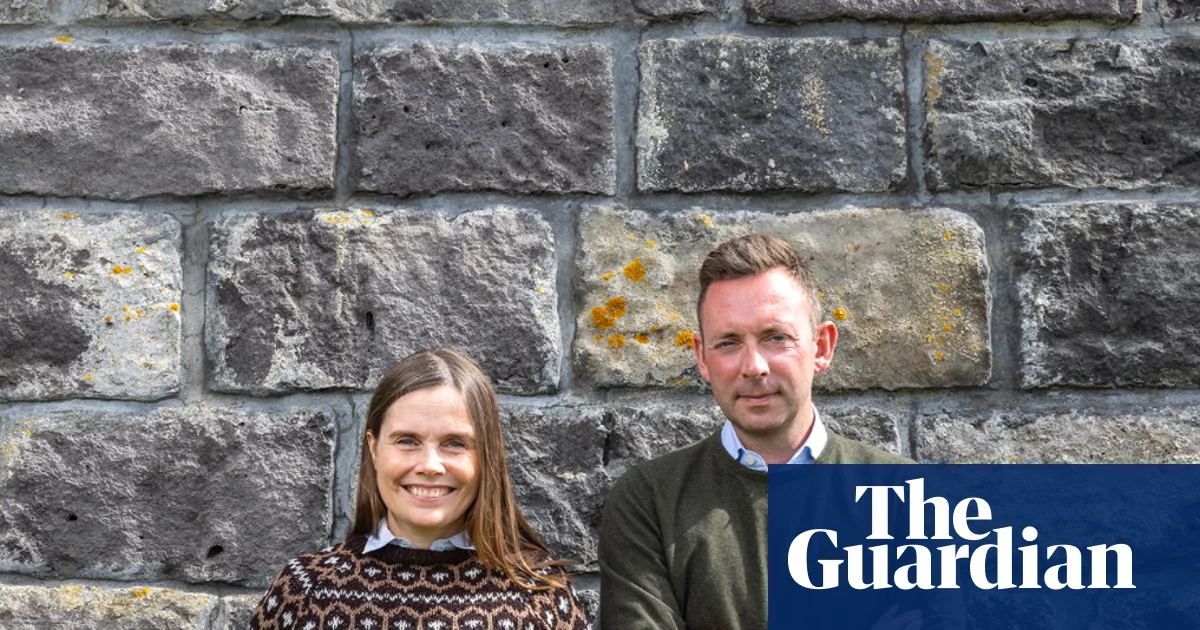
Former PM warns: AI and English media threaten Icelandic future

The threat to Icelandic language sovereignty has recently been highlighted by Iceland’s former Prime Minister Katrín Jakobsdóttir. In a striking warning, she articulated concerns that the rapid rise of artificial intelligence (AI) and the dominance of English media could result in the wipeout of Icelandic within a single generation. This crisis underscores a broader geopolitical impact where cultural hegemony driven by digital globalization poses an existential threat to the world’s less-used languages. With only about 350,000 speakers, Icelandic is not just a linguistic asset but a repository of centuries of human thought and cultural heritage, an attribute that many analysts argue is essential for national identity and societal resilience.

Jakobsdóttir’s concerns echo a pattern witnessed throughout history, where dominant powers have historically absorbed or suppressed local languages and cultures—most notably during Iceland’s colonial period under Danish rule. “We have seen that before here in Iceland,” she pointed out, referencing how Danish influence nearly altered the language. However, she advocates for a proactive approach, emphasizing that the fate of a nation can be decided by how it preserves and promotes its unique language. International organizations, such as UNESCO, have long recognized this issue, warning that the erosion of linguistic diversity is closely tied to the marginalization of cultural diversity and human knowledge. Iceland’s recent efforts, including the partnership with Anthropic for a nationwide AI education pilot, represent a strategic pivot aimed at ensuring the digital age does not essentially erase or distort the Icelandic linguistic heritage.

The core challenge lies in how AI models are trained. Critics—both within and outside Iceland—highlight that language models often lean heavily on English and other dominant languages, inadvertently marginalizing smaller linguistic communities. Ragnar Jónasson, Jakobsdóttir’s co-author and a renowned Icelandic author, warned that we are just a generation away from losing this language entirely due to the pervasive influence of online platforms where English reigns supreme. He emphasizes that young Icelanders are increasingly conversing in English and consuming media primarily in that language. Such trends threaten to turn Icelandic into a relic, a phenomenon not unfamiliar in regions where language shifts occurred post-colonization or under global cultural influence. According to historians like Guðmundur Hálfdánarson, without deliberate preservation efforts, this linguistic shift could accelerate swiftly, mirroring events during the Danish rule.

These developments carry profound geopolitical implications. As nations grapple with digital transformation, the question arises: should states invest in unilateral measures to safeguard their native languages, or will they succumb to the inevitable tide of globalization? Jakobsdóttir’s perspective suggests that the preservation of language entails defending the very way a nation thinks and perceives itself. Her concern is that losing Icelandic would not only mean losing words but would threaten the collective identity. The debate echoes global tensions where cultural sovereignty is increasingly threatened by technological and economic forces aligned with Western dominance. In this unfolding story of Earth’s diverse civilizations, Iceland’s fight encapsulates a larger struggle—a battle to retain not just words but the stories, identities, and ideologies that have shaped nations for centuries. As history continues to unfold, the question remains whether the preservation of language will become a symbolic act or a catalyst for a broader movement against cultural erasure, leaving humanity to ponder whether the uniqueness of every tongue can withstand the onslaught of relentless digital globalization.

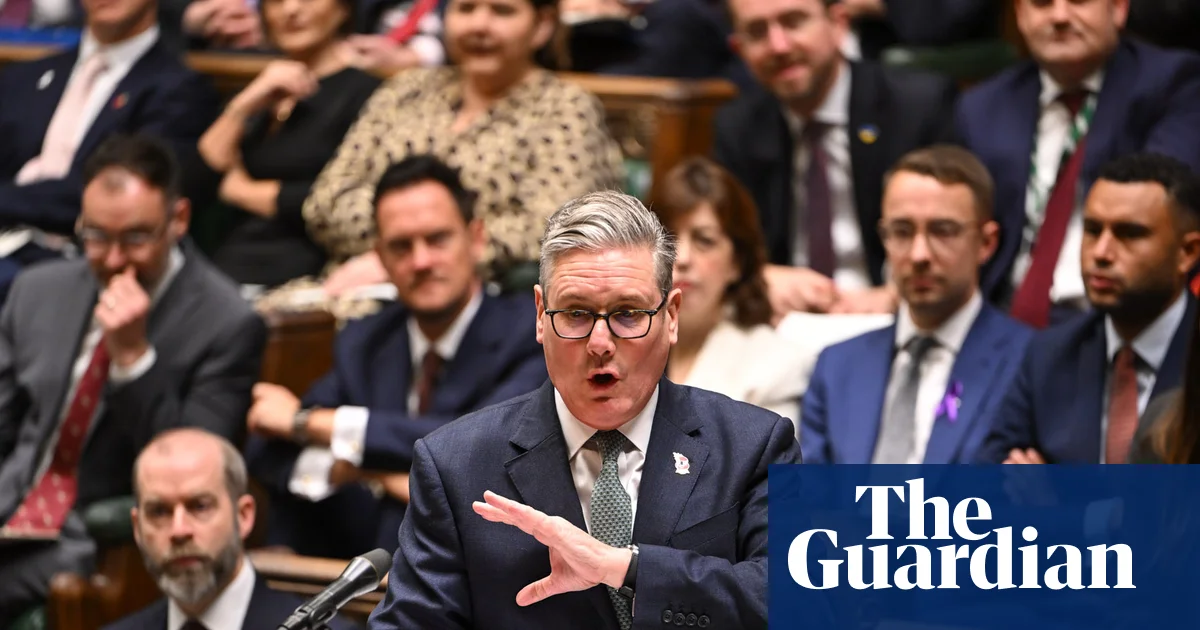
Keir Starmer faces backlash over Morgan McSweeney’s future amid tension with Labour youth

The Inner Battles of UK Politics: A Reflection of Global Power Shifts

In an era marked by growing geopolitical tension, United Kingdom politics are revealing deeper fractures within Western democracies and their struggle to adapt to a new international landscape. Recent revelations around the turmoil in Downing Street highlight not only internal factions vying for influence but also suggest a broader contest for authority that echoes across the Atlantic and beyond. As Keir Starmer grapples with internal dissent—specifically over the future position of his top aide, Morgan McSweeney—analysts warn that such factional battles could undermine the stability of the UK’s political system and its ability to navigate pressing global challenges.

The controversy centers on allegations that Starmer’s inner circle orchestrated covert operations targeting cabinet members, especially the Health Secretary Wes Streeting. Critics accuse McSweeney of fueling internal strife through unauthorized briefings—a move that has triggered fierce public and parliamentary backlash. The situation underscores the fragility of political institutions under the strain of internal power struggles, with some commentators drawing parallels to shambolic administrations elsewhere. In this context, the internal political chaos reflects a broader collapse of traditional governance models, a crisis that could weaken the global standing of Western alliances.

International organizations and political analysts have been quick to interpret the UK’s domestic chaos as emblematic of the waning influence of established democracies and the rise of ‘crisis governance’ tactics. Historian and policy expert Dr. Christopher Miller cautions that such infighting not only jeopardizes the UK’s credibility but also emboldens authoritarian rivals like Russia and China. The decision by Starmer to publicly affirm confidence in McSweeney, despite mounting evidence of internal disputes, signals a broader dilemma faced by leaderships worldwide: how to uphold coherence in the face of internal dissent that could be exploited by adversaries to destabilize the nation further.

Beyond the borders of Britain, this episode carries dramatic global geopolitical implications. The stability of Western alliances — predicated on the perception of unity and seamless policy execution — is now under threat. As nations watch the UK’s inner discord, they are reminded that internal fragility in key democracies could serve as a strategic advantage for China and Russia. Meanwhile, international institutions are issuing cautious warnings about the erosion of trust in democracies’ ability to govern effectively—a warning that rings loud in the corridors of the United Nations and other global forums.

As history unfolds on this internal battleground, the weight of future decisions holds profound significance. Will Starmer’s leadership be able to forge a path through these treacherous political waters, or will internal discord open the door for more aggressive authoritarian models to fill the void? This unfolding saga exemplifies the core battleground of the 21st century: the battle for control—not only of nations but of the narratives that shape global power structures. In a world where alliances shift and the lines between internal and external conflicts blur, the outcome of UK’s political turbulence may well determine the course of international stability for years to come.

Elite tutor wanted for £180k job to raise a future gentleman—are our kids losing their way?

Society Ignites Debate Over Privilege, Education and Cultural Identity

In modern society, the boundaries of privilege and cultural identity are being reshaped amid ongoing social introspection. Recent trends reveal a growing phenomenon: families across the socio-economic spectrum are increasingly investing in early childhood education—not just through conventional schooling but by actively shaping their children’s cultural and social outlooks from the earliest age. An illustrative example emerges from a controversial advert placed by a north London family, seeking an “extraordinary and experienced tutor” for their one-year-old child—offering a staggering £180,000 per year to nurture traits deemed essential for a ‘British gentleman.’

This move indicates not only a desire to instill specific values and accents from the cradle but also underscores a broader societal obsession with elitism and social stratification. Critics argue that such practices reinforce <an unrecognizable class divide—deepening the rift between those who can afford to buy into ‘Britishness’ and those who cannot. Sociologists like Michael Young have long warned about the dangers of educational privilege solidifying class structures, emphasizing that true societal cohesion relies on creating equal opportunities rather than perpetuating inherited status through material means.

The Cultural Market for ‘Britishness’

The growing demand for what some call a “market for buying Britishness” is reflected not only in private tutoring but also in businesses like Laura Windsor’s Etiquette Academy, which specializes in teaching manners, poise, and social etiquette to an international clientele eager to emulate traditional British refinement. Windsor asserts that the ‘restrained’ nature of British culture and the detailed nuances of politeness are highly desirable traits worldwide—traits she claims are best learned from infancy. However, critics perceive this trend as a superficial and, arguably, contrived effort to manufacture social superiority, raising questions about the sincerity of cultural transformation when it is driven by commerce.

Meanwhile, prominent voices like Peter Cui, a sociologist and former Cambridge student, express skepticism. Cui argues that cultural identity cannot be imposed from the outside—noting that the attempt to transplant characteristics such as ‘Britishness’ onto a child at one year old is both idealistic and unrealistic. Instead, Cui emphasizes that authentic cultural integration comes from lived experiences and personal choice, not engineered environments designed for social aspiration. This perspective echoes the idea that identity, whether cultural or social, should be fluid and self-determined rather than artificially manufactured.

Society Struggling With Its Own Identity

Amid such debates, the current British educational landscape faces profound criticism. Daniel, a parent described in recent reports, criticizes the rigid, exam-focused system, highlighting that institutions like Latymer Upper School favor project-based learning over traditional GCSEs. He advocates for high-caliber private tutors as a superior alternative, suggesting that the quality gap between public and private education is problematic. His remarks symbolize a societal shift towards personalized, bespoke education as a means of circumventing an increasingly dysfunctional system.

However, this obsession with bespoke learning raises concerns about accessibility and fairness. Critics argue that such practices effectively create a new ‘British straitjacket’—a societal cage where privilege determines success while the majority are left behind. The question remains: should society accept this bifurcation, or is there hope for a more inclusive, equitable future where education embodies equal opportunity rather than class reinforcement? History reminds us that societal transformation depends on addressing these underlying inequities rather than merely perpetuating existing advantages.

As society grapples with questions of identity, class, and opportunity, the ultimate challenge becomes clear: can a society built on the ideals of fairness and equality truly thrive if the very roots of social mobility are entangled with privilege? Or will these aspirations become nothing more than illusions, unless society chooses to reimagine its definition of success—one rooted in human potential rather than inherited wealth?

In the end, perhaps the future of society rests not on how early we begin shaping identities, but on whether we can embrace the complexity of human growth, allowing even those born into different circumstances to write their own stories. The hope for transformation lies in recognising that true societal wealth is found not in the privilege of birth, but in the dignity of opportunity and the willingness to foster genuine, inclusive community bonds.

Understanding Ofsted: What the New School Ratings Mean for Our Future Students

Society Challenges and Opportunities Amid Ofsted’s New School Inspection System

In a landscape of escalating societal pressures and shifting educational priorities, the recent overhaul of Ofsted’s school inspection grading system marks a pivotal moment. The Office for Standards in Education, Children’s Services and Skills has transitioned from a simplistic, often polarizing judgment model to a more nuanced, detailed approach. Gone are the days of single-word grades—such as outstanding or inadequate—replaced by a comprehensive report card highlighting multiple areas like curriculum quality, inclusion, student wellbeing, and leadership. This transformation aims to provide parents and communities with a clearer picture of a school’s strengths and weaknesses, theoretically fostering better-informed choices and heightened standards across the board.

However, critics warn that this new system, introduced amid emotional and social turmoil, continues to impose overwhelming pressure in an already strained education sector. The tragic death of Ruth Perry, a headteacher devastated by an adverse Ofsted report, propelled protests demanding change. Her story echoes the experiences of countless educators who feel caught between maintaining high standards and coping with an unforgiving inspection regime. Experts such as sociologist Dr. Emma Williams argue that the relentless focus on inspection outcomes can exacerbate social tensions, especially within vulnerable communities where educational inequality persists. With each inspection day, schools bear the weight of societal expectations, affecting not only teachers’ mental health but also the stability of the families they serve. As the new system introduces localized support teams and more frequent oversight, the fear remains that pressure will deepen rather than diminish, impacting families’ trust in educational institutions and community cohesion.

Furthermore, the controversy extends beyond the classroom. The reforms, while designed to foster fairer and clearer assessments, have prompted legal challenges from teacher unions and community groups who fret that the reforms may lead to premature closures or destabilize already struggling schools. With families in marginalized areas often relying heavily on Ofsted ratings to determine the best educational options, misinterpretations or misjudgments can have profound social consequences. The current debate underscores a broader concern—how do we balance accountability with human compassion in education? While proponents argue a more detailed report system will support targeted improvements, social commentators like historian David Wakefield warn that systemic oversight needs to prioritize the human element—children’s mental health, family stability, and community resilience.

The Road Ahead: Society’s Collective Responsibility

The challenge that remains is how to bridge the gap between high standards and social well-being. Education must serve as a foundation for community strength, not just a metric for bureaucratic evaluation. As society grapples with issues of inequality, mental health, and demographic shifts, the role of schools extends beyond academic achievement. They are the heartbeats of entire communities, shaping not only individual futures but also the ethical fabric of society itself. Sociologists like Anthony Giddens emphasize the importance of ensuring that reforms uphold *human dignity* and foster a sense of communal belonging and purpose.

Ultimately, society stands at a crossroads—whether to continue refining inspection systems that can inadvertently contribute to social fractures or to adopt a holistic approach that recognizes the human stories behind the grades. The hope lies in forging an educational future where standards are not just measures of performance but beacons guiding moral growth and community solidarity. As families, educators, and social leaders reflect on society’s collective journey, one truth remains: transformation is possible when rooted in empathy and shared responsibility. Society’s future depends on nurturing not only capable students but resilient communities where every child’s potential can flourish amid the enduring hope of societal renewal.

Social Media Auto Publish Powered By : XYZScripts.com