Matox News

Truth Over Trends, always!

Is BTS sacrificing its K-pop roots in pursuit of global supremacy?

Few phenomena exemplify the profound power of popular culture to shape national identity and global perceptions quite like the rise of BTS. This South Korean boy band transcended mere entertainment to become a cultural force, opening the world’s eyes to K-pop and, more broadly, to the dynamism of Korean culture. In doing so, BTS not only immersed millions in infectious melodies and compelling visuals but also catalyzed a deeper appreciation — a shared understanding — of tradition, innovation, and the enduring importance of identity.

Yet, as BTS’s influence extends beyond the boundaries of entertainment, it now embodies a complex cultural crossroads. On the one hand, it symbolizes the triumph of a modern, technological society—shaped by digital connectivity—that can elevate local forms of artistry to worldwide prominence. On the other, it highlights the tension faced by many nations in protecting and preserving their cultural sovereignty. Like the aristocratic reflexions of Ortega y Gasset or the democratic caution of Tocqueville, South Korea finds itself negotiating a delicate balance between embracing international appeal and safeguarding the traditions that form its core.

Historically, cultural movements such as the Harlem Renaissance or the Italian Renaissance demonstrated that when a society recognizes and invests in its artistic roots, it ignites a renaissance not only of art but of national character. Today, in the burgeoning sphere of digital culture, the challenge has become ensuring that such movements do not become mere commodities but remain repositories of authentic tradition—a vital wellspring of societal cohesion. Critics like G.K. Chesterton reverberate through this discourse, warning that true culture anchors society beyond fleeting trends, fostering a communal memory that guides future generations.

In this turmoil of flux and tradition, BTS’s story reveals a fundamental truth: culture is both memory and prophecy, a bridge linking the stories of ancestors to the visions of descendants. While the global stage has elevated South Korea’s cultural expression, it also poses the question of whether these new icons can serve as custodians of a holistic cultural identity—one that honors the past as much as it inspires the future. As T.S. Eliot observed, “The past should be altered by the present as much as the present is directed by the past,” suggesting that true cultural evolution demands both preservation and reinvention. BTS, in their rise and current challenge, embody this dynamic process—an artistically charged dialogue between history and prophecy, tradition and innovation.

Ultimately, the story of BTS and the Korean Wave is a testament to the enduring significance of culture as both collective memory and creative foresight. It reminds us that in a world saturated with transient images and commodified identities, the true strength of a society lies in its capacity to remember—recapturing the voices of its ancestors—while daring to imagine the future. Like a poetic refrain echoing through the corridors of history, culture remains an ongoing hymn, a timeless prophecy whispering that humanity’s greatest legacy is not merely in what it creates, but in what it preserves, transmits, and redefines.

Palestinians Fight to Rebuild Amid Global Spotlight on Iran and Gaza

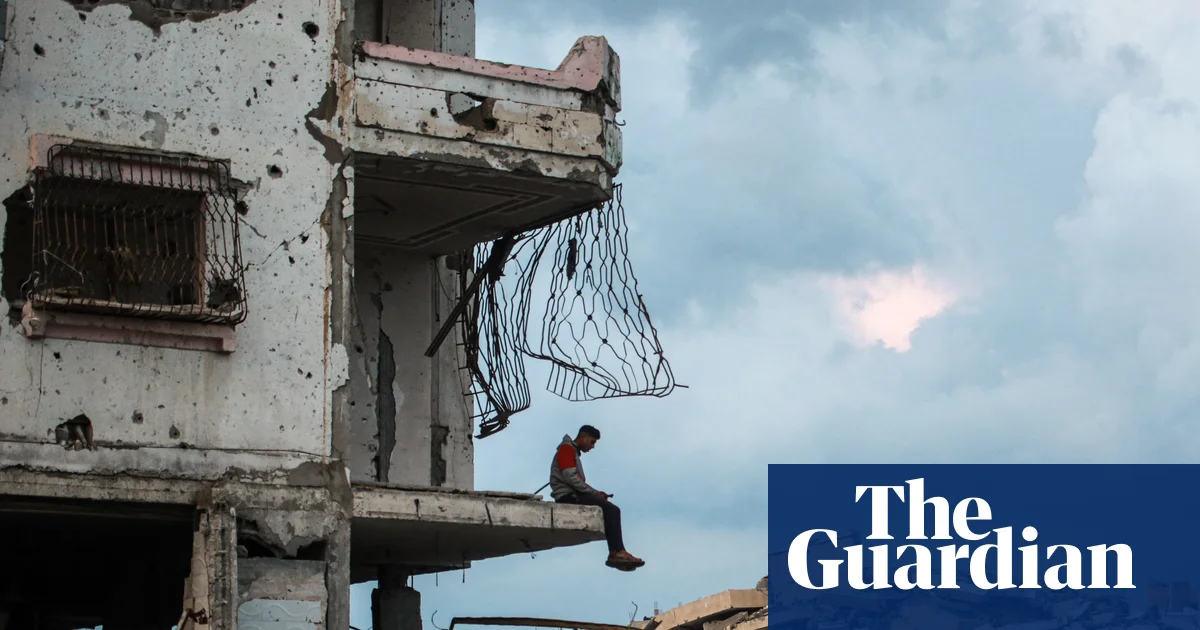
In the heart of the Middle East, Gaza remains a symbol of resilience amid ongoing warfare and mounting humanitarian crises. Seventeen months after the onset of intense conflict, the population’s life has been fundamentally altered—stripped of stability, safety, and dignity. As Israeli airstrikes continue to claim civilian lives and infrastructure remains in ruins, the world witnesses a humanitarian disaster unfolding in real-time. Israeli military actions, purportedly aimed at strategic objectives, have inadvertently created a living hell for the civilian Palestinian population. From displaced families seeking refuge in waterlogged camps to children growing up deaf to anything but the sounds of drones and explosions, the societal fabric of Gaza is fraying at every edge.

International analysts underscore that the geopolitical impact of the escalating violence extends beyond Gaza’s borders. While global attention often fixates on potential threats from Iran and the broader Middle East, the immediate suffering of Gazans represents a profound crisis of humanitarian rights and regional stability. As experts warn, ongoing hostilities perpetuate a cycle that feeds itself: destruction breeds despair, and despair fuels further violence. The blockade, compounded by restrictions on movement through the crucial Rafah crossing, severely limits the delivery of essential supplies such as food, medicine, and clean water. UN agencies acknowledge that the world’s aid is reaching Gaza, but at a scale insufficient to meet the daily demands of a population that has been pushed to the brink.

The collapse of normal life is vividly illustrated by stories of loss, suffering, and unwavering hope. Families displaced by bombings scramble for water amid broken municipal supply lines, while hospitals lack critical diagnostic tools to treat cancer and other life-threatening illnesses. Historians and international observers note that this deterioration mirrors other protracted conflicts, where war is less about territory and more about erasing the socio-economic fabric of society. Gaza’s residents, especially the youth, who once envisioned futures in education or entrepreneurship, now grapple with a grim reality that prioritizes mere survival. With prices soaring—particularly amidst the US and Israeli actions against Iran—ordinary Palestinians face a bleak fight against famine and disease, with fewer resources than ever before.

Despite the grim circumstances, some measures offer limited hope. The Rafah crossing’s re-opening for medical evacuations enables patients to seek treatment outside Gaza, where medical facilities are decimated or inaccessible. Yet, the overall picture remains dire: more than 20,000 Palestinians await treatment abroad, and fresh casualties continue to mount. Aid organizations highlight that the ongoing blockade and damage to infrastructure prevent effective aid delivery, resulting in untreated sewage, rising disease outbreaks, and a surge in poverty. International agencies warn that failure to address these humanitarian needs risks creating a generation of Palestinians scarred by violence and neglect.

As history unfolds in Gaza, the weight of these decisions—whether to escalate or seek peace—has profound implications. The geopolitical landscape is shifting, with global powers grappling over their strategies—be it through military action, diplomatic pressure, or aid—each affecting populations on the ground. The children of Gaza grow up amid the rubble of their homes, their futures shaped by a conflict that seems to echo endlessly through the corridors of history. The world watches, yet the question remains: can diplomacy and compassion forge a path away from this precipice, or will history record this epoch as one where indifference cemented suffering for generations to come?

No Kings Protests: Massive Global Rally Against Trump and the Deep State

Unrest Ignites Global Resistance: The Geopolitical Impact of America’s Domestic Movements

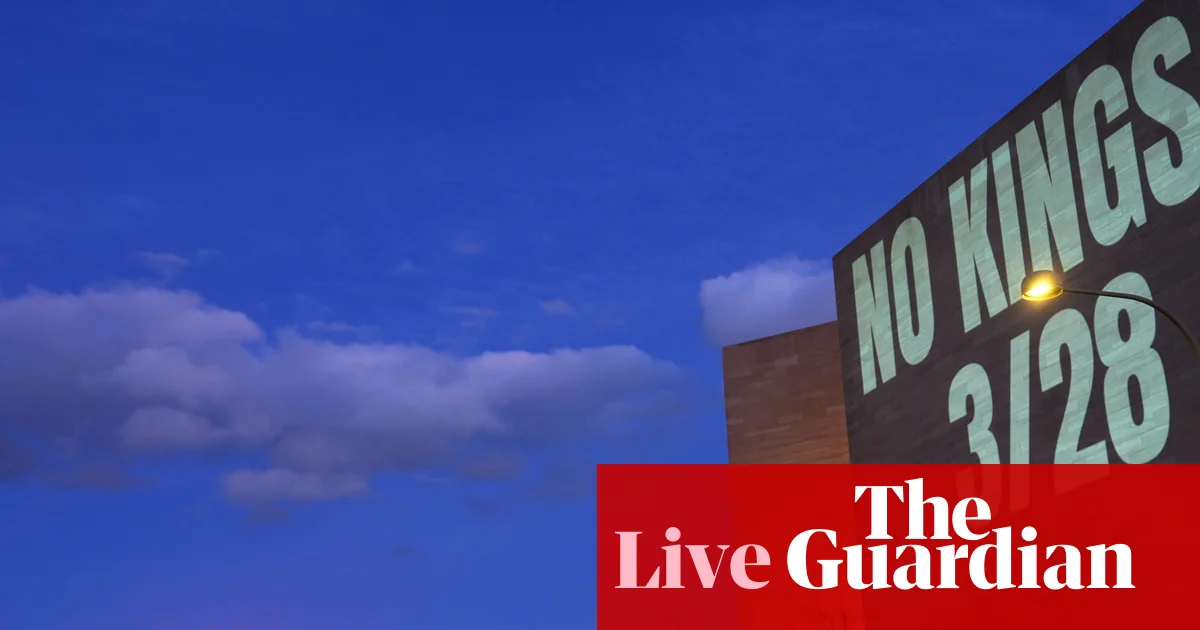
In recent months, the United States has witnessed an unprecedented surge in mass protests, echoing beyond its borders and shaping the geopolitical landscape in ways few anticipated. Drawing inspiration from concepts like the 3.5% protest rule, which posits that sustained mass participation by even a fraction of the populace can topple authoritarian regimes, American citizens have mobilized at an astonishing scale. From the expansive No Kings protests against the Trump administration to demonstrations demanding accountability for immigration, climate, and social justice, these grassroots movements are redefining the boundaries of civic activism and challenging traditional power structures in democracy.

According to political analysts and historians like Dr. Erica Chenoweth of Harvard Kennedy School, such high levels of participation—sometimes estimated in the millions—signal a potential turning point for American democracy. However, the ripple effect is felt more broadly. Countries across Europe, Asia, and the Middle East are observing these protests closely, with many seeing parallels in their own struggles against authoritarian populism, far-right extremism, and elite dominance. In the UK, the Together Against the Far Right march drew nearly half a million multicultural advocates—outpacing some national policies—indicating that resistance is now a universal language of the youth, especially when political elites falter or ignore the grassroots.

The geopolitical impact of such movements extends beyond simple protests; they threaten the stability of fragile regimes and influence international relations. The coordination of protests in multiple US states—especially in Minneapolis, where activists rallied against police brutality and immigration enforcement—has been likened by foreign policy experts to a modern form of soft power. Countries like Russia and China are reportedly monitoring these unrests, aware that the spread of such resistance challenges not just the U.S. political order but also global narratives about liberal democracies. As the Crowd Counting Consortium reports over ten thousand protests in 2025 alone—an increase of over 130% from previous years—the world witnesses a new era where domestic upheaval becomes an international phenomenon.

Added to this, measures taken by the U.S. government—such as deploying federal troops and militarized police—highlight a troubling shift toward authoritarian tactics, inspiring reactions worldwide. The protests in London, Porto, and Berlin reflect a shared sentiment: that rising extremism and the erosion of democratic safeguards are issues that transcend borders. International organizations and democracy advocates warn that unless the collective voice of the youth and marginalized is heeded, the dominoes could begin to fall across nations, triggering a global crisis of legitimacy.

As history continues to unfold, it remains uncertain whether these protests will catalyze genuine systemic reform or escalate into more authoritarian crackdowns. Seared into the collective memory are images of millions marching against what they perceive as the betrayal of democracy, with the specter of history—like the upheavals of the civil rights era—looming just beyond the horizon. What is undeniable, however, is that this formidable wave of resistance signals a profound shift: a stark reminder that in the theater of geopolitics, the power of the people cannot be underestimated, and the pages of history are once again being written—sometimes with the blood of confrontation, but always with the indomitable spirit of youth revolution.

Austria moves to ban social media for kids, echoing global push to protect youth online

In an unprecedented move that signals a shift towards stricter youth regulation, several European nations are contemplating the implementation of an under-14 ban on certain activities, marking a significant evolution in social policy. Following the trajectories of France and Spain, countries across the continent are debating legislation aimed at restricting access to specific digital platforms, social interactions, and potentially harmful content for children below this age threshold. These decisions are not made in isolation but are part of a broader pattern driven by rising concerns over digital safety, mental health, and societal stability.

Analysts from prominent institutions warn that such policies could have profound geopolitical impacts. Governments are increasingly aware that limiting access for the youngest citizens could influence cultural norms, impact technological innovation, and shape the international image of European society. Global organizations like the European Union are closely monitoring these developments, weighing the implications for privacy, human rights, and economic growth. Critics argue that these measures risk infringing on individual freedoms while potentially leading to unintended consequences, such as black markets for content or increased generational divides. Nonetheless, the trend underscores a decisive response to an evolving threat landscape — one where safeguarding societal values takes precedence over technological openness.

Historians and political analysts emphasize that these legislative moves could serve as a *turning point* in how nations approach youth welfare in the digital age. France, for instance, has proposed a bill that aims to drastically limit access to social media platforms for children under 14, citing concerns over mental health deterioration and exposure to online predators. Similarly, Spain‘s recent legislative discussions center around stricter controls and parental oversight. The European Commission has expressed cautious support, recognizing both the potential benefits and the risks involved. These measures are being framed as part of a broader strategy to protect societal cohesion and moral development in a rapidly changing world.

The international community watches with bated breath as these policies unfold, aware that the ripples could extend well beyond Europe’s borders. Opponents caution that such bans could set precedents encouraging authoritarian tendencies and suppression of individual rights, especially in an era where digital literacy is essential for future competitiveness. Meanwhile, advocates champion the legislation as a necessary step to stem the tide of harmful content and the destabilizing influence of unregulated digital spaces. As nations grapple with the societal costs of technological integration, the grim reality remains that history’s pen is once again poised to write a new chapter, one where the boundaries of childhood, liberty, and social responsibility are being rewritten.

As the dust settles on this evolving debate, the world stands at a pivotal crossroads. The decisions made today will undoubtedly influence generations to come, shaping the contours of international relations, social norms, and individual freedoms. The weight of history echoes loudly — capturing a society in the midst of transformation, where the struggle to balance protection with liberty unfolds amidst a backdrop of shifting geopolitical currents. In this tense moment, the sands of time seem to pause, holding the collective breath of history, as humanity edges closer to a future yet to be fully realized.

BlackRock warns $150 oil could spark global recession—youth watchdogs should pay attention

Recent remarks by Larry Fink, CEO of BlackRock, serve as a stark reminder of the fragile equilibrium shaping the world economy. Fink warns that if oil prices remain elevated over an extended period, the economic landscape could face profound repercussions. In an era where energy costs are intertwined with geopolitical stability, this statement underscores the precarious balance between resource scarcity, global inflation, and economic growth. As nations grapple with the aftermath of recent conflicts and geopolitical shifts, the potential for prolonged high oil prices threatens to exacerbate inflationary pressures and undermine recovery efforts worldwide.

High oil prices are not merely a matter of consumer inconvenience but hold significant geopolitical implications. Historically, sustained energy price surges have fueled inflation in advanced economies while destabilizing emerging markets. Analysts from the International Monetary Fund and World Bank have warned that escalated energy costs can lead to increased social unrest, currency devaluations, and economic contractions—especially in nations heavily dependent on energy imports. Meanwhile, OPEC and other oil-producing coalitions continue to balance between maintaining control over supply and responding to global calls for increased production, often leading to unpredictable market volatility.

The geopolitical impact extends beyond economic spheres; it influences diplomatic relations and regional security. Recent moves by major producers and consumers indicate a shifting landscape, where access to reliable energy sources becomes synonymous with national security. Expert analysts emphasize that decisions made today regarding energy policies could set the tone for decades to come, determining which nations emerge resilient and which face profound instability. For instance, nations pursuing aggressive diversification strategies might forge new alliances and invest heavily in alternative energy, whereas others may double down on traditional oil dependencies, risking further geopolitical rifts. This tug-of-war underscores the critical importance of mindful policymaking amid international tensions.

The potential consequences of prolonged high oil prices are not confined to economic metrics alone. Historically, energy price shocks have led to social upheaval, with protests and unrest erupting in vulnerable societies. International organizations, such as the United Nations and regional security alliances, are closely watching these developments, aware that economic hardship often fuels extremism and instability. As nations navigate these turbulent waters, they face the urgent task of balancing energy needs with strategic resilience. The decisions made in the coming months will determine whether societies can endure or succumb to the mounting pressures—restoring stability or plunging into unforeseen chaos.

As the global powers converge and diverge on energy policies, the weight of history presses down with relentless force. The corridors of power are watching, awaiting the next move that will shape the course of nations. The dramatic unfolding of events reminds us that in the theater of geopolitics, energy is more than just fuel—it’s a key to survival, influence, and the future itself. The world stands at a pivotal juncture, where yesterday’s choices become today’s consequences, and the outcome remains uncertain, yet undeniably critical, in the grand narrative of history.

Australia and EU strike major trade deal amid global chaos

Australia and the EU Forge Landmark Trade and Security Agreements

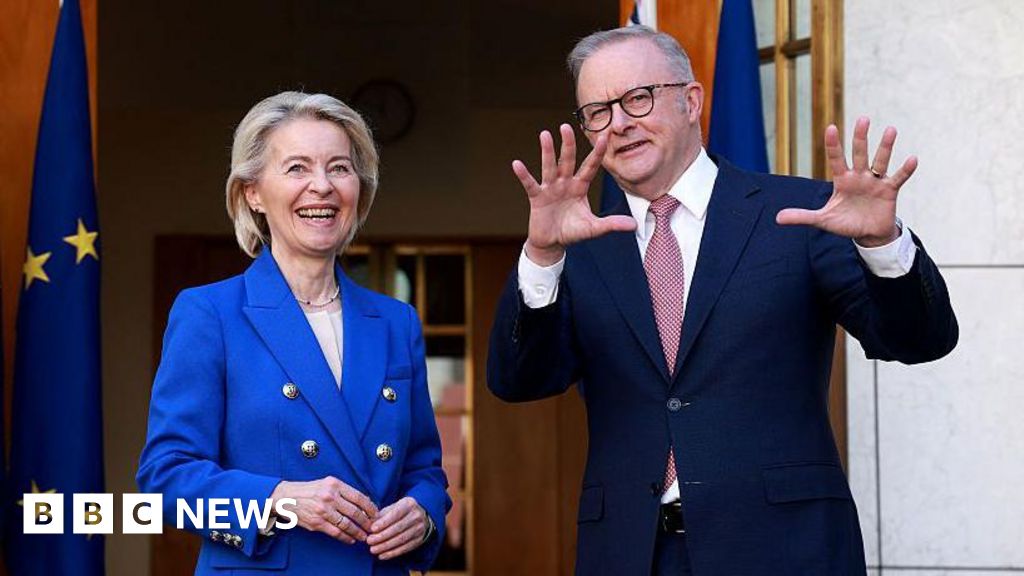
In a decisive move that echoes across the global political landscape, Australia and the European Union have officially signed a comprehensive suite of trade and security agreements, marking a pivotal chapter in their diplomatic histories. After years of intense negotiations characterized by shifting alliances and strategic recalibrations, the two centers of influence are now forging deeper economic and geopolitical ties that could significantly alter the power dynamics in the Indo-Pacific and Europe. This development is widely regarded by analysts and international observers as a clear signal of both parties’ intent to bolster sovereignty and resilience amid growing global uncertainties.

The agreements, described as “the most sweeping” multilayered accords to date, encompass wide-ranging provisions in trade liberalization, digital cooperation, defense collaboration, and strategic infrastructure development. The EU’s representatives emphasize that these accords will strengthen the economic independence of Australia from traditional alliances while advancing Europe’s strategic footprint in the Asia-Pacific. For Australia, they symbolize a reaffirmation of independence from external economic dependencies, especially amid concerns over China’s rising assertiveness in the region—a subject often highlighted by geopolitical analysts such as those at the International Institute for Strategic Studies.

  • The trade component reduces tariffs, streamlines customs procedures, and expands access for Australian agricultural goods in European markets.
  • The security dimension involves increased intelligence sharing, joint military exercises, and a mutual commitment to countering terrorism and cyber threats.
  • Strategically, the agreements establish a framework for coordinated diplomacy addressing issues from regional stability to climate change, reflecting a more assertive European stance outside its traditional sphere.

This new alliance is more than just economic pragmatism; it signifies a conscious pivot by both parties toward a more autonomous, multi-vector global strategy. Experts suggest that these deals are a response to the shifting U.S.–China rivalry, with Europe seeking to diversify its trade partnerships and Australia aiming to protect its national interests amidst an increasingly volatile Indo-Pacific. International organizations such as the World Trade Organization and regional security forums have already begun analyzing the broader geopolitical impact: a potential reduction in dependence on traditional allies and a move towards a multipolar international order.

From a historical perspective, this signing marks a significant evolution in global diplomacy. Analysts like Dr. Emily Carter of the Global Policy Institute point out that these agreements reflect a broader trend in the 21st century: nations increasingly seeking to forge independent paths, shaping alliances that are flexible and resilient against the unpredictable tides of international politics. Significantly, this evolution signals to other countries—especially emerging powers and middle nations—that economic and security sovereignty are now central to national strategy. Europe’s strategic realignment and Australia’s intent to diversify their global partnerships underscore a fundamental shift in how nations seek to secure their futures in a world where traditional bonds are often tested.

As global actors recalibrate their strategies, the decisions taken today will have lasting repercussions for generations. The ink is barely dry on these historic agreements, yet their impact resonates far beyond the economic corridors and military command centers—embedded in the fabric of global history still being written. The world stands at a crossroads, with the unfolding narrative of these alliances promising either increased stability and prosperity or a tense tug-of-war for influence that could redefine the very essence of sovereignty. The weight of history presses heavy, reminding us that in the shifting sands of geopolitics, each decision bears the power to shape the destiny of nations—and perhaps, the future of the world itself.

UN Warns: Women and Girls Suffer Most from Global Water Shortages

The Hidden Cost of Water Shortages: A Societal Crisis

Across the globe, women and girls face the harshest consequences of water shortages and inadequate sanitation infrastructure. As the UN has recently highlighted, these issues are not merely environmental—they are deeply societal, affecting the fabric of families, education, and communities. In over 70% of rural households without access to mains water, women are compelled to spend countless hours—up to 250 million hours daily—gathering water. This burden not only erodes their time but also stunts their social and economic development, reinforcing patterns of gender inequality that sociologists like Ann Oakley have long criticized as a societal betrayal of women’s rights.

The climate crisis further worsens these disparities, as rising temperatures disproportionately threaten female-headed households’ incomes while increasing their weekly labor hours. The UN’s recent report underscores how these environmental impacts are intertwined with social issues, causing poorer health outcomes, diminished educational prospects for girls, and greater food insecurity—an insidious cycle that undermines the stability of entire communities. Sociologist Michael Grossman emphasizes that such social determinants of health are critical, with access to basic resources functioning as the foundation of societal resilience.

Access to clean water and sanitation isn’t just a matter of infrastructure; it’s a moral imperative. The World Water Development report reveals a startling lack of gender-disaggregated data, yet the evidence of women’s disadvantages in water access is undeniable. For adolescent girls, limited sanitation options mean missed school, lost employment opportunities, and social exclusion. Meanwhile, fewer than 20% of water utility workers are women, a figure that highlights the ongoing gender gap within essential service sectors. Advocates like Helen Hamilton argue that these disparities fuel gender-based violence and health crises, especially during childbirth, which further debilitates women’s roles within their families and communities. As social norms continue to undervalue women’s contributions, societal progress stalls, and the cycle of inequality deepens.

Addressing this crisis requires concerted efforts from governments and international organizations.

  • Implementing gender-sensitive water management policies
  • Collecting comprehensive, sex-disaggregated data
  • Ensuring equal participation in decision-making processes

These are not just technical solutions—they are moral imperatives that impact the very heart of social justice. As Parvin Ngala and others emphasize, the economic opportunities for women are almost impossible to realize when harmful societal norms exclude them from essential resources. Society’s strength depends on recognizing that **when women have equitable access to water and sanitation, everyone benefits**.

As society stands at a crossroads, these water-related injustices serve as a stark reminder: the path toward a more just and resilient future demands not only technological change but moral awakening. Society must grapple with its own failures and embrace the challenge of transforming its social fabric—so that hope can once again flow freely, like water, nurturing every family and community into a resilient future.

India’s affordable weight-loss meds set to shake up the global fight against obesity

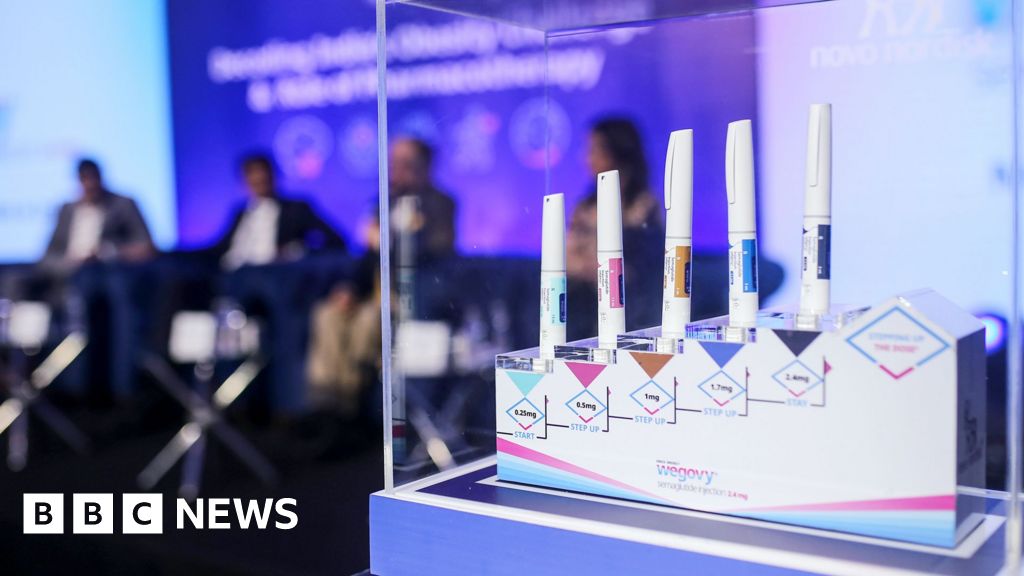
The expiration of India’s semaglutide patent on 20 March marks a pivotal moment for the global pharmaceutical industry, setting the stage for a significant shift in the landscape of diabetes treatment. With an estimated around 50 branded generics expected to flood the market, this development is poised to dramatically alter access, affordability, and competitive dynamics worldwide. India, often termed the “pharmacy of the developing world,” is leveraging this opportunity to challenge existing monopolies, potentially democratizing a vital healthcare resource on a scale rarely seen before.

International analysts and health economists widely recognize the geopolitical significance of this event. Historically, the pricing and patent protections of lifesaving drugs have been a battleground between multinational corporations and emerging market players. The impending influx of generics from India not only threatens the dominance of global pharmaceutical giants, but it also exposes underlying vulnerabilities in the current intellectual property regime. According to reports from the World Health Organization and several industry experts, this act could accelerate a broader movement towards de-linking innovation from profit, encouraging the rise of local manufacturing and reducing dependency on Western patent protections.

This seismic shift bears profound implications for geopolitical alliances and economic power balances. Countries with high diabetes prevalence — including the United States, China, and many African nations — are likely to feel the ripple effects most acutely. As generic options become more accessible and affordable, pressure mounts on governments and insurance providers to revise healthcare policies. The move is also seen by many as a challenge to US-led intellectual property standards, which have long been criticized by developing nations for restraining access to essential medicines. In this context, India’s decisive action signals a potential recalibration of global norms regarding pharmaceutical sovereignty and innovation.

Historians and international strategy analysts note that the turning point marked by this patent expiry could serve as a catalyst for broader reforms. The Gavi alliance and other global health bodies are closely monitoring the situation, warning that if managed effectively, it could lead to a model for reducing healthcare inequality. However, critics caution that this development also carries risks—namely, the quality control of rapidly produced generics and the potential for intellectual property disputes escalating into legal conflicts. As the world watches, the question remains: Will this shift empower societies by making vital medicines accessible, or will it ignite a new battleground of international patent conflicts?

The unfolding story of India’s semaglutide patent expiration is not merely about pharmaceuticals; it is a chapter in the larger narrative of global *power, control, and health equity*. As markets brace for transformation and nations reassess their strategies, history continues its slow but relentless march. In the shadows of these pivotal decisions, the world stands on the brink of a new era—one where the future of healthcare could be rewritten, and the lessons of today will echo through generations yet unborn.

Fact-Check: Claim about global warming impact rated Mostly True

Unmasking the Truth: The Claim of a Presidential-Papal Confrontation and the Role of AI-Generated Misinformation

Recently, circulating claims alleging a confrontation between the president and the Pope gained traction on social media platforms, particularly Facebook. These assertions, accompanied by sensational images and fabricated quotations, have sown confusion among the public. A close examination by independent fact-checkers, experts, and reputable institutions reveals that these claims are **misleading and fabricated**. As responsible citizens committed to truth and informed discourse, we must understand how such false narratives spread and why verifying information is crucial for safeguarding democracy.

According to comprehensive investigations carried out by fact-checking organizations such as PolitiFact and FactCheck.org, the so-called presidential-papal confrontation originated from a series of AI-generated images and text simulations that exploited the public’s trust and curiosity. These organizations have demonstrated that the images depicting the president and the Pope in a heated exchange are digitally manipulated, with no basis in real events. Moreover, analyzed communications attributed to the Pope or the president have been found to be **completely fabricated**, created by AI algorithms designed to mimic human speech and imagery without factual grounding.

The Role of AI in Spreading Misinformation

  • Experts from MIT’s Media Lab and Stanford’s Center for Research on Foundation Models have identified AI models capable of generating realistic yet fake images, videos, and texts — often termed “deepfakes.”
  • These tools can craft believable scenarios, sometimes indistinguishable from authentic content, especially when shared without critical scrutiny.
  • The shared content on Facebook, which included manipulated images and AI-generated dialogues, was analyzed by cybersecurity specialists and found to be **artificially produced** and not based on any verified interaction or event.

Verifying Sources and Recognizing Fabrications

In assessing claims like these, credible sources are essential. Recognized fact-checking institutions recall that the Pope’s communications are thoroughly vetted by the Vatican and the media outlets directly affiliated with or authorized by the Holy See. No credible reports or reputable news agencies have ever documented such a confrontation between the president and the Pope. Additionally, social media posts claiming firsthand accounts often lack verifiable evidence or credible witnesses, which is a red flag for misinformation.

Furthermore, experts highlight that the proliferation of AI-generated content underscores the importance of media literacy today. As Dr. Emily Chen, a digital literacy researcher at Johns Hopkins University, notes: *“Fake images and texts can circulate rapidly, and without fact-checking, the public risks being misled into believing false narratives. Critical evaluation of sources and cross-referencing with trusted outlets are more vital than ever.”*

The Broader Impact and Responsibility

It is essential to recognize that false claims—such as fabricated confrontations between high-profile figures—do more than spread confusion; they undermine public trust and distort democratic discourse. Responsible journalism and active verification play crucial roles in maintaining an engaged and informed citizenry. Social media platforms, while offering unprecedented reach for information dissemination, also bear responsibility for flagging and removing deceptive content, especially content generated by AI tools optimized for misinformation.

In conclusion, the claim about a presidential-papal confrontation being a real event is thoroughly discredited as AI-generated misinformation. This episode exemplifies the importance of vigilance and discernment in the digital age. As responsible individuals, recognizing the signs of synthetic content and relying on verified sources uphold the integrity of our democratic processes. Truth remains the cornerstone of a free society, and combatting misinformation is a collective effort towards safeguarding our shared future.

Iran War Could Hit Global Food Supplies, Fertilizer Exec Warns

In a striking warning to the international community, Svein Tore Holsether, CEO of the prominent Norwegian fertiliser giant Yara International, has sounded the alarm over the profound geopolitical impact of the ongoing conflict involving Iran. As the war drags on, it threatens to unleash a cascade of disruptions across the global food system, especially in regions already vulnerable to hunger and economic instability. Holsether’s comments highlight a critical juncture, emphasizing that the conflict’s regional tinderbox status could ignite a worldwide food crisis, if decisive international measures are not swiftly implemented.

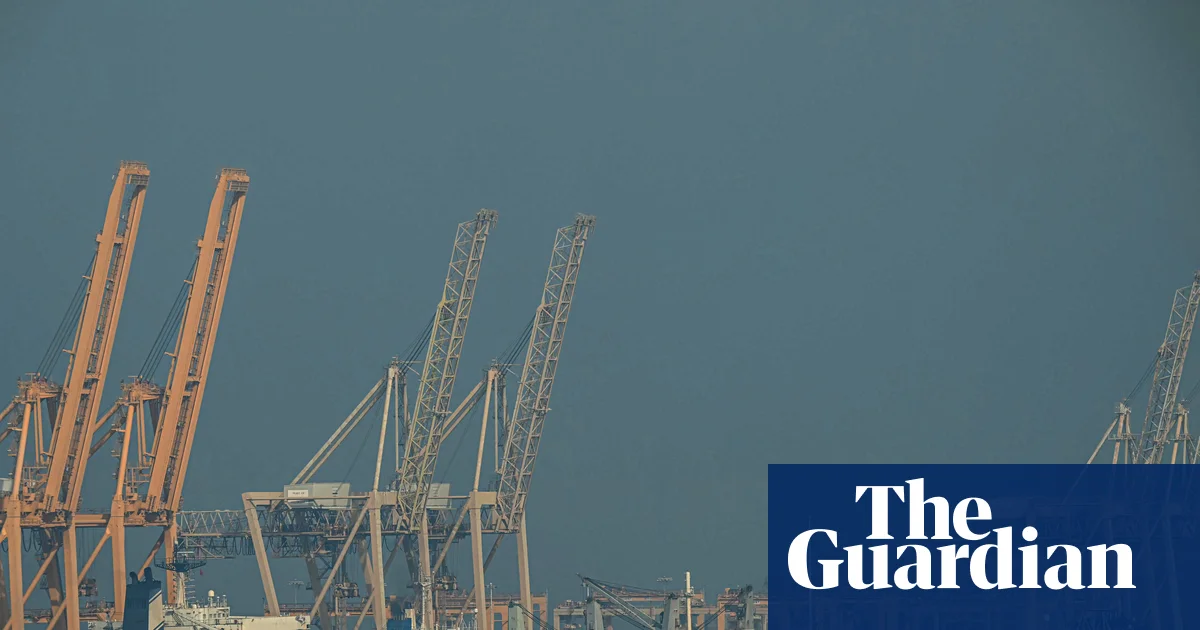
The core of the crisis lies in the vital raw materials used in fertiliser production, predominantly sourced from the Gulf region. Since the conflict erupted two weeks ago, prices for key components like urea and ammonia have skyrocketed, with urea soaring from $487 to $700 per tonne. This surge, driven by the blockade of Gulf ports and the turmoil in Iran and Qatar, has slashed supply lines—constituting roughly a third of the world’s urea and a quarter of globally traded ammonia. As Holsether underscores, cutting off these critical supplies could reduce crop yields by up to 50%, jeopardizing the harvests of staples such as potatoes and cereals in Europe and beyond. The economic and nutritional impacts threaten to cascade into a broader famine scenario for impoverished nations, especially in Africa and Asia, where reliance on imported fertiliser is higher.

Adding to the crisis is the skyrocketing price of natural gas, fundamental for synthesizing nitrogen in fertiliser production. Holsether notes that gas prices have increased exponentially, forcing production cuts in key regions like Iran and Qatar while prompting Asian governments to ration supplies. This double impact—limited raw material availability and inflated energy costs—puts the entire global fertiliser industry on a fragile brink. The United Nations and numerous analysts warn that these disruptions are not confined to economic repercussions alone but threaten to dismantle the very fabric of global food security. As international institutions scramble to assess the potential for famine and social unrest, the message from many experts is clear: the world must act quickly before hunger becomes an unmanageable specter in the developing world.

The geopolitical impact of these events extends beyond mere economics, challenging longstanding alliances and regional balances of power. Europe, with its significant purchasing power, may outbid less wealthy nations, exacerbating inequalities and fueling international tensions. Countries like India and South East Asian nations are already considering gas rationing and stockpiling, foreshadowing a potential global scramble for vital resources. The discourse among historians and geopolitical analysts emphasizes a sobering reality: this conflict could reshape international trade and diplomatic relations for decades to come. As the attack on Iran persists, policymakers stand at a crossroads—whether to escalate the conflict or seek pathways toward de-escalation, understanding that the decisions made today will echo in the crises of tomorrow.

As the dust of this geopolitical upheaval begins to settle, if it ever does, history will remember this chapter as a defining moment—one where choices made amid the turmoil could either forge a more resilient global order or plunge humanity into an unanticipated era of scarcity and unrest. The fragile threads that bind global stability are stretching ever thinner, and in the shadows of this unfolding story lies a stark reminder: history’s weight is gathering, and the future remains unwritten—yet every day’s decision shapes the next wave of history’s relentless tide.

Social Media Auto Publish Powered By : XYZScripts.com