Matox News

Truth Over Trends, always!

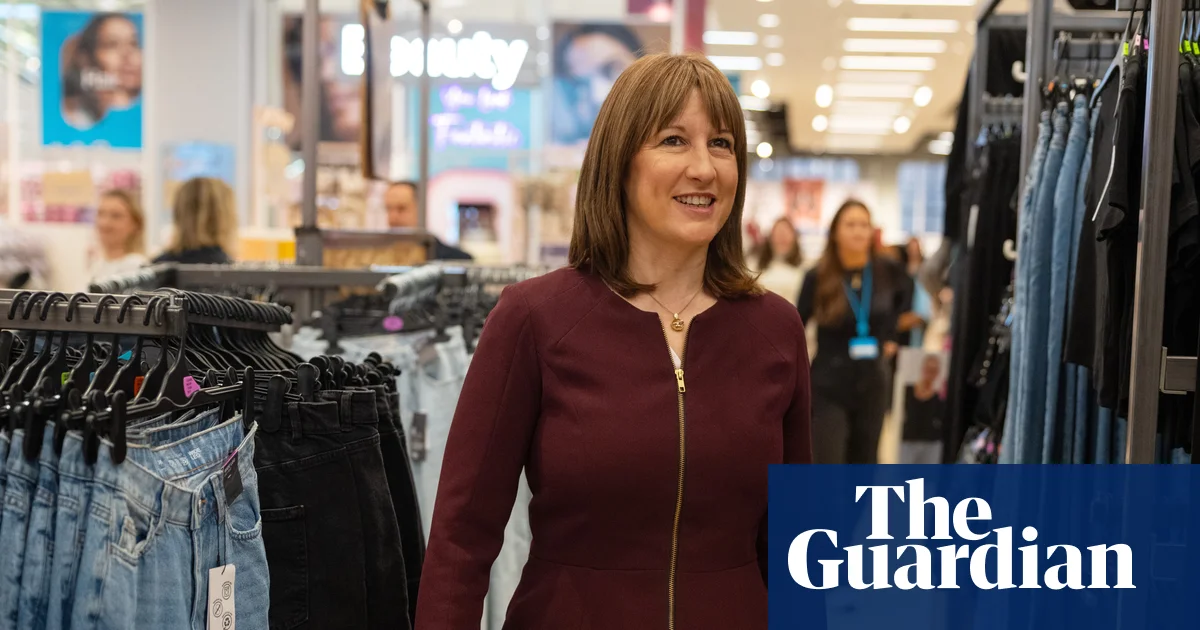
Next warns Middle East turmoil could add £15m to costs, driving prices higher

Global Turmoil in the Middle East Sends Ripples Through International Markets and Societies

As the conflict in the Middle East intensifies, international corporations and economies brace themselves for the profound geopolitical impact of ongoing hostilities. The latest figures from UK-based retailer Next reveal an expected £15 million increase in costs over the next three months, a direct consequence of the region’s instability. This increase, primarily attributed to surging fuel and air freight expenses, underscores how conflicts far from home can disrupt global supply chains and threaten economic stability. Analysts warn that if the conflict persists beyond the projected timeframe, inflationary pressures could deepen, affecting markets worldwide.

Despite these immediate challenges, Next remains optimistic about its financial performance, having already reported a 14.5% rise in pre-tax profits to £1.16 billion and an 11% increase in sales to £7 billion in the past fiscal year. This resilience, according to economic observers, is partly driven by robust overseas sales and strategic acquisitions, such as Cath Kidston. However, the company’s forward guidance openly acknowledges uncertain medium-term prospects due to the conflict’s potential to impair supply chain resilience, elevate freight costs, and dampen consumer demand in key markets, particularly in the Middle East where the company’s revenue accounts for approximately 6% of its group turnover. In this environment, corporate strategies now increasingly involve stockpiling and leveraging artificial intelligence to mitigate disruptions and optimize operations, reflecting a broader shift toward technological adaptation amid geopolitical chaos.

Meanwhile, global institutions and geopolitical analysts are warning that the conflict’s escalation could trigger a cascade of economic repercussions. The United Nations and World Bank have expressed concern over the destabilization of regional energy infrastructures, which could lead to sustained increases in oil and gas prices and intensify inflationary trends worldwide. Historically, similar conflicts have demonstrated how regional upheavals can morph into global crises, with supply chain bottlenecks and resource wars exacerbating inequalities and threatening social stability across continents. As tensions escalate and the conflict drags on, the world stands on the precipice of an unpredictable economic and geopolitical shift.

In reflection of this volatile landscape, some nations are reevaluating their strategic dependencies, emphasizing energy independence and technological sovereignty. For many, the recent surge in military conflicts points to a broader pattern of entrenching global conflicts that threaten international order. As history attests, the aftermath of such upheavals often leaves an indelible mark on societies, prompting major shifts in geopolitical alliances and economic paradigms. The unfolding pages of history continue to write a story of chaos and resilience, where the choices of leaders and nations today will determine the trajectory of global stability for generations to come. And as the global community watches with bated breath, one truth remains clear: the weight of history is still unfolding, and the future remains uncertain.

Study Finds Wegovy Users Face Five Times Higher Risk of Sudden Vision Loss than Ozempic Users

In recent years, health and wellness trends fueled by pharmaceutical innovations have gained significant traction among urban youth and working families. Drugs like Wegovy, Ozempic, and Rybelsus, marketed primarily for weight loss and diabetes management, have become widespread. However, emerging research has shed light on serious adverse effects that pose a threat not just to individual health but to the fabric of communities and families. A large-scale study recently published in the British Journal of Ophthalmology reports that patients taking Wegovy exhibit nearly five times the risk of sudden sight loss—specifically, non-arteritic anterior ischemic optic neuropathy (Naion)—compared to those on Ozempic. Such stark findings underscore a larger societal challenge: how quick access to pharmaceutical remedies can overshadow the importance of comprehensive health education and preventative care, particularly affecting vulnerable communities.

These “eye strokes,” which cause sudden and often permanent vision loss, highlight an often-overlooked ripple effect within families—loss of independence, increased care dependency, and emotional trauma. Historian and social critic, Dr. John Taylor, argues that societal focus on quick fixes fosters an atmosphere where short-term solutions eclipse long-term wellness. The disproportionate risk observed among men (who face a threefold greater chance of Naion than women) adds another layer of social tension: gender disparities within healthcare and the uneven distribution of risk. Moreover, these risks are compounded by a lack of widespread understanding; many families, especially those in socioeconomically disadvantaged communities, are left vulnerable to adverse effects that can destabilize their lives. As the data points out, around 1 in 10,000 people taking semaglutide experience Naion, a statistic that may seem small but represents a profound quality-of-life change for those affected. The findings have prompted regulatory agencies such as the UK’s Medicines and Healthcare products Regulatory Agency (MHRA) and European authorities to issue warnings—yet, critics argue these measures are reactive rather than preventive.

To address these burgeoning concerns, experts stress the importance of enhanced public awareness and responsible prescribing practices. The sociological perspective reveals that families and communities are often the first line of defense in recognizing early symptoms and advocating for safer alternatives. The challenge lies in mobilizing a societal shift towards prioritizing informed decision-making over the allure of immediate weight loss or disease management. Sociologists like Dr. Lisa Carter point out that education campaigns need to be deeply rooted in cultural competence and accessible messaging—a crucial step if we are to reshape a society where health risks are openly acknowledged and properly mitigated. Companies like Novo Nordisk emphasize their commitment to patient safety, yet critics claim that industry-led safety protocols should not replace a broader societal debate on the ethics of rapid drug deployment. As families grapple with the reality of drug-related risks, a future that truly prioritizes human well-being hinges on integrating social, medical, and ethical considerations. In this ongoing story of societal resilience, hope persists—a hope rooted in community awareness, moral responsibility, and the collective pursuit of a society where health innovations uplift rather than destabilize the core of social cohesion.

Millions of UK workers set for pay boost as Reeves announces higher minimum wage — Budget 2025

In the latest move reflecting domestic economic policy intertwined with global labor trends, the United Kingdom has announced a significant increase in minimum wages, aiming to bolster the living standards of its low-paid workers. The country’s leadership under Prime Minister Rishi Sunak has committed to raising the national living wage from £12.21 to £12.71 per hour for over-21s starting April, an increase of 4.1%. This escalation is designed to lift approximately 2.4 million workers, pushing their annual earnings up by around £900—an effort to counteract stubbornly high inflation and resolve the ongoing cost-of-living crisis. At the same time, the government is narrowing the gap for younger workers by increasing rates for 18- to 20-year-olds by 8.5%, signifying a preference for wage equality that continues to shape the nation’s economic landscape.

International and economic analysts observe this development as a reflection of a broader global shift toward protecting worker rights, yet caution that such measures carry complex geopolitical repercussions. Critics argue that steep wage increases, particularly for youth, could hinder employment opportunities by discouraging employers from hiring entry-level staff, especially amidst a backdrop of rising national insurance and economic uncertainties. According to the Resolution Foundation, youth unemployment has surged to 14.5%, up from 13.7% a year ago, illustrating the delicate balance between social welfare and economic vitality. Empirical data suggest that artificially inflating wages without concurrent productivity growth risks hampering economic competitiveness—a concern echoed by business leaders who report struggles in hiring due to increased labor costs.

This policy debate, however, extends beyond UK borders and touches on international labor standards. European countries, with their own history of wage regulation, brace for potential shifts in investment and migration patterns should wage policies influence business decisions. Meanwhile, the International Labour Organization and various global economic think tanks warn that inconsistent wage policies across nations could exacerbate trade imbalances and disrupt global supply chains. The UK’s push to elevate wages is, in part, a reflection of how rising populist sentiments and economic nationalism are reshaping traditional international relations, increasingly framing labor rights as elements of national sovereignty and economic resilience.

Historian and geopolitical analyst Dr. Emily Carter emphasizes that these internal economic choices are also part of a larger narrative—one where nations are reasserting control over their economic destinies amid a shifting international order. As China and the United States grapple with their own wage and inflation issues, smaller nations like the UK are making bold moves that could ripple through the global geopolitical landscape. The decision to safeguard jobs and raise wages can be viewed as an attempt to secure social stability, but it also leaves out the broader question: will such measures ignite a race to the top—or to the bottom in global labor competitiveness?

As history continues to unfold in the coming months, the UK’s wage policies serve as a stark reminder of how domestic economic reforms are intertwined with international trends. The world watches as nations balance between protecting their citizens and maintaining economic strength in an era marked by upheaval and uncertainty. Decisions taken today are likely to set precedents for future global interactions—where the tug-of-war between social justice, economic stability, and geopolitical influence remains as fierce and unpredictable as ever. The stage is set for a new chapter in history—one written not only through policies and politics but through the lives and futures of millions caught in the crossfire of a rapidly changing world order.

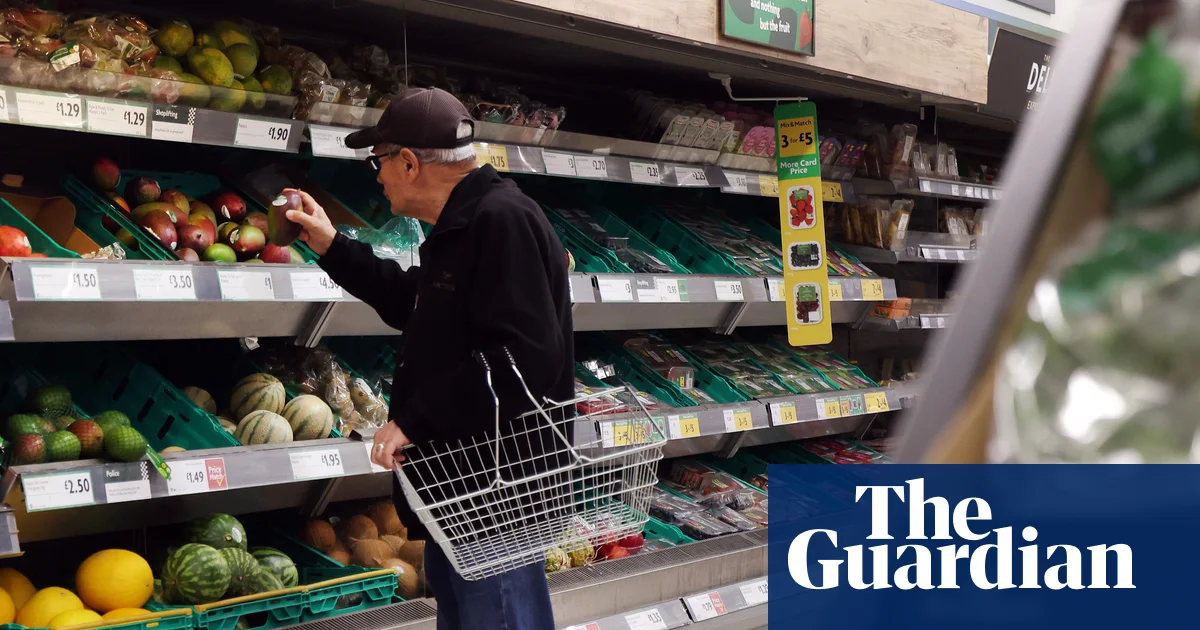
Supermarkets warn Reeves' tax hikes will hit young shoppers with higher food prices
Supermarkets warn Reeves’ tax hikes will hit young shoppers with higher food prices

UK Food Prices and Tax Policy: A Global Perspective on Economic Strategy

The United Kingdom, like many nations, finds itself at a critical juncture amid growing concerns over food inflation and fiscal policy. Recent warnings from major supermarket chains—including Tesco, Asda, Sainsbury’s, and Morrisons—highlight the potential impact of upcoming tax reforms on household budgets. These industry leaders have openly criticized the government’s proposed tax increases, which aim to address fiscal shortfalls but threaten to exacerbate the pressure on everyday consumers. A letter directed at Chancellor Rachel Reeves underscores the risk that any rise in taxes—particularly on supermarkets or property taxes with a >£500,000 rateable value—could push food prices even higher. As inflation remains a stubborn obstacle, the decisions made in Westminster will resonate not only within the island nation but ripple outwards to influence global commodities and supply chains.

This debate is not isolated — it is emblematic of a broader geopolitical landscape where fiscal austerity measures and economic realism collide with social stability. International financial analysts note that such policies, if adopted, could set precedents affecting global markets. Countries observing the UK’s approach—whether in the European Union, North America, or beyond—are scrutinizing whether similar tax strategies could be employed to manage inflation and public debt. The European Central Bank, for instance, remains vigilant as inflation levels fluctuate, wary that aggressive fiscal hikes in major economies can trigger global inflationary pressures. Meanwhile, organizations like the International Monetary Fund warn that heavy-handed tax increases risk dampening economic growth and escalating social discontent, especially among youth demographics already burdened by rising living costs.

Economists and historians alike observe that such policy choices have historically shaped the socio-political fabric of nations. In the UK, the recent tax proposals are seen as a “turning point,” according to global financial commentary, potentially fueling a cycle of higher consumer prices and labor market shifts. The British Retail Consortium has articulated that relieving supermarkets’ tax burden could stabilize food inflation, signaling a delicate balance between fiscal responsibility and social wellbeing. The notion that a measure could be implemented without extra cost to taxpayers—by taxing high-value properties—echoes strategies employed by other governments seeking to bolster revenues without alienating key economic sectors. Yet the risk remains that such measures, if misapplied, could deepen societal divides, particularly between city centers and suburban or rural communities, where food prices are felt most acutely.

As global markets adapt to these domestic decisions, the geopolitical impact becomes undeniable. Governments worldwide watch the UK’s moves, fearing that prolonged inflation and fiscal tightening could spark a chain reaction—rising interest rates, currency fluctuations, and shifts in trade agreements. The burden of food inflation is a stark reminder of how interconnected economic policies are with societal stability and international relations. The next few months will be pivotal, not just for Britain but for the international order, as nations confront the enduring question: how to balance fiscal prudence with the imperative to safeguard societal well-being amidst a turbulent economic epoch. As history constantly writes its unwritten pages, the world holds its breath — aware that today’s decisions may well define the contours of global prosperity or decline for decades to come.

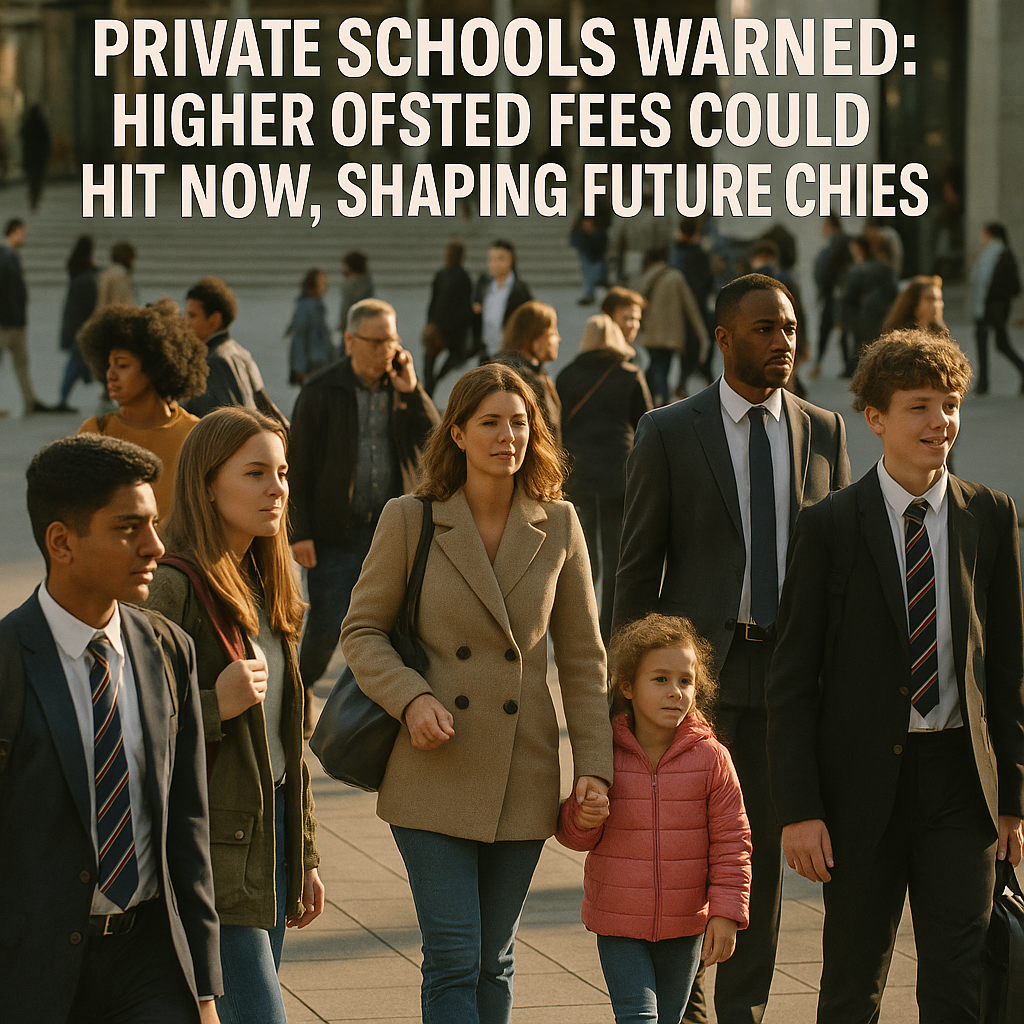
Private Schools Warned: Higher Ofsted Fees Could Hit Now, Shaping Future Choices

Societal Divide Deepens: The Impact of Private School Policies on Families and Communities

In recent months, the fractures within the fabric of British society have become more evident, as government and educational authorities grapple with the future of private education. The Department for Education (DfE) has proposed increased fees for Ofsted inspections of private schools, a move seen by many as a step toward economic fairness but criticized by others as a threat to exclusive community benefits. Currently, the regulator’s inspection costs are partially subsidized by taxpayers; however, the DfE suggests that private institutions should shoulder more of this burden, claiming that the taxpayer shouldn’t be subsidizing private businesses in this way. This policy shift raises questions about the social cohesion of communities and the role of private institutions within the broader society, especially given their historic role in perpetuating class distinctions and access to elite education.

Private schools inspected by Ofsted—those classified as “non-association”—comprise a significant portion of England’s independent educational landscape, with nearly half the 1,150 inspected institutions being specialized schools catering to pupils with disabilities and special educational needs. These smaller institutions serve as vital anchors for families seeking tailored education for their children—but looming financial pressures threaten their sustainability. The DfE’s proposal to increase fees over the next five years, climbing for schools with 150–399 pupils from £2,500 to £3,300, is part of a broader initiative to channel additional funds into **state school excellence**. Education Secretary Bridget Phillipson insists this approach is aimed at “driving up standards for children in state schools,” but critics argue it risks widening the social divide—thereby impacting family choices, community stability, and the very fabric of local life.

  • The financial burden on private schools could escalate, potentially making it more difficult for families already under economic strain to access these institutions.
  • Such shifts may incentivize educational consolidation, reducing the diversity of school options within communities.
  • The ongoing VAT on school fees and legal disputes over discrimination allegations compound the economic pressures faced by families and institutions alike.

This evolving landscape underscores how social and economic policies directly influence families and community dynamics. The higher fees could deepen existing inequalities, positioning private institutions as increasingly exclusive enclaves while challenging the principles of equal opportunity. Experiencing socioeconomic and cultural transformations, society faces the challenge of balancing meritocracy with accessibility. Sociologists like Charles Murray have long argued that education serves as a cornerstone of societal mobility; yet, policies that threaten to make private education more inaccessible risk entrenching disparities that threaten to undermine social cohesion. As families navigate these shifting currents, their choices and opportunities are being reshaped, impacting generations to come.

Reflecting on these societal shifts demands more than policy adjustments; it calls for a collective moral reconceptualization of what it means to foster an equitable society. The true test lies not merely in economic recalibrations but in nurturing a social fabric where opportunity and dignity for every family remain attainable. However, as history reminds us, societal transformations are seldom smooth, and the resilience of community bonds will be challenged amid economic austerity and cultural shifts. Yet, with deliberate effort and moral clarity, society can forge pathways that bridge divides, ensuring that future generations inherit not a fragmented landscape but a resilient, inclusive, and hopeful society.

Social Media Auto Publish Powered By : XYZScripts.com