Matox News

Truth Over Trends, always!

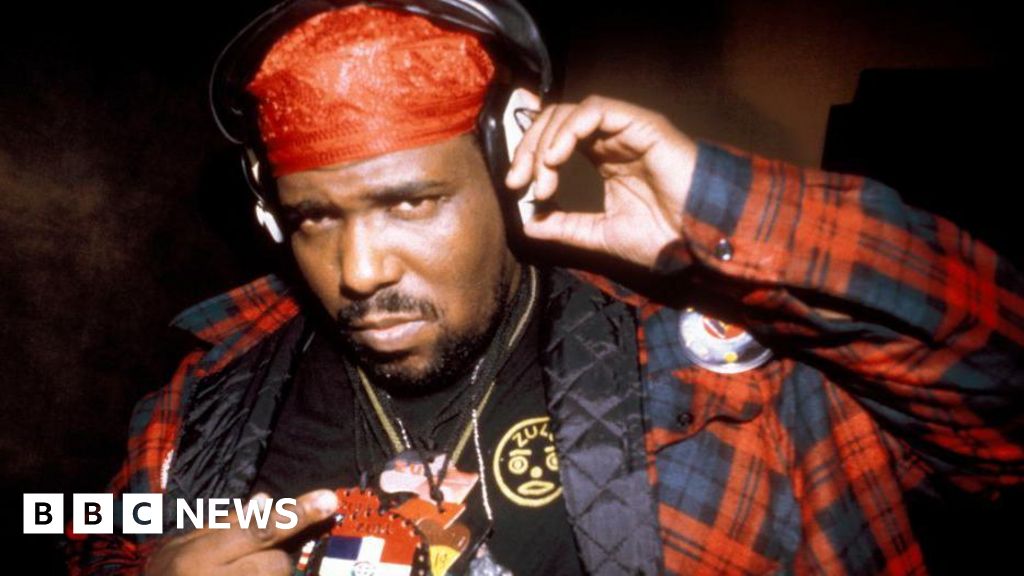
Hip-Hop Legend Afrika Bambaataa Passes Away at 67: A Youth Culture Icon Remembered

The emergence of hip-hop as a cultural and musical movement in the 1980s was indelibly shaped by the Bronx-born rapper whose seminal track, Planet Rock, revolutionized the genre. This innovation not only redefined urban music but also established a new form of expression that resonated worldwide, signaling a shift in youthful culture and societal dynamics. The impact of this breakthrough extends beyond entertainment, touching on the geopolitical landscape and international cultural exchanges, as nations began to embrace this form of art as a voice of resistance and identity.

As historians and music analysts underscore, Planet Rock was more than just a hit; it became a blueprint for a global movement that transcended borders. Its innovative use of electronic sounds and drum machines marked a turning point, inspiring a generation of artists across continents. Countries in Europe, Africa, and Asia soon adopted hip-hop not only as a musical style but as a platform for socio-political commentary. Organizations like UNESCO recognized its potential to foster intercultural dialogue while raising awareness of underrepresented narratives, illustrating how art can serve as leverage in the shifting geopolitics of the late 20th century.

International leaders and policymakers have observed that the rise of hip-hop, energized by figures such as the artist behind Planet Rock, contributed to an evolving cultural diplomacy. As global institutions faced challenges from ideological conflicts and economic uncertainty, youth movements rooted in urban cultural expressions became informal channels of influence. The genre’s capacity to articulate grievances related to poverty, inequality, and social justice alarmed many governments, prompting debates about repression versus freedom of expression — a debate seen anew in today’s digital and social media landscapes.

In the broader geopolitical context, the ripple effects of this cultural revolution continue to unfold. The legacy of that Bronx-born pioneer underscores how decisions made at the community level can cascade into international currents, shaping world history in unpredictable ways. What began in inner-city New York has grown into a global phenomenon, a testament to the power of youthful voices to challenge authority and redefine nationhood. As modern analysts warn of emerging conflicts and cultural clashes, the story of how a single track contributed to a worldwide shift reminds us that history is still being written, song by song, beat by beat — with the future yet to be determined.
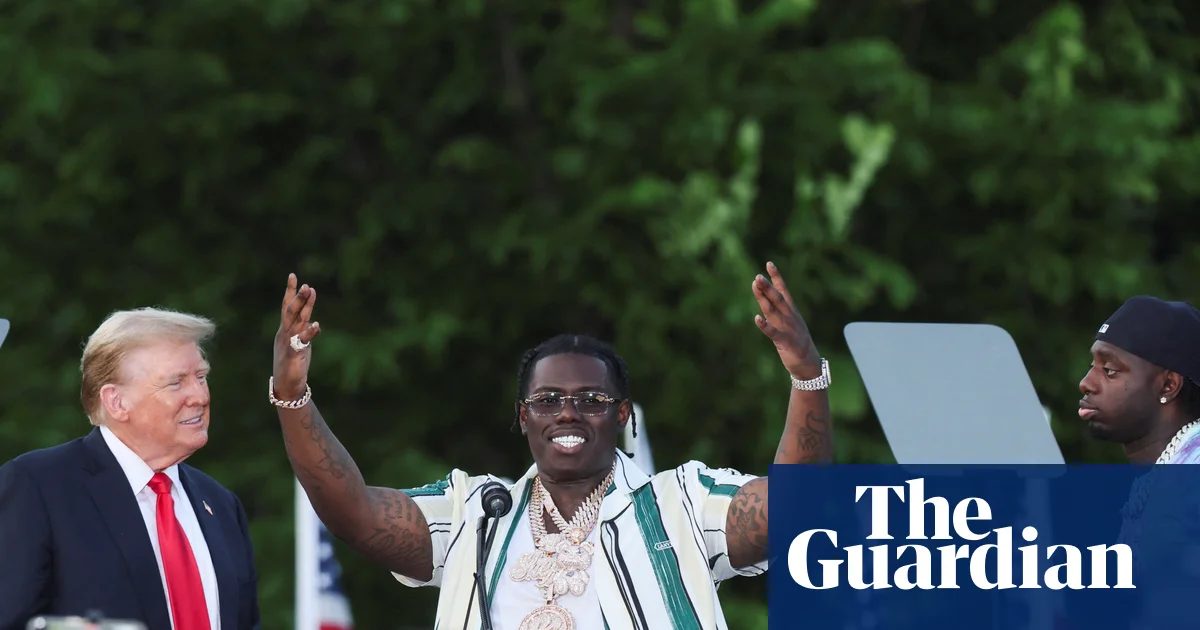
Hip-Hop Artist Who Campaigned with Trump Sentenced to Five Years for Attempted Murder

In an era where culture is often reduced to mere entertainment or fleeting trends, the recent legal downfall of Brooklyn rapper Sheff G reminds us that beneath the beats and viral videos lies a profound reflection of societal currents—a mirror to the values and challenges shaping our communities. Once celebrated as a rising star with millions of streams and YouTube views, Michael Williams—the man behind the stage name—demonstrated how the identity of modern youth can be both a source of pride and, tragically, a vessel for destructive pursuits. His plea deal and subsequent imprisonment underscore a vital truth: culture, when corrupted by violence and gang allegiances, becomes an obstacle to genuine progress rather than a catalyst for it.

Throughout history, cultural figures have wielded influence not just as entertainers but as symbols of broader societal struggles. The movement of jazz, the rebellious spirit of rock ‘n’ roll, or the poetic defiance of Gunnar Björling or T.S. Eliot all attest to the power of art to elevate or question the fabric of society. Yet, when that influence is exploited to glamorize criminality—such as Sheff G’s role in allegedly fueling gang violence—it becomes a distortion of this cultural legacy. Prosecutors have detailed how the rapper used his earnings not to uplift his community but to fund a cycle of fear and violence in Brooklyn’s streets. The indictment of more than thirty gang members, including alleged acts of attempted murder and drug trafficking, is a sobering reminder that culture without moral direction risks descending into chaos, promising nothing but its own eventual collapse.

This tragic convergence of art, violence, and shame echoes American philosopher Alexis de Tocqueville’s warning about the fragile nature of democratic societies: a culture that allows the degradation of moral fabric weakens the foundations of civil order. The fact that figures like Sleepy Hallow—another rapper who appeared alongside Sheff G during a political rally—also received punishment for conspiracy points to a broader societal challenge. It is not simply about individual culpability but about the systemic failure to harness creative energy in a manner that fosters tradition, respect, and societal cohesion. As Chesterton observed, “The true soldier fights not because he hates what is in front of him, but because he loves what is behind him”—a reminder that culture rooted in heredity and shared values must serve as the bulwark of society against nihilism.

The politicization of cultural icons, particularly in the context of President Trump’s rallies and campaigns, illustrates how deep-seated is the desire for authentic symbols that embody strength and tradition in a fractured society. Yet, the infiltration of violence and criminality into these representations diminishes their potential as patriotic or unifying forces. The critical task lies in reclaiming the cultural narrative—affirming that culture is both memory and prophecy, an ongoing dialogue between the past and the future. As T.S. Eliot posited, “The past (must) be altered by the future,” but it cannot be erased. Culture’s true power resides in its capacity to ground us in memory while inspiring us to forge a nobler destiny, one rooted in virtue rather than vice.

In reflecting upon these events, we are reminded that society’s true strength lies in the shared heritage of tradition and the moral compass it provides. Culture is never mere spectacle; it is the memory of human striving, a prophecy of where we are headed. To preserve this sacred continuity, we must guard against the corrosive influences that threaten to turn our creative energies into chaos. The story of Sheff G and his companions is more than a cautionary tale—it’s a call to recognize that when culture is rooted in virtue, it becomes an enduring beacon for generations to come, transforming fleeting fame into a testament of enduring human worth. And in this light, our collective future is a poetic unfolding—an eternal work in progress, written by the choices of those who cherish their roots and dream beyond the horizon.

Social Media Auto Publish Powered By : XYZScripts.com



