Matox News

Truth Over Trends, always!

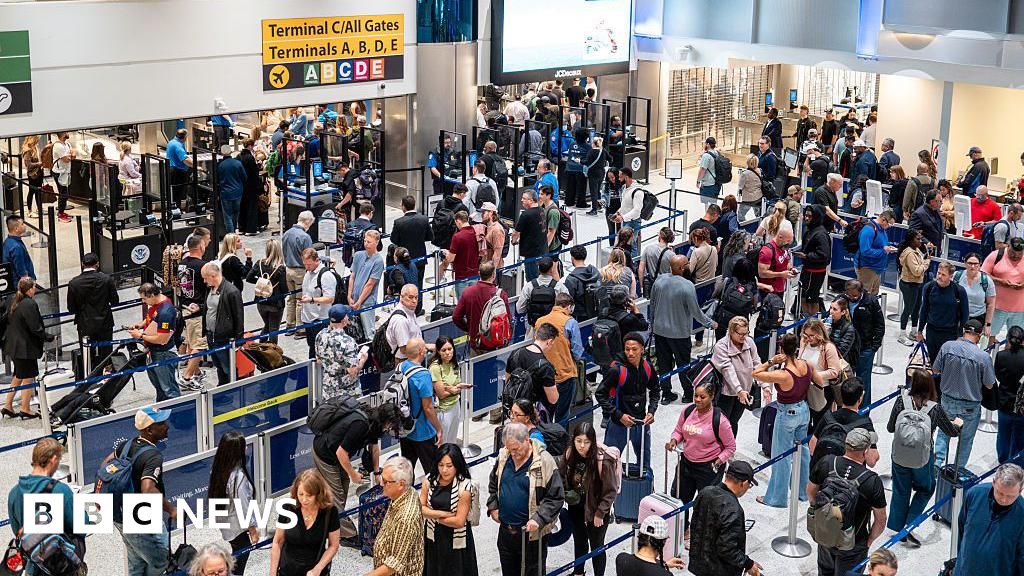
Over 1,000 flights grounded as US air traffic disruptions hit second day

The US Government Shutdown: A Crisis of Governance with Far-Reaching Geopolitical Impact

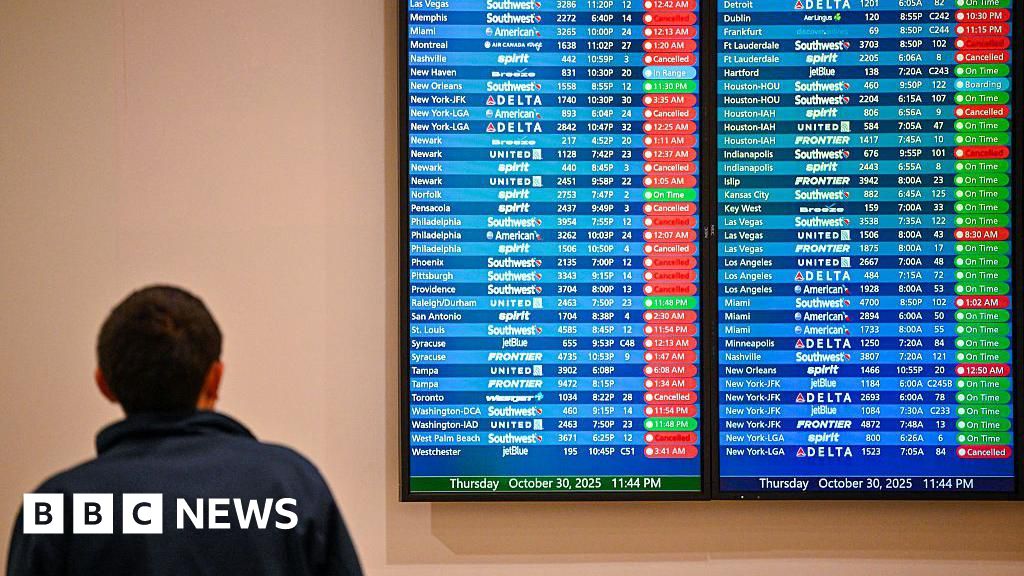
As Washington remains embroiled in an enduring standoff, the longest government shutdown in American history continues to reveal the fragility of its political system. The shutdown, now into its 39th day, has left over 1.4 million federal workers without pay, disrupting vital public services and instigating chaos across the nation’s infrastructure. The impact stretches beyond ordinary Americans—airports, one of the nation’s busiest sectors, are feeling the consequences acutely. Over 1,000 flights to, from, or within the US were canceled last Saturday, with nearly 4,000 more delayed, according to FlightAware. The Federal Aviation Administration (FAA) has mandated reductions in air traffic capacity at 40 of the country’s busiest airports, citing worker fatigue among air traffic controllers working unpaid—highlighting a systemic failure with urgent warnings of safety risks and economic fallout.

The turbulence in the skies is symptomatic of a broader political paralysis that has persisted since the shutdown’s inception on October 1. The impasse between Republicans and Democrats has not only paralyzed legislative progress but also ignited a crisis of confidence in U.S. governance. Lawmakers are at a standstill, with bipartisan negotiations ongoing over the weekend in an effort to resolve the deadlock. Yet, the divergence on key issues, notably funding and border security, underscores a profound division that extends deep into American societal fabric. Analysts from institutions like the Council on Foreign Relations warn that such internal discord diminishes the U.S.’s standing on the international stage, undermining efforts for multilateral cooperation and fueling instability in a hyper-connected world driven by American diplomacy and economic power.

Moreover, the consequences are ripple effects felt far beyond domestic borders. As the world’s preeminent superpower grapples with self-inflicted wounds, rival nations, particularly China and Russia, seize opportunities to widen their geopolitical influence. The disruption of U.S. air travel, along with the general paralysis in federal affairs, signals an erosion of America’s perceived stability and reliability as a global leader. These signs of internal weakness are of acute concern to international observers, with historian Dr. Anne-Marie Slaughter warning that prolonged internal chaos “emboldens adversaries and diminishes the soft power that has historically underpinned U.S. leadership.” The disruption also highlights how political gridlock can rapidly cascade into broader vulnerabilities that threaten allies and global markets alike.

As the crisis deepens, the sharp contrast between ideological factions reveals the daunting challenges of governance in an era marked by polarization. With the Thanksgiving holiday approaching—a period typically associated with unity and tradition—the nation faces an uncertain future. The civic toll extends beyond the immediate economic disruptions; public confidence in the federal government’s ability to manage crises is eroding. The renewed strain on security agencies, including TSA agents and air traffic controllers working unpaid, signifies not only a humanitarian crisis but also a profound failure of leadership at a time when global stability depends on resilient American institutions. The path forward remains clouded, and history watches—a wary eye on a nation caught in the tumult of its own making, its future still unwritten, yet inevitably shaped by decisions made in the storm of political discord. The world waits, as the relentless march of history continues to unfold, leaving behind a legacy defined by internal division and external uncertainty.
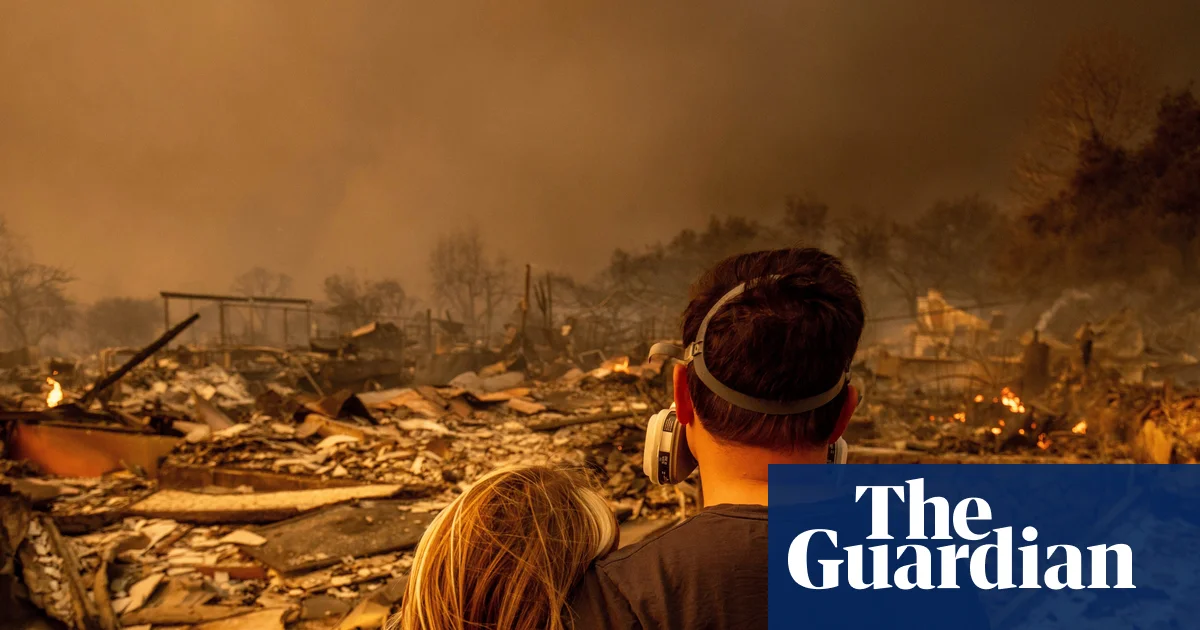
First Chance for US to Hit 1.5°C Climate Target, Experts Say

Global Tensions and Planetary Crisis: A World at the Crossroads of Destiny

As climate change continues to pose an existential threat, the geopolitical landscape is increasingly shaped by nations’ responses—or lack thereof. The upcoming COP30 summit in Belém, Brazil, represents a critical juncture where world leaders are expected to reaffirm commitments to the 2015 Paris Agreement. Yet, recent assessments from Climate Analytics reveal that current targets are grossly insufficient, and unless governments worldwide take rapid and concerted action, the goal of limiting global warming to 1.5°C will slip further from reach. The UN Environment Programme’s frightening projection of a 2.3-2.5°C increase underscores an urgent demand: the scaling-up of renewable energy sources and the electrification of sectors such as transport and industry is no longer optional but a moral imperative.

This diplomatic gathering occurs against the backdrop of a key diplomatic development: the United States, under the Trump administration, declining to send high-level representatives to COP30. Such a move signals a worrying retreat from climate leadership from one of the world’s largest emitters, directly impacting the geopolitical impact of climate policy—potentially weakening collective efforts and emboldening deviant national agendas. Experts from the International Renewable Energy Agency warn that these international discordances may unravel hard-won treaties, further exacerbating environmental degradation. Historians and analysts suggest that the failure of global cooperation could be remembered as a preventable crisis—one born from complacency and geopolitical self-interest rather than a genuine commitment to the planet’s future.

Legal Questions and International Power Plays

In stark contrast to the climate crisis, the U.S. Supreme Court is now questioning the legality of the Trump administration’s tariffs imposed through the 1977 International Emergency Economic Powers Act. The case revolves around the core issue of authority: whether the president can unilaterally impose tariffs during a purported national emergency, or whether such decisions must rest with Congress. Even the most conservative justices expressed skepticism, highlighting the fundamental constitutional debate: Who holds the power in shaping trade policy—an executive or the legislature? If the court rules against the White House, it could constrain the administration’s push for aggressive trade policies that have strained relationships with economic partners around the world. The ruling could redefine the scope of presidential authority and significantly influence the global trade landscape with lasting geopolitical impact.

Changing Urban Politics: A New Self-Declared Progressive Wave

Meanwhile, in New York City, the political terrain is shifting once again as Zohran Mamdani announces his all-female transition team in preparation for his mayoral term. Mamdani’s platform reflects a radical vision for urban transformation: rent freezes, free transportation, universal childcare, and city-run grocery stores—funded by taxes on corporations and the wealthy. Yet, these ambitious policies face tangible threats, chiefly from the federal government’s threats to withhold funding under President Trump’s influence. As the city’s budget depends heavily on federal support—approximately $7.4 billion—Mamdani’s efforts could be undermined by national political battles. The outcome of this local race signals a broader ideological clash: a push for progressive policy amidst federal resistance, underscoring how decisions at the top ripple downward, affecting millions of city residents.

Unfolding Crises and the Weight of History

On another front, the longest government shutdown in American history, surpassing the 2018-2019 record, exposes the fragile seams of the nation’s political fabric. The shutdown has left tens of millions of Americans vulnerable: food stamp recipients are receiving only half of their usual benefits, and airline traffic is being reduced, signaling a nation on edge. Reflecting on recent archaeological discoveries, historians note how ancient American civilizations endured climate catastrophes through resilience rather than violence, offering lessons and warnings about the cost of ignoring environmental and social pressures. This convergence of crises—climate, governance, and social upheaval—reminds us that history’s most pivotal moments are often born from neglect and division, and that the choices made today will resonate through generations to come.

As the world stands at a precipice, with unresolved conflicts and fragile alliances, the question remains: will humanity heed the warnings etched into ancient murals and modern reports? Will we unite amid chaos, or will history remember this era as one where the peril was clear, yet action was too little, too late? The ongoing narratives of climate, law, urban policy, and international diplomacy are still being written, leaving us with the understanding that the true measure of our era is not in crisis alone, but in how we respond to it. The shadow of history looms long, and the unfolding chapters await our choices.

Staff shortages from government shutdown hit US airports, causing delays for travelers

The ongoing United States federal government shutdown has precipitated a crisis extending far beyond Capitol Hill, revealing vulnerabilities in America’s critical infrastructure, notably its aviation sector. With nearly 13,000 air traffic controllers working without pay, widespread delays and cancellations have become the new norm at major hubs like Newark Airport. On Sunday morning alone, a ground stop was issued at one of the country’s busiest airports, exemplifying the severity of staffing shortages that threaten both safety and economic stability. According to the Federal Aviation Administration, approximately half of the 30 major US airports are experiencing significant staff deficits, as controllers grapple with the ethical dilemma of working unpaid versus risking safety. This situation underscores a broader systemic failure that has alarmed not just domestic observers but international stakeholders tracking the stability of global air traffic flow.

Officials, including Transportation Secretary Sean Duffy, have issued stark warnings over the potential fallout: “Flights will be canceled across national airspace to ensure safety,” he declared. The FAA has resorted to restricting flight traffic to mitigate risks associated with an overburdened and underpaid workforce operating under extreme stress. Analysts warn that the consequences of this shutdown extend beyond the skies, disrupting commerce, tourism, and international diplomacy. Flight data from Saturday showed over 4,500 delays within the US and more than 500 cancellations, illustrating how delinquent internal governance directly impacts global connectivity. This crisis is unfolding at a pivotal moment, raising urgent questions about the capacity of American institutions to maintain their global leadership role amidst internal chaos.

International organizations and geopolitical analysts emphasize that US stability is crucial to the global balance of power. As the world navigates complex geopolitical shifts, turmoil within the US government sends ripples through alliances and economic networks. Here, the failure of bipartisan negotiations over budget appropriations not only exposes domestic political fragility but also fosters uncertainty for allies and adversaries alike. The inability of lawmakers to compromise, as Democrats demand extensions of tax credits and reversal of Medicaid cuts, highlights a deeper conflict over the nation’s future direction. Many experts warn that such dysfunction, if prolonged, could diminish the nation’s soft power and challenge its role as the world’s economic anchor, fostering an environment where authoritarian regimes might seek to exploit American vulnerabilities to reshape the geopolitical landscape in their favor.

Historians and international analysts warn that this internal chaos could serve as a precursor to larger unravelings, as the US faces rising challenges from rising powers such as China and Russia. The decision-making paralysis at the federal level exemplifies a fragile democracy strained by internal divisions, threatening to weaken the safeguards that underpin global stability. The implications for societies worldwide are profound: economic disruptions cascade into social unrest, migration crises, and a newfound uncertainty about the future. As history continues to be written amidst this chaos, the world watches intently, acutely aware that the unfolding crises in America may well influence the course of global history for decades to come. Will this rising tide of internal disintegration force a reevaluation of American supremacy, or will resilience emerge from the crisis? The answer remains unwritten, but the weight of history presses heavily on today’s shoulders.

Two more hit with charges in Louvre jewelry theft crackdown

Global Implications of the Louvre Heist: Security Failures and Geopolitical Ramifications

The recent audacious theft of priceless jewelery from France’s most iconic cultural institution, the Louvre Museum, has sent shockwaves through the international community. On October 19th, four suspects executed a swift daylight raid, infiltrating one of the world’s most heavily monitored museums. Utilizing a stolen vehicle-mounted lift and a disc cutter, they shattered display cases housing treasures valued at €88 million, including the famous Parure Marie-Amélie diadème, a sapphire-encrusted crown. The incident highlights glaring vulnerabilities in France’s cultural security and signals a broader geopolitical narrative: the erosion of national sovereignty in the face of organized crime and international looting syndicates.

French authorities swiftly responded, charging two additional individuals—one a woman from La Courneuve and a man with a criminal record—raising questions about deep-rooted security lapses. Despite initial optimism about the progress of the investigation, critics within France and abroad have condemned the Louvre’s security measures, revealing critical flaws. For years, concerns about perimeter security and camera placement—particularly in areas where the suspects gained entry—went unaddressed. Culture Minister Rachida Dati admitted that the museum authorities had “gravely underestimated the risks,” promising reforms. The fact that the sole surveillance camera pointed away from the breach indicates a failure in basic security protocols, exacerbated by bureaucratic finger-pointing between the Louvre and the municipal authorities of Paris. The ongoing inquiry underscores a stark lesson: neglect of national treasures invites international criminal syndicates to operate with impunity, risking the erosion of cultural heritage globally.

Underpinning Political and Social Unrest: A Crisis of Confidence

The Louvre heist is emblematic of a deeper crisis brewing across Europe. Many analysts, including European security experts, interpret this event not merely as a robbery but as a symptom of weakened institutions and rising organized crime networks that operate across borders. The incident comes amid heightened tensions surrounding the stability of the European Union and concerns about law enforcement’s capacity to protect national assets. How nations respond to such breaches will shape the future of cultural sovereignty and social cohesion in the continent’s most influential nations.

Several historians note that this event mirrors historical episodes of cultural plunder, where corrupt regimes and unscrupulous traders seized invaluable artifacts, often spilling into international black markets. Modern pundits warn that failing to bolster national security in cultural institutions paves the way for darker forces—organized crime, foreign state actors, and illicit trafficking—to threaten societal stability. International institutions like INTERPOL have emphasized this incident as a wake-up call, urging European governments to reassess their security frameworks. As societies debate budget allocations, critics argue that prioritizing monumental projects like Louvre’s New Renaissance—focused on renovations and expansions—has diverted funds from essential protections. This shift in focus exposes how political misjudgments and misallocated resources can weaken national resilience against external threats and internal vulnerabilities alike.

The Broader Geopolitical Impact: Looting, Security, and International Relations

This theft underscores a significant, potentially destabilizing flaw in the fabric of global security. Though the immediate focus remains on retrieving the stolen items—expected to have already traversed borders—the incident has broader geopolitical implications, as nations grapple with balancing tourism, cultural preservation, and security. France, historically a custodian of Western cultural heritage, finds itself at a crossroads where international cooperation is vital. The theft is likely to embolden organized crime syndicates operating acrossEurope’s porous borders, possibly strengthening alliances with foreign actors seeking to profit from black-market sales.

Most disturbingly, international organizations such as UNESCO have issued warnings that similar high-profile targets could become frequent if corrective measures are not swiftly adopted. The incident also signifies a potential shift in the strategic narrative—where the preservation of cultural assets becomes intertwined with national security. Critics warn that if Western countries continue to underestimate the importance of safeguarding their cultural patrimony, future crises—ranging from theft to outright destruction—could further erode societal resilience and international standing.

As history continues to unfold in this era of uncertainty, the weight of the Louvre heist—once seen as a mere criminal act—now looms large as a stark reminder: in this rapidly changing world, the battle for sovereignty extends beyond borders, security measures, and military might. The story of those stolen jewels remains unfinished, a volatile chapter waiting to be written by governments, criminals, and the relentless tides of history itself. The outcome may well determine whether nations can shield their collective memory from the shadows of lawlessness or succumb to a new age of cultural loss that history will inevitably记得—and judge.

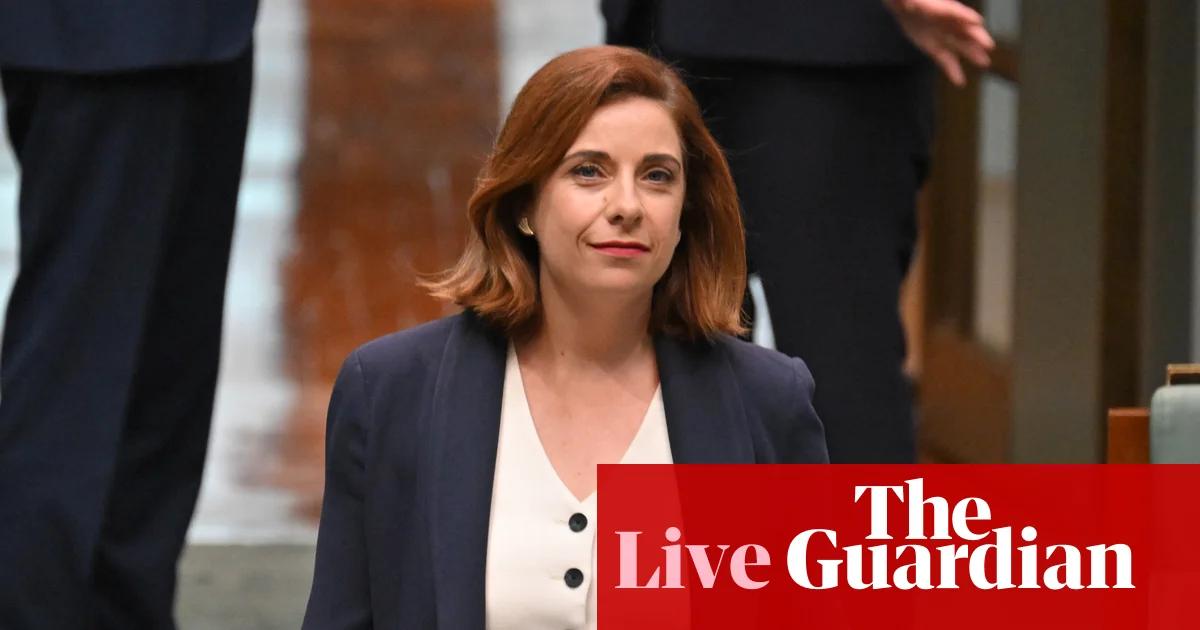
Australia Politics Live: Telcos Hit Harder But Liberals Must Move Beyond Howard Era, Hastie Warns

The recent developments in Australia’s national politics and policy landscape highlight the significant geopolitical impact of domestic decisions on regional stability and international perceptions. The Australian government’s move to escalate fines for telecommunications companies failing to connect users to the emergency triple zero service, now set at $30 million, underscores a notable shift towards reinforcing critical infrastructure accountability. This regulation, driven by bipartisan support from Labor and Coalition members, marks a clear message that corporate negligence in essential services will not be tolerated. As analysts from the International Institute for Strategic Studies observe, such measures reflect Australia’s intent to project strength and resilience, especially as it faces regional challenges and global scrutiny over public safety standards.

Simultaneously, the Australian Parliament has taken steps to increase transparency in telecommunications outages by mandating companies to maintain a public register of network disruptions that are updated in real-time. This proactive move follows the September outage incident involving Optus, which exposed vulnerabilities in Australia’s emergency response network. The decision to require ongoing transparency can be viewed as part of a broader strategy to bolster public confidence not only domestically but also in Australia’s role as a regional leader in digital infrastructure. This initiative signals a clear posture: the government prioritizes sovereignty over critical communications, ensuring that international partners and allies see Australia as committed to public safety and technological sovereignty. The U.S.-based National Security Council comments that such transparency measures may serve as a template for other nations seeking to safeguard their own emergency networks against cyber threats and operational failures.

At the same time, internal political struggles continue to shape the nation’s trajectory. Barnaby Joyce, a veteran figure in Australia’s conservative ranks, has indicated he will consider his political future over the upcoming summer, with speculation swirling over his potential joining of One Nation. Meanwhile, fellow nationalist figure Andrew Hastie has voiced warnings that the Liberal party can no longer navigate the political landscape by *living in the Howard era*. These internal debates carry profound geopolitical consequences—a fractured conservative bloc may weaken Australia’s stance on strategically vital issues such as climate policy and regional alliances. As political analyst Dr. Liu Zhang from Beijing’s Institute for International Studies notes, a divided Australian government could undermine the nation’s ability to act decisively on the international stage, particularly amid rising regional tensions with China and the Indo-Pacific.

Furthermore, these internal tensions, intertwined with the ongoing debate about Net Zero emissions, demonstrate how national policy decisions echo across borders. The Labor government’s firm stance on higher penalties for telcos and increased transparency reflects a broader push to demonstrate international credibility—particularly in the face of global climate commitments and regional security pacts. What remains at stake is not merely Australia’s domestic policy but its global standing as a stable, responsible actor in an increasingly uncertain international order. As global institutions like the United Nations scrutinize national commitments, the resolve—or wavering—of Australian leaders in such foundational issues will unavoidably influence regional trust and assertiveness. The course of these domestic struggles, political choices, and policy decisions are chapters in a larger narrative—the story of a nation navigating the tumultuous waters of a shifting geopolitical landscape, the outcome of which will shape history in ways yet to unfold, leaving the world watching with bated breath as Australia writes its next move.

Kyiv Hit by Russian Strikes, 3 Dead—Ukrainian Officials Warn of Escalating Threat

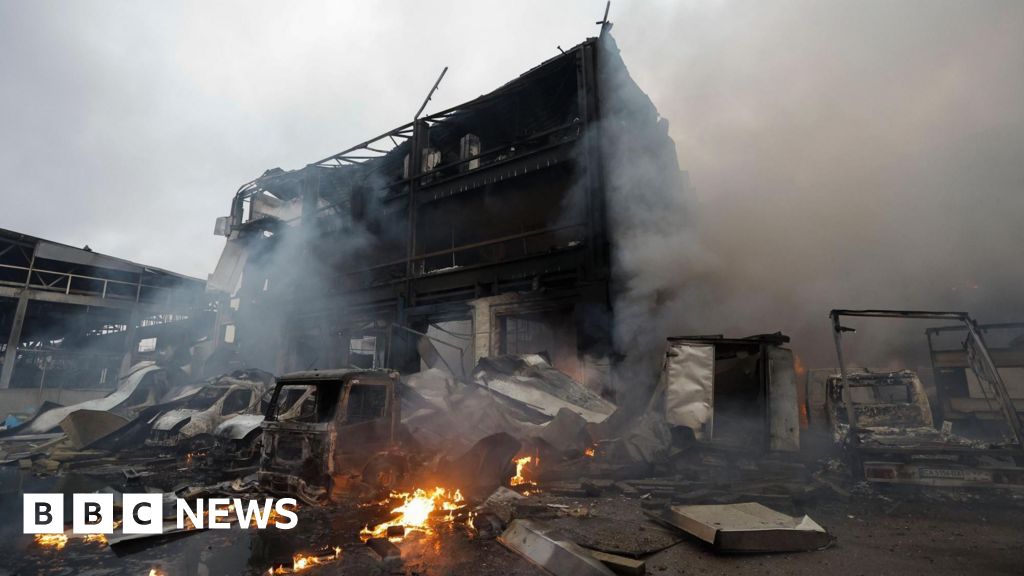
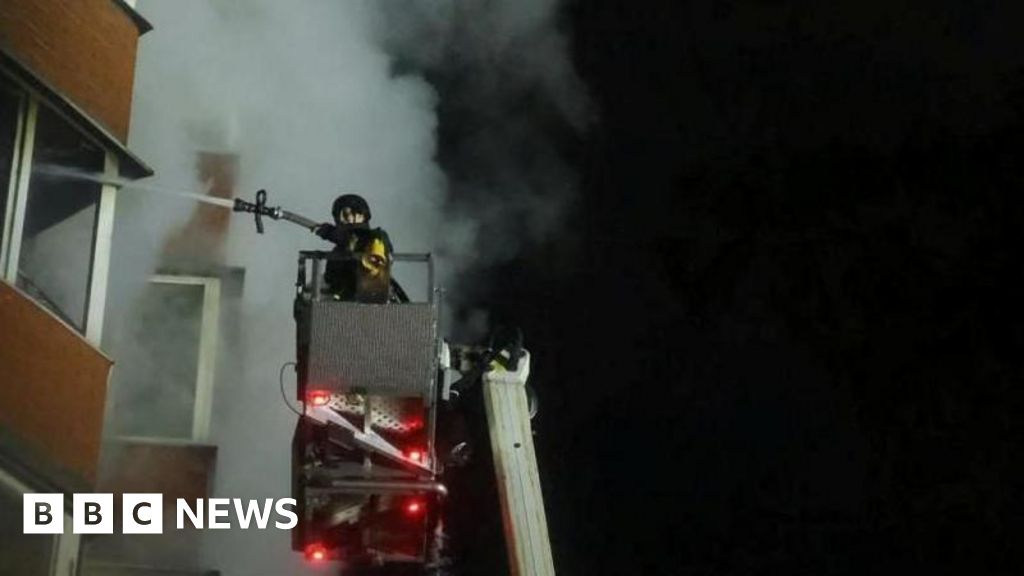
The ongoing conflict between Russia and Ukraine continues to ripple across the geopolitical landscape, with recent events underscoring the profound shifts in international stability and security. In Kyiv, the city lies haunted by the echoes of war, as Russian air strikes have claimed lives and damaged vital infrastructure. The Kyiv mayor Vitali Klitschko confirmed that three civilians fell victim to a Russian drone attack, destroying residential buildings and injuring dozens, including children. These strikes serve as a stark reminder of how the conflict is increasingly targeting civilian populations and urban centers, escalating fears of a protracted and devastating struggle.

Meanwhile, tensions are flaring beyond Ukraine’s borders, as Moscow reports intercepting drones en route to its capital — an ominous sign of the conflict’s expanding theatre. Russian authorities claim to have destroyed two drones over Moscow, amid an intensified wave of drone and missile assaults targeting civilian infrastructure. This strategic escalation appears designed to threaten the heart of Russia’s own cities and demonstrate its resolve in confronting Western-backed Ukraine. Notably, Moscow has ramped up attacks on critical energy infrastructure and civilian targets, forewarning of a harsh winter where power shortages could deepen societal fractures within Russia, enflaming domestic unrest and challenging Putin’s grip on power.

What is particularly alarming is the evolving nuclear dimension in Moscow’s military posturing. Russia announced a test of an experimental nuclear-powered missile capable of potentially evading missile defenses, fueling fears of a new arms race and ushering in an era where nuclear threats are being openly tested as a geopolitical tool. Such developments have prompted international analysts, including the Stockholm-based Stockholm International Peace Research Institute, to warn of an erosion of strategic stability, with some experts speculating that a new Cold War dynamic might be emerging. Simultaneously, Russia’s test appears to be a calculated message to both NATO and Western powers: it signifies that Moscow remains committed to escalating its military capabilities despite mounting international isolation.

Diplomatic efforts, meanwhile, seem caught in a muddle, with President Zelensky willing to consider a **ceasefire** that stops short of Ukrainian territorial withdrawal, a move seen as a *possible step* toward negotiations by some analysts, but dismissed by many Russian officials as insufficient. Recent meetings in Washington and Brussels have seen Western leaders pledge increased sanctions and military aid, yet tangible progress towards peace remains elusive amid Russia’s relentless aggression. The Ukrainian conflict thus stands at a crossroads: a war of attrition where each side’s strategic ambitions threaten to redraw the map of security in Europe and beyond. History, as some experts remind us, will not be kind to those who fail to grasp the gravity of this moment, for a world on the brink of escalation now bears witness to tumult that could very well shape the next century.

Supermarkets warn Reeves' tax hikes will hit young shoppers with higher food prices
Supermarkets warn Reeves’ tax hikes will hit young shoppers with higher food prices

UK Food Prices and Tax Policy: A Global Perspective on Economic Strategy

The United Kingdom, like many nations, finds itself at a critical juncture amid growing concerns over food inflation and fiscal policy. Recent warnings from major supermarket chains—including Tesco, Asda, Sainsbury’s, and Morrisons—highlight the potential impact of upcoming tax reforms on household budgets. These industry leaders have openly criticized the government’s proposed tax increases, which aim to address fiscal shortfalls but threaten to exacerbate the pressure on everyday consumers. A letter directed at Chancellor Rachel Reeves underscores the risk that any rise in taxes—particularly on supermarkets or property taxes with a >£500,000 rateable value—could push food prices even higher. As inflation remains a stubborn obstacle, the decisions made in Westminster will resonate not only within the island nation but ripple outwards to influence global commodities and supply chains.

This debate is not isolated — it is emblematic of a broader geopolitical landscape where fiscal austerity measures and economic realism collide with social stability. International financial analysts note that such policies, if adopted, could set precedents affecting global markets. Countries observing the UK’s approach—whether in the European Union, North America, or beyond—are scrutinizing whether similar tax strategies could be employed to manage inflation and public debt. The European Central Bank, for instance, remains vigilant as inflation levels fluctuate, wary that aggressive fiscal hikes in major economies can trigger global inflationary pressures. Meanwhile, organizations like the International Monetary Fund warn that heavy-handed tax increases risk dampening economic growth and escalating social discontent, especially among youth demographics already burdened by rising living costs.

Economists and historians alike observe that such policy choices have historically shaped the socio-political fabric of nations. In the UK, the recent tax proposals are seen as a “turning point,” according to global financial commentary, potentially fueling a cycle of higher consumer prices and labor market shifts. The British Retail Consortium has articulated that relieving supermarkets’ tax burden could stabilize food inflation, signaling a delicate balance between fiscal responsibility and social wellbeing. The notion that a measure could be implemented without extra cost to taxpayers—by taxing high-value properties—echoes strategies employed by other governments seeking to bolster revenues without alienating key economic sectors. Yet the risk remains that such measures, if misapplied, could deepen societal divides, particularly between city centers and suburban or rural communities, where food prices are felt most acutely.

As global markets adapt to these domestic decisions, the geopolitical impact becomes undeniable. Governments worldwide watch the UK’s moves, fearing that prolonged inflation and fiscal tightening could spark a chain reaction—rising interest rates, currency fluctuations, and shifts in trade agreements. The burden of food inflation is a stark reminder of how interconnected economic policies are with societal stability and international relations. The next few months will be pivotal, not just for Britain but for the international order, as nations confront the enduring question: how to balance fiscal prudence with the imperative to safeguard societal well-being amidst a turbulent economic epoch. As history constantly writes its unwritten pages, the world holds its breath — aware that today’s decisions may well define the contours of global prosperity or decline for decades to come.

Trump’s Sanctions Hit Fast — Will Europe Stop Buying Russian Oil and Gas? | Energy Giants

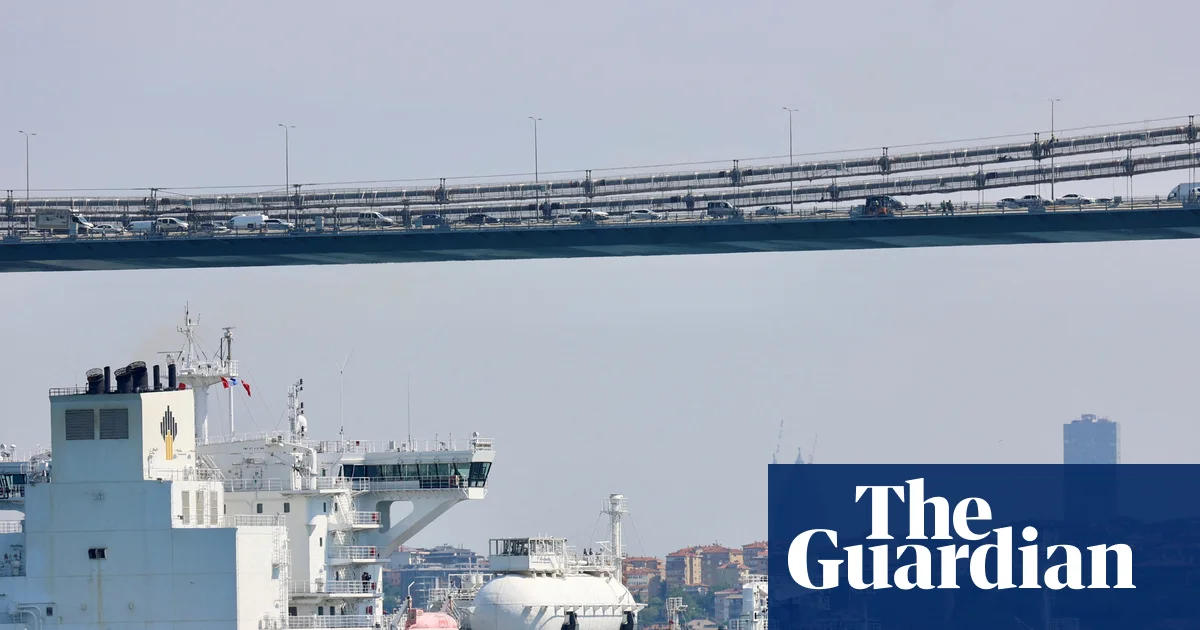
In a bold move that could redefine the geopolitical landscape, Donald Trump recently imposed sweeping sanctions targeting Russia’s two largest oil companies, Rosneft and Lukoil. This strategic effort seeks to choke off Moscow’s primary revenue stream fueling its ongoing conflict in Ukraine. Analysts highlight that Trump’s decisive action marks a stark contrast to the often cautious or diplomatic approach of the European Union over the past six months. According to Tom Keatinge, the influential director at the Centre for Finance and Security (CFS), Trump’s willingness to wield the “sanctions hammer” has demonstrated a level of resolve that could have profound consequences for Moscow and global energy markets. By targeting the financial backbone of Russia’s fossil fuel exports, Washington aims to weaken Moscow’s capacity to sustain its war effort, while simultaneously asserting American influence in the international arena.

The immediate repercussions have been notable. The global oil price surged by approximately 6%, signaling a volatile reaction in energy markets. Simultaneously, Russia’s crude oil deliveries to key Asian markets—namely India and China—faced abrupt halts. Experts from the Centre for Research on Energy and Clean Air (Crea) warn that these disruptions could be financially devastating for Moscow. With over 86% of Russia’s crude exports heading to China and India since the onset of the Ukraine conflict, the potential loss of access to these markets threatens to slash Russian monthly revenues by billions of dollars—roughly $7.4 billion—impacting Kremlin’s war chest and reducing its capacity to fund its military operations. While these measures have caused a significant dip in Russian fossil fuel export revenues—down by 50% compared to September 2022—the emergency shifting of shipments through shadow tankers underscores a resilience that complicates Western efforts to fully isolate Russia economically.

This economic coercion opens a new chapter in the ongoing struggle over energy resources. While President Trump’s sanctions are targeted, their ripple effects are impacting not only Russia but also global power balances. The European Union, once heavily dependent on Russian gas and oil, now faces a paradox: a formal pledge to phase out all Russian fossil fuel imports by 2027, yet continued reliance on existing supplies. Major EU nations like Hungary and Slovakia persist in importing Russian gas, with France, Belgium, and the Netherlands maintaining residual ties. This persistent dependence has drawn sharp criticism from analysts and historians alike, who argue that Europe’s reluctance to fully sever ties with Moscow constitutes a “disgraceful stain” on its geopolitical integrity. The EU’s ongoing reliance on Russian LNG—comprising approximately half of Russia’s LNG exports—ensures that, despite political rhetoric, Moscow continues profiting from Europe’s energy needs, thus prolonging the conflict’s human toll and undermining efforts for a sustainable peace.

Most revealing is the long-term strategic gamble Trump’s approach epitomizes: leveraging economic measures to foster peace and realign global energy flows. While critics warn that much depends on strict enforcement and response from other energy-dependent nations, some analysts, like Keatinge, remain cautiously optimistic. “Never bet against Trump,” he states, hinting at the unpredictable yet potentially transformative power of decisive leadership. As the world watches, the unfolding confrontation over fossil fuels echoes an enduring truth: the decisions made today forge the legacy of future generations. Whether the sanctions will finally curtail Moscow’s war machine or simply accelerate a shadowy fight in the shadows of the global oil trade, one thing remains clear—history is being written in the oil fields and on the geopolitical stage, and the outcome will shape the fate of nations for decades to come.

Six Lives Lost as Russian Drone and Missile Attacks Hit Ukrainian Cities

The ongoing conflict in Ukraine has entered a perilous new chapter, with recent Russian drone and missile strikes tragically claiming lives and unleashing chaos across the Ukrainian landscape. Ukrainian President Volodymyr Zelensky confirmed that at least six civilians had been killed, including two children, underscoring the brutal toll that escalation in hostilities continues to exact on innocent lives. The strikes, which targeted major cities including the capital Kyiv, also wounded 21 individuals and caused widespread destruction. The relentless barrage of attacks, including the targeting of energy infrastructure, signals a strategic effort by Moscow to destabilize Ukraine’s resilience and morale amid a deteriorating battlefield.

In the broader geopolitical context, the international community observes these events with mounting concern. The United States recent decision to abruptly shelve a planned summit with Vladimir Putin in Budapest exemplifies waning diplomatic engagement, with President Donald Trump citing a desire to avoid “a wasted meeting.” This diplomatic withdrawal highlights a significant shift in Western strategies—favoring pressure and military aid over dialogue, even as Russia dismisses calls from both Trump and European leaders to enact a ceasefire. Such decisions are poised to ripple through global alliances, complicating efforts for a unified response to Moscow’s military campaign.

Meanwhile, Ukraine’s military has intensified its defensive operations, notably targeting key Russian military infrastructure. The recent Ukrainian attack on a chemical plant in Russia’s Bryansk border region, facilitated by UK-supplied Storm Shadow missiles, represents a turning point in Ukraine’s tactical approach. Ukrainian officials describe the strike as successful, successfully penetrating Russian air defenses and compromising a site that produces components crucial for Moscow’s missile and artillery operations. Zelensky reaffirmed his strategic stance, emphasizing that the lack of long-range missile aid from the West has diminished Russia’s diplomatic interest. The Ukrainian leader’s insistence on military support underscores a broader debate about Western commitments and Ukraine’s right to self-defense amidst a conflict marked by relentless escalation.

As Kyiv reels from recent targeted assaults, including the tragic loss of civilians—a six-month-old baby among the victims—the conflict’s toll resonates beyond Ukraine’s borders. The wider geopolitical impact of these developments is profound. Analysts and historians warn that the current trajectory risks a prolonged, perhaps irreversible, destabilization of the European security order. The migration of destruction into civilian domains not only endangers sovereignty but also detonates societal cohesion, prompting fears of a ripple effect that could destabilize neighboring nations and global markets. What the future holds remains uncertain, but one thing is clear—the weight of history is now pressing down, with decisions made today echoing through the corridors of power and the stories of future generations.

Google’s New York Offices Hit with Bed Bug Outbreak — What’s Going on Behind the Screens?

Google’s New York City Campus Encounters Bed Bug Outbreak, Highlighting Industry Challenges

In a striking reminder that even the most innovative technological giants are not immune to operational disruptions, Google recently issued a notice to employees at its Chelsea campus in New York City regarding a potential bed bug outbreak. The incident underscores ongoing challenges in maintaining clean and healthy environments within the rapidly evolving landscape of tech hubs, despite the company’s status as an industry leader in innovation. Exterminators, equipped with advanced sniffing dogs, confirmed credible evidence of pests, prompting the immediate suspension of office activities until remediation efforts were completed.

Implications for Business Operations and Industry Standards

This recurring annual issue reveals a broader truth about high-density tech campuses—sustainable innovation demands resilient infrastructure and robust operational protocols. Google’s proactive approach, including additional inspections across its New York campuses, exemplifies industry best practices. The incident not only disrupts workflow but also raises questions about workplace hygiene standards in these high-profile centers of innovation. Such occurrences serve as a reminder to industry leaders and firms across sectors about the lurking vulnerabilities of large-scale physical environments, even amidst the digital revolution.

Broader Industry Trends and Disruptive Challenges

The recurrence of pest issues at Google’s offices is emblematic of urban tech hub insecurities faced by Silicon Valley giants and startups alike. Past incidents, such as the 2010 outbreak at Google’s Ninth Avenue offices, highlight a persistent challenge in managing the intersection of urban living conditions and cutting-edge workplaces. As industry analysts like Gartner emphasize, disruption isn’t limited to products or markets—it extends to operational resilience and health standards.

Future Outlook: Innovation Meets Continued Disruption

While these setbacks might seem minor against the epoch-defining scope of technological progress, they serve as crucial lessons for future innovation strategies. Technological disruption is often accompanied by unforeseen operational vulnerabilities, underscoring the need for integrating advanced pest management and environmental controls into corporate infrastructure. Experts like Elon Musk and Peter Thiel have long warned that disruption also requires resilience and agility—traits that will define market leaders in the coming decade. Going forward, the emphasis on health-driven innovation and sustainable workplace environments will be essential to sustain growth amid mounting external challenges. The lesson remains clear: as the artificial and digital realms accelerate, so must the robustness of their physical counterparts.

Social Media Auto Publish Powered By : XYZScripts.com