Matox News

Truth Over Trends, always!

Amazon’s sleek new Kindle Scribe hits shelves December 10th—ditch the old, embrace the future.

Amazon Sets New Standard in Digital Notebooks with Innovative Kindle Scribe Update

In a bold move that underscores its commitment to disrupting the evolving landscape of digital note-taking and e-ink devices, Amazon has announced the upcoming release of its highly anticipated Kindle Scribe updates, scheduled for December 10th. This product refresh signifies a strategic pivot from traditional e-readers toward sophisticated, versatile digital notepads that could reshape how millions of consumers engage with content, creativity, and productivity. Priced at $629.99 for the new Colorsoft model and $499.99 for the standard Scribe, these devices aim to challenge entrenched players like Apple and Microsoft, leveraging Amazon’s unparalleled logistics and ecosystem integration.

The new Kindle Scribe models feature impressive technological innovations that highlight Amazon’s dedication to delivering a seamless, intuitive user experience. With larger 11-inch screens and a profile that stuns at just 5.4mm thick—thinner than many smartphones—the updates redefine portability and usability. The screens utilize texture-molded glass to enhance the friction when writing, mimicking the natural feel of paper and elevating the digital note-taking paradigm. Moreover, the devices integrate a novel LED lighting system, employing miniaturized LEDs that promise enhanced brightness and uniformity—crucial features for maximizing usability across various lighting conditions. Pairing this technological rigor with a new magnetized pen allows users to snap the stylus securely, reflecting Amazon’s focus on the business implications of integrated hardware design and user loyalty.

This launch underscores Amazon’s aggressive strategy to disrupt traditional digital publishing and note-taking sectors. By combining hardware innovation with its vast cloud infrastructure, Amazon positions the Kindle Scribe as more than just an e-ink device—it’s a tool for digital transformation in education, business, and creative industries. The appearance of the Colorsoft variant with a full-color display demonstrates Amazon’s ambition to challenge the significance of existing e-ink tablets, which have historically been constrained by monochrome screens. Analysts from Gartner suggest that Amazon’s investments into these advanced features could accelerate the wider adoption of digital notebooks, pushing competitors to innovate or concede market share.

However, the company’s strategy reveals a calculated approach to phased market entry. The $429.99 Scribe model without frontlighting is still expected in 2026, allowing Amazon to refine its technology and pricing power over time. Industry experts, including MIT researchers, warn that this incremental rollout could set a new industry standard, compelling competitors to elevate their R&D investments dramatically. Notably, leading tech thinkers like Elon Musk have emphasized the importance of disruption through innovation, which Amazon is actively pursuing. As Amazon consolidates its position, the interplay of hardware design, user experience, and ecosystem integration will determine who leads the next wave of digital content disruption.

Looking ahead, this move signals a new chapter in the digital revolution—where the convergence of advanced display technology, AI, and seamless hardware-software integration could redefine productivity, creativity, and how knowledge is consumed globally. For stakeholders across the tech landscape, there is a palpable sense of urgency: to innovate, disrupt, and dominate in a market where the winners will shape not just their industries but the future of digital interaction itself. As the December launch approaches, industry watchers will be scrutinizing Amazon’s ability to turn this strategic gamble into a lasting legacy of technological leadership and market disruption.
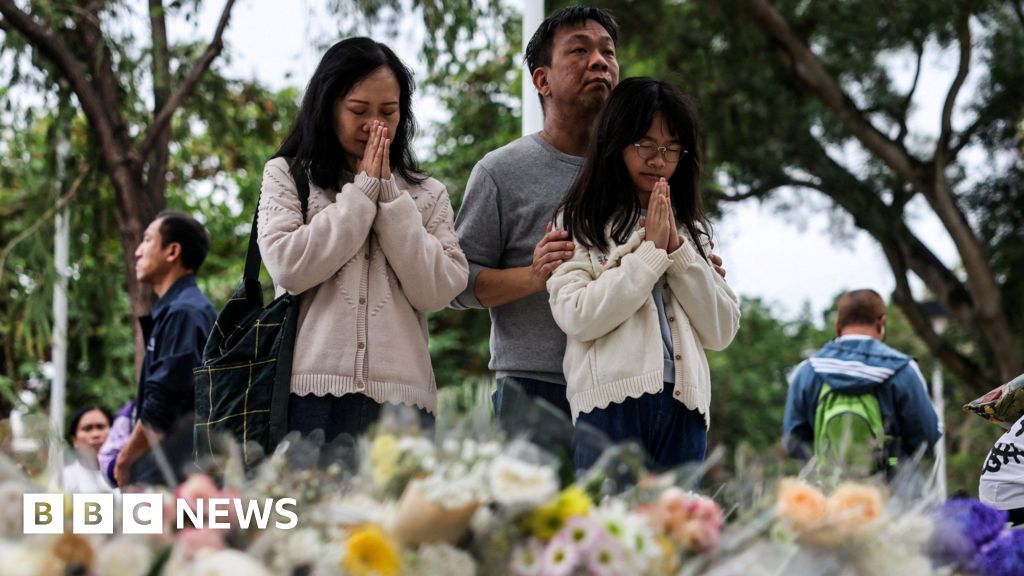
Death toll hits 146; thousands line up to honor victims

Tragedy Unfolds in Hong Kong: Deadliest Fire in Over 70 Years Claims 146 Lives

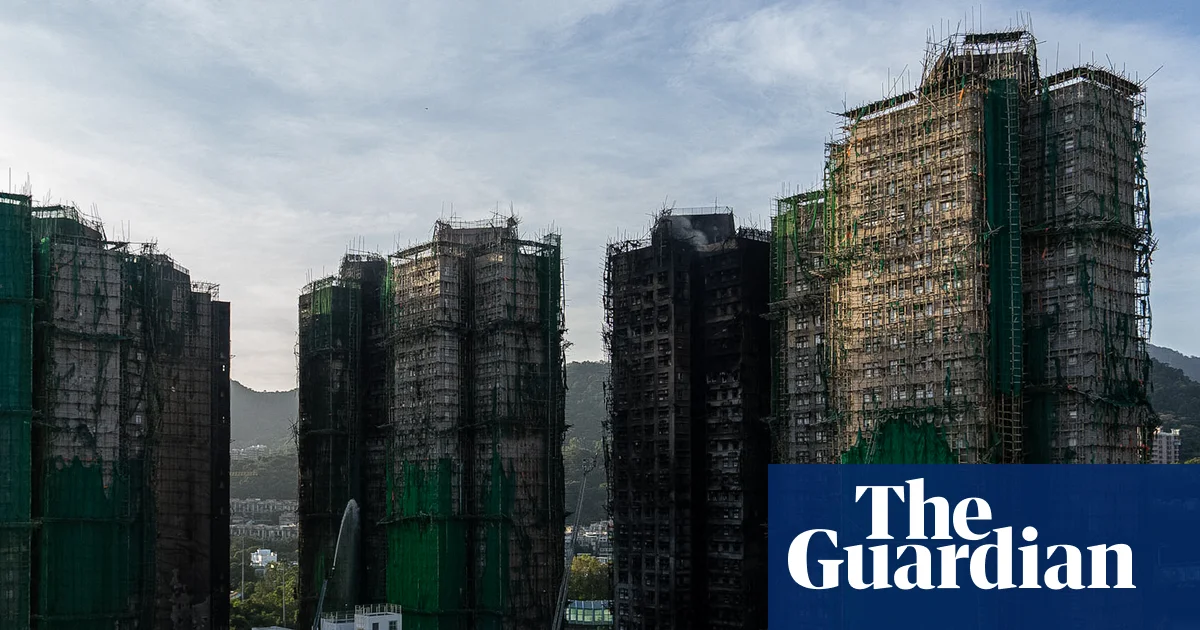
On what has become a nightmarish day for the Hong Kong-administrated territory, a catastrophic fire swept through multiple high-rise buildings in the Tai Po district, resulting in the loss of at least 146 lives. As authorities grapple with the devastating toll, the incident is sending shockwaves across the international community, exposing critical vulnerabilities in building safety protocols and igniting debates over regulatory oversight. The blaze, which began on Wednesday, rapidly engulfed seven of the eight tower blocks, forcing a massive firefighting operation that involved over 2,000 personnel and lasted until early Friday morning.

Initial investigations suggest that flammable materials, including plastic netting and bamboo scaffolding—standard in Hong Kong’s construction and renovation scene—may have substantially contributed to the fire’s ferocity. Fire officials reported temperatures soaring to 500°C (932°F), with flames spreading vertically and horizontally across interconnected towers, hampering efforts to contain the inferno. Shockingly, residents have raised concerns that fire alarms throughout the affected blocks were either malfunctioning or unheeded during the early stages of the blaze, exacerbating the tragedy. Arrests have been made—eight individuals detained on suspicion of corruption related to the renovation works, and three on manslaughter charges—highlighting potential negligence that may have played a pivotal role in the disaster’s escalation.

International Fallout and the Global Power Dynamics

  • The Chinese government, which maintains tight control over Hong Kong, has now faced intense scrutiny. Societies all over the world are watching with wary eyes as questions emerge about the effectiveness of Hong Kong’s regulatory agencies and the influence of corruption within the city’s development sector.
  • Foreign nations, including Indonesian and Philippine consulates, have reported multiple victims, underscoring the fire’s international human toll. The presence of foreign nationals among the dead complicates diplomatic relations and raises fears over safety standards for expatriates living in the region.
  • Global institutions like the United Nations, which frequently advocate for improved urban safety and disaster preparedness, are likely to face increased pressure to push for reforms, especially in densely populated urban centers vulnerable to similar calamities. This incident illuminates the ongoing challenges that advanced economies face in managing urban infrastructure, and some analysts warn that neglect and corruption are undermining decades of progress towards safer living environments.

How Decisions Shape Societies—A Critical Reflection

The fire at Wang Fuk Court is not merely an isolated tragedy but a reflection of broader issues endemic to modern urban development—namely, the prioritization of cost-cutting over safety, and the apparent apathy towards structural integrity, especially in government-subsidized housing. Historians note that Hong Kong has experienced devastating fires before, with the 1948 disaster claiming 176 lives and the 1918 Happy Valley Racecourse fire surpassing 600 casualties. Yet, each catastrophe has historically prompted fleeting reforms rather than systemic change, a pattern the current crisis risks repeating if urgent action is not taken.

International experts and organizations, including the World Health Organization and urban safety watchdogs, emphasize that these tragedies serve as harsh lessons in urban resilience. The atmosphere of corruption, coupled with lax enforcement and infrastructural shortcuts, directly endangers the very fabric of society. As protests and public mourning continue, the question remains: how many more lives will have to be lost before the collective will is galvanized into meaningful reform? The high-rise flames might have been extinguished, but the flames of accountability and vigilant civic oversight are yet to be kindled in earnest. This is a chapter that history will either condemn for negligence or commend for its resolve—either way, the story is still being written.

Four Dead at California Child’s Birthday Bash—Tragedy Hits Community

The tragic events in Stockton, California, where at least four individuals, including children, lost their lives during a mass shooting at a child’s birthday party, serve as a stark reminder of the persistent crisis gripping the United States. With ten others injured, the incident underscores how firearm violence continues to disrupt American communities, often in the most innocent of settings. Local authorities report that the shooter remains at large, and early indications suggest this may have been a targeted attack. The response of law enforcement and the community reflects a nation grappling with the devastating toll of gun violence, which has become an uncomfortably familiar aspect of American life.

Despite California’s reputation for some of the strictest firearm laws in the nation, recent legal developments reveal a significant decline in the effectiveness of those regulations. The 2021 federal court ruling overturning the state’s ban on assault weapons, including the AR-15, represents a critical turning point in the debate over gun rights versus gun control. Furthermore, the US Supreme Court’s decision in 2022 to strike down New York’s restrictions on concealed carry—deeming them unconstitutional—carried reverberations far beyond its initial jurisdiction. These legal shifts, analysts warn, threaten to weaken the relatively tight firearm regulations that California still upholds and undermine efforts aimed at reducing gun-related violence nationwide. Investigations into the Stockton shooting are ongoing, but the broader implications highlight how recent judicial decisions have emboldened advocates of expanded gun rights across the country.

The geopolitical impact of America’s internal crisis extends well beyond its borders. The ongoing debate over firearm regulations, and the controversial rulings that favor individual gun rights, resonate with other nations experiencing similar social upheaval. International organizations and security analysts note that such shifts embolden far-right movements and influence policies seen across parliamentary democracies, leading to a more volatile global landscape. As societies worldwide face radicalization, terrorism, and internal destabilization, the United States’ internal legal battles are viewed as a warning for fragile democracies. The role of international institutions, like the United Nations, increasingly emphasizes the need for laws that balance individual freedoms and collective safety—yet the U.S. example illustrates how political divisions can erode this effort.

Historically, a wave of crises—whether conflicts, inflation, or internal unrest—continues to shape the global balance. The Stockton tragedy, while localized, symbolizes a broader societal failure to address the root causes of violence and the importance of resilient governance. As some analysts argue that America’s internal divisions threaten to undermine its standing on the world stage, the specter of unchecked violence serves as a stark warning: the decisions made within its borders now have profound implications far beyond its shores. The story of Stockton is not merely about a single act of violence but a chapter in an unfolding global narrative where the weight of history presses down, and the future remains uncertain, yet undoubtedly pivotal in shaping the course of international stability.

Supabase Hits $5B Valuation, Shutting Down Big Deals — Here’s the Real Playbook

Supabase’s Bold Rise Signals a New Era in Developer-Centric Infrastructure

The tech industry is witnessing a seismic shift driven by vibe coding—a rising trend where startups and developers prioritize flexibility, innovation, and autonomy over traditional monolithic platforms. At the forefront of this movement is Supabase, an open-source database platform that has captivated the developer community by positioning itself as the backend of choice for modern app development. Having recently secured a staggering $100 million in funding at a $5 billion valuation, shortly after a $200 million round at a $2 billion mark, Supabase exemplifies how *disruption* and *technological innovation* are redefining the landscape for infrastructure providers. This rapid valuation growth underscores the threat posed to legacy giants such as AWS, Google Cloud, and Azure.

What makes Supabase particularly noteworthy is its strategic stance, exemplified by CEO Paul Copplestone‘s decision to decline substantial enterprise contracts that could require compromising its vision or rushing feature development. Instead, he bets on adhering to a *product-led growth* approach—trusting that a dedicated community of developers will drive *market adoption*. As highlighted by industry analysts from Gartner and MIT, such a model signifies a broader **industry shift towards open-source, decentralized platforms** that empower individual developers and startups, challenging the historical dominance of the database giants and cloud infrastructure oligopolies.

Implications for Business and Market Dynamics

The rise of Supabase and similar platforms signals a foundational transformation in how backend infrastructure will evolve, with disruptive potential for incumbent tech giants. Traditional enterprise-grade database providers have long enjoyed a near-monopoly status, often locked into complex, costly contracts. However, this new movement towards open-source, developer-friendly solutions urges established corporations to rethink their strategies, potentially leading to increased competition, innovation, and price pressures across the cloud ecosystem. According to Peter Thiel’s insights on technology entrepreneurship, *”monopoly is a consequence of technological advantage,”* and platforms like Supabase are embodying this by democratizing access to reliable backend infrastructure.

  • Increased democratization of development tools, lowering barriers for startups and individual developers
  • Potential erosion of market share for traditional database providers and cloud services
  • Shift toward *product-led growth* and *community-driven innovation*
  • Greater competition may accelerate innovation cycles and reduce costs for end-users

Moreover, disruptive innovations like Supabase align with trends observed by MIT’s Digital Economics Lab, emphasizing that *software infrastructure is becoming increasingly decentralized*. As the developer ecosystem becomes more autonomous, established tech corporations face the urgent challenge of innovating faster and listening more intently to the community’s needs. The success of such platforms may also redefine the *business models* of existing giants, pushing them to adopt more open, flexible, and developer-first approaches to remain relevant.

Looking Ahead: The Future of Developer-Centric Tech

As the industry accelerates toward an open, decentralized future, the role of innovation is sharper than ever. Investors and entrepreneurs recognize that platforms like Supabase aren’t merely *another startup*; they are *the harbingers of a new paradigm*—where the power resides not with centralized giants, but with agile, community-driven ecosystems. The key question remains: how will dominant corporations adapt to this *force of disruption*? With the pace of technological change intensifying, those who fail to innovate risk obsolescence.

Ultimately, the trajectory of vibe coding and infrastructure platforms like Supabase signals a compelling call to action: embrace rapid innovation, foster community engagement, and rethink traditional business models. In the words of Elon Musk, *”The future belongs to those who build it.”* As startup ecosystems evolve at breakneck speed, the imperative for established players is clear—**disruption is happening now, and the winners will be those daring enough to lead it**. The next decade promises to be a defining era where technological agility and strategic foresight will decide the true pioneers of the digital age.

Hong Kong apartment blaze nearly contained as death toll hits 94—rescue efforts ongoing

The devastating fire that swept through the Hong Kong housing complex in Tai Po has once again brought into focus the perilous state of urban safety standards amidst rapid development. With a death toll rising to 94 and over 250 still missing, this tragedy marks one of the deadliest fires in Hong Kong’s history in over 70 years. Rescue operations, which are now nearing their end, have uncovered harrowing details about the flames’ ferocity and the vulnerabilities inherent in densely populated, poorly regulated apartment complexes. This disaster underscores a broader dilemma facing many urban centers in the Asian-Pacific region, where modernization disproportionately outpaces safety enforcement.

Experts and international organizations have expressed concern that this tragedy reflects systemic issues rooted in the region’s construction and safety regulations. Analysts from the International Safety Council warn that without stricter enforcement, such accidents will remain commonplace. Investigators have focused capsule-like on the bamboo scaffolding, green mesh coverings, and the highly flammable styrofoam used in elevator window coverings—elements that significantly contributed to the fire’s rapid spread. The controversy over the construction materials highlights how cost-cutting and lax regulation can turn urban infrastructure into deathtraps. However, the most urgent question remains whether Hong Kong’s authorities will reform safety standards or continue to allow shortcuts that risk lives.

Amidst this chaos, Hong Kong’s government and officials from the construction oversight agencies are under intense scrutiny. Arrests have been made involving three employees linked to a company involved in the ongoing renovations. This incident has sparked wider debates about the efficacy of current fire safety laws. Critics point to the absence of mandatory flame-retardant regulations, emphasizing that current codes merely serve as guidelines rather than enforceable mandates. Lee Kwong-sing, chair of the Hong Kong Institute of Safety Practitioners, stated that turning these codes into legal requirements could serve as a crucial deterrent. This event is prompting calls for sweeping reforms within the construction sector—a sector where shortcuts can cost lives in a matter of minutes.

This tragedy dramatically illustrates the geopolitical impact of urban safety neglect, especially for a city like Hong Kong, known for its dense populace and economic prominence. How a society manages its urban environments reflects its respect for human life, and failure to adapt safety standards can lead to international criticism, damage to reputation, and heightened social unrest. Historically, urban fires such as the Great Chicago Fire and London’s Grenfell Tower tragedy serve as stark lessons—reminders that neglecting safety regulations publicly endangers entire communities and influences policy globally. As international observers monitor Hong Kong’s response, the world waits to see if this moment will catalyze a genuine overhaul of safety standards or if it will be yet another statistic in the ongoing tragedy of urban neglect.

In the shadow of flames and loss, history still unfurls—urging societies to heed the warnings of the past. If this disaster proves anything, it is that the spectacle of human tragedy can serve as a catalyst for meaningful reform or become yet another chapter in a pattern of ignored safety laws. As survivors and grieving families seek justice and accountability, the international community’s concern deepens—reminding us that in the race toward progress, neglect is an enemy that must be held at bay, lest history repeat itself at an even greater cost.

US Banks Scramble to Secure Data After Hack Hits Financial Tech Firm

Cyber Breach at SitusAMC Sparks Industry-Wide Concerns Over Data Security and Disruption

In a rapid display of the evolving cybersecurity landscape, SitusAMC, a prominent provider of financial technology solutions to over a thousand commercial and real estate lenders, confirmed a significant data breach earlier this month. This incident underscores the escalating sophistication and audacity of cybercriminals targeting vital infrastructure within the financial sector. The breach, identified on November 12, involves the exfiltration of sensitive corporate data, including banking client information, legal agreements, and accounting records, which could have far-reaching implications for the stability and privacy of major financial institutions. The breach’s discovery has triggered a swift response from industry giants, including JPMorgan Chase, Citigroup, and Morgan Stanley, emphasizing how vulnerabilities in third-party technology providers can cascade across the financial ecosystem.

This incident illustrates a broader trend where disruption comes not only from emerging fintech innovations but also from the vulnerabilities they introduce. As SitusAMC processes billions of documents annually, its role as a critical intermediary in real estate and commercial financing has positioned it as a high-value target for hackers. The attack’s modus operandi indicates an intent focused on data exfiltration rather than destruction, as no encrypting malware was reported—highlighting a strategic shift towards covert data theft that could facilitate future financial fraud or blackmail scenarios. Industry analysts, including those from Gartner, warn of a “strategic gap” in cybersecurity defenses, especially among firms relying heavily on third-party vendors for core operations.

The strategic implications for financial institutions are profound. This breach exposes critical vulnerabilities that threaten the integrity of customer data and challenge the notion that current blockchain and encryption technologies alone can guarantee safety. Fintech disruptors and traditional banks alike are under rising pressure to implement comprehensive, proactive security measures. The incident serves as a stark warning: the future of fintech innovation depends heavily on disrupting accepted cybersecurity paradigms and investing in next-generation solutions. Institutions involved in this ecosystem must re-examine their risk models, as well as their reliance on external vendors, to prevent catastrophic breaches that could diminish consumer trust and regulatory approval—elements crucial for future growth.

Looking ahead, experts including Elon Musk and Peter Thiel emphasize that rapid technological advancements demand equally rapid innovation in security infrastructure. As AI-driven threat detection matures, the businesses that focus on disrupting traditional cybersecurity models now will be tomorrow’s leaders. The interconnectedness of financial technology, legal compliance, and data privacy dictates an urgent race to outpace hackers. The FBI’s ongoing investigation underscores the seriousness of these threats, and the industry must respond with greater urgency given the increasing frequency and sophistication of cyberattacks. It is clear that an era of robust, resilient, and disruptive cybersecurity measures is imminent—those who lead this charge will shape the future of financial innovation and maintain global market stability amidst an increasingly hostile digital battleground.

Severe Storm Threat Hits Sydney, Brisbane & Canberra — Stay Alert, Australia

As climate patterns continue to underscore the increasing volatility of our planet’s weather systems, Australia finds itself on the frontline of extreme atmospheric phenomena that threaten both its society and its economy. Unfolding in real-time, a series of severe thunderstorms are sweeping across northern and eastern Australia, an event that illustrates the broader geopolitical and environmental implications of climate independence and resource management. According to senior meteorologist Angus Hines of the Bureau of Meteorology, the storm activity presents a significant risk, with high moisture levels drawn from the tropics fuelling these dangerous weather outbreaks. Regions from the tropical north stretching into the populous eastern seaboard—including major cities like Sydney, Brisbane, and Canberra—are under threat of heavy rainfall, destructive winds, and potentially devastating power outages, exemplifying how climate anomalies affect everyday life at a national level.

Historically, Australia’s climate has been characterized by intense weather patterns, but recent years have seen a marked increase in both frequency and severity. Recognized by global analysts and climate scientists, these storm systems are not isolated incidents—they reflect a broader pattern of climate volatility exacerbated by anthropogenic factors. The ongoing storms follow a period of devastating weather events in Queensland, where over 11,000 homes experienced power loss—an episode that elicited concern over infrastructure resilience. Such disruptions highlight how the nation’s critical infrastructure—namely power and communication networks—remains vulnerable under the weight of climate-induced extremities. This scenario underscores a pressing reality: without decisive policy measures prioritizing climate resilience, Australia’s societal stability risks further erosion, with vulnerable populations bearing the brunt of environmental neglect.

Adding to the complexity is the untimely threat of bushfires, with the NSW Rural Fire Service issuing total fire bans in parts of the western slopes and plains. These bans echo historical warnings from environmental experts and serve as a stark reminder of the delicate balance between natural catastrophe and human activity. With the fire risk heavily compounded by high temperatures, strong winds, and lightning strikes, authorities face the daunting task of managing these overlapping crises. Meanwhile, a low-pressure system moving from the Timor Sea towards the Kimberley region raises concerns over a potential tropical cyclone early next week—an ominous turning point that could reshape regional geopolitics and influence the flow of resources in Western Australia. For international investors and diplomatic strategists, the intensification of natural disasters in such a resource-rich country signals a broader geopolitical concern: how climate destabilization may disrupt global supply chains, particularly in minerals and energy.

The geopolitical impact of these events extends beyond environmental damage. Countries worldwide are observing Australia’s predicament as a barometer of future global climate risks, with organizations like the United Nations warning that climate change is no longer a distant threat but an immediate crisis. As experts analyze the situation, they caution that neglecting climate adaptation at the national level could foster regional instability, fueling migrations, and heightening tensions over dwindling resources. The unfolding storm crisis serves as a sharp reminder that decisions made today—in policy, infrastructure investment, and environmental stewardship—will shape the course of history. The escalating severity of weather disasters in Australia acts as a clarion call to the international community: unless urgent action is taken, history’s ink will be written with the names of nations unprepared for the storm to come.

Russia hits Kyiv with deadly strikes in new wave, officials warn

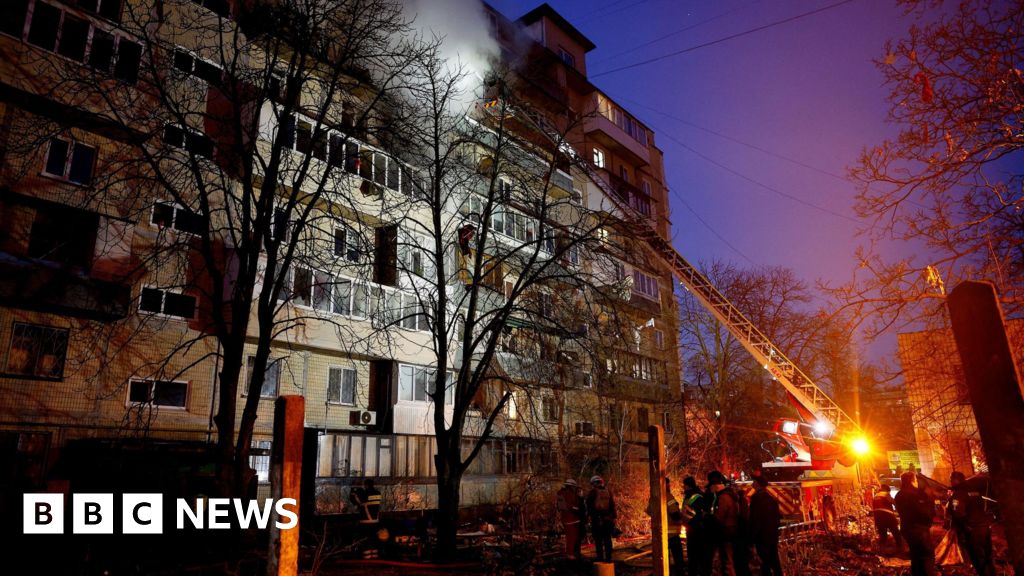
In a devastating escalation of the ongoing conflict in Ukraine, Kyiv has been battered by a wave of Russian drone and missile strikes, resulting in the deaths of three civilians and the injury of over 26 others. Kyiv’s mayor, Vitaliy Klitschko, described the attacks as “massive,” highlighting how residential neighborhoods, hospitals, and critical infrastructure have come under relentless assault. As explosions shook the city’s core, Kyiv’s energy infrastructure suffered severe damage, leaving parts of the city without heat—a bleak reminder of how war inflicts suffering beyond the battlefield. Emergency responders rescued dozens, including victims trapped beneath rubble, emphasizing the human toll of what Moscow claims are targeted military operations, but which Ukrainians see as deliberate acts of terror aimed at civilian populations.

While Russia asserts that its attacks aim to cripple Ukrainian military capabilities, Western analysts remain skeptical. The international community widely views this surge in airstrikes as a deliberate effort to destabilize Ukraine’s resilience—particularly by targeting energy networks that sustain civilian life and undermine morale. Ukrainian President Volodymyr Zelensky responded by demanding “no exceptions” to Western sanctions on Russian energy exports—an urgent call to weaken Russia’s economic backbone. This comes amidst a broader pattern of Moscow’s strategy: deploying drones and guided bombs to weaken Ukraine’s infrastructure, disrupt daily life, and garner pressure for negotiations on Moscow’s terms. Such tactics are reminiscent of a war of attrition where civilian suffering potentially serves as leverage, raising alarms about the broader geopolitical impact on regional stability.

The North Atlantic Treaty Organization (NATO), along with the United States, continues to monitor developments closely. NATO officials have condemned the recent strikes, emphasizing their support for Ukraine’s sovereignty and condemning Russia’s apparent escalation. The turning point came when the U.S., under President Donald Trump’s administration, initially imposed sanctions targeting Russian energy—yet, recent exemptions granted to Hungary reveal a nuanced and evolving geopolitical calculus. Analysts warn that Russia’s repeated targeting of energy infrastructure signifies an attempt to exhaust Ukraine’s civilian resilience and complicate Western efforts to sustain robust support. Additionally, Russia’s claims that these strikes are aimed at “military” targets are increasingly viewed as disingenuous, especially as civilians suffer the consequences.

Historically, conflicts of this nature have underscored a broader strategic contest—one where energy politics, alliances, and military might intersect with societal resilience. As the United Nations and international watchdogs issue warnings about escalating violence, the narrative is shifting toward a larger, more ominous story: a geopolitical chessboard where each strike and diplomatic move could have far-reaching consequences. The future of Ukraine, and indeed the stability of Europe, hangs in the balance, with each side trying to shape the narrative—while the echoes of destruction reverberate through history’s unfolding pages. As Kyiv’s skies burn and civilans endure, the world watches a relentless drama of power, endurance, and the high stakes of a war that threatens to redefine the global order—if not for today, then for generations to come.

Nike x Hyperice Hyperboot Hits $200 Off — Gear Up and Save big!

Disruption in Wellness Tech: Nike Collaborates with Hyperice on Game-Changing Recovery Wearables

The wellness industry is witnessing a significant leap forward with Nike’s latest partnership with Hyperice, resulting in the debut of the revolutionary Hyperboot. Unlike traditional recovery boots such as Hyperice’s Normatec series, the Hyperboot introduces a high-top, portable design that promises to disrupt post-exercise recovery routines and redefine athlete recovery paradigms. This innovation not only exemplifies the ongoing convergence of sports, health, and wearable technology but signals a broader market shift toward accessible, at-home recovery solutions that are both effective and convenient. As disruption accelerates in the digital health sector, industry analysts suggest that such devices could fundamentally alter how consumers approach mental and physical wellness.

The Hyperboot’s features underscore its disruptive potential. It offers three levels of adjustable compression and heat up to 125°F, adaptively syncing both boots to optimize treatment. Battery life extends to approximately 90 minutes per charge, making it well-suited for busy schedules—whether post-snowboarding or pre-workout warmups. Its IP54 rating ensures durability against dust and splashes—an essential feature for active users seeking rugged, on-the-go recovery gear. With affordability now down from $899 to just $699 during Hyperice’s Black Friday sales, the market is witnessing a clear push towards democratizing elite recovery tech, breaking free from expensive, clinical-grade devices. This opens doors for young athletes and everyday fitness enthusiasts to adopt professional-grade wellness solutions, positioning Nike and Hyperice as disruptors in the high-growth wearable health market.

The business implications of this collaboration are compelling. Nike’s global brand influence, combined with Hyperice’s innovative compression technology, signals a strategic move to mainstream recovery accessories that were previously confined to sports medicine clinics. The significant price reduction and inclusion of HSA/FSA eligibility indicates a deliberate effort to reach a broader market segment—potentially rapidly expanding the consumer base and challenging traditional recovery device manufacturers. Such disruption is reminiscent of Elon Musk’s approach with Tesla, where market shifts were driven by affordable, high-performance tech accessible to a mass audience. Industry giant Gartner predicts that wearable health devices will reach a market size of over $60 billion by 2025, and Nike’s entry with Hyperice’s hyper-advanced Hyperboot exemplifies how industry giants are positioning themselves at the forefront of this growth sector.

Looking forward, the fitness and health tech sphere is more primed than ever for transformation. The Hyperboot’s success may catalyze a wave of innovative, disruptive wellness devices that blend portability, affordability, and sophistication. As industry pioneers like MIT’s media lab and Peter Thiel-backed startups continue to push boundaries, competitors will be forced to innovate rapidly or risk obsolescence. The market is increasingly favoring products that empower users to take control of their recovery journey—anytime, anywhere—without sacrificing performance or functionality. As these trends accelerate, young consumers and ambitious athletes must stay alert; the future belongs to those who leverage cutting-edge technology for competitive and personal gains. To ignore this disruption is to fall behind in the rapidly evolving landscape of next-generation wellness innovation.

UK Jobless Rate Hits Four-Year High at 5%—What Young Brits Need to Know

As Britain faces a notable deterioration in its economic landscape, official figures reveal an unsettling rise in unemployment to 5.0%, the highest in four years. These statistics, published by the Office for National Statistics (ONS), demonstrate a shift from 4.8% in the previous quarter, with the actual number of unemployed reaching approximately 1.8 million. This surge echoes a broader pattern of economic stagnation and signals a crucial turning point in the UK’s post-pandemic recovery. Economists warn that these figures suggest a fragile jobs market, possibly exacerbated by recent tax hikes and inflationary pressures, which could ripple across international markets if not swiftly addressed.

The geopolitical impact of this economic slowdown extends beyond Britain’s borders. Analysts and historians emphasize that a weakened UK economy—struggling under burdens such as the £25bn increase in employer national insurance contributions—could undermine Britain’s influence on the global stage. With the Bank of England contemplating potential interest rate cuts, the situation signals a testing of Britain’s economic resilience and a possible recalibration of its monetary policy in response to domestic instability. Such developments could embolden competitors, especially in the European Union and United States, to assert greater influence, potentially shifting the balance of economic power in the Atlantic and beyond.

International institutions and financial analysts caution that Britain’s choices now could serve as a cautionary tale for emerging and developed nations alike. The collapse in employment figures—including a drop of 180,000 workers on company payrolls—underscores the peril of overreliance on policies that may stifle growth at a critical juncture. Comments from renowned economists suggest that if the UK government proceeds with raising taxes, as planned in the upcoming budget, the risk of further job losses could mount, especially within the vital retail, hospitality, and leisure sectors. This scenario may produce a domino effect, constraining consumer spending and destabilizing international markets that are already under pressure from inflation and geopolitical tensions.

In the broader spectrum of global geopolitics, Britain’s economic struggles highlight a recurring theme: that internal policy decisions, such as tax increases and monetary tightening, can have profound backlashes beyond borders. The political class faces mounting pressure to balance fiscal responsibility against economic vitality. As Britain grapples with its internal challenges, the global community watches keenly, mindful that such domestic vulnerabilities could weaken alliances, alter trade routes, and influence diplomatic relations. Historians warn that neglecting these signs of economic distress risks ushering in a chapter of instability, where national fortunes are dictated not merely by strategic prowess, but also by the resilience of societies to withstand the weight of their own decisions.

With the echoes of history reverberating through the corridors of power, the unfolding story of Britain’s economic decline remains a powerful symbol of how fragile prosperity can be—easily undone when leadership falters in the face of complex challenges. The coming months may determine whether Britain can navigate these turbulent waters or join a broader trend of decline, as history’s relentless tide of change continues to surge forward, leaving behind a record of choices made and futures shaped in a fleeting moment of time.

Social Media Auto Publish Powered By : XYZScripts.com