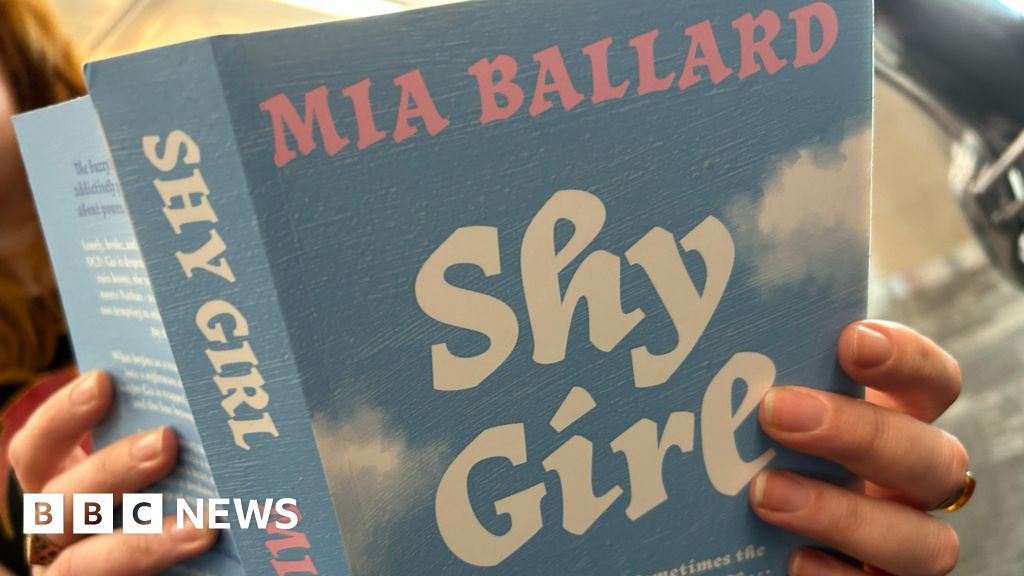

Historical Controversy Erupts as Author Denies AI Involvement in Horror Tale
In a startling turn of events that echoes the ongoing debate over technological influence in cultural production, author Mia Ballard has publicly denied allegations that she employed artificial intelligence tools to craft her recent horror story, Shy Girl. The controversy unfolds amidst growing concerns about the rise of AI-generated content and its implications for authorship, originality, and artistic integrity across the global literary landscape. While Ballard maintains her traditional writing process, critics and industry insiders are debating the broader impacts of AI in creative sectors, with international organizations weighing in on the cultural and economic stakes involved.
The incident underscores a vital geopolitical impact—the ongoing struggle to regulate and control emerging technologies that threaten to redefine human labor and creative sovereignty. In particular, countries and institutions that have invested heavily in AI development face mounting pressures to establish standards that balance innovation with authenticity. According to reports from the United Nations Educational, Scientific and Cultural Organization (UNESCO), the potential for AI to disrupt cultural industries is immense, posing risks to traditional notions of intellectual property and the role of human creativity in storytelling. As major powers like the United States and China continue to lead global AI research, smaller nations are watching carefully, trying to navigate the delicate border between fostering innovation and safeguarding cultural identity.
The dispute over Mia Ballard’s work has become more than a question of personal integrity; it has become a symbolic battleground over the legitimacy of AI in the arts. Numerous independent analysts and historians have weighed in, asserting that such allegations exemplify the heightened tensions surrounding technological authenticity. “This case could serve as a pivotal moment,” explains Dr. Laura Chen, a technology historian at the International Institute of Creative Economy. “The legitimacy of human authorship is now being challenged at the highest levels, reflecting broader fears about automation’s encroachment into traditional industries, including literature and the arts.” As these debates unfold, policymakers are increasingly being urged to draft international treaties aimed at establishing clear boundaries between human and machine-generated content—boundaries that could determine the very future of cultural production and expression.
The decisions made in the coming months will resonate far beyond individual authors or publishers. They will influence the international cultural landscape and shape the societal understanding of authenticity in an age increasingly driven by algorithms. The lingering questions about who holds creative agency—and whether machine-generated content can ever truly rival human ingenuity—are at the heart of a seismic shift under way. Observers warn that failure to address these issues could lead to a troubling landscape where artistic integrity is commodified, and the “soul” of storytelling is lost amid the cold logic of machine code. As history continues to unfold, all eyes remain fixed on the unfolding saga that will determine whether humanity’s creative spirit can resist being subsumed by relentless technological encroachment, or whether we stand on the brink of a new era—one where the line between human and AI becomes irreversibly blurred.