Matox News

Truth Over Trends, always!

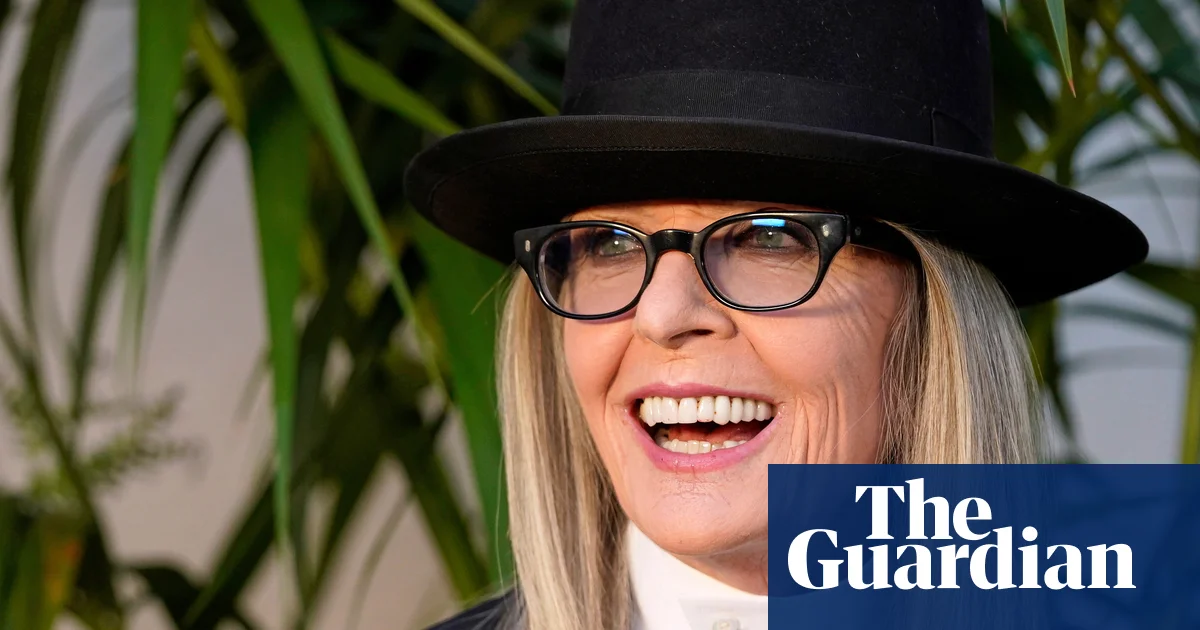
Diane Keaton’s iconic Ralph Lauren wardrobe and Annie Hall script up for grabs in upcoming auction—grab a piece of Hollywood style history!

In the world of entertainment and high culture, few figures symbolize timeless style, artistic versatility, and social influence quite like Diane Keaton. Nearly six months after her passing in October 2025, her legacy continues to ripple through not only Hollywood but also popular lifestyle trends that resonate deeply with the younger generation. With four upcoming auctions in New York and Los Angeles, fans and collectors have an unprecedented chance to own a piece of her personal universe—from Ralph Lauren couture outfits to original scripts of her iconic film Annie Hall. These sales underscore how Keaton’s multifaceted persona as an actress, artist, and style icon remains a potent cultural force.

The cultural impact of Keaton extends beyond her prolific filmography, which includes classics like The Godfather, Reds, and numerous collaborations with Woody Allen. Today, her influence is exemplified through trends in fashion and interior design that embody her distinctive aesthetic—an effortless mix of sophistication, independence, and *quirkiness*. The auction collection, curated by Bonhams as “The Architecture of an Icon”, features not just clothes and art but also her personal objects and creative touchstones. This reveals how her style was not merely superficial but an extension of her creative intuition—a trait praised by her sister Dorrie Hall— that guided her across decades of artistic exploration. For a generation obsessed with authenticity and individualism, Keaton’s life offers a blueprint for embracing one’s unique identity amid societal expectations.

Moreover, her influence is increasingly surfacing in social movements aimed at authentic self-expression. Trends like vintage reselling, upcycling fashion, and personalized home decor echo her eclectic, lived-in approach to style. Influencers and sociologists alike are highlighting how Keaton’s fearless reinvention—whether flipping houses or crafting collages—embodies a broader societal shift: the quest for meaningful, personalized lifestyles over mass-produced homogeny. Her engagement with interior design and fashion shows how cultural icons shape social behaviors, inspiring youth to embrace *artistic experimentation* and to see beauty in imperfection. As her memorabilia fetches premium prices, a compelling question arises: Are we entering an era where the emotional connection to a celebrity’s personal artifacts is transforming consumption into a form of cultural activism?

Today, Keaton’s enduring legacy invites a profound reflection on the future of celebrity influence. The next big question is whether this trend of celebrating personal artifacts and creative authenticity will extend beyond Hollywood icons into broader cultural spheres. Will our generation redefine what it means to be a *cultural leader*, focusing less on superficial fame and more on the *authenticity of lived experience*? With her auction house sales and ongoing influence, Keaton has already demonstrated that aesthetics and social relevance are intertwined. As we navigate an increasingly complex digital landscape, her life prompts us to ask: *In what ways will future icons challenge us to see beyond fame, blending artistry with social consciousness to shape a new cultural paradigm?*

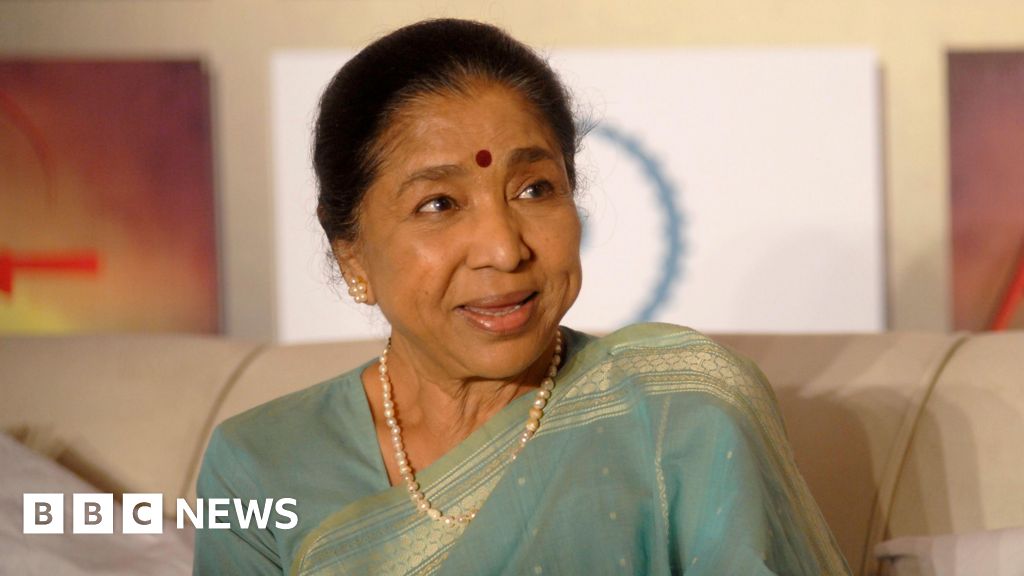
Honoring the Legend: Reverence Grows for Iconic Indian Singer Asha Bhosle Among the Youth

In an era often characterized by rapid technological shifts and transient trends, the enduring significance of culture remains a vital cornerstone of societal identity. The recent passing of a venerable singer at the age of 92, whose life’s work spanned nearly a century, underscores this truth. Her forthcoming cremation with full state honours symbolizes a collective acknowledgment that true cultural icons transcend personal achievement to become harbingers of tradition and moral compass for generations. As the nation prepares to honour her memory, we are reminded that artificial innovation can never replace the profound power of artistic
moral resonance rooted in shared history and cultural continuity.

The role of the artist extends well beyond individual expression; they serve as custodians of a civilization’s mythos. Philosophers like Ortega y Gasset have emphasized that culture embodies the vital spirit of a nation, shaping not only public sentiment but anchoring the identity of its people. The singer’s oeuvre, a testament to the virtues, struggles, and aspirations of her era, becomes part of a collective cultural memory. Her death, mark­ing the end of an era, also illuminates the pathways through which cultural heritage continues to function as a moral compass—guiding societal values and inspiring future generations to forge their own legacies with similar gravitas.

History offers us ample parallelsthe cultural shifts from the Renaissance to the Enlightenment, or the tumult of the 20th century. Folk traditions, classical artistry, and revolutionary movements all bear witness to the enduring importance of maintaining the carrying capacity of cultural memory. Tocqueville’s observations on American democracy highlight this phenomenon: a society’s strength lies in its shared cultural reservoirs, which nurture patriotism and social cohesion. The image of a revered artist, received with state honours, embodies this legacy—an affirmation that culture is both a reflection of who we are and a prophecy of who we may become.

Drawing upon revered voices like Chesterton, who posited that “tradition means giving a vote to the most obscure of all classes, our ancestors,” reminds us that the preservation of cultural memory is an act of reverence. It is through this reverence that societies preserve their roots and resist the erosive forces of triviality and forgetfulness. As critics and historians remind us, the true purpose of culture is not merely entertainment but the cultivation of a moral landscape that sustains the individual and collective soul. The quiet dignity of the singer’s passing—her body honored by state ceremony—serves as a poignant symbol: a reminder that the enduring language of art continues to speak across ages, invoking a sense of unity that ties the present to an ongoing spiritual tradition.

In the silent spaces between memory and prophecy, culture stands as both witness and visionary, whispering of human potential and the divine in everyday life. As T.S. Eliot contemplated, the task of the poet—much like the artist—is to chart a “dislocation” and a “restoration”, to grapple with the fragmented world and reveal a glimpse of wholeness. The legacy of such cultural icons tells us that—despite the transient nature of individual lives—art remains eternal, a safeguard of truth and beauty. The artist’s departure urges us to treasure this communion, knowing that culture is not merely memory but also the prophetic voice beckoning us toward a future yet unwritten, where humanity’s highest virtues are forever inscribed into the communal spirit—an enduring ordination of the soul.

Iconic Renoir, Cézanne, and Matisse artworks stolen in daring Italian heist

The recent international landscape continues to evolve with a series of pivotal shifts that threaten to redefine alliances, influence global stability, and challenge longstanding narratives. As nations grapple with economic uncertainties, territorial disputes, and ideological clashes, the importance of understanding these developments cannot be overstated. Global institutions such as the United Nations have repeatedly called for diplomatic resolution, but the persistence of conflicts in regions like Eastern Europe and the Middle East underscores the fragile state of international peace.

Historians and geopolitical analysts warn that these crises are not isolated incidents, but symptomatic of broader systemic issues rooted in the failure of effective diplomacy and the resurgence of strategic competition. For instance, Russia’s recent actions in Ukraine and the resultant responses from NATO demonstrate a clear divergence of interests that threaten to escalate into a larger conflict. Meanwhile, China’s assertiveness in the South China Sea and its pursuit of technological dominance signal a new era of rivalry that challenges the previous American-led global order. International organizations such as the International Crisis Group emphasize that the decisions made today will shape the trajectory of the 21st century, urging nations to prioritize stability over short-term gains.

One cannot disregard how these decisions affect societies on the ground. The ripple effect of escalating tensions influences global markets, migration flows, and regional security architectures. In Europe, the debate over energy security and the political polarization within member states reveal deep divisions that threaten unity. Additionally, rising nationalism and populist movements, fueled by economic hardships and perceived threats to sovereignty, are reshaping the political landscape. These societal shifts serve as a warning that the interplay of power and ideology could either foster greater cooperation or plunge the world into further chaos. Internationally, the balance of power now hinges on evolving alliances and the capacity of nations to navigate a multi-polar world.

The significance of these events is captured poignantly by scholars like Friedrich Hayek and analysts who underline that the stability of the current order depends on the prudent management of emerging challenges. Yet, as history demonstrates, disruptions often come unexpectedly, and conflicts can spiral beyond control. As the global community watches with bated breath, history continues to unfold at a relentless pace, rewriting the narrative of national destinies. In this critical juncture, the weight of the future rests on the choices made today, as the shadows of past conflicts loom large and the possibility of unforeseeable consequences remains ever-present.

Matthieu Blazy’s Iconic Chanel Look Is About to Take Over the Streets

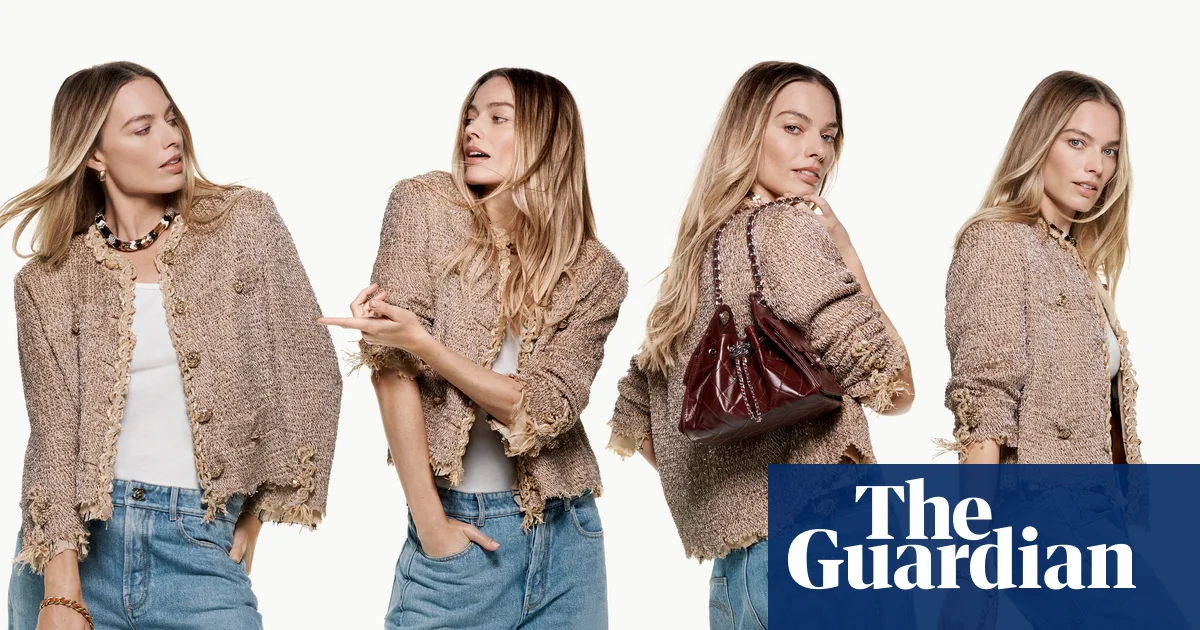
In a moment where economic uncertainty has reshaped consumer priorities, the fashion industry is witnessing a compelling shift in societal perception of luxury. Chanel, long associated with exclusivity and haute couture, is now making a strategic move to redefine what luxury means in the digital age. Thanks to the visionary work of Matthieu Blazy, the brand has launched a campaign that seamlessly blends nostalgia, accessibility, and cultural relevance. The viral success of the campaign—featuring Margot Robbie channeling Kylie Minogue’s 2002 music video—epitomizes this new philosophy: luxury as an aspirational yet attainable lifestyle.

Blazy’s approach is brilliantly rooted in social relevance. His campaign pays homage to a nostalgic era—early 2000s Y2K fashion fused with the timeless code of Coco Chanel—while making it accessible through high-street reproductions. Major brands like Zara, H&M, and Mango have quickly jumped on this wave, offering capsule collections and inspired pieces that echo the campaign’s aesthetic. M&S has introduced bouclé-inspired jackets with gold buttons for just £55, translating luxury into a price range that resonates with the everyday consumer. Meanwhile, denim from Uniqlo and H&M’s washed blue jeans demonstrate how fashion’s new mantra is “wearability over elitism”. This democratization of style highlights that luxury is no longer reserved for an exclusive few but embedded in the day-to-day wardrobe of young consumers.

Influencers and fashion analysts suggest this trend carries huge cultural and social significance. Ella Baynes of Savvy Marketing points out that, amid a cost of living crisis, aspirational yet achievable fashion becomes a powerful tool to maintain brand relevance. Julia Hobbs, from British Vogue, describes a Chanel jacket paired with jeans as “fashion’s version of the perfect pop song,” signaling a shift where high-end designers seek to evoke joy rather than just allure. This approach aligns with a wider societal trend of embracing *ownable* luxury—where pieces can be mixed and matched to reflect one’s personal narrative—making high fashion more inclusive and lifestyle-oriented.

Yet, this cultural shift invites the question: as luxury brands become more accessible through affordable interpretations and social media buzz, what does this mean for the future of exclusivity? Is the aspiration for rarity fading, or is this simply a strategic evolution to stay relevant in a rapidly changing cultural landscape? As the next chapter unfolds, we should be asking not only how these trends will reshape consumer behavior but also whether the concept of “luxury” itself is undergoing a fundamental redefinition—one that questions the very notion of societal hierarchy rooted in exclusivity and wealth.

Celebrity Spotlight: The Iconic Figures Shaping the JFK Jr. Legend—A Youthful Take on a Timeless Love Story

In the midst of a new era dominated by rapid social change and redefined notions of legacy, television continues to serve as a mirror and mold of society’s evolving values. The recently premiered FX series Love Story: John F. Kennedy Jr. & Carolyn Bessette stands out not just as a dramatized recounting of iconic 90s figures but as a definitive cultural artifact that underscores a fascinating shift in societal narratives. This series deftly intertwines celebrity, fashion, and societal expectations, bringing a nostalgic yet critical lens to the glamour and intricacies of the early ’90s—an era often romanticized for its rebellious spirit but also scrutinized for its social hierarchies.

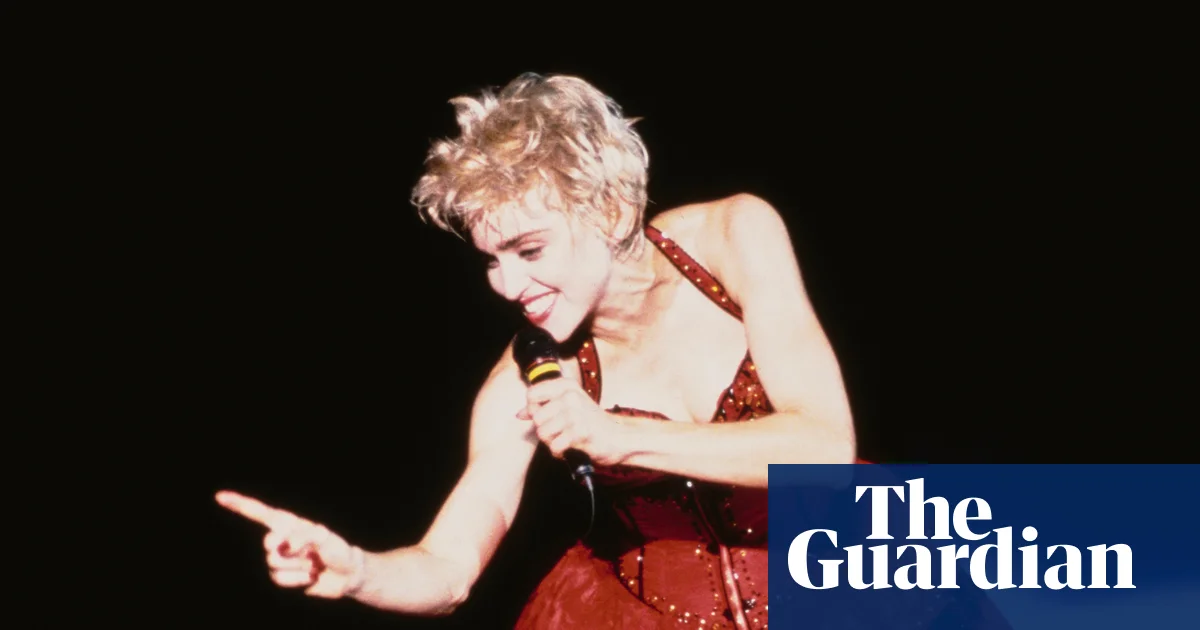
Remarkably, the series has captured the imagination of a youth demographic increasingly obsessed with nostalgia and the trauma of social media fame. Influencers and analysts have pointed out that it’s not just a biopic; it’s a reflection of a societal obsession with legacy and celebrity culture. Through characters like Calvin Klein and Kate Moss, the series spotlights how fashion and fame interacted to create the archetype of modern celebrity: a blend of style, scandal, and societal influence. Walking the tightrope between admiration and critique, the show’s depiction of figures like Mark Wahlberg and Madonna reveals how societal shifts have affected the public’s perception of morality and success. These stories reveal how societal values are *perpetually in flux*, with youth in particular questioning what it means to truly be authentic amidst a backdrop of hyper-glamorous illusions.

The cultural impact of this series extends beyond mere entertainment; it rekindles debates about how social identities and societal perceptions are constructed through Hollywood, fashion, and politics. Scholars like Dr. Lisa Miller suggest that these portrayals serve as a lens into the *shifting social norms*—especially how gender roles and power dynamics are portrayed and challenged through the personal stories of these high-profile figures. The narrative’s focus on Carolyn Bessette’s rise amidst Hollywood’s superficial allure hints at a deeper desire among today’s youth for authenticity in a social climate often dominated by curated images and fleeting viral moments. Meanwhile, the recurring references to iconic celebrities like Michael Bergin and Kate Moss present a layered illustration of how the fashion industry’s influence on personal identity has escalated in the digital age, intensifying the societal obsession with appearance and influence.

Interestingly, the series also sets the stage for one of the most compelling questions of today’s social media-driven world: *Are we witnessing the end of traditional celebrity?* As younger audiences increasingly seek genuine connections over curated personas, the enduring legacy of these 90s icons prompts us to ask—*what does fame really mean in an age where anyone with a smartphone can be a star?* With influencers emerging as the new cultural icons and platforms amplifying authentic voices, the next big question is whether society is headed toward a renaissance of genuine, unfiltered fame or if we are merely reshaping our obsession with superficial glamour into a new digital spectacle. As the lines between reality and social media blur, the true challenge will be understanding if the future of fame will be rooted in raw authenticity or further entrenched in curated illusions.

Iconic US Architect Passes Away at 96: A Legacy of Innovation

The World Loses a Legend: Frank Gehry’s Passing Signals a Turning Point in Cultural and Geopolitical Reflection

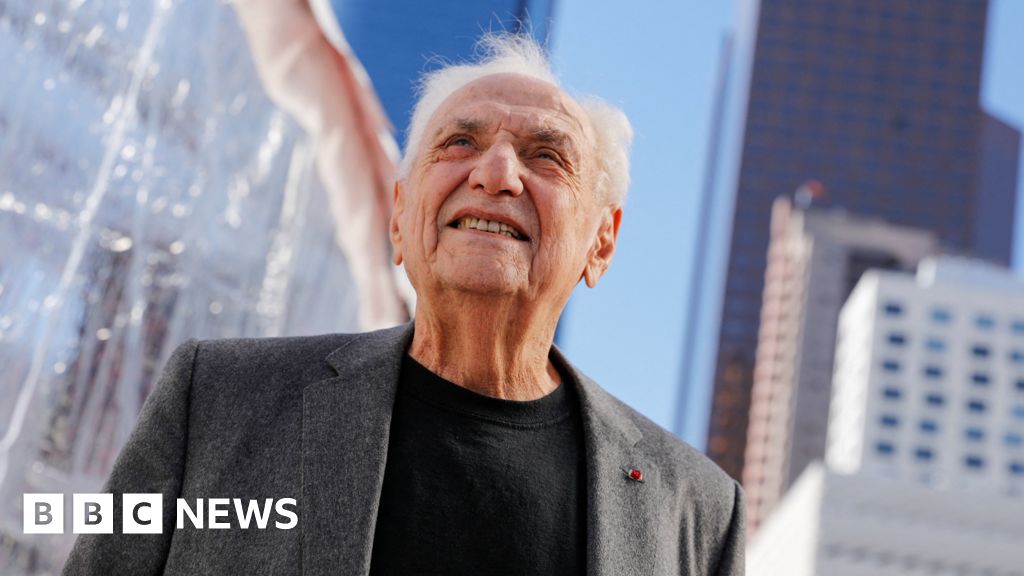
In a moment that echoes through the corridors of modern architecture and cultural history, Frank Gehry, the pioneering force behind some of the most avant-garde structures of our time, has passed away at the age of 96. Widely regarded as a cerebral rebel of design, Gehry’s work challenged conventional norms, pushing the boundaries of form and materials in ways that inspired a new generation of architects. His death has prompted both a reflection on his revolutionary impact and a broader contemplation of how individual legacies shape the cultural identity of nations. As analysts and historians analyze his career, it is clear that Gehry’s influence extends far beyond aesthetics, forming part of a complex geopolitical tapestry intertwined with the cities and societies he transformed.

Gehry’s signature style—marked by its deconstructivist approach—shattered symmetry, embracing unconventional geometric forms and unfinished materials. The Museum of Bilbao, with its iconic titanium-clad curves, not only redefined the city’s skyline but set a new standard for urban regeneration and cultural diplomacy. When Bernard Arnault stated that Gehry “bestowed upon Paris his greatest masterpiece,” it underscored how Gehry’s work served as a soft power tool for nations seeking to elevate their global stature through architectural innovation. Gehry’s structures, ranging from Chicago’s Jay Pritzker Pavilion to the Louis Vuitton Foundation in Paris, are symbols of national pride and cultural vitality. International organizations like the UNESCO have long lauded such landmarks for their role in fostering economic development, tourism, and soft diplomatic ties. Gehry’s death not only diminishes an individual artist but underscores the fragility of cultural capital in a world increasingly driven by geopolitical rivalries and economic interests.

  • The recognition by the Pritzker Prize in 1989, often called the Nobel of architecture, cemented Gehry’s status as a visionary who challenged traditional aesthetics.
  • His receipt of the Order of Canada in 2002 and the Presidential Medal of Freedom in 2016 signified his influence transcending borders, embodying a global recognition of his innovative genius.
  • Contemporary analysts argue that Gehry’s revolutionary approach reflects broader societal shifts toward embracing diversity in thought and form, a trend that aligns with the strategic ambitions of both democratic and authoritarian regimes seeking to foster national pride.

Similarly, Gehry’s career trajectory—begun in post-war Toronto and carried into the digital age—mirrored the rise of globalization and cultural exchange. His defiance of traditional architectural principles was a metaphor for a world unsettled by conflicting interests, shifting alliances, and the quest for identity in an era of rapid change. The lessons from Gehry’s work emphasize that architecture and public spaces are more than aesthetic statements—they are battlegrounds for soft power and national narrative. International organizations are increasingly emphasizing the importance of cultural diplomacy, understanding that design and symbolism matter in the geopolitics of elites and everyday citizens alike.

As the sands of history continue shifting, Gehry’s death leaves behind a moment of reflection—how will nations continue to shape their identities? Will they prioritize innovative cultural monuments or fall into the trap of sameness and stagnation? These questions echo in the minds of policymakers, artists, and global citizens alike. In a world teetering on the brink of new alliances and confrontations, Gehry’s legacy reminds us that architecture is not just about structures but about the stories societies choose to tell. His passing leaves a void, yet it also ignites a renewed urgency—a reminder that in the grand narrative of history, the architects of our future are still writing their stories, one bold design at a time, as the weight of history’s unfolding chapters presses on.”

Unveiling the Hidden Vibes of Turkey’s Iconic Cool Capital

Discovering Izmir: A City of Ancient Roots and Modern Resilience

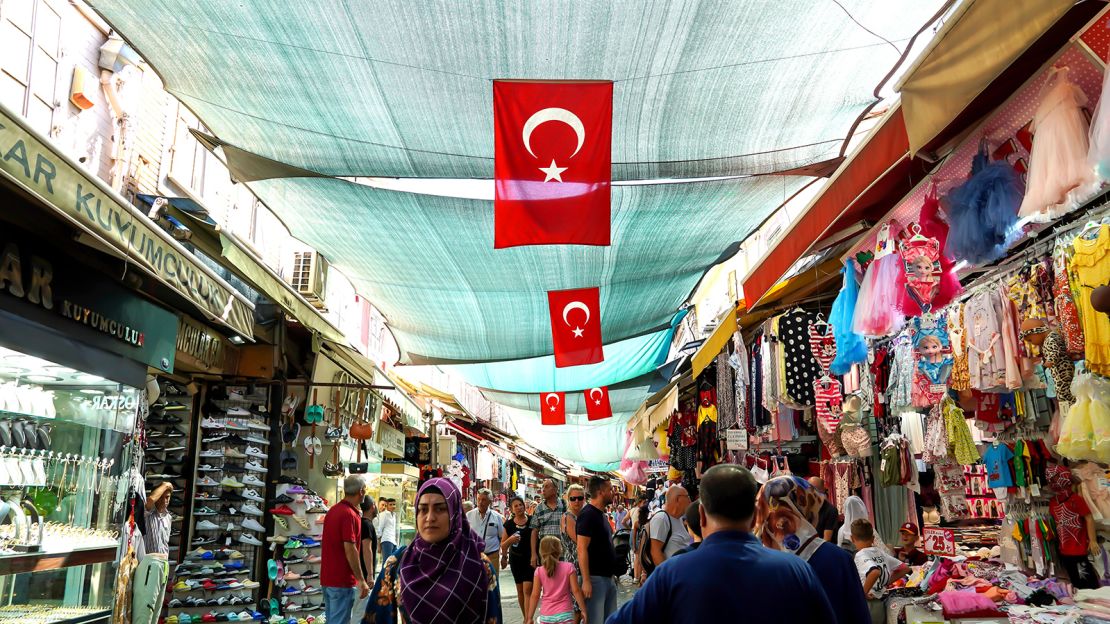
In the heart of the Levant, Izmir stands as a testament to centuries of cultural confluence and historical resilience. Once Turkey’s most cosmopolitan city, it was renowned over a century ago for its sophistication, with streets bustling with families from Greek, Armenian, Turkish, and Levantine backgrounds. The era of Parisian fashions, imported Munich beers, and elite schools marking the city’s golden age was abruptly halted in 1922 by devastating fires and political upheavals—yet Izmir’s spirit has refused to fade. Today, this ancient port city embraces a *vibrant blend* of history and modern lifestyle, inviting young explorers to discover its layered legacy while forging their own stories of inspiration.

Walking through Izmir today, the historical imprint is undeniable. The Kemeralti Bazaar, a labyrinth of covered streets and han inns, remains the pulsating heart of the city’s commerce and culture. Its architectures whisper tales of the Silk Road, once making Smyrna Quay the hub for merchants exchanging silk, spices, and exotic goods. Travel buffs and history enthusiasts should heed these echoes of the past, where traditional Turkish coffee still brews over hot coals in Kahveciler Sokağı, and relics like the copper bazaar tell stories of bygone eras. Beyond the bazaar, visitors can explore the Clock Tower in Konak Square, an Ottoman-era masterpiece influenced by North African and Andalusian styles. Its ornate architecture not only provides a scenic backdrop for social media but also embodies the city’s eclectic character—a comforting reminder that beauty often lies in the convergence of diverse influences.

Yet, Izmir is more than a city frozen in time; it is a narrative of revival and entrepreneurial vigor. The reclaimed waterfront along Smyrna Quay, now known as the Kordon promenade, serves as an open-air playground for young people and tourists alike. The promenade invites activities from jogging at dawn to biking amid sunset hues, fostering a wellness culture that values well-being over the mundane. Cultural landmarks like the Adal Sultan Clock Tower symbolize resilience, constructed in 1901 with influences spanning multiple continents, echoing the city’s history of multicultural exchange. Moreover, Izmir’s music scene flourishes through figures like Darío Moreno, a singer whose legendary recordings such as *“Ya Mustafa”* continue to inspire generations. Such stories underscore how personal passions—be it music, art, or street food—fuel the city’s modern heartbeat, making it an ideal destination for the youth seeking an authentic encounter with history while forging new paths toward health and happiness.

  • Explore local cafes serving Ottoman-style coffee over traditional copper cezves.
  • Take a day trip to Ephesus, where Roman streets and mosaics tell stories of Mediterranean trade and civilization.
  • Walk or cycle along the Gulf of Izmir, soaking in views that blend natural beauty with urban revival.
  • Visit hidden gems like Havra Sokak, where ancient synagogues stand as silent witnesses to centuries of multicultural coexistence.

Ultimately, Izmir exemplifies how a city can honor its storied past while embracing a future filled with vitality and youthful energy. Its resilience, driven by centuries of multicultural exchange, reminds us that even amid chaos, there is always an opportunity to rebuild and redefine one’s identity. For the young explorer, entrepreneur, or wellness seeker, Izmir offers a metaphorical journey—a personal odyssey through history, innovation, and lifestyle. As you stand on its shores or wander its ancient streets, you realize that lifestyle itself is an evolution—a continuous act of reclaiming, rediscovering, and celebrating the spirit of resilience. In this city of the phoenix, every moment becomes an invitation to craft your own narrative of strength and inspiration, one step at a time.

Which iconic franchise will Trump revive next? After reintroducing Rush Hour, the next move in action and adventure films for a new era

In the contemporary landscape, the seat of cultural authority—once occupied by visionaries, playwrights, and philosophers—appears increasingly to be wrested by figures whose influence extends into the very fabric of society’s entertainment and perception. The recent obsession of Donald Trump with controlling and dictating cultural narratives, from his overt meddling in the media to his audacious interference in Hollywood productions, reveals a broader, unsettling truth: culture is no longer merely the reflection of a society’s values but a tool for asserting dominance over its collective consciousness. This phenomenon harkens back to the age-old question of cultural sovereignty—who shapes the stories we tell ourselves about ourselves?—a question that has profound implications for our identity, traditions, and societal cohesion.

Trump’s explicit desire to influence film production—demanding sequels to Rush Hour and Bloodsport—may seem trivial on the surface, but it signifies a deeper cultural fever. As Ortega y Gasset observed, “Man is himself a cultural product, and his destiny is entwined with the stories he believes are true.” When a leader interferes in the artistic domain, he effectively attempts to rewrite that story, shaping a version of reality where popular culture becomes a vessel for political affirmation. His favoritism for cinéma that panders with simplistic violence and juvenile humor—films that lack profundity but promise comfort—reveals a preference for entertainment that reinforces superficial notions of strength and toughness, traits historically associated with national pride and resilience. Such cultural choices matter because, as Tocqueville pointed out, democratic societies risk losing their sense of tradition and purpose when their cultural narratives are reduced to franchises and spectacle rather than shared values and history.

  • Highlights of this cultural shift include:
  • The waning influence of classical storytelling in favor of blockbuster spectacle
  • The erosion of societal cohesion through the trivialization of art and history
  • The resurgence—and in some cases, the distortion—of traditional heroism in popular media

Indeed, as Chesterton famously defended, “a tradition may be defined as an extension of the memory of a people.” When leaders and media moguls distort or trivialize this memory, they risk creating a cultural landscape that is chaotic and unmoored. The philosopher T.S. Eliot once argued that our cultural renewal depends on reconnecting with our roots—our narratives of triumph, tragedy, and moral resolve. In this context, the spectacle of a president advocating for a second or third installment of Shanghai Noon or Bloodsport is emblematic not merely of bad taste, but of a cultural decay where the highest ideals of society are replaced by noise, noise that masquerades as entertainment. It is a reminder that true cultural authority requires the stewardship of tradition, not the whims of a populist’s fleeting fancy.

In the end, culture remains both the memory and the prophecy of humanity—an intricate weave of remembrance and hope, of the stories that sustain us and the visions that propel us forward. Our task is to recognize that the stories we tell define us; that in preserving our cultural memory, we forge the moral compass that guides us through uncertainty. Because, in the silent poetry of history and art, there echoes a truth as old as time: we are what we remember, and in what we cherish, we shape what we shall become.

Australian innovator, 26, crafts iconic Lady Gaga costumes, blending engineering brilliance with trendsetting style

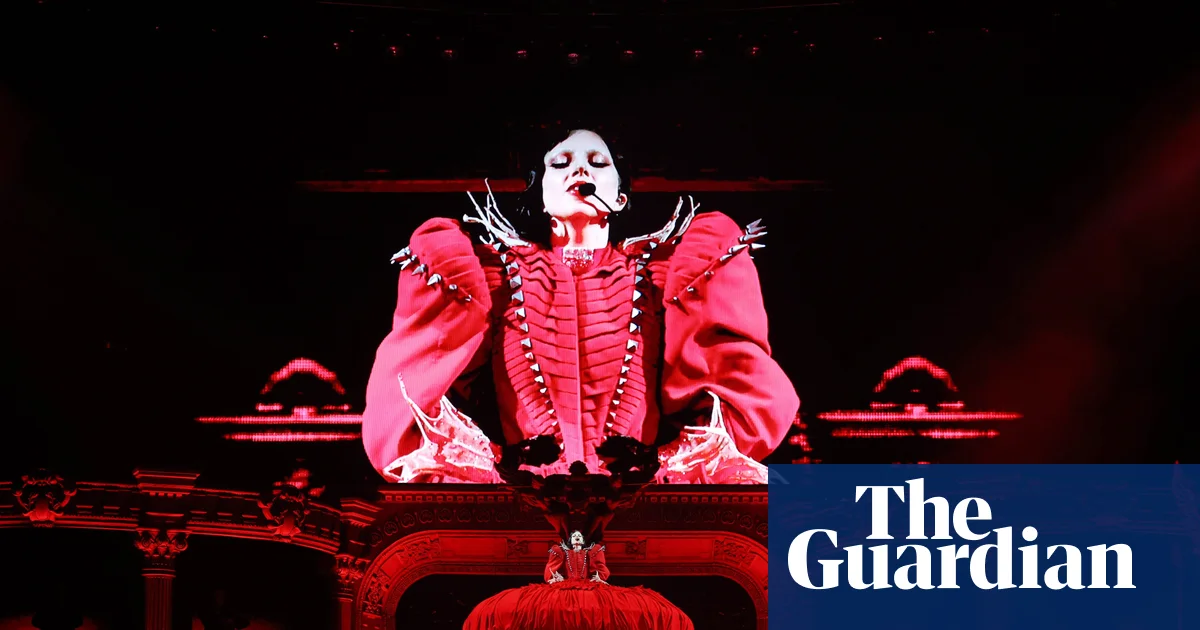
In a world where fashion continues to evolve as a potent form of social expression and cultural commentary, a new vanguard of designers is breaking the mold of traditional haute couture. Enter Samuel Lewis, a Melbourne-based visionary whose work blurs the lines between art, performance, and technological innovation. His recent collaborations with Lady Gaga exemplify how contemporary style now functions as a canvas for societal narratives, pulling viewers into a vortex of spectacle and meaning. Whether it’s a stage costume fashioned to resemble moving art or a dress inspired by decayed fabrics hinting at societal fragility, Lewis’s creations speak to a cultural shift toward embracing the expressive power of the extraordinary.

What makes this trend particularly compelling for impressionable youth is its cultural impact—it’s not just about designing visually stunning outfits but about challenging perceptions of beauty, identity, and social norms. Inspired by icons like Debbie Harry and the rebellious euphoria of rock and grunge eras, Lewis’s work embodies a renewed fascination with the imperfection, decay, and chaos that characterize our era. His aesthetic, heavily influenced by 70s rebel culture and 80s goths, employs intricate constructions—dresses within dresses, formidable corsetry—that are as much a statement of resilience as they are a fashion choice. Influencers, sociologists, and fashion critics such as Cameron Silver argue that these bold choices serve to democratize fashion’s social relevance, transforming celebrities into living artworks that challenge the boundaries of conventional style.

Designed to withstand the physical demands of stage performances and photo shoots, Lewis’s pieces symbolize how online visibility and social media have democratized access to high-end creative work. From the Philippines to South Korea, his rising international profile underscores how the internet has become a launching pad for local talent to reach global audiences. Brands and consumers alike are leaning into this digital revolution, seeking authentic, boundary-pushing styles that speak to the youthful psyche—styles that say, “This is who I am, and I’m not afraid to show it.” As influencers like Julia Fox and girl group Blackpink demonstrate, the avant-garde now sets trends in everyday life, shaping social attitudes and collective identity through their daring fashion statements.

Looking ahead, the next question on everyone’s mind is whether this relentless pursuit of the extraordinary will still serve traditional ideas of beauty or radically redefine societal standards. As Lewis prepares to launch his debut collection—an eclectic mix of made-to-order and ready-to-wear pieces inspired by the idea of “finding magic in everything without caring what it is”—the challenge remains profound: can fashion continue to be a cultural catalyst for societal conversations without sacrificing the accessibility that makes it relevant to youth? With celebrities and performers at the forefront of this movement, the real story might just be: Are we witnessing the birth of a new societal language through fashion—one that is less about superficial appearance and more about embodying a collective identity that’s as complex and layered as the art it produces? That remains the ultimate question for the future to answer.

German acting legend Udo Kier, iconic star from indie to blockbuster, passes at 81

As the world stands at a pivotal juncture, it is vital to recognize how history’s chessboard continues to shift beneath our feet. Recent events serve as stark reminders that international decisions—ranging from military interventions to economic treaties—carry consequences that ripple through societies and shape the geopolitical landscape. The actions of major powers today echo the lessons of the past, emphasizing that the true cost of inaction or miscalculation can be measured not just in diplomatic terms, but in the loss of human lives and enduring societal upheaval. Organizations like the United Nations have long proclaimed the importance of diplomacy, yet their efficacy remains questioned amidst ongoing global destabilization, revealing a stark disconnect between rhetoric and reality.

The struggle over influence and sovereignty continues unabated, with recent conflicts exposing how fragile peace truly is. From the resurgence of regional conflicts to the contentious negotiations over trade and security agreements, the dynamic underscores that every alliance, every ceasefire, and every policy shift is a double-edged sword. Historians and analysts warn that such decisions often serve as turning points—defining nations’ futures. For instance, some argue that the breakdown of longstanding treaties accelerates the descent into chaos, echoing the diplomatic failures leading to the Second World War. In today’s interconnected world, any misstep has immediate consequences—affecting global markets, fueling refugee crises, and threatening democratic stability. Governments must internalize the lessons of history, understanding that the decisions made in the corridors of power today are often the catalysts for tomorrow’s widespread unrest.

Within this complex matrix, international institutions are called to task for their role—or lack thereof. Many see organizations like the European Union and NATO as crucial stabilizing forces; however, their effectiveness is often undermined by internal disagreements and external pressures. Meanwhile, emerging powers are recalibrating their strategies, challenging the existing international order. How nations navigate these choppy waters will determine whether the future is marked by cooperation or conflict. Experts caution that the mounting geopolitical tensions could result in a new global era characterized by power struggles reminiscent of Cold War rivalries. Yet, beyond the strategic calculations are the societal devastations—homes destroyed, communities shattered, and lives unalterably changed. The weight of history insists that these choices are not made in a vacuum but are woven into the fabric of human destiny, compelling nations to face the enduring truth that peace remains the most fragile of illusions.

As the pages of history continue to turn, the world watches with bated breath. The delicate balance of power teeters on the brink, and the looming shadow of unresolved conflicts reminds humanity of its ongoing voyage through tumult and hope. The decisions taken today will echo through generations, etching new chapters in the annals of history. Will future scholars look back and see a world that learned from its past, or one doomed to repeat its worst mistakes? The answer lies in the choices made now—choices that will determine whether the dawn of a new era will be heralded by renewed cooperation or overshadowed by an inescapable descent into chaos. The unfolding story of geopolitics is far from over; it remains an indelible imprint on the canvas of human history, awaiting the final strokes of those in power who shape our destiny.

Social Media Auto Publish Powered By : XYZScripts.com