Matox News

Truth Over Trends, always!

Dare to camp out at the iconic ‘Ghostbusters’ firehouse this Halloween—are you tough enough?

In a world increasingly driven by immersive experiences and nostalgic adventures, the collaboration between Sony and Vacasa epitomizes a trend where entertainment meets lifestyle in unprecedented ways. Recently, in Portland, Oregon, a unique opportunity has emerged for enthusiasts and thrill-seekers alike: a chance to spend three extraordinary nights inside a recreation of the iconic Ghostbusters Firehouse—a structure straight out of the 1984 film that captured the imagination of generations. While famously set in New York City, this meticulously recreated firehouse transports visitors into the heart of ghostbusting action right in the Pacific Northwest, blurring the lines between blockbuster fantasy and tangible experience. Such initiatives underscore a broader shift towards experiential living, where personal impact—whether in health, leisure, or inspiration—is fueled by engaging, real-world adventures that ignite the spirit of youthful curiosity.

The firehouse itself is a meticulously designed homage to the beloved franchise, loaded with authentic details that resonate with long-time fans and newcomers alike. From the classic Proton Packs and Ghost Traps to the Ecto-Containment Unit and the famous Ecto-1 vehicle parked in the bay, every element is curated to ensure an immersive encounter. Participants can don the familiar Ghostbusters fight suits and partake in activities that blend entertainment with cultural nostalgia. The experience, slated for October 28 to 31—just in time for the spooky season—encourages guests to embrace a playful spirit, igniting a sense of adventure that aligns well with burgeoning wellness trends emphasizing mental rejuvenation through joy and creativity. Allison Lowrie of Vacasa emphasizes their dedication to detail, recognizing that such lifestyle capsules serve as vital outlets for personal well-being in a world often dominated by digital overload.

Adding to the appeal, the event’s timing during late October aligns with a cultural penchant for spooky festivities, reinforcing the notion that lifestyle is an evolving tapestry woven from shared experiences, memories, and stories. This initiative also exemplifies how iconic cultural symbols—like the Ghostbusters—are being repurposed to foster communal engagement and personal impact, transforming passive fandom into active participation. Even if one cannot attend physically, the virtual Matterport 360 tour extends this frontier into the digital realm, ensuring that technology enhances accessibility and broadens the reach of such lifestyle innovations. For those with a penchant for travel and adventure, upcoming project tips include prioritizing authentic, niche experiences, and exploring destinations that offer deeper cultural resonance beyond mundane sightseeing.

Ultimately, this creative venture invites a broader reflection: in embracing lifestyle shifts rooted in fun, nostalgia, and shared culture, individuals can forge a more vibrant, inspiring worldview. It challenges the conventional notion of leisure as mere downtime and instead frames it as an active, transformative journey—one where personal impact is crafted through memorable adventures. As cultural icons become catalysts for wellness and self-expression, the journey to embracing a fuller, more vibrant life is ongoing, propelled by imagination, connection, and the fearless pursuit of experiential living. Whether chasing ghosts or forging new memories, every step taken in pursuit of joy reaffirms an essential truth—the pursuit of wellness is, finally, a reflection of the courageous spirit that resides in us all.

Amazon pantses Bond fans by zapping guns from iconic art DOI: amazon removes guns from James Bond images

Amazon’s Latest Move in Branding Sparks Industry-Wide Disruption and Industry Shifts

In a striking demonstration of technological innovation and cultural influence, Amazon recently unveiled updated poster art for the classic James Bond franchise in celebration of James Bond Day. However, what was intended as a nostalgic homage quickly ignited controversy within the fanbase and industry circles alike. The most notable change was the conspicuous removal of Bond’s signature Walther PPK pistol from the posters, showcasing a deliberate shift towards more sanitized, gun-free branding. This move exemplifies an emerging trend within the tech and entertainment sectors where content personalization and cultural sensitivities are increasingly prioritized—often at the expense of tradition and risk-taking.

Critics and fans immediately scrutinized the alterations, highlighting the sleight of hand as both amateurish and emblematic of broader industry dynamics. Some questions whether such superficial adjustments reflect an industry-wide push for “woke” branding, or if it signals a fundamental disruption in how media conglomerates approach intellectual property. Analysts from MIT and other research institutions suggest that disruption in content presentation is accelerating as companies leverage advanced image editing technologies and AI to manipulate historical media assets, often with little regard for authenticity. The controversy underscores an emerging debate: are corporations sacrificing storytelling integrity to appease a new generation of viewers, or are they preparing for a future where digital content shapes cultural norms more aggressively than ever?

This incident serves as a case study in business implications and strategic repositioning. Amazon appears to be shifting toward a more sanitized and non-violent content strategy, aligning with broader efforts to foster a more inclusive brand image. While this is presented as an attempt to avoid alienating segments of its global audience, critics argue that it risks diluting iconic franchises and alienating legacy fanbases. Additionally, the quick reactions from fans and the subsequent mutual updates to the posters—though still feature gunless imagery—highlight how consumer response and social feedback loops are now more influential than ever in guiding corporate branding decisions.

Industry leaders such as Elon Musk and Peter Thiel have long warned of technology’s dual-edged sword—its potential to **disrupt** traditional media and reshape societal norms. As media companies harness AI to craft content that is both reflective of corporate values and responsive to social pressures, the pace of innovation accelerates. For stakeholders, this presents a pivotal challenge: how to innovate without sacrificing authenticity or risking the erosion of established brand power. According to Gartner and other market analysts, this trend signals an epoch where disruption in content curation, branding, and cultural storytelling will determine which companies thrive in the coming decades.

Looking ahead, the implications extend beyond mere poster edits. What happens when AI-driven content modifications become ubiquitous, customizing media for ideological and cultural agendas? Industry experts warn that the rapid pace of digital transformation may usher in an era where authenticity is sacrificed at the altar of cultural conformity. As the tech industry forges ahead with groundbreaking innovations such as deepfake technology and AI-driven content generation, companies must navigate a delicate balance: leveraging innovation to stay ahead, while safeguarding their legacy and consumer trust. The clock is ticking for stakeholders across sectors—those who adapt quickly to these seismic shifts will set the standard for what media and branding will look like in the 21st century. The future demands agility, foresight, and an uncompromising focus on embracing disruptive innovations—before they redefine the very fabric of entertainment and culture itself.

Yayoi Kusama’s iconic yellow pumpkin makes a vibrant return to Naoshima Island—Japan’s hottest art destination for young trendsetters

Amidst the serene waters of the Seto Inland Sea, Naoshima emerges once again as a beacon of resilience and artistic innovation. Known globally as Japan’s premier art island, Naoshima captivates visitors with its harmonious blend of contemporary sculptures and tranquil natural beauty. The island’s famed yellow pumpkin sculpture by Yayoi Kusama, a symbol of joyful eccentricity, recently returned to its rightful place after a tumultuous encounter with Mother Nature. Last summer, a powerful typhoon swept through the region, damaging the beloved installation and washing parts into the sea, yet the spirit of artistic boldness refused to be washed away. The festival of recovery and creativity that followed exemplifies how cultural icons can serve as anchors of community pride, inspiring a new wave of appreciation for lifestyle shifts centered on wellness and cultural connection.

This act of renewal underscores the importance of embracing wellness through cultural engagement, which experts like wellness advocate Dr. Jordan Peterson and art historian Lucy R. Lippard emphasize as vital for mental and emotional resilience. The resilience of Kusama’s sculpture was not simply a matter of replacing broken pieces; it was an affirmation of enduring creativity amid adversity. The artist’s production team crafted a new pumpkin that is 10% thicker and embedded with a hook, ensuring it can withstand future storms and wind. This thoughtful upgrade exemplifies an evolving lifestyle philosophy: embracing preparedness while remaining open to beauty and inspiration. Visitors, locals, and officials gathered in celebration when the sculpture was reinstalled, reaffirming that community and culture are intertwined in the pursuit of a balanced, inspired life.

Naoshima’s accessibility, a short ferry ride from Okayama and a 50-minute bullet train from Osaka, makes it an ideal destination for young adventurers seeking meaningful leisure. The island’s aesthetic is a testament to how blending art and environment can elevate everyday experiences, transforming a simple visit into a deliberate act of self-care and reflection. The ongoing Setouchi Art Festival invites travelers to partake in a journey of discovery, highlighting how curated cultural exposure enhances personal impact — from inspiring creativity or encouraging mindfulness to cultivating a sense of global community grounded in local beauty.

  • Plan your trip during the festival’s duration to experience fresh exhibitions and community events.
  • Take the 20-minute ferry from Okayama to fully immerse yourself in a peaceful, art-infused environment.
  • Explore nearby museums and abandoned houses turned into artistic statements, deepening your cultural engagement.

As the story of Naoshima’s yellow pumpkin exemplifies, lifestyle is an ongoing journey of embracing change, resilience, and beauty. It invites each individual to see the world not merely as a passive observer but as an active participant in a shared narrative of cultural revival, inspiring us to nurture our inner well-being while connecting with the wider world. The island’s rebirth serves as a reminder that life’s storms, whether literal or metaphorical, can forge stronger foundations — and that through art, community, and perspective, we can all navigate toward a more vibrant, meaningful existence.

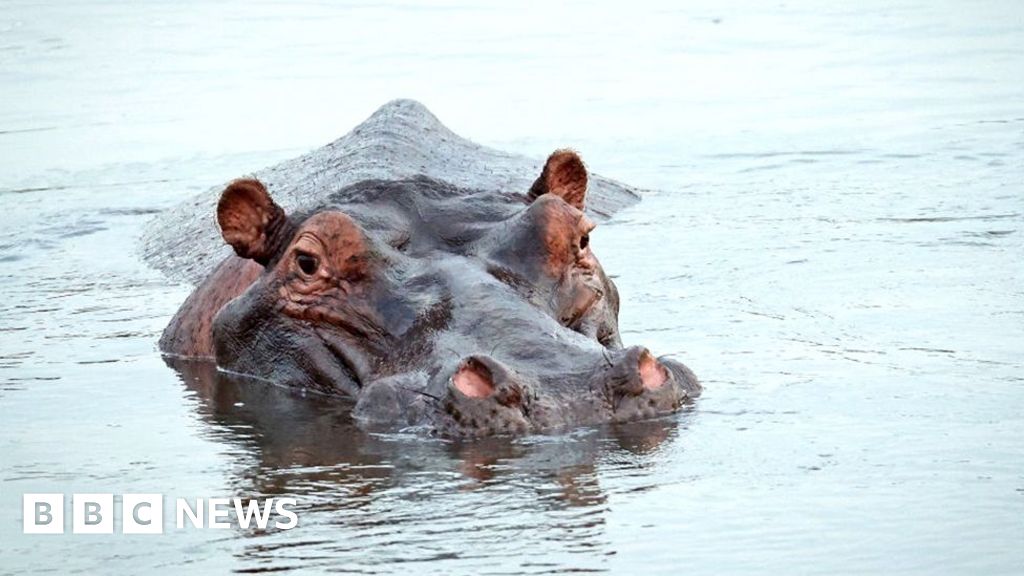
South Africa considers renaming iconic reserve amidst national debate

South Africa’s Cultural Identity and Geopolitical Implications: The Battle Over Names and History

In recent months, South Africa has become the epicenter of a fiery debate over its historical memory and national identity. The proposed renaming of Kruger National Park—arguably the country’s most iconic wildlife sanctuary—serves as a microcosm of a larger struggle that involves not only history and heritage but also economic stability and geopolitical positioning. A local legislative push, driven by the opposition Economic Freedom Fighters (EFF), seeks to erase the name of Paul Kruger, a 19th-century Afrikaner leader revered by certain segments of society, from one of the country’s most treasured landmarks. While some applaud the move as a necessary step toward decolonization and healing, critics warn it risks igniting socio-economic repercussions that could destabilize the nation’s fragile progress.

The name Kruger National Park has been a cornerstone of South Africa’s colonial and apartheid-era history since 1926. For Afrikaners, Kruger symbolizes resilience against British colonialism, a hero of their resistance and cultural legacy. Conversely, mainstream South African society increasingly views him as a symbol of racial exclusion and oppression, responsible for displacing Black communities from their land. This tension mirrors broader debates about how South Africa confronts its apartheid past: most of the country’s infrastructure, including city names and landmarks, has been renamed to reflect indigenous heritage and move away from colonial shadows. Yet, the question arises—does erasing these names genuinely foster unity, or does it risk rewriting history to the detriment of economic stability and international reputation?

International analysts and historians highlight the geopolitical impact of such decisions. According to institutions like UNESCO, a nation’s identity is intertwined with its cultural symbols; however, they also warn that hasty renaming processes—done without comprehensive consultation—can jeopardize tourism and foreign investment. Tourism, which accounts for nearly 9% of South Africa’s economy, relies heavily on the recognition and iconic status of sites like Kruger Park.)—as noted by economic experts—any delusions of erasing history must be carefully weighed against economic realities. Critics argue the proposed name change, though well-intentioned as an act of decolonization, could backfire. The tourism sector, already strained by internal socio-economic challenges—such as youth unemployment soaring above 50%—might suffer irreversible damage. Revenues from millions of international visitors contribute significantly to local livelihoods, and any erosion of the park’s brand risks turning the wilderness into a political battleground that alienates rather than unites.

Moreover, the controversy over the proposed renaming exposes deeper divides within South Africa’s society—what some regard as a necessary step toward indigenous sovereignty, others see as political opportunism. The AfriForum lobby group condemned the EFF’s initiative as “cheap politics,” warning it circumvents the legal processes set by the South African Geographical Names Council. This bureaucratic body is tasked with ensuring that name changes proceed according to law, involving extensive consultations and public participation. Conversely, President Cyril Ramaphosa’s administration, currently navigating its post-pandemic recovery, finds itself caught between honoring indigenous heritage and safeguarding economic interests. As international organizations watch closely, the unfolding debate underscores how internal decisions ripple beyond borders, influencing South Africa’s standing and strategic alliances. Historians such as Dr. Thabo Mbeki have emphasized that confronting history with clarity and responsibility is essential; however, reckless renaming risks overshadowing this intent.

As the nation stands on this precipice, the fight over the Kruger name symbolizes more than just a name; it symbolizes a choice between reconciliation and division, between economic stability and political symbolism. History continues to unfold beneath the weight of these decisions, reminding the world—and the people within—that the ripples of today’s choices will define South Africa’s legacy for generations. At this pivotal moment, the question remains: will the country forge a future where heritage and progress coexist, or will it slip into a cycle of ideological retribution with infeasible costs? This is more than a local debate—it marks a chapter in the ongoing story of nations grappling with their past amidst the pressures of global geopolitics.

Challenge Your Knowledge: Iconic Horror Novels That Made the Leap to the Screen

As we consider the enduring legacy of literature and its vital transformation through adaptation, we are reminded of the profound relationship between art, identity, and society. In an age increasingly dominated by visual spectacle, movies, television, and theatrical renditions serve not merely as entertainment but as modern reflections of our collective soul. This process echoes the timeless insights of Ortega y Gasset, who observed that culture is both a mirror and a blueprint—offering us an image of who we were and a prophecy of who we might become. Whether through the Gothic gloom of H.P. Lovecraft or the chilling fundamentals of Stephen King, horror adaptations showcase the cultural fears and moral preoccupations that define civilizations, illustrating that even in fear, there is a reflection of our deepest truths.

Throughout history, cultural shifts have often been heralded by the stories we tell each other. The transition of literary works into visually compelling media often signals a society’s evolving relationship with its history and ideals. Gothic horror, for instance, with its roots in romanticism and enlightenment fears, has morphed into a mirror for contemporary anxieties—be it the terrors of the digital age or the moral darkness lurking behind modern facades. As C.S. Lewis pointed out, art’s role is to luminate the shadows cast by human frailty; any successful adaptation manages to keep that moral tension alive, engaging new generations with questions that are as old as the human condition itself. The power of film and television to reanimate these stories reminds us that culture is less static than we often think—it is a living, breathing dialogue between memory and prophecy.

The importance of adapting works of literature into visual storytelling lies in its ability to preserve tradition while constantly rekindling societal debate. Just as the Renaissance rediscovered classical knowledge and Tocqueville warned about the tyranny of democratic equality eroding individual greatness, contemporary cultural adaptations serve as a counterbalance; they keep alive a sense of wonder and moral complexity. These stories are not just entertainment—they are the cornerstone of our cultural identity, lending purpose and continuity amid the chaos of change. By reimagining stories of darkness and light, society navigates its fears while reaffirming its aspirations, reminding us that our cultural memory is a fertile ground where history’s lessons bloom anew.

As the currents of history flow onward, the role of culture as memory and prophecy becomes ever clearer. It is both the echo of what humankind has endured and the blueprint of what might yet come to pass. The writings that become films, the stories that transform into plays—these are the threads with which we weave the fabric of our civilization. Culture, in all its forms, bears witness to the eternal human quest for meaning—to understand the shadows and to illuminate the dawn. In this delicate dance of remembrance and anticipation, we find that our shared stories are neither relics nor mere predictions but the very essence of our ongoing human journey.’

Alaskan climbing sensation Balin Miller tragically loses his life after fall from Yosemite’s iconic El Capitan

In a world captivated by the thrill of extreme sports and outdoor adventure, the recent tragedy involving Alaskan climber Balin Miller has sent shockwaves through the global climbing community. Miller, just 23, lost his life after falling from the iconic El Capitan—a towering monolith in Yosemite National Park. Known for his daring solo ascents, Miller had built a reputation as one of the rising stars of alpinism, inspiring many young climbers with achievements such as the first solo ascent of Mount McKinley’s Slovak Direct. His death highlights the raw dangers inherent in the pursuit of adventure and how personal dedication to mastering the mountains can turn into a lethal risk when safety protocols are overlooked or unforeseen accidents occur.

Miller’s story is not merely one of tragedy; it serves as a stark reminder of the fine line between heroism and hazard. Climbing experts like veteran alpinist Clint Helander have recognized Miller’s impressive accomplishments, pointing out that in just six months, he had unleashed some of the most remarkable exploits the sport has seen. His determination and skill culminated in efforts that gained international acclaim—an inspiration to aspiring climbers looking to push their limits while respecting the mountain’s formidable power. Still, Miller’s death underscores an essential truth: every upward step in the mountains is shadowed by inherent risk. His passing, during an activity that blends physical mastery with mental resilience, challenges us all to balance the desire for thrill with unwavering respect for nature’s unpredictability.

Amid this atmosphere of reflection and respect, it is vital to recognize how the shift in outdoor lifestyle—driven by the quest for health, wellness, and adventure—continues to grow. In recent years, more young people have been inspired to embrace a lifestyle that emphasizes personal achievement and resilience, often turning to activities like climbing, hiking, and outdoor exploration as a form of wellness. However, the recent incident also prompts a deeper conversation about safety, preparation, and respecting limits. Experts such as author and wellness advocate Mark Sisson emphasize that true strength in outdoor pursuits lies in understanding one’s boundaries and ensuring proper training and gear. For young adventurers, the message is clear: ambition should be paired with prudence, transforming the adrenaline of discovery into a responsible pursuit that endures.

Ultimately, the story of Balin Miller leaves us contemplating the profound journey of embracing life’s challenges. It reminds us that true fulfillment in the pursuit of adventure is intertwined with respect—for ourselves, our craft, and the majestic, often unpredictable forces of nature. While the heights of mountains like El Capitan beckon with promises of achievement and inspiration, they also demand our humility and vigilance. As we listen to the echoes of Miller’s daring spirit, we are called to recognize that the pursuit of greatness is a continuous journey—a quest to find harmony between daring to dream and the wisdom to keep ourselves safe. In this balance, we discover not just the thrill of ascent, but the strength to face life’s own steep, uncharted cliffs.

Giorgio Armani’s Last Walk: A Iconic Catwalk Tribute Crafted by the Master Himself at Milan Fashion Week

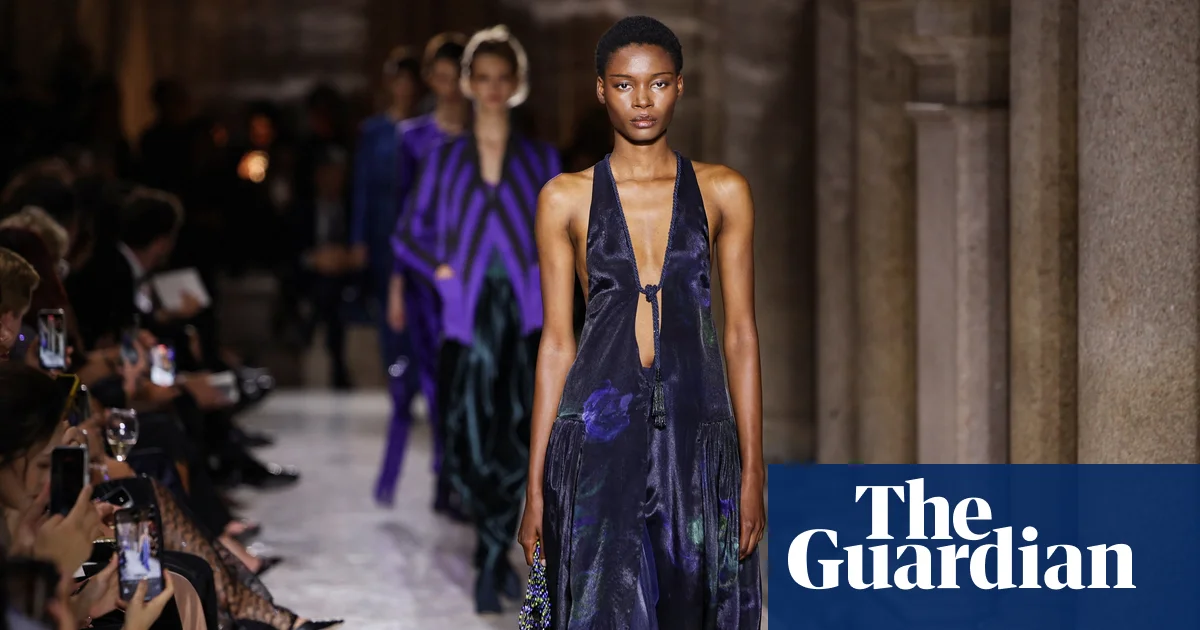
In an extraordinary tribute to a fashion icon, Giorgio Armani orchestrated what would be his final grand moment in Milan’s storied fashion scene. Known for redefining elegance with his softly assertive tailoring and Mediterranean-inspired color palette, Armani spent his last months meticulously planning a celebration of five decades of his iconic brand. This event, set in the romantic Pinacoteca di Brera, became more than just a runway show — it solidified Armani’s cultural relevance, blending high art with haute couture in a manner that resonated deeply with his loyal followers and fashion critics alike. Despite his passing earlier this month, the show went on, merging mourning with celebration, and forging a narrative that underscores his lasting influence on global style.

The event’s design reflected Armani’s signature blend of tradition and innovation. Invitations bore a black tie dress code alongside a T-shirt featuring a youthful portrait of Armani, a testament to the designer’s acknowledgment of his enduring legacy among younger generations. The guest list was a Who’s Who of Hollywood and fashion icons: Cate Blanchett, Lauren Hutton, and Richard Gere, whose early career was punctuated by Armani’s modern iconography in American Gigolo. It was a moment that merged social relevance and cultural impact: a celebration of style as power and a reminder that fashion continues to be a language of social identity, especially for the youth seeking to make bold statements through timeless elegance.

Armani’s latest collection, inspired by his personal experiences and favorite locations such as the historic Brera district and the island of Pantelleria, captured the mood of an era yearning for authenticity. The designs featured softly assertive tailoring again, with bold but refined double-breasted jackets, featherlight dresses in Mediterranean blues, and island-inspired looks designed to catch the breeze — an ode to freedom and individual expression. As fashion analysts highlight, Armani’s work exemplifies the “cultural significance of clothing as an extension of personal identity,” a trend championed by influencers turning to style as a form of subtle defiance against fast fashion’s fleeting trends. It’s this narrative of lasting impact that cements his place as “one of fashion’s heads of state,” as described by Anna Wintour, and it raises a fascinating question about the future trajectory of his empire.

Looking ahead, Armani’s heirs face a critical juncture. His explicit instructions to sell the brand to strategic buyers like LVMH, L’Oréal, or EssilorLuxottica signal a shift in how fashion powerhouses are viewing legacy brands. As the industry contemplates the next evolution—balancing heritage with innovation—the looming question becomes: Will Armani’s descendants preserve his understated, high-culture ethos, or will commercial pressures push the brand in a more mainstream, youthful direction? This dilemma encapsulates a broader societal shift — a generation increasingly eager to engage with authentic, culturally rich storytelling through fashion, yet also craving the accessibility and immediacy of contemporary trends. The future of Armani’s legacy isn’t merely about business; it’s about whether true style can remain a form of cultural commentary or if it will become just another fleeting commodity whether artfully curated or mass-produced. That’s the next big question for fashion, youth, and society: how will the enduring influence of a legend shape the aesthetic and social language of tomorrow’s cultural landscape?

Dress to impress: London’s latest exhibition marks 60 years of iconic film and TV costumes—where style meets history

In an age dominated by fast fashion and superficial trends, the art of authentic costume-making has experienced a renaissance—thanks to institutions like Cosprop. Founded in 1965 by costume designer John Bright, Cosprop set out with a clear mission: to recreate garments with historical accuracy, providing a tangible link to the past and elevating the visual storytelling of film and television. Over the past six decades, this commitment to craftsmanship has made Cosprop an iconic figure in the world of costume design, shaping some of the most recognizable outfits in cinematic history—from Colin Firth’s wet-shirt scene in Pride and Prejudice to Meryl Streep’s pioneering safari gear in Out of Africa.

Today, the cultural impact of Cosprop’s work extends beyond the screen. The recent exhibition, Costume Couture, at the South London’s Fashion and Textile Museum exemplifies how historical accuracy in costume design is not merely about aesthetics but about preserving and interpreting history. It showcases a rich collection of outfits from award-winning films and TV dramas, emphasizing the social relevance of authentic craftsmanship in a society where mass-produced replicas often dominate. Influencers, sociologists, and even industry analysts stress how these garments serve as visual anchors, reminding us that fashion is culture-shaped—a living history of societal values, power dynamics, and artistic expression.

What is particularly striking about Cosprop’s approach is its dedication to keeping old techniques alive. Their artisans employ methods reminiscent of haute couture houses like Chanel or Dior—techniques that have largely been lost to speed and automation. Keith Lodwick, a film historian and curator of the exhibition, highlights how these traditional skills—alterations, millinery, hand sewing—embed a sense of authenticity and craftsmanship that mass production simply cannot replicate. As Bright explains, these garments aren’t just costumes—they’re “clothes, not costumes,” designed to give viewers a genuine experience of another era. This revival of craftsmanship raises an important question: in a future increasingly defined by disposable trends, can the return to these techniques influence a shift toward more meaningful, lasting fashion?

As the cultural debate about fashion’s social role intensifies, many wonder if this focus on authenticity will have a ripple effect. Will it challenge the superficiality of “costume” as seen in exaggerated, heavily stylized series like Bridgerton? Bright contends that in times of societal turbulence, audiences gravitate toward historical dramas because they offer a glimpse of a “better” past—a desire rooted in nostalgia and hope for stability. Yet, beneath the surface lies a more profound movement: the call for fashion that tells a story rooted in truth. As this trend progresses, the big question remains—will society embrace a future where authenticity in fashion and storytelling becomes a mandate instead of an afterthought?

Social Media Auto Publish Powered By : XYZScripts.com