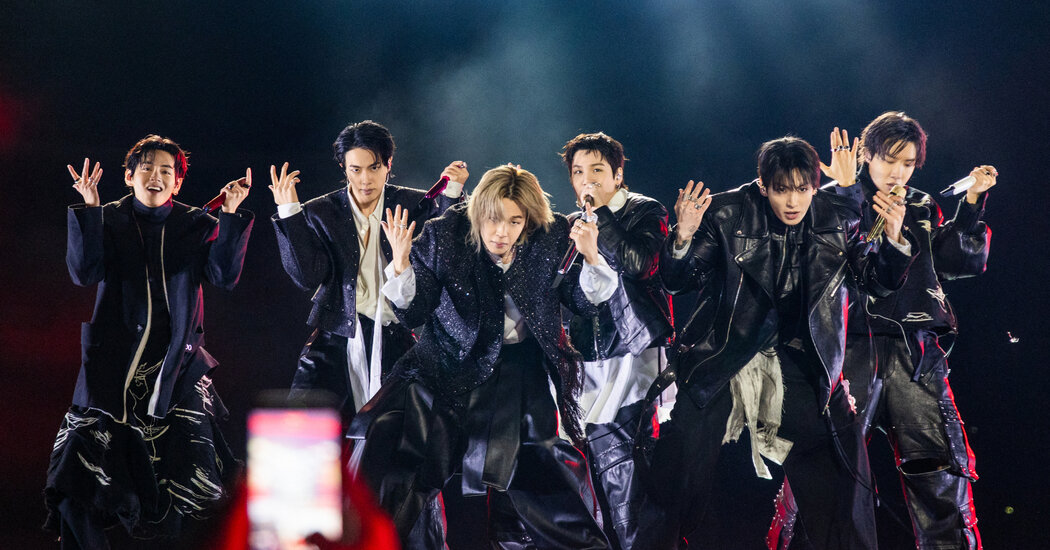

In an era where culture has become a global currency, the phenomenon of BTS exemplifies how the modern idol industry intertwines physical endurance, aesthetic precision, and cultural symbolism. As the band prepares to launch their expansive U.S. tour, spanning at least 11 months, 80 concerts, and 34 cities, they symbolize more than mere entertainment; they represent a cultural bridge connecting traditional Korean values with the relentless demands of global pop culture. Yet, beneath the dazzling choreography and vibrant performances lies a rigorous discipline reminiscent of ancient athleticism and artistic mastery, echoing the timeless tension between art, body, and societal expectations.
Throughout history, societal giants like Ortega y Gasset and Chesterton have underscored that culture is the collective memory and identity of a people. In this contemporary context, BTS serves as a cultural icon whose physicality and aesthetic-driven routines are crafted meticulously — accounting for the demands of their industry, which treats their bodies as both temples and tools. Their intense training regimens, comparable to elite athletes, reflect the industry’s obsession with perfection and «visual symmetry», as trainer Kim Jinwoo notes. The sacrifices they make involve not merely physical tolls but an ongoing balancing act, maintaining a culturally driven harmony that resonates with audiences worldwide. In their stories of injury, recovery, and resilience, they echo the age-old narrative that culture demands sacrifice but promises renewal, much like the phoenix rising from ashes.
This obsessive pursuit of excellence also reveals a deeper, cultural truth: identity today is forged in the crucible of tradition and modernity. The performers’ dedication to—often —unreal standards of physique underscores a broader societal preoccupation with image and authenticity. As T.S. Eliot philosophized, true culture is a *”summary of the entire tradition,”* reinterpreted within the contemporary age. BTS, in their relentless quest for visual and physical perfection, embodies this ongoing dialogue between tradition’s weight and modern innovation. Just as the classical ideals of beauty and athleticism once forged identity, today’s pop idols wield their physiques as symbols of cultural power, embodying the intersection of aesthetics, discipline, and societal aspiration.
In this spectacle of modern devotion to physical and cultural excellence, we are reminded that culture is both a repository of memory and a prophecy of human potential. The resilience of performers like BTS — enduring training, injuries, and the relentless march of age — illuminates the enduring human desire: to be seen, to be remembered, and to push the boundaries of what it means to be human. They serve as living testament that beneath every performance, there lies an indomitable will to shape the future while anchoring deeply in the collective past. As we follow their journey, we are invited to consider that culture is not merely inherited; it is actively forged through sacrifice and perseverance, echoing the eternal rhythm of memory and prophecy that defines humanity’s unfolding story.