Matox News

Truth Over Trends, always!

India stands firm against criminalizing marital rape — our new series explores why.

The recent surge of interest surrounding Chiraiya, a widely viewed media phenomenon that has captivated millions across various social platforms, has ignited a fierce global debate on issues of consent and misogyny. This entertainment icon, initially celebrated for its innovative storytelling, has inadvertently become a catalyst for conversations transcending entertainment, touching sensitive topics that resonate with societal values worldwide. International observers note that such digital phenomena are increasingly influential, shaping perceptions and fueling debates that often extend beyond borders.

Experts from notable institutions such as the United Nations Educational, Scientific and Cultural Organization (UNESCO) and acclaimed cultural analysts emphasize that the popularity of Chiraiya exposes the complex interplay between modern media and societal norms. As social media amplifies these discussions, citizens across nations scrutinize their own cultural practices and legal frameworks related to gender relations. Many see this as a pivotal moment—a societal mirror—reflecting deeper, often unspoken issues surrounding gender dynamics, and the ways media influences collective consciousness. Historians, such as Dr. Elizabeth Monroe from Harvard, argue that such phenomena serve as historic indicators; they signal shifting social paradigms that demand rigorous examination and, potentially, policy response.

Nevertheless, the phenomenon also raises significant geopolitical repercussions. Countries in regions with deeply ingrained traditional views on gender roles find themselves at crossroads. Some governments are grappling with how to regulate content without infringing upon freedom of expression, while also addressing concerns over misogyny that some believe are inflamed by entertainment content. The debate echoes the ongoing tension within many nations’ legal and social systems—a tension that international organizations warn could escalate if left unaddressed. The World Health Organization (WHO) has issued statements emphasizing the importance of responsible media consumption, highlighting that unchecked propagation of misogynistic narratives may foster environments conducive to violence or discrimination.

Furthermore, the ripple effect of this debate touches diplomatic corridors, where international human rights frameworks are being challenged and reinterpreted. As nations observe each other’s responses—from legislative measures to public discourse—this cultural moment has the potential to influence geopolitical alignments. Countries that aggressively reform policies or tone down gender-based narratives may strengthen their reputations as modern, progressive states, while those perceived as complacent risk diplomatic criticism. Analysts like George Harrison from the International Crisis Group warn that the battle for cultural influence extends into the realm of international diplomacy, with media as the new battleground.

As history continues to unfold, the enduring significance of this phenomenon rests upon whether societies will harness this momentum to enact meaningful change or succumb to divisiveness. It remains an open question: Will this digital discourse catalyze a broader awakening towards gender equality, or will it deepen the divides that threaten to fracture social cohesion? The world watches—aware that, at this pivotal juncture, every decision shapes the trajectory of social justice for generations to come. The pages of history are being written, and the weight of the present moment promises to echo forward, echoing into an uncertain future—where the true battle for cultural sovereignty is only beginning.

Breaking Barriers: How Blind and Visually Impaired Adventurers Conquer the World

In the dawn of history, culture has been the vessel through which societies preserve their identity, remnants of tradition, and visions for the future. The contemplative journey of experiencing unfamiliar places—whether through sight or other senses—reminds us that culture is not merely a collection of artifacts or landscapes, but a living, breathing narration of human life across generations. Consider the story from the Taj Mahal’s grounds, where even the silence, the scent of perfumed air, or the echo of recited prayers, becomes a part of this grand narrative—an inner dialogue with eternity that transcends visual spectacle alone.

An Immersive Reflection on Perception and Humanity

The extraordinary narrative of a journey with Traveleyes reveals that perception is the bridge that connects the senses to our understanding of society. The founder Amar Latif, a British entrepreneur who lost most of his sight due to hereditary retinal disease, exemplifies how culture’s core lies in multisensory engagement. His company’s ingenious model—pairing blind and sighted travelers as equals—embodies a profound truth: the fullness of human experience is not confined to sight but flourishes through touch, smell, sound, and imagination. This approach reflects Ortega y Gasset’s philosophy that society’s authentic fabric is woven through shared perceptions, where empathy becomes the key to unlocking cultural depth.

The Heritage of Tradition and the Power of Imagination

As travelers of different backgrounds navigate the streets of Jaipur or Delhi, the stories they gather through tactile interaction, sensory descriptions, and emotional resonance reaffirm the belief that culture is a living memory that also prophesies the future. Chesterton’s idea that tradition is the democracy of the dead seems fitting here. These encounters remind us that cultural symbols—whether the carvings in an ancient temple or the bustling markets—are not static relics but part of a continuum that shapes identity and societal character. When Candie, who views the world through the lens of touch and scent, describes her experiences, it demonstrates that the essence of a society’s soul can be experienced beyond the visual, deepening our appreciation of its true character.

Culture Today: A Reflection and a Warning

In this age of digital spectacle, where images often dominate, the narrative of multisensory travel and shared human understanding is a timely reminder. Societies that forsake their cultural memory risk becoming nothing more than fleeting impressions, like film snippets rather than novels—engaging only the surface. Tocqueville, who explored the delicate balance between individual liberty and societal tradition, would warn against allowing the vivid and transient visual culture to drown out the subtler, enduring stories told by our customs and collective memories. Our youth, especially, must recognize that culture embodies the continuity of tradition and the prophetic voice of future generations, and that allowing it to decline is akin to losing the script of human history itself.

The Eternal Tapestry of Humanity

Ultimately, if we listen closely and look with more than just our eyes, we realize that culture is the long and lyrical story of humanity—its memory, its hopes, its prophetic visions of what humanity can become. Through the visceral experiences of sensory travelers, we find that the human spirit’s true voyage is inward as much as outward. As T.S. Eliot noted, “The only tradition that matters is the one alive in our ears and hearts today.” In this ongoing symphony of human history, we are both the custodians of a precious inheritance and the architects of a luminous future—dreamed into being through the persistent power of culture’s memory and prophecy.

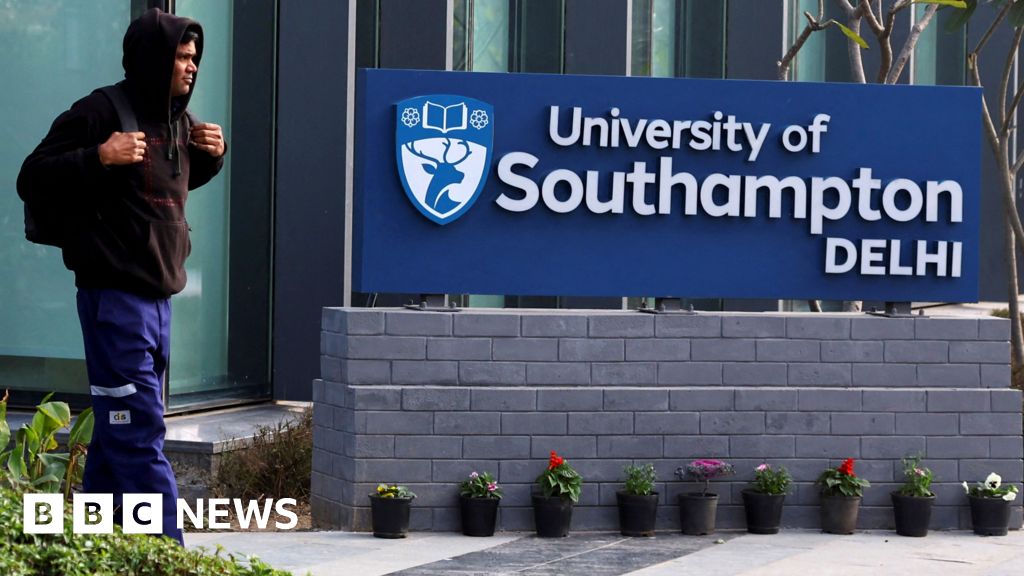
UK Universities Shift Focus to India: York and Southampton Lead the Way

Bridging the Gap: The Socioeconomic Divide in India’s Education System

The staggering figures emerging from India’s educational landscape reveal both a nation of promising potential and a deepening social divide. Annually, approximately eleven million students complete their Grade 12, marking the national threshold of secondary education. Yet, within this vast pool, only about 1.5-1.7 million students secure a place in the country’s top academic institutions. This stark disparity underscores a persistent inequality of opportunity, with a select few ascending to what many see as the gateways to socio-economic mobility, while the majority remain outside the privileged orbit of elite education.

The reality is that educational access often mirrors societal hierarchies rooted in economic status, regional disparities, and social caste. India’s most prestigious universities admit only about 200,000 students annually from this vast talent pool, leaving millions of talented youths excluded from the pathways that lead to leadership and innovation. Sociologists like André Béteille have long argued that these disparities not only limit individual potential but also entrench **social stratification**, where privilege is perpetuated through generations. In this context, education becomes less of a universal right and more of a symbol of societal division.

The ramifications for families and communities are profound. Many families from lower socioeconomic strata invest heavily in private coaching, often at great financial sacrifice, hoping to secure a foothold into India’s competitive academic world. Yet, the lack of equal opportunity creates an unfair playing field, amplifying social tensions. For educators and policymakers, this stark reality calls for urgent reforms—ranging from improving access to quality primary and secondary education in rural areas to dismantling systemic barriers that favor urban, affluent communities. These issues touch upon not only individual futures but also the moral fabric of society, calling into question whether the ideals of fairness and meritocracy remain meaningful in such an ecosystem.

Looking forward, there is hope that societal reflection and strategic policy may pave the way for a more inclusive future. Institutions and civic leaders must embrace the challenge of equality, fostering environments where talent does not go unrealized due to societal bias. By addressing root causes of disparity, from inadequate infrastructure in marginalized areas to the prevalent social stigmas, communities can nurture a generation capable of lifting itself beyond inherited divides. As sociologist Arjun Appadurai emphasizes, fostering *cultural resilience* and *social cohesion* are essential in transforming the promise of education into tangible social progress. Society stands at a crossroads where the resilience of families, the dedication of educators, and the resolve of policymakers may either reinforce the barriers of today or dismantle them in pursuit of a more *equitable* tomorrow. Only then can India truly aspire to be a land where opportunity is not dictated by circumstances of birth but fueled by the collective hope of its youth.

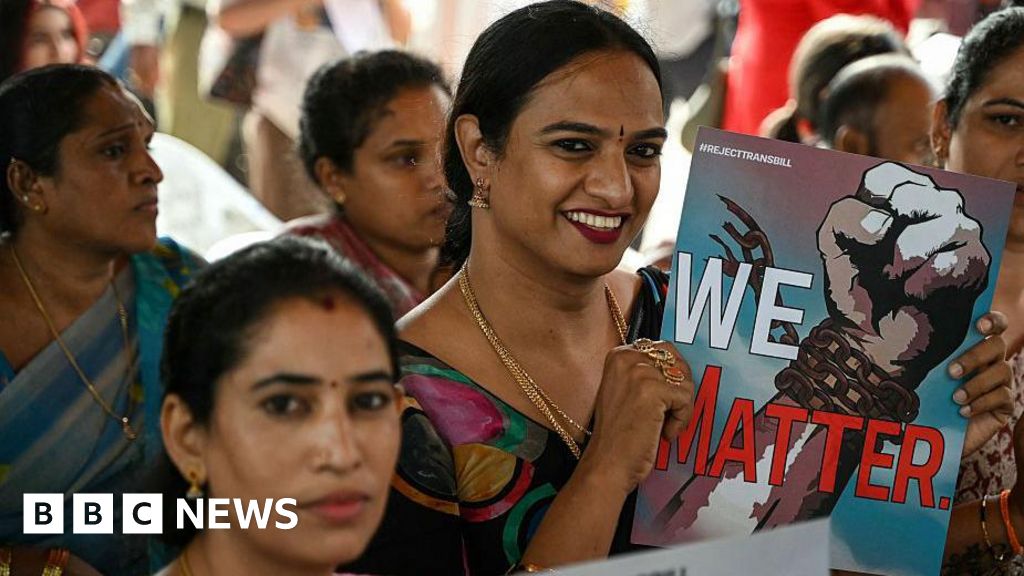
New India Bill Threatens Transgender Rights, Sparks Youth Protests

In recent weeks, a significant legislative proposal has emerged that aims to redefine the legal recognition and self-identification rights of transgender individuals. This bill, currently under debate in several nations, represents a pivotal moment in the evolving landscape of human rights and national sovereignty. At its core, the legislation seeks to modify existing frameworks, potentially limiting or expanding the ability of transgender people to legally affirm their gender identity. As nations grapple with the cultural and political ramifications of such laws, the broader geopolitical impact becomes increasingly apparent.

Many analysts warn that these legislative shifts are more than domestic policy changes—they are reflective of larger geopolitical currents. Countries like the United States, Canada, and European nations are watching closely, with some governments advocating for stricter laws that emphasize traditional values, while others push for greater inclusivity. The international community is divided, with organizations such as the United Nations urging respect for human rights, yet facing pushback from respective governments citing cultural sovereignty. This divergence highlights a broader contest over how societies define identity and morality amid a rapidly changing global order.

Historians and geopolitical analysts point to the potential consequences of such legislation as influencing inter-state relations and alliances. Countries that impose restrictive policies risk diplomatic friction with Western democracies advocating for human rights. Conversely, nations solidifying traditional policies may seek closer ties with other states that prioritize national values over international norms. According to recent reports from the International Crisis Group, these legal battles have the potential to deepen existing ideological divides, shaping a new international landscape where morality is increasingly contested on the global stage. The legislation’s passage or rejection could thus serve as a bellwether for shifts in geopolitical alignments, especially as nations seek to assert their cultural identities amidst external pressures.

Ultimately, these legislative debates echo the historical pattern of societies wrestling with fundamental questions of rights, identity, and sovereignty. As the world watches, the decisions made in legislative chambers—whether to uphold individual self-determination or to enforce traditional values—will resonate profoundly. They are not merely domestic policy matters but are intertwined with the future of global order. The weight of history rests heavily upon this unfolding chapter, reminding all of us that each choice echoes through time. In this pivotal moment, history’s pen continues to write an enduring saga of cultural conflict, ideological contestation, and the relentless pursuit of societal identity.

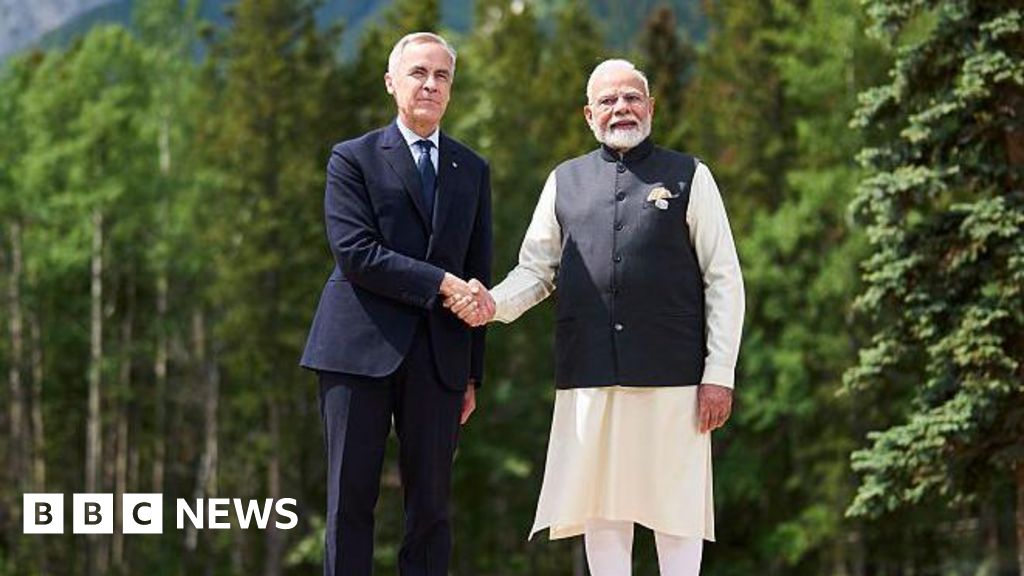
Carney’s India trip: A subtle Canada challenge, Modi scores a win-win

The international landscape is once again gripped by tension as Canada and India face a pivotal crisis that could reshape diplomatic alliances. In 2023, a startling accusation from Canadian Prime Minister Justin Trudeau has sent shockwaves across global political corridors. Trudeau publicly alleged that India was involved in the assassination of Hardeep Singh Nijjar, a prominent Sikh separatist leader, who was shot dead in British Columbia. This accusation not only challenged longstanding diplomatic norms but also ignited a broader debate about sovereignty, espionage, and international justice.

The Indian government quickly dismissed the allegations as baseless and politically motivated, asserting its stance that Canada’s accusations undermine the diplomatic efforts to maintain peace and stability in the Indo-Pacific region. The fallout resulted in a series of retaliatory actions, including the expulsion of diplomatic personnel from both nations. The situation grew further complicated as investigators in Canada charged four individuals with Nijjar’s murder. Although the case remains before courts, the incident has exposed underlying tensions between the two nations, with profound geopolitical impact that stretches well beyond their borders.

Analysts and international watchdogs underscore the broader ramifications of this diplomatic rupture. Global institutions such as the United Nations are closely observing, fearing this incident might *set a dangerous precedent*—where accusations can escalate into open confrontations without sufficient evidence, thus destabilizing international relations. Moreover, India and Canada are both key players in regional security architectures, with India trying to bolster its influence across Asia and Canada maintaining strategic ties with the United States. Any further deterioration could undermine efforts towards multilateral cooperation, especially in counterterrorism initiatives and trans-continental diplomacy.

This episode underscores the delicate balance of modern diplomatic engagement amid rising nationalistic sentiments and shifting global alliances. How decisions in Ottawa and New Delhi will echo in international forums and across societies at home remains uncertain, but such crises serve as stark reminders of the high stakes involved. As history watches silently, the world stands on a knife’s edge—every move, every statement potentially tipping the scales toward confrontation or reconciliation. The unfolding story continues to test the resilience and maturity of nations that, in this interconnected era, are bound by the weight of their actions and the legacy they leave behind. In that quiet, yet thunderous space where diplomacy meets destiny, history is once again in the making.

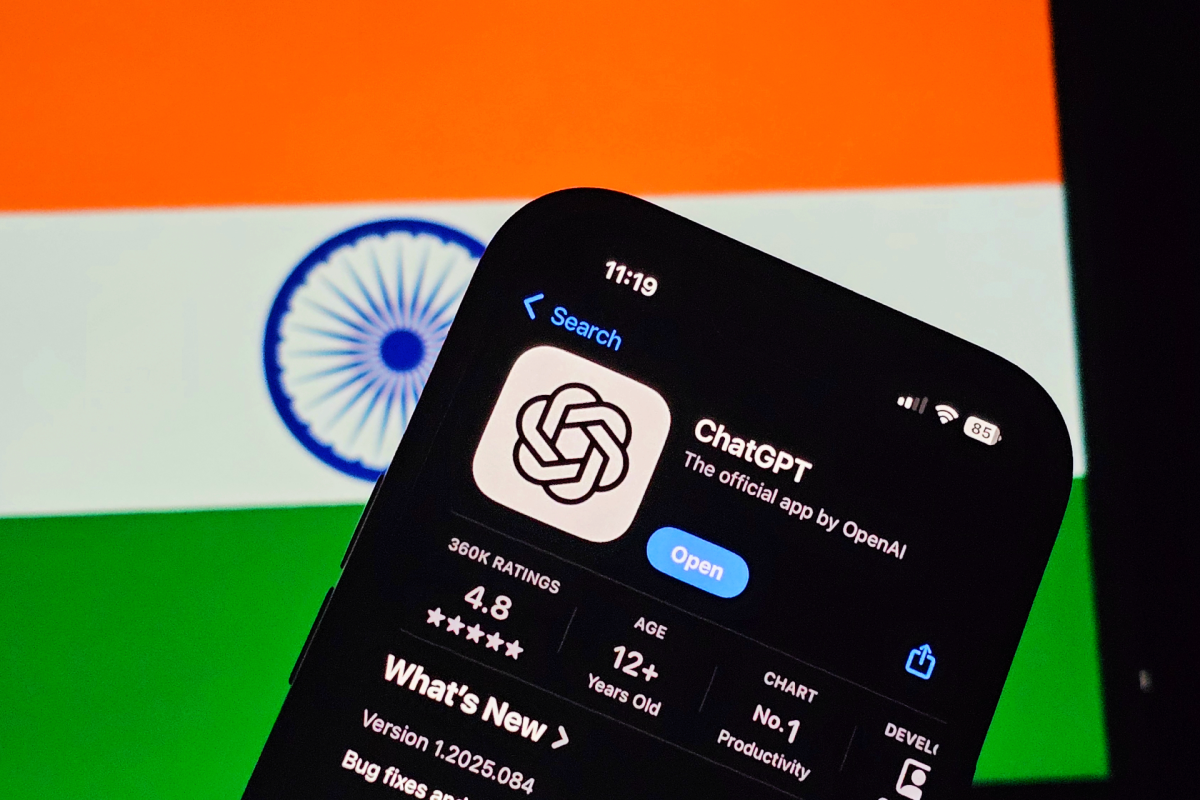
OpenAI teams with Tata for 100MW AI hub in India, targeting 1GW growth

OpenAI Sets Strategic Milestone with Tata Group Partnership in India’s AI Revolution

In a move signaling disruption and innovation in the global artificial intelligence landscape, OpenAI has announced a groundbreaking partnership with Tata Group to develop a robust AI-ready data center infrastructure in India. This partnership is a core component of OpenAI’s Stargate project, which aims to build scalable, enterprise-grade AI infrastructure on a global level. Starting with an initial capacity of 100 megawatts, the collaboration is set to expand to a staggering 1 gigawatt, positioning India as a key hub for AI innovation and enterprise adoption.

Leading industry analysts, including Gartner and MIT research teams, emphasize that this strategic shift underscores the importance of localized data processing for large-scale AI deployment. Hosting AI models domestically reduces latency—vital for delivering real-time solutions in sectors such as finance, healthcare, and digital governance—while enabling compliance with India’s data residency laws. Notably, the move positions OpenAI at the forefront of industry disruption, with capabilities rivaling the world’s largest AI data centers, exemplified by tech giants like Google and Amazon, who have already demonstrated the business potential of massive infrastructure investments.

Innovation Driven by Strategic Infrastructure and Enterprise Collaborations

The partnership is more than just a hardware upgrade; it symbolizes a paradigm shift in enterprise AI adoption. TCS’s HyperVault data centers, backed by approximately $2 billion in planned investments, will serve as the backbone for OpenAI’s local operations. This infrastructure will enable deployment of advanced AI models like GPT-4 locally, significantly improving turnaround times, data security, and compliance for Indian enterprises. Large-scale AI training, which demands intensive GPU clusters, underscores the scale of this operation, reflecting the company’s long-term ambitions for India as a regional powerhouse.

  • Deployment of ChatGPT Enterprise to streamline Tata’s workforce, empowering hundreds of thousands of employees with AI-driven tools.
  • Standardization of AI-native software engineering through OpenAI’s Codex tools, sparking a wave of innovation within Tata Group’s diverse portfolio.
  • Certification programs launched by OpenAI to upskill Indian professionals, ensuring a ready workforce equipped to harness the AI revolution.

Leading voices like Sam Altman have highlighted India’s rising influence, with over 100 million weekly ChatGPT users, driven by a surge of student, developer, and entrepreneurial activity. This rapid adoption rate signals an urgent window of opportunity for global AI firms to embed deeply into India’s digital economy. The collaboration also aligns with Tata’s vision to culturally and technologically position itself as a leader in AI, a move echoed by industry insiders as a disruptive force that could redefine enterprise software standards across Asia and beyond.

Future Implications and Next Steps

As OpenAI ramps up its local footprint, including upcoming offices in Mumbai and Bengaluru, the company’s strategy signals a recognition that AI’s future is rooted in regional infrastructure and enterprise integration. The partnership with Tata and the HyperVault platform signifies a critical inflection point—where innovation meets strategic deployment, and global AI leadership is renegotiated. With AI’s disruptive potential only accelerating, India is poised to become an engine of the next wave of digital transformation.

Market observers and industry leaders must remain vigilant. The acceleration of AI infrastructure development underscores the urgent need for regulatory clarity, ethical standards, and innovations that safeguard user interests. As giants like OpenAI position themselves for dominance, delay or complacency could render other players obsolete in this rapidly evolving landscape. The question is no longer whether AI will reshape industries—it’s about who will lead the charge. The future belongs to those willing to invest boldly now, shaping a world where AI drives unparalleled economic growth, technological breakthroughs, and societal transformation.

EU and India seal historic trade deal—big win for youth and the economy

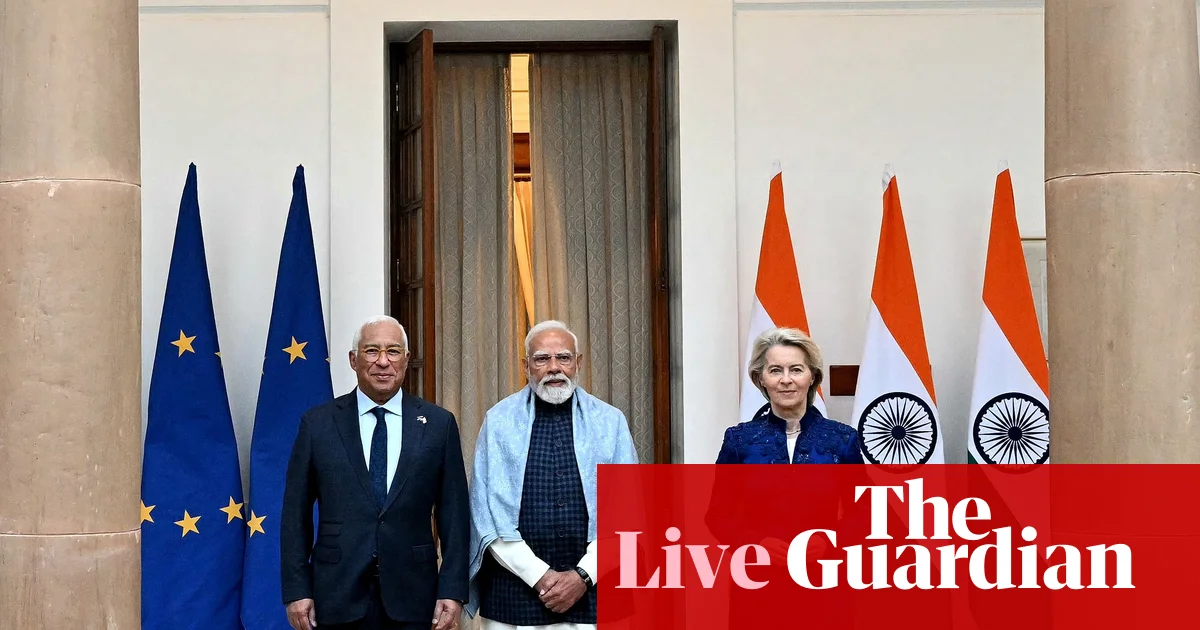
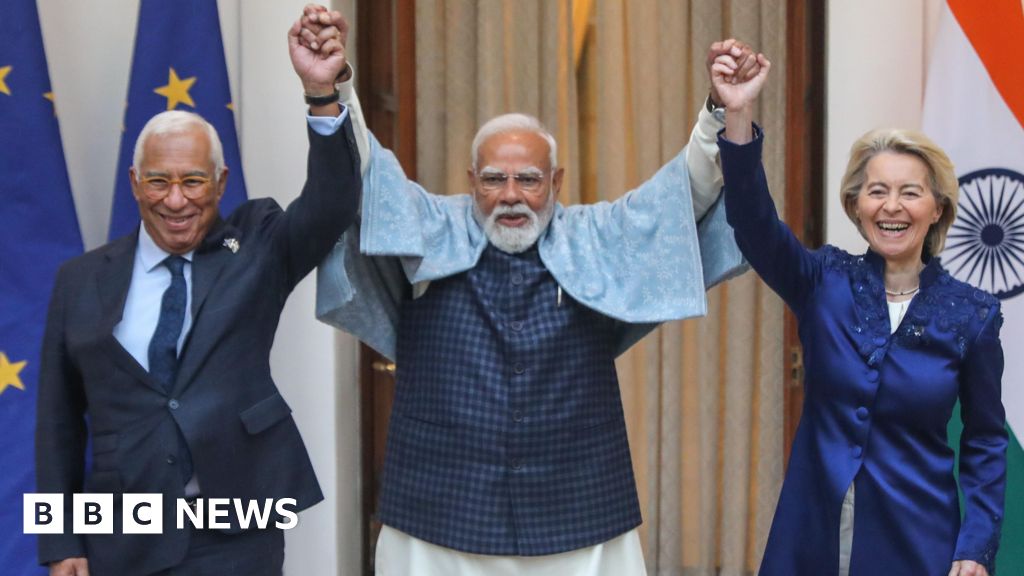
The European Union has recently cemented a landmark victory in global trade negotiations by finalizing a comprehensive agreement with India. This deal, heralded as “the mother of all trade deals” by Ursula von der Leyen and praised by Prime Minister Narendra Modi for its historic scale, marks a pivotal moment in the shifting landscape of international commerce. With tariffs on cars set to plummet from as high as 110% to just 10% over five years, the accord opens up India’s protected market, promising a lucrative channel for EU exports worth over €180bn annually, and supporting nearly 800,000 European jobs. It is a testament to how geopolitical and economic considerations have converged at a defining juncture, with the EU seeking diversification amid strained relations with the United States and uncertain global trade dynamics.

Importantly, the significance of this agreement transcends mere tariffs. It embodies a strategic pivot by the European Union to strengthen alliances with emerging economic powerhouses at a time when global order is under redefinition. Analysts and historians emphasize that such a move signals a powerful shift toward multi-polarity, reducing reliance on traditionally dominant economies.

  • The accord connects more than 2 billion people into a single market, a rise in regional economic connectivity that could ripple across the globe}
  • It underscores Europe’s strategic effort to counterbalance the monopsony power of China and the unpredictability of the US under tariffs-driven policies
  • Historically, trade deals like this—long in the making—are often seen as precursors to broader geopolitical alliances

The broader geopolitical impact of operationalizing this deal cannot be understated. It sends a clear message to the world: as the global order is “being fundamentally reshaped,” Western powers are actively creating new blocs and partnerships that challenge the old hierarchy. Recent weeks have seen the EU sign a deal with Mercosur, after two and a half decades of negotiations, further illustrating a pattern of diversification away from US-centric trade reliance. Economists warn that such measures could deepen divides, foster new alliances, and ignite competition on a scale that history has rarely seen. Especially noteworthy is how Europe’s renewed engagement with India aligns with strategic interests beyond commerce, including security, defense, and geopolitical influence, in a period marked by rising tensions in Ukraine and disputes over Greenland’s strategic resources.

Finally, as the global chessboard continues to shift, the significance of these negotiations remains clear. They are not merely economic transactions but are cornerstones in the construction of a new geopolitical architecture. The decisions made today will set the tone for decades to come, echoing through history as pivotal moments where old world order gave way to new alliances and rivalries. The narrative of this era is still unfolding—each trade agreement, each diplomatic handshake, a page in the vast and complicated story of global power—leaving the modern world poised on the precipice of a new chapter that may redefine the very fabric of international society.

India and EU strike free trade deal amidst Trump tariff disputes

Europe and India Forge Landmark Trade Agreement Amid Geopolitical Shifts

The European Union and India have sealed a historic trade agreement after nearly two decades of intermittent negotiations, signaling a strategic pivot in international commerce. This deal, dubbed by European Commission President Ursula von der Leyen as “the mother of all deals,” aims to deepen economic ties between Europe’s collective 27 nations and the world’s most populous country, which together account for nearly 25% of the global gross domestic product (GDP), and a market of two billion consumers. The significance of this accord extends beyond simple trade—it is a calculated move by two key players to assert their influence in a world increasingly dominated by protectionism and shifting alliances.

The agreement is expected to result in tangible benefits for both sides: tariffs on goods such as chemicals, machinery, and electrical equipment will be significantly reduced, including the phased elimination of duties on aircraft and spacecraft. Most notably, duties on motor vehicles—some as high as 110%—are set to drop to a mere 10% under a quota of 250,000 vehicles. European products like cars, machinery, and agricultural foodstuffs will find easier access into India’s rapidly expanding market, effectively lowering prices and boosting competitiveness. While sensitive agricultural sectors like dairy and sugar have been excluded from the deal, analysts view this pact as a major step toward harmonizing supply chains and attracting increased foreign investment, creating a ripple effect on global markets.

However, beneath the veneer of economic cooperation lies a critical geopolitical message: both the EU and India are navigating a complex geopolitical landscape shaped by US policies and protectionist tendencies. In recent months, Delhi has been locked in a trade war with the United States, wrestling with tariffs imposed last year by President Donald Trump. These tariffs, along with ongoing negotiations for a separate US-India trade agreement, have underscored the fragile state of India’s international economic relations. Meanwhile, Brussels has been asserting its own independence from American dominance, exemplified by its recent 25-year negotiation victory with South American trade bloc Mercosur. Leaders like Ursula von der Leyen and António Costa emphasized that this new trade zone demonstrates a clear shift towards trade agreements over tariffs—a strategic stance with lasting implications for how nations navigate power and influence in the 21st century.

As India and the EU expand cooperation in security and climate action, the global order is witnessing a recalibration. India’s Defense Minister Rajnath Singh has discussed opportunities for supply chain integration and trust-building in defense ecosystems, signaling a move toward greater strategic autonomy. Meanwhile, international analysts question how long the US’s dominance can persist in a world where alliances are shifting and economic corridors are being redefined. Historians warn that these developments could mark the beginning of a new multipolar era, one where sovereignty and economic independence take precedence over traditional blocs.

Ultimately, the unfolding story of the EU-India trade pact is a vivid chapter in the broader narrative of a world in flux. As each side claims victory and signals future ambitions, history remains on the precipice, poised to record whether this alliance survives the tumult of geopolitics or becomes merely a fleeting victory in an ongoing struggle for global influence. The weight of history presses down—all eyes now turn toward whether this bold step will cement a new axis of power, or scar the path for future diplomacy in a world still rewriting its rules.

Travel chaos deepens in India as hundreds of flights are grounded—disrupting millions' plans
Travel chaos deepens in India as hundreds of flights are grounded—disrupting millions’ plans

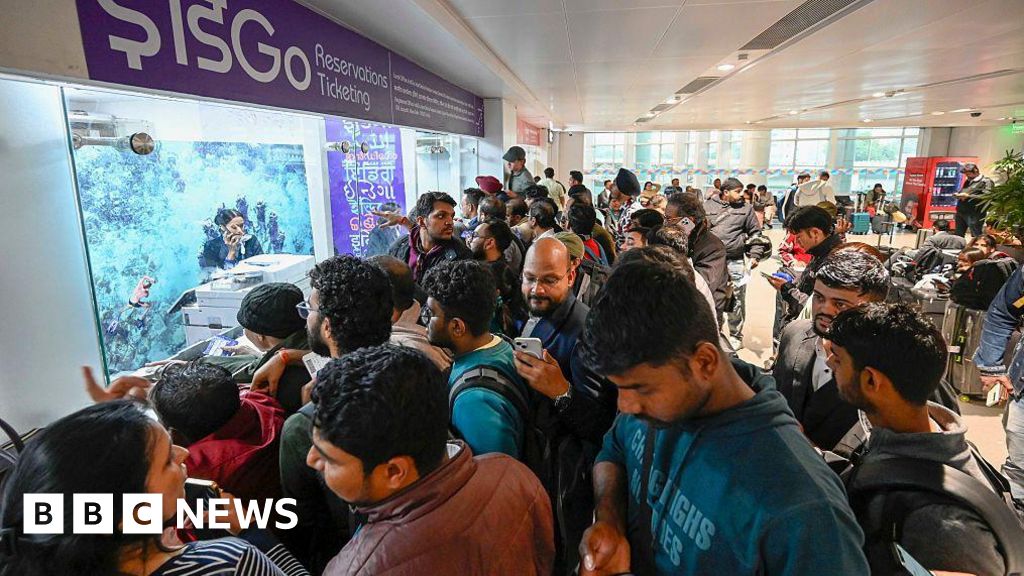
The recent turmoil within India’s aviation sector underscores the profound internal challenges facing one of the world’s fastest-growing economies. The shutdown of IndiGo, the nation’s largest airline, has triggered widespread travel disruptions at a critical time—India’s peak travel season—highlighting systemic vulnerabilities rooted in recent regulatory reforms. As thousands of passengers remain stranded amid a backdrop of domestic chaos, India finds itself at a crossroads where domestic policy decisions could ripple across geopolitical lines.

Over the past week, IndiGo canceled hundreds of flights, leaving major airports in Delhi and Mumbai overwhelmed with unprepared travelers. The airline’s leadership indicated that complete operational recovery might not occur until 10 February, citing increased rest rules and night-duty restrictions as key factors. The new regulations, intended to improve pilot safety, have instead exposed critical planning gaps, which the Indian aviation regulator bluntly attributed to “misjudgment and planning gaps.” The regulator, alongside the government, has demanded detailed restructuring plans from IndiGo, emphasizing the urgency of aligning safety with operational efficiency—an effort to appease both safety advocates and economic stakeholders.

This crisis comes amid acute domestic unrest over the impact of recent policy shifts, which have faced sharp criticism from pilot associations, safety experts, and even international observers. The Airline Pilots Association of India warns that any easing of duty regulations risks “gravely” compromising safety, emphasizing that the balance between flexible regulation and public security remains precarious. At the same time, the government’s visible displeasure reveals an attempt to assert control amidst *public outrage* and operational breakdowns. These developments, analysts argue, threaten to undermine India’s global reputation as a reliable air travel hub, with potential consequences for foreign investment, tourism, and diplomatic relations.

On the geopolitical front, India’s internal strife in its aviation sector signals a broader narrative. As India asserts itself on the world stage through ambitious economic initiatives, such as the Make in India campaign and regional infrastructure projects, domestic instability may serve as a cautionary tale. Historically, rapid economic growth combined with regulatory missteps can serve as vulnerabilities exploited by rivals or destabilized by external shocks—be it regional conflicts or global economic downturns. The international community, including institutions like the International Civil Aviation Organization, closely monitors such crises, understanding that internal challenges in a rising power can influence geopolitical stability.

As passengers voice their frustration—the Singaporean High Commissioner even lamenting lost personal milestones—the incident leaves a stark reminder: the decisions made today in policymaking and crisis management will reverberate across the region and beyond for decades to come. The unfolding story in India is more than an aviation crisis; it is a reflection of a nation striving to balance rapid growth with the complexities of governance, safety, and international reputation. The weight of history presses down as the world watches, knowing full well that in these turbulent times, a single misstep can threaten to rewrite the trajectory of a nation’s rise—leaving future generations to grapple with the consequences of decisions shrouded in the fog of uncertainty.

Putin and Modi Prepare to Meet Amid Rising Challenges for Russia and India

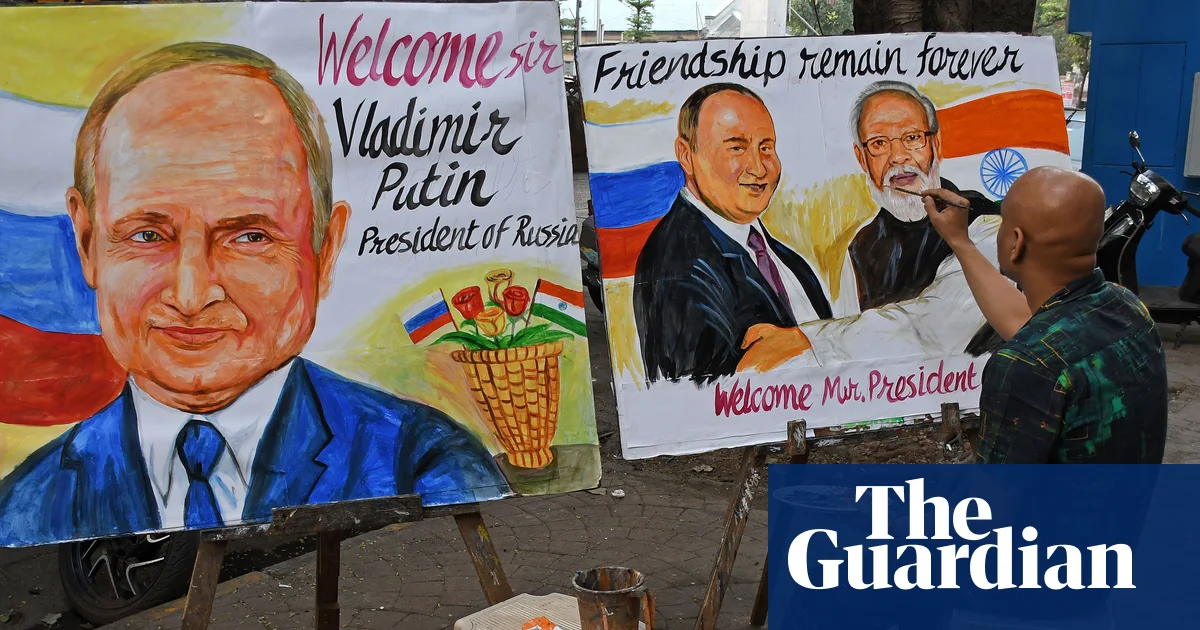
In a display of resilience and strategic recalibration, Vladimir Putin recently traveled to India, marking a significant moment in the ongoing reshaping of international alliances. This visit, occurring against the backdrop of an increasingly tense global scene, underscores the enduring importance of India’s relationship with Russia amidst escalating pressures from the United States and its allies. Just four years ago, Putin’s previous visit to India reflected a world still in relative balance, where Moscow maintained a perceived closeness to Delhi. However, subsequent years have seen dramatic shifts—culminating in Russia’s invasion of Ukraine, which transformed Putin into a pariah on the world stage and resulted in widespread sanctions, travel bans, and diplomatic isolation.

The importance of Putin’s current trip neither merely symbolic nor superficial: it is an emphatic message that Russia is carving out a path toward international normalization despite Western efforts to isolate it. According to analysts like Petr Topychkanov of the Stockholm International Peace Research Institute, the very fact that Putin is on the diplomatic trail signals a tangible shift—“Russia is no longer anxious about political isolation.”

For India, the stakes are different but equally vital. Navigating a complex geopolitical landscape marked by a semi-isolationist America, a weakened Russia, and an increasingly assertive China presents a delicate balancing act. As Aparna Pande of the Hudson Institute notes, New Delhi’s policy has shifted towards “hedging,” signaling to the world that, despite deeper ties with Moscow, India retains multiple options should the geopolitical winds shift. India’s strategic dependence on Russia for military hardware remains significant, yet it has also sought to diversify, reducing reliance from approximately 70% to below 40% in recent years—an effort to safeguard itself from external pressures, especially from China.

The geopolitical significance of the India–Russia relationship extends beyond mere trade, primarily rooted in security concerns. India’s historic reliance on Moscow’s defense industry, especially for advanced weaponry like the S-400 missile systems and Sukhoi jets, is balanced with a nuanced diplomatic approach that aims to avoid complete dependency. While upcoming talks between Putin and Modi are likely to focus on military supplies, they also illustrate a relationship defined by a core realism rooted in geographic necessity. As Pande remarks, the alliance is “based on pure realpolitik,” with India actively maneuvering to ensure that its strategic interests remain intact, even as Moscow deepens ties with Beijing.

The question of oil

Amid these strategic moves, the energy sector remains a crucial battleground. India has historically purchased large quantities of Russian oil—around 70% of its defense procurement from Moscow—yet recent Western sanctions seek to curtail those exchanges. As a response, India has begun importing more from the United States and the Middle East, aiming to reduce reliance on Russian energy supplies. Nevertheless, Putin’s spokesperson Dmitry Peskov has emphasized that despite obstacles, economic and energy cooperation will continue, asserting Moscow’s technological resilience in bypassing Western sanctions.

Within this shifting landscape, India’s diplomatic dance remains precarious. While it seeks to maintain its longstanding ties with Russia, it also recognizes the growing threat posed by China, making balancing relationships an existential priority. The very fabric of international relations is being rewritten, with each decision echoing through the corridors of power, impacting societies and the global order. As the world collectively wrestles with the consequences of war, sanctions, and diplomatic brinkmanship, history continues to unfold—its narrative uncertain, yet undeniably profound. In this complex chess game, the path forward remains clouded, and the true impact of Putin’s visit to India will be felt in the days—and perhaps decades—to come, as nations try to navigate the chaos of a redefining world.

Social Media Auto Publish Powered By : XYZScripts.com