Matox News

Truth Over Trends, always!

Meta Faces New Mexico Child Safety Trial — What Youth and Tech Fans Need to Know

Meta Faces Landmark Legal Battles: Disruption at the Crossroads of Technology and Society

In what could be a watershed moment for the tech industry, Meta is currently embroiled in a series of high-profile lawsuits that threaten to reshape the landscape of social media accountability. The state of New Mexico has brought a lawsuit against the social media giant, alleging that Meta failed to protect minors from exploitation and designed platforms that fostered harmful environments. This case signals a broader shift in regulatory attitudes towards disruption, innovation, and corporate responsibility within the digital ecosystem. As Meta defies attempts to settle, the proceedings could unveil internal practices that have prioritized engagement metrics over user safety, drawing public and governmental scrutiny centered on the profound societal impact of social media’s business models.

Adding further to Meta’s legal challenges is the simultaneous trial in California, the nation’s first legal probe into social media addiction. This “JCCP” involves multiple civil suits, including allegations from figures like Sacha Haworth of the Tech Oversight Project, who warns of “an industry that has enabled predators and addictors alike.” Plaintiffs accuse companies such as Snap, TikTok, and Google of negligent design that deliberately manipulates algorithms to maximize user engagement at the expense of minors’ well-being. Notably, TikTok and Snap have already settled, leaving Meta’s resistance to settlement as a focal point that could lead to unprecedented witness testimonies, revealing the inner mechanics of platforms built on “attention economy” strategies. This trial underscores a pivotal industry shift: regulators and courts are actively challenging a trajectory of innovation that borders on exploitation.

From a business perspective, these legal battles lay bare a critical truth for the tech sector: the cost of doing disruptive business is rising. Meta’s alleged complicity in enabling harmful content and exploitation illustrates how a relentless pursuit of growth and user engagement can clash with regulatory and moral boundaries. As Gartner analysts observe, such lawsuits serve as a “canary in the coal mine” — signaling that **the era of unchecked platform innovation without accountability is nearing its end**. The implications are clear: big tech firms must now balance innovation with compliance, or risk debilitating repercussions that could stifle future disruption. Ruthless market shifts demand that companies develop technology ecosystems more resilient to legal, ethical, and societal pushback—a call to arms for entrepreneurs and tech leaders eager to shape the future responsibly.

Looking ahead, the emerging legal landscape anticipates a fundamental reassessment of how social platforms innovate and monetize. As regulations tighten and consumer awareness grows, **the next wave of tech innovation will likely favor transparency, safety, and ethical design**. Industry titans have a limited window to pivot towards solutions that leverage breakthrough technologies such as AI-driven moderation, privacy-preserving algorithms, and robust user protections—integrating these into their core strategies to future-proof their business models. The ongoing trials symbolize a critical inflection point; failure to adapt could result in a “regulation tsunami” that disrupts traditional giants’ dominance. For entrepreneurs and investors targeting the next frontier of technology, the message is unmistakable: act swiftly, innovate with integrity, and prioritize societal benefit—because the future of tech is being rewritten today, and only the most visionary will thrive amid the disruption ahead.

Tragedy in Perth: Two Kids Among Four Dead in Suspected Murder-Suicide

Recent reports from Australia have cast a stark spotlight on a devastating family tragedy in the affluent suburb of Mosman Park, Perth. The suspected murder-suicide that claimed four lives, including two children with significant health challenges, has sent shockwaves through the local community and sparked important conversations about mental health, societal support systems, and the psychological toll of modern life. This heartbreaking event, while localized in scope, reverberates beyond Australia’s borders, symbolizing the quiet crises that often go unnoticed within the fabric of developed nations.

However, the significance of such tragedies extends far beyond individual families. As global analysts like Samuel Huntington and institutions such as the United Nations observe, societal disintegration is increasingly linked to mental health neglect, economic disparity, and the erosion of traditional family structures — issues exacerbated by the rapid pace of globalization. The Australian case underscores how even in the most affluent communities, vulnerable populations—especially children—are not immune to psychological distress. These social fissures pose a dire challenge to the stability of nations as they grapple with a surge in mental health crises, which can sometimes culminate in violence or self-destructive acts.

On the broader international stage, powerful nations weigh their responses to evolving circumstances that threaten their societal cohesion. The shift in global geopolitics—whether it’s the ongoing U.S.-China rivalry, the destabilization in Eastern Europe, or the new economic alliances in Asia-Pacific—is increasingly influenced by their internal social resilience. Decisions taken in response to domestic crises, including mental health policies and social safety nets, directly impact a nation’s capacity to project power and stability. As recognized by think tanks and international organizations, the strength of a nation’s social fabric often determines its geopolitical influence. The mere fact that in Australia a single tragic event can draw national headlines emphasizes how internal vulnerabilities ripple outward, affecting the country’s diplomatic posture and global standing.

This tragic episode also underscores a critical turning point: how nations must prioritize mental health and societal support as integral components of national security. As the World Health Organization warns, neglecting these issues can lead to long-term societal destabilization, which in turn fuels regional unrest and international instability. Historians like Niall Ferguson argue that the future of global sovereignty hinges not solely on military strength or economic prowess, but on the resilience of societal bonds. Just as Western nations grapple with internal divisions, their ability to maintain influence on the world stage hinges on how they address these internal crises.

In a world where history continuously unfolds, the personal tragedy at Mosman Park serves as a stark symbol of broader fragilities. It is a reminder that beneath the veneer of prosperity lies a fragile veneer vulnerable to fracture—where societal supports can break, and chaos can emerge. As leaders and citizens alike contemplate the lessons embedded in this tragic event, they are faced with an urgent question: will they recognize the vital need to reinforce their social foundations before history’s next upheaval? The weight of the future hangs heavy, and the pages of history remain blank, awaiting the choices that will determine the fate of nations and societies for generations to come.

French MPs move to block social media for kids under 15

France Moves to Ban Social Media Access for Under-15s as Global Trend Intensifies

In a decisive stride towards safeguarding youth mental health, France‘s National Assembly has passed initial legislation aiming to prohibit social media access for children under 15 years old. Backed by President Emmanuel Macron, this legislation marks a significant chapter in the international push to regulate the digital environment for impressionable generations. As the bill advances before the upper house, the Senate, the diplomatic and societal implications are reverberating well beyond French borders.

The proposed law is rooted in mounting concerns over the mental health crises linked to platforms like Instagram, Snapchat, and TikTok. Lawmakers, inspired by global trends—including recent laws enacted in Australia and ideas circulating across Europe—argue that social networks, which promised to unite and inform, have instead often darkened the emotional well-being of youth. Laure Miller, a key architect of the bill, emphasized that social media companies are not harmless, warning they have manipulated users into social isolation and information overload. Macron’s government, recognizing the growing evidence of harm, is determined to limit children’s exposure, with the aim of enforcing this by the upcoming September school term.

Geopolitical Shifts and International Responses

This potential legislation signals a notable shift in how nations are choosing to defend their young populations. In the broader context, it is part of a global reassessment of digital regulations, as countries confront the pervasive influence of social media giants. Nations such as Denmark, Greece, Spain, and Ireland are actively contemplating similar restrictions, while the UK has launched a consultation on banning social networks for under 16s. Analysts point to this international movement as a response to the undeniable rise in mental health issues among teenagers—a phenomenon that some experts attribute partly to the addictive nature of these platforms.

International organizations, including the European Commission, have voiced concerns over the inadequate regulation of social media giants, echoing calls for stronger oversight to protect young users. Historians warn that these initiatives reflect a critical crossroads in how societies shape digital governance, with some fearing that overreach may stifle free expression, while others argue that protecting vulnerable youth is an overarching necessity. The European Court of Justice has previously ruled on issues related to online data and privacy, setting a legal precedent that may influence France’s legislative direction. As nations tangle with complex legal and ethical questions, the international community appears to be heading toward a new era of digital accountability.

Implications for Society and the Future Path

Implementing such restrictions has far-reaching consequences—altering societal norms and redefining the digital landscape. For France, the move signifies a proactive attempt to shield a new generation from what many view as manipulated digital environments designed solely for profit. The legislation’s success may set a benchmark for future policies globally, forcing tech giants to reconsider user age verification mechanisms and content regulation. Importantly, the law’s emphasis on parental approval for less harmful content underscores an acknowledgment of individual family dynamics and rights, while also raising questions about state overreach in personal education.

Moreover, the debate around banning mobile phones in senior schools reveals the broader societal struggle to regulate technology that has become inseparable from daily life. As French authorities grapple with these questions, international observers from the United States to Asia are watching closely, aware that such policies could induce a domino effect. Some critics argue this approach risks infringing on personal freedoms, while advocates see it as a necessary step in an era where the influence of digital platforms is unmatched in shaping societal youth. As history continues to unfold, one cannot help but sense the weight of generations past watching this new digital frontier with cautious optimism—and certain skepticism.

Ultimately, the legislative battles and societal debates unfold amidst a backdrop of accelerating technological change—facing not just the question of what is legal, but what is right. The decisions made today will carve paths for the digital world of tomorrow, shaping the minds, morals, and freedom of youth across borders. As the French government pushes forward, the shadow of history looms large: how nations choose to regulate the digital age could define the legacy of our era, echoing through generations yet to come, as the world watches with bated breath.

France on Edge: Kids Caught in Crossfire of Marseille Drug War

In the historic port city of Marseille, a disturbing psychose has gripped its once lively streets, revealing the devastating impact of unchecked organized crime and social neglect. Reports emerging from local authorities, community leaders, and international analysts depict a city in chaos, where the fabric of law and order is unraveling amid a surge of violence, juvenile involvement, and a rapidly evolving drug trade. The harrowing scenes of children witnessing brutal murders, such as in the recent case of 15-year-old Adel, serve as grim symbols of a society under siege, with violence becoming part of everyday life.

Over the past eight years, France’s Ministry of Justice estimates a more than fourfold increase in teenagers recruited into the drug trade, a crisis amplified by social media’s dark influence and the erosion of traditional social structures. French police have responded with what officials euphemistically term “security bombardments,” raiding disorganized drug dens and arresting hundreds, yet the problem persists. With an estimated 20,000 individuals involved in Marseille’s illicit industry—culminating in confiscated assets worth €42 million in a single year—the city remains a battleground. Analysts warn that such measures are merely surface responses, failing to address the root causes entrenched within poverty, marginalization, and systemic corruption.

Adding fuel to the fire is the growing role of *foreign* actors, with local politicians like Franck Alissio claiming that much of the criminal leadership comprises immigrants or foreigners with dual nationality. This controversial assertion, though difficult to verify, underscores the debate over national sovereignty and social integration. Meanwhile, community organizer Mohamed Benmeddour describes children as young as 13 being coerced into violence and drug trafficking, often under threat of torture or death. The social fabric is fraying, as a younger generation becomes ensnarled in cycles of violence, with the grisly murder last month of Mehdi Kessaci, a young police trainee, serving as a stark turning point. His family’s mourning, coupled with the community’s trauma, illustrates how violence is now a weapon used by gangs to sow fear and exert control.

Many experts, including Philippe Pujol, caution against over-reliance on stronger police actions alone, emphasizing that such tactics only mask deeper societal wounds. Instead, they advocate for comprehensive reforms addressing the chronic poverty, educational neglect, and political failures that nourish organized crime. Yet, political factions such as the far-right National Rally propose draconian measures—including stricter border controls and immigration policies—as quick fixes. This discourse reveals a fractured society struggling to reconcile its rich history as a melting pot with the realities of modern urban chaos.

As Marseille teeters on the brink of societal collapse, her streets tell a story of decline, where hope battles the specter of despair. Amid the relentless gunfire, scorched bodies, and the sirens echoing through alleyways, history remains an unfinished narrative—a story not just of crime, but of nations failing to safeguard their future generations. With each new tragedy, the city’s scars deepen, serving as a dark warning: unless decisive action is taken to confront the deeper roots of this crisis, Marseille’s story may become a tragic blueprint for the unraveling of urban societies across the world.

Australia Ponders Banning Kids from Social Media—Is This the Future?

Australia’s Bold Attempt at Online Child Safety Sparks Global Debate

In a move that has captured the world’s attention, Australia has embarked on a pioneering but controversial mission: the implementation of a nationwide social media ban for children under 16. Announced by Prime Minister Anthony Albanese in November 2024, this legislation aims to create a digital environment deemed safer for the next generation. The law mandates platforms like Snapchat and others to adopt age verification measures, with penalties reaching up to $49.5 million in fines for serious breaches. Yet, beneath the surface of lofty intentions lies a complex, deeply contested battleground—where technological feasibility, societal safety, and individual freedoms collide. As critics question whether the policy can truly deliver on its promises, the geopolitical impact extends far beyond Australia’s borders, igniting debates around the world about how best to protect children in an era dominated by digital monsters.

Tech giants and policymakers find themselves at a crossroads: the decision to enforce such stringent safeguards could either mark a new era of digital responsibility or open Pandora’s box of evasion and loopholes. Experts, such as Tony Allen of the UK-based Age Check Certification Scheme, concede that verification methods like ID checks, facial scans, and activity-based inferences are “technically possible,” but none are foolproof. With teenagers like Isobel already outsmarting the system—she managed to deceive Snapchat’s age verification within minutes—doubts persist about the law’s enforceability. Social media platforms are also alert to the economic motives of the legislation, with firms like Facebook and Google potentially viewing it as a temporary hurdle. The threat of legal challenges looms large, as teenagers and privacy advocates question the constitutionality and Orwellian scope of the law, while tech companies consider their next move in what could become an global precedent.

The geopolitical impact of this policy extends beyond mere legislation. Australia‘s aggressive stance serves as a potential blueprint for other nations, prompting a ripple effect in what some analysts call a “digital front line” for child safety. Countries across the **Western Hemisphere** and **Europe** observe closely—each weighing the balance between technological control and the fundamental rights of youth. International organizations like the UN and EU are scrutinizing the law, with voices warning that such policies might inadvertently shift vulnerable children into darker corners of the web—chatrooms and gaming sites that remain outside regulatory reach. Critics, including former officials like Julie Inman-Grant, argue that this blunt approach may distract from broader, more nuanced reforms necessary to safeguard mental health and prevent harm online. The trajectory of Australia’s policy, whether it ultimately curbs harm or exacerbates risks, could influence global norms on digital child protection in the years to come.

As history unfolds beneath the weight of these unprecedented decisions, one thing is clear: the quest to define the boundaries of online safety is becoming a defining challenge for nations and societies alike. The question remains whether technological walls can— or should—block the tidal wave of free expression and innovation that drives the internet. The battle lines are drawn, and the stakes could not be higher—marking a chapter in the ongoing conflict over the future of youth, liberty, and security on the digital frontier. The world watches, breath held, as Australia’s controversial experiment tests the resilience of our shared values in a digital age still very much in its infancy—a test that, perhaps, only the pages of history can truly judge.

Meta begins removing Australian kids from Instagram and Facebook

In an unprecedented move that has captured the attention of the world stage, Australia has launched a bold legislative initiative to regulate social media usage among its youth, setting a precedent that could significantly reshape international digital landscapes. Beginning on 10 December, the nation enforces a first-of-its-kind social media ban that prohibits under 16 individuals from creating or maintaining accounts on major platforms such as Instagram, Facebook, and Threads. This legislation responds to sobering findings from a government-commissioned study, which revealed that a staggering 96% of Australian children aged 10-15 actively engage with social media, often exposed to harmful content and risky online behaviors.

  • The legislation imposes fines of up to A$49.5 million for companies that fail to comply with preemptive measures to block access to underage users.
  • Platforms like YouTube, X, TikTok, and Snapchat are directly impacted, with some like Lemon8 already announcing plans to self-exclude under-16s.
  • Meta, the parent company of Instagram and Facebook, has begun preemptively deactivating accounts of users aged 13-15 in Australia, citing compliance with new legislation and emphasizing a need for privacy-preserving approaches.

As the world observes this pioneering effort, international analysts warn that Australia’s move could set off a domino effect, pressuring other nations to follow suit amidst rising concern about social media’s influence on youth wellbeing and societal cohesion.

Experts like Dr. Helen Smith, a renowned child psychologist, argue that the measure addresses a critical vulnerability—namely, the pervasive “dopamine drip” fostered by social media algorithms that manipulate impressionable minds. Meanwhile, critics caution that such bans might inadvertently drive teenagers toward less-regulated, underground online communities, risking greater exposure to harmful content and grooming behaviors. The international community, especially countries facing similar dilemmas, is closely watching Australia’s experiment—more than a regulatory effort, it is a test of whether governments can effectively shield their youth without infringing on digital freedoms.

Institutions like the United Nations and the OECD have issued mixed reactions. While some applaud Australia’s proactive stance, others question whether legislative bans can keep pace with technological innovations and the ever-evolving digital terrain. Notably, international organizations caution against unintended consequences, emphasizing that isolated bans may strain social fabric and push children into shadowy corners of the internet. Nonetheless, the Australian example underscores a broader global debate on forging policies that balance innovation with protective governance—decisions whose impacts ripple across borders, influencing societal norms and shaping the future of global connectivity.

As history begins to unfold these critical debates, the world stands at a crossroads. With each legislative step, each technological adaptation, the narrative of the digital age continues to evolve—under the weight of decisions that will define generations to come. Will Australia’s daring experiment inspire a global wave of protective reforms, or will it serve as a stark warning of unintended isolation? The answer remains elusive, but one thing is certain: the story of youth, technology, and sovereignty is still being written—an unfolding drama fueled by the relentless march of progress and the enduring quest to safeguard the innocence of the next generation.

Father helpless as kids are forcibly taken from Catholic school in Papiri, Niger

Intensifying Kidnapping Crisis Threatens Nigeria and the Global Security Landscape

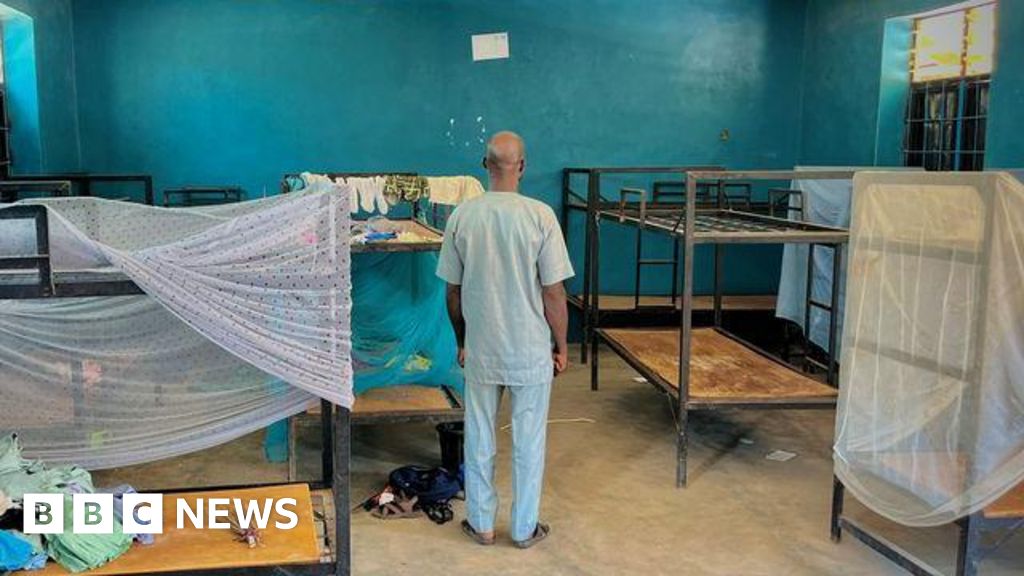
The recent escalation of violent kidnappings in Nigeria reveals a profound failure of the nation’s security apparatus and exposes the fragile fabric of its society. In the early hours of Friday, gunmen operating on motorcycles stormed a Catholic boarding school in Niger, abducting over 300 students and staff, according to the Christian Association of Nigeria. This brutal act underscores the dangerous shift in Nigeria’s insecurity, complicating the country’s internal stability and raising alarm among international observers about the effectiveness of its governance amidst a surge of violent criminal activity.

For years, Nigeria has struggled with a multifaceted security crisis involving Islamist militant groups, regional insurgencies, and criminal gangs. While Islamist militants like Boko Haram have long sought to destabilize the nation, recent kidnappings for ransom, conducted by organized criminal gangs or “bandits,” have become increasingly sophisticated and widespread. These groups exploit Nigeria’s vast forests and rugged terrain—particularly in regions like Niger State—using remote hideouts and routes to conduct their operations. Despite Nigeria’s government policy of outlawing ransom payments, these illicit transactions persist, channeling significant funds into the coffers of criminal entities and fueling ongoing violence.

The security failures are compounded by political decisions, or lack thereof. Niger State governor Umar Bago dismissively downplayed the abductions, suggesting the numbers were exaggerated and blaming school authorities for daring to keep schools open despite credible threats. Such response exemplifies a broader pattern of inadequate crisis management that further destabilizes public trust. Meanwhile, President Bola Tinubu’s decision to cancel his participation in the G20 summit to oversee the crisis signals the severity of the situation. In a rare display of prioritizing internal security, the president vowed to “not relent” in protecting Nigerians, but international analysts question whether such rhetoric can translate into effective action against well-armed, entrenched criminal networks.

  • Despite government claims of rescued hostages, parents and local communities report lingering fears and ongoing searches, highlighting a disconnect that hampers recovery efforts.
  • Widening insecurity has prompted school closures across Nigeria, disrupting the education of thousands and creating a lost generation vulnerable to extremist recruitment and additional violence.
  • The international community, including US President Donald Trump, has expressed concern, with Trump threatening military intervention if Nigeria does not curb the violence—a stark reminder of how internal crises resonate globally.

These events serve as a stark warning about the perilous state of Nigeria, a nation at a crossroads. As violence intensifies and societal trust erodes, the geopolitical implications loom large. Nigeria’s instability threatens not only regional security but also the continent’s economic stability, given its position as Africa’s most populous country and economic powerhouse. International organizations warn that unresolved insecurity fuels migration, arms trafficking, and the spread of extremism, which could destabilize neighboring countries and complicate regional diplomacy.

Historians and analysts caution that the Nigerian government’s current approach—often reactive rather than strategic—risks plunging the nation into a protracted and unresolved crisis. The weight of history suggests that events such as these not only shape the immediate political landscape but also forge the narrative of a nation struggling to keep the promise of stability and progress alive. As families mourn and communities rally against the darkness descending upon them, the unfolding story of Nigeria’s security failure may yet define the legacy of an entire generation—unless decisive, long-term measures are taken. The pages of history turn ever faster, and the future remains uncertain as the world watches how Nigeria confronts its toughest challenge yet, with the echoes of lost innocence haunting its every step into the shadows of chaos.

Over 2,000 trafficked kids and unaccompanied teen asylum seekers disappear from UK council care—urgent action needed

UK Child Trafficking and Missing Unaccompanied Minors: A Shadow Crisis Unfolds

Britain’s social welfare system faces a grim reality as a recent report exposes alarming shortcomings in safeguarding trafficked children and unaccompanied minors seeking asylum. The investigation, titled Until Harm Ends, compiled through Freedom of Information requests across England, Wales, Scotland, and Northern Ireland, reveals a disturbing trend: hundreds of vulnerable children vanish from care settings, with little accountability or central oversight.

The data paints a troubling portrait of institutional failure. Out of 2,335 children identified as trafficked or suspected trafficked, a staggering 37%—or 864 children—were reported missing. Among nearly 12,000 unaccompanied child asylum seekers in care, 13%—or 1,501 children—disappeared while under local authority supervision. Such figures underscore an urgent warning about the vulnerability of these youths, many of whom are at high risk of re-trafficking and exploitation due to insecure immigration statuses and systemic neglect.

International and domestic analysts are sounding the alarm. Organizations like ECPAT UK and Missing People emphasize that repeated failures in safeguarding efforts are part of a broader paradigm where legislation and policy often fall short of humanitarian needs. Patricia Durr, ECPAT UK’s chief executive, explicitly criticizes the current system, citing a systemic pattern of neglect and societal division. She states, “This report highlights the risk trafficked and unaccompanied children face. It remains challenging to understand why these children continue to be failed. They are consistently let down by the systems meant to support them…

Policy Failures and Their Geopolitical Impact

The report also highlights how policy decisions—particularly regarding housing and care—compound the crisis. Although since September 2021, local authorities have been mandated to place children under 16 in settings that provide proper care, the situation for 16- and 17-year-olds remains dire. Many are housed in “supported accommodation”, settings that often lack the structure necessary to prevent exploitation. This discrepancy exposes a looming gap in youth protection, further fueling concerns over how migration and asylum policies intersect with child welfare.

From a geopolitical perspective, this crisis feeds into broader debates over national sovereignty, border control, and immigration policy. Critics argue that a lax approach to vulnerable migration flows facilitates traffickers’ operations, which exploit the ambiguities between legal protections and border management. The situation is also symptomatic of a wider European trend—where the political rhetoric surrounding immigration has often been exploited to justify austerity and security measures that neglect the most vulnerable.

Both domestic and international commentators, including analysts from Amnesty International and The United Nations, warn that neglecting these societal needs risks fostering unrest and external criticism. The failure to adequately protect trafficked children tarnishes Britain’s reputation and Challenges national standing as a bastion of human rights. Moreover, this issue’s complexity underscores a stark reality: policies crafted in the name of sovereignty and security sometimes undermine the moral fabric of societies, exposing their failure to protect the weakest among us.

The Battle for Systemic Reform and the Weight of History

The government’s response emphasizes reforms, such as the upcoming overhaul of children’s social care via the children’s wellbeing and schools bill. Yet, critics argue that policy declarations alone cannot undo systemic fractures without real accountability. The call to action is clear: authorities must prioritize safeguarding infrastructure, ensure transparency, and actively combat re-trafficking. Without such measures, the cycle of neglect risks perpetuating.

As the nation grapples with this shadow crisis, the story remains unfinished. The figures speak volumes, but behind them lie countless stories of innocence lost and futures shattered. Historians and policymakers alike warn that history will remember whether Britain’s leadership chose justice or complacency in the face of such vulnerability. The coming days will decide if the ongoing narrative of neglect turns into a story of renewal, or if the weight of responsibility remains a heavy burden on conscience—an enduring legacy etched into the fabric of history’s unfolding.

Greenlandic Families Push Back as Parenting Tests Banned, Fight to Reclaim Their Kids

Greenlandic Families Fight for Justice Amid Danish Child Welfare Policies

In an unfolding chapter of international custody and cultural conflict, families from Greenland are challenging decades-long practices by the Danish government that have led to the removal of their children. Tied to a complex history of colonialism, these legal and social interventions have sparked protests, emotional trauma, and ongoing legal battles, exposing a deep-rooted crisis of cultural identity and human rights. As Greenland strives for recognition of its sovereignty and cultural integrity, the case of these families underscores how international decisions can reverberate across societal fabric—shaping laws, perceptions, and lives in powerful, often tragic ways.

Central to this controversy are the so-called FKUs—parenting ability assessments that, since their inception, have been used by Danish social services in complex welfare cases. Critics argue that these evaluations are heavily biased, culturally insensitive, and lack scientific validity—particularly when applied to Greenlandic families. Analysts and human rights advocates warn that these tests, administered in Danish and tailored around Danish norms, distort true parenting capacity, threatening to erase traditional Greenlandic values and foster a cycle of loss and despair. For many families, like Keira and Johanne, these assessments have resulted in the heartbreaking removal of their children immediately after birth or during early childhood, often based on superficial tests that critics say cannot reliably predict parental success.

The Human Cost and Cultural Clash

The stories of Keira and Johanne are emblematic of the personal tragedy woven into this larger international issue. Keira, a Greenlandic mother, recounts her agony of having only two hours with her newborn, Zammi, before social services took her away—an experience marked by uncontrollable sobbing and whispers of regret. Despite ongoing visits, she remains separated from her daughter, battling court decisions rooted in assessments that questioned her parental abilities based on questions about Mother Teresa or the speed of sunlight. Similarly, Johanne’s premature son was taken at birth, despite a brief period of contact, and subsequently adopted—the loss lingering painfully for both parents. Such cases illustrate how administrative decisions intertwined with cultural insensitivity can fracture families permanently.

While the Danish government announced a review of hundreds of such cases in the wake of mounting criticism and protests—some in Nuuk, Greenland’s capital—>the process remains slow and uncertain. As of now, only a fraction of cases have been reevaluated, with no children returned. Critics, including social workers and psychologists, contend these assessments are often based on outdated or culturally biased criteria. The recent ban on FKUs in Greenland was a significant step, yet advocates argue that systemic reform is necessary to prevent future tragedies and uphold the rights of indigenous communities.

Implications for Global Law and Sovereignty

The dilemma extends beyond individual families; it highlights the broader geopolitical impact of colonial legacies and sovereignty. Greenland, a territory with a rich indigenous culture and increasing strategic importance due to its natural resources, finds itself at the crossroads of international governance and cultural preservation. The families’ struggles reflect a wider debate: should colonial-era social policies continue to dominate or give way to indigenous-led justice? International organizations like the United Nations and European Court of Human Rights face mounting pressure to intervene, signaling a global shift towards recognizing indigenous rights and cultural autonomy in social policies.

As historians and analysts observe, this murky intersection of law, culture, and geopolitics is a *turning point*—a test of how modern nations reconcile their histories with contemporary human rights standards. For Greenlandic families, especially, the fight is about more than custody; it is about preserving identity and dignity amid an evolving global landscape. Time may echo with the resolutions of courtrooms and legislative chambers, but the weight of history continues to cast shadows. The ongoing struggle for the return of their children serves as a stark reminder: decisions made in distant boardrooms and courtrooms today will, in time, define the legacy of justice, cultural resilience, and sovereignty for generations to come. The story is still unfolding, and only history can tell whether humanity advances towards true equality or remains prisoner to its colonial past.

Peterborough Council Says No More Kids in B&Bs—A Win for Family Stability

Addressing the Society-Defining Challenge of Youth and Family Homelessness

Across communities like Peterborough, the silent crisis of youth homelessness is reshaping the very fabric of social cohesion and family stability. The recent campaign by Peterborough Citizens, an alliance of schools, charities, and community groups, highlights a growing understanding that housing instability profoundly damages not only individual lives but also the future of entire neighborhoods. The shift away from temporary, crisis-driven accommodation to more stable, family-centered housing solutions marks a crucial step in reversing decades of neglect and exposing systemic failures.

The policy triumph of the recent campaign, which led to a **73% reduction in children living in bed-and-breakfast (B&B) accommodations**, signals more than just statistical progress; it exemplifies the moral imperative to prioritize the welfare of the most vulnerable. Matt Oliver, head of housing needs, describes B&Bs and hotels as “the worst kind of emergency accommodation,” emphasizing the social toll on families. The experience of Sehrish Darr, a mother of four, underscores this reality. Her six months of homelessness in cramped, unsuitable hotel rooms caused physical health issues for her children and disrupted their education—highlighting how housing crises extend into every corner of family life, impacting health, mental well-being, and opportunities.

In education settings, these social issues not only threaten academic progress but threaten to widen the societal rift. Schools, often seen as community anchors, find themselves on the frontlines of this crisis. Instances like Ms. Darr’s experience reveal that homelessness can be hidden due to shame or fear, preventing families from seeking help. Such barriers hinder effective intervention and exacerbate the social inequality that young people face. Recognizing this, Peterborough Citizens advocates for a **mandatory notification protocol**, where schools and GPs are informed swiftly when a child enters temporary accommodation, allowing targeted support and fostering resilience in the community.

This multifaceted approach reflects broader sociological insights: experts like Professor David Greenberg argue that community engagement and early intervention are essential in breaking the cycle of homelessness and social disintegration. As histories of social policy reveal, systemic struggles such as homelessness often stem from economic, political, and cultural shifts that demand innovative, ethical responses. The hope lies in collective action—families reclaim stability, schools serve as safe spaces, and communities build a resilient, compassionate future.

The closing challenge remains: society stands at a crossroads where the plight of the homeless and displaced reflects deeper moral questions. Each family, like Sehrish Darr’s, bears the silent weight of social failure, yet also embodies the hope and potential for societal transformation. As society grapples with these wounds, a vision emerges—one where compassion, policy innovation, and community solidarity can forge a future where no child, no family, must endure the pervasive silence of homelessness. Society’s true strength will be measured not by how swiftly we respond to crises but by how enduringly we prevent them, fostering spaces where every young person can dream, grow, and thrive amidst the resilience of a society that refuses to turn away.

Social Media Auto Publish Powered By : XYZScripts.com