Matox News

Truth Over Trends, always!

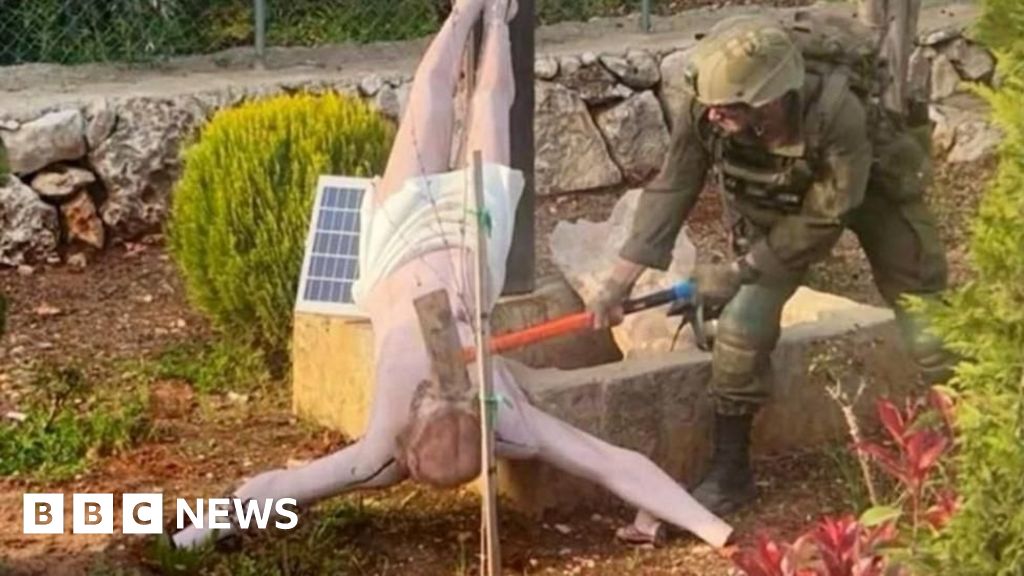
Israeli troops face scrutiny after damaging Jesus statue in Lebanon

In a decisive move that underscores the Israeli Defense Forces’ (IDF) strict stance against misconduct, Israel announced the temporary removal of two soldiers from combat duty, accompanied by 30 days of military detention. This disciplinary action signals a pivotal moment reflecting internal military discipline amid ongoing regional tensions. While seemingly routine, such measures carry significant implications for the broader geopolitical landscape of the Middle East and influence both domestic stability and international perceptions of Israel’s commitment to uphold military standards.

Experts and analysts have closely scrutinized this incident, viewing it within the context of escalating conflicts and Israel’s need to project strength and discipline. According to military officials, the decision was made in accordance with established protocols following infractions deemed detrimental to operational readiness and unit cohesion. Historians observing Israel’s military practices note that maintaining discipline in such a volatile environment is essential for national security. Yet, the gesture also serves as a stark reminder that even in a force highly trained for combat, human conduct remains under constant scrutiny—especially as the region’s political waves ripple with uncertainty.

On the international scale, this disciplinary act resonates far beyond Israel’s borders.

  • The United Nations, often criticized for its perceived inability to influence lasting peace in the Middle East, continues to watch Israel’s internal military affairs with interest, understanding that discipline within the IDF impacts regional stability.
  • Neighboring countries such as Lebanon and Syria, routinely volatile zones themselves, interpret such actions as indicative of Israel’s unwavering discipline and readiness, affecting their regional strategies and military postures.

Meanwhile, Washington and other western allies advise caution, emphasizing that internal military discipline is a crucial component in a complex regional security puzzle. International security organizations warn that any perceived weakening of Israeli military standards can embolden groups hostile to Israel, potentially escalating unforeseen conflicts.

In the broader strategic calculus, these internal measures reflect a determination by Israel to project strength in a region rife with uncertainty. As global analysts and historians observe, such disciplinary actions are more than internal affairs; they are emblematic of Israel’s effort to reinforce its deterrence posture. This is especially critical as diplomatic efforts, peace negotiations, and regional alliances continue to shift, highlighting how delicate the balance of power remains in this nation’s ongoing saga. With each disciplinary decision, Israel underscores that it is prepared to uphold its sovereignty through discipline, resilience, and unwavering commitment to its security. Yet as history unfolds in real-time, the question persists: will such internal measures suffice to deter or merely delay the tempest brewing beyond its borders? The answer remains veiled in the shadows of an uncertain future, where the weight of history presses heavily upon the present, and the fate of the Middle East continues to hang in the balance.

Israel and Lebanon Agree to 10-Day Ceasefire, Trump Confirms

The United States and Iran are once again edging toward a critical diplomatic juncture, as discussions for a second round of peace talks take place in Pakistan. These negotiations, which hold the potential to redefine regional stability, are closely watched by global powers and regional neighbors alike. According to recent statements in Washington, President Donald Trump indicated that pre-negotiation progress has been substantial, with both sides reaching consensuses on several key issues. Notably, Iran is reported to have committed to not developing nuclear weapons “beyond 20 years.” However, Trump emphasized a stark warning: “if there is no deal, fighting resumes.”

This development signals a possible shift in the complex geopolitical chess game that has long defined the Middle East. The U.S.-Iran relationship—fraught with decades of hostility, sanctions, and proxy conflicts—may be approaching a pivotal turning point. International analysts suggest that such negotiations could either open avenues for peace or trigger renewed regional turmoil. According to the International Institute for Strategic Studies, the potential for a nuclear agreement could significantly alter the balance of power, especially given Iran’s strategic position and regional influence. Yet, skeptics warn that any agreement lacking firm enforcement mechanisms risks merely postponing confrontation, leaving regional and global stability hanging in the balance.

The implications of these negotiations extend well beyond bilateral relations, affecting global security and economic stability. For the United States, success in these talks would serve as a significant victory in the ongoing effort to contain Iran’s nuclear ambitions, which many see as a threat to both regional allies and international peace. Conversely, a failed attempt risks exacerbating conflicts in Syria, Iraq, and Yemen, as well as emboldening Iran’s regional policies. As noted by geopolitical analysts, the outcome will shape the future contours of international diplomacy, potentially encouraging other states to seek unilateral nuclear capabilities if perceived as the only reliable safeguard against intervention.

Historically, conflicts of this magnitude have proved to be turning points—moments when the course of history can shift dramatically based on diplomatic choices made in such vulnerable windows. The works of historians remind us of the thin line between peace and war, often dictated by negotiations and compromises amid fierce national interests. The current situation therefore carries the weight of the future—whether the world will see a genuine step towards peace or plunge into another cycle of hostility as negotiations collapse. As the world holds its breath, one thing remains undeniable: the decisions made today will echo through the corridors of history, shaping the fate of nations and societies for generations to come. A new chapter is being written—its narrative still uncertain, its outcome yet to be determined, but its significance indelible in the fabric of global history.

Israel and Hezbollah escalate clashes after US-led Lebanon talks

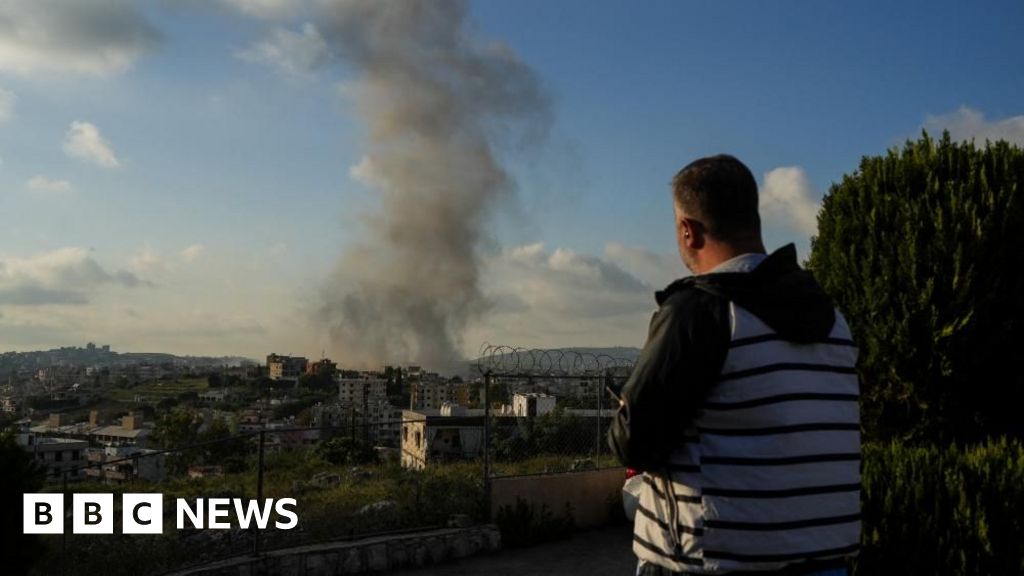
In a dramatic turn of events, Israel has launched a series of strikes targeting southern Lebanon, marking a significant escalation in the ongoing Middle East conflict. These military actions follow a period of rare direct negotiations, which had briefly raised hopes for de-escalation in a region long plagued by hostilities. Meanwhile, Hezbollah, the Iran-backed Lebanese militia, responded aggressively by firing rockets at Israeli territory, signaling that diplomacy has yet to translate into a lasting ceasefire.

The recent surge in violence underscores a fragile geopolitical balance in the Levant, with Israel asserting that its strikes are aimed at suppressing militant activity and deterring further attacks. Officials in Tel Aviv emphasize that their operations are targeted and precise, yet the repercussions are felt far beyond Israel’s borders. The United Nations has called for restraint, warning that rising tensions risk unleashing a broader regional conflict with devastating consequences.

Analysts caution that these incidents serve as a stark reminder of the region’s volatile nature. Historically, moments of diplomatic briefings—like the recent negotiations—have often been followed by a resurgence of violence, reflecting the complex web of alliances and unresolved grievances. As international organizations and key powers, including the United States and Russia, observe closely, experts warn that a failure to achieve sustainable peace could plunge the region into renewed chaos with profound geopolitical impact. It could threaten to destabilize neighboring countries, fuel extremist narratives, and threaten global security more broadly.

From the perspective of historians and political analysts, this cycle of aggression illustrates a recurring pattern in Middle Eastern diplomacy—where short-lived ceasefires give way to renewed conflict, often driven by unresolved territorial disputes, ideological clashes, and external influences. The recent exchanges between Israel and Hezbollah have _not_ only reaffirmed the volatility of the border regions but also underscored the importance of strategic resilience for regional and global stability. As the world watches, the decisions made in the coming days will shape the course of history, with many wary of the possibility that this latest confrontation may ignite a much larger and more destructive conflict.

As the skies over southern Lebanon darken with the echoes of explosive bursts and rocket salvoes, history’s pen continues to write a chapter of relentless upheaval. Despite efforts toward diplomacy, the undercurrent of hostility reminds the world of the fragile veneer over a landscape built on longstanding grievances and external influences. The question remains: will this cycle of violence persist, or can the foundations of peace finally be laid? Ultimately, the choices in this crucible of conflict will resonate through the centuries, shaping the future of nations and societies in an unpredictable and turbulent Middle East.

BBC Teams Up with Lebanon Paramedics Amid Israeli Airstrikes

Rising Tensions in Lebanon: A Reflection of Broader Geopolitical Struggles

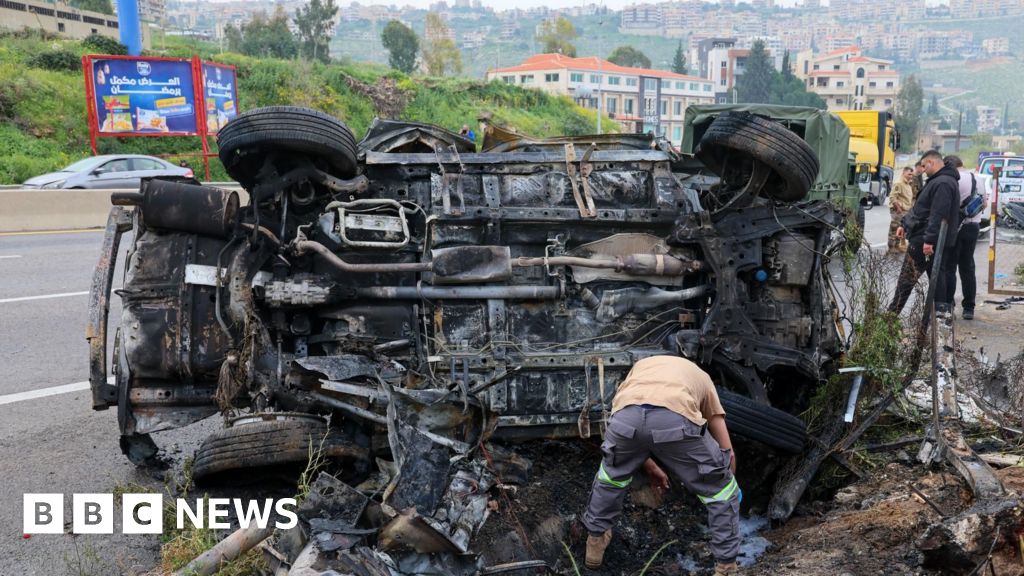
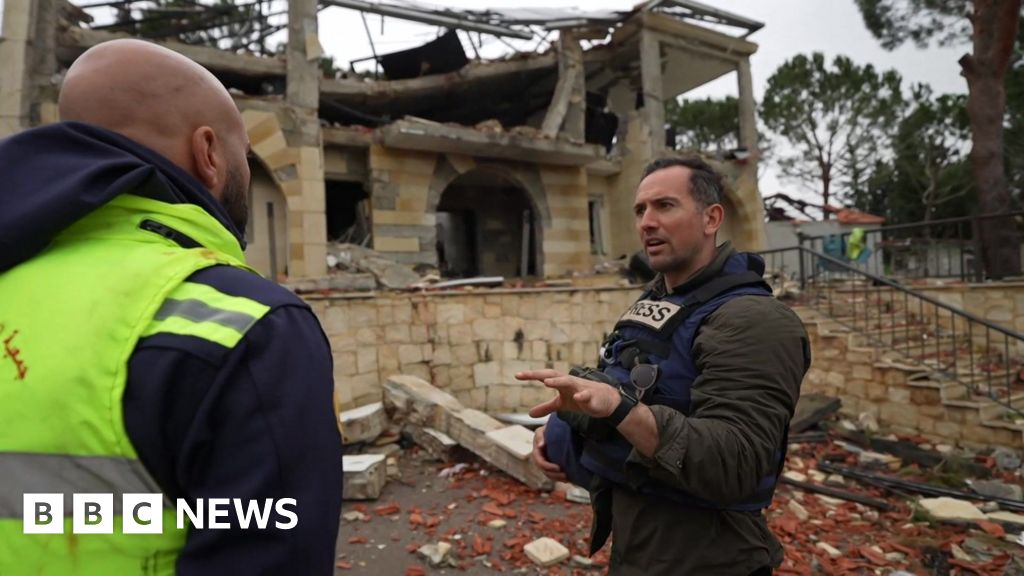
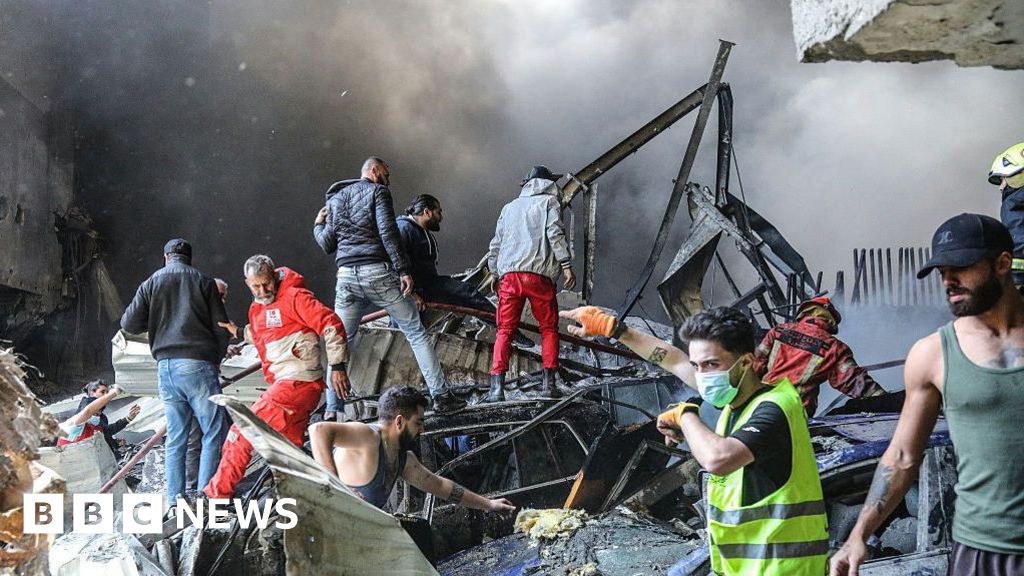
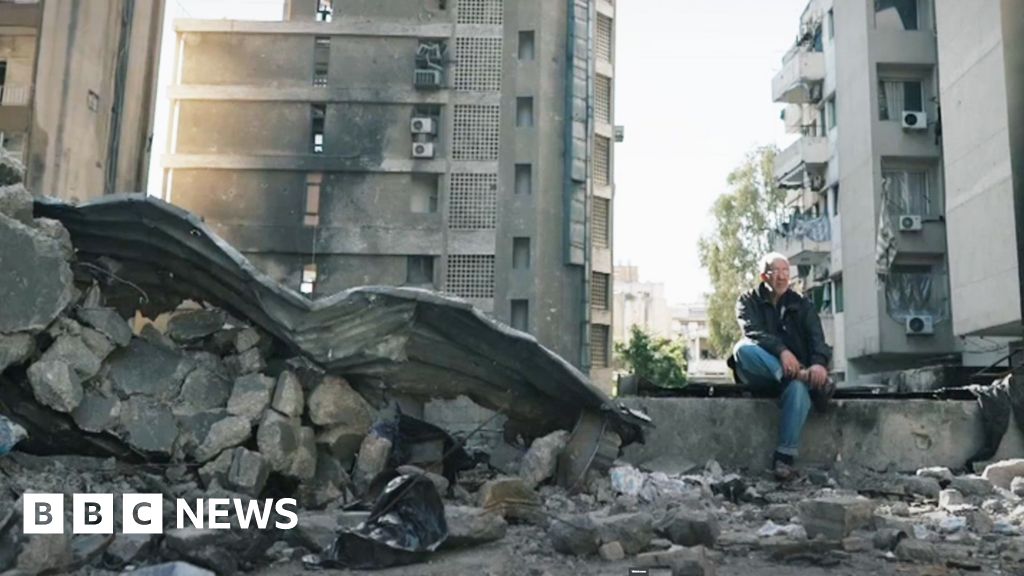
The recent escalation of violence in Lebanon underscores the fragile state of this nation, long caught in the crossfire of regional power struggles. As Lebanon descends further into chaos, with one in five residents displaced since the resurgence of fighting in March, the enduring repercussions threaten to destabilize the broader Middle East region. Paramedics navigating the deserted streets of Nabatieh, a city once teeming with life, now serves as a stark visual of the devastating toll that geopolitical conflicts exact on everyday people. The tragic death of medical personnel, notably at a ruined ambulance station where a medic’s colleague was struck down while on the phone with his wife, exemplifies the human cost of this renewed conflict. These scenes, reported by BBC’s Hugo Bachega, highlight the destabilization of civil institutions and the erosion of civility amid ongoing hostilities.

The IsraelLebanon conflict, energized by Israel’s assertions that Hezbollah militants are abusing Lebanese medical infrastructure, has further complicated international efforts at de-escalation. Tel Aviv claims some ambulances and hospitals are being exploited as military bases by Hezbollah; however, sources within Lebanon vehemently deny these allegations, emphasizing that no conclusive evidence suggests such claims. Meanwhile, the Israel Defense Forces (IDF) announced the killing of more than 20 Hezbollah fighters in Bint Jbeil, a site steeped in historical significance due to the 2006 war between the two entities. Such military operations reflect a strategic pursuit by Israel to weaken Hezbollah’s infrastructure but risk broadening the conflict into a regional battlefield. Analysts from the International Crisis Group warn that these exchanges threaten to ignite a wider sectarian and geopolitical conflict with unpredictable consequences for the entire Mediterranean basin.

Furthermore, the Lebanese government and international organizations have condemned the escalation, with Lebanon’s health ministry accusing Israel of targeting civilians and medical facilities—an accusation that sharply contradicts Israel’s claims of targeting militants. This exchange of accusations showcases the deepening mistrust and the persistence of narratives that serve to justify violence. The regional geopolitics, heavily influenced by external powers such as Iran, the United States, and Russia, continues to shape the conflict’s trajectory. As historians like Prof. Emily Johnson emphasize, these conflicts are not isolated but are part of a complex web of alliances and rivalries that have persisted for decades. If unresolved, the current violence risks becoming a long-term humanitarian and geopolitical crisis, with the potential to transform Lebanon into a battleground with no clear end in sight.

The unfolding events serve as a grim reminder that the decisions made today resonate far beyond Lebanon’s borders. The choices of regional and global powers to support or oppose different factions will influence whether this conflict remains a localized tragedy or erupts into a broader regional war. The weight of history, with memories of past wars and failed peace efforts, lingers heavily in the air as the international community faces the sobering reality of a nation teetering on the brink of full-scale collapse. As the world watches, the pages of history continue to turn—each chapter written in the suffering of innocent civilians, the strategic calculations of states, and the relentless pursuit of influence in a volatile geopolitical landscape. The question remains: how long will the world remain indifferent before this crisis unleashes consequences far worse than anyone can now imagine?

Lebanon demands ceasefire before any Israel talks, signs of upcoming tensions

In a recent development that echoes through the corridors of international diplomacy, Lebanonhas declared that it will only participate in peace talks with Israel if a ceasefire is firmly established beforehand. This conditional stance, articulated by a senior Lebanese official in an exclusive interview with the BBC, underscores the fragile state of regional stability and the complex web of alliances and animosities in the Middle East. This stance not only places Lebanon at a diplomatic crossroads but also signals a broader strategic calculation that could reshape regional stability for years to come.

The Middle East has long been a theater of geopolitical brinkmanship, where historical grievances, territorial disputes, and external influences intertwine. As tensions escalate in the wake of recent escalations—likely fueled by unresolved border issues, armed factions, and external actors—Lebanon’s decision reflects a strategic insistence on security guarantees before engaging in negotiations. Many analysts suggest that this move is not merely about immediate hostilities but signals Lebanon’s intention to leverage diplomatic standing in a larger regional conflict. Moreover, it emphasizes the importance of a comprehensive ceasefire as a precondition, positioning Lebanon as a country that refuses to be sidelined in fragile peace processes.

This stance resonates with international trends, as global institutions and major powers grapple with the unpredictable nature of Middle Eastern conflicts. Russiaand China have called for diplomatic solutions, yet the U.S. and European Union maintain that sustainable peace hinges on mutual recognition of security concerns. In this context, Lebanon’s conditional participation could be viewed as a strategic move to strengthen its negotiating position, highlighting how internal security and sovereignty are increasingly intertwined with international diplomacy. The decision also potentially influences neighboring countries, including Syria and Jordan, which are deeply affected by the regional unrest.

Historians and geopolitical analysts warn that the current developments could mark a pivotal turning point. Dr. Katherine Palmer, a senior researcher at the Global Security Institute, observed, “Lebanon’s firm stance reveals an emerging pattern where regional actors prioritize their sovereignty and security interests over piecemeal peace initiatives.” Meanwhile, the United Nations continues to call for restraint and renewed dialogue, though its influence appears increasingly limited amid mounting tensions. The global community’s ability to influence the trajectory of this conflict remains uncertain, with some experts fearing that unresolved grievances could ignite broader regional confrontations, dragging in external powers into a wider conflagration.

As the world watches while these negotiations and tensions unfold, the weight of history presses down upon every decision. The ongoing crisis in the Middle East is no longer just a localized conflict—it is a reflection of a shifting global order, where regional sovereignty, external influence, and ideological divides threaten to ignite a larger, more destructive war. This is a defining moment, where diplomacy is tested against the raw realities of power, and the destiny of nations hangs in the balance, awaiting the next chapter in this unfolding saga of geopolitics.

Israel to negotiate with Lebanon, no ceasefire talks, Netanyahu announces

In a decisive move amidst escalating violence, Lebanese officials have urgently called for a ceasefire as preparations for peace talks commence. This development underscores the fragile state of Lebanon’s internal stability, battered by relentless hostilities rooted in regional tensions and historic grievances. As violence persists in various enclaves, local leaders emphasize that halting military actions is imperative to restore dialogue and address underlying issues contributing to the ongoing conflict.

The international community, particularly regional powers and global institutions, closely monitors Lebanon’s tumultuous situation. The United Nations and European Union have reiterated their support for a peaceful resolution, urging all parties to refrain from actions that could deepen societal divisions. Meanwhile, analysts warn that without a genuine commitment to dialogue and reconciliation, the risk of broader regional destabilization looms ever larger. Experts in Middle Eastern geopolitics highlight that Lebanon’s instability serves as a microcosm of wider regional tensions that continue to threaten the broader Middle East, where proxy conflicts and political rivalries often ignite violence.

Historically, Lebanon has long been a chessboard for regional influence, with regional actors such as Iran and Saudi Arabia vying for ideological and strategic dominance. According to renowned geopolitical analyst Dr. Samuel Green, “Lebanon’s internal conflicts are not merely local disputes but are deeply intertwined with broader regional struggles. The call for a ceasefire might be a fragile, yet crucial, initial step towards de-escalation—but the true challenge lies in ensuring sustainable peace.” This perspective resonates with international observers who recognize that diplomatic strides must be accompanied by tangible political reforms to prevent renewed violence.

Officials and diplomats are acutely aware that decisions made in the coming days will shape Lebanon’s future trajectory and influence regional stability.

  • Ceasefire negotiations
  • International mediations
  • Potential peace agreements

are all pivotal junctures that could either anchor Lebanon to peace or plunge it further into chaos. The echoes of history remind us that once violence takes root, it often spreads beyond borders, threatening neighboring countries and beyond. Today, as Lebanon’s leaders call for calm, the weight of history presses down — a stark reminder of how fragile peace remains in a land torn by conflicts rooted in centuries of unresolved grievances. The unfolding story could determine whether this moment becomes a turning point toward lasting stability or another chapter in an ongoing saga of turmoil that continues to shape the geopolitics of an entire region.

Lebanon believed in peace—then Israel hits back with deadly strike

The recent declaration by Israel that Lebanon is not included in the ceasefire agreement brokered by the United States signifies a complex escalation in the ongoing regional tensions between Israel and Iran-backed entities. As the US facilitates diplomatic efforts to halt the broader conflict, the explicit exclusion of Lebanon highlights the fragile and unpredictable nature of Middle Eastern diplomacy. Analysts warn that this division could lay the groundwork for further destabilization, with profound geopolitical impacts reverberating across borders and societies.

At the core of this development lies the intricate web of alliances and enmities defining the region. Israel‘s stance reflects its caution in engaging with negotiations that exclude key actors like Hezbollah—a powerful Shia Islamistmilitia based in Lebanon and openly supported by Iran. The tension underscores a broader strategic calculus: while the US endeavors to leverage diplomatic channels to de-escalate confrontation with Iran, it faces the hard reality that regional allies and adversaries remain deeply divided. This division is emphasized by the fact that, according to some international experts, the exclusion of Lebanon from the ceasefire could be a strategic move by Israel to pressure Lebanese authorities and Hezbollah into reconsidering their stance during the ongoing conflict.

History has taught us, as noted by prominent defense analysts and scholars, that such exclusions often deepen regional fissures and can lead to unintended consequences. The United Nations and influential international bodies have expressed concern over the potential for renewed hostilities and the risk of broader regional proliferation of violence. The turning point in diplomatic negotiations underscores an ominous reality: the region’s volatile balance is susceptible to shifts driven by both military actions and diplomatic fissures. Lebanon’s omission from the ceasefire signifies not only a strategic decision but also a symbolic line in the sand that could influence future negotiations and regional stability.

As the world watches this unfolding chapter, historians and geopolitical analysts emphasize the significance of these developments in shaping the future landscape of the Middle East. The decision not to include Lebanon in the ceasefire pathway opens new questions about the possible escalation of hostilities and the fragile peace that remains at risk. With Iran’s influence wading deeper into regional affairs and Israel reaffirming its security parameters, the region faces a potentially turbulent period—an uncertain echo of a legacy that will be written by the decisions of today and the unforeseen consequences of tomorrow.

In the shadow of these geopolitical chess moves, history continues to unfold — a stark reminder that in this layered and turbulent landscape, peace remains an elusive prize, perched on the edge of shifting alliances and unspoken red lines. The question remains: how will this new dynamic reshape the contours of Middle Eastern conflict, and what future sacrifices will be required in an arena where diplomacy is continually tested by the harsh realities of power and survival? The weight of history presses down, unwavering, as the actors of this global theatre play their parts in a story still being written.

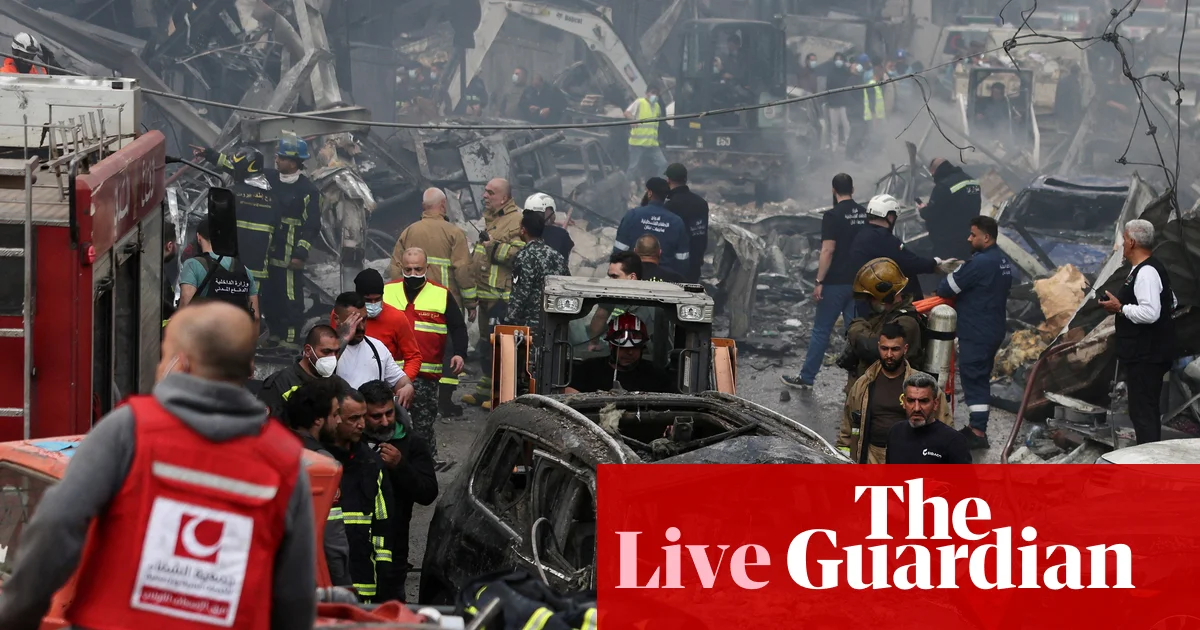
Middle East Tensions Rise: Red Cross Blasts Israeli Strikes as Lebanon Death Toll Soars; Iran at Crossroads

The Middle East stands at a perilous crossroads as recent developments in the ongoing conflict ripple across regional and global geopolitics. A fragile two-week ceasefire between the United States and Iran teeters on the edge of collapse amid escalations involving Israel and Lebanon. The escalation, notably Israel’s unprecedented bombardment of Lebanon which has reportedly killed at least 254 civilians, underscores the volatile and unpredictable nature of this conflict. Such actions have provoked international criticism, with UN Secretary-General Antonio Guterres warning of “a grave risk” to the region’s fragile peace, urging all parties to **immediately cease hostilities**.

<p>The stakes are further heightened as Iran threatens to **lock down the strategic <u>Strait of Hormuz</u>**, a crucial maritime chokepoint accounting for a significant portion of the world's oil trade. Tehran’s decision to announce alternative routes for ships amid fears of sea mines signals its willingness to weaponize control of vital waterways, a move that could plunge global energy markets into chaos. In tandem, Iran’s Revolutionary Guards have issued stern warnings, promising retaliation if Israel persists with its attacks on Lebanon. The escalating rhetoric indicates that regional tensions may snowball into a broader confrontation, threatening the stability of international trade and energy supplies.</p>

<p>Meanwhile, <strong>world leaders</strong> and international organizations are divided in their assessments of the conflict’s trajectory. <strong>French President Emmanuel Macron</strong> has called for the inclusion of Lebanon in negotiations, advocating for a broader ceasefire that encompasses all conflict zones. Yet, the <strong>Trump administration</strong> has clarified that Lebanon is **not** part of their negotiated ceasefire, with US officials stating there might have been misunderstandings on Iran’s part concerning the scope of agreements. This divergence underscores the fractured messaging and underlying geopolitical rivalries shaping the crisis. Notably, <strong>Israel’s Prime Minister Benjamin Netanyahu</strong> remains steadfast in his resolve to confront Iran, emphasizing that Israel’s military operations aim at **disarming Hezbollah** – a move viewed with suspicion by analysts as a flashpoint that could ignite further regional violence.</p>

<p>As diplomatic talks in <strong>Pakistan</strong> loom, the international community’s response reflects a broader contest for influence. <strong>Australian Prime Minister Anthony Albanese</strong> has urged Israel to cease its attacks, emphasizing the importance of **preserving regional peace**, while <strong>Sir Keir Starmer</strong> is actively engaging Middle Eastern allies to give “confidence” to maritime shipping passing through the **Strait of Hormuz**. The interconnectedness of these events reveals how decisions made in backrooms impact societies across continents, with the potential to either usher in a period of diplomacy or plunge the region into outright war.</p>

<p>This ongoing crisis exposes a fundamental truth: global stability is inherently intertwined with the actions of major powers and regional actors alike. Historians and analysts warn that the consequences of current policies could echo for generations, either forging pathways toward peace or cementing cycles of violence. As oil prices surge and stock markets wobble, the world watches with bated breath, recognizing that **the direction in which this conflict unfolds will fundamentally shape the geopolitical landscape for decades to come**. The shadow of history stretches long over these moments—mandating vigilance, conviction, and the unwavering pursuit of a sustainable resolution amidst the chaos.</p>
Australia News Live: Penny Wong Urges Lebanon in Ceasefire, Calls for Protecting Aid Workers

Global Power Struggles Unfolding as Middle East Ceasefire Teeters

In an era where geopolitics often hangs in a delicate balance, recent developments highlight the profound impact of international decisions on nations and societies across the globe. The Middle East—a longstanding epicenter of conflict—finds itself at a critical juncture. Penny Wong, Australia’s foreign affairs minister, has issued a stark warning: the ongoing US-Iran ceasefire remains fragile and could unravel, risking catastrophic consequences not only for regional stability but for the **global economy** and **energy markets**. This fragile truce underscores a broader pattern of international uncertainty, driven by high-stakes diplomacy and shifting alliances that could reshape the geopolitical landscape for years to come.

Wong’s unequivocal concern reveals an underlying truth shared by analysts and historians: every decision taken now could have reverberations far beyond immediate conflict zones. The toll on civilian populations—marked by reports of over 250 casualties from Israeli strikes in Lebanon—illustrates the human cost of these geopolitical struggles. Recognizing the stakes, Australia has actively engaged in regional diplomacy, with Prime Minister Anthony Albanese leading efforts across the Indo-Pacific. Notably, Albanese’s discussions with the Sultan of Brunei and subsequent visits to Singapore aim to fortify energy supply chains crucial to Australia’s economy, demonstrating a pragmatic approach bent on domestic resilience amidst international turbulence. These diplomatic moves exemplify how global conflicts influence economic security and social stability within nations, as they navigate an increasingly interconnected world facing unprecedented shocks.

The regional diplomacy extends further, with China reaffirming its strategic partnership with Australia. Both nations are eyeing an upward trajectory, emphasizing economic cooperation in clean energy, electric vehicles, and market stability. China’s Premier Li Qiang highlighted the importance of fostering “positive atmospheres” and “mutually beneficial cooperation,” signaling a desire for stability amid international upheaval. This re-engagement occurs within the broader context of China’s long-term ambition to boost domestic demand, participate more actively in global trade, and elevate bilateral ties with Australia—elements that analysts see as part of a shifting power dynamic that could challenge traditional Western dominance. Meanwhile, Australia’s commitment to maintaining a balanced foreign policy—upholding the **One-China policy** while advocating for regional stability—reflects a nuanced strategy designed to maximize national interests while avoiding escalation in these volatile times.

As the world watches the impending fallout from ongoing conflicts, geopolitical players face a choice: reinforce the fragile status quo or risk plunging into chaos. The United States and Iran, along with regional allies, must navigate treacherous waters, balancing de-escalation efforts with strategic interests. Australian leaders, along with international organizations like the United Nations, call for respect for international humanitarian law and the protection of civilians—reminding all that humanity’s future hinges on the choices made today. The unfolding story of this geopolitical chessboard portends a future where the balance of power could tilt dramatically, threatening to alter the course of history itself. With each diplomatic handshake and ceasefire declaration, the true weight of history presses down—reminding us that we are all witnesses to an unfolding epoch that will define global borders and societies for generations to come.

Israel launches major air strikes across Lebanon amidst mounting tensions

In a significant development amidst the ongoing turmoil in the Middle East, Lebanon has taken a notable turn in its approach to the conflict with Israel. President Joseph Aoun, a respected former army chief, explicitly rejected the option of employing force to manage the rising tensions, emphasizing instead the importance of restraint. His cautious stance was driven by the hard-earned lessons from past regional conflicts, where escalation often led to widespread violence and suffering. This approach aligns with broader international calls for de-escalation, yet the situation remains fragile, with undercurrents of instability that threaten to spill over into wider regional conflict.

The Lebanese government, in a move that caught global attention, declared a willingness to engage in direct negotiations with Israel—a nation with which they have no formal diplomatic relations and whose existence Lebanon remains vigilant over. This historic announcement signals a potential shift in regional diplomacy; it underscores the recognition among Lebanese authorities of the disastrous consequences of ongoing hostilities and the need for political solutions. However, Israel has so far dismissed this overture, refusing to acknowledge or respond to the offer. This deafening silence further complicates the peace process and underscores the challenges faced by international mediators attempting to broker stability in a deeply divided region.

International analysts and historians are closely watching these developments, noting that the decision to negotiate directly with Israel marks a significant departure from Lebanon’s previous posture of hostility and strategic ambiguity. Political experts argue that it reflects a broader realization among Lebanese leaders of the strategic costs inflicted by continued conflict—costs that resonate deeply within Lebanese society, which bears the brunt of economic collapse and social dislocation. Yet, the absence of a reciprocal response from Israel serves as a reminder that peace remains elusive, with entrenched mistrust and ideological divides complicating diplomatic efforts. As UN analysts warn, such intransigence could prolong regional instability, pulling neighboring countries into a destructive cycle that hampers development and threatens global peace.

The geopolitical impact of this evolving situation cannot be understated. Lebanon’s initiative hints at a possible paradigm shift—an acknowledgment by some regional actors that strategic conflict may no longer serve their long-term interests. However, the broader regional landscape is rife with competing interests, external influences, and unresolved grievances. The persistent presence of militias, the shadow of Syria’s ongoing civil war, and Iran’s influence all weigh heavily on Lebanon’s prospects for peace. How these decisions impact societies, economies, and even future generations depends on whether stakeholders recognize the dire stakes and push towards diplomacy or succumb to the inertia of hostility.

This unfolding chapter in Middle Eastern history carries with it a sense of foreboding—an awareness that the decisions taken today will echo through decades to come. As the world watches this fragile attempt at diplomacy unfold amid a backdrop of conflict and distrust, the weight of history presses upon the shoulders of leaders and nations alike. Will they seize this moment to steer away from the destructive path of war, or will they allow the scars of the past to deepen, leaving future generations to inherit a region still scarred and divided? Only time will reveal whether these tentative steps toward peace serve as the dawn of a new era or the last gasp before chaos engulfs the region once more.

Social Media Auto Publish Powered By : XYZScripts.com