Matox News

Truth Over Trends, always!

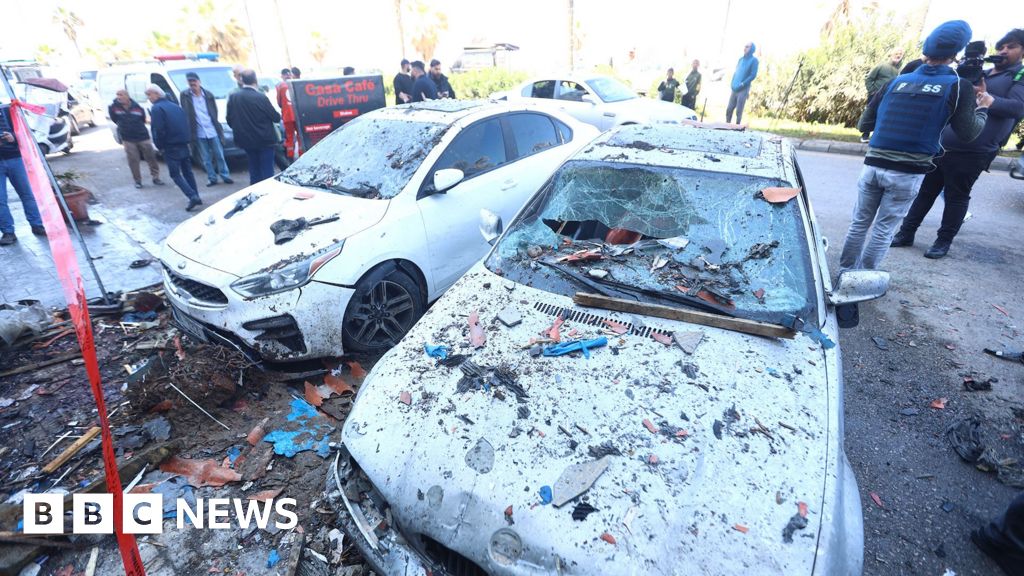
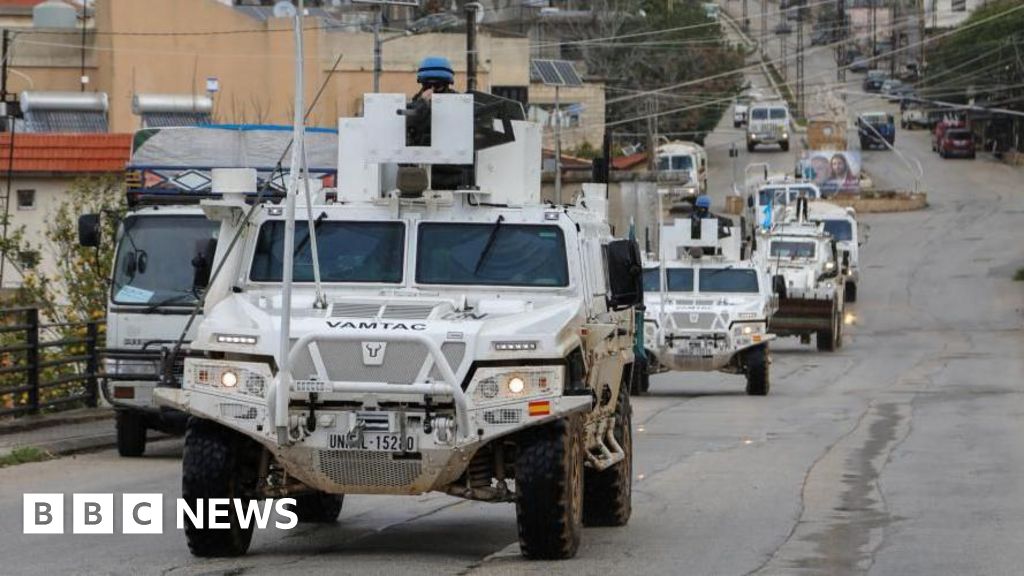
Peacekeepers Hit by Blast in Lebanon: Casualties Reported

In a tragic escalation that underscores the volatility of Middle Eastern geopolitics, two Indonesian nationals lost their lives in Lebanon less than a day after another Indonesian UN peacekeeper was killed in the region. This series of events has sent shockwaves through international security corridors, raising urgent questions about the safety of peacekeeping missions and the stability of Lebanon’s fragile political environment.

The deaths arrive amid a complex backdrop of regional tensions where multiple factions vying for influence continue to destabilize Lebanon. Historically, Lebanon has served as a battleground for external and internal conflicts, often influenced by broader powers such as Iran, Israel, and Turkey. The recent fatalities seem to amplify a concerning pattern of violence that threatens to derail diplomatic efforts aimed at restoring order. Analysts from the International Crisis Group argue that these incidents are a stark reminder of the risks faced by UN peacekeepers operating in a highly unpredictable environment, where local factions rarely shy away from lethal retaliation.

Global institutions such as the United Nations have repeatedly called for increased safety measures and clearer rules of engagement, yet the recurring losses expose loopholes in current strategies. Some veteran diplomats and military analysts warn that the current approach may be insufficient to deter or prevent attacks, urging a reassessment of international peacekeeping policies. The death toll among peacekeepers is not merely a tragic loss but also a symbol of how the decision to deploy forces into conflict zones involves weighing political resilience against human costs, a calculation that remains perilous. From a geopolitical standpoint, the incident underscores how regional conflicts ripple beyond borders, affecting international peace and security.

Over recent years, historians and geopolitical commentators have analyzed Lebanon’s plight as emblematic of a wider systemic decline in Middle Eastern stability. Dr. Alice Perkins, a renowned scholar in Middle Eastern politics, remarks that “the deaths of these peacekeepers are both a symptom and a catalyst—highlighting the perilous state of regional diplomacy and the consequences of external power struggles.” Underlying these tragedies is a complex web of alliances and hostilities that continually undermine efforts to establish sustainable peace. The death of these peacekeepers also resonates as a cautionary tale for nations invested in maintaining order—reminding global actors that intervention carries inherent risks, especially when local factions operate with impunity.

As the international community grapples with these fresh tragedies, the question remains: how can peace be achieved in a region where violence seems cyclical and deeply rooted in history? The deaths of the Indonesian peacekeepers reflect not only on Lebanon’s ongoing instability but also on the broader geopolitical dance involving regional and global powers. History may look back on this moment as a turning point—either as a catalyst for renewed diplomatic efforts or as a harbinger of prolonged chaos—yet the scores of history are yet to be written, and the stakes could not be higher.

Israel vows to hold onto southern Lebanon amid ongoing tensions

In a provocative move that has sent shockwaves through the Middle East, Israel’s Defence Minister Israel Katz announced plans to demolish homes in Lebanese villages situated near the Israeli border. This statement underscores a deepening of hostilities amidst a fraught regional landscape, where longstanding conflicts threaten to ignite broader regional instability. The decision, rooted in concerns over security threats emanating from southern Lebanon, reveals a gravely tense environment that has persisted for decades—yet now edges closer to a potential flashpoint.

Analysts and international observers have begun examining the geopolitical impact of Israel’s latest assertion. The region remains defined by complex alliances, with Hezbollah—Lebanon’s armed faction—serving as a key proxy for Iran and contributing to the proximity of conflict. Many experts suggest that Israel’s move to demolish Lebanese homes could escalate violence, prompting retaliation or preemptive actions from Hezbollah, which perceives such measures as existential threats. This shift in policy marks a significant escalation in Israel’s perceived security posture in its northern front, intensifying fears of a renewed conflict that could spiral beyond control.

  • The decision to destroy homes has been met with widespread condemnation from Lebanese authorities, who argue it exacerbates already fragile political and social tensions within Lebanon.
  • Regional powers such as Egypt and Saudi Arabia have called for restraint, emphasizing the importance of dialogue over military escalation to prevent further destabilization.
  • International organizations—particularly the United Nations—have issued cautious statements, urging both sides to avoid actions that could provoke a broader conflict and calling for diplomatic solutions to longstanding border disagreements.

Historian and geopolitical analyst Dr. Emily Carter remarks that such aggressive tactics by Israel are rooted in a decades-long security dilemma, but warn they risk undermining diplomatic momentum in a region desperately in need of stability. The United Nations and other global institutions recognize the implications: a flare-up in the north could lead to a resurgence of violence across borders, affecting millions of lives from Tel Aviv to Beirut. This is precisely what some cautioned against as the region teeters on a precipice; unilateral actions, no matter how justified they seem in the short term, threaten to spiral into years of chaos.

As history has repeatedly demonstrated, decisions made in moments of high tension leave lasting marks on the geopolitical landscape. The statement from Israel’s Defense Minister functions not only as a stark warning to Lebanon but as a signpost for a regional world that remains dangerously unpredictable. Where once diplomatic channels promised peace, the conflict over borders and sovereignty now looms larger than ever. The next chapter remains unwritten, but the echoes of such decisions will resonate through history—reminding us that in this volatile region, the line between diplomacy and destruction is perilously thin.

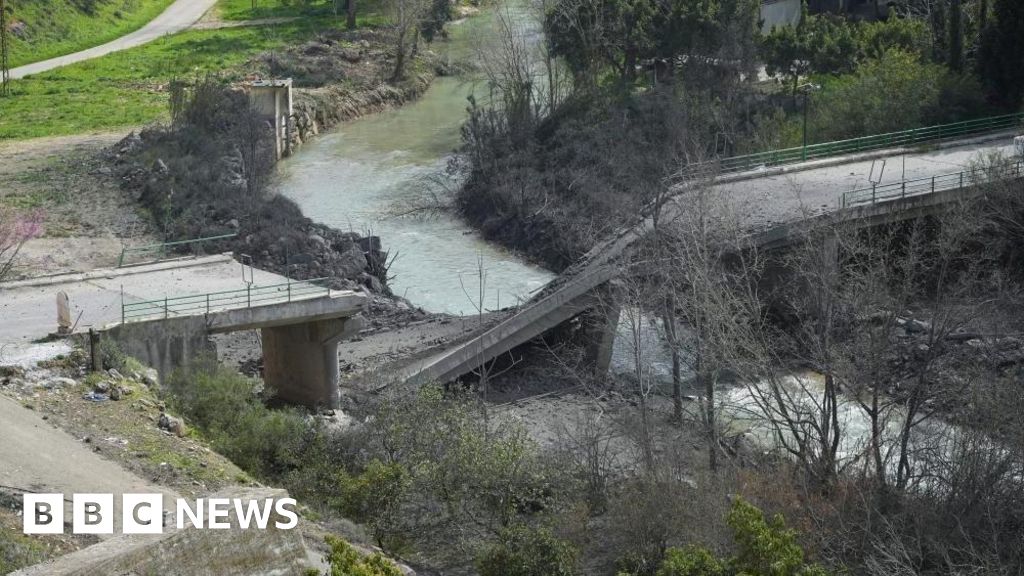
Israel TAKES Action, Destroys River Bridges in Southern Lebanon

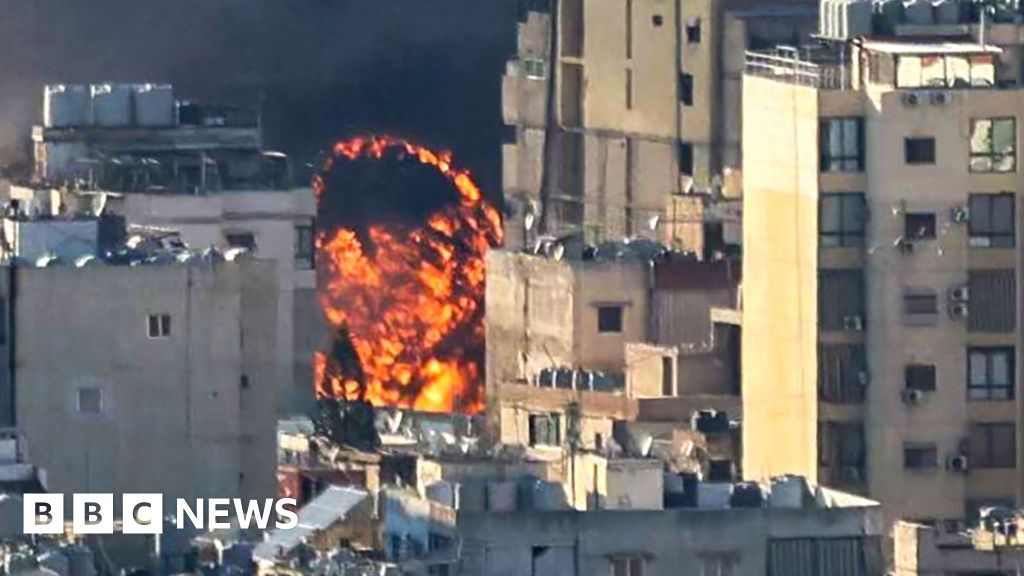
In a stark display of escalation and anger, scenes of chaos erupted amidst the recent destruction that has gripped the Middle East. Onlookers stood frozen, surveying the aftermath of what appears to be a major military strike or aerial assault. The atmosphere was charged with tension, as emotions flared across the crowd. Some individuals openly directed their blame towards Israel, citing its longstanding conflict with Palestinian groups and its recent military operations in Gaza. Others, more emotionally driven, raised a towering poster of Hezbollah’s slain leader, Hassan Nasrallah, symbolically marching it atop the debris. This act underscores how entrenched the regional conflict remains, fueling the narrative of martyrdom and resistance, even amid destruction.

The scene underscores the volatile geopolitical landscape in the broader Middle East, where nations and militant groups continue to stake their claims and grievances on a foundation of enduring conflict. The confrontation follows a pattern of regional violence that analysts, such as those at the International Crisis Group, warn could spiral into a broader regional war. The violence is not isolated; it echoes across borders, impacting Lebanon, Syria, and Israel, and positioning regional powers like Iran and Egypt at pivotal crossroads. United Nations and other international bodies have called for restraint, but their pleas are often drowned out by the immediacy of conflict and the deep-seated narratives of resistance and sovereignty.

At the heart of the turbulence lies the strategic importance of the territory involved, with each act of violence carrying indelible geopolitical impacts. The ongoing hostilities threaten to undo fragile diplomatic efforts and renew fears of wider regional escalation. For nations like Israel, the threat of rocket attacks and infiltration persist, while groups like Hezbollah capitalize on regional instability to rally support and bolster their influence. Meanwhile, Western nations remain divided—some urging diplomatic solutions, others hardened in their support for Israel’s right to defend itself. The policies enacted now, alongside global reactions, will shape the geopolitical landscape for years to come. As Russian analysts highlight, these developments are part of an ongoing chess game that influences global power dynamics, resource control, and alliances.

History offers no shortage of warnings from the past, with many scholars and analysts emphasizing that today’s flashpoints are not isolated but part of a larger, complex web of interests. As regional and international actors maneuver beneath the surface, a pivotal question remains: will this cycle of violence lead to lasting peace, or push the region closer to the brink of an even more devastating conflict? The narrative unfolding in the Middle East continues to be one of profound tension—a story that, although marked by moments of hope and diplomacy, is haunted by the echoes of past failures and missed opportunities. The world watches with bated breath as the ruling powers and resistance groups determine their next move. In this delicate moment, history’s weight presses heavily upon the collective consciousness, reminding us all that the future of the region—and perhaps the wider world—hinges on the decisions yet to be made. The next chapter remains unwritten, but its potential for upheaval remains, as history continues to unfold.”

Israel hits Lebanon in response to Hezbollah rockets amid Iran tensions

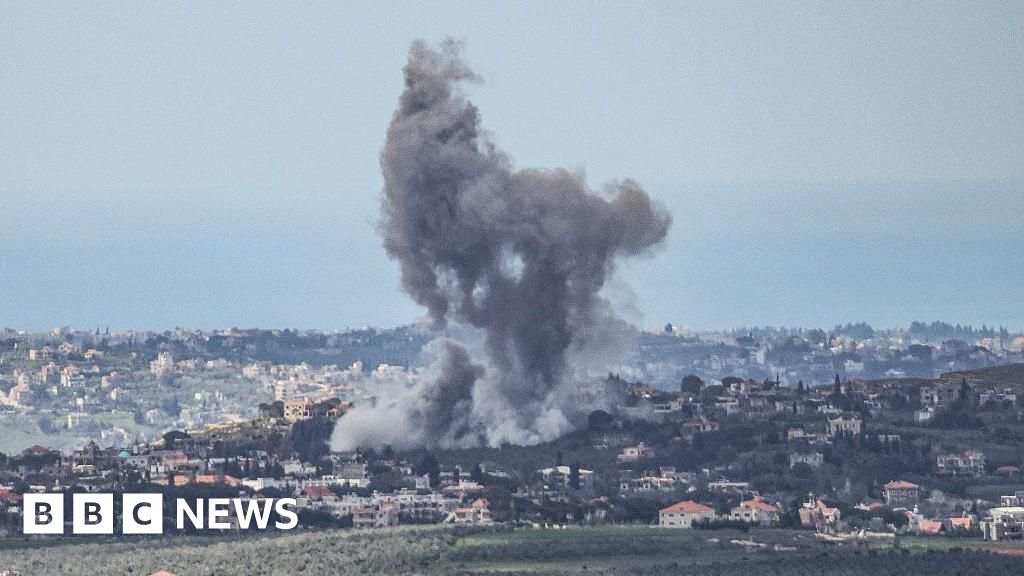
In a stark escalation of the ongoing border tensions between Israel and Lebanon, the Lebanese health ministry has confirmed that a tragic toll of 31 civilians was inflicted by recent Israeli airstrikes. The devastation wrought in Lebanese territory underscores a significant juncture in the region’s persistent conflicts, threatening to ignite broader regional instability. Meanwhile, no Israeli casualties have been reported, further complicating diplomatic narratives and fueling accusations from Lebanese authorities and regional allies.

This escalation arises amidst a backdrop of fragile ceasefires and heightened rhetoric, with Israel citing security concerns over militant activities from Hezbollah, the Iran-backed Lebanese political and military organization. Analysts from international security think tanks warn that such targeted strikes could set a dangerous precedent — one that risks spiraling into a broader confrontation that could draw in regional powers and destabilize Mediterranean geopolitics. The international community, including the United Nations and regional actors, has called for restraint, emphasizing the potential for these hostilities to unravel decades of fragile peace, with wide-reaching consequences.

Historical perspectives provided by scholars and geopolitical experts highlight the intricate web of alliances and enmities that often underpin such flare-ups. Many point to a pattern of border skirmishes that have become proxy battles in the ongoing fight for regional influence. The United States, Russia, and European Union nations continuously reassess their strategic interests amid the chaos, with diplomatic efforts aimed at de-escalation. However, some voices, including regional analysts and seasoned diplomats, warn that recent events could mark a turning point — a moment where temporary ceasefires give way to a more sustained cycle of violence, threatening stability in the Levant.

  • The Lebanese government condemns the strikes, asserting that they violate international law and violate Lebanon’s sovereignty.
  • Israeli officials maintain the strikes were precision operations targeting militant infrastructure.
  • The UN calls for an immediate ceasefire, emphasizing the protection of civilians amid mounting casualties.
  • Regional powers like Egypt and Jordan have expressed concern while urging diplomatic resolution.

As the world watches, the region stands on a knife’s edge, its history echoing with the ghosts of past conflicts and the shadows of future ones. With each airstrike, the geopolitical landscape shifts—altering alliances, fueling insurgency, and shaping societies. For Lebanon, a nation already scarred by civil war and economic collapse, the loss of life at the hands of external military actions rekindles imagery of a fractured past. For Israel, the campaign continues to be justified as essential for national security but risks escalating into an uncontainable regional war. The international community remains caught in the web of diplomatic uncertainty, watching anxiously as history relentlessly unfolds its next chapter, whispering the ominous possibility that this latest cycle of violence could either be contained or ignite the spark for a new era of chaos.

Pope Prays for Lebanon at Beirut Port Blast Site on Final Day of Visit

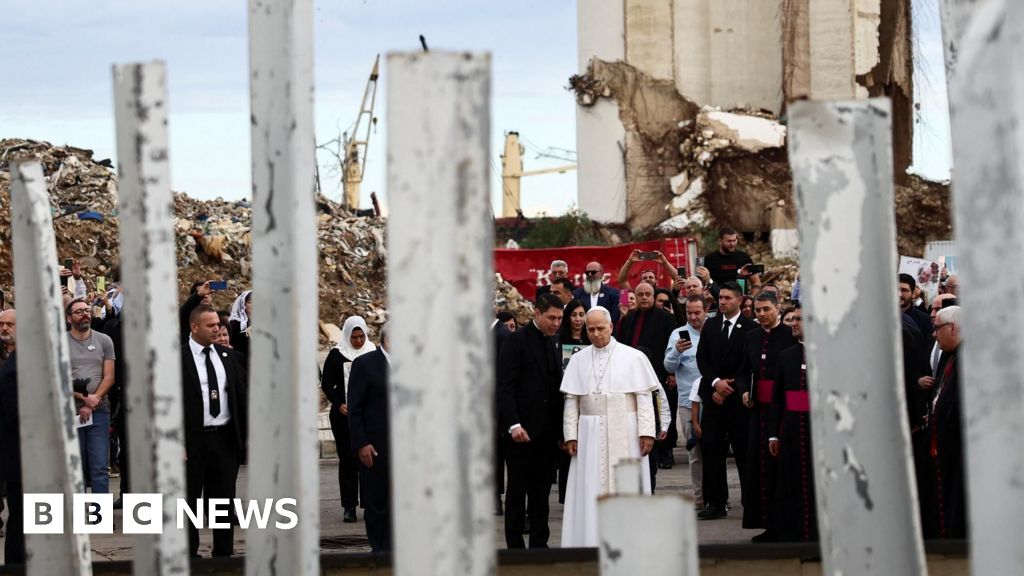
In a poignant act of remembrance and call for justice, Pope Leo XIV concluded his recent visit to Lebanon with a silent prayer at the site of the devastating Beirut port explosion. This tragedy, which struck in August 2020, claimed 218 lives and left an indelible scar on the city’s fabric. The Pope’s failure to condemn the gross negligence involved in storing nearly 2,750 tonnes of ammonium nitrate without proper safety measures highlights the worldwide concern over accountability and governance in fragile states. Derided by critics as symptomatic of endemic corruption, this disaster exemplifies how failed leadership can escalate into humanitarian crises that ripple across borders, affecting regional stability and international perceptions of Lebanon.

The ongoing struggle for justice reflects a broader crisis of governance that continues to undermine Lebanese sovereignty and social cohesion. Victims’ families, such as Cecile Roukoz and Tatiana Hasrouty, are voicing frustrations that their pleas have fallen on deaf ears, hindered by a political elite more intent on self-preservation than addressing structural failures. Analysts from the International Crisis Group warn that such impunity not only erodes public trust but also emboldens regional actors with vested interests in Lebanon’s instability—an issue impacting neighboring countries and international peace efforts. The failure to prosecute those responsible redefines the crisis as one of moral decline and lost opportunity for reform, which risks devolving into an enduring cycle of chaos and despair.

Meanwhile, Lebanon remains under the shadow of division and conflict. Since the last papal visit in 2012, the nation has been battered by compounded crises including an unprecedented economic depression that plunged millions into poverty, widespread protests, and the aftermath of a lengthy war involving Hezbollah and Israel. A fragile ceasefire now holds, but persistent Israeli strikes targeting alleged Hezbollah rearmament threaten to unravel these diplomatic gains. How the Lebanese political system navigates these unresolved issues will decisively shape their future, and perhaps, their very survival. The international community is calling for structural reforms and renewed efforts at reconciliation, but their requests are often dismissed or delayed, fueling skepticism about real change.

This turmoil is not isolated; it embodies a broader geopolitical contest, with Iran backing Hezbollah and Israel defending its borders, all within a region where external powers jockey for influence. As security analysts warn of a potential escalation, the stability of Lebanon becomes a litmus test for regional peace, with the global implications of unchecked conflict growing starkly evident. The echoes of history are loud, and the delicate balance of power teeters on the brink—each decision made by leaders has profound consequences for the daily lives of Lebanese citizens and the wider Middle Eastern landscape. Today, as Lebanese households grapple with economic hardship and uncertainty, the weight of geopolitics looms heavy, reminding the world that the pages of history continue to turn—sometimes silently, sometimes with the ominous roar of war.

Lebanon blames Israel for deadly attack near Palestinian refugee camp, 13 dead

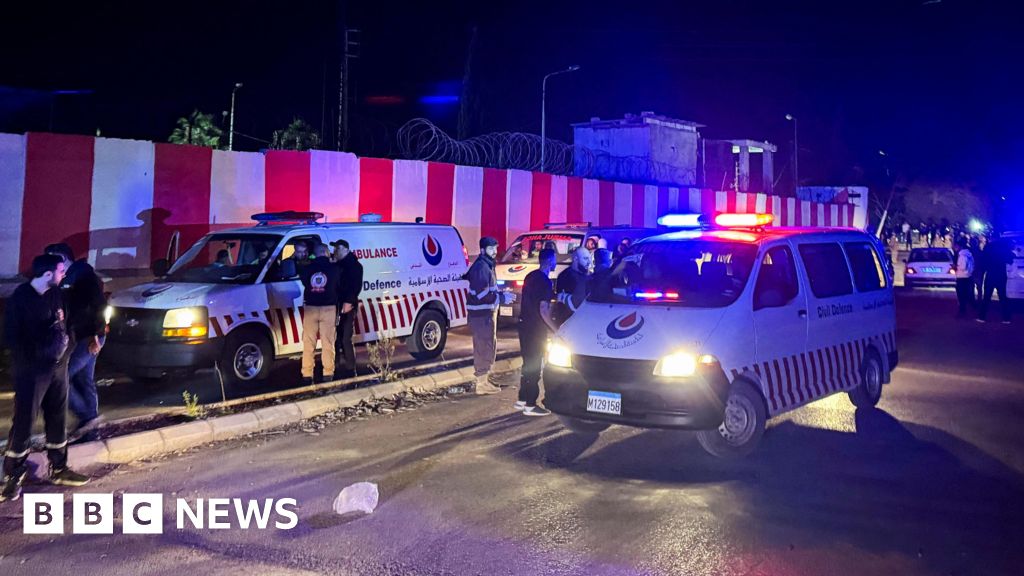
The Middle East remains a flashpoint of conflict, with recent events underscoring the volatility that continues to threaten regional stability and global security. Israel, reiterating its stance against militant groups, launched a strike near the largest Palestinian refugee camp in Lebanon, Ein el-Hilweh. According to Lebanese authorities, at least 13 individuals were killed, with dozens more injured. The Israeli military claimed the target was a Hamas training compound, ostensibly used for planning attacks against Israel, an assertion Hamas vehemently denies, branding it a fabrication and lies. This incident exemplifies how Israel’s technological precision and strategic strikes operate within a complex web of regional alliances and enmities, aiming to weaken militant capabilities while risking civilian casualties.

This violence cannot be viewed in isolation. Since the outbreak of the October 2023 conflict initiated by Hamas’s brutal assault on southern Israel—resulting in approximately 1,200 deaths and multiple hostages—the broader regional picture has deteriorated rapidly. Israel’s military response in Gaza and Lebanon has resulted in devastating civilian tolls, with Palestinian casualties surpassing 69,000, raising alarm among international observers and human rights organizations. Meanwhile, Hezbollah, backed financially and militarily by Iran, intensified its attacks against Israeli targets in a display of solidarity with Palestinians. These actions have pushed the region towards an unstable equilibrium of tit-for-tat violence, with the Lebanese Hezbollah engaging in ongoing hostilities, firing rockets in defense of Gaza, and launching an assault on northern Israel.

Analysts from think tanks and global institutions warn that the geopolitical impact of these escalating conflicts exceeds regional boundaries. They highlight how Iran’s influence and proxy networks have turned Lebanon into a battleground, transforming the Lebanese armed groups into key players in a broader confrontation. The 13-month war culminating in a fierce Israeli offensive in October 2024 has caused the displacement of over 1.2 million Lebanese civilians, sowing chaos and despair. The collapse of Lebanese stability threatens neighboring countries and global markets, especially considering Lebanon’s precarious economic situation. The United Nations and regional powers are calling for restraint, but with conflicting interests and deep-seated hostility, prospects for peace remain distant.

Historian voices and experts warn that decisions made now will carve the contours of future generations’ lives. The ongoing violence—fueling resentment and radicalization—edges the region closer to a broader, perhaps irreversible, rupture. With Israeli officials justifying their strikes as measures to diminish threats, and Hamas and Hezbollah positioning themselves as defenders of Palestinian and Lebanese sovereignty, the battle lines are being redrawn. This relentless cycle of violence exemplifies how international decisions—often made in the shadows—shape societal fate, threatening to plunge the Middle East into deeper chaos. As history unfolds in real-time, it is evident that the weight of these events will be felt long after today’s battles cease, leaving a fractured landscape where hope must fight to survive amidst the wreckage of yesterday’s conflicts.

UN peacekeepers in Lebanon shoot down Israeli drone—hope for stability amid tension

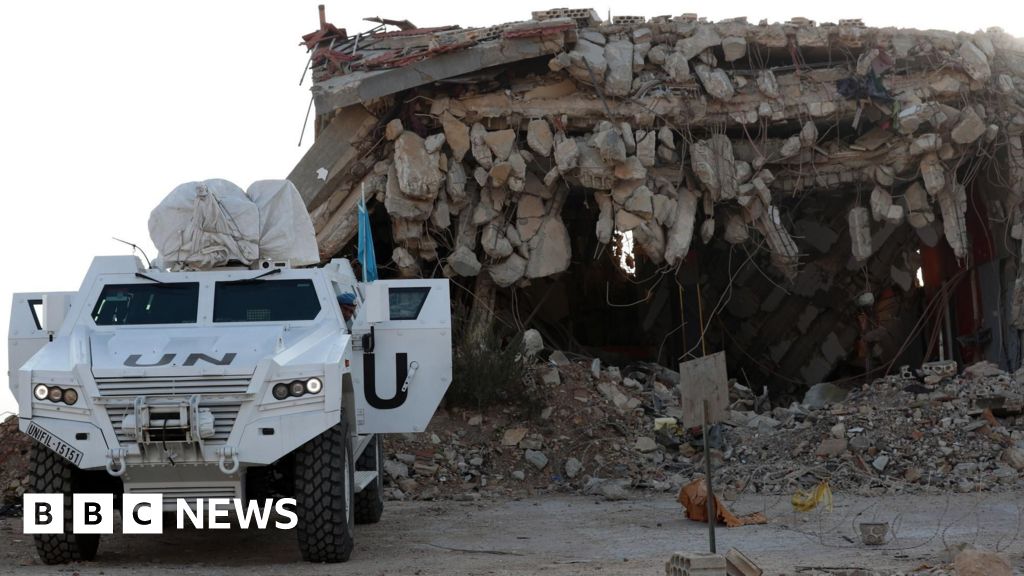
The United Nations Interim Forces in Lebanon (Unifil) recently engaged in an unprecedented military action, shooting down an Israeli drone operating near the border town of Kfar Kila. This event marks a rare occurrence, highlighting the escalating tension along the historically volatile Israel-Lebanon border. According to Unifil, the drone was flying in an “aggressive manner,” prompting peacekeepers to take defensive measures. Contrasting the UN’s account, the Israeli military insists the drone was merely conducting “routine intelligence-gathering,” raising questions about the true nature of these incursions. The incident further underscores how fragile the recent ceasefire remains, with violence quickly rekindling despite international promises of peace.

Analysis from military experts and historians suggests that the latest flare-up is symptomatic of a broader, failed diplomacy. Despite a formal ceasefire that took hold last November after the devastating conflict involving Hezbollah and Israel, tensions along the border persist. Israel continues to carry out air strikes and drone operations targeting what it claims are Hezbollah’s rearming efforts. Meanwhile, Lebanon and international bodies, including the UN, condemn these actions as violations of sovereignty and breaches of the ceasefire agreement. Such conflicts threaten to unravel the fragile stability in the region, with critics warning that ignoring international law risks a larger, more destructive conflagration.”

The military confrontations and diplomatic efforts are unfolding amidst a region teetering on the brink of renewed war. The latest incidents saw Israeli forces drop grenades and fire at UN peacekeeping assets, actions that have been characterized as provocative and unjustified. The UN’s silence on these escalations only fuels speculation about whether international organizations are genuinely capable of mediating the increasingly complex geopolitical landscape or are simply watching as history repeats itself. As U.S. and French-led diplomatic teams convene again to restore peace, many analysts emphasize that the underlying issues—such as Hezbollah’s refusal to disarm and Lebanese sovereignty—remain unresolved, making any diplomatic momentum fragile and temporary.

In this high-stakes environment, how nations choose to navigate the next few weeks will determine the future of Lebanon and the entire Eastern Mediterranean basin. The recent events, including the downing of the drone and subsequent military responses, exemplify the delicate balance of power, where international diplomacy is underpinned by fierce local rivalries and unresolved conflicts. Prominent voices like historians and geopolitical analysts warn that failure to address these issues decisively could plunge the region into renewed chaos, with adverse consequences for stability and security. As the world watches, history continues to unfold, shaped by decisions made in war rooms and diplomatic halls—decisions that will echo through generations to come, determining whether the region plunges into a new era of conflict or moves towards genuine, lasting peace.

Social Media Auto Publish Powered By : XYZScripts.com