Matox News

Truth Over Trends, always!

Parents Warn Society Ignored Early Signs Before London Nursery Worker Abuse Arrest

Protecting Society’s Future: The Imperative of Safer Childhood Environments

In recent months, the harrowing revelations about Vincent Chan, a nursery worker at a leading chain, have cast a stark light on systemic failures in safeguarding our most vulnerable citizens—children. The disturbing allegations that concerns raised by parents were dismissed, coupled with the perpetrator’s subsequent conviction for multiple sexual offenses against children aged only two to four, underscore the critical need to scrutinize and reform how society protects its innocent future. As sociologists such as Dr. David Finkelhor argue, the trust we place in institutions like nurseries is foundational to societal stability, yet failures in oversight threaten to unravel this trust entirely.

Behind closed doors, the innocence of childhood is being compromised, revealing unsettling issues in cultural attitudes towards safety and accountability. The case has revealed not only individual misconduct but also systemic lapses. Reports indicate that concerns voiced by parents—those who entrust their children to these institutions—were seemingly overlooked or dismissed. Alison Millar, legal representative for many affected families, expressed their profound disgust, recounting stories of children returning home with injuries or exhibiting behavioral issues, often blamed on inappropriate behavior by staff. Families are now questioning whether vivid signs of neglect or misconduct should have prompted earlier intervention. These concerns echo a broader social debate, highlighted by sociologists like Dr. Christopher Jencks, about the adequacy of current social safeguards and the prioritization of profit over children’s welfare amidst a climate of deregulated childcare services.

  • Questions about staff vetting procedures have emerged, especially relating to employees like Alison Whateley, who was recorded sharing her own admission of pedophilia before her arrest in 2017.
  • The case has prompted a governmental review, promising measures such as increased CCTV use within nurseries to prevent future atrocities.
  • Despite assurances, critics argue that such procedural reforms often lag behind the urgency of social needs, exposing children to ongoing risks.

In a society where familial bonds are the first line of defense, the failure of institutions to safeguard children under their care reverberates profoundly through families, educational systems, and communities. The moral fabric of society is tested as public confidence diminishes, and the sacred trust placed in caregiving institutions becomes frayed. As historian Carol Delaney notes, social cohesion depends heavily on collective moral responsibility, which must be renewed through transparent accountability mechanisms. The recent tragedy serves as a stark reminder that societal neglect not only endangers individual lives but threatens to erode the foundational structures that uphold community well-being. Moving forward, society must prioritize not only legislative reforms but also foster a cultural shift where safeguarding children is regarded as a moral imperative embedded deeply within our collective conscience.

Ultimately, the story of Vincent Chan confronts a society at a crossroads—a society that must decide whether to respond with complacency or with renewed vigour for justice and child protection. As communities remain haunted by the memory of ignored warnings and systemic failures, hope persists in the possibility of transformation. In the quiet strength of families, schools, and social institutions, there lies a steadfast promise: that a society capable of acknowledging its flaws can also be resilient enough to rebuild itself anew—where safety, dignity, and innocence are not just ideals but living realities for every child, in every home, and in every community. Society’s true legacy will be measured not by the failures we endure but by the unwavering resolve to forge a future where every child’s smile is safeguarded from harm, and every voice is heard when it cries for help.

Rare Fabergé egg sells for record-breaking £22.9m at London auction

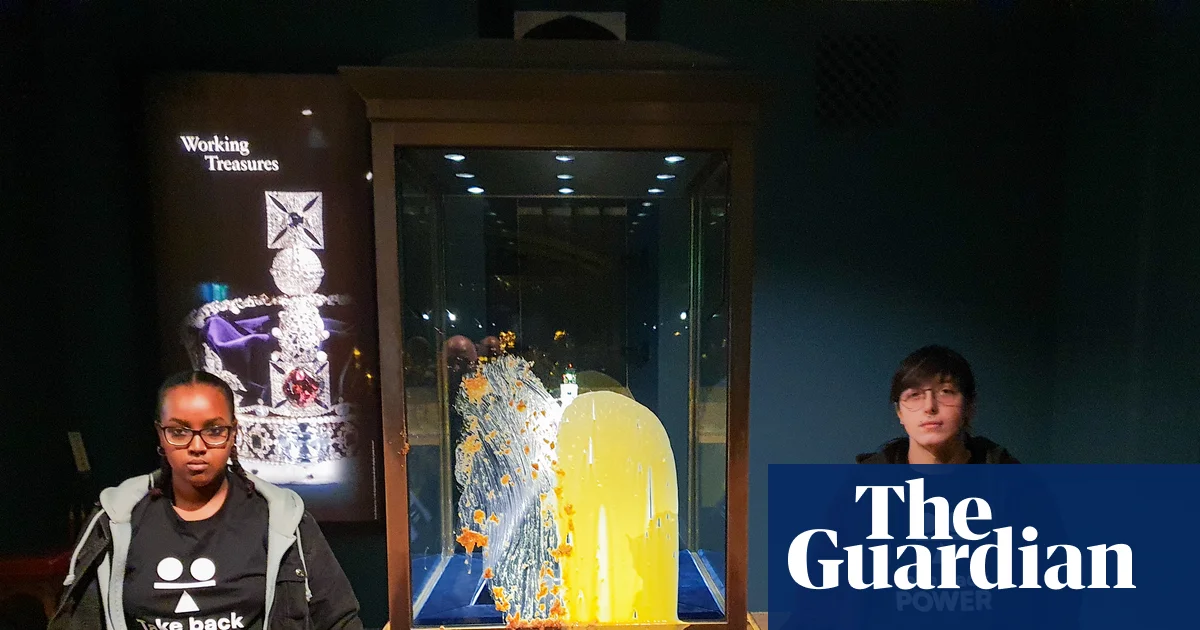
The recent auction of a Fabergé Egg in London has not only shattered previous records but has also ignited renewed interest in the era of the Russian Imperial family and its enduring cultural legacy. The Winter Egg, a masterpiece of exquisite craftsmanship, fetched an astonishing £22.9m ($30.2m), setting a new worldwide record for any work by the renowned jeweler. This extraordinary piece, crafted in 1913 for Tsar Nicholas II as a gift to his mother, symbolizes the opulence of the last days of Imperial Russia. Its sale highlights the enduring allure of imperial artifacts, but also underscores the complex historical narratives that continue to influence global perceptions of Russia.

  • The Winter Egg, carved from rock crystal and decorated with 4,500 diamonds, was created by Carl Fabergé, with design influences from Alma Theresia Pihl, one of only two women workmasters at the time.
  • It uniquely opens to reveal a miniature basket of white quartz flowers, exemplifying the meticulous craftsmanship and symbolic artistry associated with Fabergé’s creations.
  • The production of only 50 Imperial eggs between 1885 and 1917 places this piece among the rarest collectibles, with only seven remaining in private ownership today.

Historically, the Fabergé eggs stand as potent symbols of Russia’s imperial grandeur and the aristocracy’s decadence before the upheavals of the early 20th century. International auction houses like Christie’s not only serve as custodians of history, but they also act as focal points for geopolitical symbolism. The high-profile sale comes amid a tense period where Russia and the West remain embroiled in a complex confrontation, replete with economic sanctions, diplomatic standoffs, and a reassessment of Russia’s cultural legacy. Some analysts posit that the record-breaking price underscores a global fascination with the waning days of the Romanov dynasty, coupled with a broader cultural revival of old imperial symbols amidst geopolitical instability.

Reflecting the broader geopolitical impact, the sale of the Winter Egg is not merely a transaction; it is a reflection of shifting alliances, historical memory, and national identity. The West and Russia continue to interpret these artifacts through differing narratives—while some view them as relics of a lost imperial era, others see them as symbols of legacy and cultural resilience. Critical voices from historians and analysts emphasize how these relics influence international relations, sometimes becoming pawns in the ongoing ideological struggle that defines the modern geopolitical landscape. The recent auction is thus seen by many as an almost prophetic reminder that history’s threads—be they of imperial ambition, cultural pride, or political upheaval—are never truly silenced.

As history unfurls in unpredictable chapters, the story of the Fabergé Egg serves as a mysterious relic in an era defined by global tension. Its gleaming facets and delicate artistry mask a complex narrative of empire, revolution, and nationhood. The echoes of the Romanovs and their decadent legacy reverberate through time, shaping the discourse of power and influence that will ultimately decide the future of nations. In this unfolding story, the weight of history persists, a silent witness to the profound transformations that continue to sculpt the world order—where every artifact, like this rare masterpiece, bears witness to an epoch that refuses to be forgotten.

Top 50 Bars of 2022: The Hottest Spots Every Young Rebel Should Know

Barcelona’s Paradiso Reigns Supreme: A New Era for Global Cocktail Culture

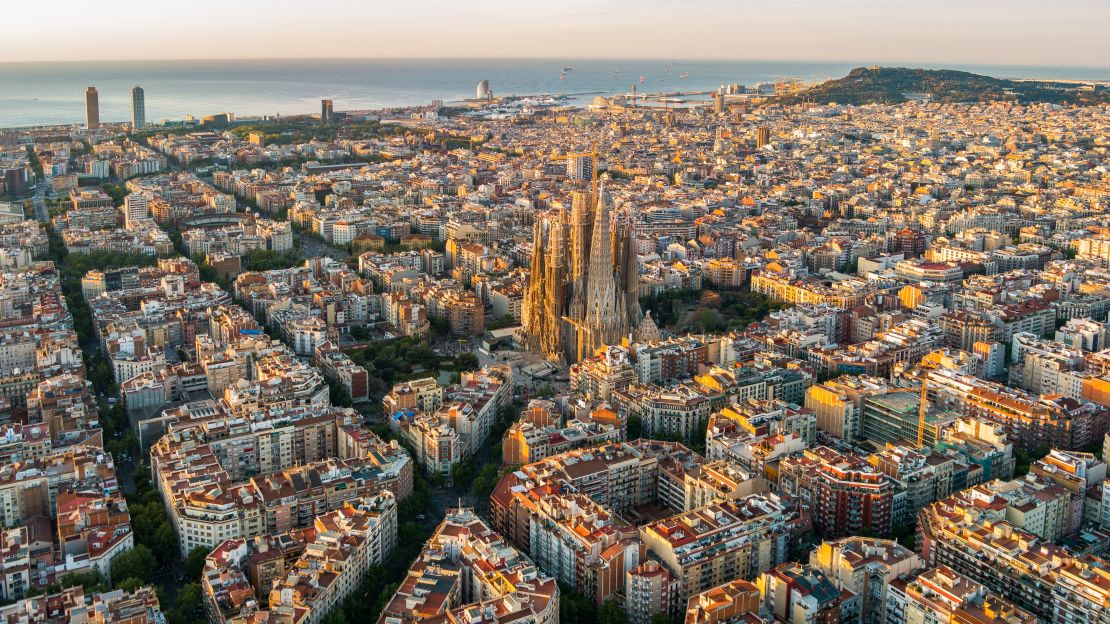
In a remarkable turn of events that signals a shift in the world’s vibrant nightlife landscape, Barcelona has surged to the forefront of the global cocktail scene, claiming the coveted title of World’s Best Bar in 2022 with its iconic establishment, Paradiso. A Mediterranean-style speakeasy tucked away behind a freezer door in the hip El Born district, Paradiso’s ascent from number three in 2021 to the pinnacle of the industry marks a significant evolution in the cocktail world. This recognition underscores the city’s rising reputation as a cosmopolitan hub where tradition meets cutting-edge innovation, inviting young enthusiasts to indulge in a lifestyle rooted in _wellness_ and experiential leisure.

What makes Paradiso’s victory particularly momentous is its status as the first bar outside of London or New York to claim top honors since the inception of the World’s 50 Best Bars list in 2009. Its founders, Giacomo Giannotti and Margarita Sader, emphasize creating cocktails that push creative boundaries while remaining anchored in _authentic Mediterranean style_. Giannotti shared with the awards organizers that their philosophy blends **hard work**, **passion**, and **innovation**, recognizing that breakthrough success stems from relentless discovery and a dedication to _excellence_. More than a celebration of taste, Paradiso exemplifies how the new cocktail culture is about _inspiring_ and _transforming_ the beverage experience, aligning with what wellness experts like Amanda Feifer highlight as the importance of _mindful indulgence_ in a health-conscious era.

Europe’s Culinary and Mixology Renaissance

The city of Barcelona is no longer just known for its striking architecture or rich cultural heritage—it’s now a key player on the global stage of _lifestyle_ and _culinary_ innovation. The 2022 list features three of the top 10 bars hailing from this vibrant city, including Sips, which catapulted from 37th to 3rd position, exemplifying how _food-inspired_, _creative_ cocktails are reshaping the industry. European cities continue to maintain dominance in this arena, with London and Italy also making powerful showings, underscoring the continent’s _legacy_ of blending _culinary artistry_ with a _luxurious lifestyle_, one that resonates with a youthful desire for _luxury_ and _personal impact_ in everyday pleasures.

  • Engage in _local _tours, exploring Barcelona’s innovative venues, and experiencing _Mediterranean-inspired_ cocktail craftsmanship.
  • Seek out _experiential_ and _food-infused_ drinks that elevate _wellness_ and _mindful_ consumption.
  • Embrace _design_ and _aesthetics_ in drinking experiences, including _custom glassware_ and _science-driven techniques_ like centrifuges, as exemplified at Paradiso and other top-tier venues.

In tandem, the emphasis on _hospitality_ and _customer experience_—a ripple effect of the pandemic’s lessons—continues to prioritize safety, _personalized service_, and creating environments where patrons feel valued and secure. This renewed focus not only elevates _leisure_ but fosters a sense of _community_ and _well-being_, essential elements for forging a _purposeful lifestyle_ rooted in _quality_ and _authenticity_. By drawing from expert voices and the evolving landscape of _gastronomy_ and _mixology_, these bars reflect a cultural shift where _creative_ expression harmonizes with _healthful_ living.

Beyond the Cityscape: A Global Tapestry of Cocktail Creativity

The recognition of Barcelona’s Paradiso as the world’s top bar symbolizes a broader _rebirth_ of _cultural innovation_ across continents. Notable entries from Madrid’s Salmon Guru, Italy’s Florence, and Lisbon exemplify how emerging hotspots further diversify the global _premium lifestyle_ scene. In Asia, Singapore’s Jigger & Pony takes the Best Bar in Asia title, while Middle Eastern hubs like Dubai demonstrate a persistent _luxury_ that appeals to _global_ explorers and _young adventurers_ seeking _meaningful_ _leisure_. Each of these venues offers a unique _story_—a _narrative of _craft, culture_, and _ambition_—that inspires aspiring _independent thinkers_ and _trendsetters_ to view _lifestyle_ as a personal _journey_, a collection of _moments_ that shape _identity_ and _well-being_.

As the industry continues to evolve, tools like science-based _cocktail_ techniques and _artful_ _presentation_ are seamlessly merging _culinary_ arts with beverage innovation. The emphasis on _aesthetic_ and _experience_—whether through _custom glassware_ or _food-inspired_ drinks—encourages a _mindful_ approach to _indulgence_. This reflects a societal desire to _reclaim_ _pleasure_ as _part of a _holistic_ lifestyle_, fitting seamlessly into the _wellness_ paradigm favored by intellectuals like Tim Ferriss and wellness entrepreneurs emphasizing _quality over quantity_. It reminds young audiences that _living well_ does not mean sacrificing excitement for health; instead, it’s about _integrating_ _the best_ into _everyday life_, cultivating _balance_, and _creating_ _lasting impressions_ of _self-awareness_ and _inspiration_.

In conclusion

Today, the _world’s top cocktail bars_ do more than serve drinks—they craft _experiences_ that embody the _spirit_ of _adventure_, _creativity_, and _self-improvement_. They evoke a sense of _possibility_, inspiring a generation to see _lifestyle_ as a _personal _canvas_, where _health, _leisure_, and _self-expression_ intertwine. As you navigate the corridors of this _lyrical_ _world_, remember that your _journey_—like a meticulously crafted _cocktail_—is about _balance, _discovery_, and _embracing_ each moment with _passion_. Because ultimately, _life_ is the grandest _adventure_, waiting to be _poured_ from the _bottle_ of _your_ _potential_ into a _glass_ of _possibility_.

Qantas Unveils Game-Changing Ultra-Long-Range Airbus for Non-Stop Sydney to London & New York Flights

The global landscape of aviation and international connectivity is on the brink of a transformative shift, driven by the ambitious plans of Qantas and the ongoing evolution of aerospace technology. The Australian airline recently unveiled the first images of its next-generation aircraft, an Airbus A350-1000ULR, which is set to revolutionize long-haul travel by enabling non-stop flights from Sydney to London and New York starting in 2027. This development signifies more than just a new type of aircraft; it symbolizes a strategic move by Qantas to establish dominant global routes, reduce travel times, and secure competitive advantages in the fierce international aviation market. Such advancements, while promising for travelers, have wide-ranging implications for geopolitics, economic influence, and societal change.

In crafting this ultra-long-haul flight network, Qantas is positioning itself to challenge existing transcontinental aviation standards, with the aircraft scheduled for test flights in 2026 at Airbus’s Toulouse assembly line. The airline has ordered a dozen of these aircraft as part of its Project Sunrise, a strategic initiative aimed at connecting Australia directly to global hubs, bypassing traditional stopover points.

  • These non-stop flights will cut travel times up to four hours, significantly altering international mobility and opening new avenues for global commerce, tourism, and cultural exchange.

While some analysts, such as those at the International Air Transport Association, highlight the benefits of reduced travel time, critics warn that this acceleration of global connectivity could deepen geopolitical tensions and economic disparities. The dominance of Australia in long-haul aviation might diminish reliance on transcontinental hubs in Asia or the Middle East, impacting regional influence and shifting international power balances.

Beyond the technological and economic implications, these developments further underscore how decisions made by multinational corporations like Qantas impact societies worldwide. The push for faster, more direct routes exemplifies a growing trend towards minimizing geographical barriers, which, according to historians specializing in globalization, could lead to a new era of interconnectedness—yet also exacerbate existing inequalities. The emphasis on efficient global travel aligns with broader geopolitical strategies that favor the free flow of capital and people, often at the expense of local industries and national sovereignty. International organizations such as the World Trade Organization have noted that such advancements may foster economic growth but also pose challenges for labor markets, especially in regions less equipped to adapt to rapid technological shifts.

As the world hurtles toward an era where the boundaries of distance are continually compressed, the weight of history presses ever more heavily. The unfolding story of Qantas’s bold leap into ultra-long-haul aviation is not just about advancements in flight; it is a reflection of an era where technological progress and geopolitical ambitions intertwine, shaping the future of global society. Whether these developments herald a new age of prosperity or deepen divisions remains to be seen. What is certain, however, is that the decisions now being made will echo through history, for better or worse, as the world watches with bated breath—an unfolding saga where every mile traveled is a step further into a future yet unknown.

RMT OKs Three-Year Pay Deal for London Underground Staff—A Win for Workers and Efficiency

London Underground Workers Secure Historic Pay Agreement Amid Global Labour Trends

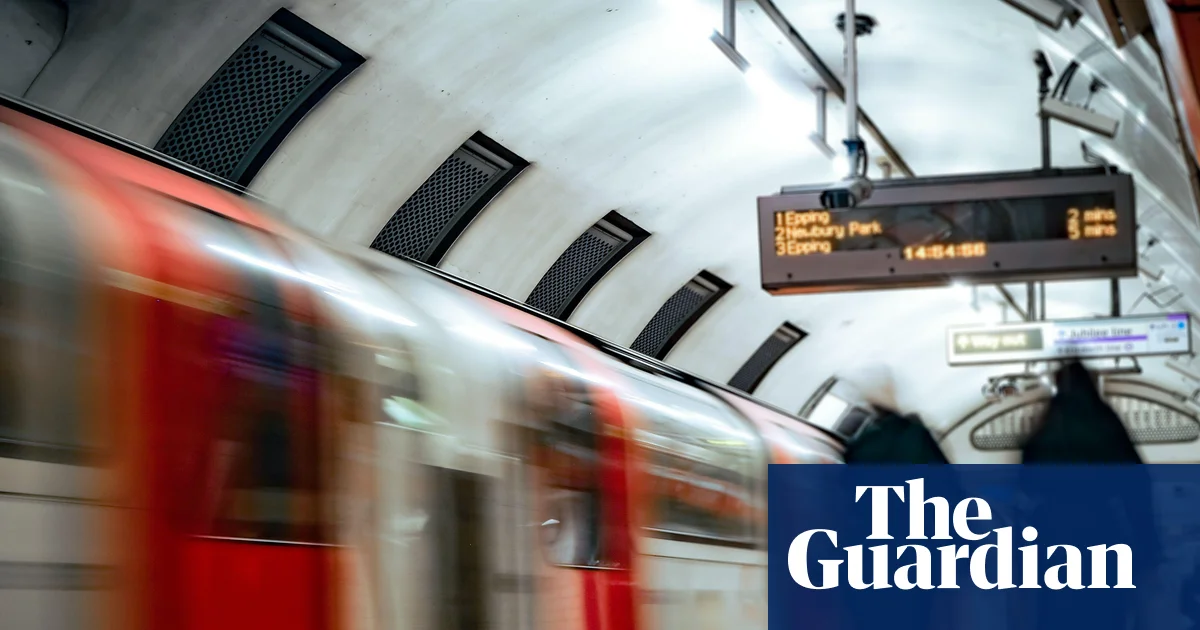
In a significant development that underscores the shifting landscape of labor negotiations within the United Kingdom, the RMT union has accepted a three-year, inflation-linked pay deal for London Underground workers. This agreement concludes a contentious period marked by widespread strikes and travel disruptions that had frozen the city’s bustling transportation network in September. By securing a deal that increases driver salaries to nearly £80,000 by 2027, union leaders have demonstrated that organized, strategic strike action can effect substantial gains in negotiations traditionally shaped by government austerity and corporate resistance.

This deal, starting with a backdated 3.4% increase from April, ties wages directly to RPI inflation, a more generous index than the commonly used CPI. The broader impact is undeniable: it reflects a growing recognition that inflation adjustments need to include real costs such as housing, which has long been a source of worker frustration and economic hardship. The total value of the deal is projected to be at least 9.2%, setting a precedent for similar wage demands across the UK’s transport sector. The union’s assertion that it will pursue comparable increases elsewhere signals a potential wave of workforce activism, empowered by recent successes in collective bargaining.

Geopolitical and Social Ramifications: A Message for Global Workers

From an international perspective, this development has profound geopolitical impact. It exemplifies a shift toward more assertive labor movements in Western countries, challenging the narrative of dwindling union power. Historians and analysts, such as Dr. Emily Saunders from the International Labour Organization, point to this as a landmark moment where organized labor effectively leverages strike action to renegotiate power dynamics with both government and corporate interests. Such actions reverberate beyond London, inspiring workers across Europe and North America to mobilize around demands for fair wages and decent working conditions, especially amidst rising living costs and economic uncertainty.

For the UK, this agreement raises questions about how decisions made in the boardroom and negotiated through industrial action will shape societal stability and policy. The government and transport authorities face increased pressure to address systemic issues, such as housing affordability and productivity measures that historically marginalize workers. The union’s rejection of proposals like a reduced 32-hour workweek underscores ongoing tensions between labor interests and managerial visions of efficiency, which could serve as catalysts for broader reforms or intensified conflicts.

Decisions That Will Define Future Global Power Dynamics

As the UK navigates this new era of labour activism, international organizations warn of a turning point in global power dynamics. The European Union and OECD have closely monitored these developments, recognizing that the strength of trade unions directly influences national stability and economic resilience. The successful leverage of strike action in London may recalibrate how governments and corporations approach negotiations worldwide, especially as inflation continues to surge and societal inequalities deepen. Critics caution that without reforms, such victories could be short-lived or lead to unintended economic consequences, but proponents see them as a necessity for restoring fairness and societal cohesion.

In the haunting shadow of history, the potential for this wave of worker activism to catalyze seismic shifts in policy looms large. The question remains: Will this renewed assertion of workers’ rights be met with meaningful reform, or will it ignite further tensions that threaten to fracture societies? As these events unfold, the world watches with bated breath—history’s pen poised to inscribe the next chapter in the centuries-long struggle for justice and equitable power in the workplace.

Police Start Arrests at London Palestine Action Protest

The recent escalation of protests in London underscores a profound geopolitical shift centered around the ongoing Israeli-Palestinian conflict and the international community’s divided response. Thousands gathered in Trafalgar Square to rally in support of Palestine Action, a group classified as a terror organization by the UK government since July. The demonstrators aimed to showcase their dissent against the UK’s stance, which has become a flashpoint for broader debates surrounding freedom of expression, security, and the legitimacy of militant organizations in global politics. The scale of participation, reportedly exceeding 1,500, marked one of the largest anti-government protests in recent history, reminiscent of the 1961 anti-nuclear demonstrations – a testament to the growing unrest gripping Western capitals.

In response, London police launched a wave of arrests, including six individuals connected to a pro-Palestine banner displayed on Westminster Bridge. Authorities quickly intervened to remove the banner, with police officials asserting that those involved supported a proscribed organisation, thereby justifying their arrest under the existing national security legislation. Such actions reflect the tightening grip of Western governments on activism deemed threatening to national security, raising critical questions about the limits of civil liberties amid perceived threats from global militant groups. The police statement highlighted the rapid response, emphasizing that maintaining public order and state security remains a priority, even at the expense of free assembly. Internationally, experts warn that these internal crackdowns could fuel further tensions, especially when viewed through the lens of international law and human rights.

The development comes amid a broader geopolitical context of rising tensions involving Israel, Palestine, and their respective allies. The event in London, while localized, is emblematic of a growing divide among Western nations about how to handle support for Palestinian rights and militant organizations. In recent months, international organizations like the United Nations have called for diplomacy, yet the UK’s designation of Palestine Action as a terrorist group signals a hardening of stance within the British government. Historians and analysts note that such classifications often serve as pretexts for suppressing dissent and marginalizing voices critical of Israel’s policies. This internal conflict over how to approach the Palestinian issue reflects a larger geopolitical battle—one that affects not only the Middle East but global alliances and security arrangements.

As the world watches, the unfolding narrative in London is a stark reminder of the fragile balance between national security and international advocacy. The suppression of peaceful protests and the labeling of political support as terrorism threaten to deepen societal fractures in the West, a region historically rooted in ideals of free expression. Meanwhile, the international community faces its own reckoning; the decisions taken by governments today will shape the geopolitical landscape for generations. With history’s ink still drying on this chapter, the question remains: Are we witnessing the dawn of a new era where the boundaries of dissent are redrawn, or the tragic prelude to a global realignment driven by unresolved conflicts and ideological divides?

London schools shrink as families leave, new report reveals

London Schools Face Decline as Demographic Shifts Threaten Community Foundations

In a striking reflection of demographic changes and societal migration patterns, London’s primary schools are experiencing a significant contraction in pupil numbers. According to a recent report by the Education Policy Institute (EPI), since 2019, the capital has seen a decline of approximately 150,000 pupils, a trend anticipated to swell to 400,000 across England by the decade’s end. This phenomenon underscores a larger societal issue: the shifting fabric of families and communities within urban centers, where declining birth rates and an exodus of residents are redefining local identities.

Historically, cities like London have been magnets for diverse populations, offering economic opportunity and cultural vibrancy. Yet, sociologists such as Saskia Sassen have documented how urban demographic shifts tend to accelerate social fragmentation when the core populations grow increasingly transient or opt to leave. The report reveals that nine of the ten local authorities with the sharpest pupil declines are in London, highlighting an urgent challenge that extends beyond education—one that impacts families, social cohesion, and the very sustainability of community institutions. For many families, these changes translate into uncertain futures, with school closures and reduced extracurricular offerings threatening the broader social fabric that binds neighborhoods together.

The financial implications of declining pupil enrollment are equally troubling. Schools are predominantly funded on a per-pupil basis; thus, losing students directly reduces resources, often forcing cuts to staff, programs, and community services. In Westminster, primary pupil numbers have fallen by nearly 16% from 2020-21 to 2024-25, while Southwark’s figures have decreased by over 12% within the same timeframe. These figures illuminate how educational institutions, traditionally seen as pillars of community, are now facing existential threats that could ripple through local economies and social support networks. The NAHT emphasizes that such unpredictable demographic shifts challenge long-term planning, urging policymakers to develop strategies that prioritize community stability rather than reactive closures and funding cuts.

‘Leaving the country’ – A Society in Flux

Experts, including Jon Andrews of the EPI, have pointed out that England’s population dynamics have fundamentally shifted since the so-called post-millennium baby boom. While the birth rate surged temporarily after 2010, recent years have witness a downturn that correlates with a wave of families choosing to move away from urban centers like London. As Andrews explains, the way funding is allocated—dependent on current pupil numbers—fails to account for these demographic realities, leading to underfunded schools and compromised quality of education.

This trend has moral and social consequences: families face upheaval, young children face the loss of community connections, and local institutions struggle to adapt to the changing landscape. The potential for schools to reduce staff or extracurricular offerings underscores a broader societal risk—namely, that education and community-building may become casualties of economic constraints and shifting populations. As sociologists and educators advocate for rethinking funding models and repurposing school spaces, society faces a moral question: How do we sustain our communities when their fundamental structures are in flux?

Innovative Responses and Renewed Hope

In response, some leaders are proposing innovative solutions, like repurposing underused school facilities to serve broader community needs. Former education secretary Damian Hinds advocates for moving beyond per-pupil funding models, suggesting a need for more flexible approaches to accommodate changing demographics. The Department of Education echoes this sentiment by increasing investments to support local authorities and create new childcare spaces, aiming to bolster family stability and community resilience. These efforts reflect an understanding that education must adapt not only to demographic shifts but also to the moral imperative of fostering inclusive, stable communities where families can thrive despite societal upheavals.

Ultimately, society’s challenge lies in recognizing that the decline in pupil numbers signals more than just a demographic trend—it mirrors the fragile state of our communal bonds. To cast aside the rising tide of social fragmentation risks leaving our future generations isolated and disconnected. But with deliberate intervention, community-focused policies, and unwavering commitment, there remains hope that the social fabric can be mended. Society stands at a crossroads, where the choices made today can either deepen divides or weave tighter bonds. The question lingers: Will we seize the moment to reshape our communities with resilience and compassion, ensuring that even amidst change, hope endures?

Minister: Trump Misunderstands Sharia Law Debate in London, Our Capital Stands Strong.

Pat McFadden has responded to misleading claims made by the U.S. president regarding Labour Mayor Sadiq Khan. This comes amid significant discussions about integrity and governance, particularly as the British government ramps up its efforts to tackle fraud. The Cabinet Office recently announced impressive savings of £480 million through the implementation of AI data tools, marking a major achievement in their ongoing crackdown on fraud.

Of the total savings, £186 million has been identified from fraud related to the Covid-19 pandemic. The government has successfully blocked hundreds of thousands of companies with questionable Bounce Back Loans from disappearing without repaying. Additionally, significant amounts have been recovered from businesses that improperly took out multiple Covid loans. The focus has also extended to other areas of fraud, such as those unlawfully claiming single-person council tax discounts and those attempting to illegally sublet social housing homes, all funded by taxpayers.

Meanwhile, the new political party Advance UK, led by former Reform deputy Ben Habib, is gearing up for its conference in Newcastle this weekend. While the venue specifics were initially kept under wraps, it is understood that the event will take place at the Crowne Plaza hotel in the city center. This gathering signifies a growing interest among younger constituents in the political landscape, fostering conversations that address their concerns and aspirations for the future.

Social Media Auto Publish Powered By : XYZScripts.com