Matox News

Truth Over Trends, always!

Am I Just Making a Statement? Why I’m Hitting the London Marathon in a Bold Badger Look

In the pursuit of pushing personal boundaries, a new wave of marathon runners is redefining what it means to participate in one of the world’s most grueling sporting events. These athletes aren’t just running for the finish line—they’re transforming the experience into a platform for self-expression, charity, and personal **impact**. Whether clad in a suit of armour, a giant polar bear, or a pair of symbolic testicles, these participants exemplify a lifestyle that champions **resilience**, **creativity**, and a commitment to causes larger than themselves. It’s a reminder that, for many, a marathon isn’t just about physical endurance but also about embracing the *boldness* needed to challenge societal norms and personal limitations.

The trend toward **fancy dress marathons** is gaining momentum, fueled by the desire to combine fitness with **lifestyle** shifts that emphasize *wellness*, *leisure*, and *meaning*. Legendary figures like Jonathan Acott, a resilient cancer survivor, plans to run the London Marathon dressed in a suit of armour, symbolizing his battle against cancer and his desire to inspire others navigating health challenges. Acott’s story demonstrates how personal health journeys often become catalysts for embracing a *lifestyle* rooted in hope and perseverance. On the other hand, Fiona Betts chose to run as a helicopter, raising funds for Air Ambulances UK. Her victory wasn’t merely crossing the finish line but also elevating awareness and community participation—a vital element of a **well-lived** life. These athletes show how creativity in fitness can foster a *sense of purpose*, turning physical challenges into opportunities for personal growth and societal contribution.

Alongside these charismatic runners, many are driven by deeply personal stories that underscore the power of **lifestyle change**. Jo Robinson, running as a lobster and later planning to be an inflatable elephant, exemplifies how **fun** and *meaningful* initiatives can bridge social gaps and foster community spirit. Her journey is about more than fitness; it’s about raising awareness for type 1 diabetes through her charity, Breakthrough T1D. Similarly, Toby Freeman, running as a giant pair of testicles, blends humor with purpose—raising awareness about testicular cancer inspired by personal loss. These stories highlight how **personal impact**—whether emotional, physical, or social—becomes intertwined with the **lifestyle shifts** that fuel their passions. They reflect a growing recognition that pushing physical limits can also nurture mental toughness, community, and a sense of *well-being*.

Living with Purpose and Facing Challenges Head-On

Beyond the spectacle, these runners teach a valuable lesson: embracing the *unexpected* and accepting discomfort are crucial to **personal growth**. Acott, despite his health battles, runs marathons as a symbol of surviving—not just living—beyond illness. His foundation, The Gift of Go, reminds us that **joy** and **hope** are **necessities** in life—values that are reinforced through *challenging* ourselves in meaningful ways. Likewise, Morris’s polar bear costume in 2025 taught him that **limitation is often self-imposed**, especially when external factors like weather turn arduous. It’s about redefining what’s possible, face adversity with a smile, and find joy in the journey.

Their stories echo the importance of setting **intentional goals** that push boundaries without sacrificing **wellness**. The lesson from these trailblazers is clear: *Discipline*, *creativity*, and a *sense of purpose* transform physical activity into a **lifestyle** pursuit that fosters resilience and inner strength. As the world’s challenges grow increasingly complex, these bold adventurers demonstrate that embracing our passions in unconventional ways is not only empowering but also vital for *personal fulfillment*. Life, like a marathon, is ultimately a journey of continuous discovery—an invitation to *dare greatly*, and in doing so, find a lasting *sense of self* that transcends the finish line.

London Arson Attacks Likely Coordinated Over Weeks, Say Police

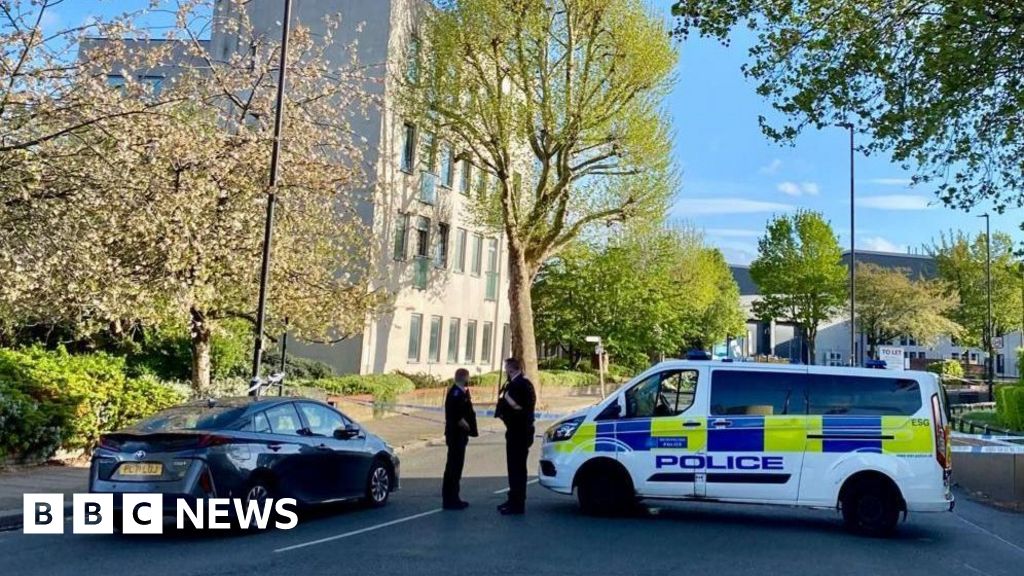
The recent spate of arson attacks targeting Jewish communities in London has sent shockwaves through Britain and signaled a disturbing shift in the city’s security landscape. Over the course of less than a month, police have documented six separate incidents, ranging from firebombings to attempted drone strikes on diplomatic targets. This wave of violence is not random; evidence points toward foreign state involvement, with Iran emerging as a prime suspect. As counter-terrorism units piece together the puzzle, the situation underscores a larger geopolitical struggle playing out in the shadows of London’s streets, with far-reaching implications for international stability and domestic security.

Leading officials, such as Matt Jukes, deputy commissioner of London’s Metropolitan Police, have publicly acknowledged the extraordinary threat posed by a foreign government actively seeking to destabilize communities abroad. His words underscore a chilling reality: the attacks are more than hate crimes—they are strategic interventions aimed at sowing discord and fomenting radicalism. Iran, which has a long history of regional interference, now appears to be extending its reach into UK territory, employing criminal proxies and propaganda to foment unrest. This allegation is under active investigation, with authorities linking the attacks to Iran-based groups that have published videos online broadcasting these violent acts. From the attack on a synagogue in NW London to an unsuccessful drone assault on the Israeli embassy, the pattern suggests a coordinated campaign intended to intimidate Jewish communities and disrupt Britain’s social fabric.

The geopolitical impact of these developments cannot be overstated. As psychologists, historians, and analysts warn, the use of terrorism as a tool of international influence demonstrates a shift towards hybrid warfare—where state actors manipulate non-state actors to achieve strategic objectives. The UK’s response, involving swift arrests—including teenagers suspected of carrying out arson—aims to contain the immediate threat. Yet, the longer-term consequences threaten to reshape policies beyond Britain. If Iran’s involvement is confirmed, it sets a dangerous precedent: hostile foreign powers could increasingly interfere in Western democracies, exploiting societal divisions for geopolitical gain. Such tactics escalate tensions across Europe and risk destabilizing entire regions, as nations brace for similar covert operations aimed at fomenting chaos within their borders.

Global institutions and international allies are watching with alarm as the UK grapples with this new form of warfare. United States and European Union officials have issued statements condemning the attacks, emphasizing the need for unity and resilience in the face of foreign interference. Meanwhile, the UK government’s staunch rhetoric—that attacks on its Jewish community are attacks on Britain itself—reflects a broader recognition of the growing threats posed by ideological extremism intertwined with geopolitics. As keir Starmer reiterated in his condemnation, the West must confront not only the chemical and military threats but also the digital and ideological battlegrounds where these conflicts are fought. The unfolding crisis leaves many asking: how long before this clandestine war spills into wider conflict? And what of the societal fractures that such violence reveals—a society on the brink, caught between the forces of history and the perils of the present?

In the end, these attacks in London serve as a stark reminder that the choices made today—regarding alliances, intelligence sharing, and counter-terrorism efforts—will echo through history. As the world watches a tentative peace clash with shadowy forces eager to ignite new conflicts, one thing remains clear: the battle for influence and security is far from over, and the pages of history are still being written, with each chapter more urgent than the last. The risk is not only that communities may fracture but that an increasingly complex web of international intrigue threatens to redefine the very nature of global peace—an ominous sign of the turbulent times ahead.

Three Arrested Over Arson Attack on Persian Media Offices in London

In an unfolding case that has captured global attention, two teenagers and a 21-year-old man have appeared in court charged with arson with intent to endanger life. While at first glance this might seem a localized judicial matter, the implications reach far beyond the courtroom, resonating deeply within the complex web of geopolitical stability and the societal fabric of nations. Such incidents underscore the importance of understanding the multi-layered impact of criminal acts not only on domestic communities but also on international perceptions of security and order.

Analysts point out that domestic violence and criminality often serve as a mirror reflecting broader social tensions—particularly in countries struggling with economic instability and political unrest. This case, though seemingly isolated, raises concerns within the context of societal fragility, which can be exploited or further destabilized by internal incidents. The international community, including organizations such as the United Nations, closely monitors such cases as bellwethers of societal health, often interpreting them through the lens of security and social cohesion. Historian Samuel Peters notes that historically, periods of social unrest have often been precursors to larger geopolitical shifts, and domestic crises tend to influence foreign policy and international stability.

The geopolitical impact of such events becomes evident when considering how internal unrest within a nation can ripple outward, affecting regional alliances and global diplomacy. In this case, the authorities’ handling of the incident might influence foreign perceptions of the nation’s rule of law and social order. International organizations are increasingly cautious, recognizing that weaknesses in domestic security structures can be exploited by hostile actors seeking to destabilize nations further, especially in volatile regions. Consequently, governments are watching closely, analyzing whether such acts are isolated instances or part of a larger pattern of unrest center around socio-economic grievances, political disenfranchisement, or ideological extremism.

Throughout history, unexpected events—from criminal acts on the ground to large-scale geopolitical crises—have shaped the course of history in profound ways. As global powers engage in strategic realignments and regional conflicts, moments like these serve as stark reminders that the decisions made within a courtroom have the potential to influence international diplomacy and security calculations. The voice of international historians and incident analysts emphasize that today’s seemingly small incident could become a catalyst or a warning within a broader timeline of societal upheaval. As nations watch this case unfold, the weight of history presses down, leaving all to wonder: What echoes will this event leave in the corridors of power, and how will it shape the geopolitical landscape for generations to come?

Anthropic Sets Sights on Big London Push

Anthropic’s Strategic Move to London Signals New AI Power Player in Europe’s Tech Arena

Recently, Anthropic announced its expansion into a sprawling 158,000-square-foot office in London, positioning itself at the heart of Europe’s burgeoning AI hub. This strategic move not only doubles—but quadruples—its current staffing capacity, bringing the company’s headcount to an expected 800. Situated amid industry giants like Google DeepMind, OpenAI, and Meta, Anthropic’s presence signals a pivotal shift in the global AI industry’s geographical and strategic landscape. The relocation to this AI innovation corridor underscores the escalating importance of Europe as a testing ground for disruptive models and cutting-edge safety protocols, driven by the continent’s regulatory environment and top-tier talent pools.

Primarily, Anthropic’s move comes amidst a larger disruption in the AI industry, as major players vie for talent in what Geraint Rees, Vice-Provost at University College London, describes as an organically grown cluster rather than a planned ecosystem. By positioning itself next to competitors and research institutions, Anthropic accelerates the translation of its research into commercially viable AI products. This proximity effect could catalyze a new wave of innovation, challenging American dominance and fueling a fierce, cross-Atlantic competition for supremacy in AI technology. Meanwhile, U.K. officials have reportedly attempted to attract Anthropic with incentives, amid its refusal to develop AI models for mass surveillance or autonomous weaponry, citing safety as a core principle. This stance highlights a broader industry trend—ethical AI development as both a business imperative and a market differentiator—which could reshape market expectations and regulatory landscapes globally.

This expansion is not merely about physical growth but also about strategic disruption. Anthropic’s deepened collaboration with the UK’s AI Security Institute demonstrates an emphasis on cybersecurity and safety, potentially setting new standards for responsible AI deployment. Additionally, the company’s cautiously limited release of its recent model, Claude Mythos, signals a market-aware approach to AI’s potential for misuse—distinguishing it from more reckless competitors. Industry analysts like Gartner emphasize that, amid the rapid development cycle, companies that prioritize safety without sacrificing innovation will craft the new industry benchmark. As the AI race heats up, those who successfully master this balance will shape the future of AI-enabled business, defense, and infrastructure, making this a critical inflection point for the industry.
The road ahead is electric with possibility yet fraught with risks. With Europe’s AI arena evolving into a battleground for innovation and influence, the urgency for companies to adapt and lead has seldom been greater. As Anthropic expands, it exemplifies a new paradigm where smart, safety-conscious AI not only disrupts traditional models but also defines the future economic and geopolitical order. The stakes have never been higher—those who act decisively today will forge the AI landscape of tomorrow, laying the foundation for breakthroughs that could redefine what’s possible in the digital age.

Over 90 Protesters Arrested at London Palestine Action Rally

International Wake-Up Call: UK Police Crack Down Amidst Growing Palestinian Solidarity Movements

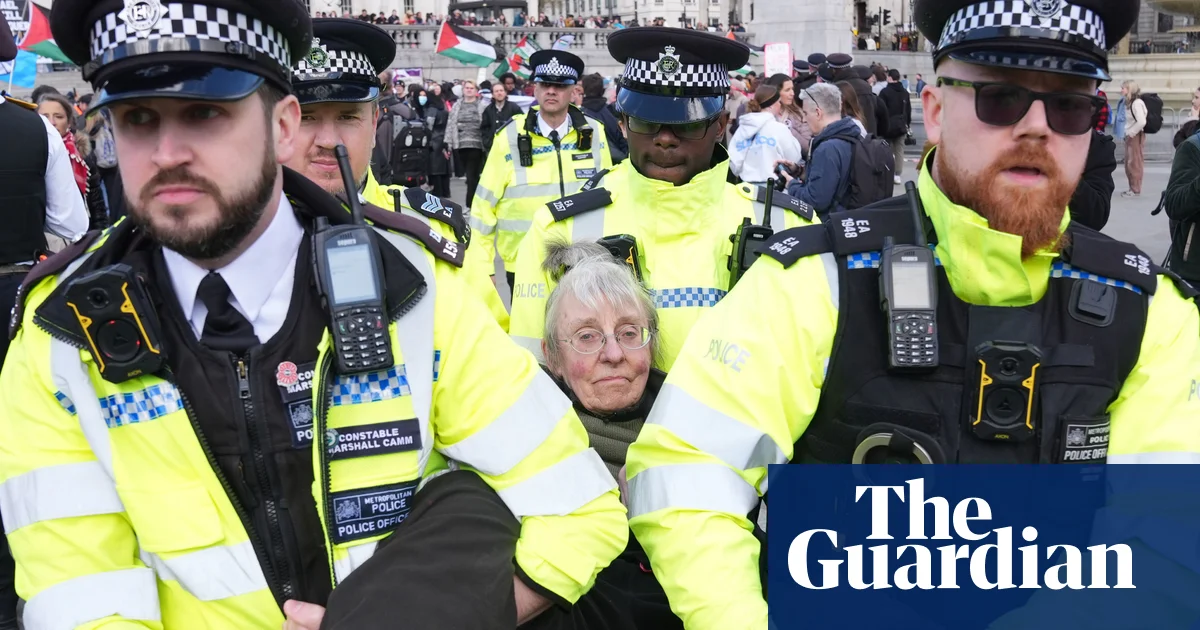
The recent events in London have sent shockwaves across the global geopolitical landscape. More than 90 individuals, ranging from the young to the elderly, were arrested during a mass demonstration in Trafalgar Square, protesting the unlawful proscription of Palestine Action by the British government. This police crackdown, despite the High Court’s ruling that the group’s ban was inherently disproportionate and unlawful, exemplifies how international conflicts have entered the streets of the West with a ferocious intensity. Such actions not only highlight domestic resistance but also serve as a wider reflection of the international community’s discomfort with London’s stance on the Israeli-Palestinian conflict.

Analysts have pointed out that the decision by UK authorities to enforce the proscription—despite legal setbacks and warnings from leading lawyers—reveals a troubling shift towards suppressing dissent through heavy-handed tactics. The High Court previously declared the group’s activities not reaching the threshold of terrorism, but the police’s enforcement signals a broader effort to stifle international solidarity movements under the guise of maintaining public order. This move leaves a clear geopolitical impact: it underscores the mounting tension between Western governments and global organizations like the UN, which have condemned the proscription as “chilling” and an attack on free speech. The crackdown is institutionalized suppression that threatens to embolden other governments to follow suit, potentially curbing peaceful protests across borders.

Crucially, the voices of seasoned advocates — including hunger strikers and former prisoners — illuminate the internal gravity of the situation. Qesser Zuhrah and Kamran Ahmed, who endured months-long hunger strikes, emphasized that their activism is rooted in a moral imperative: to confront what they see as *state-sponsored war crimes* and international law abuses. They argue that the real terrorists are those who generate the weapons that devastate Palestinian lives — a stark contrast to the narrative promoted by London’s current administration. These assertions not only challenge the legitimacy of the proscription but also raise serious questions about the role of Western diplomacy in perpetuating regional conflicts.

Beyond the streets, the global reaction remains divided but increasingly critical of London’s stance. UN officials, along with historians and international watchdog organizations, warn of a dangerous trajectory where free speech and peaceful protest are sacrificed on the altar of political expediency. As the appeals process of the High Court’s decision plays out, the weight of history hangs in the balance: will the UK’s pursuit of silence over solidarity mark a turning point towards authoritarianism, or will international pressure force a reconsideration of the measures taken? The looming courtroom battles, set for late April, will undoubtedly serve as a critical juncture. The world watches as the battle for truth, justice, and the right to protest unfolds—reminding us all that, amid the tumult, history continues to be written with every arrest and every rally, every courtroom, and every silent plea for justice.

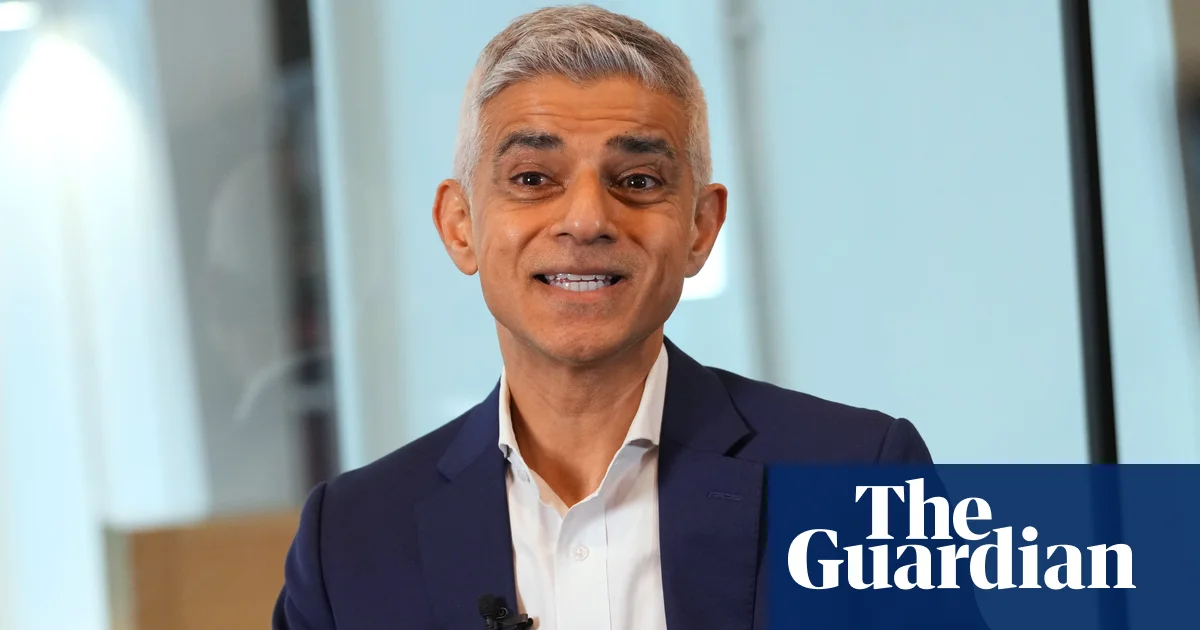
London voters might regret backing Reform or Greens in local polls, warns Sadiq Khan | 2026 Elections

Shifting Political Sands and Social Tensions in London

As London approaches its local elections on 7 May, a noticeable demographic and ideological shift is sweeping through the city’s working-class and middle-class communities alike. Mayor Sadiq Khan has publicly acknowledged the growing disenchantment among some former Labour supporters who are now considering alternative parties such as the Greens or Reform. This evolving landscape signals a deeper societal question: how do families and communities reconcile their desire for effective local governance with changing political allegiances rooted in frustration or disillusionment? Historically, sociologists like Richard Sennett have emphasized how social cohesion is often tested in times of political upheaval, exposing cracks in the traditional bonds that hold communities together.

The cultural shifts are further exemplified by the shifting allegiances within the city’s inner boroughs, where longstanding Labour councillors face the possibility of defeat. Khan’s tone hints at a concern that a move toward protest or protest-led councils may undermine tangible progress, questioning whether more upheaval will truly benefit those in localities most in need. Critics argue that this political volatility stems from a broader societal discontent with bureaucratic inertia—a phenomenon sociologists describe as the “politics of frustration,” where voters seek change but remain unconvinced by the alternatives, risking a cycle of instability that impacts families’ access to services, education, and essential support systems.

The societal upheaval extends beyond electoral politics into international relations and broader geopolitical nightmares. Khan has criticized US military interventions and the ongoing conflicts involving Iran and Israel, emphasizing the moral and human consequences. He pointedly questions the justification for war, highlighting the fragile morality underpinning many of these international decisions. Such stance underscores a societal tension: how does a government balance global activism with the pressing needs of its own communities? It is a dilemma that impacts families torn between economic survival and ethical commitments, raising questions about how our society navigates the moral complexities in a hyperconnected world.

Moving forward, the societal challenge remains: how do communities foster resilience amidst upheavals—be they political, cultural, or international? Sociologists like Arlie Hochschild have argued that cultural tensions rooted in identity often mirror economic and social disparities, creating fertile ground for divisiveness. Yet, amid these challenges, hope persists. Societal transformation depends on building bridges across divides, fostering dialogue that recognizes shared values, and empowering young people to shape a future rooted in justice, stability, and renewed community bonds. As citizens face the uncertainties ahead, society’s greatest strength may lie in its capacity for resilience and renewal—turning the tide against discord towards a horizon where collective growth paves the way for a society that truly reflects its diverse aspirations and moral commitments.

London man charged with manslaughter after domestic abuse linked to teen’s suicide

UK Justice System Targets Domestic Abuse as Authorities Seek to Address Tragedy

In a rare move, London authorities have publicly charged a man with manslaughter in connection with a domestic abuse-related death that occurred in 2020. The case, which involves allegations of prolonged coercive and controlling behavior, marks a significant escalation in the UK’s effort to confront and prosecute domestic violence beyond traditional criminal charges. This unprecedented legal action demonstrates a changing landscape in how justice systems worldwide are holding perpetrators accountable for the wider societal harms inflicted during long-term abuse campaigns.

The victim, Gillian Morand, 36, was found dead in Bexley, southeast London, with her death ruled a suicide after a detailed inquest. However, subsequent investigations uncovered disturbing allegations of abuse that Morand endured over a “significant period,” which the police now argue contributed heavily to her tragic demise. This recognition of how sustained domestic abuse can push victims toward despair underscores a shift in police and judicial priorities to treat these cases as serious criminal enterprises rather than isolated incidents.

International Significance and Geopolitical Impact

This case resonates far beyond the borders of the UK. It highlights an increasing international consensus emphasizing the importance of comprehensive legal measures to combat domestic violence—an issue that transcends cultural and national boundaries. Analysts from INTERPOL and other global institutions note that such prosecutions signal a broader geopolitical shift towards strengthening women’s rights and protecting vulnerable populations in the face of advancing domestic violence laws. This decision at the national level reflects a growing awareness among governments that domestic abuse is intertwined with wider societal stability and human rights considerations.

Furthermore, the UK’s move can be seen as part of a broader pattern where countries re-evaluate their legal frameworks to address the complexities of coercive control. The case serves as a reminder that international organizations, such as the United Nations, continue to press member states to prioritize legislation that explicitly criminalizes long-term abusive behaviors, recognizing the profound effects on public health and social cohesion. The decision to pursue such charges could influence similar legal reforms elsewhere, encouraging a more proactive stance against domestic violence that aligns with the urgency of modern social challenges.

Society and the Role of Justice in Shaping the Future

Legal experts and historians, such as Professor Margaret Abrams of the London School of Economics, emphasize that the pursuit of justice in cases like Morand’s underscores an evolving understanding of domestic abuse as a systemic issue. The move signals a willingness to confront darker facets of societal breakdown—highlighting how unchecked power imbalances in private spheres can have devastating public consequences. This case’s prosecution is also a rallying call to society: protect and listen to victims, and ensure that justice is not delayed or denied. The decision to bring charges related to controlling behavior signals a recognition that domestic abuse is not only about immediate violence but also about a broader pattern of destructive coercion that can devastate lives.

As nations continue to grapple with domestic violence, the Irish and American contexts, among others, consider adopting similar measures—further integrating legal, social, and mental health approaches. Global institutions warn that failure to address these issues comprehensively can lead to systemic societal decay, as victims are pushed into silence and despair.

Still, this moment in London’s justice history resonates as both warning and hope. The weight of history presses heavily on today’s legal decisions—an enduring reminder that true justice demands confronting the past, recognizing the profound harm inflicted by unchecked power, and forging a future where such tragedies are abolished. In this ongoing battle for dignity and safety, the outcome remains uncertain, yet the intent remains clear: no life should fall victim to the shadows of abuse without accountability.

Rival car-sharing firms eye London expansion after Zipcar’s UK withdrawal

London, historically known as a hub for innovation and progressive urban planning, now finds itself at a pivotal crossroads in the realm of sustainable mobility. Following the imminent closure of Zipcar’s UK operations—a move that signifies significant shifts in the shared economy landscape—the city’s transportation scene is witnessing a potential rebirth. Several emerging car-sharing companies are keenly eyeing the vacant market, signaling an intensified race to adapt and redefine urban mobility in one of Europe’s most bustling metropolises. This development underscores how international technological and corporate decisions ripple into local societies and economic structures.

Major players like Free2Move, owned by global automotive giant Stellantis, and Enterprise Car Club are actively assessing expansion opportunities, despite the complexities entailed. Free2Move has highlighted London’s advanced infrastructure for autonomous mobility as a key factor that could make the city especially attractive—an indication of how emerging technologies are becoming pivotal in urban transport strategies. However, analysts point out that regulatory fragmentation among London’s 33 local authorities poses a serious obstacle. As one expert from a prominent international transportation think tank explained, “The patchwork of licensing and parking regulations has historically hampered scalable car-sharing models, especially floating vehicles without fixed stations.” Such barriers not only hinder market growth but also reflect broader governance challenges that influence economic opportunities and societal access to greener, more flexible transport solutions.

The departure of Zipcar, which many viewed as a bellwether for the health of the market, has ignited a scramble among peer-to-peer platforms like Hiyacar and Turo. These companies, leveraging existing vehicle owners rather than heavy capital outlays, present a more adaptable model for urban environments. Don Iro of Hiyacar noted that their surge in interest was almost inevitable regardless of Zipcar’s exit, but the recent vacuum provides a clear impetus for swift expansion. “There’s going to be a substantial gap, and it’s going to take years for the market to stabilize,” he said, emphasizing the long-term strategic importance of establishing a foothold now. This scenario illustrates a broader shift: as traditional car-sharing giants retreat, decentralized and peer-to-peer platforms are increasingly seen as the future, especially amid rising environmental concerns and urban congestion.

The implications extend beyond business models, however. London’s transition towards a more flexible, shared transport network has significant social and geopolitical ramifications. By relying less on personal vehicle ownership, the city aims to reduce pollution and traffic congestion, aligning with international efforts to combat climate change. Yet, critics argue that without cohesive governance and clear regulatory pathways, these innovations could exacerbate inequalities—primarily benefiting affluent areas and tech-savvy consumers. Meanwhile, European and global institutions, such as the European Commission and the International Transport Forum, continue to monitor these technological shifts, aware that how cities like London manage their mobility ecosystems could serve as a blueprint—or cautionary tale—for the world. As governments and corporations negotiate the future of transportation, the very fabric of urban society hangs in the balance, teetering between innovation and chaos.

As the story continues to unfold, it becomes clear that London’s decisions today will resonate through the corridors of power and across the streets of cities everywhere. The departure of Zipcar, while a setback for some, opens a chapter defined by fierce competition, technological innovation, and the relentless force of economic and geopolitical change. The world watches as a city famous for its resilience and ingenuity seeks to carve a new path forward—one that may yet shape the future of urban life in the age of autonomous mobility and shared economies. This is not merely a story of market dynamics; it is a narrative of how societies choose to evolve amidst the relentless tide of progress—where every decision is a stroke on the canvas of history yet to be written.

Ukraine War Update: Zelenskyy Meets Leaders in London to Push for Peace Talks

The geopolitical landscape of Europe and the broader international sphere is witnessing a dramatic shift, with recent events highlighting the fragile and complex dance of power among Western nations, Russia, and U.S.. As Ukrainian President Volodymyr Zelenskyy prepares for high-stakes negotiations with European leaders in London and Brussels, the undercurrents of influence and support cast a long shadow over potential outcomes. Animating this tense atmosphere are statements from Donald Trump Jr and key U.S. political figures, who have cast doubt on America’s continued commitment to Ukraine, hinting at a possible withdrawal of support in the face of shifting priorities.

From Europe, the repercussions are both immediate and far-reaching. The European Union faces mounting internal debates over its resources and strategic position, especially in light of recent confrontations with digital giants like Elon Musk, who have publicly called for ending the EU’s digital regulations. EU officials, including Ursula von der Leyen and Antonio Costa, fiercely oppose external interference and emphasize that laws are laws—yet, they are also grappling with the diplomatic fallout of a controversial EU fine placed on Twitter’s parent company. Analysts warn that these internal conflicts could weaken Europe’s unified stance, especially if external actors like Russia and the U.S. exploit discord to advance their agendas.

The peace negotiations surrounding Ukraine exemplify the intense struggle over territory and sovereignty. While Zelenskyy urges clarity on whether Russia intends to renew hostilities, European leaders are divided—many endorse the EU’s proposal for a reparations loan funded through frozen Russian assets as a ’politically feasible’ strategy. This initiative, supported by nations including Netherlands, Poland, and Finland, aims to bolster Ukraine’s military and economic resilience against the ongoing conflict. However, critics highlight the potential risks: the plan could be perceived as provocative by Moscow and may hinder diplomatic efforts towards a just peace.

Meanwhile, the diplomatic theater continues with Zelenskyy’s upcoming visits to Brussels and Rome, and the expected high-level discussions featuring Macron, Merkel, and Starmer. The overarching question remains: how will international support adapt if the U.S. signals a shift in commitment? — a critical concern, as analysts warn that the decision could alter the balance of power. Historians caution that these moments may be remembered as a turning point—a time when alliances were tested, and the fate of sovereignty was weighed against the tides of geopolitics.

As King Charles echoes Europe’s condemnation of Russian aggression and the German Chancellor Friedrich Merz arrives punctually amidst storytelling jokes about Germany’s notorious delay, the weight of history looms large. The international community stands at a crossroads: one path leads toward renewed diplomacy and peace, the other towards a lingering shadow of conflict, with unpredictable consequences. In the shadows of London and Brussels, world leaders sit silently, acutely aware that their every decision is etched into the annals of history, where every move could spark the next chapter of turmoil or triumph. And so, the story continues, with the whole world watching as the pages are turned—an unfolding saga of power, resistance, and the relentless pursuit of sovereignty.”

Tower of London reopens after protest over crown jewels display, food thrown during unrest

The recent demonstration at London’s Tower of London has ignited a wave of controversy that extends far beyond the gates of Britain’s historic citadel. On Saturday, a small but symbolic act of protest—the throwing of custard and apple crumble at the display case containing the Imperial State Crown—led to the temporary closure of part of one of the UK’s most iconic tourist sites. Conducted by the group Take Back Power, the action underscores growing discontent within Britain’s society over issues of inequality and governance. While the protesters describe their action as a non-violent civil resistance, it signals a deeper challenge to the established political and cultural order that continues to define Britain’s national identity.

Internationally, this event acts as a stark reminder of the tumult that often bubbles beneath the surface of seemingly stable nations. The protest’s message—demanding a permanent citizens’ assembly with the authority to tax extreme wealth and reform Britain’s governance—resonates with broader global patterns of populist discontent. Analysts note that Britain, historically seen as a resilient and constitutional monarchy, is now experiencing a fissure in its societal fabric. This fissure is partly driven by economic disparities, as the gap between the ultra-wealthy and common citizens widens. Global organizations such as the World Economic Forum have warned that rising inequality could spark more protests across Western democracies, challenging the legitimacy of long-standing political institutions.

In a wider geopolitical context, Britain’s internal struggles reflect a fracturing of trust that has significant repercussions on its international role. As the UK reevaluates its positioning post-Brexit, with declining influence in European and global affairs, such protests serve as a signal to allies and adversaries alike: the UK’s traditional institutions are under stress, and legitimacy is increasingly questioned from within. Historians like Dr. Elisabeth Meyers argue that these moments of civil unrest, regardless of their scale, *predict a transformative period for democracies worldwide*. Meanwhile, international watchdogs caution that unresolved grievances could lead to further destabilization, especially if economic tensions continue and political reforms stall.

The geopolitical impact of Britain’s internal discord may ripple outward—affecting alliances, security policy, and trade relations—while also shaping international narratives about Western resilience. For nations observing from afar, the spectacle of protesters targeting Britain’s crown jewels symbolizes a broader trend: that even the most venerable symbols of power are vulnerable when citizens feel unheard or ignored. The UK’s challenge now is to address these root issues without further fueling perceptions of decline or decay in what many still consider a global ideological and cultural beacon. History, as often noted by experts, reminds us that the fate of nations is etched into moments of crisis, and how Britain responds to this internal awakening may determine whether it emerges stronger or further divided.

As the dust settles and authorities investigate, the symbolism remains—an enduring reminder that history’s pages are still being written. In the shadow of this protest, the question lingers: Will Britain reaffirm its commitment to a more equitable society, or will it fall into the chaos of fractured trust? The next chapter depends on whether leadership recognizes that the true crown of a nation lies not in its jewels or monuments, but in the unity of its people and their unwavering quest for justice. The stones of the Tower of London have witnessed centuries of history, yet it is in moments like this that they seem to whisper of a future still undefined, waiting to be shaped by those brave enough to challenge the status quo.

Social Media Auto Publish Powered By : XYZScripts.com