Matox News

Truth Over Trends, always!

Emergency Alerts Upgrade: Smartphones Will Sound Sirens for Major Disasters, Keeping Aussies Ready

Australia’s New Emergency Alert System: Society at a Crossroads

As Australia faces increasingly severe natural disasters influenced by *climate change*, the nation is undertaking a significant overhaul of its emergency communication infrastructure. The federal government is launching the ambitious AusAlert system, a $132 million project designed to replace the outdated state-based text messaging alerts. This technological shift aims to provide more precise, intrusive, and timely warnings that could be the difference between life and death during bushfires, floods, or other emergencies. The rollout, starting with comprehensive community trials in June and a national test scheduled for July 2026, reflects a broader societal effort to adapt to the *changing environmental landscape*, though it also raises questions about privacy, individual rights, and the impact on daily life.

Unlike traditional text alerts, AusAlert will appear directly on the home screens of smartphones within specific geographic zones, with the capability to target down to individual streets. When a high-level threat occurs, the alert will be delivered with a loud, intrusive tone that compels immediate attention. This approach underscores a societal shift towards prioritizing safety over personal convenience; however, it also prompts concerns about constant surveillance and the normalization of government intrusion in everyday life. Such measures may solidify a social fabric where communities are conditioned to accept intrusive technology as a routine part of emergency preparedness.

This initiative highlights how social issues permeate family dynamics, local communities, and educational environments. For families, especially those with young children or vulnerable members, quick access to accurate information can be lifesaving. Yet, it also introduces new challenges: the potential for false alarms, technological failures, or privacy breaches could undermine public trust. From an academic perspective, sociologists such as Timothy Mitchell have warned about the dangers of over-reliance on surveillance-based systems that, while intended for protection, may inadvertently erode societal privacy and autonomy. The implementation of AusAlert exemplifies a societal tension—balancing the need for security with the preservation of individual liberties.

  • Key facts include the system’s capability to deliver alerts for durations between 10 minutes and 24 hours, affecting an estimated 23 million smartphones, with plans for extensive testing across varied communities.
  • Opt-out options are limited to lower-priority alerts, reinforcing the government’s emphasis on proactive safety measures rather than individual choice.
  • Further concerns involve the integration of AusAlert with other personal devices such as smartwatches, cars, and home automation systems, raising questions about data collection and societal acceptance of pervasive monitoring.

Historically, societal responses to such technological interventions have been mixed. While some view these systems as essential advancements—similar to the revolutionary public health campaigns of the 20th century—others perceive them as slips towards authoritarian oversight. As social commentator Jamelle Bouie notes, the challenge lies in designing systems that respect human dignity without compromising safety. Society now stands at a crossroads, grappling with the *dual imperatives of technological progress and moral responsibility*. The hope remains that, through community engagement and transparent governance, Australia can build a society where safety does not come at the expense of freedom, and where new tools serve to *strengthen bonds rather than erode them*.

In the quiet moments of reflection, society must ask itself: Are we forging pathways toward a resilient and free community, or are we unwittingly paving the way for a surveillance state? The answer lies in collective vigilance—an unwavering belief that even amidst technological transformation, the core human values of dignity, privacy, and community must remain the ultimate guiding lights. As Australia’s society prepares to face future ecological challenges, perhaps the greatest resilience will be found not just in technology, but in the hope that society itself can transform—learning to protect and cherish its most precious bonds: families, communities, and the undying human hope for a better tomorrow.

Louvre Director Resigns Amidst Major Art Heist Scandal

In an era defined by rapid geopolitical shifts and rising global tensions, the appointment of Leribault as the new leader of a prominent cultural institution signals more than just a managerial change. His primary mission to strengthen the safety and security of the museum’s collections, staff, and visitors exemplifies a broader move by France to reaffirm its commitment to cultural preservation amid mounting international uncertainties. As the cultural sector becomes increasingly entangled in political narratives, the emphasis on safeguarding heritage assets underscores a strategic effort to project soft power and maintain societal cohesion.

Many analysts argue that cultural institutions serve as critical battlegrounds in the ongoing contest for global influence. Historians like Dr. Catherine Lefevre suggest that “the safeguarding of national treasures is now intertwined with geopolitical resilience,” especially as nations face external pressures from emerging powers and covert interests seeking to manipulate cultural symbols for ideological ends. The mention of Leribault’s focus on “restoring a climate of trust” hints at past vulnerabilities — whether through recent security breaches or ideological conflicts that threaten the integrity of such institutions. Meanwhile, international organizations, including UNESCO, have voiced concerns about cultural heritage as a target in conflicts, emphasizing that “the preservation of history is crucial for fostering international understanding.”

This new leadership change also reflects a strategic shift in international cultural diplomacy. Countries are increasingly recognizing the geopolitical value embedded in well-maintained institutions. The focus on transformations necessary for the museum highlights a vision of modernization aimed at resilience — a move that resonates with global trends toward digital integration and security enhancement. Such efforts serve as a tangible signal that fragile cultural infrastructure must be fortified to withstand not only ideological assaults but also physical threats. As the world witnesses a rising tide of social upheaval, war, and unrest, the role of cultural institutions as bastions of national identity and resilience becomes ever more vital.

Ultimately, this appointment is more than a routine administrative update. It is a reflection of how nations, especially those with a profound historical footprint like France, view their cultural heritage as crucial in shaping national identity and asserting geopolitical position. Historians warn that neglecting these institutions can lead to irreversible loss, forever altering a nation’s narrative. As we watch this new chapter unfold, it underscores a key truth: in the ongoing struggle for global influence, heritage is more than just history — it is a battleground where the resolve of nations is tested, and the future of cultural sovereignty hangs in delicate balance. In the fluid, often dangerous currents of international diplomacy, the fight to preserve our shared history remains an unyielding testament to resilience — yet, the game has only just begun.

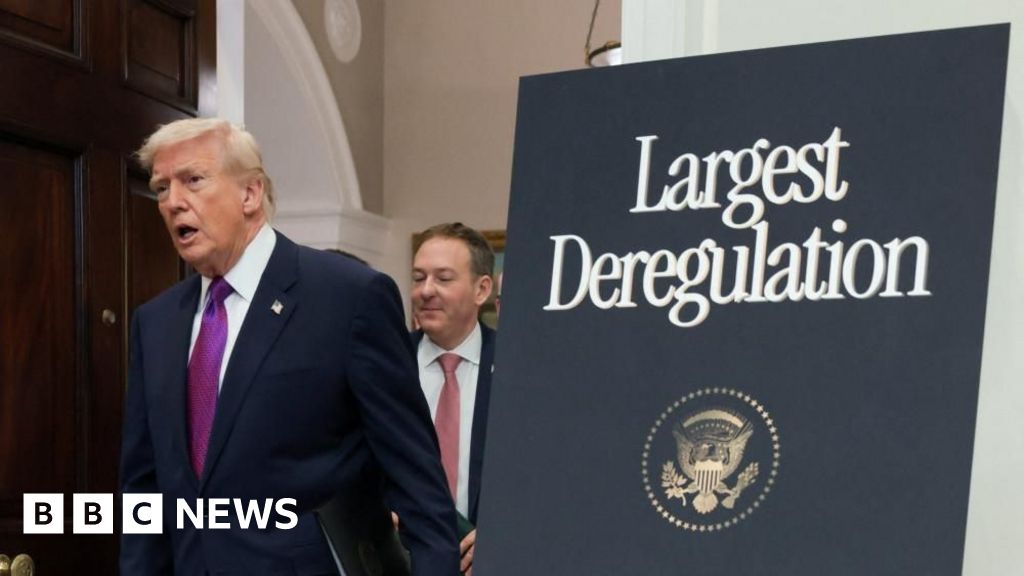
Trump celebrates major climate rollback, claiming victory for America’s future

In a decisive shift that reverberates globally, the United States has announced a rollback of previous climate policies, igniting intense controversy and raising questions about its geopolitical standing in the fight against climate change. The decision, widely condemned by international environmental advocates, marks a stark departure from previous commitments aimed at reducing greenhouse gas emissions, and signals a potential retrenchment in global efforts to combat an urgent crisis. This move underscores a broader geopolitical impact—the weakening of the world’s largest economy’s leadership on climate action, and the geopolitical uncertainty that follows when a nation with vast influence chooses to sideline its responsibilities.

Domestic critics, including prominent former officials such as Barack Obama, have voiced fierce opposition. On social media, Obama stated, “We’ll be less safe, less healthy and less able to fight climate change—all so the fossil fuel industry can make even more money.” Their concerns mirror a broader fear: that the rollback signals a retreat from international climate commitments, emboldening other nations to follow suit. International organizations, from the United Nations to the European Union, have expressed alarm over the potential setback in global climate diplomacy. Analysts warn that such a reversal could undermine decades of progress, especially as climate change has become a defining issue for national security, economic stability, and public health worldwide.

Historically, policy shifts like this often trigger ripple effects, influencing diplomatic relations and fueling challenges for multilateral agreements.

  • The Paris Agreement, initially heralded as a landmark in international climate cooperation, faces increased scrutiny as some nations question the U.S.’s renewed commitment.
  • Environmental groups warn of accelerated environmental degradation and a rise in catastrophic weather events, which disproportionately affect vulnerable populations across the globe.
  • Meanwhile, geopolitical analysts highlight that U.S. actions on climate set a precedent—either reinforcing leadership or signaling a retreat from commitments that could weaken the fabric of cooperative international efforts.

Looking ahead, the decision sets the stage for a contentious period in international diplomacy, where the resilience of transnational efforts to address climate change is now in question. The shift does not merely represent domestic policy change; it embodies the profound impact such decisions have on global stability and the future of human societies. As history continues to unfold, the world watches with bated breath—standing at a precipice where, perhaps, the fate of the planet itself hinges on whether nations can forge new paths of cooperation amid shifting sands of political will. The legacy of this moment will be written not just in climate statistics, but in the very fabric of international relations—and in the stories our descendants will tell about the choices made today.

Waymo gears up for $16B boost in major funding round

In a remarkable demonstration of disruption and innovation, Waymo, the pioneer in autonomous vehicle technology, is on the verge of closing a colossal $16 billion funding round, which positions the company at an impressive $110 billion valuation. Backed heavily by Alphabet, the parent company of Google, this funding underscores the strategic importance of AI-powered mobility as a critical frontier for tech giants vying for dominance in the future of transportation. With significant investment from venture powerhouses like Sequoia Capital, Dragoneer, and DST Global, Waymo is clearly positioned not just as a leader but as an industry disruptor set to redefine urban mobility.

This influx of capital signifies more than just financial backing; it reflects confidence in autonomous vehicle technology as a game-changing force. The company’s rapid expansion, exemplified by its recent launch in Miami, marks a strategic pivot to urban environments where demand for safe and reliable autonomous taxis is surging. However, technological hurdles remain, as the company has faced setbacks—such as instances of robotaxis stalling during significant blackouts—highlighting the challenges inherent in scaling next-gen transport systems for real-world urban settings.

  • High-growth trajectory with over 20 million trips completed
  • Existing annual recurring revenue exceeding $350 million
  • Recent Series C fundraise valued at $45 billion

The strategic investment landscape reveals a clear message: autonomous vehicle technology is no longer just a niche innovation but a cornerstone of future urban infrastructure. As MIT researchers and tech analysts like Gartner emphasize, the combination of advanced AI, real-time decision-making algorithms, and scalable infrastructure will make autonomous mobility the primary solution for urban congestion and pollution concerns. This trend indicates a tectonic shift towards a mobility ecosystem driven by disruption, where traditional automotive giants will face intensifying competition from autonomous-first startups backed by elite venture capital.

Industry insiders warn that while the technological breakthroughs from companies like Waymo and others will revolutionize the landscape, they also introduce new markets of political, regulatory, and safety challenges. Yet, the momentum remains unstoppable—investors and industry leaders are betting heavily on a future where these autonomous platforms become dominant. The scale of this latest funding round marks a turning point; it is a wake-up call for established automakers and a clarion call for startups aiming to accelerate their autonomous solutions. Time is running out for incumbents to adapt, innovate, and capture the transformative potential of autonomous mobility before the industry is reshaped completely.

In conclusion, Waymo’s aggressive push into new cities, backed by monumental funding and strategic partnerships, reflects a high-stakes race for supremacy in the autonomous vehicle domain. As the industry hurtles toward widespread deployment, only those capable of pioneering disruptive innovations and navigating complex regulatory landscapes will survive. The future belongs to those who can harness this wave of technological revolution—markets must brace for a new era where autonomous mobility becomes the backbone of modern urban living, and the stakes have never been higher.

Major social media trial kicks off over addiction concerns

In what many are calling a historic turning point in the regulation of digital platforms, the United States has embarked on a landmark legal journey that could redefine the accountability of tech giants like Meta, TikTok, and Google. Starting in California, a high-profile court case pits a 19-year-old woman—identified by her initials, KGM—against some of the world’s most powerful social media conglomerates. The plaintiff accuses these companies of designing algorithms intentionally to foster addiction, causing mental health deterioration among youth, and raising serious questions about the responsibility of social media platforms for societal harms.

  • The lawsuit highlights manipulated design choices—such as algorithmic notifications and content flows—that aim to maximize engagement but at what cost?
  • Defense argues that harms are caused by third-party users, and the platforms are shielded by Section 230 of the Communications Decency Act, which has historically granted tech firms immunity.
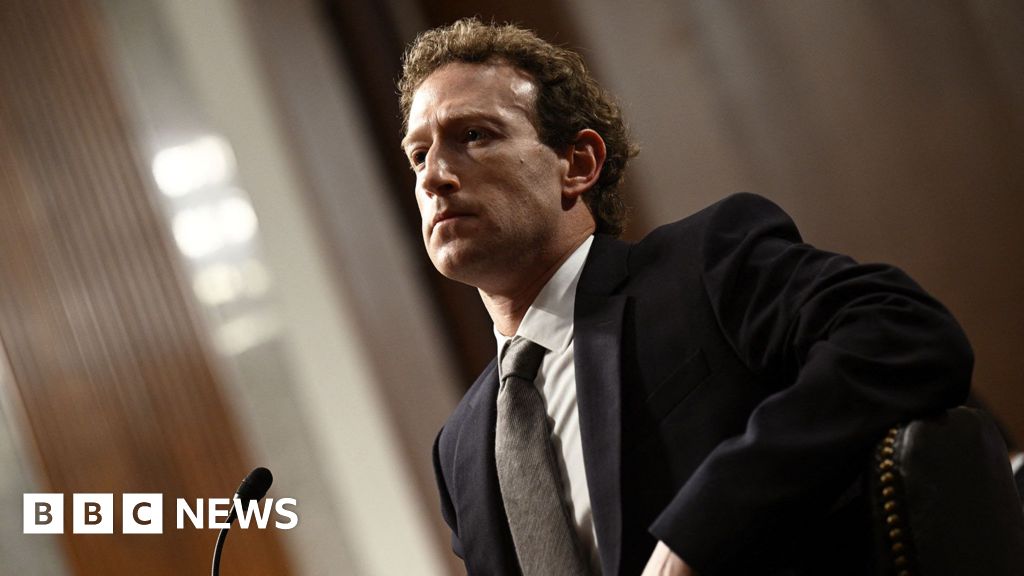
  • Meta CEO Mark Zuckerberg, among other witnesses, is expected to testify, with some experts warning this case could threaten the legal shield that, for decades, has kept tech giants largely unaccountable.

Historians and legal analysts observe that this case marks a *potential* shift in how the US legal system treats the societal impacts of social media, especially as mental health issues linked to digital addiction increasingly dominate public discourse. Prof. Eric Goldman of Santa Clara University warns that a loss could pose an existential threat to these corporations, yet he also underscores the difficulty of proving direct causation between content and physical harm. Meanwhile, international scrutiny intensifies, with Australia enforcing a social media ban for under-16s and the UK hinting at similar measures. These decisions signal a global shift as governments grapple with how to regulate addictive technologies that are deeply embedded within daily life.

Moreover, this legal showdown comes amid mounting demands from families, educators, and officials, fueling an atmosphere where the once-deferential tech industry faces increased accountability. Critics argue that until now, big tech has enjoyed a protective shield, with authorities reluctant to challenge their influence beyond superficial regulation. But the tide seems to be turning. As the court prepares to hear internal documents and testimony from Zuckerberg himself, the case embodies a broader discourse on how decisions made in Silicon Valley reshape societies and the fabric of childhood itself.

As history increasingly weighs the discrepancies between monumental profits and the wellbeing of future generations, the outcome of this trial will echo far beyond California’s borders. Will this be the moment when the power balance shifts, demanding greater oversight and responsibility from those who shape our digital world? Or will the industry’s entrenched influence continue to shield its design flaws under legal protections? In the shadows of these proceedings, the weight of history presses down, a reminder that the unfolding narrative of digital regulation is far from over, and nations across the globe are watching—waiting to see which way the scales will tip.

Hong Kong tycoon convicted in major national security crackdown, signaling tough stance on dissent

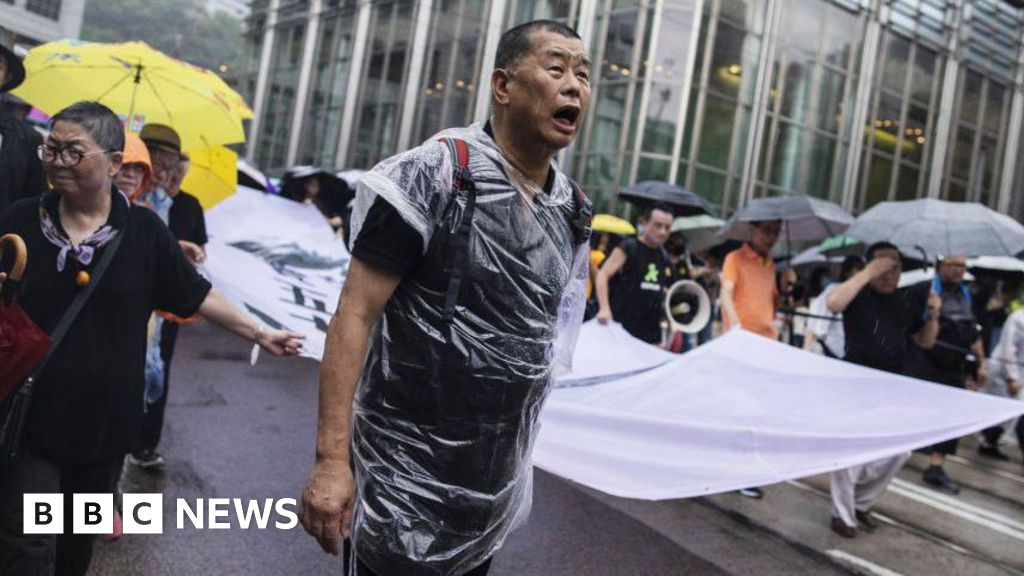
Hong Kong’s Jimmy Lai Conviction Marks a Turning Point in Global Geopolitics

The recent verdict against Jimmy Lai, the famed Hong Kong pro-democracy activist and media tycoon, signals a profound escalation in the ongoing struggle over the city’s future and the broader battle for influence between China and the West. Found guilty of colluding with foreign forces under the city’s controversial national security law (NSL), Lai’s conviction reverberates far beyond Hong Kong’s borders, serving as a stark warning to dissenters and a testament to Beijing’s unwavering commitment to tightening its grip on the former British colony.

This legal action, which many scholars and analysts are calling a turning point in judicial independence, exemplifies how Beijing is actively rewriting the rules of engagement within the region. The U.S. and UK, long advocates for civil liberties in Hong Kong, condemned Lai’s trial as an example of “politically motivated persecution,” emphasizing that his conviction was motivated not by justice but by China’s desire to silence anyone daring to challenge Communist Party authority. International watchdogs, including Human Rights Watch, have asserted that the NSL and related legal practices are used to crush dissent and dismantle Hong Kong’s once vibrant pro-democracy movement. The judgment underscores how decisions made in Hong Kong are now deeply intertwined with geopolitical impact, shaping a conflict that pits Western values of free expression against an authoritarian Chinese state eager to consolidate power.

The case of Lai, who used his now-defunct Apple Daily newspaper as a platform to promote democratic ideals and lobby foreign governments for sanctions, is a stark symbol of the broader clash for ideological control. His advocacy, coupled with open meetings with U.S. officials like then-Vice President Mike Pence and Secretary of State Mike Pompeo, demonstrated how the pro-democracy movement in Hong Kong was viewed as a direct challenge to Beijing’s sovereignty. The Chinese government, through state media like Global Times, has responded with unwavering resolve, asserting the case sends a “clear message” — that any attempt to undermine the integrity of the nation will be met with “severe punishment.” Such rhetoric highlights how Beijing’s strategy employs legal measures as a tool for political consolidation, signaling to the world that dissent in Hong Kong—and beyond—is increasingly dangerous and, ultimately, futile.

In analyzing this development, experts warn that the implications extend well beyond Hong Kong. The fallout influences international relations and impacts the ability of democracies to stand up for their principles. Governments including the UK and US have criticized the Chinese authorities, demanding Lai’s immediate release, claiming his trial exemplifies the danger facing free societies worldwide. This clash over Hong Kong’s legal sovereignty is viewed by many as a broader contest over the future of freedom in a rising tide of authoritarianism. The question remains: how long can the West afford to ignore the tide of Chinese expansion that is now sharply focused on rewriting regional laws and norms to serve the interests of a rising autocratic power? The decisions taken in this courtroom will resonate throughout history, testing the resolve of nations that cherish liberty and debating the limits of State power in the name of security.

As history continues to unfold, Lai’s fate whispers a haunting warning — that the battle for the soul of Hong Kong is not just a local story. It is a story written in the margins of a global power struggle, where freedom’s defenders confront an increasingly assertive state that will go to any lengths to silence those who dare challenge the order. The echoes of Lai’s verdict serve as a stark reminder: in the shadows of justice, the true conflict for history’s verdict still looms, waiting to be written with the blood and defiance of those who dare challenge the silence imposed from Beijing to the world stage itself.

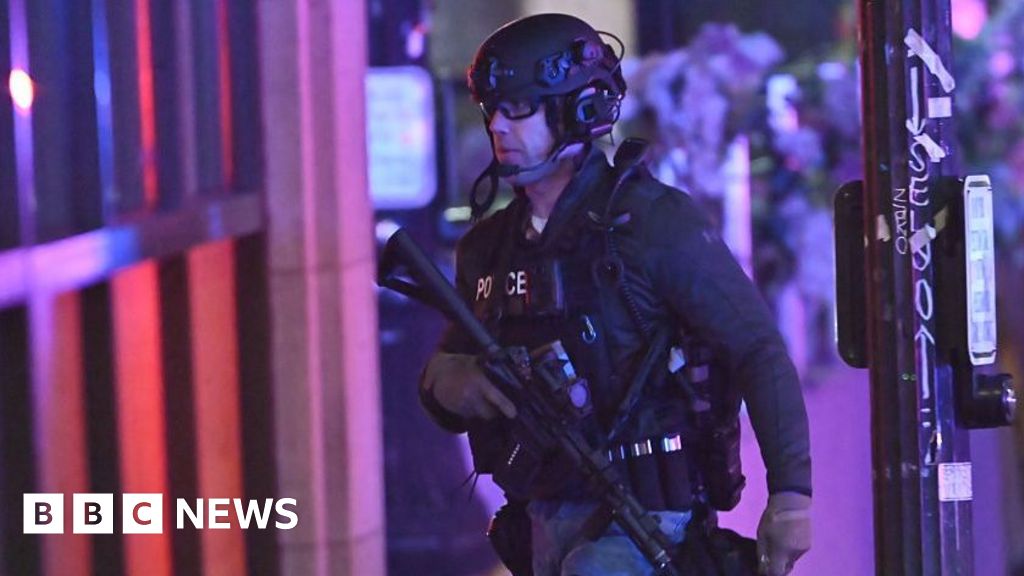
Police Launch Major Manhunt in Wake of Recent Incidents

In an alarming escalation of domestic violence and gun violence, Brown University, one of the United States’ most prestigious Ivy League institutions, became the site of a tragic mass shooting that has sent shockwaves across the nation. The attack, which occurred during a routine examination review session, resulted in the deaths of two students and injuries to nine others, marking yet another distressing chapter in the ongoing crisis of gunman violence in America. This incident underscores the persistent inability of federal and state authorities to stem the tide of firearm-related tragedies, a challenge that continues to shape America’s internal stability and its image abroad.

The shooter, described merely as a male dressed entirely in black and possibly in his 30s, remains at large amid an extensive police operation. Despite the release of surveillance footage and multiple witness reports, authorities have found no weapon in the building so far, and the suspect’s motives remain unclear. The attack took place within the walls of the Barus and Holley engineering building, a施設 famed for its laboratories and academic rigor, with the incident occurring during final exams—a shattering blow to the institution’s sense of security. U.S. President Donald Trump responded to the tragedy with a call for prayers, but many analysts argue that the incident exemplifies a deepening national crisis, one that threatens the fabric of civic order and security.

Beyond its immediate impact, this event raises critical questions about how the United States manages its internal conflicts and societal divisions. Experts like Harvard historian Heather McGowan warn that such acts of violence are symptomatic of broader societal fissures—economic inequality, political polarization, and cultural clashes—that fester when national policy fails to address them effectively. This incident could possibly influence international perceptions of U.S. stability, complicating the Biden administration’s attempts to project strength and moral authority on the world stage. From an international viewpoint, the United States continues to grapple with its reputation as a global leader—an image continuously tested by internal chaos.

  • Mass shootings like the one at Brown University have become disturbingly routine, with the Gun Violence Archive reporting 389 incidents this year alone—a staggering number that eclipses those in other developed nations combined.
  • Government inaction on gun regulation, coupled with a proliferation of firearms, fuels a cycle where mass shootings perpetually threaten social order and public safety.
  • Analysts argue that these events weaken America’s soft power, inviting international criticism and fear, especially among allies and adversaries who observe the nation’s inability to curb its own internal crises.

The ongoing manhunt, backed by a coalition of federal and local law enforcement, reflects a nation on edge—struggling to restore trust, protect its citizens, and reconcile its internal conflicts. As the world witnesses yet another incident of senseless violence, historians ponder whether America’s failure to confront its mounting gun problem signals a turning point—the moment when internal discord manifests irreparably on the global stage. The aftermath of this tragedy will undoubtedly shape policies, societal attitudes, and international perceptions, leaving an indelible mark on the pages of history. As Providence remains tense and vigilant, the question lingers in the air: how long before the next chapter of this unfolding crisis is written? The weight of history presses heavily on this moment, signaling a time when the world must brace for the consequences of internal chaos disguised as national normalcy.

Israel hits top Hamas leader in major Gaza strike

The recent precision strike by Israel targeting a senior Hamas commander in Gaza underscores the ongoing volatility and deeply entrenched conflict in the region. The elimination of Raed Saad, the head of weapons production for Hamas’s military wing, the Qassam Brigades, signifies a calculated escalation by Israeli forces amid heightened tensions following the October 7 attacks, which resulted in over 1,200 deaths and more than 250 hostages taken. The extent of this operation reveals the precise nature of Israel’s military approach, aimed at dismantling Hamas’s leadership structure, yet it also amplifies international concerns regarding the broader humanitarian crisis unfolding in Gaza.

  • In the aftermath, reports from Gaza suggest that multiple casualties resulted from the strike, including Saad’s aide and another lower-ranking official, raising questions about the collateral damage inflicted on civilians.
  • The strike took place within a sensitive border area controlled by Israel, near the so-called Yellow Line, since 10 October, when a shaky US-led ceasefire was established. This fragile peace continues to be tested as violence persists on both sides, with analysts warning of how such targeted killings risk unleashing further cycles of retaliation.
  • Israel’s ongoing efforts to eliminate key Hamas figures, including Saad who had survived multiple prior attempts, illustrates its unwavering resolve to weaken the militant organization’s capabilities. However, critics argue that such tactical moves could undermine the broader geopolitical stability of the region, potentially emboldening hardline factions and complicating diplomatic prospects.

Meanwhile, international organizations and security analysts are closely monitoring how these events shape the ongoing saga of the Palestinian-Israeli conflict. The Biden administration’s support for Israel’s right to defend itself remains firm, even as the humanitarian toll in Gaza mounts to catastrophic levels. The UN and human rights groups continue to voice concerns about the sheer scale of Palestinian casualties—more than 70,000 fatalities reported by Hamas-run health authorities—highlighting the devastating impact on civilians caught amidst military operations. These developments have so far stalled any meaningful progress towards lasting peace, leaving millions in limbo as the specter of war looms large.

Driven by this escalating cycle of violence, the geopolitical landscape shifts once again with the implementation of President Trump’s 20-point peace plan. Its core premise involves disarmament of Hamas, regional de-radicalization, and the establishment of a transitional Palestinian governance under an international “Board of Peace,” overseen by a reconfigured U.S. administration. While many in Israel oppose a Palestinian state, viewing it as a security threat, others see this framework as a potential pathway to stability—if all parties commit to the arduous process of reconciliation. The plan’s future hinges on complex negotiations, with Benjamin Netanyahu set to meet President Trump on 29 December to discuss its prospects, a meeting that could determine whether the region steps toward a long-awaited resolution or descends further into chaos.

As history continues to unfold, analysts warn that the decisions made in these perilous moments will resonate for generations. The fate of Gaza, the resilience of its people, and the security of Israel are all intertwined in a web of geopolitical ambitions and regional loyalties. In this crucible of history, where peace remains elusive, the weight of unresolved conflicts demands not only strategic resolve but visionary leadership—lest the promise of peace be forever overshadowed by the shadows of war.

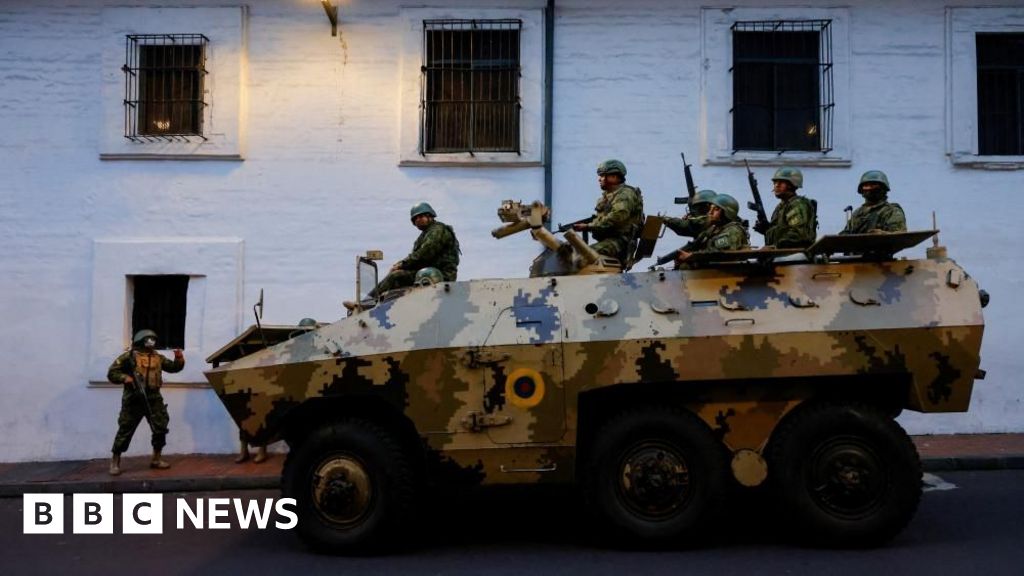
Nigeria, Ivory Coast Deploy 200 Troops for Major Clean-Up Operation

West Africa’s Turbulence: Regional Forces Foil Coup in Benin

In a decisive move that underscores the escalating instability in West Africa, Benin faced a thwarted coup attempt last Sunday, prompting a swift regional military response. Approximately 200 soldiers from Nigeria, Ivory Coast, and other regional allies were deployed to stabilize the fragile security landscape, revealing an increasing reliance on international intervention to preserve democracy in the face of growing militancy and political unrest. Nigerian fighter jets played a prominent role in repelling the mutineers from key targets, such as the military base and state television headquarters—an unmistakable message that regional powers will not tolerate unconstitutional seizures of government.

Beyond the immediate crisis, this event exposes the fragile state of regional security architecture and the concerted efforts of international institutions like ECOWAS to protect democratic processes. The regional bloc’s deployment of troops from Nigeria, Ghana, Sierra Leone, and Ivory Coast signals a clear shift: West Africa no longer stands idly by as coups become commonplace. Analysts argue that these actions are a strategic move designed to deter future attempts and to uphold the rule of law amid widespread accusations of mismanagement and rising jihadist threats. The complex interplay of military intervention and diplomacy demonstrates a nuanced recognition: regional stability hinges on preventing further chaos and safeguarding democratic institutions.

Critical to understanding this incident is the backdrop of increasing security challenges, particularly along Benin’s northern borders with insurgency-plagued Niger and Burkina Faso. The spread of jihadist groups linked to Islamic State and al-Qaeda has destabilized the region, fueling grievances and broadening the scope of conflict. According to prominent historians and security analysts, such as Dr. Jean-Luc Leblanc of the International Security Institute, these militant networks exploit weak governance and social discontent, threatening to engulf entire societies in cycles of violence. As Benin’s government, led by President Patrice Talon, prepares for next year’s elections, the ongoing unrest underscores the *urgent need for international cooperation and nuanced military strategy* that balances repression with respect for sovereignty.

Despite the victorious efforts to suppress the coup, questions remain about the long-term impact of regional intervention and the ongoing influence of external actors, including France, whose special forces are believed to have supported loyalist troops. The situation’s *turning point* will undoubtedly influence the future of West Africa’s political landscape, as governments navigate the thin line between democracy and authoritarian retreat. The events in Benin are more than isolated incidents—they are symptomatic of a broader geopolitical shift. **As history continues to unfold**, regional players and global allies must confront the undeniable reality: The resilience of democracies in West Africa depends on their ability to adapt, unite, and oppose forces that threaten to undo the liberties hard-won over decades.

Climate protesters score major victory against Victoria police over pepper spray use

Australia’s Climate Protest Victory Highlights Diverging Approaches to Civil Disobedience

The recent ruling by the Supreme Court of Victoria in favor of climate activists against police over the use of oleoresin capsicum (OC) spray signals a significant shift in how nations are balancing security and civil liberties in an era marked by environmental activism. Protester Jordan Brown’s successful class action underscores the potential consequences of law enforcement policies in the face of growing social activism, especially when state institutions are called to account for perceived excessive force. The decision, awarding Brown $54,000 in damages, not only sets a legal precedent in Australia but also resonates on a broader international scale, prompting a reassessment of policing tactics during civil demonstrations.

Historically, many Western nations have grappled with the thorny question of maintaining order versus respecting citizens’ rights to dissent. As analyzed by international legal experts, the use of chemical agents like OC spray often becomes a flashpoint—balancing the necessity of crowd control against the risk of causing severe physical and psychological harm. The court’s judgment in this case reflects an increasing willingness to scrutinize police conduct more critically. By emphasizing the unlawful nature of the battery inflicted during the protest, Justice Claire Harris pointed out that force should be proportionate and justified—a clear warning to law enforcement agencies worldwide that excessive tactics risk legal repercussions and public backlash.

The incident in question took place outside Melbourne’s international mining conference, IMARC, in October 2019. Tensions erupted as police attempted to arrest two activists who climbed the Melbourne Exhibition and Convention Centre, with officers deploying OC spray on unarmed protesters who posed no immediate threat. The disproportionate application of force exemplifies a broader global debate: how governments and law enforcement recognize and respect the right to peaceful protest, especially in the context of burgeoning environmental movements. As international organizations such as Human Rights Watch continue to warn, heavy-handed police tactics can erode public trust and fuel social divisions, underlining the need for police reforms aligned with legal standards and human rights obligations.

More broadly, this case highlights the geopolitical impact of domestic policies and societal shifts, especially in resource-rich nations like Australia. The global community watches as climate activism intensifies, directly challenging economic interests tied to fossil fuels and mining sectors. Decisions like these ripple beyond national borders, influencing policy debates across Europe, Asia, and the Americas. Such rulings can embolden local activism, prompting governments to rethink their law enforcement mandates amid the climate crisis. As geopolitical analysts note, the increasing intersection of environmental activism and legal accountability signifies a potential turning point in how governments combine security measures with respect for democratic rights.

Looking into the future, legal experts suggest that this landmark case might serve as a catalyst for legislative reforms—limiting police discretion and embedding safeguards to prevent abuses during protests. However, critics warn that governments might respond by tightening security policies to prevent future disruptions, risking a cycle of escalation. As historians track the evolving landscape of civil rights and state authority, the ongoing negotiations between authority and activism continue to shape the fabric of societies worldwide. With every court decision and policy shift, we face the harrowing realization that the course of history is still being written—its pages filled with the enduring struggle for justice in a world teetering on the brink of environmental and societal upheaval.

Social Media Auto Publish Powered By : XYZScripts.com