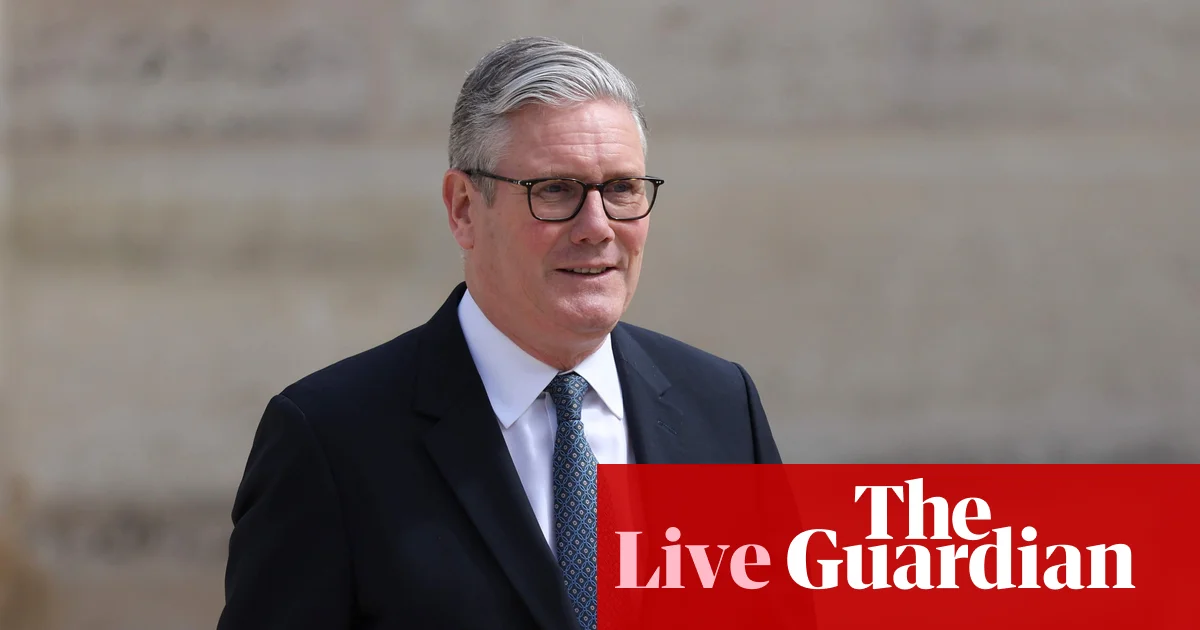
In a development that rattles the core of UK politics, Keir Starmer is facing mounting scrutiny as questions about his leadership intensify amidst the controversial appointment of Peter Mandelson as ambassador to the United States. The saga has exposed fissures within his government, with critics highlighting potential lapses in judgment and national security concerns. This episode underscores the geopolitical undercurrents shaping British policy and raises questions about the vetting process for diplomatic appointments, which can have long-lasting consequences for global standing and national security. As the fallout continues, many international analysts warn that internal political instability can weaken the UK’s position on global stage, especially at a time when geopolitical tensions are escalating across Europe, Asia, and the Atlantic.
The controversy centers around Mandelson’s failed security vetting, reportedly linked to the Chinese military through his lobbying firm, Global Counsel. Reports from The Sunday Times indicate that this connection played a role in his disqualification, igniting a firestorm of opposition and raises of accountability. Critics argue that the decision reveals deeper issues in how the UK manages international relations and foreign influence. This revelation significantly complicates British foreign policy, especially as China’s military expansion and diplomatic influence continue to challenge Western interests in Asia and beyond. Former historians and foreign policy experts have underscored that these diplomatic missteps can allow inimical actors greater influence, potentially undermining national sovereignty in subtle but profound ways.
Within UK politics, prominent figures like Liz Kendall and David Lammy have publicly defended Starmer, asserting that he has made the “right calls” on wider issues such as international relations, defense, and domestic social reforms. Kendall emphasized his integrity, arguing that the real failure lies not with Starmer but with Mandelson himself. However, the broader political landscape remains volatile. Opponents, including members of Reform UK and Conservative shadow ministers, are leveraging this crisis to pressure Starmer into resignation, suspecting that compromised judgements threaten the UK’s diplomatic credibility. In this volatile climate, how Britain navigates its international alliances will determine its role in the emerging multipolar world order, where alliances are fragile, and influence is currency for power.
Global organizations and seasoned analysts warn that decisions rooted in internal political strife ripple outward, affecting alliances and perceptions. As EU nations and NATO allies scrutinize Britain’s stability and intent, the nation’s internal discord presents a cautionary tale about the interconnected nature of security, diplomacy, and political leadership. The enduring question remains: will Britain overcome this internal fracture and project strength, or will the reckoning over Mandelson’s appointment serve as a prelude to further decline in a world where power is shifting rapidly? The stage is set in a geopolitical theater where every move echoes across continents, and history waits silently, a judge presiding over the tumult of a nation’s integrity. As the narrative unfolds, the weight of past choices presses down, reminding all observers that the story of Britain’s resilience or vulnerability is still being written—an empire’s legacy, caught amid the currents of global upheaval.