Matox News

Truth Over Trends, always!

Redefining the Manosphere: Embracing a More Respectful and Respectable Space for Young Men

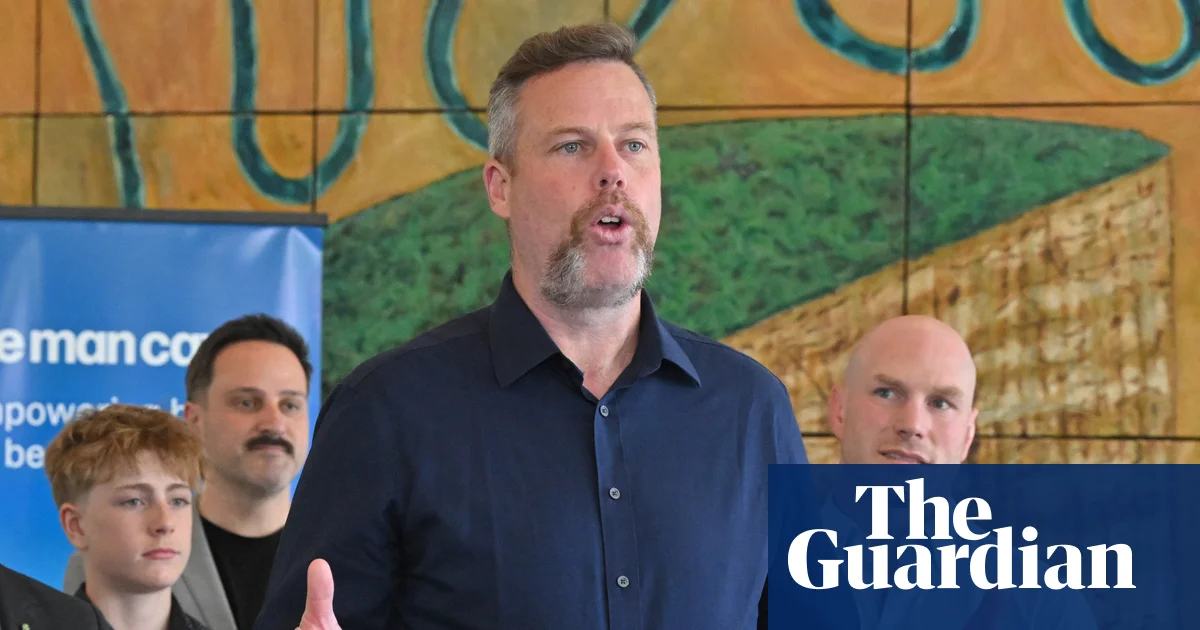
In a world increasingly dominated by the relentless surge of digital testosterone—embodied by influencers peddling hyper-masculinity, muscular ideals, and a culture of aggressive dominance—there is a beacon of cultural re-evaluation quietly flickering to life. Two recent art exhibitions in the Netherlands, “Beyond the Manosphere: Masculinities Today” at the Stedelijk Museum in Amsterdam, and “Am I Masculine?” at the Noordbrabants Museum in Den Bosch, serve as poignant reminders that the fabric of what it means to be a man is far richer and more diverse than the superficial tropes broadcasted from a screen or a social media feed. These shows do not simply critique or dismiss the movements that define masculinity through violence, power, and material strength, but instead explore the nuanced spectrum of male identity—highlighting the importance of tradition, emotion, and gentleness in shaping society.

The cultural significance of such endeavors cannot be overstated. As Ortega y Gasset posited, society is a tapestry woven from collective memory and the ongoing evolution of its cultural norms. By challenging the monolithic image of masculinity propagated online—where influencers like Andrew Tate and figures of hyper-strength fill the discourse—these exhibits reaffirm that true masculinity encompasses a capacity for tenderness, vulnerability, and introspection. The curators aim to push this conversation beyond the noise of social media hype, invoking a more profound understanding that civilizes and elevates the spirit of men committed to self-discipline, emotional depth, and cultural continuity. It echoes Chesterton’s assertion that true strength is rooted in humility and that preservation of tradition must include the acknowledgment of our emotional and aesthetic life as much as our physical prowess.

Furthermore, these exhibitions serve as a cultural rebellion against the Great Male Renunciation after the Enlightenment, when European men abandoned ornamentation—the flamboyant wigs, frilly shirts, and expressive dress—that once marked their societal role. Today’s society is still shaped by this legacy of austerity, which venerates sobriety and rationality at the expense of aesthetic and emotional richness. As historian Roberto Luis Martins notes, the show traces this shift from an era when men embraced fashion as an extension of their identity, towards an age of minimalism and functionality. Yet, this “reduction” has obscured the depth and diversity of male experience, denying society the full expression of what culture truly embodies: a reflection of human memory and prophecy. An art critic like T.S. Eliot recognized that culture is fundamentally a matter of tradition—an ongoing dialogue between our inherited past and the creative future we forge. These exhibitions are a space to question if we have truly moved beyond this tradition or merely suppressed it under a guise of modern rationality.

As these art shows unfold, they beckon us to imagine a reimagined masculinity—one that accommodates emotion without shame, strength without cruelty, and style without superficiality. By doing so, they echo the words of G.K. Chesterton, who argued that “the true man is the man who does not wish to be anything except what he is.” Reality, in this context, is a complex interplay of memory and prophecy: history whispering the echoes of days when men adorned themselves with pride and purpose, and a future beckoning a new generation to shape a civilization rooted in authentic values. In this dialogue between tradition and innovation, culture emerges as both protector and prophet—preserving our roots and illuminating the path forward, forging men not in the image of chaos but in the resilient image of human integrity. And so, as we stand at this crossroads, let us remember that the story of masculinity is as much a poetic memory as it is a prophecy, waiting to be written anew in the enduring language of culture.

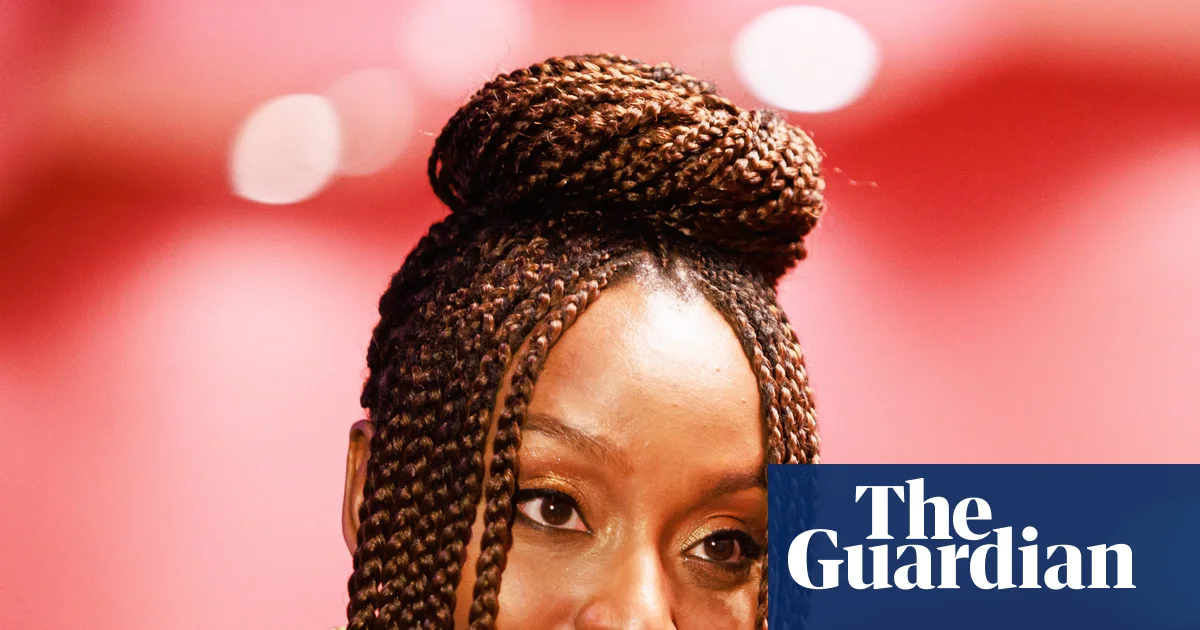
Chimamanda Ngozi Adichie Warns Her Sons Could Fall Into manosphere Traps

The world’s narrative: Culture, gender discourse, and how societies are shifting

Recent public expressions by influential figures such as Chimamanda Ngozi Adichie signal a broader cultural dialogue that transcends individual nations and touches upon a global shift in societal values and gender identities. Adichie’s fears about her young boys potentially being drawn into the contentious “manosphere” underscore a rising concern among cultural commentators and international analysts about the perceived adversities faced by boys and men. As the world increasingly debates the roles and expectations within gender dynamics, the stakes extend beyond personal narratives, becoming a matter of geopolitical interest.

The geopolitical impact of cultural and social shifts

Across the globe, international organizations and policymakers are grappling with the ramifications of rising identity politics and culture wars. Veteran analysts such as those at the United Nations warn of how cultural upheavals—such as debates over reproductive rights, gender recognition, and the influence of social media-driven movements—reshape the societal landscape. Decisions made in Western democracies, including the rollback of certain rights and the fostering of new gender paradigms, challenge traditional definitions of identity and authority, thus adjusting geopolitical alignments and cultural influence.

Historian and political theorist Samuel P. Huntington spoke of civilization clashes—yet today, the arena is as much cultural as it is political. Countries that emphasize collective cultural narratives are increasingly aligned against the tide of liberal social reform favored by Western powers. Meanwhile, China and Russia leverage their own traditionalist rhetoric to oppose Western initiatives that promote gender fluidity and individualism, framing these as threats to societal cohesion and sovereignty. The Global South, meanwhile, finds itself caught between these influences, further complicating international diplomacy.

How individual nations and societies are affected

The discourse surrounding gender and societal expectations is not confined to ivory towers or the halls of international bodies. It translates directly into the lives of ordinary citizens, impacting policy, education, and even national security. In the United States and parts of Europe, the intense debates over reproductive rights and gender recognition have led to legislative and judicial battles that redefine citizens’ legal identities and rights. Conversely, in nations like India and Indonesia, traditional gender roles remain dominant, but global influence and internal activism threaten to reshape these societies, often provoking pushback from conservative factions.

Experts like Friedrich Hayek and Alexis de Tocqueville have long warned about the fragility of societal order amidst rapid cultural change. Today, their warnings seem prescient as societies find themselves in the throes of cultural conflicts that threaten to fracture social cohesion. As debates over “cancel culture” and gender politics infect the political landscape, the outcome remains uncertain. Could these divisions lead to increased instability or even conflict? International observers closely monitor these developments, understanding that how each nation navigates this turning point will likely define the 21st century’s geopolitical order.

As history unfolds, the weight of decisions made now

The narratives surrounding gender, tradition, and cultural identity are more than mere social commentary — they are the lenses through which future histories will be written. As the world wrestling with these profound questions, the moment is upon us to ask:
Will societies manage to balance the preservation of core values with the need for progress, or will the current upheaval herald a new era of division and conflict?

And so, the story continues, each decision echoing through the corridors of power and the streets of nations. In the grand theater of history, these moments are often\nthe precursors to profound transformation. The next chapter begins, and the weight of what comes next rests heavily upon the collective choices of a world standing at a cultural crossroads—not merely a phase of debate, but the very fabric of society itself hanging in the balance.

Social Media Auto Publish Powered By : XYZScripts.com