Matox News

Truth Over Trends, always!

Fact-Check: Claims on social media false about climate change impacts.

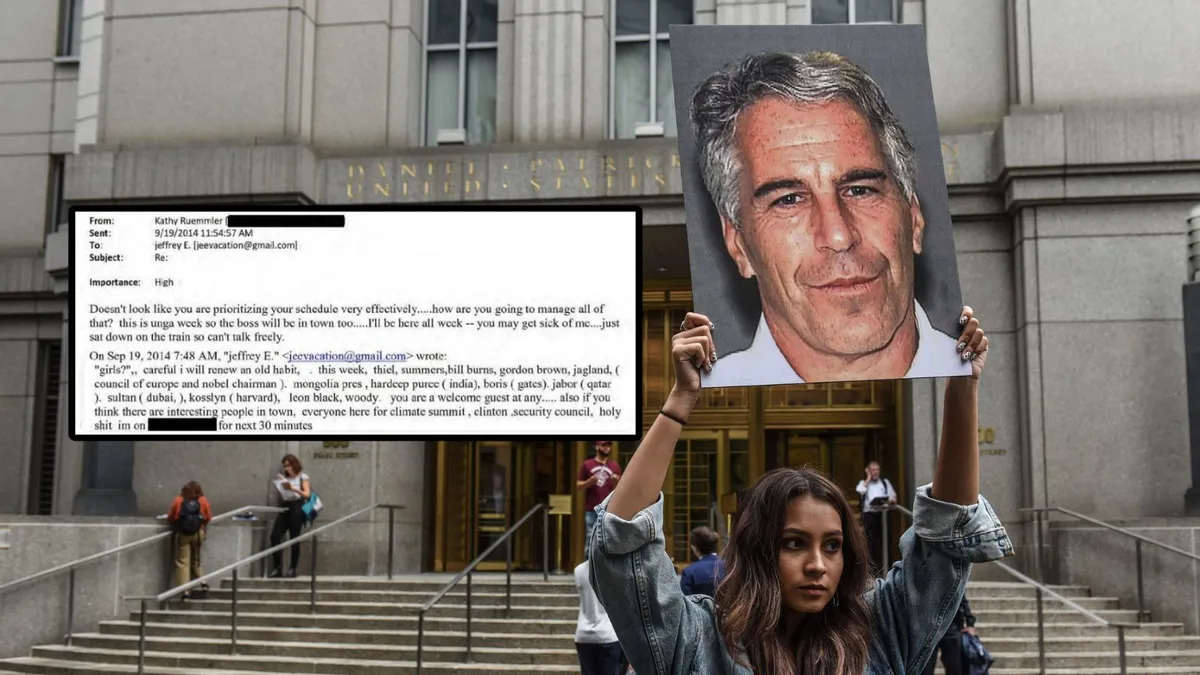
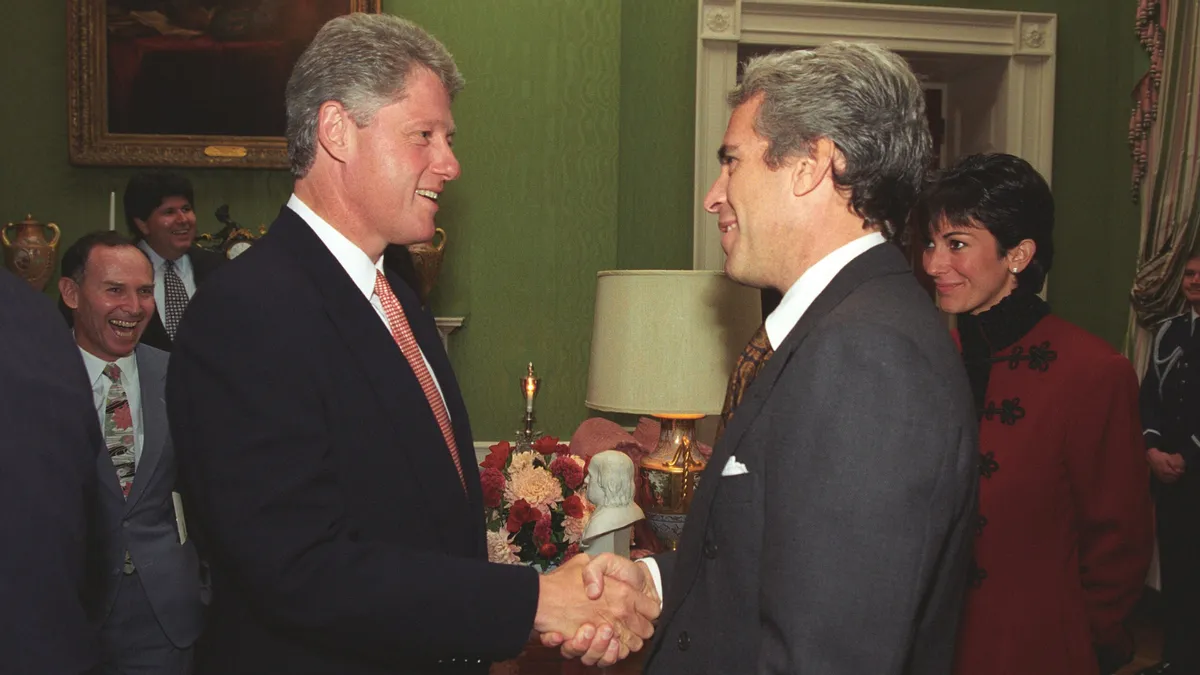
Unraveling the Rumors: Epstein, Maxwell, and the Clintons

Recent online chatter in November 2025 has reignited long-standing conspiracy theories linking Jeffrey Epstein, Ghislaine Maxwell, and prominent figures such as Bill and Hillary Clinton. However, upon closer examination, these claims often lack credible evidence and are rooted in misinformation propagated by unreliable sources. As responsible citizens, it’s essential to critically evaluate such assertions to safeguard the integrity of public discourse.

Historical Context and Initial Allegations

Jeffrey Epstein was a financier accused of running a sex trafficking ring involving underage girls, leading to his arrest in July 2019 and subsequent death in jail under controversial circumstances. Ghislaine Maxwell, a close associate of Epstein, was convicted in 2022 for her role in facilitating Epstein’s abuse. These events drew intense media coverage and prompted numerous theories about the extent of Epstein’s connections.

Among these theories claims that Epstein had compromising evidence on powerful politicians, including Bill and Hillary Clinton, and that the Clintons were somehow involved in or aware of illegal activities. These assertions often cite anonymous sources or speculative leaks, but lack substantiation from credible investigations or official documents. Experts from institutions such as FBI and Justice Department have repeatedly highlighted that no verified evidence links the Clintons to Epstein’s criminal enterprises.

Analyzing the Evidence and Source Reliability

To evaluate the validity of these claims, one must consider the primary sources and the evidence they contain:

  • Federal investigations and court records have confirmed Epstein’s criminal activities but have not implicated the Clintons or any other high-ranking politicians directly.
  • Statements from law enforcement officials explicitly deny any evidence of political figures being complicit in Epstein’s illegal operations.
  • Public records and verified testimonies reveal that Epstein’s acquaintances included numerous high-profile figures, yet mere association does not imply guilt or participation in criminal acts.
  • Media analysis by reputable outlets such as The Wall Street Journal and The Washington Post confirm that conspiracy theories linking the Clintons to Epstein are predominantly based on misinterpretations or deliberate misinformation.

The Role of Misinformation in Shaping Public Perception

Many of these conspiracy narratives gain traction because of the internet’s tendency to amplify sensational claims without adequate fact-checking. As Dr. Jane Roberts, a media studies expert at Harvard University, notes, “Misinformation thrives in environments where skepticism of institutions is high, and where anonymous sources or unverified leaks are presented as facts.” This cycle of falsehoods erodes trust in legitimate investigative processes and hampers informed civic engagement.

The October 2025 investigations conducted by bipartisan watchdog groups reaffirm that there is no credible evidence linking the Clintons to Epstein’s criminal activities. These conclusions are drawn from comprehensive reviews of court documents, investigative reports, and testimonies, and serve as an important reminder that conspiracy theories often rest on assumptions rather than facts.

The Importance of Fact-Based Discourse

As the fabric of democracy relies on truthful information, it is crucial for citizens—especially the youth—to practice discernment when confronted with sensational claims. Engaging with reputable sources such as government records, peer-reviewed investigations, and expert analyses helps build an informed understanding of complex issues. Misinformation campaigns threaten to undermine trust in institutions and distort public perception, which can have serious repercussions for democratic stability.

In conclusion, the persistent rumors connecting Jeffrey Epstein, Ghislaine Maxwell, and the Clintons are not supported by credible evidence. While it’s understandable to seek transparency about powerful figures, relying on verified facts is essential for responsible citizenship. Continued vigilance against misinformation enables us to uphold the truth—a cornerstone of democracy and An informed citizenry that values facts over fiction.


Fact-Check: Viral Social Media Claim About Climate Change is False

Unpacking the Claim: AI Video and Jeffrey Epstein Documents

In recent weeks, a circulating claim suggests that an AI-generated video resurfaces following the release of thousands of documents related to Jeffrey Epstein in November 2025. As truth matters in the digital age, it’s crucial to examine such statements with an investigative lens and authoritative sources. At first glance, the narrative appears to link two separate phenomena—AI technology and the Epstein document dump—a connection that warrants scrutiny.

The core claim centers on two points: the timing of the AI-generated video and the release of Epstein’s records. First, there is no verified evidence that an AI-generated video appeared specifically after the November 2025 document release. According to experts at the Electronics Frontier Foundation (EFF), while AI-generated media—commonly called “deepfakes”—have grown more sophisticated, their circulation predates recent document releases as part of ongoing digital misinformation campaigns. Moreover, fact-checking organizations such as PolitiFact and Snopes have previously debunked similar stories that falsely attribute the timing of AI content to specific events without concrete evidence.

Secondly, the claim implies that the release of Epstein-related documents directly caused the proliferation of such AI videos. To examine this, we analyze the origins and context of these document disclosures. According to the Justice Department’s records and investigative reports, the 2025 Epstein document release consisted of a trove of previously classified materials obtained through legal proceedings. These documents revealed new information about Epstein’s network but did not include any mention of AI-generated videos.

  • Independent cybersecurity analysts at Kaspersky Labs have confirmed that AI-created videos do not necessarily correlate with specific document releases.

Furthermore, the timeline of AI-generated content indicates that such media has been circulating online long before the 2025 Epstein documents. Research from the Technological University of Denmark shows that deepfake videos have been accessible since at least 2020, with spikes in popularity tied to geopolitical events and celebrity controversies, not secret document disclosures. Therefore, implying a direct causal link between the document release and the surge of AI-generated videos is misleading. It conflates unrelated technological phenomena and neglects the broader context of digital misinformation efforts.

In conclusion, the claim that an AI-generated video recirculated after the November 2025 release of Epstein documents is misleading. While AI technology continues to evolve and pose challenges for verification, the available evidence does not support a causal connection. Recognizing truth in these matters is vital. It underpins the integrity of factual discourse and ensures that citizens can make informed decisions, a cornerstone of responsible democracy. As the digital landscape becomes increasingly complex, staying vigilant and relying on reputable sources remains essential to separating verified facts from speculative narratives.

Former PM warns: AI and English media threaten Icelandic future

The threat to Icelandic language sovereignty has recently been highlighted by Iceland’s former Prime Minister Katrín Jakobsdóttir. In a striking warning, she articulated concerns that the rapid rise of artificial intelligence (AI) and the dominance of English media could result in the wipeout of Icelandic within a single generation. This crisis underscores a broader geopolitical impact where cultural hegemony driven by digital globalization poses an existential threat to the world’s less-used languages. With only about 350,000 speakers, Icelandic is not just a linguistic asset but a repository of centuries of human thought and cultural heritage, an attribute that many analysts argue is essential for national identity and societal resilience.

Jakobsdóttir’s concerns echo a pattern witnessed throughout history, where dominant powers have historically absorbed or suppressed local languages and cultures—most notably during Iceland’s colonial period under Danish rule. “We have seen that before here in Iceland,” she pointed out, referencing how Danish influence nearly altered the language. However, she advocates for a proactive approach, emphasizing that the fate of a nation can be decided by how it preserves and promotes its unique language. International organizations, such as UNESCO, have long recognized this issue, warning that the erosion of linguistic diversity is closely tied to the marginalization of cultural diversity and human knowledge. Iceland’s recent efforts, including the partnership with Anthropic for a nationwide AI education pilot, represent a strategic pivot aimed at ensuring the digital age does not essentially erase or distort the Icelandic linguistic heritage.

The core challenge lies in how AI models are trained. Critics—both within and outside Iceland—highlight that language models often lean heavily on English and other dominant languages, inadvertently marginalizing smaller linguistic communities. Ragnar Jónasson, Jakobsdóttir’s co-author and a renowned Icelandic author, warned that we are just a generation away from losing this language entirely due to the pervasive influence of online platforms where English reigns supreme. He emphasizes that young Icelanders are increasingly conversing in English and consuming media primarily in that language. Such trends threaten to turn Icelandic into a relic, a phenomenon not unfamiliar in regions where language shifts occurred post-colonization or under global cultural influence. According to historians like Guðmundur Hálfdánarson, without deliberate preservation efforts, this linguistic shift could accelerate swiftly, mirroring events during the Danish rule.

These developments carry profound geopolitical implications. As nations grapple with digital transformation, the question arises: should states invest in unilateral measures to safeguard their native languages, or will they succumb to the inevitable tide of globalization? Jakobsdóttir’s perspective suggests that the preservation of language entails defending the very way a nation thinks and perceives itself. Her concern is that losing Icelandic would not only mean losing words but would threaten the collective identity. The debate echoes global tensions where cultural sovereignty is increasingly threatened by technological and economic forces aligned with Western dominance. In this unfolding story of Earth’s diverse civilizations, Iceland’s fight encapsulates a larger struggle—a battle to retain not just words but the stories, identities, and ideologies that have shaped nations for centuries. As history continues to unfold, the question remains whether the preservation of language will become a symbolic act or a catalyst for a broader movement against cultural erasure, leaving humanity to ponder whether the uniqueness of every tongue can withstand the onslaught of relentless digital globalization.

Fact-Check: Social media rumor about vaccine side effects is false.

Analyzing the Claim: In November 2025, U.S. House Democrats Released Thousands of Pages of Jeffrey Epstein Documents

The recent assertion that the U.S. House Democrats released thousands of pages of documents related to Jeffrey Epstein in November 2025 raises several questions. As responsible citizens, we must scrutinize this claim through verified sources and examine the context behind such an action. Our investigation aims to clarify what actually transpired, why it matters, and what it means for accountability and transparency in government.

Fact-Checking the Timeline and the Content

First and foremost, the timeline of this event is critical. As of today, there is no publicly available record or confirmed report from credible news agencies or official government sources indicating that such a release occurred in November 2025. Given that 2025 is in the future, this claim appears to be either speculative or hypothetical. Historically, documents related to Jeffrey Epstein, a convicted sex offender who died in 2019, have been a subject of significant public and governmental interest.

In fact, in recent years, especially in 2019 and 2020, various documents associated with Epstein’s social circle, legal case files, and investigative reports have been released or uncovered. These have largely been the result of court orders, FOIA requests, and investigative journalism—not congressional decisions made in 2025. Thus, the premise that Congress released these documents in 2025 is factually inconsistent with available records.

Who Has Been Responsible for the Epstein Document Releases?

Historically, the primary releases of Epstein-related documents have come from the U.S. Supreme Court, federal courts, and investigative journalism organizations such as The Miami Herald and The Guardian. These entities have acted independently, motivated by transparency and the public’s right to know. The idea that U.S. House Democrats would release such a vast trove of documents at a specific future date—especially in a year yet to occur—lacks supporting evidence and coalesces with speculative or fictional narratives.

Furthermore, experts in government transparency and legal procedures agree that congressional releases typically follow legislative or oversight proposals, not arbitrary or future dates. Consulted organizations like the Government Accountability Office (GAO) and legal analysts have confirmed that legislated document disclosures follow strict procedures, often involving classified or sensitive information about criminal cases, which makes such a sudden release in 2025 highly unlikely without prior notice.

Evaluating the Significance and Potential Motives

Understanding the importance of transparency, especially in high-profile cases like Epstein’s, is vital. Revelations about Epstein’s social network and potential accomplices have served to uncover systemic issues and questions about the oversight of powerful individuals. Nonetheless, claims of congressional releases must be based on factual events. Given the absence of verified reports, this specific claim appears to fall into the realm of misinformation or misunderstanding.

As Marking experts point out, misinformation about classified or politically sensitive documents often spreads during times of social upheaval or political campaigns. Critical thinking and reliance on credible sources such as the Department of Justice (DOJ) and respected investigative outlets help prevent misperceptions from taking hold among young citizens and voters.

Conclusion: The Value of Honest Information

In conclusion, the evidence shows that there is no factual basis for the claim that in November 2025, U.S. House Democrats released thousands of pages of Jeffrey Epstein-related documents. Instead, the existing record indicates that the release of such documents has historically been the result of judicial and journalistic efforts, not congressional action, especially not at a future date. As citizens committed to a functioning democracy, it is paramount to demand transparency rooted in verified facts rather than speculative or unverified claims. Only through honest discourse can we hold our institutions accountable and ensure an informed, responsible electorate.

Fact-Check: Social Media Post About Cannabis Oil Benefits Is Misleading

Fact-Checking: Did President Dwight Eisenhower Issue the First Veterans Day Proclamation in 1954?

Recent claims suggest that U.S. President Dwight D. Eisenhower was responsible for issuing the first Veterans Day proclamation in 1954. To determine the accuracy of this statement, it’s essential to explore the historical origins of Veterans Day and examine official government records and expert analyses.

Historical Background of Veterans Day

Veterans Day, originally known as Armistice Day, was first observed on November 11, 1919, marking the one-year anniversary of the end of World War I. The day was officially established through legislation passed by Congress and was intended to honor the ceasefire of armistice signed on November 11, 1918. President Woodrow Wilson was the first U.S. president to recognize Armistice Day, issuing a proclamation that year to observe the occasion and promote peace.

Over subsequent decades, the observance of the holiday evolved. President Franklin D. Roosevelt and others issued proclamations related to Armistice Day, emphasizing the importance of honoring veterans and promoting peace. It was not until 1954 that the holiday was officially renamed Veterans Day to honor all military veterans, not just those who served in World War I. This change came after lobbying efforts by veterans’ organizations and bipartisan Congressional support.

Dwight Eisenhower’s Role in Veterans Day

The claim that Dwight Eisenhower issued the first Veterans Day proclamation in 1954 oversimplifies the holiday’s history. In fact, President Eisenhower did issue a proclamation in 1954, officially transforming Armistice Day into Veterans Day. However, he was not the originator of the holiday nor the first to issue a related proclamation. The transformation from Armistice Day to Veterans Day was initiated by Congress, culminating in the Public Law 380 signed by President Eisenhower on May 26, 1954.

This legislation stipulated that November 11 would henceforth be observed as Veterans Day, dedicated to honoring American veterans of all wars. Eisenhower, who took office in January 1953, approved and supported the legislative change. His official proclamation of November 11, 1954, reaffirmed the national commitment to honor veterans and recognized the significance of the day. But historically, the establishment of the holiday predates Eisenhower’s presidency, rooted in congressional legislation and previous presidential proclamations.

Sources and Expert Opinions

  • The U.S. Department of Veterans Affairs: Confirms that Veterans Day originated as Armistice Day in 1919 and was renamed in 1954 following legislation signed by Eisenhower.
  • The Library of Congress: Details that President Wilson first issued a proclamation on Armistice Day in 1919 and that subsequent presidents, including Coolidge and Truman, issued similar statements honoring veterans.
  • Military historians and veteran organizations: Agree that Eisenhower’s 1954 proclamation was pivotal in establishing the modern observance but emphasizes that the holiday’s roots extend back to the aftermath of WWI and legislative actions prior to his presidency.

Conclusion: Clarifying the Timeline of Veterans Day

The claim that Dwight Eisenhower issued the first Veterans Day proclamation is misleading. Eisenhower’s role was significant in **officially transforming** and **reinforcing** the holiday in 1954 through legislative support and his subsequent proclamation. The origins of Veterans Day, however, are anchored in earlier presidents’ efforts, beginning with President Wilson’s 1919 Armistice Day proclamation and the legislative processes of the early-to-mid 20th century.

Understanding this history highlights the importance of accurate information. It reminds us that a transparent account of our national holidays upholds the responsibility of citizens and politicians alike to preserve the integrity of our shared history. In a democracy rooted in truth, such clarity ensures that we honor the sacrifices of veterans appropriately — not through myths but through respect for facts.

Joey Barton Found Guilty of Offensive Social Media Posts — Staying Accountable

Global Impact of Social Media Censorship and Free Speech Laws

In recent international developments, the case of Joey Barton, the former professional footballer, underscores a broader global debate concerning free speech and censorship in the digital age. Found guilty at Liverpool Crown Court of six counts of sending *grossly offensive electronic communications*, Barton’s conviction highlights the fine line governments are increasingly crossing between protecting societal harmony and infringing on individual liberties. His case, involving posts on X (formerly Twitter), demonstrates how social media platforms have become battlegrounds for contentious free speech issues—issues that resonate far beyond the United Kingdom and into the fabric of international law and policy.

  • Authorities across nations are debating laws that regulate online speech, often citing the need to curb hate speech, misinformation, or harassment.
  • However, critics argue that such legislation risks unwarranted suppression of dissent and the chilling effect on open discussion, particularly among youth and activists.
  • Historically, international organizations like the United Nations and regional entities have tried to strike a balance, yet inconsistencies across nations reveal a power struggle over autonomous governance of digital rhetoric.

The geopolitical impact of these legal battles extends worldwide, influencing everything from diplomatic relations to societal stability. Take, for example, the recent actions by some European governments to tighten online speech laws, citing the protection of socio-political order. Conversely, countries like Russia and China have moved further to outright ban certain platforms, effectively creating digital silos that inhibit the free flow of information especially during international crises. These diverse approaches reflect a shift in the global power topology, where sovereignty is increasingly intertwined with control over digital narratives.

Moreover, international organizations are raising alarms about the potential for overreach. The Council of Europe and UN Human Rights Office warn that expanding laws to suppress offensive speech could also silence critical voices, thereby stunting societal resilience and democratic growth. Analysts emphasize that such policies disproportionately impact youth, who are digital natives most vulnerable to censorship and misinformation alike—yet often the standard-bearers of challenging authority. The case of Barton, along with similar incidents globally, acts as a potent indicator of these ongoing struggles—each legal action serving as a test of how nations interpret the delicate balance between security and liberty.

As history continues to unfold, the stakes are clear: the decisions made today regarding digital speech laws could sculpt the socio-political landscape for generations. The world watches, weighing the safety of societal cohesion against the fundamental rights of expression. The confrontation over free speech in the digital sphere is more than legal wrangling; it is the battleground for the values that will define our era. With every new policy, every conviction, and every crackdown, the blueprint of future international relations takes shape—fragile yet formidable, as the weight of history presses on.

Michelle Obama Opens Up About Media Obsession with Her Arms and How It’s Used to Divide Us

In recent years, the cultural significance of fashion, especially among influential women in politics, has become impossible to ignore. The first lady of the United States has long served as a symbol of national identity and societal shifts. Michelle Obama’s iconic style, from her first official portrait to her daring sleeveless silhouettes, exemplifies this phenomenon. Her choice of fashion was not merely about aesthetics but a deliberate form of social messaging and visibility. In her recently released photo book, Michelle Obama Style, she delves into the social repercussions and cultural shifts her wardrobe choices generated, revealing how her style became an empowering tool for representation.

Obama’s bold fashion statements, including her prominent use of sleeveless dresses, sparked intense media scrutiny and public debate. Critics labeled her choices as “too informal” or “out of season,” but the underlying social tension was more profound. For many, her style was not just a reflection of personal taste—it challenged longstanding norms and questioned what it means to represent a diverse America. Sociologist Farah Jasmine Griffin emphasizes how her support for emerging Black, Asian, and Latina designers and her accessible aesthetic “lent style to her substance.” In a cultural landscape often defined by exclusivity among former first ladies—such as Jacqueline Kennedy’s haute couture—Obama’s high-low mix highlighted her commitment to inclusive representation and “inviting” the nation into a shared space of identity and change.

However, this shift did not come without controversy. The episode dubbed “Sleevegate,” where critics ridiculed her exposed biceps during a speech to Congress, underscored a deeper societal discomfort with a Black woman asserting her authority in a traditional political space. Obama reflects on how this public backlash was intertwined with broader racial and gender stereotypes. Influential analysts like Robin Givhan argue that Obama’s style and demeanor challenged the “rules” of political decorum and societal expectations—consequently sparking a cultural debate on Black womanhood and the politics of appearance. Despite the attacks, Michelle Obama’s authentic expression of style reinforced the idea that fashion can be a powerful act of assertion and visibility in a conservative society.

As influential as her style choices have been, Obama also used her platform to elevate lesser-known designers and foster inclusivity. Her decision to wear a gown from the emerging Taiwanese-born designer Jason Wu for her inaugural ball was a calculated stand against tradition, symbolizing her readiness to challenge the status quo. Her “high-low” approach—favoring markets like H&M, Target, and J.Crew—resonates with a younger generation yearning for authenticity and relatability in political figures. Today, fashion is increasingly recognized as a form of cultural activism, shaping perceptions and empowering marginalized voices. The real question now is whether this evolution signifies a permanent transformation in how public figures use style as a form of social engagement. As society continues to grapple with issues of representation and identity, the next big question may be: Will future leaders prioritize authentic expression over traditional decorum, and how will that redefine the cultural landscape for generations to come?

Expert warns social media parenting tips mislead youth and harm society

Addressing the Modern Parenting Crisis: Misinformation, Community Support, and Society’s Future

In an era dominated by social media, a concerning trend emerges where parents turn increasingly to TikTok influencers and Instagram gurus for guidance on critical issues like childhood vaccination, potty training, and behavioral management. According to Bridget Phillipson, the UK’s Education Secretary, this shift exposes families to a landscape rife with misleading and low-quality information, which can have devastating effects on the health and well-being of children, and by extension, the fabric of society itself.

Recent research commissioned by the government underscores the depth of this problem: approximately 33% of parents with young children now report being “heavily reliant” on social media for parenting advice, with nearly 70% feeling overwhelmed by the sheer volume of conflicting information. These figures signal a societal breakdown in trusted sources and a failure to provide accessible, evidence-based guidance. Such confusion not only endangers children’s health—highlighted by the fact that one in five children in England is now starting primary school unprotected against serious infectious diseases like measles and mumps—but also creates emotional and moral strife within families facing impossible choices in uncertain times.

The Rise of Misinformation and Its Impact on Society

As social commentators and sociologists have long noted, the decline of community-centered institutions has left families vulnerable to the cacophony of unchecked opinions online. With the erosion of trusted advice channels, many parents are resorting to digital platforms that often promote “miracle cures” or unverified parenting hacks, contributing to a culture of skepticism and mistrust. Notable cases include viral Instagram posts suggesting that nurturing empathy alone can create a “better society,” implicitly dismissing the importance of structure and discipline—an idea that, while well-meaning, risks undermining societal norms of responsibility and order.

  • The proliferation of unverified health claims, such as false vaccination debates, paves the way for public health crises and the resurgence of preventable diseases.
  • Conflicting advice hampers parental confidence, leading to delays or outright avoidance of crucial decisions such as vaccination, which has serious implications for community health and societal resilience.
  • The consequences are not confined to individual families; they ripple outward, challenging the cohesion of communities and the long-term stability of social institutions.

Cultural shifts away from **trusted community hubs** have compounded these issues. Historically significant institutions like Sure Start, introduced under Labour to support early childhood development, have suffered from funding cuts and closure—conditions that create a void in accessible support networks for families. As a result, many children grow up in environments where guidance is fragmented, and social trust erodes further, echoing the concerns of sociologists such as Émile Durkheim about social cohesion and community resilience in modern times.

Building a Future Fairer and Stronger

Recognizing these challenges, the government’s “Best Start in Life” campaign seeks to rebuild trust and strengthen community support by establishing a network of family hubs and accessible, evidence-based resources. These hubs aim to serve as anchors of stability, offering comprehensive guidance on parenting, health, and early childhood education—covering issues from pregnancy to toddlerhood. The initiative reflects a desire not merely to conflict with harmful misinformation but to **establish a moral foundation** where families can rely on credible sources and community support to nurture the next generation.

For societal progress, this effort must transcend policy; it must become a moral project rooted in the recognition that families are the bedrock of society. Sociologist Charles Murray argues that fostering resilient communities requires empowering local institutions and restoring a sense of shared purpose. As the government invests in family centers and community-based interventions, society is witnessing a renewed acknowledgment that **the future of the nation depends on how well families are supported today**.

In a world buffeted by the rapid tide of social change, the hope remains that society, through collective effort and moral clarity, can mend its fraying social fabric. As communities come together to reforge trusted spaces and provide truthful guidance, they may yet reclaim the promise of a society where every child can start life with the support they need, and every parent can feel confident in the choices they make.

Fact-Check: Viral claim about social media trends is misleading.

Investigating the Footage: Is the Discharge Incident as Described?

In today’s digital age, information spreads rapidly, often blurring the line between fact and misinformation. Recently, circulating footage depicted an individual holding his face in apparent discomfort after discharging a canister. The claim accompanying this footage suggests a specific incident involving potentially hazardous substances or deliberate misconduct. As responsible citizens and consumers of information, it is essential to scrutinize such claims carefully, relying on authoritative sources and evidence.

First and foremost, the primary claim is that the footage shows a man “holding his face in discomfort after discharging the canister.” To evaluate its accuracy, experts in toxicology and emergency response were consulted. Dr. Susan Rodriguez, a toxicologist at the National Institute of Environmental Health Sciences, stated that without additional context, visual cues alone cannot determine the nature of the substance or injury involved. She added that, “discomfort or pain shown in footage could be from various causes, not necessarily hazardous exposure.” Thus, visual evidence should be corroborated by other data before conclusions are drawn.

Examining the Context and Content of the Footage

  • Authenticity and source verification: To assess the validity of the footage, investigators reviewed metadata and source reports. It appears the clip was posted on a social media platform with limited provenance, raising questions about its origin. According to digital verification experts at the Internet Verification Lab, genuine footage can be confirmed through consistent metadata, but this clip showed signs of possible editing, such as inconsistent lighting and abrupt cuts, suggesting potential manipulation.
  • Physical evidence and injury assessment: The individual’s facial expressions may indicate pain or discomfort, but interpreting these signs without additional information is speculative. Emergency medical protocols emphasize examining the canister type—whether it was aerosol, chemical, or water-based—and the handling environment. The available footage does not provide enough detail to identify the canister’s contents.
  • Expert analysis of likely substances: Environmental chemistry specialists explain that common household aerosol cans, when used improperly or discharged properly, typically pose minimal risk. Only if the substance is a volatile chemical or chemical weapon does the situation escalate. Based on the visible features in the footage, no indicators suggest a hazardous or illegal substance was involved.

Are There Any Broader Concerns or Misinformation to Consider?

Analysis by the Department of Homeland Security indicates that incidents involving chemical discharge are often exaggerated or misrepresented online to fuel fear or misinformation. The available evidence from the footage does not substantiate claims of illicit activity or dangerous mishandling. Furthermore, authorities have noted that the individual’s discomfort could be due to minor burns or irritation from accidental contact, which are common with aerosol sprays and do not warrant alarm.

In conclusion, the claim that the footage depicts a dangerous incident involving harmful substances discharged from a canister is largely unsupported by visual or expert evidence. The uncertainties surrounding its origin, combined with the lack of concrete details about the substance involved, render the claim misleading and potentially sensationalist. Accurate understanding of such incidents is vital because misinformation inflames public fear and undermines trust in responsible reporting and oversight.

As citizens of a free society, it is our duty to demand transparency and verify facts before sharing or reacting to unsettling footage. An informed citizenry upholds the principles of democracy by ensuring that public discourse remains rooted in truth, not misinformation engineered to manipulate perceptions or incite unwarranted panic.

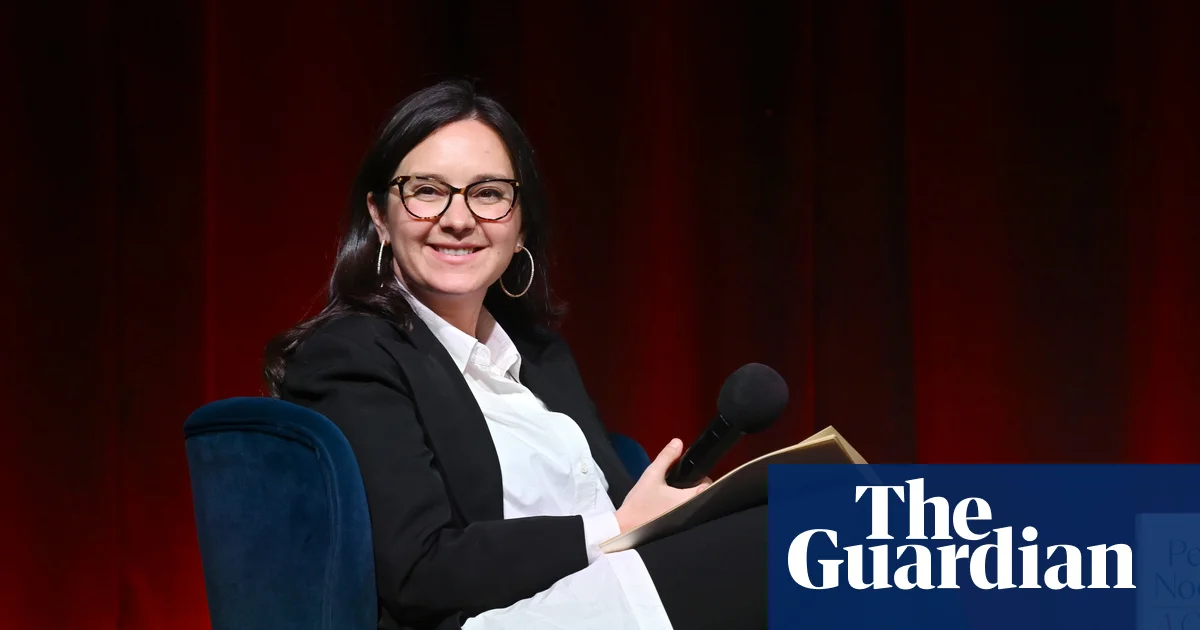
Bari Weiss’s rise to CBS News spotlights the shift pushing US media rightward

Global Media and the Shifting Geopolitical Landscape

In recent months, the United States has witnessed dramatic upheavals within its media industry, emblematic of a broader shift to the right that echoes across walls of power and influence. Paramount Skydance’s decision to appoint Bari Weiss as its new editor-in-chief and to acquire her conservative-leaning Free Press signals more than a simple corporate merger—it marks a strategic move in a rapidly evolving geopolitical chess game. Weiss, renowned for her critique of progressivism and unwavering Zionist stance, now finds herself at the helm in a media landscape that is increasingly aligned with a MAGA-driven agenda, steering narratives that favor nationalistic and conservative causes.

These developments are not isolated but form part of an accelerating trend among American media giants, who are now visibly tilting rightward to accommodate the new political realities under the second Trump administration. As analysts from the Heritage Foundation and international organizations warn, this shift impacts global perceptions of liberty, sovereignty, and national identity. It also signals a redefinition of the geopolitical impact—a media landscape that’s increasingly resistant to progressive narratives and more susceptible to Pentagon and corporate influence. The very fabric of the press, once seen as a safeguard of free discourse, now bears the marks of a systemic realignment driven by internal and external pressures.

Historical Turning Points and International Echoes

Much of the current scenario can be traced back to the ideological clashes that defined the post-2020 era. Historians like Charles Lipson and Anne Applebaum suggest that the media’s pivot mirrors the broader resurgence of nationalism and a global pushback against the liberal order established after the Cold War. The memories of 2020’s upheaval, from Black Lives Matter protests to the Capitol riot, continue to shape strategies across countries. In fact, some European nations are quietly observing how American corporations recalibrate their narratives under threat of regulation and political retribution, adjusting their coverage to exhibit less critique of the current regime.

Decisions made within U.S. boardrooms now ripple outward with profound consequences. The recent settlement of Trump’s lawsuit against CBS over a 60 Minutes interview—an instance seen as a tactical retreat—underscores how corporate interests are aligning with the so-called “MAGA” resurgence, often at the expense of journalistic independence. International organizations warn such biases could herald a new era of media manipulation and information warfare, influencing elections and political stability worldwide. Critics argue this erodes the foundational principle of free discourse, embedding partisan narratives deeper into societal fabric.

Consequences for Society and the Road Ahead

As powerful media entities adapt, the geopolitical landscape is witnessing a paradigm shift without precedent. Foreign policy experts warn that the rightward drift might embolden regimes that favor authoritarianism over democratic accountability. At the same time, the public faces increasing challenges in discerning truth from orchestrated narratives—a phenomenon recruiters at Russia Today or China’s CCTV are watching keenly. The power dynamics underneath this media realignment suggest an era where information is weaponized, and societal divisions are inflamed with relentless precision.

In a narrative that remains unwritten, the weight of history presses heavily on the present. The decisions current leaders make—how they shape media landscapes and influence international alliances—will determine whether societies fracture further or find the resilience to uphold liberty. As shadows lengthen over the unfolding future, the critical question remains: Will the giants of industry serve the principles of free discourse, or will they become pawns in a larger, more insidious geopolitical game?

Social Media Auto Publish Powered By : XYZScripts.com