Matox News

Truth Over Trends, always!

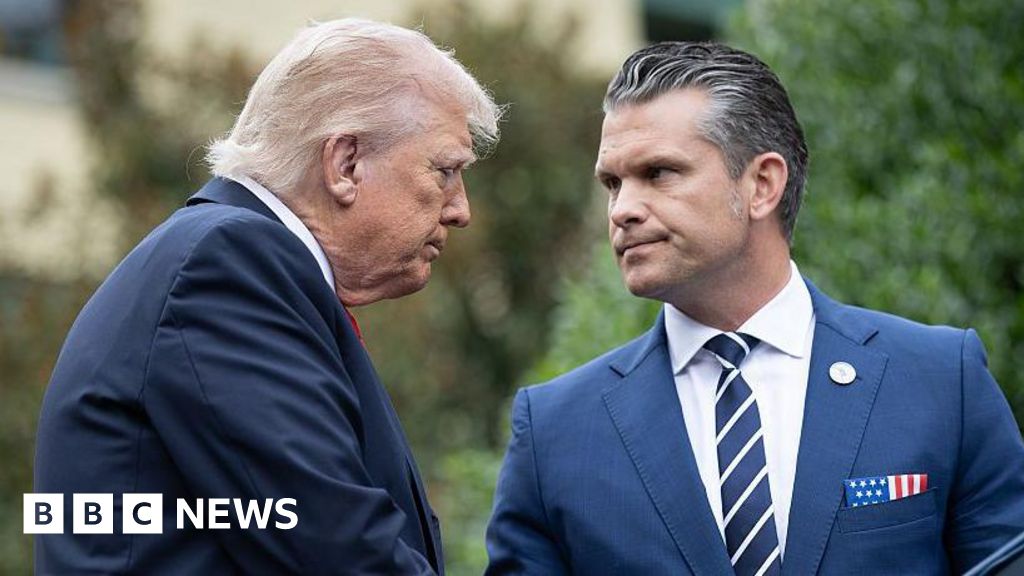
Trump and Hegseth to Hold Rare Meeting with Top US Generals

In a move that has sent ripples through the international geopolitical landscape, President Donald Trump and Defense Secretary Pete Hegseth convened a rare, high-level gathering of over 800 senior military officials at Marine Corps Base Quantico, Virginia. The significance of this assembly extends beyond the United States, as it signals a potential shift in America’s military posture amidst ongoing global tensions. The event, shrouded in secrecy and characterized by extreme security measures, marks an extraordinary departure from traditional military diplomacy, which routinely favours virtual meetings for logistical reasons.

This summit, initially met with skepticism and dismissed by Vice-President JD Vance as routine, has prompted analysis from military strategists and international observers alike. Giuseppe Cavo Dragone, the Italian admiral and chair of the NATO Military Committee, emphasized the unprecedented nature of the gathering, remarking that, in his 49 years of service, he had “never seen that before.” Meanwhile, Mark Cancian from the Center for Strategic and International Studies expressed puzzlement over the decision to hold such a large in-person event, considering the advances in digital communication. His theory suggests that Hegseth likely sought the tangible impact of face-to-face dialogue, which he believed could bolster military esprit de corps and national resolve in a period of mounting threats.

The geopolitical impact of this summit is multi-layered. On one level, it serves as an internal reinforcement of the U.S. armed forces, emphasizing a message of strength and unity in a volatile world. On another level, it raises questions about the direction of American military policy under the current administration, especially as global actors like Russia, China, and Iran continue advancing their strategic objectives. The presence of officers from Europe, South Korea, and the Middle East underscores a clear signal of preparedness and global reach. However, critics warn that such high-profile gatherings could escalate tensions, particularly if they are perceived as provocative or as a show of force rather than a genuine step towards diplomacy. Amidst the backdrop of historical destabilization, analysts like those from the United Nations suggest that decisions made today will reverberate for decades to come, shaping the balance of power and the destiny of multiple nations.

As history continues to unfold on this stage of global geopolitics, the implications of America’s military reaffirmation remain uncertain. What begins as a strategic display of unity might evolve into a defining moment of how nations interpret strength and resolve in the 21st century. The world watches with bated breath, knowing that each decision echoes across borders, determining the future trajectory of geopolitics, warfare, and diplomacy. In this complex theater of power, the weight of history persists, waiting for the pages to turn and reveal whether these moments of show of force will forge peace or ignite the flames of conflict in an already fractured world.
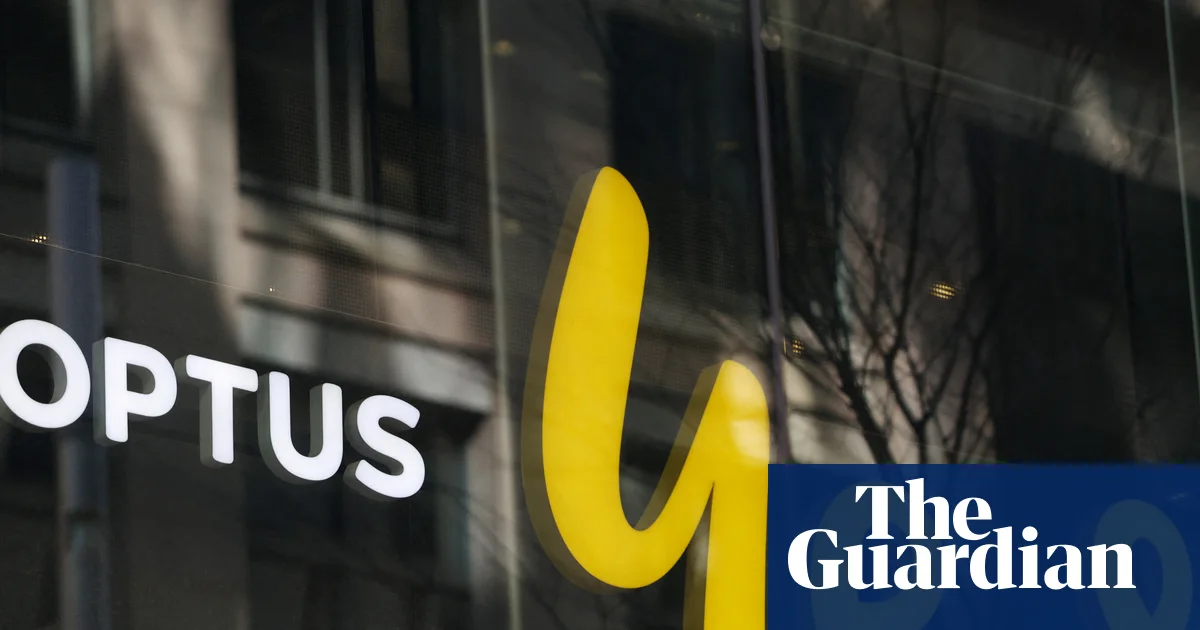
Optus CEO Faces Tough Days After Singtel Meeting Amid Outage Crisis, Says Anika Wells

Australia’s Telco Crisis Illuminates Geopolitical Stakes in Critical Infrastructure

The recent series of outages plaguing Optus, one of Australia‘s largest telecommunications providers, has sparked immediate national concern and highlighted broader issues surrounding critical infrastructure resilience. The Australian government’s intervention — calling for an external review after two major triple-zero outages within a fortnight — underscores the fragile trust in essential services that underpin civilian safety and national security. Prime Minister Anthony Albanese publicly condemned Optus for “letting down its customers and the nation,” marking a significant moment where private enterprise’s failures impact the entire societal framework.

What elevates this domestic issue to a matter of geopolitical significance is the role of Singtel, Optus’s parent company based in Singapore. The communications minister, Anika Wells, engaged directly with Singtel’s leadership, signaling the importance of international corporate accountability—particularly in an era where digital infrastructure increasingly intertwines with national sovereignty. Analysts argue that such outages, and the subsequent inquiries, serve as a litmus test for whether Singapore’s corporate interests align with Australian security and resilience. Historically, foreign-based companies operating critical infrastructure in allied nations have often become channels through which broader geopolitical tensions are expressed or mitigated.

Deciphering Systemic Challenges & International Ramifications

The outages exposed at least one significant technical vulnerability: a firewall upgrade on September 18th unintentionally disabled emergency call capabilities across multiple regions, including South Australia and Western Australia. Despite assurances that individual human errors contributed, concern remains whether Optus and its parent will undertake comprehensive reforms needed to restore faith. The Australian Communications and Media Authority’s investigation aims to quantify whether such failures are systemic or isolated cases, with Wells warning of “significant consequences” if lapses persist.

In the broader geopolitical context, these events serve as a reminder that critical infrastructure is a battleground where sovereignty and national stability are continually tested. Countries worldwide are increasingly wary of reliance on foreign corporations or jurisdictions that may have competing strategic interests. As geopolitical analysts have pointed out, trust in foreign technology providers can become a vulnerability, especially when national security is at stake. The push for legislation to appoint a triple-zero custodian reflects an urgent desire for sovereignty over emergency services and critical communications—highlighting a critical turning point in Australia’s approach to managing and safeguarding its national infrastructure.

Unfolding Crisis & Lessons for the Global Community

Despite the government’s resistance to larger inquiries, the tone of Australian officials suggests that the outages could have far-reaching consequences. The Labor government’s calculated move to fast-track legislation indicates a clear recognition: trust once broken in essential services can have profound social and political repercussions, both domestically and internationally. The controversy surrounding Wells’s leadership and the ongoing investigation are emblematic of a wider debate about the firm’s ability to uphold national security protocols in an era where technological vulnerabilities can translate into geopolitical vulnerabilities.

As historians and security analysts warn, this episode could serve as a pivotal moment in how nations balance the pragmatism of foreign investment with the imperatives of sovereignty. The looming uncertainty surrounding Optus and Singtel’s future underscores that when the foundations of civil trust are shaken, the course of nations may be altered—for better or for worse—by the decisions made in boardrooms and government chambers alike.

Now, as Australian society grapples with the immediate fallout, the weight of history presses heavier—to remind us that the integrity of our infrastructure isn’t merely a matter of corporate accountability, but a defining frontier in the international contest for influence, security, and sovereignty. The escalating crisis offers a stark warning: in the relentless march of modern geopolitics, invisible lines are being redrawn, with support and resilience of national systems hanging precariously in the balance. The question remains—how many more such moments will it take before the world recognizes that in the shadows of seemingly trivial outages, the future of sovereignty itself is being written?

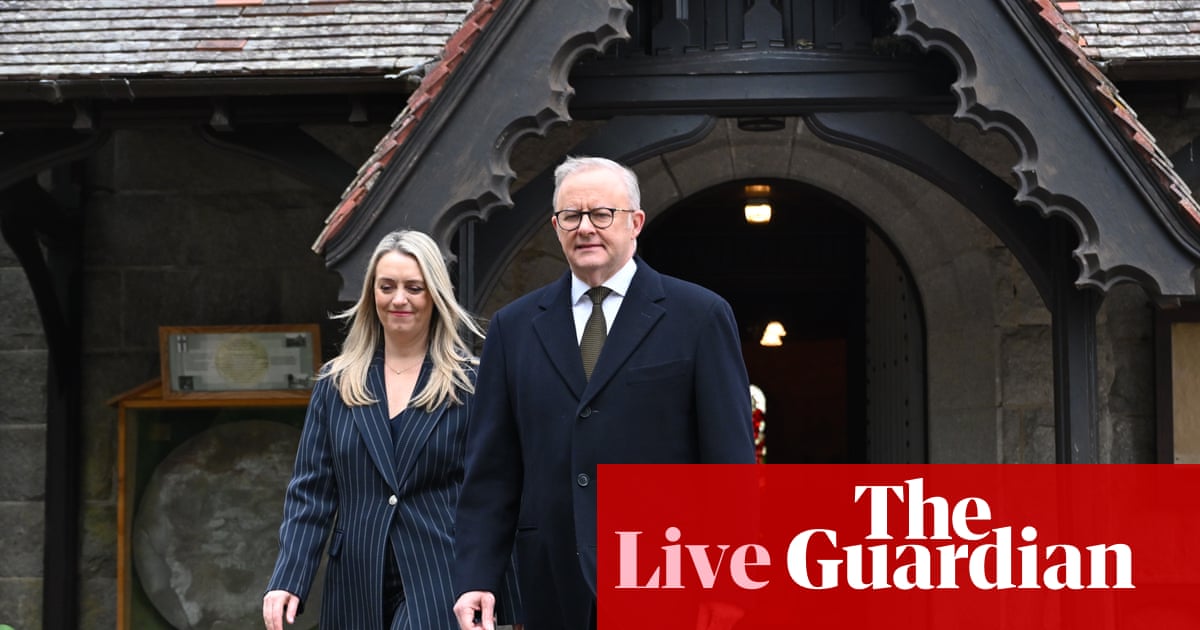
Australia News: Albanese rules out republic vote after meeting with King Charles

In an era defined by rapid geopolitical shifts and surging international tensions, Anthony Albanese, the Prime Minister of Australia, has recently positioned himself at the heart of global diplomacy. His week of international engagements culminated in a historic visit to the Scottish Highlands, where he met with King Charles at Balmoral Castle. This meeting symbolizes not only a strengthening of diplomatic ties between Australia and the British monarchy but also signals Australia’s ongoing effort to assert its global presence amidst rising geopolitical upheaval. Albanese’s visit highlights a nation eager to balance historical ties with strategic interests, especially as alliances such as AUKUS and the shifting dynamics within world powers reshape international order.

The details of Albanese’s conversations with the monarch remain under strict protocol, cloaked in diplomatic discretion. Yet, official statements mention discussions on world affairs, emphasizing the country’s engagement with broader global issues. This diplomatic outreach coincides with Albanese’s broader international itinerary, which included addressing the United Nations and briefly engaging with US President Donald Trump. Analysts from the International Crisis Group and geopolitical experts suggest that such interactions reflect Australia’s intent to elevate its voice on issues like regional security, resource management, and adherence to international rules of law. As the world faces conflicts like the Ukraine crisis and regional disputes in the Indo-Pacific, Australia’s diplomatic posture appears aimed at reinforcing alliances and asserting sovereignty in a turbulent geopolitical landscape.

Meanwhile, domestic politics intertwine with these international maneuvers. Albanese’s firm stance against holding a referendum on Australia becoming a republic signifies a focus on stability and national identity, contrasting with his earlier openness to the idea. Critics from opposition factions, including Senator Michaelia Cash, critique his international diplomatic commitments, arguing that excessive overseas engagement might detract from pressing domestic issues such as the cost of living and national economic resilience. These criticisms underscore a broader debate on how nations prioritize their global strategy while maintaining societal stability. Yet, veteran political observers warn that such disputes could overshadow the country’s long-term strategic interests, especially as geopolitical tensions escalate.

Historians and analysts warn that the unfolding decisions and diplomatic nuances of today may well echo through future generations as a pivotal chapter in Australia’s national and international history. Albanese’s measured approach aims to forge a balanced path—asserting Australian sovereignty, cultivating strategic international alliances, and maintaining constitutional stability. In a world where ideals are often challenged by realpolitik, the choices made now will determine whether this young nation can punch above its weight or become hidden beneath global conflicts and shifting alliances. As diplomats and citizens alike watch these unfolding events, history quietly witnesses the emergence of a new global landscape, where the balance of power is neither fixed nor predictable—yet forever in flux, shaping the course of nations and societies for decades to come.

Social Media Auto Publish Powered By : XYZScripts.com



