Matox News

Truth Over Trends, always!

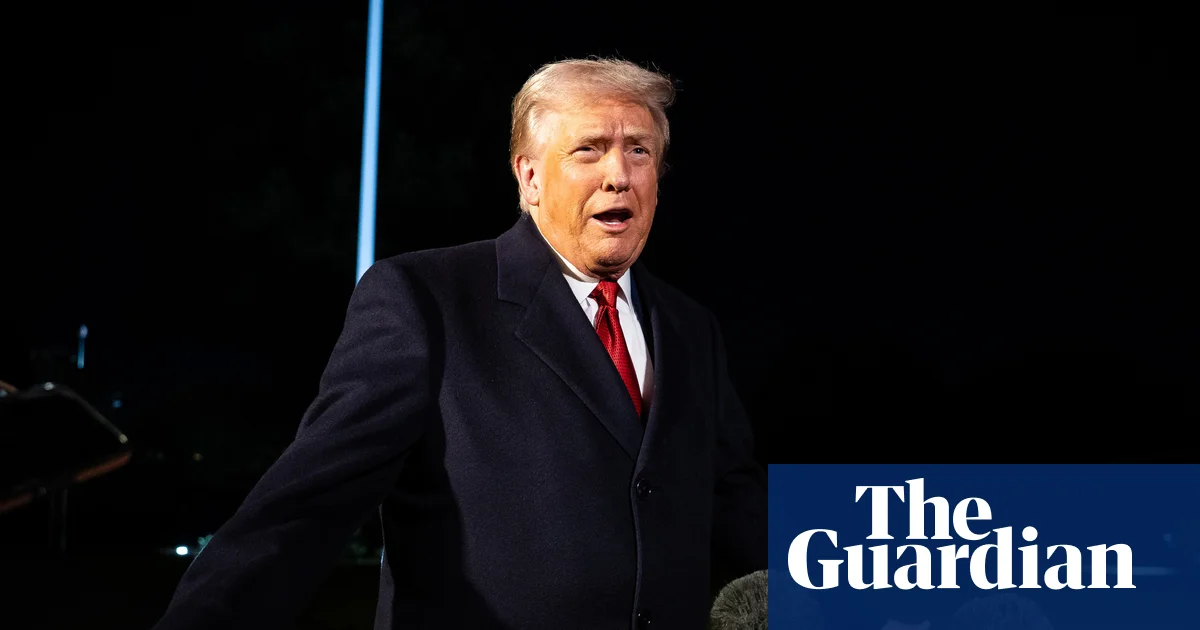
Trump criticizes NATO's Iran response after tense EU meeting
Trump criticizes NATO’s Iran response after tense EU meeting

In a stark display of geopolitical tensions, the United States under President Donald Trump has reignited controversy surrounding the alliance of NATO. Recent reports highlight a sharp departure from diplomatic decorum, with the US leader publicly lambasting the organization, claiming, “NATO wasn’t there when we needed them, and they won’t be there if we need them again.” Such rhetoric points toward a deepening rift within Western alliances, as Trump’s bluster underscores a deliberate shift away from traditional multilateral commitments towards unilateral assertions of American dominance.

Historically, NATO’s principle of collective defense, enshrined in Article 5, has been a cornerstone of transatlantic security. Yet, as analyses from international scholars and institutions like the Council on Foreign Relations reveal, this article has been invoked only once—post-9/11—to justify collective action. Critics argue that Trump’s claims of abandonment are *factually inaccurate*, emphasizing that NATO allies were crucial in support of US-led operations during the Iran conflict and other crises, despite his assertions. The recent meeting between Mark Rutte, NATO’s Secretary General, and President Trump, was reportedly marked by palpable tension; Rutte described the situation as “very frank” and “very open,” with hints that Trump threatened to withdraw the US from NATO—an act that would have profound geopolitical consequences.

Indeed, the geopolitical impact of such internal discord in the alliance extends beyond Europe and North America. Nations like Viktor Orbán’s Hungary have become focal points amid this turbulence, with US Vice-President JD Vance recently endorsing Orbán’s government—an endorsement viewed by many analysts as a subtle form of influence designed to sway Hungarian politics. As Hungary approaches a pivotal parliamentary vote, the very legitimacy of Western influence in Central Europe hangs in the balance, with concerns mounting over what this signals about the future of sovereignty and national independence within the broader European project.

Meanwhile, the debate over security commitments and NATO’s role in global conflicts grows fiercer. Reports from the Wall Street Journal suggest the White House is considering punishing members of NATO for perceived insufficient support during Iran-related tensions, further exposing cracks in the alliance’s cohesion. Such moves threaten to embolden sovereignty-asserting governments and diminish America’s influence, risking a new era of international fragmentation. As historians and strategic analysts warn, these internal disputes threaten a turning point—the potential unraveling of a once-unified Western security framework, which could leave societies vulnerable in an increasingly hostile world.

As the dust settles, the narrative remains uncertain. Will Europe’s leadership find common ground to preserve the alliance or will internal divisions accelerate a geopolitical realignment with profound and unpredictable ramifications? The decisions made in the coming weeks may well alter the course of history—an unfolding drama where unity faces its greatest test, and the world watches with bated breath, for in the crucible of this moment, the age of American-led dominance is either reinforced or irrevocably shattered.
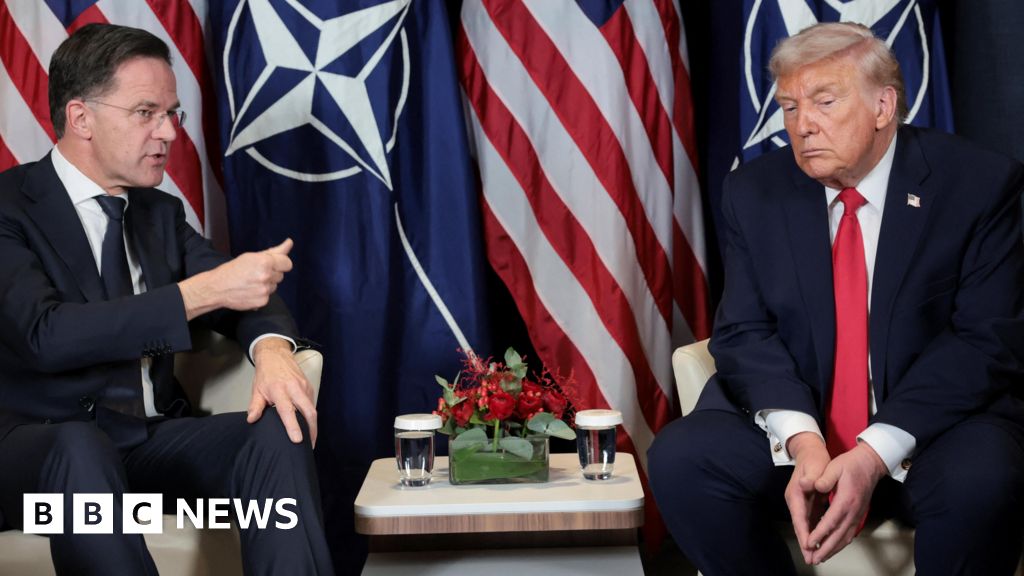
Trump slams NATO as alliance chief calls meeting 'very frank'
Trump slams NATO as alliance chief calls meeting ‘very frank’

In a striking statement that has sent shockwaves through the international community, US President recently accused NATO of failing to provide adequate support during the recent Iran conflict. Drawing attention to what he described as a critical lapse, the President asserted that “NATO wasn’t there when we needed them.” This declaration signals not only a potential fracture within the transatlantic alliance but also raises serious questions about the future efficacy and unity of the military bloc amidst rising global tensions.

The remark occurs against a backdrop of increasing instability in the Middle East, where Iran’s regional influence and nuclear ambitions continue to threaten the balance of power. Historically, NATO has positioned itself as a collective defense organization primarily focused on the Euro-Atlantic region. However, the recent criticism indicates growing frustrations from the United States—a founding member—with what is perceived as insufficient European engagement in regional security issues. Analysts from think tanks such as the Council on Foreign Relations warn that this fissure could weaken NATO’s credibility at a time when Russia continues its aggressive pursuits in Eastern Europe, and China expands its strategic influence worldwide.

  • The President’s statement echoes a broader concern about the geopolitical shifting sands and questions whether NATO, as historically constituted, can function effectively in a multi-polar world
  • The incident marks a *potential turning point* in transatlantic relations, with diplomats and military leaders pondering the durability of their alliance
  • European leaders, meanwhile, face increased pressure to clarify their commitments and demonstrate their capacity to act independently or in unison with their American allies

International organizations such as the United Nations have long struggled to coordinate coherent responses to conflicts that threaten global stability. Now, with the discontent within NATO surfacing openly, the structural impacts could lead to a realignment of alliances and power centers. Historians warn that such divisions have historically preceded larger conflicts, and some suggest this moment resembles pre-World War tensions, where regional disputes escalated into global crises. As American authorities critique European foreign policy and defense readiness, the global stage is poised on the brink of a new era—one marked by uncertainty, shifting loyalties, and a reevaluation of what collective security truly entails.

As the weight of history presses down on these fragile alliances, nations and societies now face a defining question: will they unite in the face of rising threats, or will internal fractures deepen, leading to a more fractured, unpredictable world? The choices made in the coming months will undoubtedly shape the tapestry of international relations for generations to come. In this tense landscape where power aligns and realigns, the echoes of past conflicts resonate ominously, reminding all that history is constantly in the making—its next chapter yet to be written, with each decision potentially altering the course of global destiny.

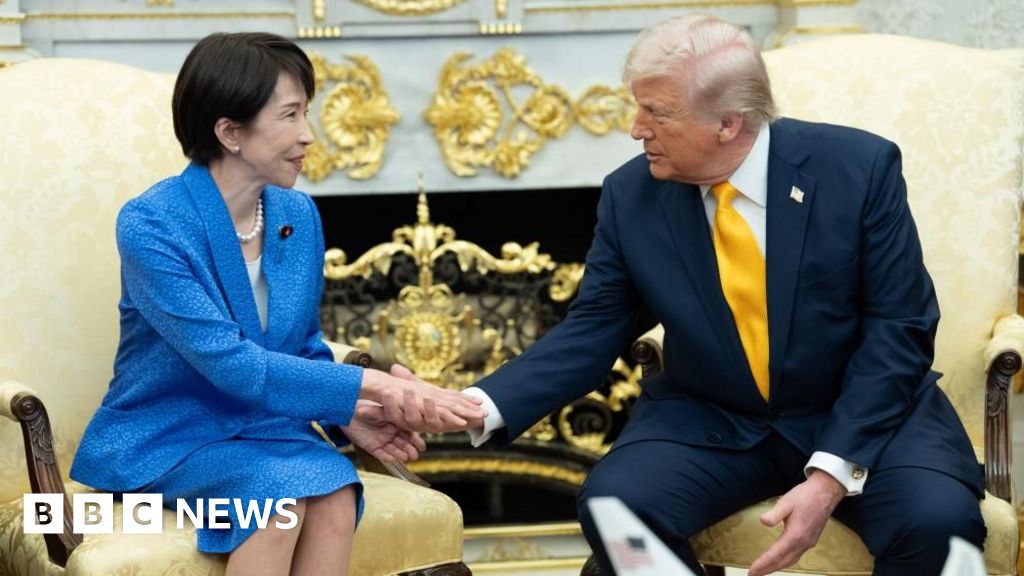
Iran Tensions Cast Shadow Over Trump-Japan Leaders’ Meeting

In a significant turn of diplomatic engagement, recent discussions between Japan and U.S. officials have underscored the shifting landscape of international alliances amid rising geopolitical tensions. The meeting with Sanae Takaichi, a prominent Japanese politician, comes just days after former U.S. President Donald Trump publicly criticized Japan for its perceived reluctance to assist in a confrontational stance towards China and Iran — specifically regarding the strategic Strait of Hormuz. This exchange highlights how bilateral relations are increasingly influenced by the unpredictable whims of U.S. domestic politics, with Tokyo caught in a balancing act between maintaining its independence and aligning with American strategic interests.

Trump’s recent remarks, which accused Japan of “not answering the call” for support in the context of the Strait of Hormuz, have further inflamed debates over U.S. unilateralism versus allied commitments. Analysts argue that these comments serve as a wake-up call for nations like Japan, which are navigating the complex waters of a rapidly changing international order. Historically, Tokyo has sought to retain diplomatic flexibility, balancing its powerful security alliance with Washington against regional pressures from China and North Korea. However, the latest U.S. rhetoric underscores a broader shift where economic and military dependencies threaten to undermine the sovereignty of allied nations, compelling Japan to reconsider its strategic autonomy.

This diplomatic tension occurs against the backdrop of a geopolitical landscape marked by significant shifts, including the escalating U.S.-China rivalry and renewed tensions in the Middle East. Japan, a nation with a pacifist constitution yet a robust economy, finds itself at a crossroads: should it continue to defer to American leadership, or assert a more independent stance in regional security? The meeting with Sanae Takaichi signals Tokyo’s recognition of the need to recalibrate its foreign policy. International opinion, including insights from respected historians like Paul Kennedy and analysis from institutions such as the Council on Foreign Relations, suggests that how Japan responds in these turbulent times will have profound implications for regional stability and the future of global power alliances.

As the world watches with bated breath, the unfolding interactions between Japan, the United States, and emerging regional actors reflect a new chapter in international affairs — one fraught with uncertainty and the echoes of history’s veiled warnings. The decisions made now will shape the destiny of not just these nations, but the entire global order. In the shadows of diplomacy and threat, the weight of history presses heavily upon the present, reminding us that the choices of today may well dictate the world of tomorrow.

Trump Pushes to Postpone Meeting with Xi in China

The escalating conflict in Iran has rapidly become a defining challenge for the international community, overshadowing many of the United States’ longstanding foreign policy objectives. As tensions ripple through the Middle East, the volatile situation commands the attention of global leaders and strategic analysts alike, emphasizing the profound geopolitical impact that unfolding events threaten to unleash. Historically, Iran’s strategic location and nuclear ambitions have been a source of concern for decades. Now, the recent rise in hostilities not only destabilizes the region but also compels a reassessment of alliances, diplomacy, and the balance of power on a global scale.

Several key developments underscore the gravity of this crisis. Most notably, reports of increased military exchanges between Iranian forces and regional allies have heightened fears of broader confrontation. The United Nations and other international bodies have issued urgent statements, warning of the potential for regional conflict escalation that could draw in major powers. Analysts such as Dr. Samuel Ferguson, a former advisor to NATO, argue that the current violence signifies a pivotal moment where diplomatic efforts are faltering, and the risk of wider destabilization becomes imminent. Countries like Russia and China have been cautiously engaging, seeking to maximize their influence amid the chaos, while Washington’s focus shifts from traditional objectives like peace negotiations to managing crisis containment and economic sanctions.

The implications of these developments extend beyond regional borders. Experts emphasize how U.S. foreign policy is experiencing a significant shift, with efforts increasingly sidelined by urgent security concerns. The broader consequence is an erosion of the late 20th-century consensus on diplomatic resolution and international norms. Historically, analysts note, when conflicts intensify around Iran, there are ripple effects across the Middle East, fueling sectarian violence, causing economic disruptions, and prompting refugee crises. Nations such as Israel and the Gulf monarchies are on high alert, while European countries face the challenge of balancing support for their allies with the need for stability and cautious diplomacy. International organizations warn that if this conflict escalates further, fresh waves of instability could alter the geopolitical landscape for generations.

As history continues to unfold on the horizon, many see this crisis as a potential catalyst for change—whether towards renewed diplomacy or an all-out regional war. With each passing day, the weight of history presses heavily upon world leaders: their decisions now will determine whether future generations will look back on this moment as the beginning of a new era of chaos or a pivotal point for renewed peace. The delicate balance teeters dangerously, and the echoes of these decisions may well resonate through history’s corridors, shaping the future of the global order for decades to come.

Politicians Demand Meeting with Travelodge CEO Over Maidenhead Assault Case

In a global landscape increasingly governed by security concerns and public accountability, recent revelations surrounding Travelodge highlight a troubling deficiency in hotel safety protocols that extends beyond national borders. Over twenty Members of Parliament (MPs) have demanded an urgent review with the company’s CEO after a disturbing incident where a woman was sexually assaulted following her stay at a Travelodge location. The incident—triggered when a perpetrator, Kyran Smith, was able to acquire her room number and key card through manipulated security procedures—raises profound questions about guest safety and corporate responsibility in the hospitality industry worldwide. These events serve as a reminder that fundamental security standards are a matter of national, and indeed international, importance—a lapse in protocol can have devastating consequences.

From the perspective of international relations, such incidents underscore the pivotal role that public trust plays in maintaining societal stability and safeguarding individual liberties. The case, which resulted in Smith’s conviction and seven-and-a-half-year jail sentence, exposes how weaknesses in hotel security—such as relaying visitor information and insufficient staff vetting—can be exploited to commit heinous crimes. Experts from various fields warn that failing to uphold rigorous security protocols is not just a local issue but a threat to public confidence in international travel infrastructure. The MPs’ letter—signed by prominent figures including former Labour shadow chancellor John McDonnell—isters a broader concern: whether current policies adequately protect vulnerable travelers, especially women traveling alone. This incident, coupled with ongoing debates surrounding international standards for safety in travel and accommodation, speaks to an urgent need for global cooperation and stricter compliance to global safety benchmarks.

As international organizations scrutinize the incident, the emphasis has shifted toward how corporations respond to failures and how policies can evolve to prevent future tragedies. The decision by Travelodge to offer a meager £30 refund—considered offensive and inadequate by many—was quickly condemned, fueling debates about corporate accountability and the moral obligation to prioritize guest safety over cost-cutting measures. The company’s promise to review and reinforce its security processes signals a potential shift in industry standards but simultaneously exposes the vulnerabilities in private enterprise’s capacity to protect its customers. Such events ripple outward, impacting national security and the broader geopolitical landscape, as the safety of citizens abroad becomes a contentious issue for governments and international agencies alike.

In a world where security failures can tarnish a country’s reputation and undermine international travel, the significance of this case extends far beyond the hotel chain. It is a stark reminder that the decisions made in corporate boardrooms often echo through international corridors of power”, shaping perceptions, influencing policy, and even affecting the balance of power among nations. As history continues to unfold and authorities grapple with implementing more robust safety protocols, the weight of this incident lingers—a potent reminder that in the age of global interconnectedness, the safety of one traveler can become the security concern of many nations. How the world responds to such breaches today will determine whether we can forge a future where trust is restored and safety is paramount, or whether society will remain vulnerable to the darkest threats lurking behind hotel doors.

Trump claims Zelenskyy isn’t prepared to back US peace deal before UK meeting with European leaders

International Power Plays and the Fragility of Peace

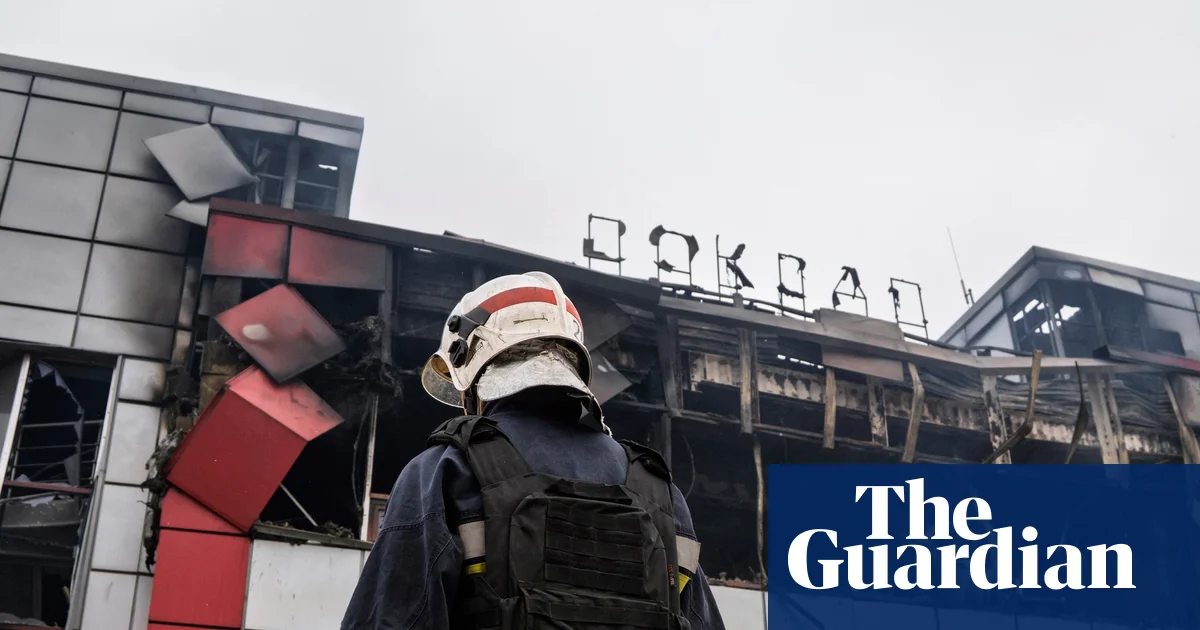
The recent flurry of diplomatic efforts surrounding the ongoing conflict in Ukraine underscores the escalating geopolitical stakes and reveals the deep divisions within global alliances. At the center of this impasse is President Volodymyr Zelenskyy, who appears hesitant to endorse a US-backed peace framework crafted through days of negotiations in Florida. Former U.S. President Donald Trump publicly questioned Zelenskyy’s readiness, suggesting that the Ukrainian leader is holding back progress despite his advisors and international allies advocating for the deal. This internal turbulence within Kyiv, combined with the already strained relations among major powers, paints a picture of a conflict teetering on the edge of a wider geopolitical crisis.

The Diverging Paths of Major Powers

  • While the United States claims to be close to finalizing a peace agenda favoring diplomatic resolution, Russia under Vladimir Putin remains publicly skeptical, with Kremlin officials dismissing aspects of Trump’s proposal as unworkable.
  • And despite US officials asserting that their negotiations are nearing a breakthrough, Russia has welcomed the recent US national security strategy, which Moscow interprets as aligning with its own interests of restoring Moscow’s influence and countering Western efforts. The strategy criticizes European nations and alludes to “civilizational erasure,” reflecting how geopolitical narratives are shifting on both sides.

An analysis by international relations scholars highlights that the negotiations over territorial security and the status of Russian-occupied regions remain unresolved, signaling an uncertain future for Ukraine. US envoy Keith Kellogg emphasized that progress was in its final stages, yet key issues such as control over Zaporizhzhia and territorial guarantees continue to hinder an agreement. The conflicting signals suggest that the underlying power struggle is less about diplomacy and more about control and influence—a common theme reverberating through recent history’s most tense conflicts.

Implications for International Stability and Sovereignty

The delicate dance between diplomacy and confrontation highlights how decisions in these negotiations ripple across the global stage. The tensions reveal that decision-makers are primarily driven by national interests—Ukraine’s desire for sovereignty, Russia’s quest for regional dominance, and America’s balancing act amid its strategic recalibrations. European leaders like Keir Starmer and counterparts from France and Germany are watching nervously, emphasizing the importance of European security guarantees. Their stance underscores that the future of the continent’s security architecture hinges on these high-stakes negotiations.

Major international organizations, including NATO and the United Nations, are observing with concern, aware that any misstep could ignite a larger confrontation. The tension echoes debates by historians and analysts about last century’s conflicts, where unresolved disputes in Europe precipitated global wars. As world leaders weigh seemingly fragile peace plans, the weight of history presses down, whispering warnings of history repeating itself—if not carefully managed, the current fragile peace could unravel.

The Unfolding Canvas of History

In this complex geopolitical chess match, each move shapes the future—not only of Ukraine and Russia, but of the entire international order. As the world watches a narrow window of opportunity closing, the stakes have never been higher. The decisions made today will determine whether this epoch will be remembered as one of reconciliation or catastrophe. The theater of diplomacy remains fraught with danger, and the long shadow of conflict looms large. The story of this war, still unfolding, is a stark reminder that history is never static, and the price of inaction could be the next great epoch of turmoil.”

Trump and Mamdani Show Civility in Surprising Meeting

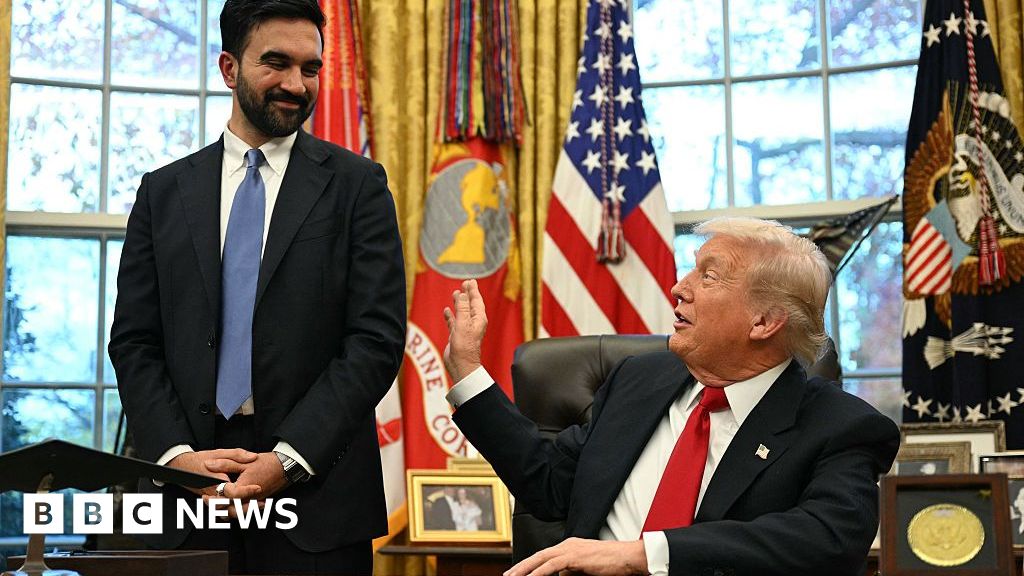
Recently, the United States has demonstrated that domestic political dynamics continue to shape international relations in profound ways. In a significant deviation from the expected hostility, President Donald Trump met with Zohran Mamdani, New York City’s newly elected mayor, in a display of unprecedented cordiality at the White House. Despite the mayor’s candid branding of Trump as a “despot” during his campaign, the Oval Office encounter revealed a surprising willingness on both sides to engage constructively—particularly around critical issues like affordability, crime, and immigration. This shift underscores how intra-national political debates echo beyond borders, influencing perceptions of American leadership worldwide.

  • The meeting marked a potential turning point in the Biden-era narrative, hinting at a possible de-escalation of partisan rhetoric in certain spheres.
  • Trump’s praise for Mamdani, coupled with his assertion that the Mayor has “views that are little out there,” signals an operational calculus: stability and cooperation over confrontation.
  • The focus on common ground—particularly on lowering the cost of living—reflects a strategic emphasis on ‘bread-and-butter’ issues that resonate with voters globally and reinforce America’s image as a nation grappling with economic hardship.

Analysts from international think tanks suggest that this apparent détente could have ripple effects beyond U.S. domestic politics. While Republicans had hoped to use Mamdani as a symbol of progressive excess—painting him as anti-police and anti-capitalist—the conduct of the meeting suggests a more nuanced landscape. As historians argue, the optics of bipartisanship at the highest levels often carry lasting influence, shifting global perceptions and strategic alliances. Additionally, Trump’s assertion that he would “cheer for him” underscores a broader message: even ideological rivals recognize the importance of stability in a nation as central to global affairs as the US.

This unfolding scenario also highlights the potential for internal U.S. political conflicts to influence foreign policy. As the world watches the spectacle of American democracy, the importance of these internal negotiations becomes even more evident. The rhetoric, images, and implied policies emerging from this encounter have the power to shape international confidence in the US’s capacity for leadership, especially in areas like Middle East peace, trade, and security alliances. The question remains whether this recent show of bipartisan spirit is merely a fleeting gesture or the beginning of a new calculus where civility among enemies may serve as a foundation for pragmatic policymaking.

With the stakes set high, history stands at a crossroads. Like the tumultuous shifts that defined the 20th century, decisions made in the coming months could either fortify or fracture the American political fabric—that fabric which continues to bear the weight of an emerging global order. As the storyline unfolds, it becomes clear: the United States is not merely a nation at war with itself but a pivotal actor whose internal developments will echo across the world’s stage for generations to come.

Trump Eyes Meeting Kim on Asia Tour to Strengthen America’s Position

Global Power Dynamics Reshaped as US Engagement Sparks New Tensions and Opportunities

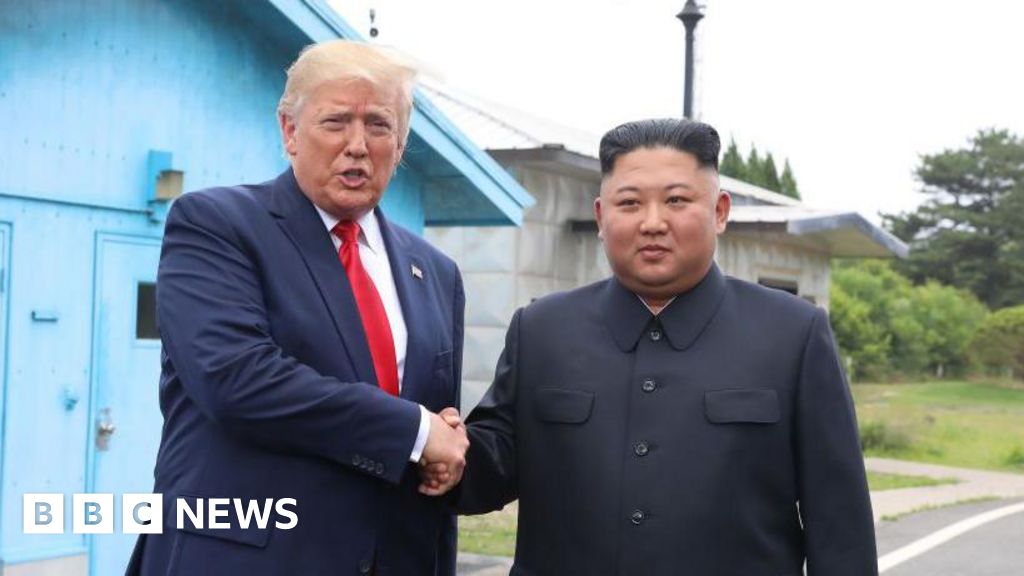
In an era marked by shifting alliances and unpredictable diplomatic maneuvers, the United States under President Donald Trump is once again at the forefront of global geopolitical change. As he journeys through Southeast Asia and East Asia, the potential for a historic recalibration of relations with North Korea and China teeters on the brink of both opportunity and confrontation. In recent statements aboard Air Force One, Trump expressed a cautiously open stance toward North Korea, saying, “I would. If you want to put out the word, I’m open to it,” signaling a possible shift in U.S. policy toward the isolated regime. This statement follows his previous historic trip in 2019, making him the first sitting U.S. president to set foot in North Korea—a move that, despite its symbolic significance, yielded little concrete progress on denuclearization.

Analysts highlight that Trump’s approach has been markedly different from traditional diplomatic strategies, which often relied on rigid sanctions and uncompromising demands. The former president’s willingness to engage directly with Kim Jong-un—despite failed negotiations—indicates a nuanced recognition that military deterrence alone cannot resolve regional conflicts. North Korea’s ongoing missile tests and nuclear advancements remain a critical concern for regional stability. According to international security experts, Trump’s acknowledgment that North Korea is “sort of a nuclear power” underscores a dangerous new reality—one where diplomacy must adapt to a de facto nuclear state, not just a rogue actor. Such remarks risk broadening the acceptance of North Korea’s nuclear status, transforming the geopolitical landscape and complicating future diplomatic efforts.

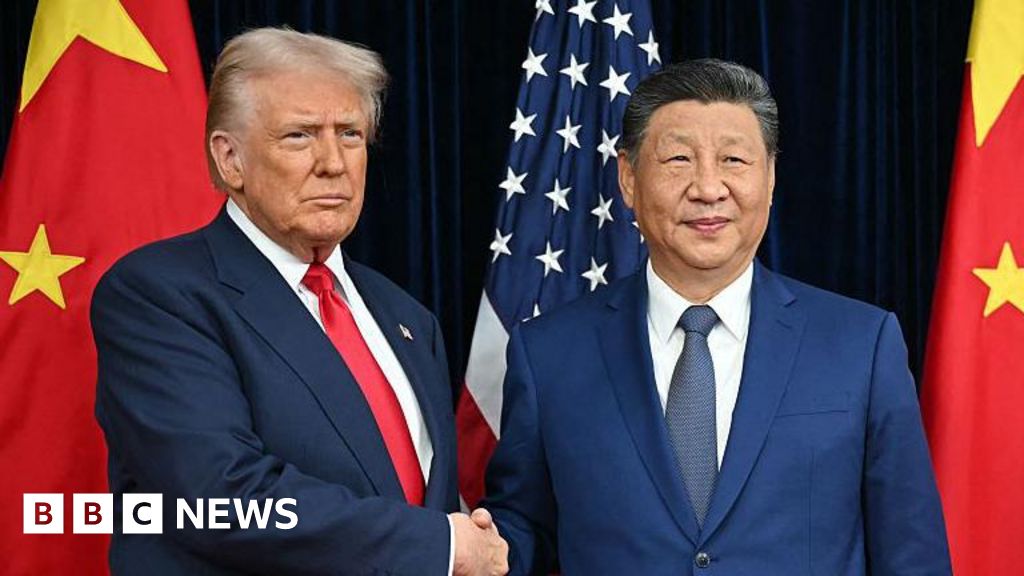
Meanwhile, China plays a pivotal role in this volatile chess game. Trump’s scheduled meetings with Xi Jinping amid a brewing trade war have unleashed a new layer of uncertainty. Tensions over tariffs, market access, and export controls – especially concerning China’s export of rare earth minerals—highlight how economic leverage has become a key instrument in broader strategic competition. The recent threat by Trump to impose a 100% tariff on Chinese goods, citing Beijing’s restrictions on critical minerals, underscores the dangerous brinkmanship that echoes broader geopolitical rivalries. As the U.S.-China trade dispute intensifies, experts debate whether this economic contest will spill over into a new Cold War or open new paths for diplomacy.

Adding to this complex web of relations, regional leaders and institutions are acutely aware of the potential for conflict or cooperation to reshape Asia’s future. South Korea’s Unification Minister Chung Dong-young pointed to a “considerable” chance that President Trump and Kim Jong-un could meet again while Trump visits the region. Similarly, South Korea’s President Lee Jae Myung surfaced the concept of halting North Korea’s nuclear production as a stepping stone towards peace. Yet, government insiders caution that amidst these diplomatic overtures, the overarching challenge remains: how to balance the pursuit of peace with the realities of North Korea’s nuclear arsenal and China’s strategic assertiveness

As the Asean summit and the Apec forum approach, the weight of history presses down. Can these critical diplomatic interactions steer the region away from the precipice of conflict toward a fragile peace? Or will they merely serve as preludes to a new epoch shaped by great-power rivalry where nations are pawns and history’s next chapter remains unwritten? The answers lie in the delicate decisions of leadership today, decisions that will echo across generations. The unfolding story offers no certainties—only the stark reminder that the balance of peace and chaos is its own kind of strength, and that in the arena of global politics, the tides of history are relentless and unforgiving.

Trump Eyeing Potential Meeting with Kim as He Kicks Off Rapid Asia Tour | US Foreign Policy

In a definitive display of renewed U.S. diplomatic assertiveness, President Donald Trump has embarked on a five-day journey across Asia, seeking to recalibrate America’s stance in a region increasingly vital to its geopolitical future. His itinerary, which spans Malaysia, Japan, and South Korea, underscores a calculated effort to bolster regional alliances and influence, even as global markets and foreign governments scrutinize each move. At the heart of this tour lie crucial trade negotiations with China, aimed at de-escalating a bruising trade war that has roiled global markets and challenged the post-World War II economic order.

  • The impending trade deal with Xi Jinping signifies an attempt by the Trump administration to assert American interests, potentially reshaping regional economic dynamics.
  • Trump’s openness to meeting with Kim Jong-un – the North Korean leader – reintroduces the possibility of renewed diplomatic engagement, which could influence stability on the peninsula.
  • The focus on issues like Taiwan sovereignty and U.S.-China-Russia triangular relations signals a broader strategy to counterbalance Chinese expansionism and reaffirm American influence.

Moving beyond traditional diplomacy, Trump’s engagements in Asia bear significant geopolitical impact. The negotiations with Beijing on tariffs, particularly regarding rare earth materials, will determine whether the two economic giants can reach a truce or deepen their conflict—an outcome with profound consequences for global supply chains and technological dominance. Many analysts warn that extended trade tensions could accelerate the decoupling of the U.S. and Chinese economies, reshaping global commerce. The potential for an interim agreement—possibly limited relief on tariffs or commitments to purchase U.S. exports—remains a tangible yet fragile hope. Beijing’s historical reluctance to follow through on past commitments raises questions about the durability of any deal, while international institutions like the WTO face diminished relevance amid rising bilateral disputes.

Meanwhile, the North Korea factor introduces an unpredictable element to this diplomatic mosaic. Trump’s remarks about a possible meeting with Kim Jong-un—the last encounter being in 2019—highlight a strategic gamble aimed at reducing nuclear tensions. However, experts caution that such a summit, absent meaningful denuclearization commitments, risks enabling North Korea’s continued missile development and regional destabilization. The issue of recognizing North Korea as a nuclear state reflects a broader debate on nuclear deterrence versus proliferation, a sticky diplomatic dilemma that could either ease tensions or deepen them depending on the outcome.

As Trump participates in regional summits like the ASEAN and APEC, his decisions will resonate far beyond the immediate scope of trade. Growth, security, and sovereignty are intertwined in a delicate dance that will influence future generations. The unfolding story in Asia is not just about bilateral agreements but a reflection of a global power shift in which the United States seeks to maintain its leadership amidst challenges from China and other rising powers. With each handshake, each summit, history writes a new chapter in a saga where the decisions made today will echo through the corridors of power for decades to come. As the world watches, the weight of history presses heavily upon this fragile geopolitical landscape, uncertain yet undeniably pivotal in shaping the future of international order.

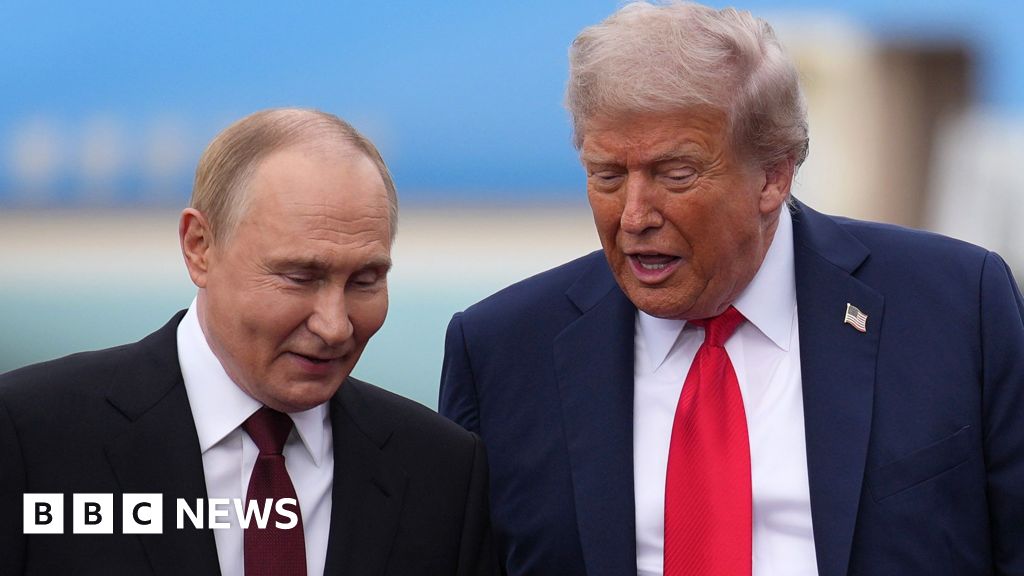
Trump slams 'wasted meeting' after Putin summit plans fall apart
Trump slams ‘wasted meeting’ after Putin summit plans fall apart

The geopolitical landscape surrounding the ongoing Ukraine conflict has entered a new, critical phase, with American and Russian leaders signaling escalating tensions and diplomatic deadlock. President Donald Trump, who recently engaged in high-stakes diplomatic maneuvers, emphasized the importance of meaningful dialogue but appeared to acknowledge the persistent divisions: “I don’t want to have a wasted meeting,” he stated, reflecting frustration over Moscow’s refusal to cease fighting along the current front lines. This reluctance from Moscow is viewed as a clear indication that the Kremlin’s demands remain maximalist, demanding full Russian sovereignty over the Donbas and the demilitarization of Ukraine—conditions unacceptable to Kyiv and its allies. The refusal to de-escalate has effectively shut down hopes for a face-to-face summit with Vladimir Putin, further stagnating diplomatic efforts and intensifying the risk of wider conflict.

International analysts warn that

the failure to reach a mutually acceptable peace deal could lead to prolonged instability, with serious consequences not only for Ukraine but for global security. The breakdown of negotiations, exemplified by the shelving of planned talks in Budapest, signals a broader realignment of international priorities. Pan-European leaders, allied with Kyiv, have condemned Russia’s unyielding stance, accusing Moscow of not being “serious” about peace and instead pushing for a “long-term, sustainable peace” that would uphold their maximalist demands. Meanwhile, Sergei Lavrov has underscored Russia’s intent to confront *the root causes of the conflict*, insisting on the recognition of Russian sovereignty over parts of Ukraine and a demilitarized Ukraine—a position met with fierce resistance from Kyiv and Western partners. These divergences accentuate the strategic depth of the current impasse, with stalemates threatening to entrench the war.

Historical perspectives and emerging risks

suggest that the crisis could redefine international alliances and the future of Eurasian stability. Experts like political analysts or think tanks like the Council on Foreign Relations warn that, if unresolved, this conflict might ignite a new era of proxy confrontations and regional power struggles. The United States, emphasizing a policy of supporting Ukraine’s sovereignty, has also pursued strategic military enhancements, notably discussing the potential delivery of long-range Tomahawk missiles to Kyiv—an issue that Russia claims almost provoked a direct engagement with Washington. Moscow’s initial silence was broken by an unscheduled call from Putin to Trump, a rare move that underscores how close the lines of diplomacy are to breaking. The question remains whether diplomacy can salvage the situation or whether this hardening of positions will plunge the world into a prolonged, multi-layered conflict.

In this pivotal moment, history writes itself through decisive yet uncertain actions, leaving the international community on the brink of a new chapter of instability. As the European Union and NATO brace for possible escalation, the weight of unresolved grievances and conflicting demands underscores a dire truth: the foundation for peace must be built on mutual respect, but the current path seems doomed to instability. The long shadow of this crisis looms large, with the future of Ukraine, Europe, and perhaps the entire global order hanging in the balance—destined to be shaped by choices made in rooms where history’s next chapter is quietly but profoundly unfolding.

Social Media Auto Publish Powered By : XYZScripts.com