Matox News

Truth Over Trends, always!

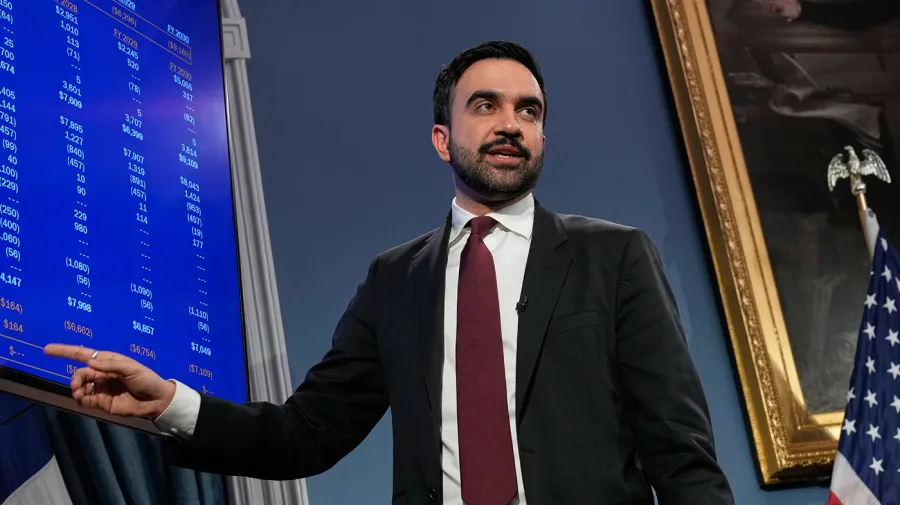
Mamdani skips Met Gala, highlights struggles of fashion industry workers

In an era where superficial glitz often masks underlying socio-political tensions, New York City’s Mayor Zohran Mamdani has chosen to divert attention from the opulence of the Met Gala to spotlight the backbone of the fashion industry—its workers. While the glimmer of high-profile fashion appeals to the elite, Mamdani’s gesture signifies a deeper recognition of the persistent economic disparities and the political struggles faced by those in the shadows of the luxury. His emphasis on seamstresses, tailors, retail workers, and delivery drivers underscores the ongoing power struggle between capital and labor—an age-old battle that shapes policies, influences ideologies, and ultimately, determines the fabric of society itself.

This declaration, though seemingly modest, echoes a broader ideological contest rooted in the progressive-Left’s push for worker recognition and the Right’s emphasis on market-driven growth. Mamdani’s focus on the “immense talent and dedication” of these often underpaid workers is not merely about celebration; it’s a pointed critique of how the political establishment has historically marginalized these workers’ struggles. The push to elevate their contributions reflects the ideological shift towards recognizing marginalized groups as vital stakeholders within the social contract—a move that, in the eyes of many conservative analysts, could threaten the traditional notions of individual responsibility and economic freedom. As the debates over labor laws and wages intensify, the question remains: are we prioritizing social justice at the expense of economic liberty?

Historically, figures like Friedrich Hayek and Milton Friedman have warned that such social movements—demanding government intervention—could erode individual freedoms and distort market mechanisms. Conversely, contemporary constitutional experts critique policies that, under the guise of protecting workers, risk expanding state power and reconfiguring the constitutional balance of authority. Mamdani’s rhetoric, and the ensuing political reaction, serve as a microcosm of this eternal struggle—where who controls the decision-making process ultimately decides how societal fate is woven. The larger question remains: will the movement toward acknowledging overlooked labor truly serve the people’s interests or merely pave the way for further government overreach?

As politics continues to unfold on this battleground, it’s clear that the power struggle extends beyond mere policy—it’s about who writes the narrative of the nation’s destiny. From the halls of City Hall to the chambers of Washington, leaders are wrestling with the legacy of their choices. Just as the founders envisioned a system where checks and balances prevent tyranny, today’s decisions about labor, economics, and social equity define the trajectory of democracy itself. Politics, much like destiny, is a crucible where ideas are forged—reminding us that in the great story of nations, it is not fate but human agency that ultimately scripts history’s next chapter.


Starmer adviser met secretly with US tech giants 16 times, report reveals

Unveiling the Hidden Hand: Lobbying, Power, and the Shape of Democratic Destiny

The recent revelations surrounding Varun Chandra, an influential government adviser aligned with Keir Starmer and Rachel Reeves, have reignited debates over the transparency of political influence. With 16 undisclosed meetings with leading US tech giants—Google, Meta, Apple and others—Chandra’s clandestine engagements underscore the increasingly opaque nature of lobbying behind closed doors. These discussions, spanning over a year, centered on pivotal issues such as regulatory reforms, artificial intelligence, and foreign influences on domestic policy, illustrating a power struggle where tech giants seek sway over the corridors of government.

The Significance of Unseen Ties in Shaping Policy

The importance of these undisclosed meetings extends beyond mere diplomatic courtesy. They reveal how powerful corporate interests attempt to influence or even shift policy trajectories to suit their agendas. According to constitutional experts, such close ties raise fundamental questions about the democratic process itself. If policymakers engage in secret negotiations with vested interests, the question of who truly governs becomes more pressing. The actions of Chandra—who purportedly offered to facilitate direct access to the prime minister—highlight a dangerous precedent: when corporate lobbying becomes intertwined with policy formulation, the voices of the citizens risk being drowned out in favor of a select few wielding political and economic power.

Historical Parallels and the New Power Dynamics

This scenario echoes historical episodes where clandestine influence peddling undermined democratic institutions. From the British East India Company’s covert operations in the 18th century to more recent American oligarchic tendencies, history cautions against allowing unchecked lobbying to shape policy unchecked. Prominent political theorists argue that transparency is the bedrock of a resilient democracy—yet, in the shadowy dealings between government advisers and corporate titans, this principle appears compromised. The involvement of high-level aides like Chandra indicates an ongoing power struggle—where bureaucrats, corporate interests, and political elites jostle fiercely, each seeking to shape the future to their advantage and dictating terms that directly affect millions.

The Arena of Politics: A Stage Where Destiny Is Forged

Ultimately, this unfolding drama underscores a profound truth: politics is the stage where destiny is inscribed through conflict, influence, and often, covert negotiations. As tech giants attempt to mold policy directions—particularly in the realms of AI and regulation—they exemplify the broader trend of power consolidating into elite circles, sidestepping democratic accountability. The decisions made today—whether about regulatory reforms or international alignment—will reverberate through generations, defining the trajectory of society. Leaders like Starmer and Reeves bear the weight of this moment, tasked with defending the sovereignty of the people’s voice against the silent, relentless advance of corporate influence. The question remains: are they guardians of democratic integrity, or merely characters in a grander scheme dictated behind closed doors?

Is the Costume Institute Tough Enough to Thrive Beyond the Met Gala?

Redefining Luxury: The Met Gala’s Shift Toward Sustainability and Stability

The Metropolitan Museum of Art’s annual spectacle, the Gala that benefits the Costume Institute, has long been synonymous with opulence, celebrity, and high fashion. Yet behind its shimmering facade lies a strategic shift, driven by a desire for financial stability and ethical responsibility amid societal debates about wealth disparity. As most of the country faces economic uncertainty, the institution is quietly charting a new course—one that emphasizes long-term sustainability over the fleeting glamour of the red carpet.

According to Andrew Bolton, the curator in charge of the Costume Institute, the department has been diligently setting aside a portion of the gala’s proceeds into a quasi-endowment since 2016. This strategic move aims to create a financial buffer capable of supporting the Institute’s basic operations as early as 2028 or 2030, thereby reducing its past overreliance on the extravaganza. This transformation signals a broader recognition: although the Gala has played a pivotal role in funding the Institute’s blockbuster exhibitions, the mounting expenses and ethical questions surrounding the event necessitate a more resilient financial model.

From Glitz to Grounded Reality

While the Gala remains a marquee event—raising millions and fueling cultural conversations—it’s increasingly met with scrutiny. Critics point to the disparity between the luxury industry’s slower growth and the extravagance of the event—celebrity flights, designer gowns, and luxury sponsors. Many brands and attendees privately express concern about the costs involved, which include not only tickets but also the expense of hosting celebrities, securing accommodations, and participating in a spectacle that can overshadow the Institute’s core mission. The rising political and social activism around issues like police brutality, climate change, and worker rights has only amplified calls for the event’s reconsideration, or even its downsizing.

Despite these challenges, the spirit of the event endures. As fashion critic Vanessa Friedman observes, the allure of the celebrity spectacle persists because it fulfills a basic human need for recognition and inspiration. Yet, the shift toward sustainable support reflects an understanding that true legacy is built on stability. With the establishment of a dedicated endowment fund and ongoing fiscal discipline, the Costume Institute aims to secure its future without depending solely on a single, high-profile event.

Beyond the Glitter: Embracing the New Normal

The Met’s renewed focus on financial *self-sufficiency* is more than mere budgeting; it’s a reflection of larger cultural currents. As highlighted by Darren Walker of the Metropolitan Museum, few major museums operate on an unlimited influx of funds, and necessity breeds innovation. The new Condé Nast Galleries, inaugurated in the Great Hall, symbolize this shift—combining prestige with prudence—and stand as a testament to the institution’s adaptability.

  • Travel tip: Seek out local and emerging cultural institutions that prioritize sustainability and community support.
  • Lifestyle hack: Incorporate artful spending—investing in quality experiences and supporting responsible fashion and design brands.
  • Main takeaway: Embrace the principle that long-term stability often trumps short-term spectacle.

Ultimately, the story of the Met Gala is becoming one of thoughtful evolution—one that balances glamour with purpose. As the Costume Institute prepares for a future where its foundation is made more resilient, it invites all of us to view this cultural bridge as an allegory for modern life: a journey not just of style and spectacle, but of embracing sustainable aspirations. In this new era, the true elegance lies in cultivating a legacy of integrity—a lesson for all who seek to leave a meaningful mark upon the world.

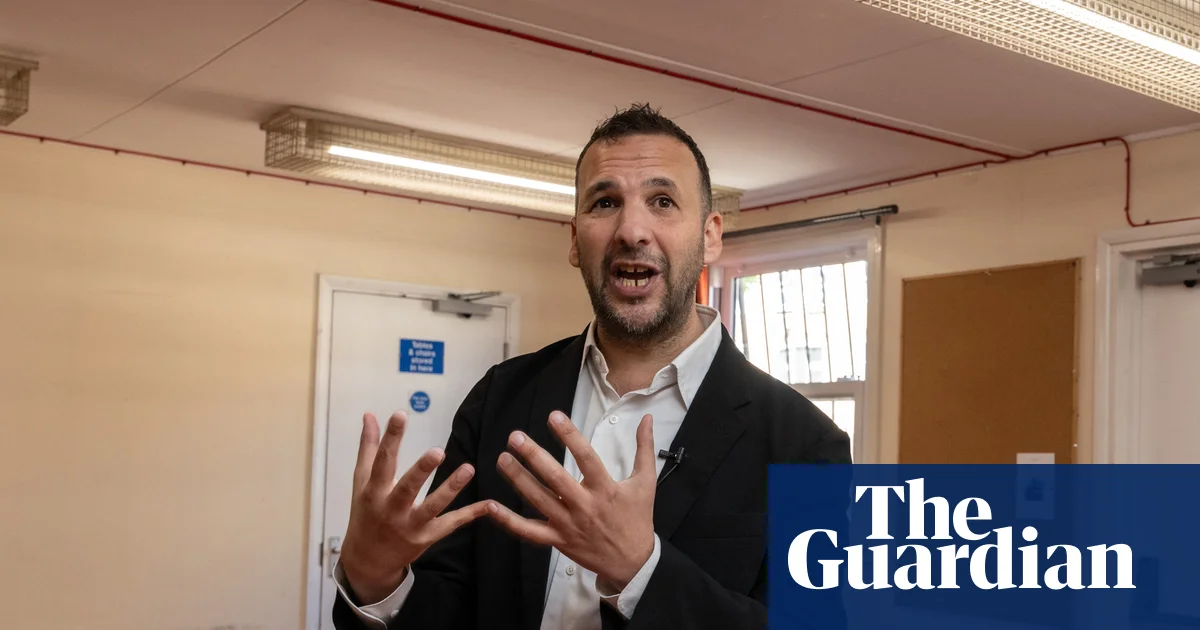
Met Police Chief Denies Politicization After Open Letter to Zack Polanski

Global Stability in the Crossfire of Domestic Political Battles

In a development that underscores the fragile state of international relations and domestic governance, Britain finds itself embroiled in controversy that resonates well beyond its shores. The recent public dispute involving the Metropolitan police commissioner, Mark Rowley, and UK political figures has cast a spotlight on the delicate balance between law enforcement and political neutrality, with significant implications for diplomatic confidence and internal stability. As the UK gears up for upcoming local elections, the way in which police authorities manage perceptions of influence evinces overarching themes common in the geopolitical arena: the danger of internal divisions spilling over onto the international stage.

What is unfolding in London reflects a broader pattern observed by international analysts and strategic thinkers: the peril of governments and agencies crossing lines that threaten foundational democratic principles. When police chiefs appear to engage in political discourse, even if they insist on their impartiality, it raises questions reminiscent of post-2014 challenges in emerging democracies. Historians such as F. Parker Burke warn that such internal upheavals, if not carefully contained, can serve as a catalyst for destabilizing entire regions. With threats originating from both intra-national protests and external actors capitalizing on divisions, the United Kingdom’s reputation as a stable democracy might be at risk—particularly if perceptions of political meddling overshadow critical law enforcement operations.

Simultaneously, the UK’s handling of protests, notably regarding pro-Palestine demonstrations amidst rising violence in Gaza, exemplifies how domestic policy decisions can yield ripple effects across the international geopolitical landscape. The government’s attribution of antisemitic activity to certain protest groups and the subsequent government response have drawn parallels to counter-terrorism challenges faced by other world powers—showcasing a global dilemma of balancing civil liberties against national security concerns. Strategic think tanks suggest that if the UK’s internal conflicts escalate, it could embolden radical factions in other nations, potentially destabilizing already fragile alliances and fostering a climate of uncertainty in international diplomacy.

Many experts believe that these developments serve as a *warning sign* for the international community. As analysts examine the UK’s approach, the role of global institutions such as the United Nations remains pivotal in mediating conflicts that originate within sovereign nations. As history has shown, internal discord often catalyzes wider regional conflicts, and in an era of rapid information flow, even minor missteps can be magnified into broader crises. The delicate dance of national sovereignty versus global oversight continues to challenge policymakers — how nations manage internal dissent might very well determine the trajectory of their influence on the world stage. The unfolding narrative remains a testament to the timeless truth that history’s most profound conflicts are often rooted not solely in foreign policy but in the unresolved strains of internal society—a lesson that the world cannot afford to ignore.

Met Chief Warns Zack Polanski’s Attack Criticism Could Chill Justice in Golders Green

London’s recent incident involving a stabbing in Golders Green has reignited concerns over security, antisemitism, and political stances amid heightened tensions across Europe and beyond. A 45-year-old suspect was subdued by police after stabbing two Jewish individuals, an act now under investigation as terrorism. This event underscores the volatile environment in major Western cities, where local security issues ripple into broader ideological and geopolitical debates.

The Metropolitan police quickly responded, arresting the suspect and describing the situation as a clear threat to public safety. Police utilized a stun gun to neutralize the suspect and have since been engaged in discussions with the Crown Prosecution Service about pressing terrorism charges. Such incidents reflect a disturbing trend of targeted violence against minority communities, especially in regions where geopolitical tensions and domestic radicalism collide. However, what has drawn international attention is the politicized response to the police action—particularly the Green party leader Zack Polanski, who retweeted a controversial post alleging misconduct by police officers at the scene.

The retweet, which accused officers of “repeatedly and violently kicking a mentally ill man,” was quickly challenged by London’s police commissioner, Mark Rowley. In a stark warning, he stated that such “inaccurate and misinformed commentary” could have a “chilling effect,” comparing the role of police officers to that of frontline defenders against terrorism. His letter calls for solidarity from political leaders across the spectrum and a united front against antisemitism, emphasizing that public figures should lead by condemning violence and lowering societal tensions. In an era where political narratives can influence security policies and social cohesion, such exchanges serve as a microcosm of larger global struggles.

The incident’s fallout—initially local but rapidly internationalized—has highlighted the ongoing challenge facing Western democracies: balancing civil liberties with security. Analysts warn that politicized narratives surrounding law enforcement actions risk undermining public trust, especially among vulnerable minority groups. The international community, including European security agencies and international human rights organizations, are observing these events as a litmus test for the resilience of democratic institutions amid rising extremism. These organizations emphasize the importance of protecting both public security and free expression, even amidst heated debates.

Meanwhile, this episode underscores a critical moment for Western societies—a reality that decisions made in London, Washington, Berlin, and beyond reverberate across continents. The uncertain political climate is ripe with challenges: rising nationalist sentiments, threats from radical ideologies, and the influence of global conflicts. As historians and geopolitical analysts warn, the capacity for nations to effectively confront these threats while maintaining democratic principles will determine whether society can emerge resilient or fractured. The weight of history presses upon current leaders; each choice echoes in the future until, perhaps, a new chapter is forged—one of unity amidst chaos.

Met Police Investigate Leaked Emails Tied to Mandelson and Epstein

Metropolitan Police Launch Crime Investigation into Peter Mandelson’s Alleged Leaks to Jeffrey Epstein

London — In a development that has sent shockwaves through the political landscape of the United Kingdom, the Metropolitan Police has officially initiated a criminal investigation into allegations surrounding Peter Mandelson, the former government minister, accused of leaking sensitive UK government emails to the late financier Jeffrey Epstein. This move underscores the gravity of recent disclosures from Epstein’s trove of court documents, which rekindled longstanding questions about the potential influence of clandestine influences on UK policymaking during the Cameron and Brown eras.

The investigation is rooted in allegations that Mandelson, then Britain’s Business Secretary, transmitted confidential internal discussions to Epstein, a known sex offender, amidst the turbulent aftermath of the 2008 financial crash. Documents suggest Mandelson forwarded emails revealing plans related to bank bonuses and euro bailout strategies—information with undeniable market sensitivity. Such disclosures, if proven, could constitute misconduct in public office, a crime carrying a maximum penalty of life imprisonment, according to Scotland Yard officials. Though Mandelson has denied receiving any funds from Epstein, bank records apparently show otherwise, prompting further scrutiny into his dealings and motives.

Geopolitical Ramifications and Shifts in Power

This unfolding scandal has profound geopolitical impact, challenging the credibility of UK political elites and stirring concerns over potential foreign influence. Analysis by international oversight bodies warns that revelations of clandestine meetings and leaked negotiations threaten to undermine transatlantic alliances, particularly the UK–US relationship. Critics argue that if senior figures like Mandelson, once granted diplomatic posts—such as his recent appointment as US ambassador—were complicit in or unable to prevent such leaks, the trust in Britain’s diplomatic integrity risks erosion. The United States, too, watches closely, as the Epstein revelations expose a web of illicit connections involving power brokers on both sides of the Atlantic, stirring fears about secret alliances and covert influence peddling.

Historians and political analysts emphasize that this scandal could mark a turning point in UK politics, with the potential to ignite broader debates about transparency and accountability in governance. History teaches us that when societies allow clandestine influence to go unchecked, the fabric of democratic institutions can be seriously compromised. As investigations deepen, the UK’s leadership faces the challenge of balancing national security concerns with the demand for justice and public integrity. The fallout from this crisis may reshape public attitudes toward power, privilege, and the accountability of the ruling class for generations to come.

How Decisions and Disclosures Shape Societies and Global Stability

At the heart of this scandal lie fundamental questions about how decisions made behind closed doors influence not only domestic policy but also international stability. The leaked emails suggest Mandelson may have discussed influencing government policies on banking bonuses, the euro bailout, and other critical economic strategies—decisions with ripple effects across global markets. The potential involvement of Epstein, a figure associated with blackmail and illicit influence, raises alarms about the extent to which secret dealings can sway the course of nations with profound economic and geopolitical consequences. As government insiders and opposition leaders demand transparency, the moral fabric of leadership and its accountability to the people face a stern test.

With every new revelation, the fabric of the UK’s political reputation frays further, and the shadow of international influence and clandestinely brokered deals darkens the horizon. As the investigation advances, the world watches with wary eyes, wondering if the full truth will finally emerge or if more secrets will be buried in the recesses of a political system long suspected of corruption. This is a moment when history itself seems to hold its breath, waiting to see if justice and truth can prevail amid the chaos of compromised integrity.

Met Office Sets New Two-Week Forecast to Better Serve the Public

Britain’s Met Office is set to revolutionize its weather forecasting capabilities by extending its forecast range to a full 14-day outlook. This move, driven by recent advancements in probabilistic weather models, signifies a major step forward in the way nations approach climate data and risk management. Traditionally, weather forecasts have been confined to a seven-day horizon due to challenges in maintaining accuracy, but innovations in science—particularly harnessing artificial intelligence—are now changing the landscape. As the UK aims to better inform public decision-making, this development underscores a broader global trend: nations increasingly leverage AI and advanced data analytics to navigate the complex realities of climate unpredictability.

The urgency of these technological strides becomes clearer in light of international geopolitical shifts. Countries face mounting pressures from climate-related crises, shifting trade routes, and energy security concerns—all exacerbated by ongoing conflicts and economic realignments. Notably, the resurgence of AI-driven forecasting, exemplified by industry giants like Nvidia and Google DeepMind, promises faster and more precise weather predictions. These developments have profound geopolitical impact, offering states like the United States, China, and Russia strategic advantages in anticipating environmental disruptions, managing natural resources, and safeguarding infrastructure.

Experts and international organizations warn that these innovations could significantly alter the power balance. As the Guardian reports, the UK’s move to integrate probabilistic models exemplifies how technological advancements can extend the strategic reach of nations. Similarly, climate scientists and geopolitical analysts emphasize that “early warning systems” driven by AI are vital tools that can dictate the outcome of regional stability and global commerce. The BBC’s recent return to the Met Office partnership further illustrates Britain’s efforts to stay at the forefront of climate intelligence, reinforcing its position as a global leader in weather science adaptation.

Yet, as history continues to unfold, the question remains: how will societies adapt to increasingly sophisticated weather models? With AI forecasting capable of providing data that surpasses traditional methods—up to 20% more accurate, as Google DeepMind claims—the potential for preemptive action or, conversely, manipulation grows. As historian Dr. Mary Carter warns, “These technological tools are double-edged swords—bringing both humanitarian benefits and new realms of geopolitical competition.” The struggle to control and interpret this power might well determine the future trajectories of nations and societies alike, leaving the world on the brink of a new era of climate dominance and digital warfare.

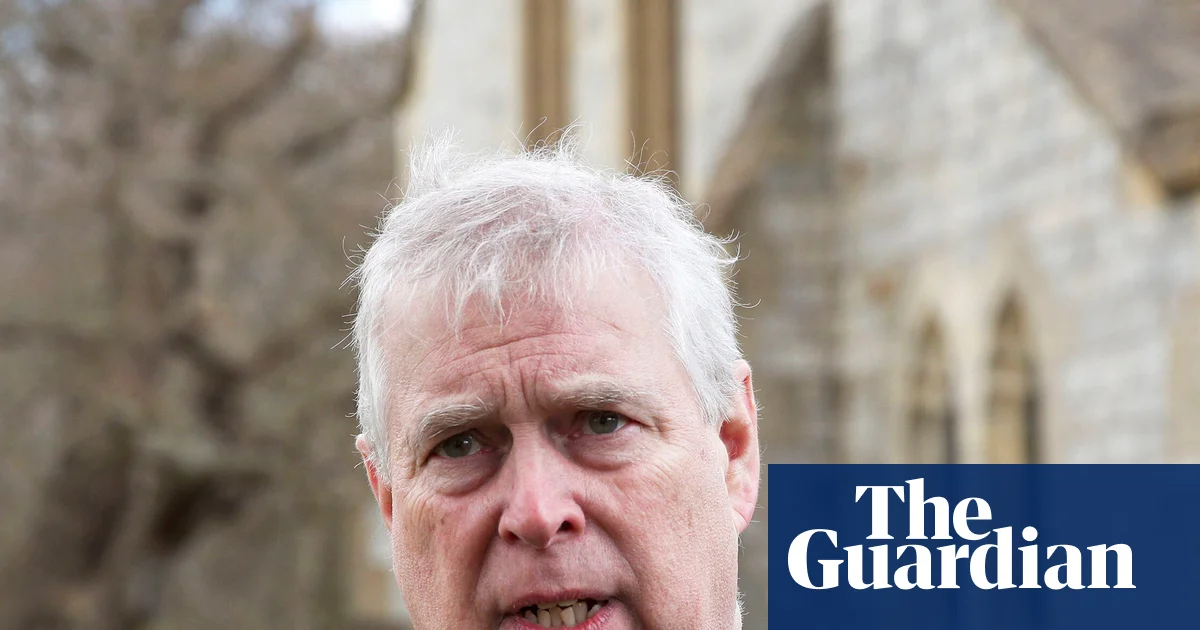
Met Won't Probe Andrew Over Virginia Giuffre Allegations, Says Andrew Mountbatten-Windsor
Met Won’t Probe Andrew Over Virginia Giuffre Allegations, Says Andrew Mountbatten-Windsor

The recent decision by London’s Metropolitan Police to decline a formal criminal investigation into Andrew Mountbatten-Windsor, the brother of King Charles III, marks a significant turning point in a saga that extends beyond British borders into the realm of international geopolitics and influence. Despite widespread public and media attention, the police authority firmly concluded that no sufficient evidence exists to warrant further legal action, emphasizing that investigations into allegations of trafficking and abuse linked to Jeffrey Epstein have already been reviewed multiple times over the past years. This decision not only shields a member of the British royal family but also underscores the complexities of holding powerful individuals accountable, especially those with the backing of longstanding political and institutional ties.

Much of the controversy surrounding Mountbatten-Windsor revolves around allegations presented in the 2021 lawsuit filed in the United States. Virginia Giuffre, who has since passed away, claimed her trafficker, Epstein, forced her into sexual encounters with the former prince in London and beyond when she was just 17 years old. Her sworn testimony—though not admissible in evidence posthumously—highlighted alleged systemic abuses involving prominent figures and a network of sex trafficking that has now become a political quagmire for the British monarchy. Critics within the international legal community argue that, given the gravity of the accusations, a full-fledged criminal investigation should have been pursued, especially considering that the evidence included specific claims of trafficking and coercion, which, if proven, would constitute severe violations of international law.

Nevertheless, international organizations such as the United Nations and various national law enforcement agencies have expressed cautious skepticism about the resolution in the UK. While official statements from London’s police point to the absence of new evidence, some legal analysts—like former CPS Director Nick Vamos—warning that the evidence of non-consensual acts and trafficking could be enough for a criminal investigation. The core issue, they say, lies in whether Andrew knew of her trafficking status and used his influence or connections to abuse that power. This controversy illustrates a broader theme: how global centers of power, especially those tied tightly to royal, political, or economic elites, often impede justice in highly politicized cases. International observers warn that such cases, if left unresolved, undermine _transparency_ and _accountability_—principles vital for the international rule of law.

Meanwhile, the geopolitical impact extends beyond the courtroom. Britain’s royal scandal feeds into a larger narrative about the erosion of trust in institutions—an issue that resonates across continents. As Russia, China, and other adversaries watch, they interpret the assertiveness of Western legal procedures as either a sign of accountability or, conversely, a demonstration of internal corruption shielding elite figures. Historically, such cases have been exploited by authoritarian regimes to question Western moral authority, but they also serve as a reminder of the importance of international cooperation in pursuing justice across borders. This ongoing crisis highlights how decisions made in corridors of power can ripple through international relations, impacting alliances, diplomatic credibility, and global perceptions of justice.

As the story unfolds, the weight of history presses heavily upon the public consciousness. Whether King Charles and his family emerge unscathed from this ordeal remains to be seen, but the underlying message is clear: the age-old battle between power and accountability continues unabated. In a world where influence often obscures truth, and silence can be mistaken for innocence, the pursuit of justice remains the most consequential challenge of our time. The future hinges on whether political will and legal robustness will prevail over entrenched privilege, for history is not only written by the victors but also by those who refuse to turn away from the shadows.*

Unearthing History: A Captivating Haunted Tour Through the Met Museum

In a world increasingly shaped by fleeting trends and superficial diversions, the deep currents of cultural memory and tradition serve as our guiding constellations—reminding us that to understand ourselves, we must delve into the artifacts of our shared past. As Zachary Small and his team take us on a haunting tour through The Metropolitan Museum of Art—highlighting artworks that evoke fear, fascination, and the darker aspects of human nature—the significance of culture as both a reflection and a shaper of identity becomes unmistakable. It is through such visceral encounters with the artifacts of previous civilizations, with their sometimes grotesque or mysterious representations, that we come to see culture not merely as entertainment, but as the pulse of tradition and society.

Indeed, the artworks featured—including a decapitation platter and a sculpture rumored to depict a cannibal—serve as visceral reminders of the moral and spiritual dilemmas that have haunted humanity across epochs. As the philosopher Ortega y Gasset might suggest, culture is the possession of a society’s collective memory—an ongoing dialogue with its own history. These artifacts, perhaps unsettling to modern sensibilities, anchor us in a worldview where the boundaries of morality, the fears of the unknown, and the boundaries of human capability are laid bare. Such nightmarish visions challenge us to reflect on our current society’s fragile veneer, revealing beneath it a tapestry woven with both beauty and terror, remembrance and prophecy.

Furthermore, in the context of a society often criticized for its loss of roots, these artworks stand as milestones of traditional expression—reminders that culture is integral to the formation of societal identity. As Tocqueville observed, democracy’s greatest challenge lies in maintaining a shared sense of cultural continuity—when the collective memory of the past diminishes, the community itself risks disintegration. Here, the arts become a bulwark against cultural amnesia, preserving essential facets of our moral and aesthetic identity. They forge a link between the past and the future, anchoring new generations in their inherited values while warning of the consequences of neglect.

In the final analysis, culture is both memory and prophecy. It acts as a mirror reflecting the deepest fears and aspirations of humanity, from the grotesque to the sublime. As T.S. Eliot famously remarked, “The past is never dead; it’s not even past.” Our cultural artifacts, whether frightening or beautiful, serve as silent orator—guiding us through the corridors of history and into the unknown future. In these haunted treasures of the museum, we find a silent promise: that understanding our cultural roots grants us the strength to shape tomorrow, to transcend mere survival, and to forge a society rooted in the resilient memory of what we once were and what we might yet become. Culture, in the end, remains our human prophecy—a testament to the enduring soul of mankind.

Met Police Call on Epping Sex Offender to Turn Himself In Amid Rising Concerns

London is once again at the center of a geopolitical debate, this time over the failure of its justice and immigration systems. The recent case involving Hadush Gerberslasie Kebatu, an Ethiopian national and convicted sex offender, underscores the profound risks and vulnerabilities associated with current domestic policies. Kebatu, who was wrongly released from HMP Chelmsford after serving only 31 days of a 12-month sentence, has become the focal point for international criticism on bureaucratic incompetence, human error, and the broader implications for public safety. This incident, which forced a major police manhunt across London, highlights the dangerous intersection of migration, national security, and judicial oversight—issues that resonate far beyond Britain’s shores.

The UK Prime Minister, Keir Starmer, condemned the release as “totally unacceptable,” emphasizing its disastrous implication for public confidence in the nation’s justice and immigration systems. The event appears to be less an isolated mistake than a symptom of systemic exhaustion. Records reveal a troubling 128% increase in prisoners released in error over the past year, with 262 cases, according to government data. International analysts warn that such failures jeopardize the geopolitical stability of a nation grappling with complex migration challenges and domestic security concerns. Critics argue that UK authorities lack the capacity and resilience to handle an influx of migrants arriving via small boats, which, according to reports from HM Inspectorate of Prisons, has resulted in “national capacity issues” and staff shortages—especially in critical pre-release and reception areas.

Historians and geopolitical analysts warn that Britain’s current predicament may be emblematic of a broader pattern seen across Western nations where immigration policies are often misaligned with capacity and resource constraints. For instance, international organizations such as the European Court of Human Rights and United Nations have previously issued cautious warnings about the pitfalls of overwhelmed detention systems and inconsistent deportation practices. Such warnings serve as a stark reminder of how international shifts in migration policy and domestic political will directly influence national security and societal stability. The Kebatu case, in particular, has been exploited by far-right factions seeking to amplify fears about immigration and public safety, thereby increasing societal polarization and complicating diplomatic efforts aimed at cooperative migration management.

As Kebatu was seen wandering London, seeking assistance and questioning his direction, the incident exemplifies how individual errors can cascade into crises with far-reaching geopolitical impact. His case underscores the urgency of comprehensive reforms—both in prison administration and immigration oversight—that could prevent further incidents of this magnitude. International observers warn that Britain’s ongoing struggles to balance leniency, security, and immigration control threaten to weaken its position in an increasingly polarized world. The weight of history bears heavily on this unfolding disaster, with each failed policy, each negligent release and each exploited fear shaping the future of Britain’s global standing. In this maelstrom of mistakes and missed opportunities, the question remains: will this be a turning point that galvanizes urgent reform, or simply another chapter in a narrative of decline under mounting pressure?

Social Media Auto Publish Powered By : XYZScripts.com