Matox News

Truth Over Trends, always!

Renowned Canadian-American Architect Frank Gehry Passes Away at 96 — A Lasting Legacy in Modern Design

In the realm of architecture, few figures have embodied the spirit of innovation and cultural rebellion as Frank Gehry. His passing at the age of 96 marks the end of an era defined by audacious form, emotional resonance, and a relentless quest to redefine the built environment. Gehry’s work transcended mere structures, becoming an almost poetic testament to the enduring power of culture to shape our identity and societal consciousness. His fantastical Bilbao Guggenheim, clad in shimmering titanium and seemingly alive with movement, exemplifies how architecture can serve as both reflection and prophecy—an icon of what the modern age can achieve when bold tradition and radical innovation collide.

Gehry’s influence is undeniable, not only as an artist but as a cultural icon whose work catalyzed what critics label as the Bilbao effect. Like the revolutionary shifts seen in art movements from Surrealism to Abstract Expressionism, Gehry’s architecture challenges the passive observer to confront the visceral and the imaginative. His designs, whether the Walt Disney Concert Hall or the Fondation Louis Vuitton, embody an expressive power reminiscent of T.S. Eliot’s notion that tradition is not a static inheritance but a living dialogue between the past and the present. In a sense, Gehry’s work exemplifies how culture—rooted in tradition yet daring enough to break free—becomes a vital force in fortifying societal identity against the homogenizing tides of commercialism and decay.

Born into humble beginnings in Toronto, Gehry’s journey reveals that artistry often blooms late, fueled by perseverance and a deep-seated desire to challenge the ordinary. His decision to change his surname in the face of prejudice echoes the cultural necessity of self-definition—that in a society rife with hostility, one’s work can be a form of resistance, a reaffirmation of human dignity and heritage. After years of working within the commercial confines of shopping malls and uninspired projects, Gehry turned to his authentic voice at mid-life, embracing an esthetic of chaos and chaos—a metaphor for the tumultuous soul that refuses to be tamed. His transformation underscores Plato’s idea that the true philosopher-artist is one who dares to question, to risk, and thus to discover the enduring truth beneath exterior appearances.

Through the lens of cultural critic G.K. Chesterton’s celebration of the ordinary as extraordinary, Gehry’s architecture consistently reveals that true innovation lies in embracing the imperfect, the asymmetrical, the raw material of human emotion. As much as his buildings dazzle with their form, they serve as echoes of a society that values unique heritage and collective memory, asserting that our shared identity is rooted in the creative act—an act that must be both remembered and prophesized. In this way, Gehry’s legacy affirms that culture is neither stagnant nor purely decorative, but a living memory and a prophetic vision intertwined—a testament that human expression remains the most enduring blueprint for our future.

University of Nottingham pulls back on music and modern languages courses, impacting students’ futures

University of Nottingham’s Program Cuts Reflect Broader Social and Economic Strains

The recent decision by The University of Nottingham to suspend all modern language and music courses for incoming students signals more than an academic restructuring; it is emblematic of the deeper social, economic, and cultural challenges facing contemporary society. As universities grapple with falling revenue and shifting priorities, they are increasingly prioritizing short-term financial stability over the broader educational mission to cultivate well-rounded, culturally literate citizens. The suspension of these courses, which traditionally foster global awareness and cross-cultural communication, risks further entrenching demographic divides and narrowing the horizons of future generations.

At the heart of this debate lies a troubling trend: a societal move away from the values of cultural exchange and linguistic diversity. Sociologist Dr. Thomas F. Pettigrew has long argued that language is intertwined with identity and social cohesion. When educational institutions curtail these fields, they inadvertently diminish the cultural richness necessary for a vibrant, inclusive society. The potential loss of programs dedicated to languages and the arts not only affects students’ ability to engage in a globalized world but also effectively signals to families and communities that cultural literacy is secondary to economic expediency, thus widening existing social inequalities.

  • Institutions face financial pressures leading to the suspension of courses seen as less profitable.
  • Trade-offs are made that threaten the developmental foundations of student cultural competence.
  • The reduction in programs undercuts societal efforts to cultivate intercultural understanding.

Furthermore, The impact extends deeply into families and local communities. When educational opportunities shrink, especially in subject areas fundamental to societal cohesion, entire communities can experience a loss of cultural vitality. The university’s move to prioritize revenue at the expense of diverse academic offerings underscores a broader societal crisis—namely, the erosion of shared cultural values and the marginalization of less commercially lucrative disciplines. History reminds us that nations built on a rich tapestry of languages, arts, and cultural exchange tend to be more resilient. By undermining these disciplines, society risks impoverishing both current and future generations.

Despite these challenges, there remains a hope for societal renewal. Leaders, educators, and communities must rally to prioritize education as a tool for social cohesion, not merely economic transaction. As social commentator Dr. Jordan Peterson emphasizes, fostering individual responsibility and cultural literacy is vital to restoring societal integrity. The fight to preserve these essential programs is not merely about academic interests but about safeguarding the moral and human fabric that connects us all. Society’s greatest strength lies in its ability to adapt while holding onto core values—a hope that, in the face of economic hardship, can inspire a transformative journey toward a more inclusive, culturally rich future.

In this era of rapid change and economic uncertainty, the question remains: Will society choose the path of cultural preservation and renewal, or fade into the shadows of cynicism and division? The challenge before us is clear—our response will shape not only the future of education but the soul of society itself, as each generation inherits the moral weight of what we uphold and what we relinquish.

‘Looney Tunes’ Makes a Epic Comeback on Tubi After HBO Max Exit — A Win for Fans and the Modern Squad

For millennials and Gen Z, Looney Tunes has long been a nostalgic staple—an iconic symbol of childhood innocence and humor. Yet, 2023 and beyond have marked an unexpectedly turbulent chapter for this beloved franchise. Warner Bros. Discovery, in a move that baffled many fans, scrapped the completed Coyote vs. Acme film, merely for tax advantages, showcasing how corporate priorities are reshaping the landscape of entertainment. The story took an intriguing turn when this film was subsequently acquired by Ketchup Entertainment in 2025, set to hit theaters in 2026. Meanwhile, Warner Bros. shifted its focus away from the classic shorts library, removing it from HBO Max—an act seen not just as a business decision but as a cultural gamble to redefine what “classic” actually means in today’s digital era.

This pivot reveals more than just corporate strategy; it underscores a **shift in how society interacts with nostalgia**. By pulling classics from traditional streaming platforms like HBO Max and reintroducing these stories through newer channels, streaming services like Tubi are rewriting the rules of cultural preservation. Since acquiring 789 episodes of Looney Tunes, Tubi has seen an astounding increase in viewership, with the cartoons landing in the platform’s Top 10. This isn’t just about entertainment—it’s about fulfilling an emotional connection to childhood memories, even in an age where youth culture is often dictated by fleeting trends and viral sensations.

  • Tubi has transformed classic cartoons into binge-worthy, ad-supported episodes, maintaining the familiar TV experience that resonates with audiences’ desire for comfort and nostalgia.
  • The reintroduction of cartoons like Tom and Jerry, The Pink Panther, and Popeye emphasizes a **deliberate focus on retro content**, positioning streaming as the new Saturday morning cartoon hub for young viewers and adults alike.

This approach reflects a **social revolution in media consumption**—where *nostalgia* becomes a strategic asset in a market saturated with fast-paced entertainment. Media analyst and sociologist Dr. Lisa Grant notes that “streaming platforms are tapping into a collective desire for **authentic, simple storytelling** that evokes emotional nostalgia, acting as a cultural respite from the chaos of modern life.” For younger audiences, this signals a *cultural shift* where the past becomes the most reliable source of comfort and shared identity. TV critic Alex Martinez argues that “repackaging classic cartoons into short episodes with modern advertising models bridges generational gaps, making the old feel new again—in a way that’s both *market savvy* and socially meaningful.”

Yet, beneath the surface of this revival lies a question that could determine the future of entertainment: Will the resurgence of old-school cartoons shape how society defines ‘authenticity’ in digital content? As streaming giants and independent distributors leverage nostalgia as a driving force, the line between *original* and *recreated* content blurs. Perhaps the next phase isn’t just about bringing classics back, but reimagining what they represent in a rapidly evolving cultural landscape. The real challenge for creators and corporations alike is to ask whether this trend will foster *true cultural continuity* or merely serve as a fleeting marketing fad—something that remains to be seen as the entertainment world continues its digital transformation.

Top Bath Towels in the US: From Plush Comfort to Fast-Drying Picks for the Modern Youth | Life & Style

In an era where lifestyle choices increasingly emphasize wellness, quality, and meaningful experiences, the humble bath towel is experiencing a subtle yet significant renaissance. This shift underscores a broader cultural movement towards personal impact—not just in health and leisure, but in creating daily routines that resonate with intentionality and value. From the soaring popularity of premium brands to minimalist innovations, the focus now is on investing in products that truly enhance comfort and inspire a sense of luxury, no matter the budget.

Leading the charge in this perception of elevated self-care are brands like Parachute and Brooklinen, which are redefining what we expect from everyday essentials. These companies are tapping into the renaissance of slow living and wellness by offering bath towels crafted from Turkish cotton—long fibers that promise excellent absorbency and plushness. Detailed product testing reveals that these towels—such as the Parachute Organic Super Plush—not only exceed conventional standards in thickness but also perform admirably in absorbing water without feeling damp, giving users a tangible sense of luxurious self-care. Such products do more than dry—they foster a sense of personal impact, making the act of drying off a moment of quiet indulgence rather than a mundane chore.

But the trend extends beyond just quality. Consumers are now more conscious of the **lifecycle of their products**, seeking options that combine durability and economic value. Companies like Brooklinen and Costco have pioneered towels that strike this balance, offering dense, quick-drying options that don’t sacrifice style for function. The Brooklinen Super-Plush towels, for example, feature vibrant colors and a dense weave rated at 820 grams per meter, making them a statement piece in any bathroom while delivering on practicality. Meanwhile, the Costco Charisma 100% Hygrocotton Towel exemplifies accessibility, providing quality at an affordable price, thus empowering consumers to make choices aligned with their values of sustainability and cost-effectiveness.

Lifestyle As Investment

True shifts in living are about embodying values and recognizing that the products we surround ourselves with directly impact our health, leisure, and inspiration. As wellness experts like Dr. Michael Breus underscore, everyday routines—such as drying off with an ideal towel—are part of a broader strategy for mental and physical well-being. Carefully selected, high-quality towels offer more than just comfort; they foster a culture of intentional self-investment. It’s about embracing a lifestyle where every action, from the moment you step into the shower to the final wrap of a plush towel, is calibrated to bolster your personal impact and reinforce your values—be it sustainability, craftsmanship, or simple everyday luxury.

  • Tip: Opt for towels with long fibers like Turkish cotton for superior absorbency and longevity.
  • Hack: Reduce your washer’s spin speed to prolong the life of dense, plush towels, balancing durability with softness.
  • Insight: Don’t underestimate the power of a towel—it’s a detail that communicates your overall lifestyle ethos.

The Journey Continues

In the end, lifestyle is a continuous journey—an embracing of wellness, quality, and self-impact that extends beyond accessories to shape our habits and priorities. Whether you choose a feather-soft Turkish towel, a vibrant set that livens your bathroom, or a practical quick-dry option for on-the-go, each choice reflects a conscious step toward living intentionally. As Douglas Adams humorously pointed out, the simple act of carrying a towel symbolizes preparedness and adaptability—virtues that resonate on a personal and cultural level. When viewed through this lens, every glowing thread and absorbent fiber become a testament to the power of small, deliberate decisions—each one paving the way toward a more fulfilling, self-aware life.

Top 8 Cat Water Fountains for Modern Pet Owners – WIRED’s 2025 Picks

Tech Disruptors Transform Pet Care with Innovative Water Fountains

The pet industry is experiencing a seismic shift as innovation in smart water fountain technology accelerates, driven by startups and industry giants alike. Leading firms such as Petkit and Happy & Polly are redefining pet hydration with connected devices that leverage IoT, automation, and advanced filtration. This disruption not only enhances pet health but also presents massive business implications for the future of pet care and technological convergence.

At the forefront of this revolution are products like the Petkit Eversweet Max and Happy & Polly Gothic Cat Drinking Fountain. These devices meld innovation in design and digitization, offering features such as remote monitoring, filter replacement alerts, and hydration analytics. For example, the Petkit Eversweet Max introduces a cordless, battery-powered fountain that logs every sip, providing pet owners with real-time data on their pets’ drinking patterns via dedicated apps. Such innovations transform traditional pet accessories into data-driven, intelligent systems that optimize pet health while creating new business opportunities in IoT-enabled pet products.

Furthermore, the market is shifting from simple bowls to disruptive, health-centric ecosystems. Products like the Oneisall Stainless Steel Pet Fountain emphasize hygiene and durability, addressing concerns about plastic bacterial buildup while offering substantial water capacity and ease of cleaning. Industry analysts, including Gartner and MIT researchers, point out that these technological integrations are establishing a new industry standard, where hygiene, automation, and user-friendly interfaces drive consumer adoption. This trend signals a decline of traditional pet bowls and a rise in premium, tech-enabled hydration solutions that can collect actionable health data, facilitating a more scientific approach to pet wellness.

However, not all products meet expectations. The Petcube Ceramic Pet Water Fountain exemplifies the risks of overhyped innovation, with reports of malfunction and high price tags that inhibit market penetration. Industry experts caution that not every disruption is sustainable; some will fade without proper quality control and consumer trust. Yet, the overall trajectory is clear: technological integration is poised to fundamentally alter the pet hydration industry, making it a prime battleground for startups, tech giants, and investors seeking to capitalize on the pet economy’s exponential growth.

Looking ahead, the convergence of hardware, AI, and consumer data signals a new era of personalized pet care. As Elon Musk and industry executives emphasize, the future belongs to those who innovate swiftly and adapt to the industry’s fast-paced disruption. This moment calls for entrepreneurs and investors alike to recognize the urgency: the pet care market is evolving into a high-tech frontier, with water fountains serving as just the beginning of a broader ecosystem. The winners will be those who leverage innovation to deliver healthier, smarter, and more engaging products for pets and their owners. Ultimately, the industry is on the cusp of a technological renaissance—if you blink, you risk missing the next big shift in pet care technology.

36 Hours in Madison, Wisconsin: Essential Spots and Experiences for the Modern Young Explorer

Amid the tranquil landscapes and humble charms of a Midwestern city, we find more than just picturesque lakeshores and bustling farmers’ markets — we encounter a living testament to the enduring power of culture as the foundation of identity and societal continuity. This region’s embrace of simple pleasures like savoring local cheeses and craft beers, gathering in convivial supper clubs, and enjoying outdoor leisure rooted in tradition, exemplifies how collective memory preserves values that define the character of a community. Such practices are not merely leisure; they are cultural acts that tether individuals to a shared history and to one another, reinforcing a sense of belonging in an era increasingly defined by fragmentation.

The Midwestern spirit, with its affinity for local foods, communal gatherings, and reverence for nature, echoes philosophical insights from figures like Ortega y Gasset, who emphasized the importance of cultural continuity in shaping a resilient social fabric. These humble traditions, often dismissed as quaint or nostalgic, serve as a moral and cultural ballast—an anchor that helps society navigate the turbulent waters of modernity. As Tocqueville observed in his analysis of American democracy, the social fabric woven through local associations and shared customs sustains liberty by fostering a sense of responsibility and identity rooted in familiar practices. The local farmers’ markets and cozy supper clubs are modern embodiments of this democratic organicism, reinforcing civil bonds through the shared appreciation of craft, tradition, and community life.

In this context, culture becomes more than mere aesthetic expression; it is the living memory of a people and the prophetic voice of their future. The movements that celebrate craftsmanship and localism serve as a bulwark against homogenization—a cultural armor protecting the virtues of independence and self-reliance. The works of cultural critics like G.K. Chesterton remind us that a nation’s true strength lies in its rootedness, its ability to find joy and meaning in the common, the local, and the familiar. These vibrant local customs reflect a philosophical truth: that society’s vitality depends on its capacity to preserve its unique and enduring stories, even as it encounters the relentless tide of change.

Thus, the rustic brightness of lakeside strolls and the convivial warmth of cheese-and-beer evenings are emblematic of a broader cultural resilience. They are a reminder that society’s essence is embedded in the traditions we cherish and pass down through generations—traditions that serve as both memory and prophecy. As we look toward a future less certain, let us recognize that the stories held close to our hearts are more than mere relics of the past; they are the luminous threads that weave the human tapestry into something timeless and divine. Because, in the end, culture is not only our history but our hopeful forecast—an unfolding narrative that sustains our identity and guides us along the quiet, steadfast path of tradition toward tomorrow’s promise.

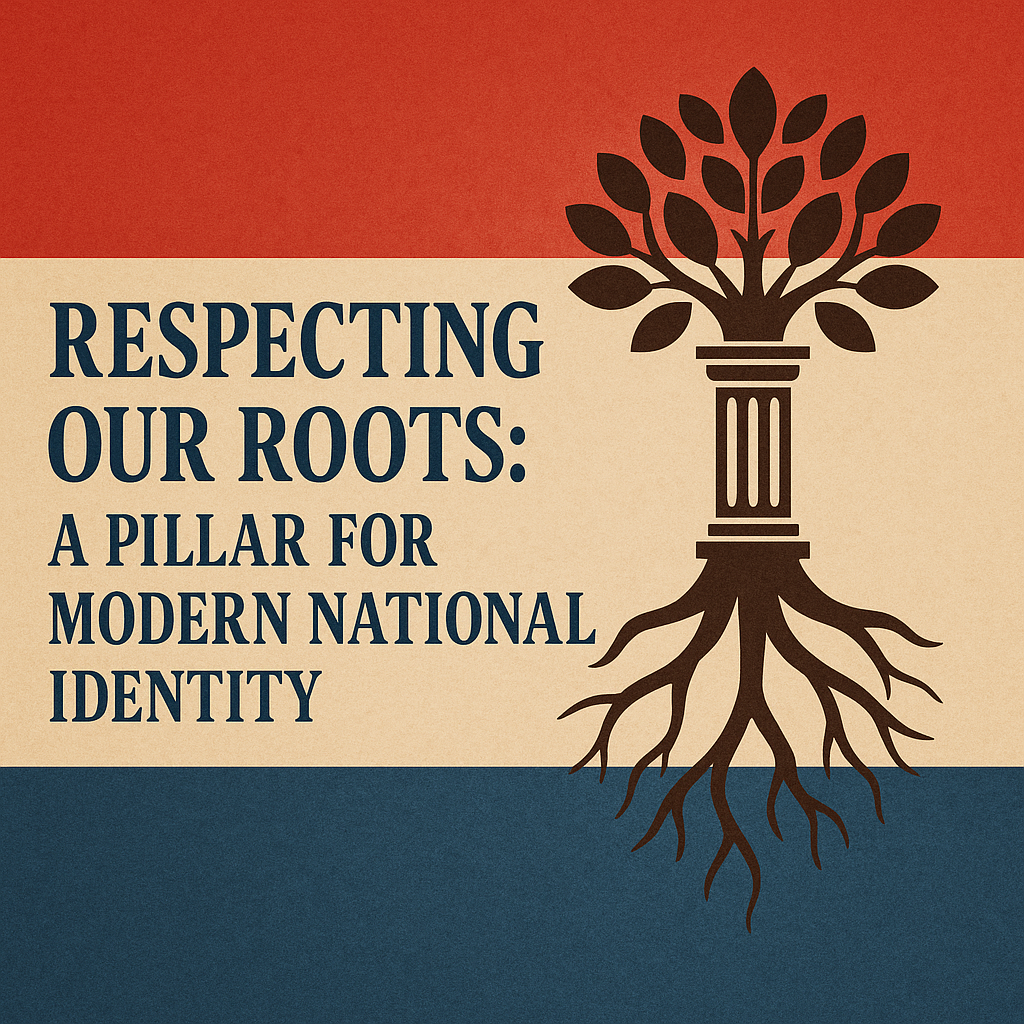
Respecting Our Roots: A Pillar for Modern National Identity

In the pursuit of progress and adaptation, societies often face the peril of losing sight of their foundational narratives. Respecting our roots is more than a nostalgic nod to history; it is a fundamental pillar for cultivating a cohesive and resilient national identity. As critics argue that globalism and rapid modernization threaten traditional values, it becomes clear that maintaining a connection to our history is essential for fostering a sense of unity rooted in shared heritage. This connection is not an impediment to growth but a framework within which sustainable progress can flourish.

National identity is deeply intertwined with cultural memory, historical landmarks, language, and collective experiences. As renowned historian Yale’s John Lewis Gaddis suggests, “A nation that forgets its past is condemned to repeat its mistakes and lose its purpose.” In essence, respecting our roots helps safeguard the values, stories, and lessons that shape societal continuity. For young generations navigating a rapidly changing world, understanding their history offers a grounding point—a lens through which to assess modern challenges. It enables them to recognize that the liberties they enjoy are often rooted in past struggles, sacrifices, and moral victories. Dismissing these connections risks creating a disjointed identity, susceptible to manipulation or apathy, which ultimately weakens the very fabric of nationhood.

Furthermore, the preservation of cultural and historical heritage strengthens national pride and social cohesion. Analysts highlight that societies with a strong sense of their foundational stories tend to have higher civic participation and resilience in times of crisis. By honoring our past, we create a collective narrative that transcends individual differences, fostering a sense of belonging and shared destiny. While critics may advocate for deconstructing traditions as a way to embrace diversity, responsible respect for our roots embraces diversity as a natural extension of a rich, storied history. It anchors new ideas within a framework of enduring principles, ensuring that progress does not become reckless or directionless.

Ultimately, the challenge is to strike a balance—embracing innovation while honoring our historical roots. As economist Thomas Sowell emphasizes, “Progress occurs best when rooted in an understanding and appreciation of earlier efforts.” This balance empowers younger generations to innovate without losing sight of the moral compass forged by their ancestors. By respecting our roots, nations invest in a durable identity capable of weathering the storms of globalization, ideological shifts, and societal upheavals. The future of any nation depends on its ability to carry its history forward—like a torch passing from hand to hand, illuminating the path through shadows of uncertainty. And as that flame flickers in the winds of change, it leaves behind an enduring legacy: the unyielding strength of a people who refuse to forget where they came from, knowing that their roots are the silent, indomitable anchors of their infinite horizon.”

Social Media Auto Publish Powered By : XYZScripts.com