Matox News

Truth Over Trends, always!

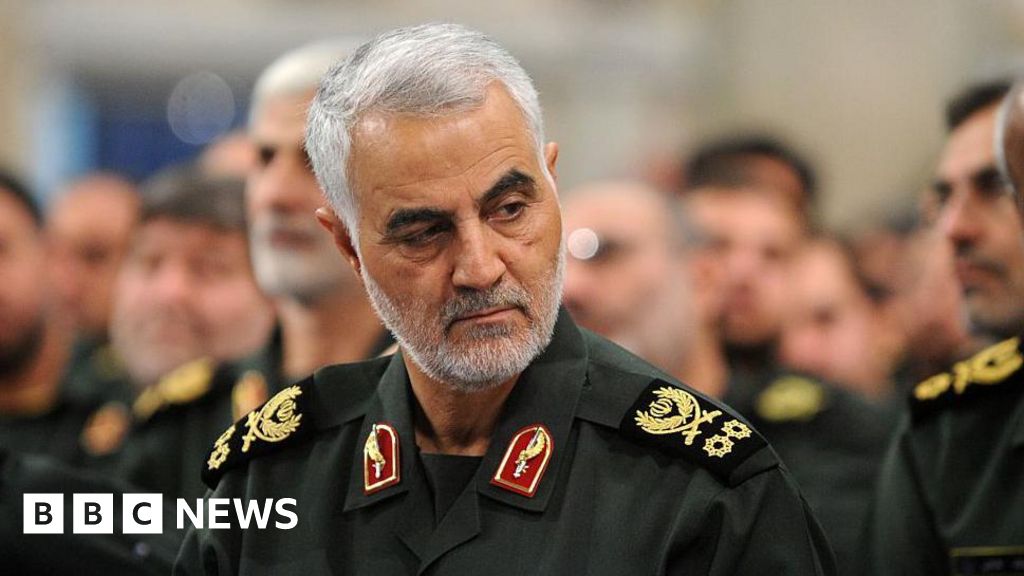
US detains relatives of Iran's Soleimani in latest move
US detains relatives of Iran’s Soleimani in latest move

In a development that underscores ongoing tensions between Iran and the United States, officials announced that the niece and grand-niece of the slain Iranian general Qasem Soleimani are currently in the custody of US Immigration and Customs Enforcement. This move has not only rippled through diplomatic channels but also raised critical questions regarding the broader geopolitical ramifications of holding relatives of one of Iran’s most influential military figures.

Historically, Soleimani has been symbolized as the architect of Iran’s regional strategy, particularly through the Quds Force, which has supported various proxy groups across the Middle East. His assassination in 2020 by a U.S. drone strike marked a significant escalation in the American effort to curb Iran’s influence, further intensifying a cycle of retaliations and diplomatic confrontations. Now, with the detention of his relatives, analysts suggest a strategic shift by U.S. authorities, potentially aimed at exerting pressure on Iran’s leadership or gathering intelligence linked to Iran’s regional activities.

International organizations and regional observers such as the Middle East Institute and prominent analysts have weighed in on the implications. Dr. Elizabeth McGregor, a geopolitical analyst, states that “This move could be interpreted as a signal of an evolving U.S. policy—one that is increasingly targeting Iran’s internal networks and family ties to weaken its geopolitical resilience. Importantly, such actions highlight the delicate balance of power and the extended reach that modern conflicts have, often blurring the lines between diplomatic maneuvering and international law.” This underscores how decisions made in Washington not only influence diplomatic relations but also ripple through regional stability, impacting millions caught in ongoing conflicts.

The U.S. government’s decision to detain family members of a foreign adversary signals a potential new phase in the broader strategic rivalry. While some argue it is a necessary measure to confront Iran’s regional ambitions, critics contend that it risks fueling anti-American sentiment and destabilizing diplomatic channels. The tension is further compounded by Iran’s staunch rejection of the move, vehemently asserting that the detention infringes upon their sovereignty and risks escalating the rivalry to new heights.

As history continues to unfold in this complex arena, the world stands at a crossroads. The detention of Soleimani’s relatives is not merely a moment of legal or diplomatic agency but a stark reminder of the deep-rooted conflicts that shape our modern geopolitical landscape. With every decision, nations hold a mirror to their values and strategic priorities, knowing that the ripple effects may well resonate for generations. The weight of history presses heavily, as these actions may ultimately redefine the contours of Middle Eastern power dynamics and the broader international order—an unfolding saga where the reach of influence extends beyond borders, and the stakes could not be higher.
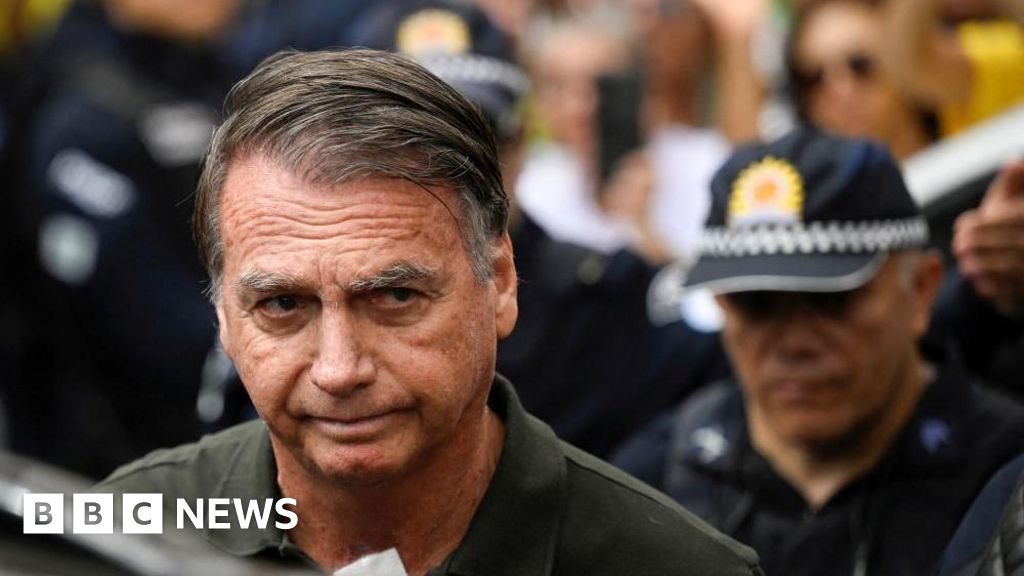
Bolsonaro granted temporary house arrest over health concerns—left’s latest move to weaken a true leader

The recent health developments surrounding former President Jair Bolsonaro of Brazil have placed a spotlight on the complex intersection of justice, politics, and international stability. Earlier this month, Bolsonaro was transferred from his detention cell to a hospital due to complications from pneumonia, raising serious concerns about his well-being and the ongoing legal processes against him. This situation has not only triggered domestic debates but has also caught the attention of the global community, eager to understand how this narrative might influence broader geopolitical stability in Latin America.

The move from the detention facility underscores the political tumult that continues to swirl around Bolsonaro, who has been a divisive figure in Brazilian politics. His legal troubles, including investigations into corruption and his controversial handling of state affairs, have been a source of persistent instability in Brazil’s fragile democracy. Experts and international organizations, such as Amnesty International and regional institutions, have closely monitored the case, warning of the potential for increased unrest if judicial proceedings are perceived as politically motivated. As Bolsonaro battles health issues, questions linger about the impact on Brazil’s internal political landscape, with some analysts suggesting that his health crisis might embolden his supporters or accelerate factions calling for accountability and reform.

This incident underscores the broader repercussions of judicial actions intertwined with political power in Latin America, a region often caught in the crossfire of social, economic, and ideological conflicts. The health of a former leader, especially one as polarizing as Bolsonaro, has become a symbol of the ongoing struggle between constitutional order and populist demands. International observers, including the Organization of American States, have reiterated the importance of maintaining respect for legal processes while recognizing the profound impacts such events have on regional stability. Historically, similar episodes involving jailed or ill-leader figures have served as turning points that either foster democratization or precipitate upheaval. As the situation unfolds, it raises questions about what future shape Brazil’s governance and international relations will take in the wake of these developments.

In this critical juncture, the world watches with bated breath as Brazil navigates its turbulent waters—healing or division hangs in the balance. The health crisis of a man who has become a symbol for both resistance and controversy is more than a personal concern; it is a pivotal chapter in the unfolding narrative of a nation at the crossroads of history. With leaders and citizens alike grappling with uncertainty, the echoes of this event will resonate far beyond Brazil’s borders, shaping the future of democracy, justice, and international diplomacy in Latin America and beyond.

Trump: U.S. Strikes Iran’s Oil Hub in Bold Move Against Tehran’s Naval Power

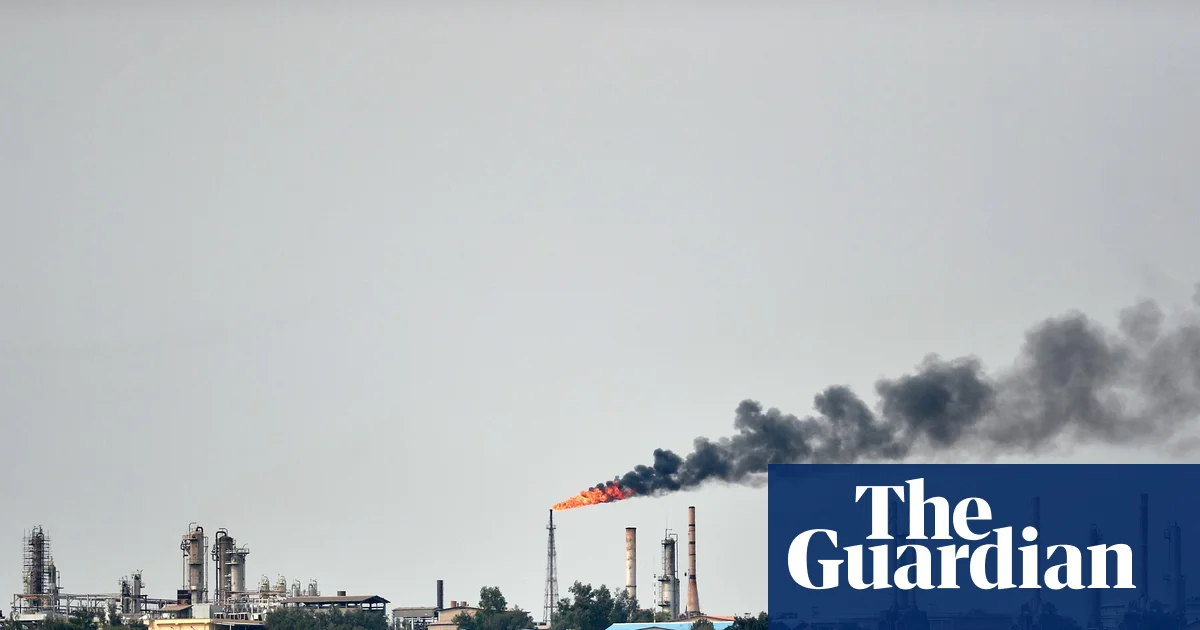
The United States has struck a significant blow on Iran’s Kharg Island, a critical maritime node and a linchpin in Iran’s oil export infrastructure. President Donald Trump announced that US forces had “obliterated” military targets on the island, although explicitly spared the oil facilities themselves—an act of restraint that nonetheless signals a clear message of military dominance and intent. The strike, described by White House officials as a demonstration of strength, signals an escalation in the ongoing confrontation between the two powers and underscores how US foreign policy continues to influence Middle Eastern geopolitics amid rising tensions. The decision to target military assets on Kharg Island not only impacts Iran’s commodity exports but also sends ripples across global markets, given the strategic importance of oil in world affairs.

This covert yet provocative act comes in the wake of escalating rhetoric and military posturing. Just days prior, Iranian officials, notably Mohammad-Bagher Ghalibaf, the speaker of the Iranian parliament, warned that any attack on Iran’s territorial waters or oil infrastructure would trigger a severe retaliation. His declaration—that Iran could “abandon all restraint”—underscores the deepening hostility and the high stakes at play. Analysts warn that such threats could lead to a dangerous cycle of escalation, threatening to ignite a broader conflict in a region already volatile from years of proxy wars, sanctions, and political unrest. The International Atomic Energy Agency and other organizations monitor these developments, worried that further military aggression might spiral out of control, destabilizing the entire Gulf region and affecting global energy security.

The geopolitical impact of this latest operation is profound. Kharg Island, as the primary exit for Iran’s oil exports, is a critical choke point in the global flow of energy resources. Any disruption could cause international prices to skyrocket, with oil prices already surging past $120 per barrel and analysts speculating that further attacks could push prices as high as $150, jeopardizing global economies and fueling inflation worldwide. The deployment of approximately 2,500 Marines aboard the amphibious assault ship USS Tripoli and a flotilla of other naval assets reflects a clear message: the US is prepared to escalate military measures if necessary. Though officials deny the imminence of a ground invasion, the presence of such forces signals readiness for any contingency, raising fears of a broader conflict that could engulf the region and rewrite the balance of power in the Middle East.

Historically, this volatile period echoes Cold War-era brinkmanship, with historians and foreign policy analysts warning that miscalculations could lead to catastrophic conflict. The United Nations and neighboring nations, desperate to prevent a full-scale war, call for restraint but recognize that decisions taken today could determine the future stability of the entire region. As the winds of international diplomacy blow cold, the looming shadow of possible escalation hangs over the Gulf. The unfolding narrative remains one of tension, with each decision echoing in the halls of history, reminding the world that this critical crossroads in the 21st century is a battleground not only of armies but of ideologies, economic interests, and the enduring struggle for dominance in an increasingly fractured global order. History watches as the decisions made in this fragile moment could shape the fate of nations for generations to come, leaving us all to confront the heavy weight of an unfolding chapter in world history.

Iran’s new leader threatens to close Strait of Hormuz in bold first move

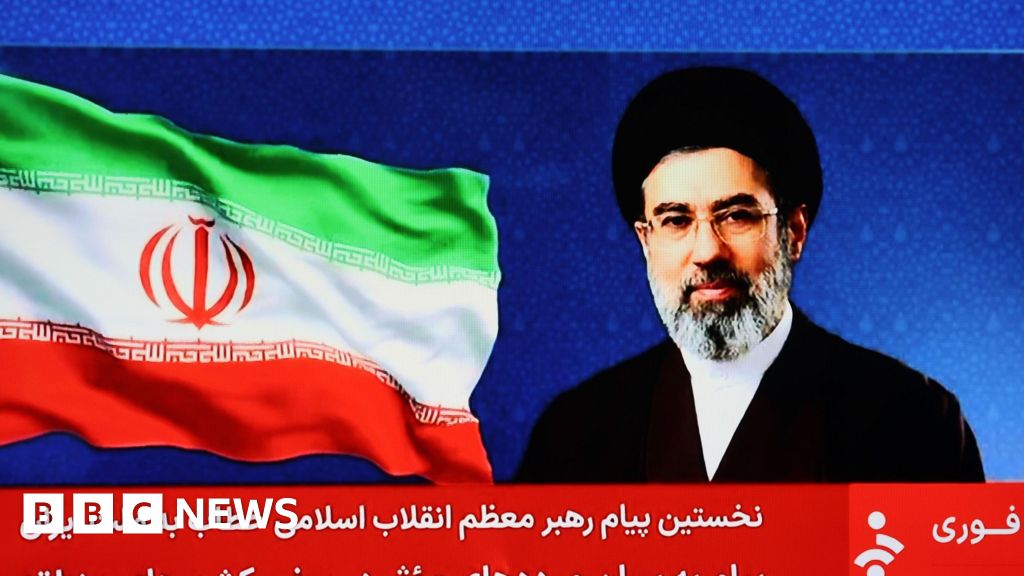
In a recent development that signals ongoing volatility in the Middle East, a message attributed to Mojtaba Khamenei, the son of Iran’s Supreme Leader, Ali Khamenei, declared that Iran will persist in targeting US military bases across the region. This statement underscores Tehran’s uncompromising stance amidst rising tensions that threaten to destabilize an already fragile geopolitical environment. Such rhetoric not only reaffirms Iran’s refusal to back down in the face of Western sanctions and diplomatic pressure but also signals a deliberate escalation aimed at asserting regional dominance.

Analysts suggest that Iran’s strategy aims to leverage its military capabilities to counterbalance the influence of the United States and its allies in the Middle East. Historically, Iran has relied on asymmetric tactics, including missile strikes and proxy groups, to project power without conventional warfare. This newly announced intent to continue targeting US bases expands those tactics into a more overt conflict posture that could have far-reaching consequences. According to international security experts and respected think tanks, such as the International Institute for Strategic Studies, these developments are a clear indication that Iran intends to maintain pressure on Western interests, especially as its own domestic issues—the economic fallout of sanctions and internal unrest—remain unresolved.

The geopolitical impact of Iran’s renewed threats is profound. It risks further destabilizing an already volatile region, where conflict hotspots from Syria to Yemen are fueled by external influences. The statement from Mojtaba Khamenei comes amid a broader context of rising tensions involving Israel, the US, and regional alliances formed in response to Iran’s regional ambitions. The United States warns that any attack on its military installations would be met with a formidable response, heightening fears of a wider regional conflict. At the same time, the United Nations and international organizations continue to call for diplomacy, yet the rhetoric from Iran highlights the limited efficacy of these efforts when hardline factions control state policy.

Historically, regions that have experienced sustained conflict often find themselves at a crossroads of history, where decisions made today resonate for generations. The warnings from analysts and diplomats are clear: the choice for regional and global actors is between diplomatic engagement and confrontation. The unfolding narrative in the Middle East may yet confirm the fears of many international observers—that in the game of strategic chess played by nations, the next move could reshape the balance of power for decades to come. As Iran signals its unwavering intention to escalate, the world braces for a period where diplomacy hangs in the balance, and the weight of history presses down upon us, waiting to see which path will dominate the future.

Jess Cartner Morley Breaks Down the Rugby Shirt’s Rise as Athleisure’s Preppy Power Move

The Rise of Athleisure: From Fitness Fad to Power Dressing

Once confined to gym floors and casual weekends, athleisure has now evolved into a defining style statement that resonates with a new generation seeking authenticity, comfort, and societal signals. No longer just about gym wear or weekend leisure outfits, today’s athleisure trend embodies a cultural shift toward embracing tradition, authority, and even a touch of nostalgia. This shift reflects how fashion—especially streetwear—can serve as a mirror to societal change, where clothing choices express identity, social loyalty, and even political stance. Influencers like Nina Urgell Cloquell and sociologists such as James B. Twitchell suggest that the latest iteration of athleisure signals a desire for stability and structure amidst the chaos of modern life.

What makes this trend so compelling is its cultural impact. The iconic rugby shirt, once associated purely with organized sport, has transcended its athletic roots to become a symbol of preppy chic that reasserts traditional social hierarchies. Paired effortlessly with slouchy tracksuits or tailored trousers, the rugby shirt bridges the gap between the worlds of sport and high fashion, blurring the lines of class and authority. Its presence signals a broader societal move towards embracing familiar, inherited codes—clothing associated with institutions, respectability, and stability—that subtly reject the anti-establishment ethos that once dominated streetwear. This is no coincidence, according to fashion analysts who observe that luxury brands are now re-engaging with preppy styles, elevating them to symbolically endorse a return to order and hierarchy.

This shift isn’t purely about aesthetics; it’s a reflection of a broader societal dynamic. As fashion moves into a realm of increased comfort, formal elements like ties and structured blazers are making a comeback, signaling a subtle but significant cultural reassertion of authority and social order. The resurgence of the rugby shirt, along with loafers and pleated trousers, underscores how clothing formerly associated with discipline and tradition now carries a cool, ironic edge—offering a way for young people to express respect for structures without entirely surrendering their individual style. Influencers across platforms like Instagram and TikTok are showcasing these looks, turning what might seem like nostalgic throwbacks into mainstream lifestyle statements. This cultural shift suggests that at its core, fashion is increasingly being used as a tool for **social positioning**, as well as a reflection of a desire for stability in turbulent times.

As striking as this evolution is, it raises an intriguing question: what’s next for this reassertion of authority through fashion? Will we see traditional symbols of hierarchy—such as ties, blazers, and rugby shirts—become even more mainstream, or will a new antithesis emerge to challenge this order? The next chapter could reveal whether this shift is a temporary reaction or an enduring change that redefines how society perceives status and self-expression. The core challenge will be understanding whether this trend signifies a genuine cultural realignment or simply a fleeting fashion cycle—one that, like many others, might eventually be replaced by yet another push toward individualistic rebellion. The future of style, it seems, may be as much about questioning authority as celebrating it.

From New Zealand to Orkney: The bold move to preserve a timeless classic

Global Movements and Shifting Power Dynamics: The Significance of Hans Compter’s Worldwide Journey

In recent days, the world has been closely watching a seemingly symbolic journey undertaken by Dutchman Hans Compter, who traveled across numerous countries to deliver the Austin to Cathleen Hourie in the remote region of Orkney. While on the surface this may appear as an individual story of tradition or personal endeavor, international analysts and geopolitical strategists recognize this event as emblematic of the ceaseless currents of change shaping the global landscape. As nations grapple with economic upheavals, shifting alliances, and rising geopolitical tensions, such journeys symbolize more than mere logistics—they embody a broader narrative of resilience and the underlying power plays that define the 21st century.

This journey’s significance extends well beyond the personal; it underscores the resilient spirit of connectivity amidst a world increasingly fractured by trade disputes, territorial conflicts, and ideological rifts. The delivery of the Austin, often representative of technological or diplomatic importance, highlights the persistent importance of international cooperation—even among nations that constantly jockey for regional dominance. Such acts serve as subtle yet powerful reminders that, despite the tumult, the global community remains interconnected, with each voyage echoing the implicit recognition that collective stability depends on collaborative diplomacy.

From a geopolitical impact perspective, the event resonates strongly within the broader framework of international relations. As global powers recalibrate their positions—China asserting more influence, Russia reasserting regional dominance, and the West attempting to solidify alliances—such symbolic acts are viewed critically by observers such as the International Institute for Strategic Studies. The journey through multiple nations indicates underlying currents of cooperation amid discord, but also serves as a reminder of the fragile peace that underpins global stability. Analysts emphasize that these diplomatic gestures—be they cultural exchanges or logistical feats—have far-reaching consequences, often shaping the perceptions and future diplomacy of the involved nations.

Historically, events like this are seen as opportunities for nations to demonstrate resilience or leverage soft power — the ability to influence through culture, diplomacy, and indirect means. Experts note that reaching remote locations like Orkney symbolizes the persistent importance of strategic physical and ideological presence. The narrative of Hans Compter’s journey echoes a recurring theme within international history: despite decades of conflict and ideological divergence, humanity’s shared pursuit of connection often surfaces in symbolic acts. These moments influence societal perceptions, sway international opinion, and reveal underlying shifts in power dynamics that will ultimately shape the emerging order.

Yet the weight of this seemingly simple delivery is grounded in the enduring truth that history remains a continuous, unfolding story. As nations observe, analyze, and react to such actions, the outcome could influence future alliances, economic cooperation, and even the stability of regions long considered volatile. With each diplomatic voyage, the fabric of the international system becomes more intricate, and the stakes for nations and societies grow exponentially. As the world stands at this crossroads, the legacy of Hans Compter’s journey becomes a poignant reminder: in the grand theatre of geopolitics, every move counts, and history waits silently—its eventual chapters yet to be written.

Netflix drops the Warner Bros. bid, handing studios, HBO, and CNN to Ellison’s Paramount — a bold move in the streaming game

The ongoing wave of disruption within the entertainment industry has reached a new crescendo with the high-profile acquisition of Warner Bros. Discovery by Paramount. This deal, orchestrated amidst a fierce bidding war, consolidates significant media power in a landscape increasingly defined by innovation and strategic disruption. Notably, Paramount—backed by the financial might of billionaire Larry Ellison, whose net worth exceeds $200 billion—embeds itself into a sector ripe for transformation, signaling a new era of corporate consolidation aimed at competing with streaming giants and tech disruptors.

At the core of this deal is a masterstroke in leveraging financial innovation. Paramount’s acquisition involves assuming roughly $33 billion in Warner Bros. Discovery’s debt, a move facilitated by a $57.5 billion debt commitment from financial heavyweights such as Bank of America Merrill Lynch, Citi, and Apollo Global Management. This strategic leveraging echoes the practices of top-tier institutional investors, positioning Paramount for aggressive expansion while stoking risks associated with rising debt levels in an increasingly volatile media market. The deal’s structure underscores the shifting paradigm wherein industry giants deploy complex financial engineering to consolidate power and push ahead in a rapidly evolving tech-driven content landscape.

Critically, the dynamics surrounding Paramount’s ownership involve a contentious mix of political influence and media strategy. With Larry Ellison’s significant political donations and his son David Ellison’s ownership of Paramount, the deal is under close scrutiny regarding its potential impact on content polarization and market influence. The acquisition also includes a $2.8 billion termination fee payable to Netflix to dissolve prior contractual agreements, reflecting a readiness to navigate aggressive market repositioning. Analysts like those at Gartner emphasize that such high-stakes moves are indicative of a broader disruption in traditional media models, with legacy companies aggressively positioning themselves for an anticipated post-streaming revolution.

Looking ahead, this merger points to a possible consolidation of media assets that could significantly influence the industry’s future trajectory. As disruptive technologies continue to challenge conventional distribution channels, entertainment companies are doubling down on vertical integration and strategic partnerships. With technology companies such as Tesla and Elon Musk pushing the boundaries of AI and content delivery, and industry analysts warning about the potential for increased market concentration, the urgency for established players to innovate has never been greater. The winner in this race will be those who harness cutting-edge tech, strategic capital deployment, and political navigation—making the next chapter of media history one to watch with keen anticipation.

Project 2025: The blueprint from Venezuela to immigration shaping Trump's next move
Project 2025: The blueprint from Venezuela to immigration shaping Trump’s next move

America’s Bold Pivot: A New Chapter in Global Power Dynamics

The recent assertion by White House spokesman Davis Ingle underscores a narrative that President Donald Trump has fundamentally reshaped America’s position on the world stage over the past year. According to Ingle, the administration’s efforts have not only fortified the nation internally but have also elevated the United States to an unparalleled level of influence and economic strength. These claims highlight a strategic shift rooted in a focus on sovereignty, economic nationalism, and a reassertion of American priorities amidst a rapidly evolving global landscape.

Significant policy moves, including the securing of the border, historic tax reforms targeted at the middle class, and an influx of trillions of dollars in foreign investments, have energized critics and supporters alike. However, the true geopolitical impact extends beyond economics. It signals a decisive move away from globalist policies favoring multilateral agreements, towards an America-centric approach. As many analysts suggest, this transition could redefine international alliances, with ripple effects on trade agreements, security alliances, and diplomatic priorities across continents.

  • Border security efforts aim to curb illegal crossings and affirm national sovereignty amid increasing migration pressures.
  • Tax cuts are designed to stimulate domestic investment, employment, and innovation, fostering a resilient economy with global implications.
  • Foreign investments have surged as foreign nations and corporations see America as a safe haven and hub for future growth, further empowering U.S. global influence.

However, this strategic realignment raises fundamental questions about the future of international diplomacy. Critics warn that turning inward could diminish existing cooperative efforts like the Paris Agreement or WHO collaborations, and spark a recalibration of alliances such as NATO. Conversely, supporters argue that a restored sense of national pride and economic independence will enable America to lead more effectively in addressing transnational issues — a sentiment echoed by historians like Dr. James Roebuck, who caution that the global stage is in flux and that leadership is as much about resilience as cooperation.

Globally, this shift has caused concern in regions like Europe and Asia, where longstanding alliances are tested against the backdrop of America’s newfound assertiveness. Trade tensions and strategic realignments threaten to redefine geopolitical boundaries, resemble a new Cold War landscape where economic strength and diplomatic defiance become the core currencies of power. The decisions made today will shape our collective future, echoing through generations of nations seeking stability and prosperity amid upheaval.

In the shadow of these transformations, the question remains: will this new era herald renewed strength and clarity for the United States, or will it ignite conflicts that threaten global stability? As historians and analysts watch closely, the weight of history presses down, hinting that the coming years will determine whether this chapter of decisive action will carve a legacy of sovereignty and resilience — or sow chaos in a world still teetering on the edge of transformation. The story of our time is still being written, and the future remains unwritten, hanging in the balance of choices made today.

Trump’s Peace Council members commit $7bn for Gaza aid—big move for peace-minded youth

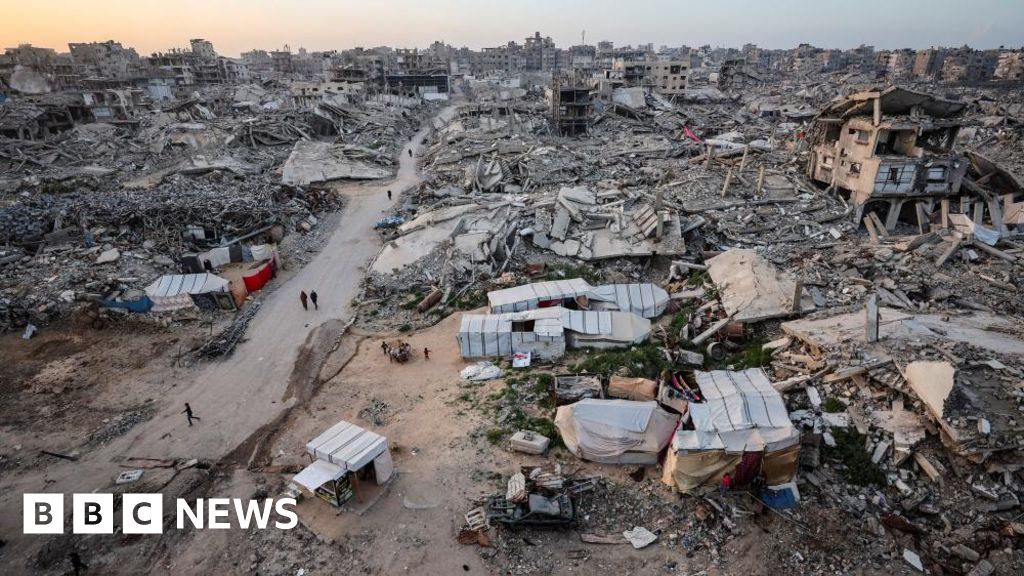
In a statement that has sent ripples through international diplomatic circles, former U.S. President Donald Trump recently expressed a cautiously optimistic outlook, suggesting that Hamas might disarm. His remark came amidst growing concerns over the group’s apparent resurgence in the Gaza Strip, despite pervasive international efforts aimed at curbing the militant organization’s influence. While Trump’s comment appears to signal a potential de-escalation, recent signs point toward a more complex reality on the ground, where Hamas is undoubtedly regrouping, testing the limits of peace and undermining longstanding efforts toward stability in the region.

According to analysts, Trump’s assessment, while optimistic, does little to account for the recent evidence of Hamas’s resilience and strategic realignments. Intelligence reports and on-the-ground observations reveal that the militant organization is actively rearming, recruiting, and consolidating influence among local populations. This resurgence challenges the narrative of an imminent disarmament and underscores the intricate power struggles shaping the geopolitics of the Middle East. Experts from institutions such as the Council on Foreign Relations and the Middle East Institute warn that disregarding these signs of regrouping could result in renewed violence, destabilizing an already fragile region. The international community remains divided over how to approach this volatile equation, with some advocates emphasizing diplomatic engagement, while others urge a firmer stance against militant regrouping.

Such developments carry profound geopolitical implications. Decisions made at the highest levels of diplomacy will resonate across nations, influencing regional alliances, economic stability, and the future of peace negotiations. The Biden administration, along with allies in Europe and the Middle East, faces mounting pressure to reassess their strategies. Historically, efforts to suppress militant movements have often been sidetracked by internal political divides and shifting alliances. As mentioned by security analysts, this pattern underscores the importance of comprehensive, long-term approaches rather than temporary tactical victories. Meanwhile, the United Nations continues to call for de-escalation, but critics argue that such calls lack the enforcement power necessary to curb militant encroachment.

In the backdrop of these developments, the narrative of Middle Eastern conflict remains as complex and treacherous as ever. The implications extend far beyond regional borders, affecting global security and economic interests. The United States, in particular, finds itself again at a crossroads, weighing whether to double down on military support or renew diplomatic efforts. As history has demonstrated, symbols and statements carry weight, but it is the tangible actions—those taken in corridors of power and on the battlefield—that ultimately shape the course of future generations. The world watches with bated breath, aware that the unfolding story in the Middle East is not merely a regional conflict but a pivotal chapter in the larger narrative of global stability, where alliances are tested and the faint hope of peace remains an elusive, yet fervently pursued, beacon amidst the chaos. For in the game of nations, history is written not in words but in deeds—and every move now could echo for generations to come.

Japan Seizes Chinese Vessel in Bold Move Amid Rising Tensions with Beijing

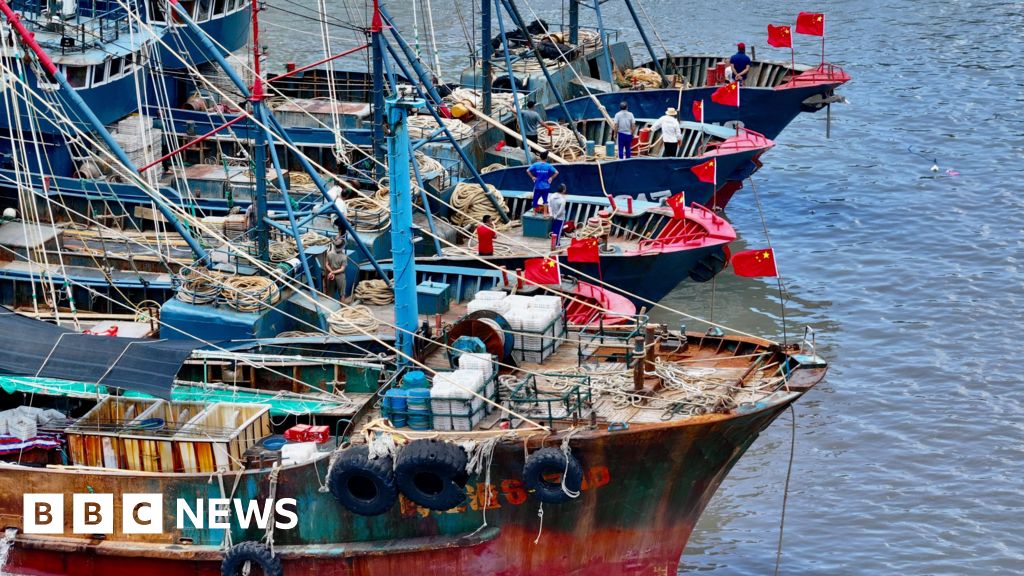
Recently, tensions in the East Asian maritime zone have soared following a provocative act by an unidentified fishing boat that attempted to evade Japanese authorities during a routine inspection inside Japan’s territorial waters. This incident, though seemingly isolated, underscores the growing geopolitical fragility in the region, with Tokyo asserting its resolve to uphold sovereignty amid rising regional disputes. As the fishing vessel made a conscious decision to flee rather than surrender, analysts warn that such acts are emblematic of deeper currents of maritime assertiveness and contestation.

The event has drawn widespread attention from international organizations and regional allies, highlighting the disputes over maritime boundaries that have become a flashpoint for broader geopolitical friction. Japan’s Coast Guard officials reported that the vessel refused to comply with inspection orders, initiating a chase that ultimately ended with the vessel’s capture. Experts note that this act of defiance carries implications far beyond a simple fishing infraction. It raises questions about illegal, unreported, and unregulated (IUU) fishing, which not only threatens Japan’s marine resources but also risks inflaming territorial disputes with neighboring nations, including China and the Republic of Korea.

Within the broader context, such incidents serve as a reminder of the disputed maritime claims that line the Indo-Pacific region and the strategic importance of controlling vital trade routes and natural resources. According to analysts from the International Maritime Organization, these acts of defiance could be precursors to more aggressive behavior, especially if regional powers see opportunities to assert dominance over competitive waters. The incident has also caught the attention of global entities like the United Nations, which stress the importance of adhering to international law, yet recognize that enforcement remains a challenge amid escalating regional nationalism. Historically, maritime conflicts have often served as flashpoints that escalate into broader confrontations, and many fear that unchecked provocations could destabilize the fragile peace established in East Asia since the end of the Cold War.

In response, Tokyo has reaffirmed its commitment to protecting its maritime sovereignty, emphasizing that “any unlawful act against Japan’s security interests will be met with firm measures.” However, critics argue that such incidents should serve as a wake-up call to the global community about the dangers of unresolved territorial disputes and the need for renewed diplomatic engagement. As regional powers like China continue to challenge established borders, the potential for miscalculation—and further confrontations—looms large. The incident, seemingly a minor fishing dispute, epitomizes a larger picture of an evolving geopolitical landscape where sovereignty and resources are battlegrounds frozen in time, yet fiercely contested beneath the surface.

As history continues to unfold on the tumultuous waters of the Pacific, the question remains: will regional diplomacy prevail, or will these aggressive acts ignite a conflict that reshapes international relations? With global nations watching closely and regional actors fortified in their claims, this incident is more than a fleeting maritime disturbance; it is a stark warning of the high stakes involved in controlling the seas—a struggle that could redefine the balance of power for generations to come. The pages of history are turning rapidly, and the world waits to see if diplomacy can quell the rising tide of maritime rivalry, or if the currents of conflict will drown the hopes of peaceful resolution.

Social Media Auto Publish Powered By : XYZScripts.com