Matox News

Truth Over Trends, always!

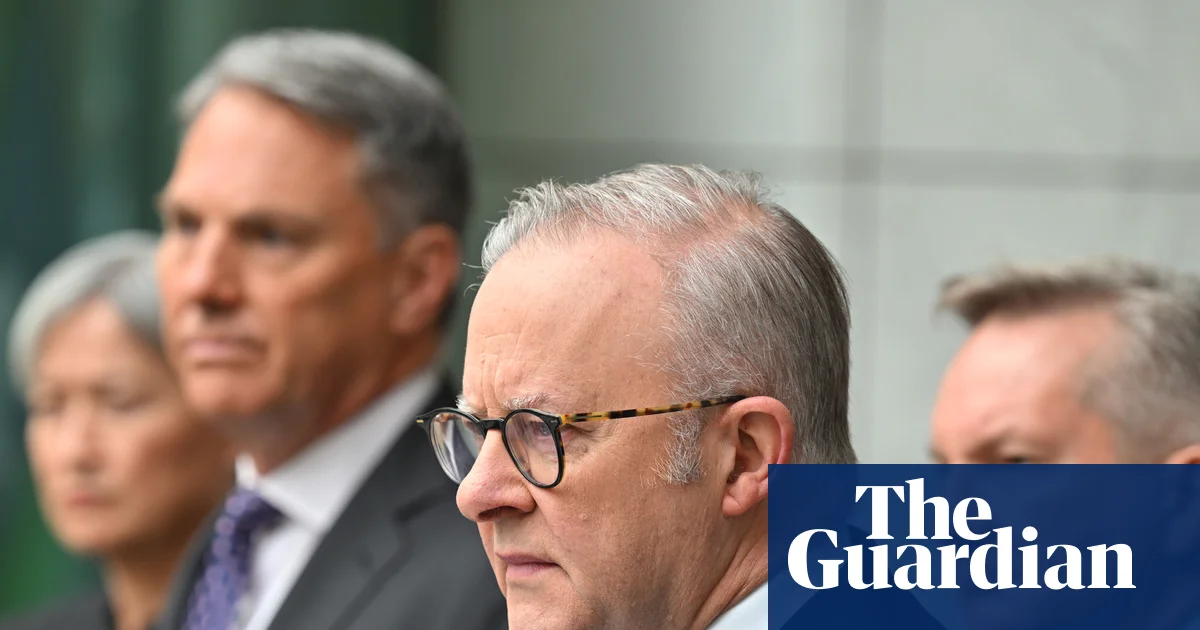
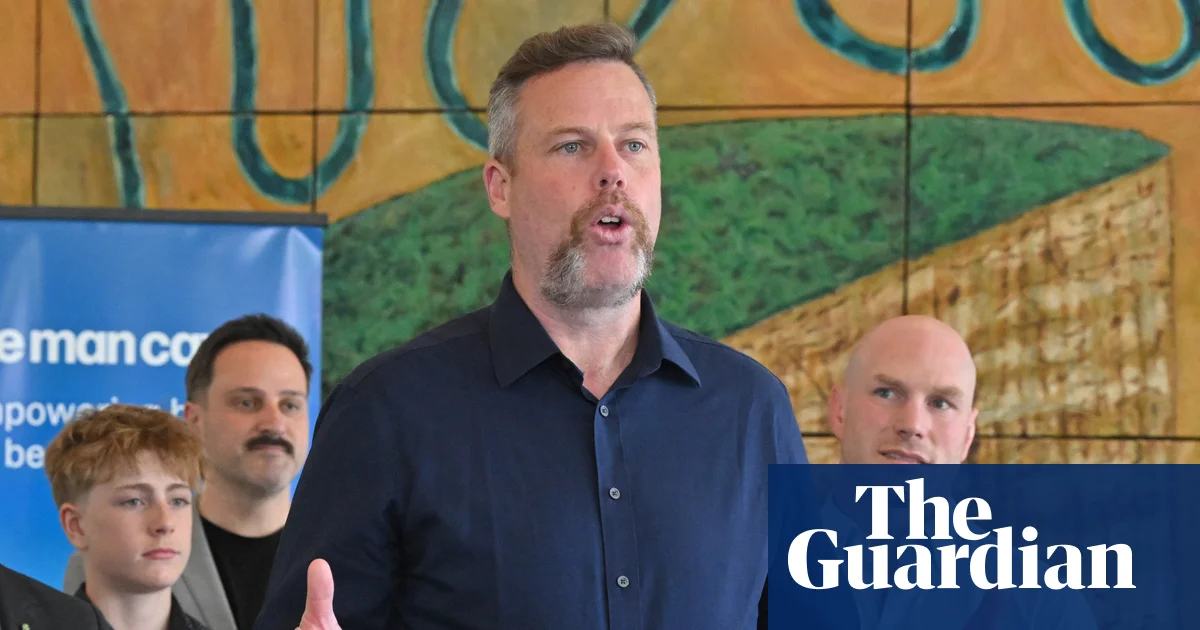
MPs challenge the manosphere: promoting respect and responsibility to Australian men and boys

In the heart of Australia, a society grappling with complex social tensions faces the persistent challenge of addressing the deep-rooted issues surrounding gender relations and community cohesion. Prominent voices from the political and sociological landscape emphasize that gender equality is neither a zero-sum game nor a battle of sexes, but a pathway toward better societal outcomes for all. Yet, amidst these calls for unity, the societal fabric is fraying beneath the influence of extremist online communities, often known as the manosphere, which perpetuate disrespect, violence, and misinformed stereotypes. Such voices threaten to distort the genuine pursuit of social justice, fostering divisions that ripple through families, schools, and neighborhoods.

Social issue analysts and community leaders recognize that families suffer as a consequence of these divisions. Historians like Dr. Krista Fisher warn of the dangerous spread of misogyny and extremism through social media algorithms that funnel impressionable young men into communities promoting self-harm, substance abuse, and violent misogyny. The latest data from the Australian Bureau of Statistics reveal that over three-quarters of those who died by suicide in 2024 were men, illustrating how mental health crises are intertwined with societal narratives surrounding masculinity. These figures illuminate a crucial moral concern: how can a society nurture its men and boys—not through blame and division, but through support, resilience, and understanding? Sociologists like Mike Savage argue that the societal construction of gender roles influences these health outcomes, highlighting the urgent need for culturally informed policies that foster well-being.

Amidst the cacophony of ideological battles, government initiatives such as the Healthy Men Community Conversations aim to promote healthy masculinities and counter harmful stereotypes. These efforts seek to rebuild trust within communities, emphasizing that support for men and boys is essential for strengthening families and nurturing positive relationships. However, societal tensions are compounded by calls from fringe groups, such as those influenced by misguided claims about family courts and domestic violence. Such rhetoric often dismisses complex social realities, inflaming public sentiment and obstructing policy based on evidence and compassion. Advocates for community resilience stress that genuine progress involves listening to diverse voices, especially those of the disadvantaged and vulnerable, rather than succumbing to populist propaganda that oversimplifies these intricate issues.

Looking forward, the social challenge remains: How can Australia reconcile its cultural shifts with the need for solidarity and evidence-based solutions? Experts warn that radicalized communities and ideological divides threaten to deepen societal divides unless addressed through comprehensive education, mental health support, and community engagement. The story of Australia’s future hinges on building bridges over social chasms—not through fear-mongering or division, but through hope and the collective effort of every generation. Society’s true transformation lies not in the silence of fear, but in the courage to foster understanding, compassion, and resilience among its people. In doing so, society may yet discover that the most profound change begins with the reaffirmation of our shared human dignity—an enduring legacy for generations to come.
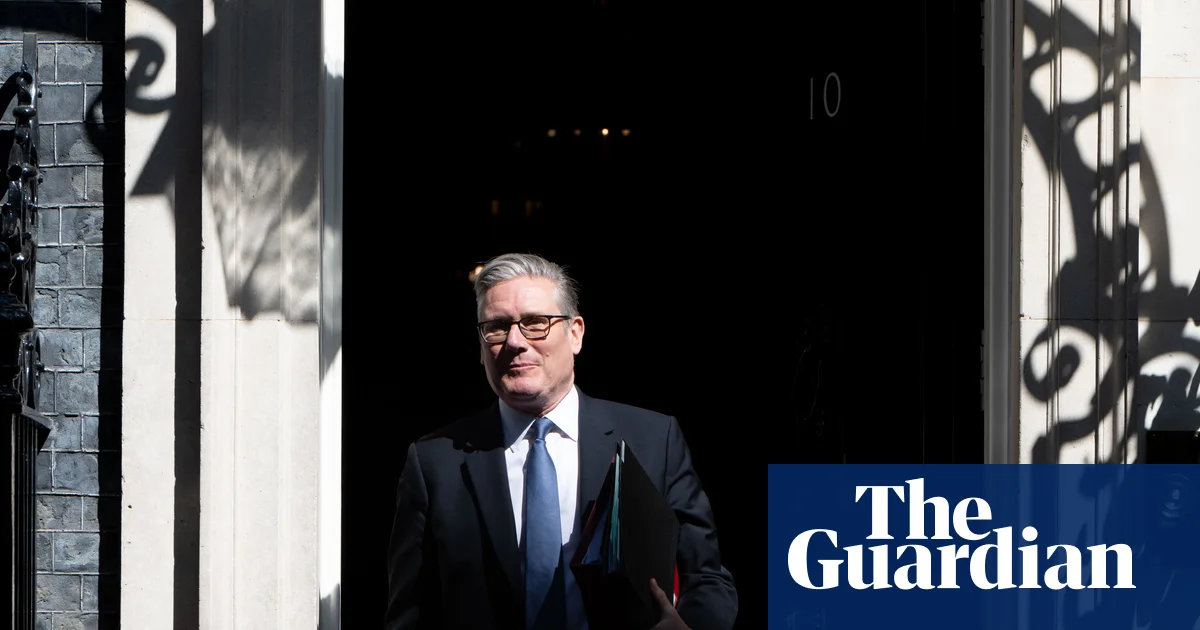
Cabinet warns rebellious MPs against ousting Keir Starmer

Labour Party in Flux: Leadership Challenges and the Fight for Control

In a climate of mounting political volatility, the Labour Party finds itself at a crossroads, teetering on the brink of internal chaos sparked by recent electoral setbacks. The aftermath of disastrous local poll results has ignited a power struggle within the party, with some MPs questioning the leadership of Keir Starmer. Despite official declarations of stability, cabinet ministers have reportedly warned rebellious backbenchers that any move to remove Starmer may unleash a wave of destabilization that could irrevocably fracture the party’s unity. This internal tug-of-war underscores a fundamental truth of modern politics: leadership often becomes a battleground where ideological loyalties clash with pragmatic power, shaping the direction of national discourse.

The question remains: how will the internal power dynamics within Labour influence the wider political landscape? Historically, party leadership crises serve as a reflection of the broader societal tensions. As political theorist Daniel Bell once argued, parties are inherently *representative institutions*, yet their internal struggles often reveal underlying conflicts of power, ideology, and public trust. In this context, the possibility of Starmer’s ousting unveils a deeper struggle over the party’s future orientation—whether it will continue along a centrist path or shift toward a more radical, grassroots-driven agenda. The external pressures of an electorate disillusioned by economic instability and insecure social cohesion only intensify this contest of wills, transforming party politics into a microcosm of national identity and destiny.

Indeed, the internal conflict highlights the delicate balance between conservative institutionalism and progressive reforms. The Labour leadership’s current predicament echoes early 20th-century debates over party loyalty versus reformism, reminiscent of ideological struggles faced by Labour pioneers like Ramsay MacDonald and Nye Bevan. Today, decision-makers are caught in the vise of public disenchantment and internal discord. Any move to replace Starmer risks spawning chaos, akin to the historical upheavals that have long defined the nature of party politics—a reminder that elections are not just about voter sentiment but also about who controls the narrative and, ultimately, the power to shape policy and society.

As the battle lines are drawn, it becomes clear that the stakes extend beyond mere leadership. The outcome will inevitably influence how the people are governed, how rulings are made, and which visions of the nation are prioritized. Power struggles like this, between entrenched elites and reformists, serve as a crucible for the future of democracy itself. The quote from constitutional experts reminds us that parties are the vessels of ideological contestation, where the fate of democracy hinges on choices made behind closed doors and the willingness, or unwillingness, to accept the democratic will. In this high-stakes arena, decision-making is no longer just about winning votes but about defining the very fabric of the nation’s future—where political destiny is written in the crucible of conflict.

MPs blast South East Water chiefs for repeated outages — failure to deliver for communities

The recent scandal involving South East Water has become a stark reminder of the delicate balance between corporate accountability and public trust, especially in vital infrastructure sectors. MPs across the political spectrum have denounced the company’s leadership for their catastrophic failure to provide reliable water services to over 2.3 million customers across Berkshire, Hampshire, Kent, Surrey, and Sussex. A damning investigative report highlighted repeated instances of mismanagement, culminating in a two-week outage in Tunbridge Wells last year that left vulnerable populations without essential water resources. Such failures not only underscore the company’s internal cultural issues but also serve as a warning about the potential consequences of unchecked corporate governance in critical public utilities.

In the face of widespread disapproval, South East Water announced the resignation of its independent non-executive chair, Chris Train, signaling an attempt to reset the organizational culture. However, critics see this as only a partial step toward accountability. Key figures such as Alistair Carmichael, chair of the environment, food and rural affairs committee, have emphasized that the failures reflect a broader systemic problem — a culture of “unaccountability” that puts public safety and trust at significant risk. With a potential £22 million fine looming from regulator Ofwat over years of service disruptions, the situation has become a flashpoint in debates over corporate oversight versus the need for robust government intervention, such as *special administration*, which can temporarily nationalize a failing utility.

Analysts and international organizations have closely watched this unfolding crisis, framing it within the broader context of inadequate risk management and infrastructure investment. Some suggest that the failures at South East Water are emblematic of a wider neglect of critical infrastructure in the UK, raising questions about the resilience of vital services under privatised models. The company’s executives, including CEO David Hinton, have been criticized for misleading Parliament and failing to monitor crucial assets effectively, especially at the Pembury treatment works. Despite generous salaries and bonuses, their inability to prevent the outages exposes a fundamental flaw in corporate governance that many see as reflective of a wider trend in privatized utilities — profit over public service.”

As the British government faces mounting pressure to reform its approach to infrastructure management, this crisis carries far-reaching *geopolitical implications*. The UK’s reputation as a stable, reliable partner in international commerce hinges on the robustness of its infrastructure, and failures like those at South East Water threaten to undermine confidence in its regulatory framework. This internal chaos feeds into global narratives questioning the efficacy of privatisation and calls for increased state oversight. Historians like Timothy Walker warn that neglect of infrastructure investment can erode societal foundations, turning routine service failures into broader crises. Meanwhile, international observers ponder whether this episode will catalyze reforms that recalibrate the delicate balance between private enterprise and public accountability.”

With history still unfolding, the question remains whether Britain will learn from this failure or allow it to deepen into a systemic crisis that could reverberate across borders. The tide of public dissent grows louder, forcing policymakers to confront uncomfortable truths about governance, leadership, and the vital importance of safeguarding national infrastructure against the chaos of corporate inertia. The coming months will determine if accountability can triumph over complacency — or if, in the shadows of these failures, a more ominous chapter in the nation’s history is quietly being written.

Starmer claims most Labour MPs back him amid Mandelson controversy – UK Politics Update

International Geopolitical Shifts and the UK Political Turmoil: What History Is Watching

The global stage remains rife with tension as Britain’s internal political upheavals echo across continents, shaping longstanding alliances and challenging international stability. Keir Starmer, leader of the Labour party, faces mounting pressure amid a controversy that transcends domestic politics—namely, his contentious appointment of Peter Mandelson as ambassador to Washington despite official vetting officials’ objections. This decision not only sparks internal discord but also raises questions about the influence of political power on diplomatic integrity, with potential ramifications for the Transatlantic alliance that underpins Western security.

Implications for U.S.-UK Relations and European Stability

While UK Prime Minister Rishi Sunak and his government attempt to shield their diplomatic priorities from the turmoil, external observers and historians note that the controversy highlights a broader geopolitical risk: diplomatic personnel are increasingly subject to political interference, which can weaken Western cohesion. A recent internal Pentagon email, inadvertently leaked and discussing re-evaluating U.S. support for European territories such as the Falkland Islands, underscores this fragility. The islands, a prized British overseas territory, symbolize broader struggles over sovereignty and influence, especially in light of recent discussions on imperial holdings and European stability.

  • Increased political interference cast shadows over Britain’s commitment to its global alliances, adding uncertainty to the future of Transatlantic security cooperation.
  • Political missteps in London threaten to weaken diplomatic ties, impacting ongoing negotiations and military commitments.
  • European allies are watching, wary of the potential for internal division within NATO and other multilateral institutions, as internal conflicts distract from global strategy.

The Role of International Organizations and Analysts in Deciphering the Crisis

International think tanks and analysts warn that these internal upheavals threaten to undermine decades of diplomatic progress. The European Union and United Nations are closely observing the situation in Britain to assess how leadership instability might influence regional politics. Political historian Dr. James Carter remarks, “Such internal discord in a leading Western democracy can embolden adversaries and destabilize the delicate balance of power in Eurasia, the Middle East, and beyond.”

How Current Decisions Shape Future Geopolitical Landscapes

The fallout from London’s political dispute extends beyond ballots and internal party struggles. The decision to favor Mandelson—a figure associated with past controversies—over security vetting protocols demonstrates a willingness among British policymakers to prioritize political loyalty over diplomatic transparency. This shift could set a dangerous precedent, potentially inviting outside influence and weakening trust in London’s diplomatic apparatus.

As analysts warn that public trust erodes and internal divisions deepen, the international community remains cautious. The narrative of a once-stable UK now embroiled in leadership conflicts carries echoes of historical missteps that led to geopolitical crises—reminding us that the path of history remains uncertain, and the true weight of these decisions may only be measured in the decades to come.

Starmer demands Travelodge chief address MPs on sexual assault allegations

In an increasingly interconnected and vigilant world, domestic security breaches quickly escalate into matters of international concern. The recent scandal involving Travelodge—a prominent hotel chain—has not only ignited outrage within the United Kingdom but also prompted a broader debate on the responsibilities of global corporations in ensuring safety and security. The case of Kyran Smith, a convicted sexual offender who unlawfully accessed a woman’s room after staff facilitated his entry, underscores the critical importance of security protocols in hospitality establishments that serve millions. Prime Minister Keir Starmer has formally demanded accountability from Travelodge, insisting on swift and comprehensive reforms to prevent future tragedies, thus illustrating the rising influence of national entities in regulating corporate conduct amidst rising concerns over security lapses.

  • The incident has prompted over 20 MPs to request an urgent hearing with Travelodge executives, highlighting the heightened political sensitivity surrounding security failures in key industries.
  • Starmer’s intervention emphasizes a broader geopolitical trend: governments increasingly hold corporations accountable for safeguarding citizens, reflecting a shift from laissez-faire approaches to explicit regulatory oversight.
  • Travelodge’s commitment to an independent review led by KC Paul Greaney signals an attempt to assuage public and political fears, yet critics question whether corporate reforms can keep pace with evolving threats.

Leading international organizations and security analysts warn that isolated incidents such as this serve as warnings of systemic vulnerabilities in the private sector’s infrastructure. Globally, the case resonates far beyond this single hotel chain, embodying the ongoing debate about the effectiveness of corporate governance in protecting vulnerable populations. Historians remind us that such scandals often catalyze significant legislative or regulatory shifts; the challenge lies in translating these responses into tangible protections. Meanwhile, experts caution that superficial changes—like upgraded access controls—must be followed by a cultural shift within corporations to prioritize security as an integral part of their operational ethos.

The geopolitical impact of the Travelodge case extends beyond Britain. As nations grapple with internal threats—from terrorism to organized crime—how multinational firms manage security reflects a global struggle to secure societies against internal vulnerabilities. This incident also underscores how local security failures can have ripple effects, affecting diplomatic relations, investor confidence, and international perceptions of safety. Countries with emerging markets and growing tourism sectors are now watching closely, recognizing that security protocols are not just a matter of customer service, but a fundamental element of national resilience in a rapidly volatile world stage. Historian and analyst commentary point to this event as a potential turning point—highlighting the necessity for corporate accountability within the larger framework of national security policy.

As the case unfolds, destinies remain intertwined with the decisions made today. Travelodge’s response, the political will to enforce tighter standards, and societal calls for change illustrate that history is not a static narrative but a continuous story—a story where the line between commercial enterprise and national security sharply blurs. The weight of these events reminds us that each misstep can become a catalyst for deeper transformation. In the shadow of future crises, the question echoes: will this be a moment remembered as a catalyst for meaningful change, or merely a fleeting scandal amidst the relentless march of history?

Labor MPs Concerned as Albanese Govt Ignores US-Israel Iran Strikes

In a development that underscores the escalating geopolitical tensions across the Middle East and beyond, Australiafinds itself embroiled in a complex web of international allegiances and strategic decisions. Just days after U.S. and Israel initiated their bombing campaign against Iran—a move that many international legal experts, including United Nations officials, label as a breach of the UN Charter—the Albanese government swiftly voiced unreserved support. This move has ignited criticism both domestically and abroad, highlighting a broader debate over Australia’s shifting role in global conflicts and the consequences of aligning too closely with Western military interventions.

The support materialized in an official statement issued by Prime Minister Anthony Albanese, Foreign Minister Penny Wong, and Defense Minister Richard Marles just hours after the strikes—a stark contrast to previous incidents, such as last year’s Iranian nuclear site bombings, where Australia’s endorsement was delayed by nearly a day. This rapid alignment with U.S. and Israeli narratives, emphasizing Iran’s alleged nuclear ambitions and regional destabilization, raises significant questions over Australia’s commitment to international law and its reputation as a nation that values sovereignty and diplomacy. The decision has also exposed internal divisions: while top-tier ministers publicly support the strikes, factions within Labor, especially its left, have expressed concerns about the reckless escalation and Australia’s potential unwitting involvement in a broader regional conflict.

As the conflict spreads, Australia announced it would send a specialist surveillance aircraft and stocks of air-to-air missiles to assist the United Arab Emirates in defending against retaliatory Iranian attacks. Meanwhile, there is clear evidence that sections within Australia’s political landscape are growing restless. Grassroots groups, such as Labor Against War, have criticized the government’s stance as a grave divergence from the party’s traditional principles of anti-war policy. They argue that supporting illegal acts of aggression contradicts the party’s historic opposition to the 2003 invasion of Iraq—a stance rooted in safeguarding autonomy from U.S. military adventurism and defending international law. The debate underscores an emerging rift between factions, as Labor navigates the dangerous waters of international intervention and national sovereignty.

At the international level, analysts warn that these decisions could have long-term geopolitical repercussions. Many experts, including those from global think tanks and international law organizations, caution that support for aggressive military strikes risks further destabilizing a volatile region. The United Nations continues to grapple with the legal legitimacy of the attack, with voices like UN special rapporteur Ben Saul arguing that such strikes flout the core principles of peace and security enshrined in the UN Charter. Yet, the alliance between Washington, Jerusalem, and their allies—who portray the strikes as pre-emptive measures—may set a dangerous precedent, encouraging global powers to bypass diplomatic channels and resort to military solutions. As nations watch, the fallout from these decisions could shape the contours of international politics for generations, leaving a legacy of interventionism that future generations might regret as profoundly as those history now commemorates.

With the world at a crossroads, history appears poised to record whether it is witnessing a turning point driven by principles or manipulated by power. The unfolding chapter of this crisis, written amid political disputes and international condemnations, will undoubtedly influence the geopolitical landscape. As the shadows lengthen across the Middle East and the ripple effects reach every continent, one truth remains clear: the choices made today are etching the contours of tomorrow’s history. Whether justice or folly prevails, the weight of global responsibility presses harder with each passing moment—leaving the world to wonder if the dawn of a new, perilous era has truly arrived, or if this is merely another chapter in humanity’s ongoing struggle to find peace amid chaos.

Labour MPs demand quick fix for broken student loan system

Parliament Addresses Growing Concerns Over Predatory Lending Practices

In recent parliamentary debates, Members of Parliament (MPs) have expressed mounting concern over what they describe as “rip-off” interest rates and unjust changes to repayment terms that are affecting countless families across the nation. Such financial practices, often criticized as exploitative, threaten to widen existing social divides, placing a disproportionate burden on working-class communities and young families. The conversations reflect a broader societal reckoning about the ethics of lending and the role of financial institutions in safeguarding social cohesion.

Historical patterns show that indebtedness, when left unchecked, can destabilize families and undermine community trust. Sociologists like Dr. Lisa Cohen argue that predatory lending not only exploits economic vulnerabilities but also perpetuates cycles of poverty and social marginalization. With interest rates that often surpass legitimate risk assessments, families find themselves trapped in debt spirals, unable to escape the burdens imposed by unfair lending practices. The ripple effects extend beyond individual borrowers, impacting local schools, community health, and long-term economic stability.

The Impact on Families and Education

Families subjected to inflated interest rates and sudden changes to repayment schedules experience a direct hit to their household stability. It is not uncommon for parents to struggle just to keep up with mortgage or consumer debt, often sacrificing investments in education for their children. Children’s access to quality education suffers when families face financial insecurity, with some schools witnessing higher dropout rates, especially in underprivileged neighborhoods. Experts highlight that these patterns threaten to entrench inequality, as economic hardship in the home correlates strongly with diminished educational outcomes.

  • The increasing debt burden can lead to poorer health outcomes as families deprioritize preventative care or mental health support, compounding societal inequalities.
  • Educational disparities widen when youth are unable to afford after-school programs, tutoring, or even basic supplies, creating a cycle of disengagement from societal participation.
  • Financial instability affects not only individual households but erodes the very fabric of community resilience.

Social Tensions and Calls for Reform

In response to these challenges, social commentators and civic leaders advocate for stronger regulatory oversight. Many believe that financial institutions should be held accountable for transparent lending practices and fair interest rates. The ongoing debate emphasizes the need for reforms that prioritize socioeconomic fairness, ensuring that the most vulnerable are protected from exploitation without undermining the integrity of the financial system. As Dr. Michael Andrews, a noted social historian, points out, “A society that tolerates such disparities risks losing its moral compass.”

The proposed solutions include establishing caps on interest rates, enhancing borrower protections, and increasing public awareness of financial literacy. Moreover, some call for community-based alternatives to traditional banking that serve as a counterbalance to predatory lenders. These initiatives are seen as crucial steps toward fostering a society where opportunity is not just available to the privileged but accessible to all.

A Society at a Crossroads

As these social issues continue to unfold, it becomes clear that the fabric of society is under strain, challenged by economic disparity and cultural shifts that threaten to fracture social bonds. The stories of families struggling under debt load are not isolated — they are emblematic of a larger moral question: How do we define fairness and responsibility in our economic system?

While the challenges are formidable, history suggests that meaningful change often begins with community awareness and collective action. The hope resides in a society willing to confront uncomfortable truths, where reform is driven by a shared moral compass. In this landscape of social tension and possibility, the future hinges on our commitment to fairness, the protection of family stability, and the nurturing of resilient communities capable of transforming adversity into collective strength. Here, society’s ultimate challenge—and its greatest hope—lies in ensuring that compassion guides fiscal policy, and that all voices, especially those silenced by debt and inequality, find their rightful place at the table.

MPs push to boost and defend special needs funding in schools

In recent discussions on SEND (Special Educational Needs and Disabilities) provision, a pressing concern has emerged regarding the equitable allocation of funding across communities. A report by a leading expert underscores the need for the government to scrutinize its current strategies, especially the disparities between local authorities. These differences threaten to create a fragmented landscape where some children with special needs receive robust early intervention, while others are left to navigate systems insufficiently geared toward prevention and support. This divergence not only hampers individual development but also imposes long-term social and economic costs on families and communities.

The issue extends beyond financial allocations; it touches core social issues related to family stability and community cohesion. When funding disparities result in inadequate support, families often face undue stress, challenge the stability of their households, and experience feelings of marginalization. Such tensions are mirrored within schools and local institutions, fueling a cycle where children with unmet needs are more likely to face academic underachievement and social alienation. Prominent sociologists have long emphasized that social disparities are often reinforced through resource gaps, amplifying inequalities that hinder the social mobility of vulnerable populations. Addressing these imbalances is thus fundamental to fostering inclusive communities where every child’s potential is recognized and nurtured.

Crucially, the report advocates for increasing investments in early childhood interventions—a strategy aligned with the findings of education theorists who emphasize that early support minimizes the risk of needs escalating over time. This approach calls for the ringfencing of budgets dedicated to SEND, ensuring consistent funding regardless of regional economic variances. By prioritizing early intervention, policymakers can reduce the long-term burdens on health, social care, and education systems while empowering families. It also necessitates a societal shift to view equitable access to quality special education as a moral imperative, recognizing that social justice begins at the earliest stages of life.

  • Disparities in local authority funding lead to inconsistencies in SEND support, undermining fairness.
  • Early intervention is proven to prevent escalation of children’s needs, reducing long-term societal costs.
  • Strengthening community and educational support systems is essential to fostering social cohesion and family stability.
  • Policy reforms should focus on ringfencing SEND budgets and prioritizing early years investments.
  • Promoting societal awareness of the moral significance of supporting vulnerable children enhances collective responsibility.

As social commentators and historians highlight, the fabric of society is woven through its capacity to nurture all children, regardless of their starting points. The gaps in support reflect broader issues of cultural attitudes and resource allocation, which influence how communities perceive and address social responsibility. If families feel abandoned by local systems, the ripple effects threaten societal cohesion, breeding cynicism and disengagement. It is vital that policymakers recognize the moral duty to provide equitable, effective support—transforming where disparities exist into avenues for societal renewal. Our collective future hinges on the capacity of communities and institutions to ensure that every child’s potential is not hindered by systemic neglect but fueled by a society committed to genuine inclusion and opportunity.

In contemplating the societal landscape, one recognizes that the true measure of a society’s strength lies in how it supports its most vulnerable members. Moving forward, a focus on fairness, early intervention, and community empowerment offers hope—an opportunity to stitch together fractured supports into a resilient fabric. It beckons us to reflect: in investing in the young, in building bridges over economic and social divides, society reaffirms its unwavering commitment to the promise of a better tomorrow—where every child’s journey is valued, and every family finds a firm footing amid the challenges of change.

French MPs move to block social media for kids under 15

France Moves to Ban Social Media Access for Under-15s as Global Trend Intensifies

In a decisive stride towards safeguarding youth mental health, France‘s National Assembly has passed initial legislation aiming to prohibit social media access for children under 15 years old. Backed by President Emmanuel Macron, this legislation marks a significant chapter in the international push to regulate the digital environment for impressionable generations. As the bill advances before the upper house, the Senate, the diplomatic and societal implications are reverberating well beyond French borders.

The proposed law is rooted in mounting concerns over the mental health crises linked to platforms like Instagram, Snapchat, and TikTok. Lawmakers, inspired by global trends—including recent laws enacted in Australia and ideas circulating across Europe—argue that social networks, which promised to unite and inform, have instead often darkened the emotional well-being of youth. Laure Miller, a key architect of the bill, emphasized that social media companies are not harmless, warning they have manipulated users into social isolation and information overload. Macron’s government, recognizing the growing evidence of harm, is determined to limit children’s exposure, with the aim of enforcing this by the upcoming September school term.

Geopolitical Shifts and International Responses

This potential legislation signals a notable shift in how nations are choosing to defend their young populations. In the broader context, it is part of a global reassessment of digital regulations, as countries confront the pervasive influence of social media giants. Nations such as Denmark, Greece, Spain, and Ireland are actively contemplating similar restrictions, while the UK has launched a consultation on banning social networks for under 16s. Analysts point to this international movement as a response to the undeniable rise in mental health issues among teenagers—a phenomenon that some experts attribute partly to the addictive nature of these platforms.

International organizations, including the European Commission, have voiced concerns over the inadequate regulation of social media giants, echoing calls for stronger oversight to protect young users. Historians warn that these initiatives reflect a critical crossroads in how societies shape digital governance, with some fearing that overreach may stifle free expression, while others argue that protecting vulnerable youth is an overarching necessity. The European Court of Justice has previously ruled on issues related to online data and privacy, setting a legal precedent that may influence France’s legislative direction. As nations tangle with complex legal and ethical questions, the international community appears to be heading toward a new era of digital accountability.

Implications for Society and the Future Path

Implementing such restrictions has far-reaching consequences—altering societal norms and redefining the digital landscape. For France, the move signifies a proactive attempt to shield a new generation from what many view as manipulated digital environments designed solely for profit. The legislation’s success may set a benchmark for future policies globally, forcing tech giants to reconsider user age verification mechanisms and content regulation. Importantly, the law’s emphasis on parental approval for less harmful content underscores an acknowledgment of individual family dynamics and rights, while also raising questions about state overreach in personal education.

Moreover, the debate around banning mobile phones in senior schools reveals the broader societal struggle to regulate technology that has become inseparable from daily life. As French authorities grapple with these questions, international observers from the United States to Asia are watching closely, aware that such policies could induce a domino effect. Some critics argue this approach risks infringing on personal freedoms, while advocates see it as a necessary step in an era where the influence of digital platforms is unmatched in shaping societal youth. As history continues to unfold, one cannot help but sense the weight of generations past watching this new digital frontier with cautious optimism—and certain skepticism.

Ultimately, the legislative battles and societal debates unfold amidst a backdrop of accelerating technological change—facing not just the question of what is legal, but what is right. The decisions made today will carve paths for the digital world of tomorrow, shaping the minds, morals, and freedom of youth across borders. As the French government pushes forward, the shadow of history looms large: how nations choose to regulate the digital age could define the legacy of our era, echoing through generations yet to come, as the world watches with bated breath.

Labour MPs pressure Reeves to ditch controversial private finance scheme for NHS buildings

In a developing scenario that could have profound geopolitical impact, United Kingdom policymakers are embroiled in a fierce debate over the future of the NHS funding model amidst growing concerns about public-private partnerships (PPPs). Rachel Reeves, the Labour Party’s shadow chancellor, faces mounting internal pressure as 40 Labour MPs warn that plans to fund NHS infrastructure via private finance initiatives (PFIs) could rekindle the trust deficit in government. The MPs, including notable figures like Rebecca Long-Bailey and Clive Lewis, argue that reviving PFI schemes would resemble the mistakes of the Blair era, where such public-private fabrications burdened the health system with debt, ultimately undermining societal trust and fiscal stability.

This internal political friction comes at a time when the global community closely observes the consequences of heavy reliance on financial engineering in public infrastructure. The UK’s use of PFIs, devised to sidestep immediate borrowing constraints, aligns with a broader trend of shifting public services towards private sector involvement—an approach scrutinized by international organizations and historians alike. Analysis by the Office for Budget Responsibility underscores that such schemes are often saddled with costs 70% higher than publicly funded projects, exemplifying a pattern of inflated expenses that transfer long-term fiscal burdens onto future taxpayers. The historical pattern, as highlighted by financial analysts, points to a growing concern: the danger of privatization-driven debt priming destabilizing health and social services globally.

The UK government is positioning its health infrastructure strategy within this contentious framework, seeking to incorporate private capital into build projects for neighbourhood health centres and other vital facilities. Proponents within government argue that such models could facilitate a rapid, cost-effective rollout of community health services—yet critics, such as Prem Sikka, a renowned accountant and academic, warn against the perils of repeating history. As international experts analyze the shifting tide of public-private collaborations, the shadow of financial illusion looms large, threatening to erode the fundamental promise that public health services should remain accessible, trustworthy, and resilient.

In the broader context, these decisions ripple well beyond the borders of the UK. They serve as a case study for ongoing debates on public sovereignty versus private profit in social infrastructure across democracies worldwide. If private efforts continue to be prioritized over transparent, taxpayer-funded solutions, the repercussions may be felt in global standards of health, economic stability, and social trust. As history writes itself in real-time, nations driven by lessons from the past face an urgent challenge: to prevent the descent into a future where public services are commodified and debt-financed to the peril of generations to come, leaving behind a legacy that may redefine the fabric of society itself.

Social Media Auto Publish Powered By : XYZScripts.com