Matox News

Truth Over Trends, always!

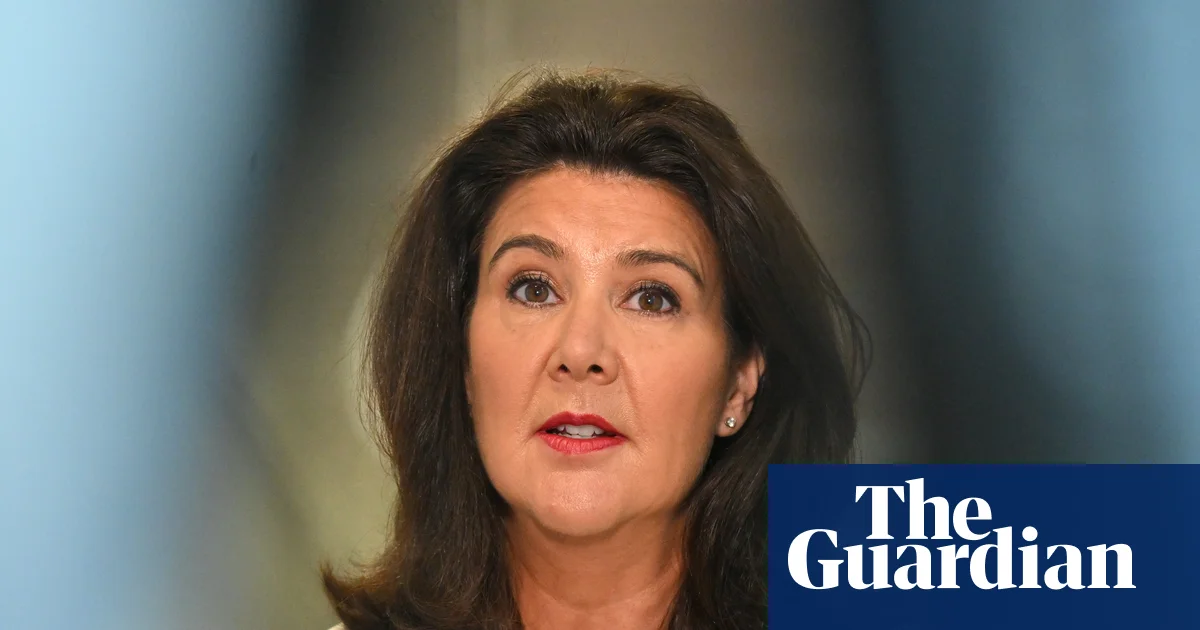
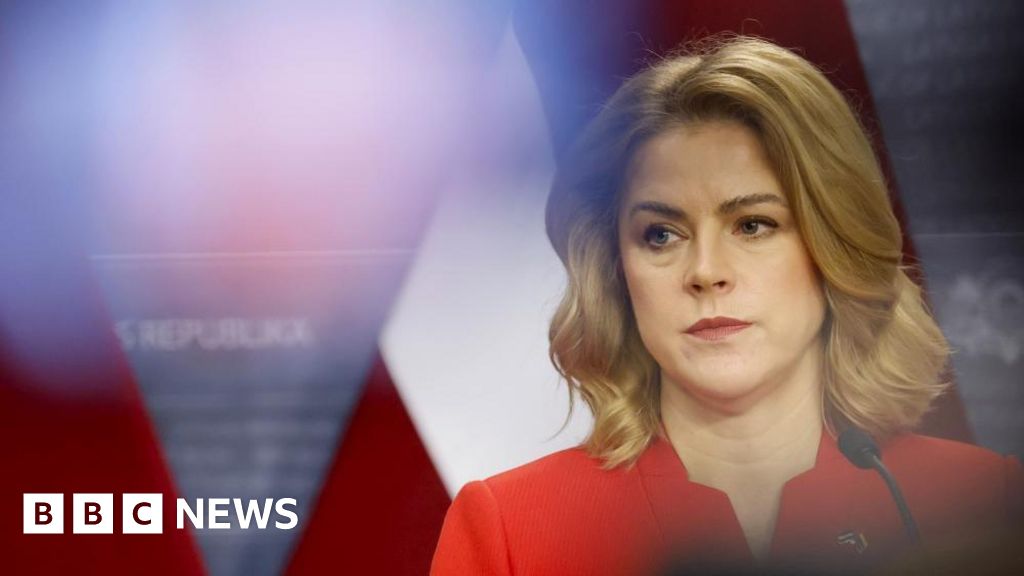
Latvian MPs Reject Women’s Violence Treaty, Sending a Defiant Signal

In a move that sends shockwaves through the European political landscape, Latvia has taken the unprecedented step of voting to withdraw from the Istanbul Convention, a key international treaty aimed at combatting violence against women, including domestic abuse. This decision, passed after a heated 13-hour debate in the Latvian parliament, marks a significant pivot away from the continent’s delicate consensus on human rights and gender equality. While the vote did not secure the necessary two-thirds majority, it places the onus on President Edgars Rinkevics to determine whether Latvia will fully step back from the treaty—an act that threatens to redefine the country’s stance on gender rights, societal norms, and its international commitments.

The move by Latvia is not an isolated incident but a part of a disturbing trend that resonates across borders. Turkey withdrew from the same treaty in 2021, citing concerns over what it calls “gender ideology,” a term critics argue is used as a weapon to undermine traditional family values. Experts and international organizations, including the Council of Europe, have condemned these moves as setbacks for human rights. The European Union ratified the treaty only last year, highlighting a commitment to protect women’s rights—an initiative now under threat from rising conservative forces within member states like Latvia. Such decisions are layered with geopolitical implications, as they threaten to fracture the fragile unity that the EU has tried to forge for decades, especially on issues related to social justice and human dignity.

Noteworthy is the political undercurrent fueling this shift. Parties like Latvia First, led by Ainars Slesers, push narratives opposing gender equality, framing the treaty as an attack on “family values.” These groups have rallied opposition, claiming that the convention promotes “gender ideology” and undermines what they deem natural social orders. Meanwhile, opponents argue that this withdrawal is a *dangerous regression* and a step backwards, exposing women to increased risks without legal protections. According to analysts from Human Rights Watch and the European Institute for Gender Equality, such retreats not only embolden domestic abuse but also undermine international efforts to combat femicide, which has notably surged in Turkey post-withdrawal. These developments underscore how decisions rooted in ideology threaten to unravel progress in gender equity within Europe and beyond, impacting not just policies but the social fabric of nations.

As the debate rages on within Latvia, the weight of history hangs heavy. The intervention by international bodies like the Council of Europe warns of the broader *geopolitical impact*—a ripple effect that could see other nations follow suit, fostering a divide on fundamental human rights. President Rinkevics has indicated he will evaluate the legislation “based on legal considerations and the constitution,” but the momentum among conservative factions suggests that this is only the beginning of a larger ideological struggle. With Latvia poised at a crossroads, the question remains: will this be a fleeting misstep or the beginning of a larger retreat that redefines European values, as nations grapple with the forces of tradition versus progress? As history watches with bated breath, one thing is clear—the unfolding chapter in Latvia’s political saga is a stark reminder that the battle for societal values is a battleground of geopolitics, identity, and the future direction of the continent itself.

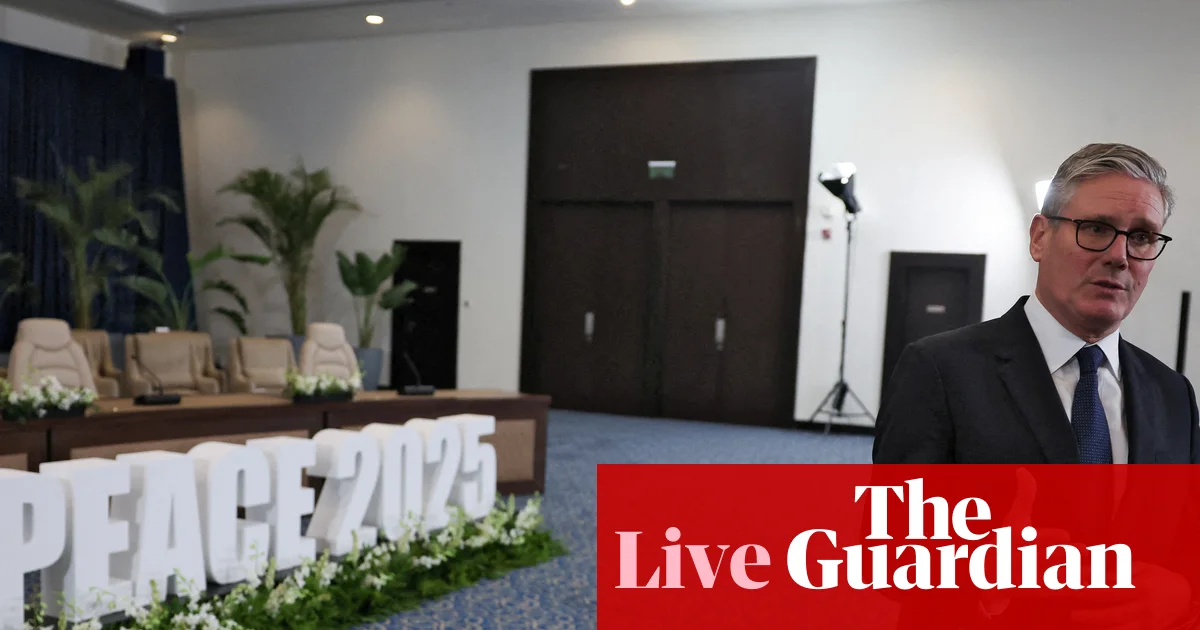
Starmer Confronted by MPs Over China Spy Trial Collapse—UK Politics Live

UK’s Domestic Agenda: Infrastructure and Security in the Shifting Global Landscape

In a move that underscores the pragmatic yet assertive posture of Britain on the global stage, the government has recently announced significant reforms to its domestic planning regulations, aiming to accelerate infrastructure development. This initiative, encapsulated within the planning and infrastructure bill, is now bolstered by a series of amendments designed to streamline approval processes, reflecting a broader national strategy driven by economic imperatives and geopolitical considerations alike. As Steve Reed, the housing secretary, emphasizes, the government prioritizes national security while seeking to foster rapid development—decisive steps that signal a move towards more sovereign control over critical infrastructure, including foreign-backed projects skewed by geopolitical interests.

This domestic push for infrastructural independence comes amid heightened tensions over China and its expanding global influence. The UK’s approach is now more cautious and defensive, especially concerning recent controversies involving Chinese diplomatic missions. The contentious application for a “super-embassy” in London exemplifies this balancing act. Delays in approval stem from China withholding unredacted plans, and the UK’s decision-making process, as outlined by Reed, hinges on comprehensive security evaluations—highlighting a shift to prioritize security concerns over economic or diplomatic advantages. This stance has broader geopolitical impact, signaling to allies and rivals alike that the UK is willing to assert its sovereignty against external threats, particularly those perceived from Beijing’s growing global footprint.

International Ramifications: Escalating Tensions and Evolving Alliances

At the international level, the UK’s stance echoes the sentiments of other conservative-leaning democracies recently emphasizing cybersecurity and sovereignty, amidst a shifting geopolitical landscape. Historians and analysts underscore how this recalibration aligns with an era marked by cyber warfare, espionage, and the strategic contest for influence in the Indo-Pacific and beyond. The recent fiasco surrounding allegations of Chinese espionage involving British nationals continues to fuel debates on how to effectively counterbalance economic dependence with security risks. The UK’s decision to impose stricter controls on foreign diplomatic and infrastructural projects mirrors similar policies adopted by the United States and Australia, signifying a regional trend toward assertive sovereignty in the face of Beijing’s encroachments.

Furthermore, UK policymakers and international observers recognize that these domestic security measures carry ripple effects, influencing alliances and rivalries. The emphasis on increasing security expenditure—by £600 million, according to Reed—aligns with a broader global shift towards bolstering defense capabilities, cyber resilience, and intelligence cooperation. How these decisions shape alliances, particularly with NATO, and influence global diplomatic norms, remains a pivotal question for this decade’s geopolitical chessboard. It could redefine the parameters of diplomatic engagement, where security concerns eclipse previous economic or diplomatic mandates. Analysts warn that such a shift signifies more than domestic policy—it signals a new era of confrontation and prudence in international relations.

The Unfolding Future: A Pivotal Chapter in History

As British leaders weigh security against economic gains, the global community watches with bated breath. What began as mere infrastructure reform reveals itself as a test of sovereignty and resilience in a turbulent world. Today’s decisions by the UK serve as a harbinger of what’s to come: a fragile yet resolute effort to safeguard national interests amid global upheaval. The weight of history is still unfolding, and each decision carves a new chapter—one that may determine the balance of power for generations to come. The lines of diplomacy and defense are being redrawn, and the world stands at a crossroads that will shape the future of sovereignty, security, and influence in the twenty-first century.

MPs Call for Greater Rights for UK YouTube and TikTok Creators

A new cross-party initiative has emerged, urging the government to dismantle the barriers that hinder the success of Britain’s vibrant community of online content creators. This group of MPs and peers is focused on addressing critical issues ranging from mortgage accessibility to the challenges creators face in obtaining filming permits. With the landscape of media rapidly changing, it’s vital that policies adapt to support these digital pioneers.

The growth of platforms like YouTube and TikTok has revolutionized content creation, allowing individuals to reach and engage with millions. Recent research indicates that these creators contribute a staggering £2.2 billion to the UK economy. As young entrepreneurs continue to shape the future of media, there’s a pressing need for government action to ensure they have the rights and resources necessary to thrive in this evolving industry.

Social Media Auto Publish Powered By : XYZScripts.com