Matox News

Truth Over Trends, always!

NASA’s Artemis II nails perfect splashdown in the Pacific, marking a winning step for Moon missions

NASA’s Artemis II Mission Marks a New Era in Space Exploration: Critical Business and Innovation Impacts

After a successful 10-day mission around the Moon, NASA’s Artemis II crew has safely returned to Earth, reaffirming the United States’ commitment to lunar exploration and technological innovation. The mission, which involved the first crewed flight of the Space Launch System (SLS) and Orion spacecraft in over half a century, is a clear demonstration of disruptive space technology designed to push the boundaries of humanity’s reach into deep space.

Centered on cutting-edge propulsion, navigation, and life support systems, this mission exemplifies the rising role of private-public partnerships in space endeavors. Jared Isaacman, a commercial astronaut and key figure behind the mission, emphasized that “America is back in the business of sending astronauts to the Moon”, signaling a significant shift in the industry’s landscape. By integrating commercial expertise and NASA’s strategic vision, the Artemis program is poised to accelerate the development of lunar infrastructure, including the much-anticipated Moon base, which has compelling implications for space mining, scientific research, and even future colonization efforts.

  • Innovation in propulsion and spacecraft design— Orion’s precision engineering enabled a “perfect” landing after traversing 252,760 miles from Earth, orbiting the Moon, and witnessing phenomena such as a total solar eclipse from space.
  • Market disruption— The mission’s success underscores the emerging dominance of a hybrid space economy, with NASA catalyzing investments that blur the lines between traditional government agencies and private enterprise, leading to faster, more cost-efficient breakthroughs.
  • Business implications— As industry leaders like Tesla’s Elon Musk and venture capitalists such as Peter Thiel increasingly prioritize space as the next frontier, the Artemis program signals an era where space exploration becomes a vibrant commercial venture with vast profit potential.

This trajectory is further supported by analysis from major stakeholders like Gartner and MIT, who forecast that space-based industries—ranging from lunar resource extraction to advanced satellite networks—will generate trillions in economic value over the next decades. As these innovations become tangible, the industry’s evolution demands a proactive stance from investors, policymakers, and entrepreneurs, who must recognize the unprecedented opportunities emerging from these technological milestones.

Looking ahead, the Artemis program lays the groundwork for a new era of industry disruption, where private companies and government agencies collaborate to establish a sustainable lunar economy. With more missions planned and the potential for a permanent Moon base, the pace of change is expected to accelerate rapidly. Industry experts warn that missed opportunities or complacency could cede leadership to emerging nations or private firms, emphasizing the urgency for stakeholders across the tech and space sectors to seize this momentum. The future of human spaceflight is no longer a distant horizon—it’s a dynamic, rapidly unfolding reality demanding bold innovation, strategic disruption, and aggressive investment.
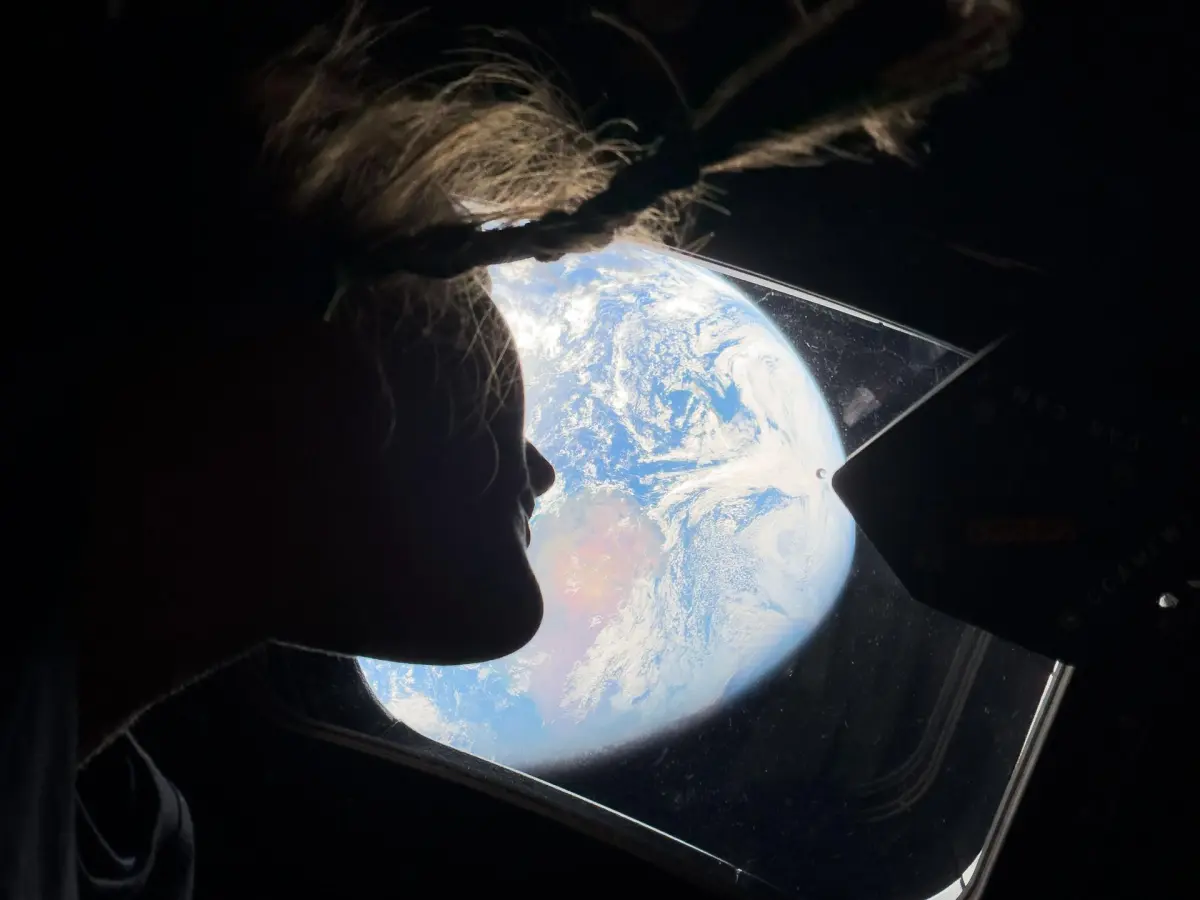
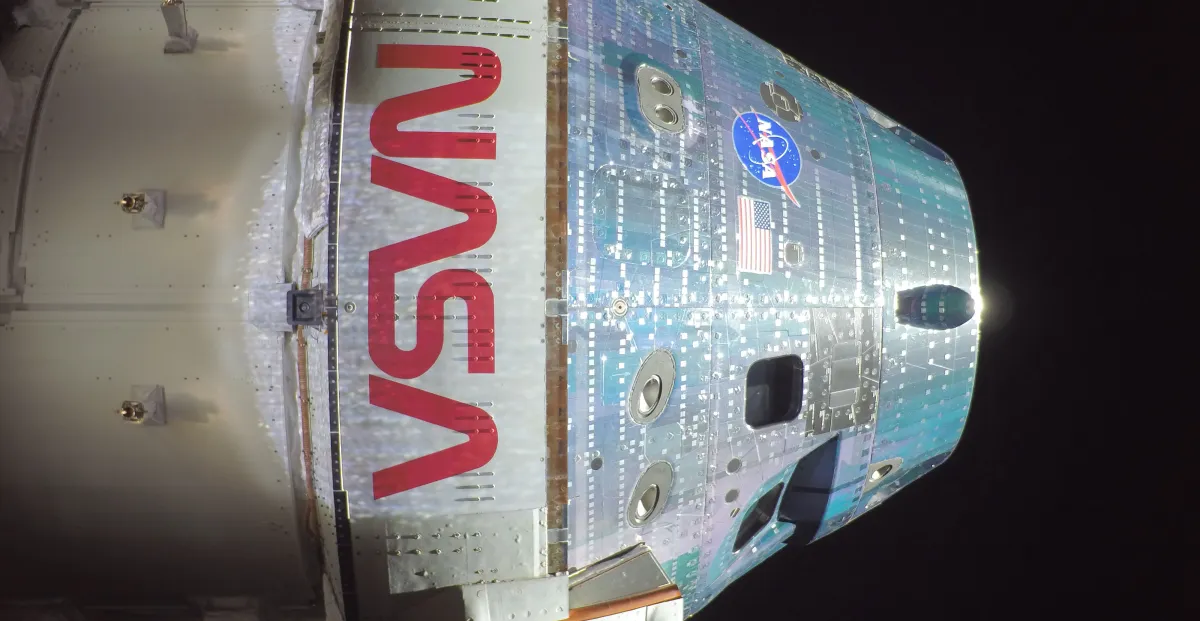
Here’s how to catch NASA’s Artemis II splashdown—back to Earth, live!

NASA’s Artemis II Mission Sets Stage for Lunar Innovation and Industry Disruption

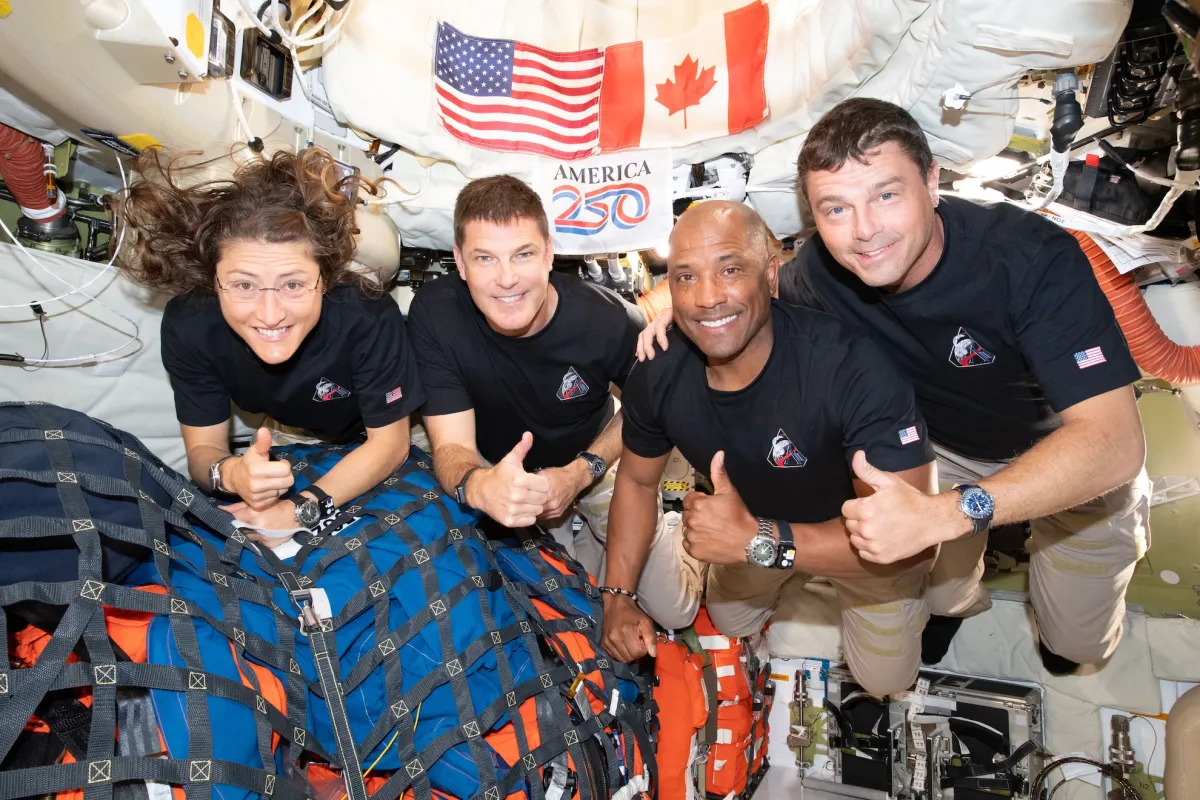
In a historic milestone for space exploration, NASA’s Artemis II crew has successfully completed their 10-day journey beyond low Earth orbit, venturing further around the Moon than any humans have before. Comprising four astronauts from the United States and Canada—Reid Wiseman, Victor Glover, Christina Koch, and Jeremy Hansen—the mission epitomizes a new era of deep space innovation and offers profound implications for the commercial space industry. As they prepare for re-entry, the mission’s outcomes are poised to accelerate the disruption of the traditional aerospace paradigm, heralding a future where private sector entities are integral to lunar and extraterrestrial endeavors.

Central to this mission was the deployment of the Orion spacecraft, a marvel of disruptive aerospace engineering. The capsule traveled more than 250,000 miles from Earth—approximately 100 times the distance between New York City and Los Angeles—demonstrating the capabilities of modern propulsion and life-support systems. Key features of Orion include cutting-edge

  • thermal protection systems
  • communications integration
  • trajectory control

milestones that will influence future lunar landing architectures. Experts from MIT and Gartner note that this mission’s success is pivotal, as it validates core technologies for the upcoming Artemis landings and deep-space exploration, paving the way for commercial lunar modules and private supply chains.

Beyond pure exploration, Artemis II sharply highlights the commercial sector’s role in *disrupting* traditional government-dominated space programs. The materials used, particularly the heat shield composed of Avocoat, faced unexpected damage in Artemis I—a reminder that innovative material sciences and testing are critical for safe human spaceflight. As NASA works to refine these systems, the emergence of private companies developing next-gen heat shields and crew modules signals a seismic shift. Industry pundits are tracking a meteoric rise in private investments, with companies like SpaceX and Blue Origin taking cues from NASA’s challenges, aiming to reduce costs and accelerate timelines for lunar infrastructure.

Furthermore, the mission’s scientific outputs, such as new lunar crater names and spectacular space phenomena—like the crew witnessing a total solar eclipse from their unique vantage point—serve as a showcase of the broader disruptive potential of space as a commercial frontier. The technological feat of communication, navigation, and life support systems testing — broadcasted via live streams and multimedia—points to an increasingly accessible and interconnected space industry. This trend signifies an evolution where *innovation becomes central* to both governmental and private actors aiming to establish lunar bases and resource extraction operations, thereby influencing global economic and strategic landscapes.

Looking ahead, the upcoming splashdown off San Diego underscores NASA’s commitment to safety and reliability—a vital requirement as the sector shifts from experimental missions to commercialized space habitats. With the Memoranda of Understanding already in place for lunar mining and future Artemis landings, **industry leaders like Elon Musk and Peter Thiel** recognize the urgency of capitalizing on these breakthroughs. They see a future where *disruption is the new normal*, with private entrants helping to drive down costs, increase access, and catalyze humanity’s permanent presence on the Moon and beyond.

As the global race to pioneer space accelerates, the Artemis II mission embodies the essence of modern technological innovation—a harbinger of transformation that demands agility, boldness, and relentless pursuit of breakthrough solutions. The next chapter in space exploration is unfolding rapidly, positioning humanity at the cusp of a new industrial age that could redefine our economic and strategic future. The imperative for stakeholders—public and private alike—is clear: innovate or fall behind in this new space-driven economy.

NASA’s Artemis II to Blaze a New Path Around the Moon’s Hidden Side

As NASA prepares for the historic Artemis II mission, the agency is poised to shatter the longstanding distance record set during the Apollo 13 lunar campaign nearly six decades ago. On April 15th, 1970, Apollo 13 traveled a remarkable 248,655 miles from Earth, marking a milestone in human spaceflight. Today, with the Orion spacecraft orbiting the far side of the Moon, expected to reach a maximum distance of 252,757 miles, NASA is not only rewriting the record books but also setting the stage for a new era of deep-space exploration.

The upcoming lunar flyby, scheduled for today with live coverage beginning at 1 PM ET, embodies a testament to technological innovation and disruption within the aerospace sector. As Orion completes its six-hour journey around the Moon, it will facilitate unprecedented observations of the lunar surface, providing critical data to refine future landing strategies. This mission isn’t just about breaking records; it’s about establishing a robust framework for next-generation space exploration. Industry analysts from Gartner and experts from institutions like MIT emphasize that these advancements could accelerate commercial participation in lunar and Martian missions, catalyzing a new wave of innovation driven by both government agencies and private enterprise.

The strategic significance of Artemis II extends beyond exploration, impacting the broader space economy and disrupting traditional modes of space travel. According to industry leaders, the mission signals a shift where private companies—such as SpaceX and Blue Origin—are no longer mere contractors but active collaborators shaping the future of outer space. This evolving landscape presents immense business implications: opportunities for new supply chains, spacecraft manufacturing, and lunar resource utilization. As Peter Thiel and other entrepreneurs highlight, this paradigm shift represents a golden chapter for disruptive innovations targeting not just exploration, but sustainable lunar economies.

With the world watching, Artemis II exemplifies how disruption, innovation, and strategic foresight are redefining the limits of human achievement. This mission underscores the urgency for the global space industry to adapt quickly, harness emerging technologies, and forge new business models aimed at making humanity an interplanetary species. As we stand on the cusp of this new frontier, the next few years promise an acceleration in technological breakthroughs, with the potential to transform both exploration and enterprise—driving us toward a future that once only existed in science fiction.

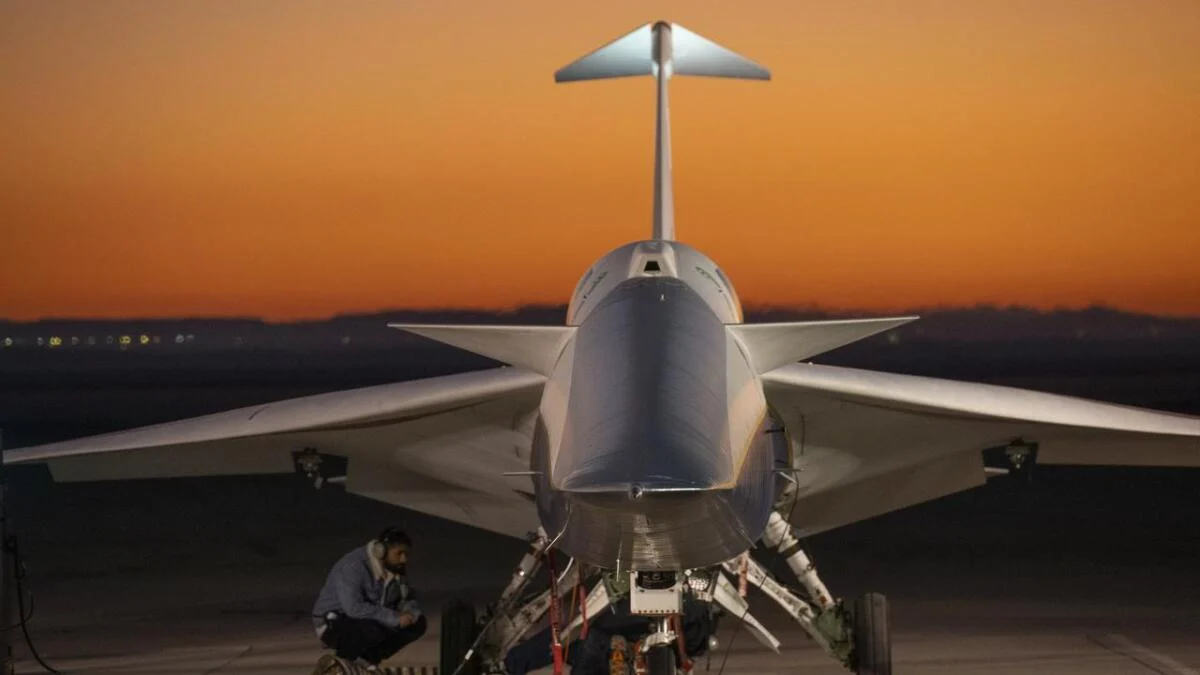
NASA’s Experimental Supersonic Jet Makes Surprising Early Landing Following System Warning

The Rise of Quiet Supersonic Flight: NASA’s X-59 and Its Cultural Impact

In an era where speed often symbolizes progress, NASA’s latest milestone with the X-59 supersonic jet signals a transformative shift in aerospace innovation—one centered not just on breaking barriers, but on redefining societal norms surrounding sound pollution. While the jet has only completed brief test flights—such as its second run on March 20, which was cut short after nine minutes—the implications resonate far beyond the runway. This project embodies the modern push towards faster, more efficient travel that adheres to evolving standards of environmental and social responsibility.

The X-59 represents more than a high-speed aircraft; it signals a major cultural shift in how society perceives technological progress. Traditionally, supersonic jets like the Concorde introduced a new era of luxury and rapid transit but were hampered by the notorious sonic boom—a disruptive shockwave that made routine overland flights impossible, and spurred government bans. NASA’s innovation, built in partnership with Lockheed Martin, is aimed at achieving Mach 1.4 speeds (~925 mph) that produce only a gentle thump. This would fundamentally challenge the existing restrictions, paving the way for a new wave of commercial travel that could shatter the time barrier, with a New York to L.A. flight slashed from over five hours to under three.

  • Traditional supersonic aircraft create disruptive booms—an environmental and societal obstacle.
  • NASA’s X-59 aims for a quiet sonic thump, potentially revolutionizing overland supersonic flight.
  • Early test flights focus on system stability, with upcoming higher-speed tests planned.

This emerging technology is capturing the social imagination and setting cultural trends that extend beyond aviation enthusiasts. Influencers and industry analysts herald it as a herald of the next frontier of lifestyle convenience. The anticipation of faster connectivity feeds into a broader societal desire for instantaneous experiences, influencing everything from how younger generations perceive transportation to their expectations of efficiency. Scholars like sociologist Dr. Emily Harper argue that this trend reflects a society “eager to shed the constraints of time,” pushing the boundaries of what’s possible in the quest for speed and sustainability.

Though still in its experimental phase, the project’s impact is as much about cultural shift as technological breakthrough. With over 100 planned test flights and an industry waiting eagerly for regulatory approval, the question becomes less about if supersonic travel will return, and more about how it will change our social fabric. Will the pursuit of faster, quieter flight lead to a new era where overpopulated urban centers are interconnected within hours? Or will it raise new questions regarding environmental impacts and urban regulation? The next chapter of this story hinges on the societal response to these advances, making it the next big question in aviation history.

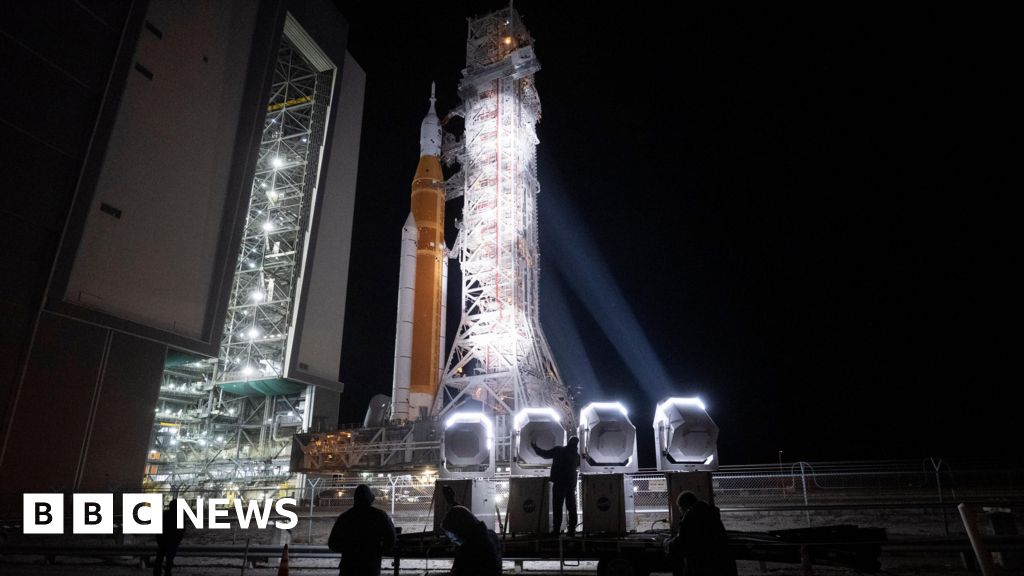
NASA's Artemis Moon Rocket Moves Back to Pad, Eyes April Launch
NASA’s Artemis Moon Rocket Moves Back to Pad, Eyes April Launch

The United States and its space agency, NASA, appear poised to make a decisive leap in their enduring quest to return humans to the Moon. Following rigorous data reviews, NASA managers have approved a critical second rollout for the Artemis program’s next phase, which involves comprehensive checks at the launch pad. These inspections are essential to ensure mission readiness and safety, underscoring the meticulous approach taken by Washington in its strategic pursuit of lunar exploration.
With successful completion of these tests, Artemis II will mark a historic milestone as the first crewed mission within the Artemis series. This mission signifies more than just a technological achievement; it symbolizes a renewed U.S. commitment to space dominance and innovation. The mission, which is expected to pave the way for subsequent lunar expeditions, will set critical operational precedents for human spaceflight and international collaboration as nations worldwide observe these developments with keen interest.

Analyzing broader geopolitical impact, the Artemis program signals an assertive posture by the United States in the new era of global space competition. As China and Russia accelerate their own lunar ambitions, America’s investments underscore a desire to maintain technological superiority and strategic influence in space—an arena increasingly viewed through the prism of national security. International analysts warn that these developments could redefine global power dynamics, transforming space from a realm of exploration into a new domain of geopolitical contestation. How the U.S. advances here could influence alliances and rivalries that stretch across continents and threaten to spark a new Cold War in the final frontier.

External observers, including prominent historians and officials from international organizations, emphasize that decisions made today resonate deeply within the fabric of global geopolitics. The Artemis program is not just about moon landings; it is a statement of technological leadership and ideological supremacy. Countries like China view space as critical to their national destiny, aiming to challenge U.S. dominance and secure their own place in history. Meanwhile, NASA and its partners push forward, driven by a vision that echoes the Cold War-era space race, yet now seasoned with the stakes of economic interests, technological sovereignty, and national prestige.

As history’s pages turn, the upcoming missions could herald a new epoch in human civilization. The successful deployment of Artemis II, followed by Artemis III—targeted for 2027—may well serve as the fulcrum upon which the future of space power is balanced. The lunar landings planned for Artemis IV in 2028 will demonstrate whether humanity can transcend terrestrial conflicts to unite beneath a common goal of exploration and progress. For now, the world watches, uncertain yet compelled by the gravity of these endeavors, knowing well that the decisions and actions taken today will shape the narrative of international relations for generations to come. The cosmos beckons, but so do the profound possibilities—and perils—of a future forged in the unyielding crucible of human ambition.

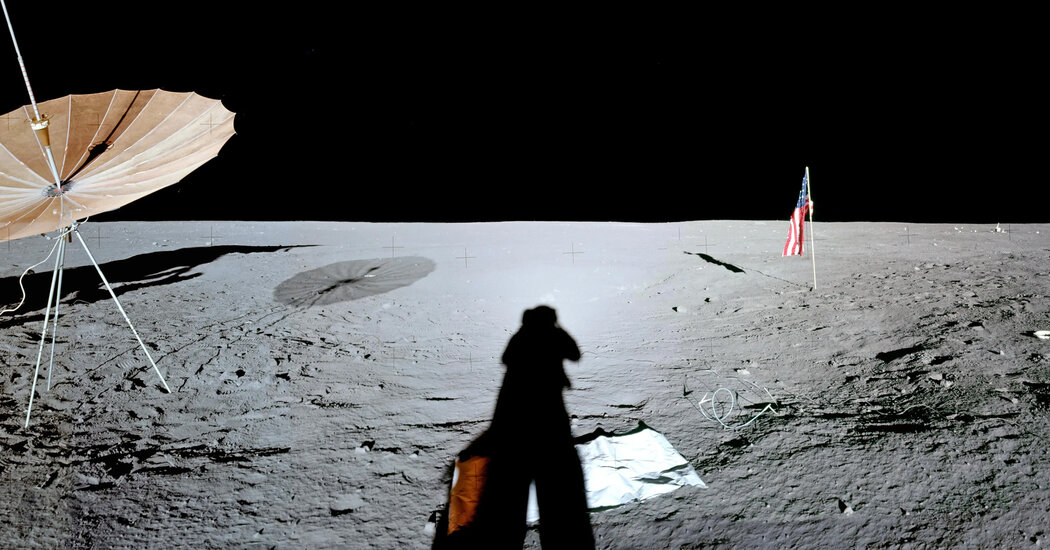
NASA’s Lunar Photography: Bridging the Gap Between the Heavens and Our World

The Celestial Canvas: Culture, Identity, and Humanity’s Perpetual Quest

Throughout the annals of history, humanity has looked upward, **drawn by the celestial vault that crowns our existence**. From the earliest star maps to the groundbreaking lunar photographs captured by NASA, our collective fascination with the Moon exemplifies the enduring human desire to understand our place in the cosmos. But beyond the realm of science, it is culture—an intricate tapestry woven with tradition, art, and philosophy—that imbues this celestial curiosity with profound significance. Like Georges Méliès’ “Le Voyage Dans la Lune”, which transformed scientific wonder into a fantastical narrative, our cultural expressions serve as a mirror reflecting how societies interpret the universe and their spiritual relationship to it. These artistic endeavors are not mere entertainment; they are the symbols of our shared identity, anchoring us in our history and pointing toward future horizons.

In contemplating the cosmic, we must recognize the role of culture as the **fundamental vessel of identity and societal continuity**. Just as Ortega y Gasset emphasized culture as the continuity of a civilization’s spirit, our collective engagement with the Moon epitomizes this continuity. The iconic lunar photographs seen in collections from NASA, the historic daguerreotypes, and artwork like Vincent van Gogh’s “The Starry Night” are more than visual records—they are monuments to our ongoing quest to comprehend phenomena that seem both distant and intimate. Culture, in this sense, acts as both memory and prophecy, each image and story echoing our ancestors’ awe and inspiring future generations to dream beyond mere survival. It is through such cultural artifacts that societies define their narratives, their hopes, and their fears—an intricate dialogue that transcends time and space, linking us to the stars and to each other.

  • The Moon has served as a canvas upon which cultural milestones are inscribed, from the initial lunar explorations to the philosophical ponderings of thinkers like T.S. Eliot, who saw in the cosmic chaos a reflection of the human condition.
  • Artworks and scientific images alike serve as rituals of remembrance and aspiration, anchoring our identity in the vast fabric of history.
  • The shared experience of gazing skyward fortifies communal bonds and fosters a sense of continuity amid rapid social change.

As Tocqueville once observed about the vital role of culture in shaping shared values, our modern lunar fascination illustrates the enduring importance of tradition in weaving the fabric of society. In an age where material progress often threatens to eclipse spiritual and cultural pursuits, the Moon remains a symbol of what it means to aspire—to reach beyond ourselves and find meaning in the mysterious. The ancient parables and the modern telescopic images converge in a common act of discovery: that humanity’s deepest treasure lies in its stories, images, and ideas—each a shard of the eternal mirror reflecting who we are and who we hope to become. Culture is both the memory that grounds us and the prophecy that propels us forward into the luminous unknown.

Thus, as the moonlight bathes the contours of our collective soul, it reminds us that our history and hopes are bound by a shared celestial heritage. Like the poetry of Chesterton, which elevates the ordinary to the divine, and the philosophical insights of Ortega y Gasset, who saw culture as the bridge connecting past, present, and future—the universe whispers of a human destiny intertwined with memory and prophecy. In this grand cosmic dance, our culture is both the shadow cast by the distant star and the spark illuminating the night’s eternal sky, guiding us with its silent, luminous promise: that in understanding the universe, we find ourselves—and in ourselves, the universe’s most enduring mystery.

Social Media Auto Publish Powered By : XYZScripts.com