Matox News

Truth Over Trends, always!

Trump criticizes NATO's Iran response after tense EU meeting
Trump criticizes NATO’s Iran response after tense EU meeting

In a stark display of geopolitical tensions, the United States under President Donald Trump has reignited controversy surrounding the alliance of NATO. Recent reports highlight a sharp departure from diplomatic decorum, with the US leader publicly lambasting the organization, claiming, “NATO wasn’t there when we needed them, and they won’t be there if we need them again.” Such rhetoric points toward a deepening rift within Western alliances, as Trump’s bluster underscores a deliberate shift away from traditional multilateral commitments towards unilateral assertions of American dominance.

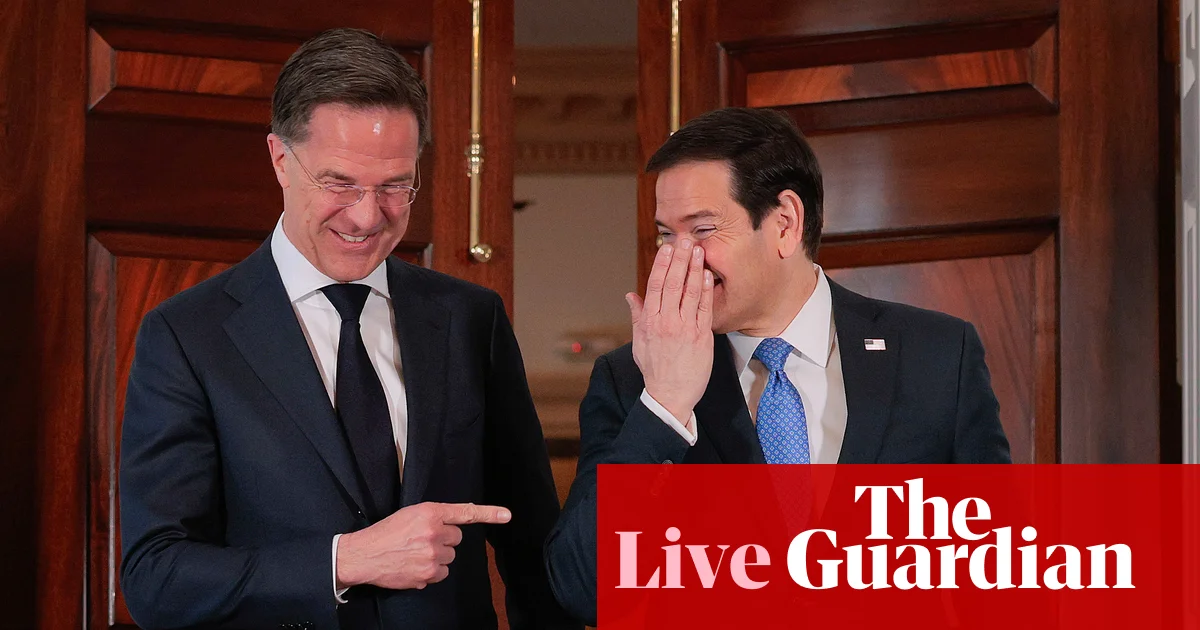
Historically, NATO’s principle of collective defense, enshrined in Article 5, has been a cornerstone of transatlantic security. Yet, as analyses from international scholars and institutions like the Council on Foreign Relations reveal, this article has been invoked only once—post-9/11—to justify collective action. Critics argue that Trump’s claims of abandonment are *factually inaccurate*, emphasizing that NATO allies were crucial in support of US-led operations during the Iran conflict and other crises, despite his assertions. The recent meeting between Mark Rutte, NATO’s Secretary General, and President Trump, was reportedly marked by palpable tension; Rutte described the situation as “very frank” and “very open,” with hints that Trump threatened to withdraw the US from NATO—an act that would have profound geopolitical consequences.

Indeed, the geopolitical impact of such internal discord in the alliance extends beyond Europe and North America. Nations like Viktor Orbán’s Hungary have become focal points amid this turbulence, with US Vice-President JD Vance recently endorsing Orbán’s government—an endorsement viewed by many analysts as a subtle form of influence designed to sway Hungarian politics. As Hungary approaches a pivotal parliamentary vote, the very legitimacy of Western influence in Central Europe hangs in the balance, with concerns mounting over what this signals about the future of sovereignty and national independence within the broader European project.

Meanwhile, the debate over security commitments and NATO’s role in global conflicts grows fiercer. Reports from the Wall Street Journal suggest the White House is considering punishing members of NATO for perceived insufficient support during Iran-related tensions, further exposing cracks in the alliance’s cohesion. Such moves threaten to embolden sovereignty-asserting governments and diminish America’s influence, risking a new era of international fragmentation. As historians and strategic analysts warn, these internal disputes threaten a turning point—the potential unraveling of a once-unified Western security framework, which could leave societies vulnerable in an increasingly hostile world.

As the dust settles, the narrative remains uncertain. Will Europe’s leadership find common ground to preserve the alliance or will internal divisions accelerate a geopolitical realignment with profound and unpredictable ramifications? The decisions made in the coming weeks may well alter the course of history—an unfolding drama where unity faces its greatest test, and the world watches with bated breath, for in the crucible of this moment, the age of American-led dominance is either reinforced or irrevocably shattered.

Romania Reports US Troop Pullback on NATO’s Eastern Front

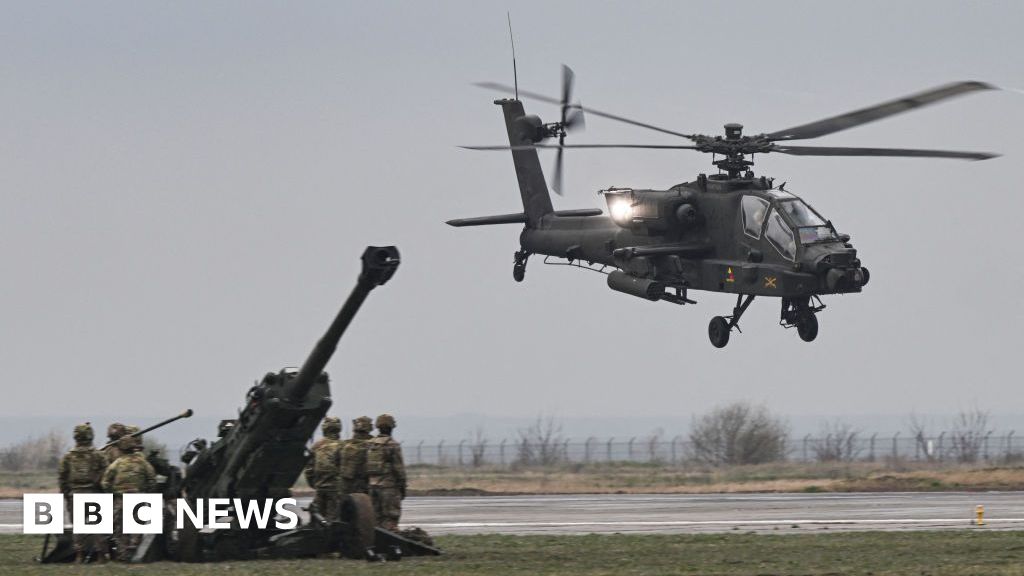
The recent announcement from Romania’s defence ministry that the United States plans to reduce its troop presence on NATO’s eastern flank marks a significant turning point in the unfolding chess game of geopolitics. Around 900 to 1,000 American troops will remain stationed in Romania—down from the previous 1,700—reflecting a strategic realignment under the Biden administration’s evolving priorities. Officially, this move is portrayed as a routine “resizing” that does not diminish the US commitment to NATO or to Article 5 of the alliance, which underscores mutual defense. Yet, amidst reassurance from Pentagon officials, international analysts and NATO allies are questioning the deeper implications of this shift, especially as tensions with Russia continue to escalate.

U.S. officials, including defense leaders like Pete Hegseth and Wladyslaw Kosiniak-Kamysz, clarified that the troop reduction aligns with Washington’s focus on the Indo-Pacific region, urging European NATO members to shoulder more responsibility for their own defense. European countries, particularly in Eastern Europe, are now confronting the reality that American troop levels are not static but subject to an ongoing strategic recalibration. If the U.S. is pulling some forces out of Romania and nearby nations, the question of security guarantees looms large. Historians such as Robert Kagan and analysts from the U.S. Council on Foreign Relations point out that such troop adjustments, while not unprecedented, could signal a diminished willingness to confront Russian aggression directly, which has profound ramifications for regional stability.

The Eastern flank has recently been the site of increased Russian assertiveness, with multiple airspace violations reported by Poland, Romania, and Estonia. The creation of NATO’s Eastern Sentry mission—aimed at bolstering vigilance along the entire eastern boundary—comes in response to these provocations. Nonetheless, senior NATO officials emphasize that despite troop reductions, the alliance maintains a “robust presence” with over 100,000 U.S. military personnel deployed across Europe, far exceeding pre-2022 levels. Defense analysts warn that the real significance of these adjustments lies not just in numbers but in perception. A perceived weakening of NATO’s eastern posture could embolden Russia, risking a new escalation that might plunge the region into chaos as history’s shadows lengthen.

As the global geopolitical landscape continues to evolve, the decisions of the United States resonate far beyond the borders of Romania or Poland. They reflect a broader debate on the future of Western alliances and the balance of power. The recent troop movements are not isolated; they are intertwined with a narrative of shifting priorities, international commitments, and the enduring threat of Russian revisionism. The memories of the Cold War, the fears of regional conflict, and the hopes for stability collide amid these strategic realignments. In the shadow of these titanic shifts, the world must ask itself: Will this repositioning lead to lasting peace or set the stage for a new chapter of peril? As history waits patiently, the answer remains unwritten, hung in the balance between diplomacy and conflict, diplomacy and chaos—where the weight of the future is ultimately borne by the willing and the vulnerable alike.

Social Media Auto Publish Powered By : XYZScripts.com


