Matox News

Truth Over Trends, always!

Putin Meets with U.S. Mediators in Moscow to Push for Ukraine Peace Deal

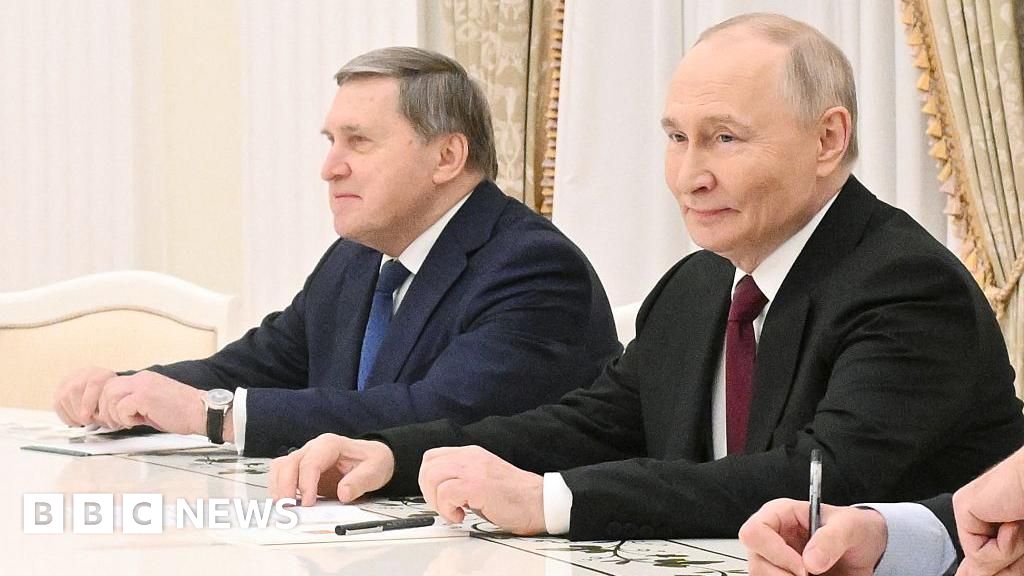
In a clear demonstration of the geopolitical stakes involved in the ongoing conflict in Ukraine, Vladimir Putin hosted US negotiators at the Kremlin for a five-hour discussion aimed at de-escalating the war that has ravaged Eastern Europe for almost a year. According to Russian officials, the talks were “productive,” yet detailed contents remain undisclosed, casting shadows over the prospects for peace. Meanwhile, the Ukrainian government—with steadfast resolve—continues to insist on firm security guarantees, including potentially NATO membership, which Moscow vehemently opposes. Such divergent positions underline the intense strategic tensions, where each side’s core demands threaten to prolong the conflict indefinitely.

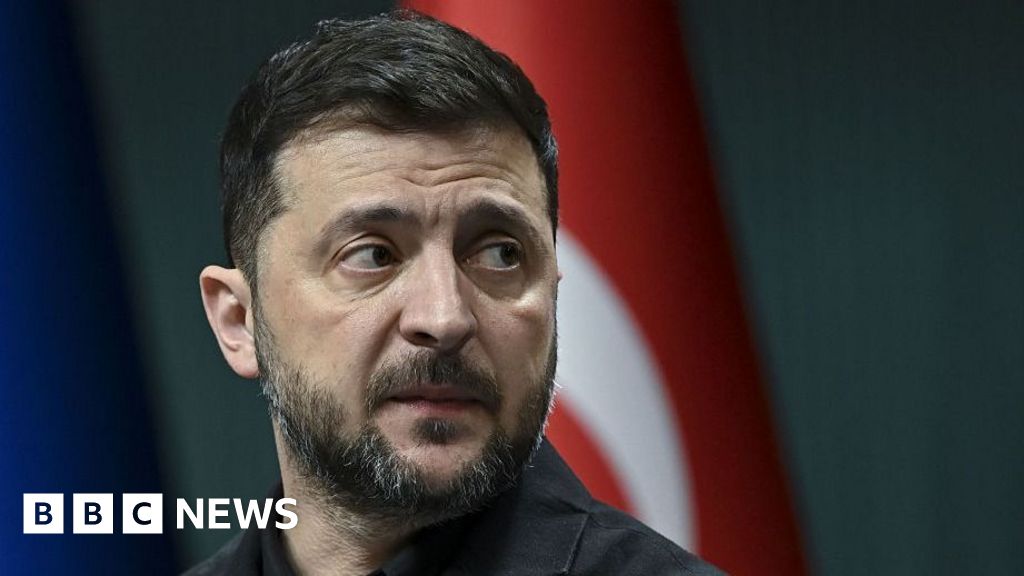
The diplomatic landscape is further complicated by recent statements from President Zelensky and President Putin. Zelensky has been unwavering: Kyiv seeks definitive security assurances to prevent future invasions, emphasizing that “nothing less than assurances that Russia would not return in a year” will suffice. Conversely, Putin describes Europe’s demands over a Russian draft peace plan as “not acceptable,” warning that Moscow is prepared for further confrontation if necessary, while accusing Western nations of trying to hinder peace efforts. Historians and analysts such as Dr. Charles Stewart from the International Security Council warn that such rhetoric signals how entrenched the differences remain, risking a protracted standoff that could destabilize the entire continent.

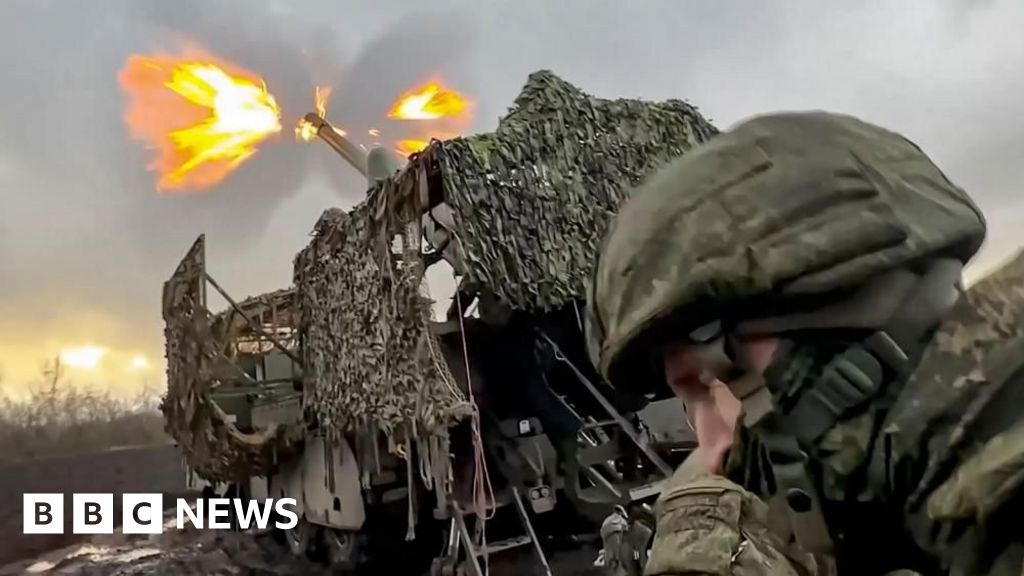
On the ground, fighting persists despite these diplomatic endeavors. Ukraine’s military reports ongoing combat in key contested cities like Pokrovsk, refuting Russian claims of total control. The intricate dynamics of front-line battles reveal a situation where Russia’s forces are suffering setbacks, as Kyiv’s troops reclaim and hold strategic positions. Yet, the conflict’s toll on civilians is dire, with thousands killed and even more displaced, as critical infrastructure—schools, hospitals, residential areas—suffers relentless missile and drone strikes. The United Nations and international observers continue to document violations, but even as diplomatic talks swirl, the reality of war persists, with no clear end in sight.

The international community stands at a crossroads, with European nations and the US attempting to forge a united front—though divisions remain palpable. The European allies’ counterproposal to the controversial 28-point peace plan—removing contentious elements like recognition of separatist regions—highlighted the delicate balancing act of diplomacy. While European leaders, including President Macron, voice hope that Ukraine’s sovereignty remains non-negotiable, Russia remains resolute. As Kirill Dmitriev, a Russian foreign policy adviser, described the recent talks as “productive,” the very definition of progress appears fragile, overshadowed by the deep fissures that remain.

Indeed, the world witnesses the unfolding of history—an epoch where the decisions made now will echo for generations. As the Kremlin’s shadows lengthen over Ukraine, distant powers continue to debate and calibrate their strategies. The fate of nations hangs in the balance, with each diplomatic maneuver potentially tipping the scales toward peace or war. As the conflict rages on, the haunting specter of unfinished history remains, reminding us that in the theatre of geopolitics, the next chapter could determine the course of civilization itself.

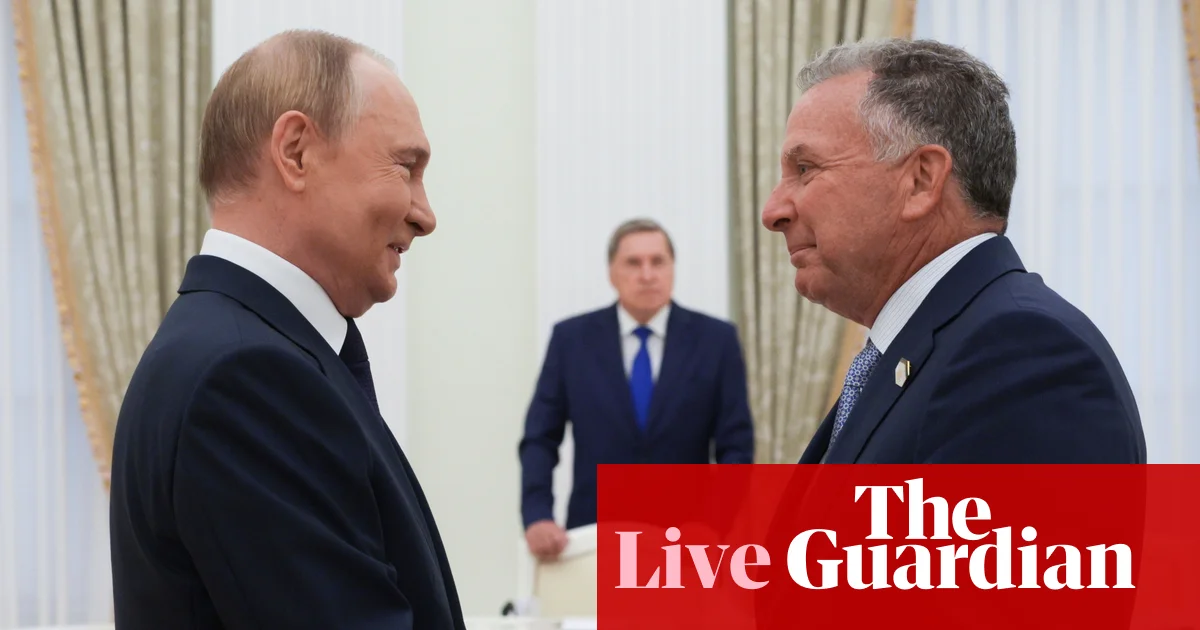
Ukraine War Update: Trump Ally Witkoff to Meet Putin in Moscow as US Pushes for Peace

Rising Tensions and Fragile Diplomacy: The Geopolitical Aftermath of the Ukraine Conflict

The ongoing conflict in Ukraine continues to shape the geopolitical landscape of Eastern Europe and beyond. As Vladimir Putin consolidates control over strategic territories such as Pokrovsk and Vovchansk—key towns believed to have fallen into Russian hands—international observers like NATO and the European Union watch with mounting concern. Despite the Kremlin refusing to confirm these reports, Moscow heralds these advances as successes, while Kyiv insists it remains in full territorial control. This ambiguity underscores the dangerous fluidity of the frontlines as Russia claims to have captured over 19% of Ukrainian territory—a stark increase since 2023—highlighting the persistent threat of a broader regional destabilization.

Amid these developments, Ukrainian President Volodymyr Zelenskyy remains resilient, asserting that Russia “must not be rewarded” for its invasion. His diplomatic efforts frenquently involve engaging with European leaders such as Emmanuel Macron and Friedrich Merz, seeking tangible security guarantees and reaffirmation of sovereignty. However, skepticism shadows these talks. Critics from the EU warn that the recent Putin-Witkoff negotiations risk pressuring Ukraine into concessions that could compromise its sovereignty or territorial integrity, casting a shadow over the fragile prospects for peace.

In this tense climate, Steve Witkoff, an envoy linked to Donald Trump‘s inner circle, plays a pivotal role. His recent meetings with Vladimir Putin in Moscow have reignited debates about the nature of American diplomacy. Analysts like Julian Borger note Witkoff’s controversial approach—advising Kremlin officials that land swaps and territorial concessions might be necessary. This approach has sparked fierce criticism, especially regarding the controversial 28-point peace proposal that seems to favor Moscow’s maximalist demands. The profound influence of such diplomatic maneuvering underscores how outside actors, including the United States, continue to shape the conflict, often blurring the lines between peace efforts and power plays.

The geopolitical implications of these negotiations are profound. As historians and international organizations warn, the consequences extend far beyond Ukraine’s borders. An escalation or miscalculation could ignite a broader conflict, dragging NATO allies into a wider confrontation. Meanwhile, Russia’s military advances have accelerated since 2022, with the fastest territorial gains recorded in recent months. The strategic importance of Pokrovsk as the gateway to Donetsk places immense pressure on Ukrainian forces, which refuse to acknowledge Russian territorial gains and remain committed to defending their sovereignty.

Apart from military conflicts, internal crises burden Kyiv’s efforts. Recent scandals involving corruption within Zelenskyy’s government threaten to undermine diplomatic and military strategies just as negotiations intensify. The recent missile attack by Russia in Dnipro, killing several civilians, reminds the world that the war’s human toll remains devastating. As the crisis unfolds, the balance of power, diplomacy, and internal resilience will determine whether Ukraine will triumph, concede, or endure a protracted stalemate— a chapter of history yet unwritten, teetering on the edge of transformation.

As history watches, the choices made in Moscow, Kyiv, and Western capitals hold the potential to redefine sovereignty and influence for generations. Will diplomacy prevail amid the chaos, or will the specter of escalation forever alter the course of modern geopolitics? One thing remains certain—this is a pivotal moment in the 21st century’s global struggle, with each decision echoing across a battlefield where the true winners and losers are yet to be determined. The unfolding chapter of this conflict reminds us all: the weight of history continues to hang in the balance.

Meet Trump's "Drone Guy" Becoming Key Player in Ukraine Peace Talks
Meet Trump’s “Drone Guy” Becoming Key Player in Ukraine Peace Talks

Geopolitical Shifts and Emerging Power Players in US Military Politics

In the tangled web of international power, the recent appointment of Dan Driscoll as the youngest-ever Army Secretary in the United States marks a notable shift in the country’s military and geopolitical landscape. At only 39, Driscoll’s rise to prominence underscores an emerging trend where technology, youth, and political alliances forge new avenues for influence—an aspect not lost on international analysts and historians. Despite his limited diplomatic experience, Driscoll’s close ties with key figures like Vice President JD Vance and former President Donald Trump signifies a potential reorientation of America’s military and strategic priorities, especially regarding the ongoing crisis in Ukraine.

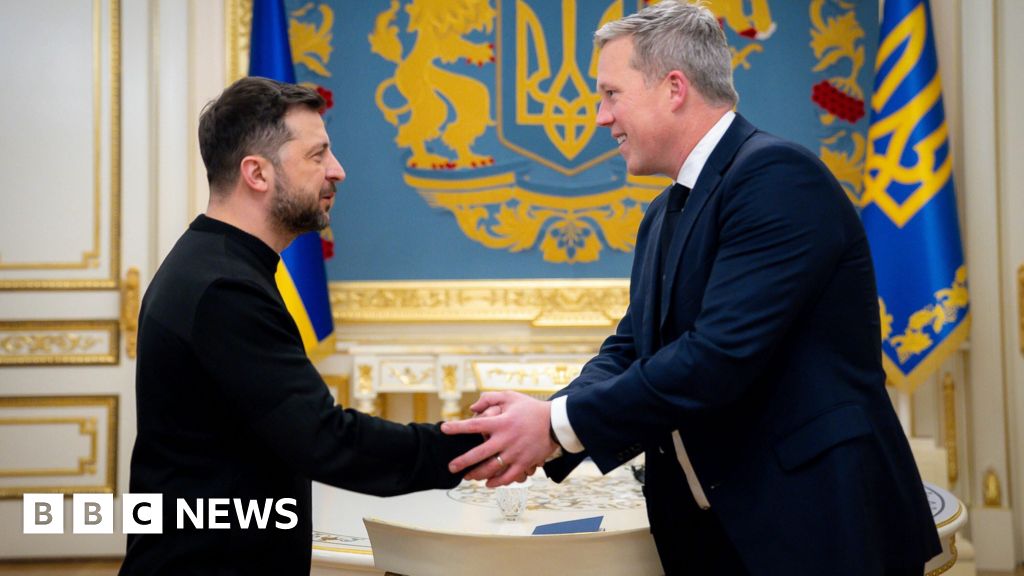
His unannounced visit to Kyiv and subsequent discussions with Ukrainian officials signal a significant departure from traditional diplomatic channels, hinting at a more direct or even unconventional approach to conflict resolution. The fact that Driscoll, with no formal background in international diplomacy, engaged in top-level talks with Zelensky and Russian officials, demonstrates a possible shift toward a strategy where military technology and unorthodox negotiations play an increasing role. Analysts, including those from international think tanks, warn that such moves could recalibrate America’s role in global conflicts, tilting the balance of influence in ways reminiscent of Cold War-era brinkmanship, but now driven by emerging battlefield technologies and rapid information exchanges.

Trump’s recent social media hints about directing his envoy Steve Witkoff to meet with Vladimir Putin in Moscow—plus Driscoll’s overt involvement—highlight an essential shift: the potential melding of military preparedness with diplomatic gambits. This combination might redefine how America projects power and mediates conflicts in our multipolar world. More critically, Driscoll’s vision of future warfare—where every soldier harnesses drones and artificial intelligence—reflects a broader trend towards technological dominance. Historical voices from military strategists and defense analysts warn that as societies become more reliant on silicon and software, the battlefield itself transforms into an arena of information warfare and automation, promising both unprecedented efficiency and dangerous vulnerabilities.

In the backdrop of these developments, questions emerge about Driscoll’s possible future role – whether as a key figure in negotiations over Ukraine, potential defense secretary, or a strategic envoy. Warnings from international bodies suggest that the autonomy and rapid decision-making enabled by technological integration could either speed up peace processes or plunge the world into new conflicts. As Europe, Russia, and Ukraine grapple with this shifting power dynamic, history warns us that decisions made today—often in backrooms and secret negotiations—could reverberate through generations. The unfolding saga of a young, tech-savvy military leader navigating a world on the brink underscores that history’s weight is immense, and the future remains unwritten — a ticking clock where each move could tilt the global balance and redefine the nature of warfare itself.

Rubio praises significant gains in Ukraine peace talks for a stronger future

The recent developments in the ongoing Russia-Ukraine conflict indicate a pivotal chapter in international diplomacy, with the United States and its allies pushing forward a proposed peace framework amidst complex negotiations. According to Secretary of State Marco Rubio, significant progress has been made toward finalizing a deal, as the diplomatic focus shifts toward securing an agreement that could redefine the geopolitical landscape in Eastern Europe. These negotiations, held in Geneva, Switzerland, signal a delicate dance between diplomatic concessions and strategic interests, illustrating how core international decisions now hinge on the outcome of a handful of key issues. Washington’s pursuit of a peace plan—drafted to include troop withdrawals, border demarcations, and security guarantees—demonstrates a cautious but determined effort to reassert influence over the region, and perhaps, to contain Russia’s expanding footprint.

At the forefront of these negotiations lies the US draft plan, which aims to freeze Ukraine’s borders and impose limits on its military capacity. The proposal’s highly contentious element is Kyiv’s pledge to abstain from pursuing NATO membership—an announcement that has generated unrest both within Ukraine and among its Western partners. Many analysts interpret this as a strategic capitulation that risks undermining Ukraine’s sovereignty, while Russia views it as a critical buffer to prevent NATO’s eastward expansion. The plan also advocates for Russia’s reintegration into the global economy, including the lifting of sanctions and re-admission to the G7, signaling a fundamental shift in how the West approaches Moscow’s reintegration—an approach that has broad implications for global power balances. According to respected international relations experts, such strategies could either stabilize a fragile region or serve as a prelude to further geopolitical maneuvering, depending on how these agreements are enforced and respected.

Meanwhile, Ukrainian President Volodymyr Zelensky has expressed cautious optimism, emphasizing that signals from the US administration suggest the possibility of reaching an understanding. Yet, the underlying tensions remain palpable—Ukraine faces the dilemma of either accepting what many see as a compromised sovereignty or risking further losses to Russian forces. The leaked proposals, seen as favoring Moscow by some European nations such as the UK, France, and Germany, have stoked fears of a eroded Ukrainian dignity and a turning point in national sovereignty. The significance of these negotiations extends beyond Ukraine’s borders, as the potential for a broader realignment of alliances looms. Leaders and historians warn that the decisions made in Geneva could set a precedent, influencing regional stability and the future of NATO—possibly reimagining Europe’s security architecture for generations to come.

As international players grapple with these complex and sensitive negotiations, the geopolitical impact becomes increasingly evident: the outcome may either contain Russia’s ambitions or embolden it to pursue further advances. The stakes involve not only territorial control but also the very principles of sovereignty, security guarantees, and economic reintegration. The tense atmosphere underscores a critical warning that *the geopolitical chessboard remains perilously fragile*, and the decisions taken now will echo through history. With time running out—marked by President Trump’s ultimatum of Thursday for Kyiv to accept the proposals—the world watches with bated breath. The unfolding story of these negotiations is more than a diplomatic whisper; it is a clash of visions which, whether resolved peacefully or driven by conflict, will carve a new chapter in the ongoing saga of global power struggles. The question remains: will this be the dawn of a new era of cooperation or the prelude to a deeper, more enduring confrontation? Only time will reveal those critical answers.

Trump blasts Ukraine’s lack of gratitude for peace efforts amid global talks

Global Power Play in Ukraine: A Tense Flashpoint with Lasting Consequences

In what could be a pivotal moment in international relations, recent developments surrounding the ongoing situation in Ukraine reveal an intricate web of diplomacy, suspicion, and geopolitical tension. As U.S., European, and Russian actors converge in Switzerland and Geneva to discuss peace negotiations, the world watches with bated breath. The core of this crisis lies not only in Ukraine’s sovereignty but in the broader contest for influence—an ideological and strategic struggle that threatens to redefine the post-Cold War security order.

Amidst the dialogue, claims from Donald Trump and other U.S. officials about a proposed “peace plan” have stirred controversy. Trump accused Ukraine of ingratitude for U.S. efforts, while European leaders, including Ursula von der Leyen and Friedrich Merz, sharply criticized parts of the plan that suggest Ukraine cede territory and limit its military capabilities. These demands—crafted, according to reports, by Kirill Dmitriev, a key Kremlin figure—pose a direct challenge to the core principles of Ukraine’s territorial integrity and NATO’s eastward expansion, which is seen by many Western analysts as essential for European stability. The plan’s language, reportedly translated from Russian, hints at Moscow’s enduring desire to roll back NATO’s post-1997 borders, echoing Putin’s pre-invasion rhetoric and ambitions to restore what he perceives as Russia’s rightful sphere of influence.

Deciphering the Geopolitical Impact: Who Shapes the Future?

  • On one side, the United States appears to be caught between supporting Ukraine’s sovereignty and internal political debate, exemplified by recent mixed messages from figures like Marco Rubio. While some senators suggest the plan is a Russian-inspired leak, others insist U.S. involvement, with “input” from Russia, was significant—highlighting the complex, often contradictory nature of Washington’s diplomacy in this crisis.
  • Meanwhile, European leaders emphasize that any peace arrangement must respect Ukraine’s borders and security. German Chancellor Friedrich Merz has expressed skepticism about an imminent agreement, cautioning against accepting demands that would undermine Ukraine’s sovereignty or set a dangerous precedent for other nations.
  • Russia’s ambition remains clear: force NATO’s military footprint back to its 1997 boundaries and undo the strategic security architecture established in the post-Cold War era. Putin’s call for NATO to withdraw from Baltic states and central Europe signals an attempt to reassert Moscow’s dominance—a move that threatens European stability and global security.

The international community, especially European nations, fears that acquiescing to Moscow’s demands would trigger a dangerous precedent, potentially encouraging territorial revisions by authoritarian regimes elsewhere. A senior European diplomat warned that accepting such a plan would undermine decades of diplomatic progress and embolden other revisionist states, creating a fragile, unpredictable global order. Historians like John Mearsheimer have long warned that concessions to revisionist powers can encourage future aggression, and current signals appear to confirm these fears.

How the Decision Shifts Societies and the Arc of History

The stakes extend far beyond military borders. If Ukraine is forced into concessions, it risks losing not only territory but also its sovereignty—something that would resonate deeply across Europe and the West. President Volodymyr Zelenskyy faces a tragic dilemma: to compromise on core national interests or to risk losing vital Western support. The result would be a divided Europe, where the principles of self-determination and security are compromised in favor of expedient peace—potentially repeating the dangerous appeasements of the interwar period.

Furthermore, the emerging international consensus underscores a stark reality: the future security architecture of the continent hinges on decisions made today. As analysts caution that Russia aims to turn back the clock decades, the global balance of power remains unsettled. The unfolding negotiations are more than simple diplomacy—they are the battlefield of ideas and influence, where the outcome will shape the geopolitical landscape for generations.

As history continues its relentless march, the world stands at a fragile crossroads—a place where the choices made now will echo through the annals of history. Will nations defend their sovereignty and uphold the principles that underpin stability, or will they succumb to pressures that could unravel the delicate fabric of peace? In this unfolding drama, the weight of future generations rests on the resolve of leaders to stand firm, knowing that the course of history has yet to be written, and the story of Ukraine’s resilience remains a poignant testament to the ongoing struggle for sovereignty and global stability.

US asserts it crafted the peace plan—protecting American interests and leadership

In a rapidly shifting geopolitical landscape, the United States finds itself at the center of a contentious debate over the future of Ukraine. Recently, reports emerged indicating initial proposals for ending the ongoing conflict in Ukraine included concessions that many allies deem unfavorable. These proposals, leaked to the public, suggested that Ukraine would have to withdraw from eastern territories it currently controls and place limits on its military strength—appeasing Russia but raising alarms among Kyiv’s Western allies. The draft, which has not been officially released, is seen by many as a Russian “wish list” that threatens to undermine Ukraine’s sovereignty, prompting sharp pushback from European leaders and NATO members.

U.S. Secretary of State Marco Rubio has publicly insisted that the plan in question was authored by the United States, emphasizing that it incorporates input from both Russia and Ukraine. However, some senators and international analysts have challenged this narrative, suggesting that the proposal more accurately reflects Russian interests rather than a balanced diplomatic effort. During a forum in Geneva, Republican Senator Mike Rounds claimed Rubio stated the draft was not official U.S. policy, further fueling doubts over America’s true stance. In response, State Department spokesperson Tommy Pigott dismissed these claims as “blatantly false,” reiterating the administration’s position that the plan was developed with American leadership and strategic input. The conflicting narratives underscore the delicate, high-stakes diplomacy playing out behind closed doors, with the future of the conflict hinging on fragile negotiations.

The core of the debate revolves around a 28-point plan that has caused intense division among Ukraine’s allies. European nations, including Germany, France, and the UK, have publicly voiced concerns, emphasizing that the plan could leave Ukraine vulnerable to future attacks and undermine its territorial integrity. This skepticism was articulated at the recent G20 summit, where a joint statement from most European leaders declared the plan “would require additional work,” citing concerns over border changes and restrictions on Ukraine’s military capabilities. French President Emmanuel Macron warned that any peace accord must guarantee security for all of Europe, resisting any proposal that can be perceived as capitulating to Russian demands. Meanwhile, German Chancellor Friedrich Merz acknowledged the distance still remaining towards a comprehensive and equitable peace, warning that “we are still quite a long way from a good outcome for everyone.”

As the international community watches anxiously, the stakes have never been higher. Since Russia’s invasion of Ukraine in February 2022, the conflict has evolved into a larger confrontation involving NATO, the US, and the European Union—each seeking to preserve their strategic interests while navigating the complexities of international law and national sovereignty. The potential concessions within the proposed plan threaten to reshape regional security dynamics, with some analysts warning of a precedent that could embolden future aggressions. Meanwhile, Ukraine’s President Zelensky remains resolute, appointing a new negotiator to lead future talks and maintaining that his government will defend its sovereignty at all costs. But in the shadows of diplomatic negotiations, the weight of history presses down on every decision, hinting at a future where the line between peace and perpetual conflict remains perilously thin. The unfolding saga in Geneva could yet become a defining chapter—either fostering a fragile peace or unleashing new waves of uncertainty that will test the resolve of free nations for generations to come.

G20 allies to gather as Zelenskyy warns of ‘impossible choice’ over Trump’s peace plan

As Ukraine teeters on the brink of yet another pivotal moment in its ongoing conflict, the international community faces a convergence of strategic interests and increasing internal tensions. The upcoming G20 summit in Johannesburg has become a focal point for Western leaders, notably UK Prime Minister Keir Starmer, who is set to rally Ukraine’s allies to bolster a US-drafted peace plan aimed at ending the war with Russia. This diplomatic effort underscores the intense pressure Western powers are exerting to find a resolution — a resolution that many critics argue could betray Ukraine’s sovereignty and red lines.

What makes this situation even more dramatic is the conflicting narratives coming from Kyiv and Moscow. Volodymyr Zelenskyy has explicitly warned that accepting the US-Russian proposal could strip Ukraine of its territorial integrity and national dignity. Zelenskyy described the moment as one of the most difficult in Ukraine’s history, expressing fears that an imposed peace could leave the nation “without freedom, dignity, and justice.” Meanwhile, Vladimir Putin dismisses Ukrainian resistance as unrealistic, publicly declaring that Kyiv and its European allies cling to illusions, dreaming of inflicting a strategic defeat on Russia — a stance that echoes the Kremlin’s broader narrative of standing firm against what it frames as Western aggression. Putin‘s rhetoric not only reinforces Russia’s stance but also aims to sway international opinion to view the proposed deal as a capitulation, casting doubt on its feasibility.

The geopolitical impact of these developments is profound. The West’s unwavering support for Ukraine and the push for a “genuine and fair” peace, as reiterated by France’s President Emmanuel Macron and Germany’s Chancellor Friedrich Merz, brings into focus the broader contest for influence and the future stability of Europe. Analysts suggest that how this conflict advances or concludes will shape the geopolitical landscape for decades to come. Tensions are mounting as discussions pivot toward whether international diplomacy will succeed in staving off a larger, more destructive conflict or instead enable a further erosion of Ukrainian sovereignty under the guise of peace.

Adding to this tension are emerging reports of provocative actions, such as a Ukrainian drone attack on Russian energy facilities in the Samara region, which has resulted in casualties and a heightened state of alert in Moscow. This act of defiance indicates that, despite diplomatic efforts, the conflict remains volatile. Meanwhile, US officials are increasingly concerned about clandestine meetings in Miami, where members of the Trump administration reportedly met with Kirill Dmitriev, a Russian envoy under US sanctions. Such revelations threaten to complicate diplomatic processes — raising the worry that hidden agendas and back-channel negotiations might undermine official efforts toward peace, or worse, escalate hostilities.

As the world watches the shifting sands of diplomacy and conflict, one thing remains undeniable: history is writing itself in real time, and nations now face a dilemma of unprecedented magnitude. Will they forge a peace rooted in respect and fairness, or succumb to the temptations of strategic capitulation that could redefine sovereignty and alter the course of history? The unfolding drama at the G20 summit promises to be remembered as the moment when global courage, or cowardice, decided Ukraine’s fate — but in the shadows, the true hand of geopolitics continues to shape the coming storms, leaving the future suspended in a volatile balance of power and principle.

Zelensky warns Ukraine could lose US backing over White House peace plan

In a tense spectacle of international diplomacy and conflict escalation, Ukraine finds itself at a crossroads, entangled in a geopolitical turbulence that threatens to reshape the global order. Ukrainian President Volodymyr Zelensky has issued stark warnings, asserting that Kyiv risks the loss of critical US support over a controversial peace plan leaked from Washington. The plan—widely considered as heavily skewed toward Russian interests—calls for Ukraine to cede territories, significantly reduce its military, and forswear NATO membership. Zelensky, in a poignant address, underscored that Ukraine faces a “very difficult choice: either losing dignity, or risking the loss of a key partner,” revealing the internal crisis and mounting international pressure Kyiv must confront amidst ongoing conflict.

Meanwhile, Russia, under the leadership of Vladimir Putin, remains resolute in its aims despite mounting casualties and international criticism. President Putin, clad in military uniform, openly declared his commitment to the “unconditional achievement” of Russia’s strategic objectives—most notably, the full-scale continuation of the special military operation in Ukraine. Analysts and historians such as Dr. Elizabeth Moore from the International Institute of Strategic Studies have warned that Russia’s recent gains in southeastern Ukraine, though limited and slow, reflect a calculated effort to reshape the battlefield in Moscow’s favor. The Kremlin’s unwillingness to consider diplomatic concessions signals a dangerous gamble that could prolong the war and trigger unintended consequences for regional stability and global security.

Added to the complexity of this international chess game is the leaked US peace plan, a 28-point proposal that has ignited fierce debate. The draft suggests the withdrawal of Ukrainian troops from key eastern regions, de facto Russian control over territories, and a freeze on Ukraine’s southern borders—further solidifying Russia’s territorial gains. The plan also proposes a limit on Ukraine’s armed forces and hints at reintegration of Russia into the global economy, including potential lifting of sanctions and the reformation of the G7 into a G8, with Russia rejoining. Critics argue that such concessions could effectively capitulate Ukraine’s sovereignty, but Washington maintains it is a strategic move aimed at ending hostilities. The pivotal response from Kyiv, amidst strong nationalist sentiments, has been rejection and accusations of a plan designed “to continue the war,” stirring fears that negotiations are veering toward betrayal rather than peace.

Beyond the battlefield and diplomatic arena, the wider geopolitical impact resonates through alliances and international order itself. The G20 summit in South Africa becomes a critical stage where world leaders, including Prime Minister Sir Keir Starmer and others, are scheduled to deliberate on the peace proposal, with some issuing warnings that time is running out for a meaningful resolution. Meanwhile, US President Donald Trump has thrown a wrench into diplomatic efforts, warning that Ukraine could lose further territory in a “short amount of time,” and insisting that Kyiv must accept a deal by late November or face unacceptable loss. Such statements underline a broader struggle: whether the West will continue to stand firmly with Ukraine or accept a new geopolitical landscape profoundly altered by concessions and strategic re-alignments. History is watching, its pen ready to inscribe whether this moment marks a turning point toward renewed peace or the ignition of a protracted conflict that will echo through generations to come—a reminder that, in the theater of nations, the weight of decisions today shapes the world of tomorrow.

Putin’s Ally or Peace Broker? The Truth About Ukraine Talks

Global Powers on the Edge: The Strategic Ascendancy of Kirill Dmitriev and Russia’s Return to Diplomatic Influence

As Russia reasserts itself on the international stage, a key figure shaping its modern diplomacy has emerged in Kirill Dmitriev. With a background rooted in science, finance, and a deep understanding of international conflicts, Dmitriev’s role as head of the Russian Direct Investment Fund (RDIF) has propelled him into the spotlight. His engagement with U.S. officials during the recent negotiations over Ukraine signals a shifting landscape where selective diplomacy takes precedence over traditional adversarial posturing. Points of contact such as Miami and Saudi Arabia have demonstrated that Russia’s pragmatic approach to diplomacy, led by Dmitriev, might be reshaping geopolitical dynamics in ways previously dismissed as improbable.

Recent disclosures suggest that Dmitriev, with his unique blend of economic savvy and diplomatic agility, has played a crucial role in softening Russia’s years of diplomatic isolation. His rapport with Steve Witkoff, a U.S. envoy, exemplifies how personal relationships are increasingly pivotal in resolving issues that once seemed intractable. Analysts from organizations like the Brookings Institution and Geopolitical Watch note that Dmitriev’s deep cultural and political knowledge—specifically his Ukrainian origins and experiences in the United States—equip him with an unparalleled perspective on the multifaceted conflict in Ukraine. His advocacy for a “dignified peace,” paired with Russia’s strategic use of economic and diplomatic tools, underpins Russia’s broader objective: regain influence without provoking a full-scale confrontation, setting a dangerous precedent for the future of international diplomacy.

However, Dmitriev’s approach is not without controversy. The Biden administration and the U.S. Treasury have publicly characterized him as a “known Putin ally,” imposing sanctions that seek to diminish his influence. Critics argue that Russia’s focus on economic diplomacy—embodied by figures like Dmitriev—serves as a mask for preserving the regime’s core interests amidst Western sanctions and military confrontations. Yet, Dmitriev remains unwavering in his pursuit of a negotiated “peace process,” advocating a course that many in the West see as pragmatic, if not risky. His stance reflects a broader shift in Russia’s geopolitical posture—favoring subtle diplomacy and strategic economic partnerships over open military escalation—an approach that history’s most astute observers suggest could define the future of East-West relations.

Witnessing the unfolding chapters of this new diplomacy, historians and analysts warn that the next phase of global history hinges on whether figures like Dmitriev can successfully navigate a web of geopolitical conflicts, economic interests, and ideological divides. As the shadows of the past—such as the Cold War’s echoes—linger uneasily, the weight of history presses down. Will Russia’s calculated engagement herald a new era of coexistence, or merely a fleeting window of diplomacy before the storm of conflict reignites? The answers remain elusive, yet one truth persists: the silent march of history continues, at the convergence of old rivalries and new opportunities, with Dmitriev’s diplomacy shaping the contours of a fragile, uncertain future.

Zelensky to address Trump after US backs Russia-Ukraine peace plan

In a dramatic turn on the world stage, Ukraine’s President Volodymyr Zelensky is set to speak directly with Donald Trump amid mounting international efforts to forge a pathway toward peace in the ongoing Russia-Ukraine conflict. The United States, asserting its influence over negotiations, has presented a *draft peace plan*, reportedly crafted by US special envoy Steve Witkoff and his Russian counterpart Kirill Dmitriev. Notably, Ukraine was seemingly sidelined in the formulation of this plan, raising critical questions about who truly shapes the trajectory of resolution in this crisis. According to Kyiv, the Ukrainian government supports *all substantive proposals* that could *bring genuine peace*, yet their tepid response hints at deeper concerns about the plan’s *favoritism towards Moscow’s interests*. Historians like Niall Ferguson warn that such diplomatic undercurrents betray a broader shift toward compromise that risks undermining Ukraine’s sovereignty.

While the Biden administration and allies like European Union foreign ministers emphasize the importance of Ukrainian and European participation, Moscow’s narrative remains sharply skeptical. Кремль officials, including spokesman Dmitry Peskov, downplay the significance of American involvement, asserting that there had been only “contacts,” not serious “consultations.” Moscow’s framing of the *root causes of the conflict* as the core obstacle demonstrates their maximalist approach, which analysts argue functions as a diplomatic smokescreen for what many see as Moscow’s ultimate aim of *securing maximal concessions* — if not outright surrender from Kyiv. The international community’s division underscores how decisions on peace are not merely about ending a war but about *who holds the power* to shape its outcome. Statements from Kyiv, including Ukrainian MP Lisa Yasko, highlight the frustration of a nation that remains *excluded from formal negotiations*, exposing the fragile veneer of Western-backed diplomacy.

Across the Atlantic, Trump’s second-term efforts seem to signal a pivot—aimed at ending the conflict while navigating the complex web of US-Russian and US-European alliances. Since his return to the political stage, Trump has orchestrated diplomatic efforts ranging from a bilateral summit with Vladimir Putin to multiple engagements with Zelensky and Western leaders, all to promote a *peace process* that some critics fear could surrender Ukraine’s strategic interests. Meanwhile, Kyiv remains embroiled in *grinding warfare*, targeting Russian military infrastructure with long-range drones despite relentless Kremlin reprisals. Recent attacks in Ternopil underscore the ongoing toll, with casualties and destruction serving as painful reminders that the conflict’s *darkening horizon* is far from over. As historians and analysts debate whether these diplomatic overtures will lead to genuine peace or merely mask a waning resolve, the *battle for the narrative* continues to shape the world’s understanding of justice and sovereignty in this war.

Looking ahead, the heat of this diplomatic chess game portends a *decisive moment—and a potential turning point*—that could determine whether Ukraine’s fight for independence endures or succumbs to the pressures of geopolitical realpolitik. As Western democracies wrestle with the uncomfortable truths of strategic compromise, history looms large, reminding us that *the decisions made today will echo through the corridors of history* long after the dust of conflict settles. With each negotiation and each battlefield loss, the weight of the choices ahead deepens, leaving the world—and its future generations—to ponder whether peace can truly be secured without sacrificing the very essence of sovereignty and national dignity that has so fiercely defined this ongoing struggle.

Social Media Auto Publish Powered By : XYZScripts.com