Matox News

Truth Over Trends, always!

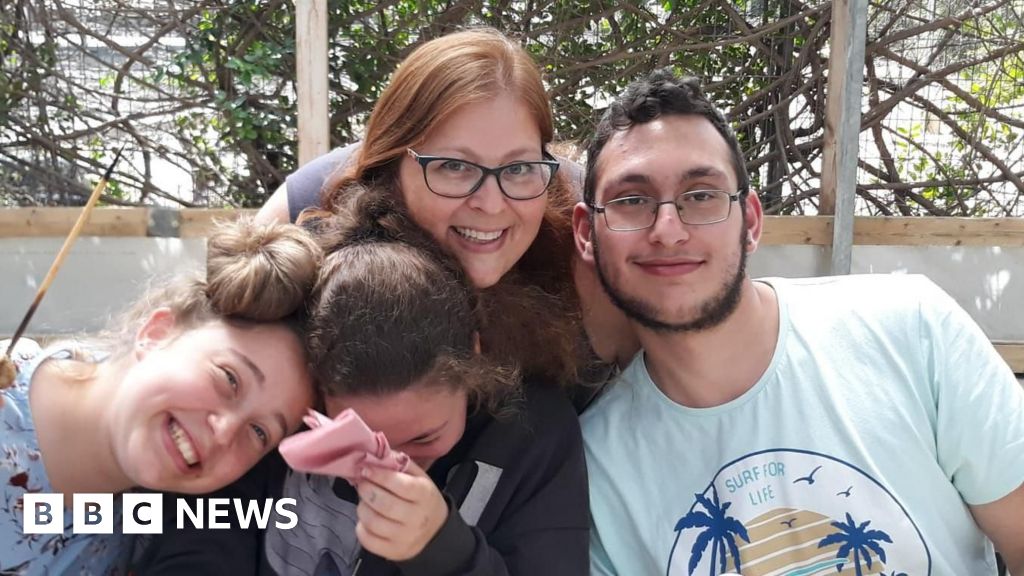
Mother of Hostage Tamir Nimrodi Holds Her Breath as She Awaits Trump’s Peace Initiative

The recent developments surrounding the ongoing conflict in Gaza have cast a spotlight on the fragile equilibrium of the Middle East, underscoring how decisions made at the highest international levels resonate deeply within the fabric of nations and societies. It has been nearly two years since the unprecedented attack by Hamas, which resulted in the brutal abduction of over 250 innocent civilians and the deaths of thousands of Israelis. The personal toll has been staggering; families like that of Herut Nimrodi continue to cling to hope for the return of loved ones, amid a landscape of unresolved conflict and political uncertainty. These stories, heartbreaking yet emblematic of resilience, are now intertwined with a critical diplomatic effort fueled by the United States and its proposed peace plan.

The emerging Trump peace initiative signifies a potential shift in how the international community might diffuse one of the most entrenched conflicts of the 21st century. While the plan is still under indirect negotiation, early signs suggest a different level of momentum—analysts and historians observe that such urgency might herald a rare window for peace. According to sources close to the negotiations, this plan aims to facilitate the *simultaneous* release of hostages and the de-escalation of hostilities, marking a pivotal turning point in regional diplomacy. The significance of these developments extends beyond immediate security concerns, highlighting what U.S. policymakers hope will be a blueprint for stability—yet how these decisions affect nations remains a complex calculus of geopolitics, public sentiment, and international law.

However, skepticism remains among seasoned analysts and international organizations. Many warn that such fragile negotiations could be derailed by regional factions or unforeseen escalations. The United Nations and other bodies have issued cautious statements emphasizing the importance of *verifiable* progress, but the delicate balance of trust among involved parties continues to erode. At the heart of this crisis lie real human tragedies—families torn apart, memories frozen in time, and the haunting hope of closure. As historian Dr. David Friedman notes, the history of peace negotiations suggests that this moment, while promising, could easily dissolve into another cycle of conflict unless concrete actions follow diplomatic rhetoric. The weight of history has often shown that the true turning point lies in whether human lives can be prioritized over geopolitical gains.

The geopolitical impact of the upcoming negotiations cannot be understated. Success could signal a new era of regional cooperation, potentially inspiring other conflict zones worldwide to pursue settlement through diplomatic means. Conversely, failure or missteps could deepen regional tensions, emboldening extremism and prolonging instability. The ripple effects of this moment will reverberate across borders, influencing economic, security, and social policies for decades. As the leaders of Israel, the Palestinian territories, and key global partners weigh their options, the world watches with bated breath, understanding that this is more than just another diplomatic effort—it’s a
battle for the soul of the Middle East and an enduring lesson about the high stakes of international decision-making.

In the shadows of diplomacy, the stories of ordinary families remind us what is truly at stake. The abduction of Tamir Nimrodi—captured in a haunting social media video—serves as a stark reminder of the human cost of ongoing hostilities. His mother’s unwavering hope, fueled by the belief that Trump’s plan might finally bring him home, underscores a resolve that echoes across countless families suffering in silence. Yet, their hopes are tinged with despair; days turn into years, and with every silence from Gaza, the fear of loss deepens, leaving a nation teetering on the brink of either reconciliation or prolonged chaos. The future remains uncertain, and as history continues to unfold, the world bears witness to whether justice, mercy, and diplomacy can transcend the cycle of violence, or if this chapter will once again be written in tragedy—an enduring story of hope and heartbreak intertwined on the pages of history.
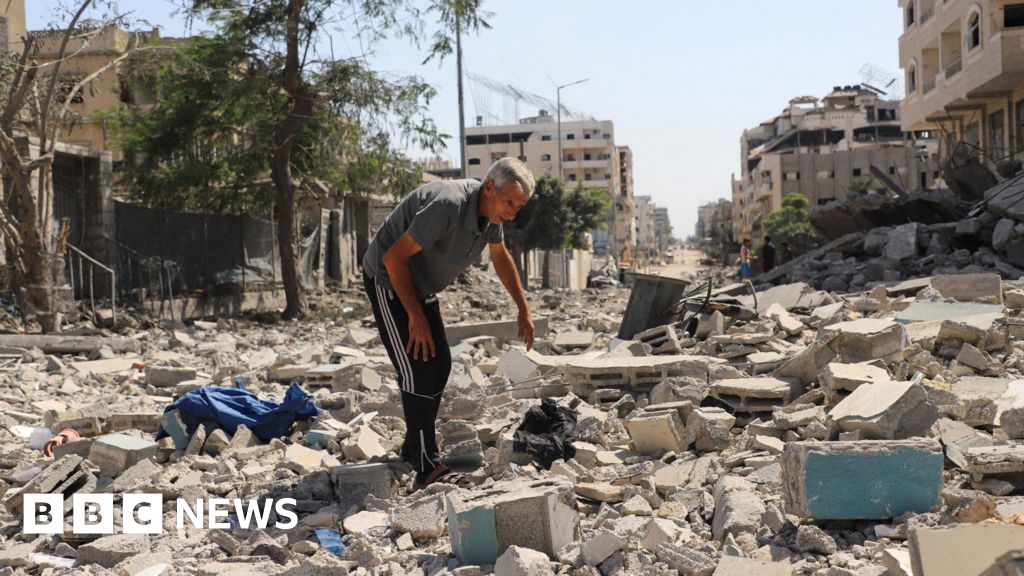
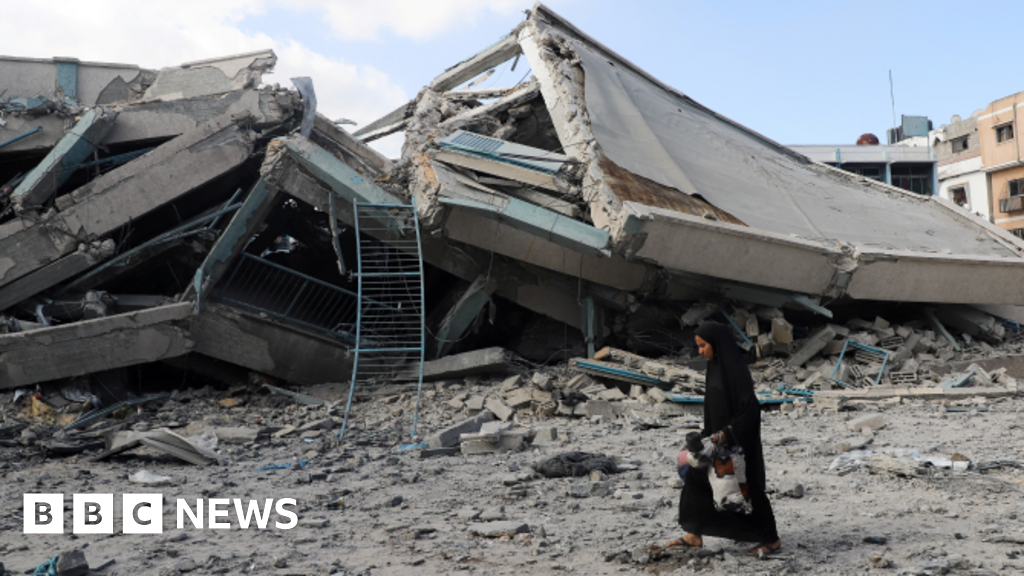
Gaza Peace Talks Continue as Trump Calls Deal ‘Really Good’ Chance for Progress

The Middle East remains at a pivotal crossroads, with recent developments in Gaza signaling both a potential shift in conflict dynamics and a test of international diplomacy. As Israel ratchets up its offensive in Gaza City, the international focus has shifted toward indirect negotiations aimed at forging a durable peace, with the U.S. peace plan emerging as a central, yet contentious, element of this process. The upcoming talks in Sharm El-Sheikh are crucial, as they seek to create the “field conditions” necessary for an exchange—one that could see hostages released and relative calm restored for the first time in months.

Leading this diplomatic push are influential figures like Donald Trump and **Israeli Prime Minister Benjamin Netanyahu**, who have expressed optimism about the possibility of an agreement. Trump, now a key envoy in the negotiations, publicly stated that the first phase of the peace effort—focused on the release of hostages—”should be completed this week,” indicating a real sense of urgency. Analysts and historians warn, however, that such optimistic rhetoric often masks deeply entrenched issues, particularly Hamas’s refusal to accept the plan’s **disarmament** clause and its insistence on remaining part of Gaza’s governance. Meanwhile, Palestinian factions and regional actors—especially **Qatar** and **Egypt**—are playing critical roles, facilitating shuttle diplomacy that is seen as essential given the profound mistrust between Israel and Hamas.

The geopolitical impact of these negotiations is profound. If successful, they could serve as a blueprint for a broader peace settlement—potentially reshaping societal relations and regional stability. Yet, the balance remains delicate. Israel’s security concerns persist, especially regarding Hamas’s future role, which remains a sticking point. Hamas’s statement indicated willingness to release all Israeli prisoners, both living and dead, but avoided addressing its disarmament—raising doubts among critics that foundational issues might plunge the talks into failure. International organizations such as the United Nations have called for restraint, with Secretary-General Antonio Guterres warning that the opportunity presented by Trump’s initiative “must be seized” to prevent further tragedy. Conversely, opponents argue that the peace plan, especially with its concessions, risks rewarding continued militant influence while failing to address broader issues of Palestinian sovereignty, thus challenging existing international norms.

As the conflict’s toll continues to climb—over 67,000 killed in Gaza alone, including thousands of children—the regional and global repercussions grow ever more urgent. Countries such as the United Kingdom and regional powers are now openly supporting the U.S. efforts, yet skepticism remains. Critics warn that history repeatedly demonstrates how fragile ceasefires and peace agreements can be, especially in a context where past promises have been broken and trust remains elusive. The voices of analysts like *Benny Morris* and *Rashid Khalidi* echo warnings that the deeper issues—like the status of Palestinian sovereignty, disarmament, and the future governance of Gaza—must be resolved for peace to hold. Otherwise, the cycle of violence threatens to erupt again, possibly even more devastating than before. As the world watches anxiously, the story of Gaza continues to unfold—each negotiation, each development, adding a new chapter to a conflict that Western leaders and regional stakeholders alike consider among the most complex and perilous the modern era has faced.

Trump sets Sunday deadline for Hamas to accept Gaza peace deal

The escalation of violence in Gaza has once again thrust the Middle East into the global spotlight, with US President Donald Trump taking an unprecedented stance. On his Truth Social platform, Trump issued a stark ultimatum to Hamas, demanding the militant group accept a proposed US peace plan or face “all hell,” a phrase that underscores the gravity of the current situation. The plan, set to be enforced by a strict deadline of 18:00 Washington time (22:00 GMT) on Sunday, calls for an immediate cessation of hostilities and the release of 20 Israeli hostages within 72 hours—along with the remains of those believed to be deceased— in exchange for hundreds of Gazans detained by Hamas. This intense diplomatic ultimatums reflect America’s strategic pivot to project influence amidst rising tensions, a move strongly opposed by many analysts concerned about the unpredictable consequences of such escalations.

International mediators have reportedly engaged with Hamas’s military leadership in Gaza, but internal divisions threaten the viability of the US proposal. According to credible sources, Hamas’s military wing refuses to accept the plan, primarily because it demands the immediate handover of all hostages within the first three days of a ceasefire—a move analysts describe as effectively stripping Hamas of its strongest leverage. Meanwhile, some elements within Hamas’s political hierarchy in Qatar appear more receptive, though their influence remains limited due to their lack of control over the armed group’s core operations and hostages. Such internal disagreements highlight the complex web of power struggles within Hamas itself, complicating international efforts to mediate a sustainable resolution. The fact that only 20 of the roughly 48 hostages believed to be held are confirmed alive adds a layer of tragedy and urgency to the negotiations, with many fearing that the window for safe resolution is rapidly closing.

The backdrop to this crisis is the devastating Israeli offensive launched in response to the October 7 attack by Hamas, which resulted in approximately 1,200 fatalities and 251 hostages taken—an atrocity that shattered Israel’s sense of security and prompted a sweeping military campaign in Gaza. The Israeli Defense Forces have responded with relentless aerial and ground assaults, leading to over 66,288 Gaza residents reported killed by Hamas-controlled health authorities. These staggering figures illustrate the profound human toll of the conflict, and experts warn that continued fighting risks a broader regional escalation, with global powers watching intensely. The United Nations and other international organizations have issued calls for ceasefires and negotiations, but their influence is waning in the face of entrenched hostility and deep-seated grievances.

Within this maelstrom of violence and diplomacy, the geopolitical impact is undeniable. The unfolding crisis tests the limits of international diplomacy and underscores the fragile balance of power in the Middle East. Leaders from Europe to Asia are watching with wary eyes, aware that any misstep could trigger a larger regional conflict. Historians and strategic analysts warn that decisions made in these critical days could shape the course of history—either paving the way towards peace or unleashing a relentless cycle of violence. As civilians bear the brunt of these hostilities—caught between political agendas and military might—the question remains: how much longer can the world afford to stand by and watch as history continues to be written in blood?

In the shadows of diplomacy and war, the future hangs precariously, with each decision echoing through the corridors of power and the lives of those entangled in this enduring conflict. The weight of history presses down heavily—every choice a chapter in a story still unwritten, yet profoundly felt. The question now is whether the international community can forge a path toward lasting peace, or if the flames of ongoing hostilities will consume all hopes of resolution, plunging the region—and perhaps the world—into chaos once more.

Italy’s PM warns Gaza flotilla: Stop or threaten peace progress

Global Tensions Flare as Italy Intervenes in Gaza Aid Flotilla Crisis

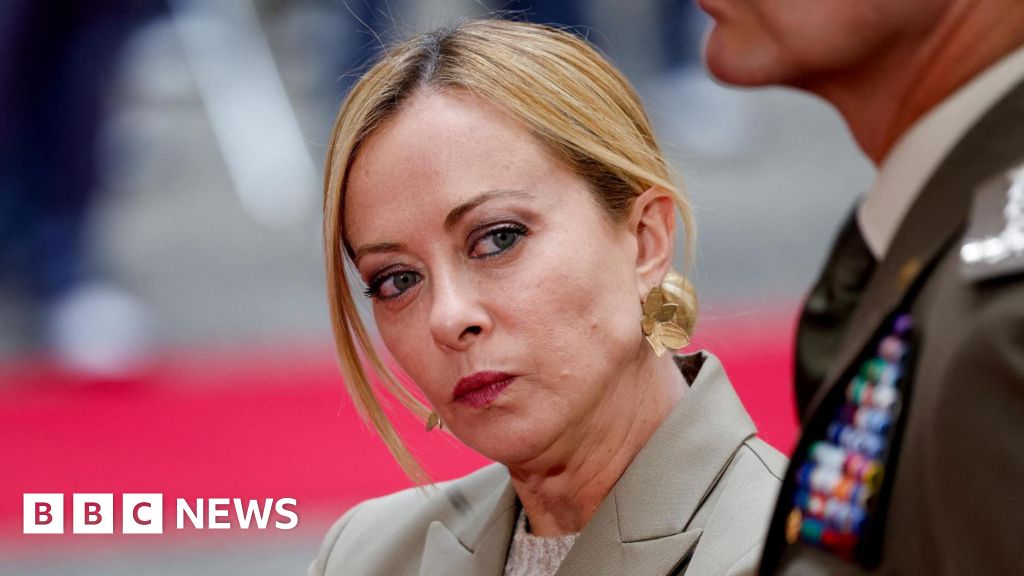
The recent efforts by Italy to navigate the complex and dangerous terrain of the Gaza conflict underscore the precarious nature of international diplomacy amid ongoing violence. Prime Minister Giorgia Meloni has publicly condemned the Global Sumud Flotilla (GSF), a convoy of over 40 ships carrying humanitarian aid, which was making its way toward Gaza in defiance of Israeli restrictions. Meloni’s call for the flotilla to halt, coupled with the deployment of an Italian naval frigate to intercept the vessels, signals a provocative stance that could have significant geopolitical impact. Meloni warns that the flotilla’s actions are a potential pretext for escalation, threatening to derail a fragile US-led peace proposal aimed at ending the brutal conflict.

The U.S. has recently stepped into the fray with a proposal that offers a semblance of hope—a framework for an immediate ceasefire, the release of hostages, and a pathway toward peace. However, such diplomatic initiatives are often fragile and easily undermined. Some analysts argue that Iran and pro-Hamas factions are exploiting these international efforts to prolong their influence and meddle further in the region’s affairs. Meanwhile, Israel insists that the flotilla is a Hamas operation disguised as humanitarian outreach, a claim that remains unsubstantiated but fuels international skepticism. The flotilla’s leaders, including climate activist Greta Thunberg and political figures from Europe, have declared their intent to press on despite military threats, emphasizing that their mission is rooted in urgent humanitarian concerns rather than publicity.

This confrontation holds broad consequences for global stability. As historians and international organizations warn, the unfolding event risks becoming a catalyst for larger regional conflict. Italy’s naval deployment, sanctioned by the government amid reports of drone activity and unidentified vessels approaching the flotilla, raises questions about international rules of engagement and the potential for violence. The recent drone attacks and communication jamming incident, officially condemned by Italy and Spain, indicate a dangerous escalation that could spark a wider conflict, with Middle Eastern and European nations watching anxiously. The potential for miscalculation in these tense moments threatens to ignite a conflict that could further destabilize the region for generations to come.

As the world watches, the choices made by nation-states and international bodies will write new chapters in the history of the Middle East, chapters etched in the blood and resilience of its people. With each diplomatic move, each vessel that risks crossing the line, the memory of past conflicts looms large. The weight of history presses on the shoulders of leaders who must navigate a treacherous web of alliances, enmities, and ideals. How this story unfolds remains uncertain, but its trajectory will undoubtedly shape the future geopolitical landscape—an enduring testament to a region perched on the edge of turmoil, where the next turn of the page could herald an era of renewed conflict or fragile peace. And as the flotilla presses onward into the storm, the question remains: will humanity learn the lessons of the past, or will this be another chapter in an ongoing cycle of violence that history will not soon forget?

Analyzing Trump's Gaza peace proposal: What it really means for youth and future security
Analyzing Trump’s Gaza peace proposal: What it really means for youth and future security

The announcement by President Trump of a comprehensive 20-point peace plan targeting the ongoing conflict in Gaza marks a significant shift in the geopolitical landscape of the Middle East. Leveraging his administration’s influence, Trump’s initiative aims to reshape the current stalemate through clearly outlined troop withdrawal lines and diplomatic concessions. This development is being closely scrutinized by international analysts, who emphasize the unorthodox approach it represents amidst longstanding tensions.

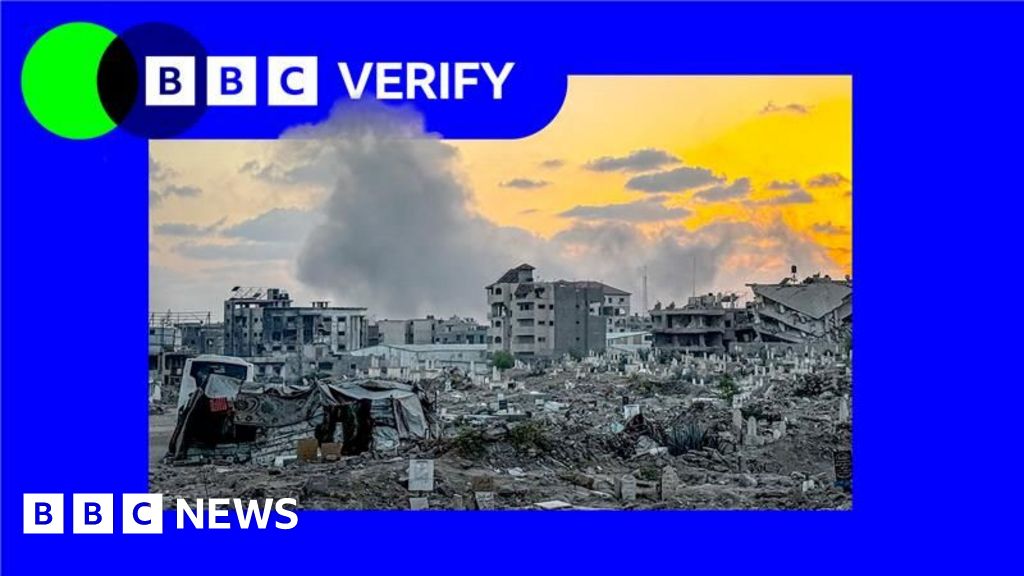
Analysis by BBC Verify and satellite imagery—as detailed by journalist Merlyn Thomas—reveals the extent of the military control exerted by Israel over Gaza, presenting a stark picture of the ground realities. The proposed plan’s success hinges on the Israeli government’s willingness to adhere to the outlined troop reduction points, which could herald a new chapter in the conflict but also poses considerable risks. Governments across the globe are divided in their support, with some emphasizing the necessity of territorial compromise, while others warn against rushing into solutions that could destabilize the region further.

Economists and security experts have voiced their concerns, noting that the deal’s potential to alter regional power dynamics is profound. The United Nations and other international bodies have registered cautious interest, emphasizing that any peace initiative must consider the long-term sovereignty and security concerns of both sides. Historically, peace plans in Gaza have often fallen short due to unresolved core issues such as borders, refugees, and Jerusalem’s status. The current proposal, therefore, risks becoming another chapter in this troubled legacy—unless it manages to address these critical issues comprehensively.

Historians warn that decisions made today could dictate the course of Middle Eastern history for generations. The unfolding scenario bears the weight of decades of conflict, with some analysts arguing that any potential success hinges on the international community’s ability to maintain pressure and provide credible guarantees. The stakes are exceedingly high; a failure to forge lasting peace could escalate the region’s instability and lead to unchecked violence. As global powers watch with bated breath, the decisions of Israel, Palestinian leaders, and the United States will undoubtedly leave a mark on history, whether as a testament to diplomacy or a somber reminder of missed opportunities.

As the world stands on this precipice, one cannot help but feel that history is once again writing itself in the sands of Gaza. The coming days will reveal whether this ambitious plan fulfills its promise, or whether it becomes yet another chapter of broken promises. With the weight of centuries pressing down upon these fragile negotiations, the rising chorus of uncertainty echoes into a future yet to be shaped — a future where the echoes of today’s decisions may reverberate for eternity.

Australia Backs Trump’s Bold 20-Point Peace Plan for Gaza—A Fresh Hope for the Future

Global Reactions to Trump’s 20-Point Peace Plan for Gaza: A New Chapter in Middle Eastern Diplomacy

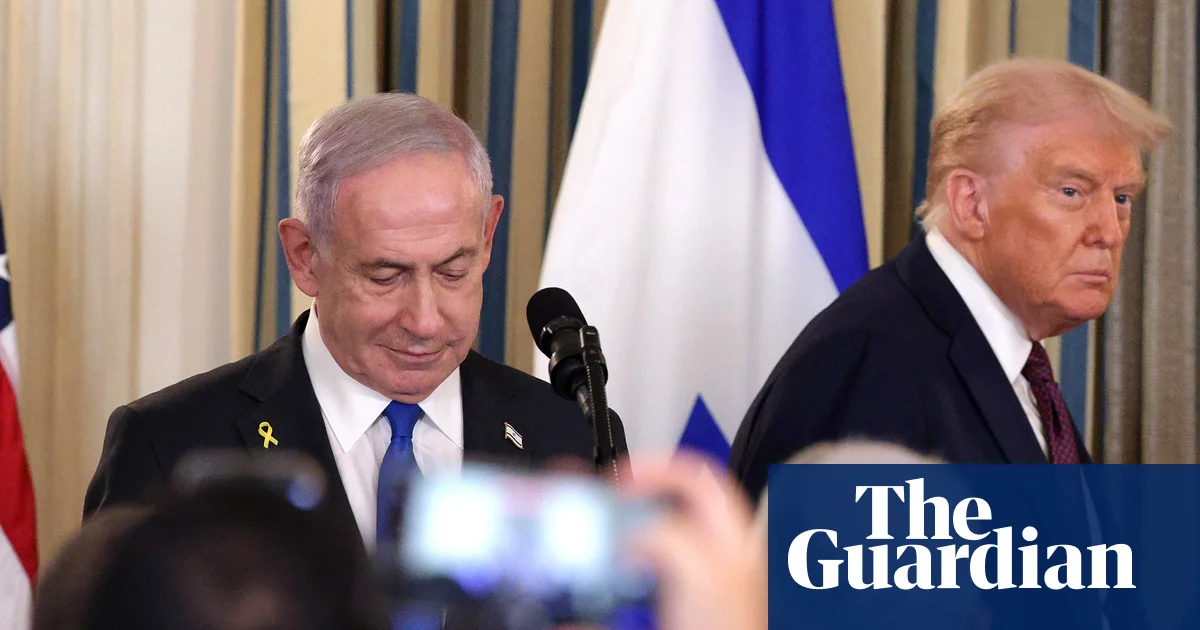
The recent announcement of President Donald Trump’s 20-point peace plan for Gaza has ignited a complex web of international responses, reflecting both cautious optimism and deep skepticism. The plan, unveiled alongside Israeli Prime Minister Benjamin Netanyahu, proposes a transitional “apolitical” governance committee for Gaza, with the United States potentially leading the effort. Australian Prime Minister Anthony Albanese has publicly welcomed the initiative, calling it a ‘door open’ to the elusive two-state solution that many analysts believe is the only sustainable pathway to peace. Albanese’s diplomatic comments, made during his trip to the US, UK, and UAE, underscore a shift among allies toward supporting specific diplomatic proposals amid ongoing regional turmoil.

Particularly notable is the broad regional backing for the plan’s emphasis on Palestinian self-determination, with Indonesia and Pakistan explicitly endorsing the proposals. These nations have traditionally shown solidarity with Palestinian aspirations, and their support signals a regional consensus that, despite its flaws, the plan might serve as a foundation for alleviating suffering and reducing violence. Nevertheless, the plan’s effectiveness hinges on Hamas’s willingness to disarm and accept the transition, a condition that commentators and former experts warn could predicate future failure. As international organizations like the UNO and analysts from think tanks observe, the plan’s success depends on whether key players—most critically Hamas—are willing to abandon violent opposition, a move seen by many as tantamount to signing their own political death warrants.

Nevertheless, the plan’s details are a matter of fierce debate. Critics from the Greens, citing Palestinian sovereignty, argue the initiative may be yet another iteration of external forces imposing a solution without genuine Palestinian agency. Mehreen Faruqi contends that the US-led effort, with figures like Tony Blair involved, does little to foster authentic independence for Palestine, warning that it could merely perpetuate a cycle of occupation under a new guise. Meanwhile, Australia’s opposition remains divided—some see it as a *beacon of hope*, whereas others worry it could undermine Palestine’s right to self-governance. The Coalition’s stance, to revoke recognition of Palestinian statehood, signals a potential retreat from diplomatic recognition, which could destabilize regional prospects further.

Throughout this evolving diplomatic theater, the geopolitical impact remains profound. The plan’s anticipated impact on regional stability, coupled with potential shifts in alliances—especially between the US, Britain, and Middle Eastern nations—could alter the balance of power for decades to come. Historians and international analysts warn that these decisions will be scrutinized in the corridors of history, as one of the most pivotal moments in the Middle East since the original accords. As leaders grapple with the aftermath of decades of conflict, the question remains whether the region can pivot toward peace or whether it risks yet another cycle of violence, entrenching divisions that threaten to spiral out of control.

In the shadows of these high-stakes negotiations, the weight of history lingers, whispering of past hopes dashed and wars fought over uncertain promises. The world now watches as the chapters of this story are written, unsure whether this latest diplomatic effort will spark a new dawn or plunge the region deeper into chaos. For the youth across continents—those who will inherit the future—the decisions made today may very well determine whether peace, elusive yet desperately yearned for, becomes a genuine possibility or remains a distant, fading dream.

Trump and Netanyahu Back New US Peace Initiative for Gaza

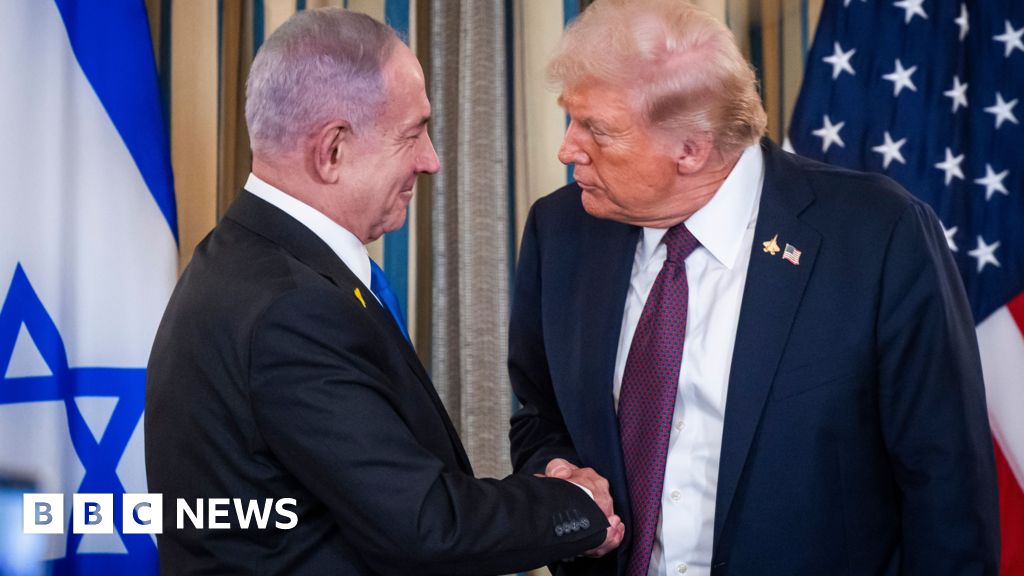
US President Donald Trump and Israeli Prime Minister Benjamin Netanyahu have unveiled a groundbreaking peace plan aimed at deescalating the catastrophic conflict in Gaza. Announced amid mounting international pressure, the proposal signals a significant diplomatic shift with the potential to reshape the geopolitics of the Middle East. The plan’s core demands include an immediate ceasefire, Hamas’s disarmament, and the release of hostages, laying the groundwork for a staged withdrawal while offering a glimmer of hope for an elusive peace. Yet, the initiative also exposes the profound struggles of compromise in a region haunted by decades of resentment, violence, and geopolitical rivalries.

The deal stipulates that Hamas, the militant group controlling Gaza, must relinquish its weapons, dismantle its tunnels, and relinquish control in favor of a technocratic Palestinian-led governing body. An international transition body, spearheaded by the US under the leadership of Trump, would oversee the administration, indicating an unprecedented American role in Palestinian affairs. This arrangement, praised by figures such as former UK Prime Minister Tony Blair as “bold and intelligent,” underscores a strategic departure from previous policies that prioritized direct Israeli control or diplomatic neglect. The proposal also emphasizes economic reconstruction, with immediate full aid to Gaza contingent on compliance, aiming to counter the humanitarian crisis worsened by ongoing hostilities.

International reactions have been mixed but reveal a shared desire for diplomatic resolution. British Prime Minister Sir Keir Starmer, along with other Western allies, has called upon all parties to seize this historic opportunity. The plan hints at a future Palestinian state, though details remain vague, and recognizes that the path toward Palestinian sovereignty is deeply intertwined with the cessation of violence. However, the sense of cautious optimism is shaded with skepticism; Hamas officials have expressed willingness to consider the proposal but stressed that Palestinian interests and the complete Israeli withdrawal are non-negotiable. Meanwhile, geopolitical analysts warn that the plan’s success hinges on the authentic commitment of all parties to peace—not just rhetoric—especially as tensions remain high in the broader Middle Eastern arena.

The geopolitics of the region are poised on a knife-edge, with the US and Israel seeking to recalibrate their strategies amidst a landscape of persistent hostility, shattered trust, and external influences. The timing is critical, as Netanyahu sharply condemned efforts at Palestinian recognition by Western nations, labeling such moves as signs of “shame” and a security threat. His recent UN speech, filled with accusations and inflammatory rhetoric, reflects the deep divides that still threaten to unravel any nascent peace efforts. This new proposal is, therefore, more than just an attempt to end hostilities—it’s a larger chess move aimed at consolidating regional and international influence, even as critics question the likelihood of enduring stability given the entrenched grievances and differing visions of sovereignty.

As history watches with bated breath, the silent stones of Gaza—once again under the weight of diplomatic negotiations—bear witness to a moment that could either mark the dawn of a new era or deepen the shadows of conflict. The unfolding story remains uncertain, with each decision echoing far beyond the confines of war zones and diplomatic chambers; it threatens to redefine notions of sovereignty, human rights, and global order. In an arena where the stakes are life and death, all players—the superpowers, regional actors, and local communities—must confront the enduring question of whether peace is merely a fragile promise or the foundation of a resilient future. The unforgiving pages of history await, ready to record whether this chapter will end in reconciliation or further chaos — the great narrative of the Middle East is still being written.

Trump and Netanyahu warn Hamas: Embrace Gaza peace or face tough consequences

In a striking display of international power dynamics, President Donald Trump alongside Israeli Prime Minister Benjamin Netanyahu recently unveiled a controversial 20-point peace plan targeting the Gaza conflict. This strategic overture, announced amidst a diplomatic backdrop of flags and guarded optimism, signals a significant moment for U.S. foreign policy and Israel’s security calculus. While the plan is portrayed as a “historic breakthrough,” critics and analysts alike question its legitimacy, especially given the conspicuous absence of formal consultation with Hamas. The militant group’s leadership remains largely out of the loop, with officials like Mahmoud Mardawi claiming they haven’t even received the proposal, raising allegations of a top-down approach driven more by regional power plays than genuine peace negotiations.

The blueprint calls for an immediate ceasefire, the exchange of hostages, a phased Israeli withdrawal from Gaza, and the disarmament of Hamas—a move that could shift the regional playing field. Trump’s inclusion of a “Board of Peace,” headed by himself and featuring figures like former UK Prime Minister Tony Blair, exemplifies an unprecedented push for international oversight, potentially sidelining existing Palestinian political structures. This has sparked fierce debate about how such a plan might reshape the geopolitical landscape—effectively replacing traditional Palestinian authority with a new governance model under Western oversight. Governments and observers warn that such a move risks inflaming tensions further, with many wary that it may deepen the divide between Palestinians and the broader Arab world, echoing historical warnings from scholars like Noam Chomsky on Western interventions.”

Meanwhile, Netanyahu’s firm stance on the situation underscores Israel’s unwavering desire for preemptive security. His ominous declaration that “Gaza will be demilitarized” and that Israel will “finish the job” if Hamas refuses peace terms demonstrates the Israeli leadership’s intent to reassert dominance over Gaza, regardless of international objections. The geopolitical impact of these words signals an intent to eliminate Hamas as a political entity, but it also risks igniting a broader regional conflict. This approach has implications beyond Gaza, influencing the stability of neighboring countries and potentially leading to a new level of Middle Eastern volatility that experts warn could engulf the broader region in flames. International organizations like the UN have already voiced concerns about humanitarian consequences, as Israel’s military operations have devastated Gaza’s infrastructure, exacerbating an already dire humanitarian crisis.

As history unfolds, the reintegration of Gaza into the regional and global fold remains uncertain. The absence of Hamas from the peace process raises questions about the future legitimacy of any agreement, and the potential for repeated cycles of violence persists. The shifting alliances, the high-stakes negotiations, and the threat of full-scale warfare cast a long shadow over the Middle East’s stability. With navies and tanks entrenched within Gaza’s ruins and diplomatic channels strained to breaking, the region teeters on a knife’s edge. The world watches as the epic saga of power, resistance, and diplomacy confronts its next chapter—an enduring reminder that history’s most pivotal moments often come not with clarity, but with the deafening weight of uncertainty.”

Social Media Auto Publish Powered By : XYZScripts.com