Matox News

Truth Over Trends, always!

Bulgaria’s pro-Russian former President’s party leads in early exit polls

Bulgaria’s Political Landscape in Flux: A Shift Toward Russia or Euro-Atlantic Integration?

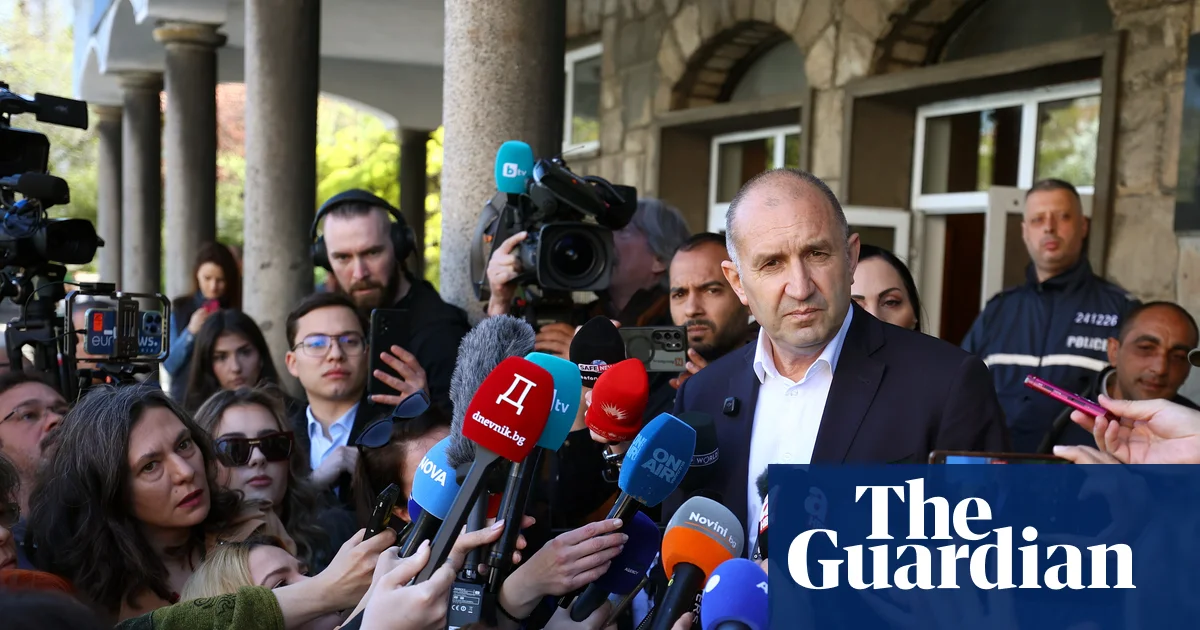
In a pivotal moment for Bulgaria, the country’s eighth parliamentary election within five years has yielded a significant outcome: the party of Rumen Radev, Bulgaria’s former president and a staunch critic of Western military aid, has emerged as the leading force. According to exit polls, Radev’s **Progressive Bulgaria** secured the largest share of votes, signaling a potential shift in the nation’s often tumultuous political trajectory. Yet, despite the victory, no party managed to secure an outright majority, leaving the nation at a crossroads regarding its **geopolitical orientation**. The election results demonstrate a clear divergence among Bulgarian voters—some rallying behind Radev’s calls for a “**democratic, modern, European Bulgaria**,” while others cling to traditional pro-European alliances, exemplified by the conservative **GERB** party led by Boyko Borissov.

Radev’s rise is emblematic of a broader anti-establishment sentiment reflecting widespread dissatisfaction with entrenched oligarchic governance and corruption—issues analyzed by prominent political commentators and international watchdogs. Since 2021, Bulgaria has been mired in political crises following anti-graft protests that toppled Borissov’s long-standing government. Radev, a retired air force general now campaigning on a platform to **”fight corruption”** and **rebuild ties with Russia**, has criticized Bulgaria’s alignment with Western military strategies, most notably opposing a recent **10-year defense agreement** with Ukraine. He advocates for **“practical relations with Russia, based on mutual respect and equal treatment,”** a stance that sparks deep divides in a nation situated at the geopolitical crossroads of East and West. This position echoes historical debates among Bulgarian policymakers who’ve oscillated between pro-Russian sentiment and Euro-Atlantic integration, a tug-of-war analyzed by historians and security experts alike.

Analysts warn that the election’s outcome could shape Bulgaria’s **geopolitical future** profoundly. Should Radev’s influence grow, Bulgaria could pivot away from its **Euro-Atlantic commitments**, risking its relationship with NATO and the European Union. Meanwhile, those supporting leaders like Borissov emphasize Bulgaria’s role within Brussels and Washington, underscoring its strategic importance in the **security architecture of Eastern Europe**. This dichotomy is not only about domestic economics and governance but also about the fight for **regional stability** and influence. The European Union’s strategic planners, alongside NATO officials, monitor Bulgaria closely, understanding that a shift in Bulgarian policy could **undermine collective security** in a region still haunted by Russia’s ambitions.

Meanwhile, voter participation remains a critical issue. With turnout historically low—around 39% in the previous election—rising political disillusionment and **trust deficit** threaten the legitimacy of Bulgaria’s democratic processes. Yet, recent crackdowns on **vote-buying operations**—with police seizing over €1 million in illegal funds—indicate an effort to restore electoral integrity and **curb corruption**. The election’s outcome underscores the profound **stakes for societal stability**, as citizens deliberate whether to embrace a **change-oriented** or **pro-Russian trajectory**. The world’s eyes now turn to Sofia, where each vote echoes in the corridors of power and perhaps, in the future, determines whether Bulgaria remains firmly anchored in the West or skews toward a more Eurasian course—potentially altering the balance of power in the volatile Eastern European sphere.

As the nation braces for the inevitable political fallout and possible coalitions, the weight of history presses down—a reminder that in Bulgaria, the fight for sovereignty and identity is ongoing. Will this election mark the beginning of a **new era** of **democratic reform and integration** or will it deepen the **geopolitical schism** that has long defined this Balkan state? The answer lies ahead, where the choices of the Bulgarian electorate may well shape the rifts and alliances of the **international order** for years to come, leaving history to ponder whether this small nation’s crossroads will forge a new destiny or entrench old divisions in a world on the brink of an uncertain future.
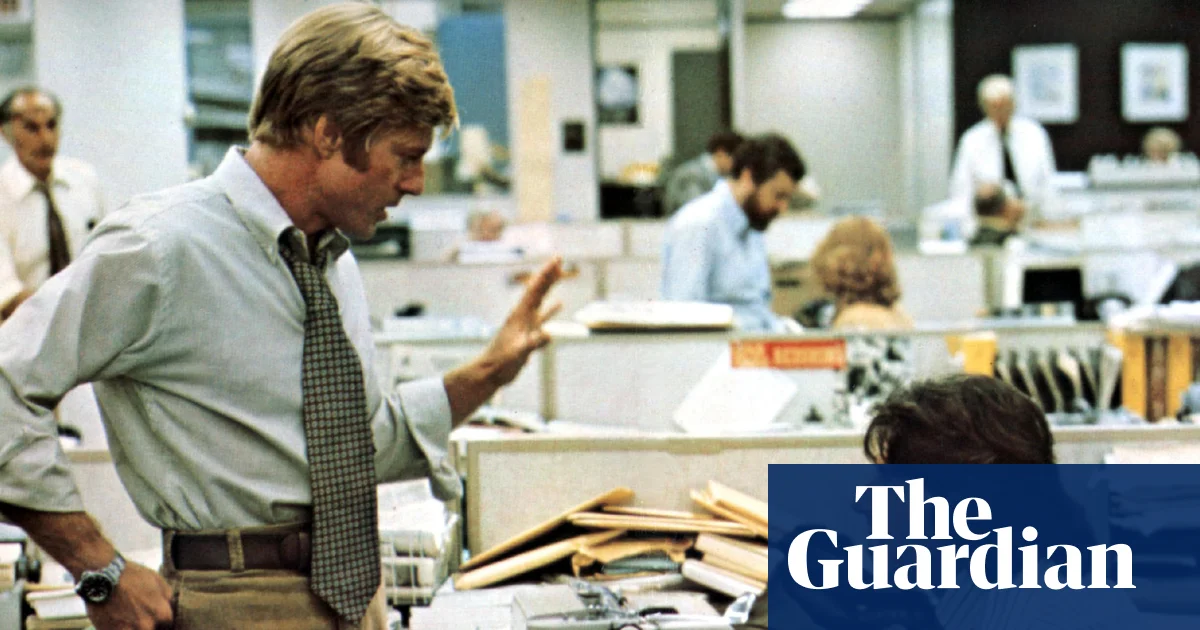
Celebrating 50 Years of All the President’s Men: A Timeless Classic in American Cinema and the Watergate Saga

In an age where the rapid currents of digital innovation threaten to erode the bedrock of traditional values, culture remains our enduring foundation—an anchor linking the past to the future, a mirror reflecting our collective identity. The 50th anniversary of the film All the President’s Men serves as a poignant reminder of how storytelling, rooted in truth and perseverance, can preserve the moral fabric of society. This cinematic masterpiece, exemplifying the rigorous pursuit of justice through the lens of journalism, underscores the vital role of culture not merely as entertainment, but as a testament to a society’s moral and intellectual resilience. It echoes Ortega y Gasset’s assertion that we are what we continually create and revere—our cultural memory shaping us like a mirror held up through the ages.

Yet, the interplay between culture and societal values is not static. When we observe the relentless efforts of Woodward, Bernstein, and the journalists of Watergate, we see not just the fight against corruption, but a reaffirmation of the foundational principles of accountability and transparency. As Tocqueville noted, democracy thrives on the vigilant participation of its citizens—an ideal vividly illustrated by the reporters’ dogged dedication, even amidst apathy and political turbulence. These stories become more than cinematic relics; they become symbols that rally society around the understanding that our cultural identity is forged in the crucible of truth, tradition, and moral resolve.

  • Milestones in cinematography capturing the spirit of investigative integrity.
  • Portrayals of historical figures demonstrating the power of moral clarity.
  • The ongoing debate over the role of media as guardians of civic virtue.

As we confront new challenges—be it political upheavals, social fragmentation, or technological disruptions—the melodious memory embedded in these stories offers a compass for the youth. Chesterton’s notion that “Tradition means giving votes to the most obscure of all classes, our ancestors” suggests that in deeply respecting our cultural roots, we find the prophetic voice of the future. If culture is both memory and prophecy, then the stories we cherish and uphold serve as the blueprint for human dignity—reminding us that our shared cultural inheritance is the blueprint of our destiny. The enduring narrative of truth, courage, and perseverance calls us to be vigilant guardians of the moral edifice, for it is in this sacred act that we find both the reflection of who we are and the promise of what humanity can become—a monument not only to memory but a prophecy inscribed in the stones of our collective soul.

Nigerian President’s Opponents Score Big Win as Top Politician Joins Their Side

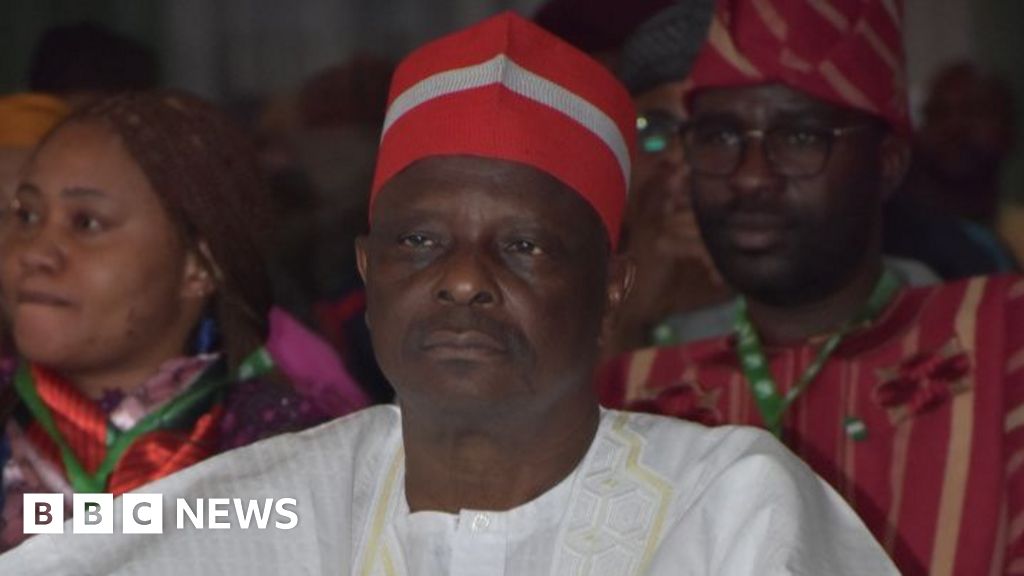
In a move that signals a significant shift in Nigeria’s complex political landscape, Rabiu Kwankwaso, a prominent figure in Nigerian politics and former governor of Kano State, has formally joined the African Democratic Congress (ADC). This decision aligns him with a coalition that aims to challenge the current administration of President Tinubu in the upcoming 2027 elections. As Nigeria’s political divides deepen amidst economic challenges and regional tensions, Kwankwaso’s move underscores a strategic effort to redefine the balance of power and influence within West Africa’s largest nation.

Heralded by analysts as a deliberate attempt to forge a formidable opposition front, Kwankwaso’s entry into the ADC is viewed as a bid to capitalize on widespread public sentiment demanding change. The coalition expects to galvanize support across Nigeria’s diverse ethnic and regional groups, leveraging Kwankwaso’s popularity in the North and his track record on infrastructure development. Such a consolidation of opposition figures and parties could have a *pivotal* impact on Nigeria’s electoral landscape. According to international political observers, this shift could trigger a recalibration of regional alliances, particularly as ethnic loyalties continue to color political alignments in Nigeria.

The geopolitical impact extends beyond Nigeria’s borders, with neighboring countries closely monitoring the unfolding power dynamics. Analysts from the African Union and global institutions warn about the broader implications of a fractured Nigerian political scene, emphasizing that instability in Abuja could ripple across West Africa, further destabilizing already fragile regional economies. Historically, Nigerian elections have served as a barometer for regional stability, given the country’s role as West Africa’s economic and political powerhouse. The new alliance signals a potential shift that could challenge President Tinubu’s plans to cement his legacy, while also reshaping alliances within Nigeria’s complex electoral arithmetic.

As the nation braces for a contentious electoral cycle, many experts highlight the importance of sound political governance and the influence of diaspora communities in shaping the outcome. The decision by Kwankwaso to abandon previous political alignments and join forces with the ADC underscores an *urgent* desire among opposition factions to unify against entrenched incumbency. Historians note that Nigeria’s history is replete with moments where opposition coalitions—though initially fractured—have ultimately reshaped the country’s trajectory. The current juncture appears poised to be another critical chapter in Nigeria’s ongoing saga of political contestation, with power balances delicately shifting with each campaign promise and geopolitical maneuvering.

Ultimately, the unfolding contest for Nigeria’s future remains a dramatic testament to the enduring fragility and resilience of its democracy. As voters prepare for what may be one of the most pivotal elections in recent history, the world watches with bated breath. In the corridors of power and across the bustling streets of Lagos and Kano alike, the echoes of history are stirring anew. The question remains: will Nigeria’s next chapter be one of renewed unity or enduring division? The answer lies in the choices made today, shaping a legacy that will define generations to come.

Top Women’s Winter Jackets You Can’t Miss — President’s Day Deals Slashing Prices Up to 75%! | Life & Style

After a winter that tested the resilience of many with record-low temperatures and relentless storms, it’s clear that embracing winter wellness is an essential part of a balanced lifestyle. For outdoor enthusiasts and city residents alike, bundling up is no longer just about staying warm—it’s a statement of resilience, self-care, and adventure. Wellness experts, like Dr. Jordan Peterson and outdoor lifestyle influencers, emphasize that investing in quality gear not only protects your health but also inspires a life full of adventure and confidence. From skiing to urban winter strolls, the right apparel bolsters not just physical comfort but fosters an inner sense of empowerment.

Warmth Meets Style: Jackets That Last

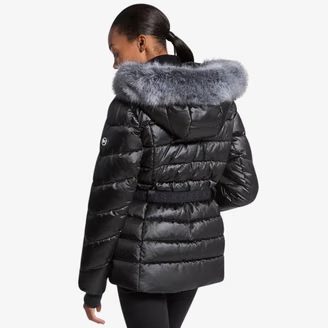
In the modern era, personal impact extends beyond mere functionality—it’s about expressing identity and embracing an active lifestyle. Among the top recommendations from seasoned explorers and fashion-forward outdoor enthusiasts are brands like Michael Kors, Lululemon, Patagonia, and Oysho. These brands are redefining winter apparel with designs that offer warmth, durability, and style. For instance, the Michael Kors Faux Fur Trim Belted Puffer Jacket exemplifies the blend of high fashion and utility, now available at nearly 75% off during seasonal sales. Such investments in versatile, long-lasting gear elevate the everyday experience—whether you are commuting or conquering mountain trails.

Active Winterwear for Outdoor and Athletic Pursuits

For the youth seeking to keep active despite the cold, brands like Lululemon have pioneered designs like the Another Mile Jacket. Praised by trail runners and outdoor athletes, this piece is lightweight yet highly insulated, with features like windproof fabric and thumb holes—elements vital for maintaining performance and comfort in extreme weather. Such apparel choices underscore the idea that, with the proper gear, anyone can turn winter challenges into opportunities for adventure and self-discovery, making health and leisure an integrated part of life rather than obstacles.

Investing in Quality for a Lifetime of Experiences

From Patagonia’s Down With It Parka to premium options from Canada Goose, assembling a wardrobe that endures multiple seasons is a conscious choice toward wellness and sustainability. Repair programs offered by Patagonia exemplify a lifestyle that appreciates longevity, aligning with a cultural shift towards mindful consumption. The investment in such apparel dramatically impacts health by ensuring consistent warmth—a crucial factor as you pursue outdoor activities or face cold-weather commutes. Beyond practical benefits, owning high-quality gear becomes an inspiring testament to embracing life’s colder seasons with resilience and style.

  • Research brands that prioritize sustainability and durability for long-term value
  • Layer clothing to enhance comfort and adaptability in fluctuating temperatures
  • Consider technical features like water-resistance and insulation for performance outdoors
  • Seek adventure even in winter to boost mental health and maintain an active lifestyle

In embracing the winter season, the journey transforms into more than just staying warm—it becomes a narrative of self-empowerment, health, and endless exploration. The right jackets and activewear serve as catalysts for a lifestyle that refuses to be subdued by cold days. As cultural voices like author and wellness advocate Mark Manson remind us, “The pursuit of wellness is an ongoing adventure,” and that adventure begins with your wardrobe. When you choose to invest in gear that lasts and empowers, you foster a personal impact that echoes in every invigorating breath of winter air—a reminder that life’s coldest days are just opportunities to embrace the warmth within.

US cancels Colombian president’s visa following UN trip

International Tensions Escalate: Colombia’s President Gustavo Petro Faces US Visa Revocation Amid Bold Calls for Disobedience

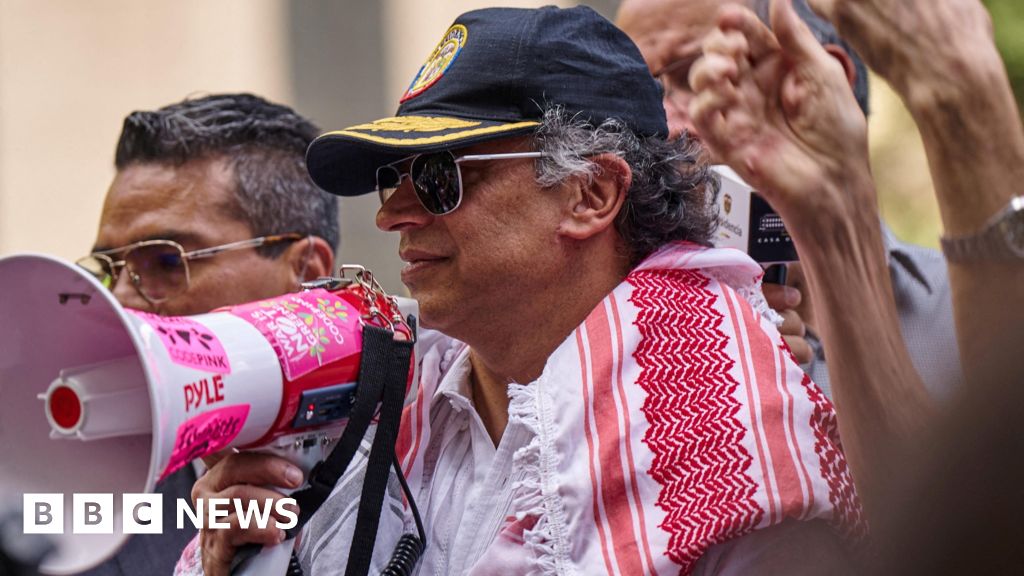
In a striking move that underscores the shifting sands of global geopolitics, Colombia‘s President Gustavo Petro has found himself at the center of an intense diplomatic storm after urging US soldiers to disobey orders from Donald Trump. The former senator and leader of Colombia’s first left-wing government made incendiary remarks during a speech at the UN in New York, calling for a “world salvation army” to liberate Palestine. As Petro implored US soldiers to “disobey Trump’s order,” the US State Department responded swiftly, vowing to revoke his visa—an action that marks a rare diplomatic escalation within the hemispheric relationship.

Petro’s remarks, delivered amidst a pro-Palestinian protest, were characterized by American officials as “reckless and incendiary,” sparking outrage at the highest levels of US diplomacy. His plea to soldiers to “not point rifles at humanity” and to turn their guns instead toward “tyrants” echoes a broader narrative that challenges the existing US-led order. Historically, such rhetoric—particularly when it involves urging soldiers to disobey commands—can threaten diplomatic stability and alter perceptions of US influence in Latin America. Analyzing this development, experts like geopolitical analyst Dr. Karen Mitchell suggest that Petro’s speech reflects a growing dissatisfaction with US foreign policy—especially its aggressive anti-drug operations in Latin America, which Petro has criticized as tools of American domination rather than genuine efforts to combat narcotics. This exchange reveals a possible turning point as Latin American leaders become increasingly vocal in opposing US interventions, risking diplomatic isolation to assert their sovereignty.

The diplomatic fallout extends beyond mere rhetoric.

  • Petro’s visa revocation, announced as he was returning to Bogotá, sets a precedent of punitive measures against leaders critical of US foreign policy.
  • Colombia’s Interior Minister, Armando Benedetti, went further, claiming that Israeli Prime Minister Benjamin Netanyahu should have faced similar visa restrictions—a pointed comment aimed at highlighting perceived double standards.
  • Relations between Colombia and Washington have been strained, especially after Petro’s recent critical comments at the UN, alleging that US strategies in Latin America serve to “control through violence” rather than genuine development. These sentiments echo a broader skepticism rooted in historical grievances over interventionist tactics and the US’s role in shaping Latin America’s political landscape.

Meanwhile, the global stage is witnessing a wider contest for influence, with international organizations and historians warning that these disputes transcend diplomatic rhetoric. The US’s decision to deny visas to Palestinian President Mahmoud Abbas and several officials—despite customary diplomatic privileges—further exemplifies the ongoing shift in US engagement, marking a move toward more aggressive stances on its perceived adversaries. This diplomatic tug-of-war underscores how political decisions here have the power to reshape alliances, fuel regional instability, and redefine sovereignty. As Petro’s calls for disobedience reverberate through international corridors, the world watches, realizing that these acts of defiance, while seemingly isolated, threaten to fracture the current global order. In the unfolding narrative of history—bit by bit, decision by decision—the stage is set for a new era of contestation over sovereignty, influence, and the future trajectory of international relations. The question remains: will the currents of change turn toward chaos or renewal? The answer lies ahead, in the unresolved chapters of a world still waiting to be written.

Social Media Auto Publish Powered By : XYZScripts.com