Bulgaria’s Political Landscape in Flux: A Shift Toward Russia or Euro-Atlantic Integration?
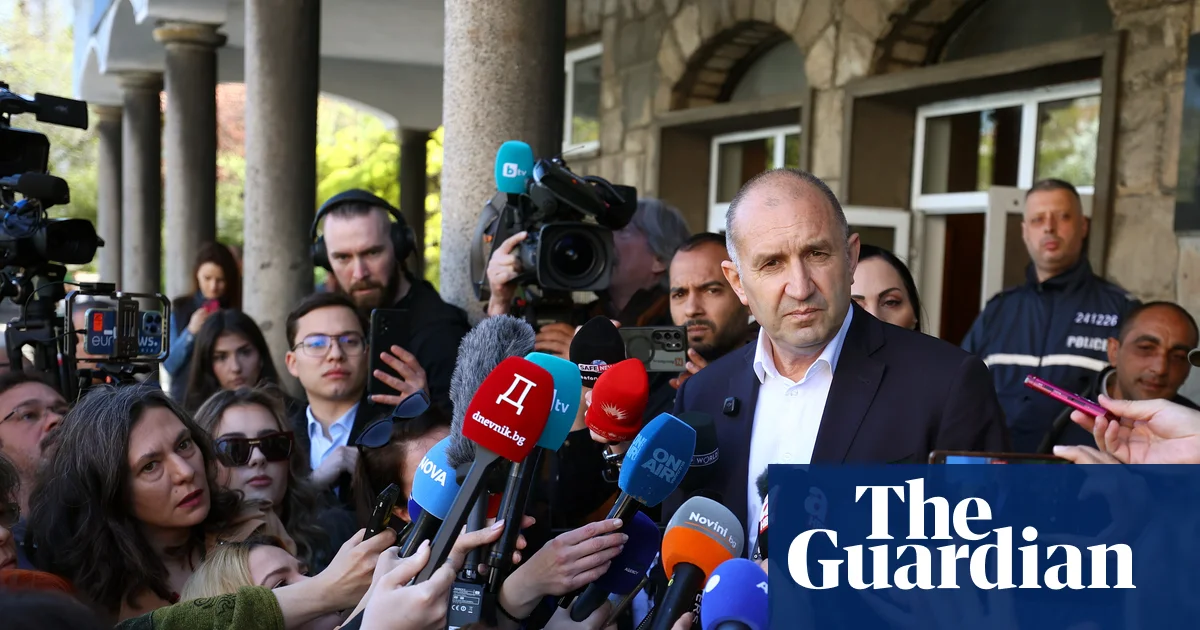
In a pivotal moment for Bulgaria, the country’s eighth parliamentary election within five years has yielded a significant outcome: the party of Rumen Radev, Bulgaria’s former president and a staunch critic of Western military aid, has emerged as the leading force. According to exit polls, Radev’s **Progressive Bulgaria** secured the largest share of votes, signaling a potential shift in the nation’s often tumultuous political trajectory. Yet, despite the victory, no party managed to secure an outright majority, leaving the nation at a crossroads regarding its **geopolitical orientation**. The election results demonstrate a clear divergence among Bulgarian voters—some rallying behind Radev’s calls for a “**democratic, modern, European Bulgaria**,” while others cling to traditional pro-European alliances, exemplified by the conservative **GERB** party led by Boyko Borissov.
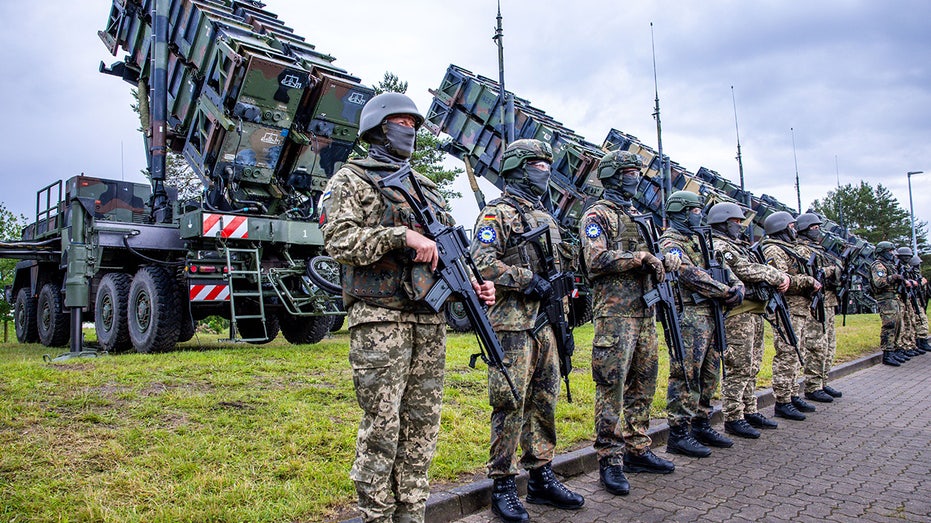
Radev’s rise is emblematic of a broader anti-establishment sentiment reflecting widespread dissatisfaction with entrenched oligarchic governance and corruption—issues analyzed by prominent political commentators and international watchdogs. Since 2021, Bulgaria has been mired in political crises following anti-graft protests that toppled Borissov’s long-standing government. Radev, a retired air force general now campaigning on a platform to **”fight corruption”** and **rebuild ties with Russia**, has criticized Bulgaria’s alignment with Western military strategies, most notably opposing a recent **10-year defense agreement** with Ukraine. He advocates for **“practical relations with Russia, based on mutual respect and equal treatment,”** a stance that sparks deep divides in a nation situated at the geopolitical crossroads of East and West. This position echoes historical debates among Bulgarian policymakers who’ve oscillated between pro-Russian sentiment and Euro-Atlantic integration, a tug-of-war analyzed by historians and security experts alike.
Analysts warn that the election’s outcome could shape Bulgaria’s **geopolitical future** profoundly. Should Radev’s influence grow, Bulgaria could pivot away from its **Euro-Atlantic commitments**, risking its relationship with NATO and the European Union. Meanwhile, those supporting leaders like Borissov emphasize Bulgaria’s role within Brussels and Washington, underscoring its strategic importance in the **security architecture of Eastern Europe**. This dichotomy is not only about domestic economics and governance but also about the fight for **regional stability** and influence. The European Union’s strategic planners, alongside NATO officials, monitor Bulgaria closely, understanding that a shift in Bulgarian policy could **undermine collective security** in a region still haunted by Russia’s ambitions.
Meanwhile, voter participation remains a critical issue. With turnout historically low—around 39% in the previous election—rising political disillusionment and **trust deficit** threaten the legitimacy of Bulgaria’s democratic processes. Yet, recent crackdowns on **vote-buying operations**—with police seizing over €1 million in illegal funds—indicate an effort to restore electoral integrity and **curb corruption**. The election’s outcome underscores the profound **stakes for societal stability**, as citizens deliberate whether to embrace a **change-oriented** or **pro-Russian trajectory**. The world’s eyes now turn to Sofia, where each vote echoes in the corridors of power and perhaps, in the future, determines whether Bulgaria remains firmly anchored in the West or skews toward a more Eurasian course—potentially altering the balance of power in the volatile Eastern European sphere.
As the nation braces for the inevitable political fallout and possible coalitions, the weight of history presses down—a reminder that in Bulgaria, the fight for sovereignty and identity is ongoing. Will this election mark the beginning of a **new era** of **democratic reform and integration** or will it deepen the **geopolitical schism** that has long defined this Balkan state? The answer lies ahead, where the choices of the Bulgarian electorate may well shape the rifts and alliances of the **international order** for years to come, leaving history to ponder whether this small nation’s crossroads will forge a new destiny or entrench old divisions in a world on the brink of an uncertain future.