Matox News

Truth Over Trends, always!

Thailand PM urges energy conservation amidst Middle East turmoil driving price spikes

Thailand’s Response to the Middle East Conflict: A Sign of Broader Regional Unrest

As tensions continue to escalate in the Middle East, nations across Asia are facing profound economic and geopolitical ripples that threaten their stability and sovereignty. Thailand, a strategic Southeast Asian nation often considered a regional economic hub, has recently declared a state of heightened alert, urging its citizens and private sectors to conserve energy amid fears of further disruptions in oil and gas supplies. Prime Minister Anutin Charnvirakul emphasized the nation’s vulnerability due to its heavy reliance on imported fossil fuels, highlighting the precarious position many countries find themselves in during ongoing international conflicts. His appeal for energy conservation — including work-from-home policies, carpooling, and increased dependency on public transportation — underscores an urgent recognition that past complacency regarding energy security can no longer be maintained.

This call for austerity is not isolated; across Asia, governments are adopting a concerted approach to mitigate immediate economic shocks by implementing measures like four-day workweeks, restrictions on overseas travel, and austerity protocols in government operations. The Philippines and Sri Lanka have introduced reduced working schedules for public-sector employees, reflecting a regional consensus that energy and economic stability are now intertwined in the broader geopolitical chessboard. Meanwhile, Vietnam has encouraged remote work as a tactical move to lower energy consumption. Such measures, while seemingly temporary, signal a strategic shift in how these nations perceive their long-term energy vulnerabilities amid upheavals that could reshape geopolitical alignments and economic dependencies.

The ripple effects extend into the economic fabric of Thailand itself. The country’s government announced plans to tighten control over crude palm oil exports and regulate bottled palm oil prices to safeguard domestic supplies amidst rising biodiesel demand. Concurrently, the soaring cost of diesel — now exceeding 50 baht per litre — is plunging sectors critical to national stability, including agriculture and transportation, into crisis. The immediate impact is felt acutely by farmers and tourism operators preparing for Songkran, the Thai New Year, where internal travel traditionally surges but may now dwindle due to inflated travel costs and airline disruptions. This economic strain, driven by international conflicts, exemplifies how volatile energy markets are inexorably linked to social stability and national sovereignty, especially for resource-importing nations caught in the crossfire of global geopolitics.

Analysts and international organizations are wary of the long-term consequences. The International Energy Agency warns that ongoing conflicts could induce a “prolonged energy crunch,” exacerbating inflation and social unrest in nations that rely heavily on imported fuel. Historians like Barbara Tuchman have documented how such resource-driven crises often accelerate political change, underscoring the importance of strategic foresight. For Indonesia, recent measures include a substantial surcharge hike on jet fuel and permission for airlines to raise domestic ticket prices by up to 13%, a move signaling that even oil-rich states are not immune to global supply shocks. Such policies deepen the economic fracture lines, further impacting the geopolitical landscape by fueling nationalism and economic protectionism—an ominous trend that could redefine alliances in the Indo-Pacific and beyond.

As these nations scramble to shield themselves from the dangerous ripple effects of Middle East conflicts, the broader geopolitical battle for energy dominance intensifies. From Beijing to Washington, global powers watch warily, aware that the decisions made today will write the chapters of future history. The Asian responses serve as a stark reminder that energy security is now a vital component of national sovereignty, intertwined with cultural and political stability. With each policy enacted and each resource conserved, nations are staking their claim in a high-stakes game where the consequences of inaction echo through generations. As the world stands at this precarious crossroads, the true magnitude of international upheaval remains unfolding, leaving history to judge whether these measures will herald resilience or further unravel the fragile fabric of global peace.

Fanttik X9 Pro Portable Tire Inflator Hits Lowest Price in Months—Perfect for Young Tech Enthusiasts

Innovative Portable Pump Disrupts Automotive Accessories Market

In an era where *smart mobility* and *personalized convenience* are transforming the automotive landscape, Fanttik has emerged as a noteworthy player with its latest portable inflator, the X9 Pro. This device exemplifies the essence of technological disruption—offering a compact, highly functional solution that integrates seamlessly into the modern consumer’s toolkit. Capable of inflating a typical car tire from 30 to 35 PSI in approximately one minute and boasting a maximum pressure of 150 PSI, the X9 Pro underscores how *innovation can redefine even the most mundane tasks.* As urban populations seek efficient, portable, and user-friendly tools, Fanttik’s device positions itself at the forefront of the *future of personal vehicle maintenance*.

The X9 Pro’s design reflects a key trend in *progressive product innovation:* lightweight, versatile, and intuitive. Weighing about a pound, the pump’s slim profile incorporates built-in storage for its accessories, including adapters for various valve types—features that facilitate on-the-go use for a wide array of inflatables, from SUVs and bikes to sports balls. Its *USB-C rechargeability* ensures quick power refreshes, allowing up to 23 minutes of continuous operation—more than enough for multiple inflations or in-field repairs. The device’s ease of operation, with four preset modes tailored for cars, motorcycles, bikes, and balls, followed by a manual override option, exemplifies an understanding of *user-centric design* that aligns with industry trends emphasizing simplicity and smart automation.*

  • Real-time digital display showing current tire pressure, target PSI, and battery life
  • Automatic shut-off feature to prevent over-inflation and conserve power
  • Multifunctional: capable of inflating various inflatables beyond automotive use
  • Portability and ease of use make it ideal for roadside assistance, outdoor activities, or daily use

From a business perspective, Fanttik’s innovation resonates within the growing *automotive lifestyle* sector, where *disruption* is driven by compact, IoT-enabled devices capable of competing with traditional, bulkier equipment. Industry analysts, such as Gartner and MIT scientists, emphasize that *the integration of smart features and mobility-focused design* signals a shift toward *personalized, on-demand vehicle maintenance solutions.* The X9 Pro’s user-friendly automation and portability challenge established brands that rely on fixed or high-maintenance products. This shift could herald a wave of new entrants disrupting the $X billion automotive accessory space, requiring incumbent companies to innovate or risk obsolescence in a fast-evolving landscape.

Thought leaders like Elon Musk and venture capitalist Peter Thiel have long championed the importance of disruptive innovation—highlighting that “those who build the future will be those who challenge the norm.” The X9 Pro embodies this philosophy by shrinking the once cumbersome car pump into a sleek, connected device—favoring *disruption over convention*. As more consumers demand *integrated smart tools* powered by advanced batteries and digital interfaces, companies that can anticipate and lead this wave will secure significant market share. The challenge for incumbent firms lies in their ability to adapt swiftly, harnessing emerging technologies such as *AI, IoT, and advanced battery chemistry* to elevate product offerings.

As the landscape accelerates towards increasingly interconnected and intelligent devices, the significance of innovations like the Fanttik X9 Pro cannot be overstated. They signal a pivotal shift in *how future consumers will interact with their vehicles and related accessories.* With larger manufacturers and startups competing fiercely in this space, the pathway forward is marked by rapid innovation, strategic disruption, and a relentless pursuit of *convenience*. The coming years will likely see this trend intensify—pushing the boundaries of what tomorrow’s automotive accessories can accomplish. For tech leaders and investors, the message is clear: those who act decisively today will shape the mobility solutions of the future—with opportunity knocking loudly for pioneers willing to challenge the status quo.

Australia Politics Live: Labor dismisses fuel rationing talks; rejects $40 cap, says it's too soon for price controls
Australia Politics Live: Labor dismisses fuel rationing talks; rejects $40 cap, says it’s too soon for price controls

Unfolding Crises and Strategic Dilemmas: Australia’s Role on the Global Stage

In an era marked by turbulent geopolitical currents, Australia finds itself at a crucial crossroads amidst internal crises and external pressures. Recent developments reveal a nation grappling with economic vulnerability, security threats, and the daunting task of balancing national sovereignty with international commitments. While the Australian government publicly downplays the possibility of fuel rationing or drastic price caps, the underlying tensions expose the fragile state of the country’s supply chains and economic resilience. This unfolding scenario demands a careful evaluation of how decisions made today will echo through the corridors of global influence for generations to come.

Amid mounting concerns over fuel shortages and rising prices, Canberra has employed measures to bolster supply, including relaxing fuel standards and contemplating increased ethanol integration—a move supported by regional stakeholders like the NRMA. The government’s careful public stance—emphasizing that “it’s too soon to talk about rationing”—belies the mounting pressure from economic analysts who warn that persistent inflation, driven in part by regional conflicts such as the ongoing crisis in the Middle East, could cripple the economy if swift, strategic action is not taken. Critics argue that such measures are only postponing the inevitable, highlighting the urgent need for long-term energy independence.

Security Concerns and Domestic Instability

Security experts and international observers signal that **Australia’s internal stability is being tested by covert threats and ideological radicalization**. The recent thwarting of a terrorist attack at an Invasion Day rally—an incident revealing a homemade explosive device weighted with screws and ball bearings—has rekindled debates about national security strategies. *Tony Burke*, the home affairs minister, expressed a somber tone, noting that “we were incredibly lucky” that no harm was inflicted. Such incidents underscore that the threat matrix has fundamentally shifted, with radicalization increasingly occurring online rather than in traditional training camps.

World analysts like Dr. Lucinda Harris, a geopolitical security specialist, caution that Australia’s vulnerabilities are emblematic of a broader regional instability. As alliances are tested and the Middle East’s turmoil pushes oil prices upward, **the country’s internal security and social fabric face compounded stress**, threatening to erode public confidence. These developments are casting a shadow on Australia’s international reputation—raising profound questions about how sovereignty can be safeguarded in an interconnected, risky world.

Trade, Energy, and Divergent Visions for the Future

The recent agreement to deepen trade relations with the European Union—dubbed a “win-win” by *Trade Minister Don Farrell*—epitomizes Australia’s attempt to diversify its economic partnerships. Yet, critics argue the deal primarily favors European markets, leaving Australian producers and regional industries vulnerable to the volatile energy landscape. Notably, support for the Australian Tomago aluminium smelter—a critical node in regional economic stability—receives a lifeline through a $2bn taxpayer subsidy aimed at maintaining its viability into the future. Such investments are strategic, seeking to protect key industries from the unpredictable winds of international geopolitics.

Internationally, Australia’s stance on energy independence and resource development remains ambiguous. While publicly dismissing ideas like a $40 fuel cap, the government quietly considers broad reforms—ranging from tax concessions to windfall gas levies—that seek to balance fiscal responsibility with regional growth. Historical analysts like Dr. Robert Gibbs warn that “oscillating between resilience and reform shapes a nation’s geopolitical destiny”. As regional powers and traditional allies reconsider their commitments, Australia’s ability to chart a stable course amidst tumult will ultimately determine its future role on the world stage.

Conclusion: The Weaving Tapestry of History

As the wheels of history continue to turn, the choices of today carve the contours of tomorrow’s global landscape. Australia’s internal battles—fuel shortages, security fears, economic reforms—are a mirror for the complex, interconnected chessboard on which global power is contested. With each policy decision, the nation writes a new chapter in its story, a narrative shaped by resilience, caution, and the relentless pursuit of sovereignty amidst the shadows of rising regional and global conflicts. This is not merely a tale of national survival but an epic saga of a country striving to forge its destiny amid the thunderous march of history’s relentless advance.

China eases fuel price hikes to lighten drivers’ load

Global Tensions Rise as Countries Confront Soaring Fuel Prices

In the midst of escalating global energy prices, nations worldwide find themselves at a critical juncture, grappling with economic stability and geopolitical stability. Fuel costs have surged dramatically, driven by a complex mix of international supply chain disruptions, geopolitical tensions, and shifts in global energy markets. As a result, many governments are implementing a variety of measures—ranging from domestic policy adjustments to strategic diplomatic maneuvers—in an effort to shield their populations from the economic fallout. This volatile environment underscores the fragile interconnectedness of global economies and signals a potential redefinition of geopolitical alliances.

Across the European Union, many member states are under mounting pressure to support their energy sectors amidst these turbulent prices. Some have accelerated plans to diversify away from Russian energy, while others face internal discord over subsidy schemes and strategic reserves. The crisis has reignited debates among analysts about the sustainability of current energy dependencies. The United States has responded with strategic petroleum reserves release and increased domestic oil production, aiming to stabilize its market. Yet, experts warn that these measures are only temporary fixes in a broader struggle for energy sovereignty. The International Energy Agency (IEA) has issued a stark warning: without significant structural reforms and diversification, global economies could face prolonged economic pain, especially in energy-dependent sectors.

Meanwhile, Russia and OPEC-aligned nations hold a pivotal influence on global supplies, and their decisions continue to ripple across markets. The recent decision by OPEC+ to modestly cut production quotas has triggered renewed fears of supply shortages, exacerbating inflationary pressures around the world. Leading geopolitical analysts underline that such moves are less about market economics and more about signaling power struggles amid shifting alliances. These developments risk inflaming tensions with Western powers, which view the cuts as a strategic attempt to leverage energy resources for geopolitical advantage. The repercussions of these actions are felt not only in stock exchanges and energy markets but also in the diplomatic corridors of major capitals, as debates intensify over energy independence and security.

The geopolitical shift is not merely an economic issue but also a profound societal challenge. Countries are forced to make difficult choices—cutting subsidies, rationing fuel, or seeking new alliances—to cope with the crisis. These measures carry long-term consequences, potentially reshaping regional power dynamics and internal political stability. Historians and geopolitical analysts warn that this turbulence could accelerate the decline of certain traditional energy-dependent alliances and herald the rise of new blocs committed to energy sovereignty. The International Crisis Group emphasizes that failure to address these core issues could lead to instability, unrest, and even conflicts over resources. As nations scramble to secure their futures, the global stage seems poised for an uncertain transformation, where the decisions made today could echo through history.

The ongoing saga of energy geopolitics is a stark reminder that history continues to be written in moments of crisis. The decisions taken now—whether to push for independence from unreliable suppliers, bolster domestic industries, or reshape international treaties—will determine the course of the future. The world watches as powers assert their influence amidst rapidly changing circumstances, and the weight of their choices hangs heavy in the balance. As the geopolitical landscape shifts once again, humanity must confront the daunting realities of a new energy era—one where the echoes of these decisions will resonate long into the future, shaping the course of history on a scale unprecedented in recent memory.

New at-Home Hair Growth Tech Gets a Price Drop—Level Up Your Look!

Revolutionizing Hair Restoration: iRestore Elite Helmet + Battery Sparks Industry Disruption

In a groundbreaking move that underscores the relentless pace of innovation, iRestore has announced a limited-time sale on its flagship product, the Elite Helmet + Battery. Priced at $1,879 after a $419 discount, this device exemplifies the convergence of health technology and consumer electronics, targeting a substantial market of individuals facing hair thinning and loss. Unlike traditional approaches, this helmet leverages cutting-edge phototherapy, backed by scientific validation, to stimulate hair regrowth without invasive procedures. The inclusion of a rechargeable battery, offering a two-week life cycle between charges, exemplifies the shift toward greater convenience—making high-tech wellness solutions intrinsically more adaptable to modern lifestyles.

Disruption in Hair Loss Solutions and Market Implications

Historically, hair restoration has been dominated by surgical procedures or topical medications that often come with drawbacks such as cost, invasiveness, or inconsistent results. However, the advent of at-home phototherapy devices like the iRestore Elite signals a paradigm shift towards accessible, evidence-based, and disruptive personal care solutions. This device’s features, including its technologically advanced LED therapy, position it as a direct challenger to both clinics and pharmaceuticals, with a clear emphasis on disruption of traditional business models. Financial analysts suggest that the company’s strategic pricing, coupled with positive clinical feedback, could catalyze a rapid industry-wide evolution, compelling established players to innovate or concede market share.

  • Features include hands-free operation, cordless convenience, and proven efficacy within weeks of consistent use
  • Potential to disrupt traditional hair clinics, reducing costs for consumers and reshaping industry standards
  • Market shift towards personalized, non-invasive health tech aligning with consumer demand for convenience and innovation

Notably, Julia Forbes, a Wired reviewer, tested the device extensively, confirming results that included new hair growth and scalp health improvements within just two weeks. Such testimonials, alongside endorsements from scientific institutions, are reinforcing the credibility of at-home phototherapy, challenging the monopoly held by costly clinical procedures. Industry experts like Gartner analysts and MIT researchers underscore that these technologies exemplify the broader trend of disruption and democratization within healthcare and wellness markets.

Business Outlook and Future Trajectory

The iRestore launch is emblematic of the increasing convergence of consumer electronics and healthcare—an intersection poised to redefine industry standards. As Elon Musk and Peter Thiel have long advocated, innovation that democratizes access while maintaining efficacy can create new markets and render obsolete outdated models. The increasingly competitive landscape calls for established players to accelerate digital transformation, focusing on affordability and user-centric designs. The potential of such devices extends beyond hair regrowth, hinting at a future where AI-driven, personalized wellness solutions become commonplace, providing consumers with unprecedented control over their health and appearance.

In conclusion, the **disruption driven by devices like the iRestore Elite** reflects a broader industry trend: technology is poised to fundamentally alter business paradigms, making health and beauty solutions more accessible and less invasive. The promising early results and evolving market preferences suggest that the industry is only at the cusp of a future defined by relentless innovation, increased competition, and significant consumer empowerment. For investors, entrepreneurs, and consumers alike, the message is clear: the next wave of personal health technology is here, and it is set to accelerate rapidly. Immediate attention and strategic action are essential to stay ahead in this fast-evolving landscape.

New Instax Printer: Big Upgrade, Worth the Price for Tech-Savvy Teens

FujiFilm’s Mini Link+ Sets New Standard in Instant Photography, Marking a Disruptive Shift for Visual Enthusiasts

In an era where disruption and innovation are reshaping the landscape of portable imaging technology, FujiFilm remains at the forefront, leveraging recent advancements to elevate the humble instant camera. The company’s latest release, the Instax Mini Link+ ($169.95), promises to deliver not only superior image quality but also a suite of expanding business implications spanning consumer markets and creative industries. Building upon its popular Mini Link 3, FujiFilm aims to disrupt the long-standing perception that instant prints are inherently soft and muddy, introducing processing upgrades that enhance contrast, color fidelity, and detail resolution—features that professional photography analysts like Gartner are now tracking as critical shifts in consumer imaging products.

The cornerstone of this innovation is the **Design Print mode**, designed specifically to cater to the burgeoning demand for crisp, detailed prints—especially for faces and landscapes. While early reviews suggest that this mode delivers only marginal improvements over the traditional Simple mode, the internal processing advancements within the Mini Link+ offer a noteworthy leap in overall print quality. These enhancements not only disrupt the traditional instant film paradigm but also challenge the business models of competitors that rely on legacy instant film technologies. The strategic move aligns FujiFilm with market trends emphasized by MIT researchers: that consumers demand quick, high-quality prints that integrate seamlessly with their mobile devices, further reinforced by FujiFilm’s own app ecosystem, which offers features from AR visualization to social media integration.

Implications for Industry and Consumer Behavior

The industry shift is palpable: FujiFilm’s investment in processing technology signals that future portable printers will prioritize image fidelity, disrupting the low-margin, muddy print stereotype historically associated with instant film. These improvements suggest a potential *disruption of the $30 per 20-sheet film market*, as consumers may now perceive value in more detailed and vibrant prints, thus possibly increasing demand. This strategic upgrade also compels competitors like Polaroid to respond, accelerating innovation in compact, tech-enabled instant solutions. Educational institutions and creative startups, like those featured by industry giants such as Elon Musk or Peter Thiel, might recognize this as a breakthrough opportunity: embedding high-fidelity portable photo solutions into youth culture, art communities, and storytelling platforms.

However, critics caution that the app’s complexity and the high price point—coupled with limitations in printing intricate text-heavy illustrations—may dampen mass-market adoption. Despite this, the business implications extend beyond consumer hobbyists: brands aiming to create tangible marketing collateral or personalized promotional materials now have access to a disruptive technology capable of revolutionizing visual engagement strategies. Moreover, FujiFilm’s innovative approach underscores a broader trend—leveraging internal processing advancements to disrupt legacy markets and redefine value propositions for portable imaging.

Next-Gen Outlook and Industry Urgency

Looking ahead, the focus on image processing and mobile integration indicates a rapid evolution in portable photo technology—one that demands swift industry response. The stakes are high: those who fail to innovate in this space risk obsolescence, especially as younger audiences increasingly prioritize instant, high-quality visual storytelling. As experts forecast, the next wave of disruption will likely originate from integrated AI-powered enhancement algorithms, further narrowing the gap between amateur and professional-level captures on pocket-sized devices. The question remains whether established giants or agile startups will seize this moment to lead the market—fuels that market analysts say will be determined within the next 12-24 months. The future belongs to those with the agility to innovate: a compelling race where disruption is imminent, and every player must respond with urgency.

In this rapidly shifting paradigm, FujiFilm’s Mini Link+ exemplifies how technological innovation can revolutionize an industry rooted in nostalgia, transforming it into a high-fidelity, business-critical platform. As industries and consumers recognize the value of detailed, tactile images in a digital world, the window for strategic disruption widens—underscoring the importance of continual innovation and agility in capturing the future’s visual marketplace.

BMW iX3 2026 Unveiled: Specs, Price, When to Get Yours

BMW Unveils First EV on Revolutionary Platform Amid Global Car Industry Disruption

In a landmark milestone for European automaker BMW, the company’s inaugural electric vehicle (EV) utilizing its innovative new platform has officially arrived on the market. This launch signals a strategic pivot toward disruption in the automotive industry, where traditional giants are racing to out-innovate domestic and international competitors, especially China’s rapidly expanding EV ecosystem. BMW’s entry aims to combine cutting-edge battery technology, high-performance charging infrastructure, and a newly developed driving intelligence system to deliver an unparalleled driving experience.

The new model centers on a set of features designed to challenge the supremacy of Chinese EV manufacturers, who are swiftly gaining ground both in innovation and market share. With a range exceeding industry expectations, rapid charging capabilities—achieving a significant charge within minutes—and an AI-driven driver assistance system, BMW is positioning itself as a serious contender in the global EV race. Industry analysts from Gartner and MIT emphasize that these innovations are critical to capturing the market’s future, where disruption is driven by relentless advancements in battery tech, AI, and charging infrastructure. As Peter Thiel and Elon Musk have repeatedly warned, the race for technological dominance in EVs is fundamentally a strategic battleground that will determine the economic winners of tomorrow.

Corporate strategists highlight that BMW’s new electric platform is not merely incremental; it represents a paradigm shift in manufacturing and vehicle performance. The platform is built to be highly scalable and adaptable to new technological innovations, such as solid-state batteries and autonomous driving systems. Not only does this reflect BMW’s commitment to innovative disruption, but it also signals a broader industry shift towards software-defined vehicles—a domain where tech-savvy competitors, particularly Chinese firms, are making massive strides. BMW’s challenge is to leverage this technical edge while navigating the complex geopolitical and market dynamics that favor rapid innovation and aggressive market entry.

From a business perspective, the launch underscores a new era of competition and innovation in the EV space, with potential ramifications for supply chains, global manufacturing hubs, and automotive leadership. Industry insiders note that market shifts towards EVs are accelerating faster than traditional automakers anticipated, driven by consumer demand for sustainability and technological prowess. The key question is whether BMW’s focus on long-range capabilities and advanced charging tech will be enough to outpace Chinese and American rivals, who often benefit from state-backed R&D and aggressive subsidies. The company’s strategy also entails bolstering its ecosystem around the new platform—integrating charging networks, AI-driven features, and next-generation batteries—creating a moat that could redefine premium EV offerings.

Looking ahead, the automotive industry stands at a pivotal juncture where technological innovation, geopolitical considerations, and consumer preferences weave a complex tapestry of competition. As the market evolves rapidly, factors such as battery innovation, AI sophistication, and charging infrastructure will determine which players dominate the landscape. The arrival of BMW’s first EV on its revolutionary platform exemplifies a broader global shift: traditional automakers are no longer merely playing catch-up, but are actively redefining the rules of the game. In this fiercely competitive environment, timing, strategic investment, and relentless innovation will be the new currencies of success—and those who fail to adapt risk being left behind in the dust of disruptive change.

Swatch MoonSwatch Earthphase Moonshine Gold: Price, Specs & How to Get It

Swatch’s MoonSwatch Continues to Disrupt Traditional Watch Industry, Signals a Tech-Driven Future

The watch industry is experiencing a seismic shift driven by innovation and disruption, with Swiss giant Swatch once again leading the charge. The company’s MoonSwatch collection, a remarkable fusion of horological craftsmanship and mass-market savvy, has revolutionized how consumers perceive and purchase high-end timepieces. Despite its playful, affordable appeal—priced at just $285—MoonSwatch is netting hundreds of millions of dollars in sales, threatening traditional luxury brands’ dominance. This strategic move exemplifies how industry giants are leveraging unique collaborations and branding to harness a new era of consumer engagement.

The product itself is a testament to innovative market disruption. The collection melds Swatch’s bioceramic materials—a sustainable, lightweight composite—with design elements inspired by Omega’s iconic Moonwatch, creating a hybrid product that appeals to both nostalgia and modern sensibilities. Features such as

  • Playful hidden messages revealed under UV light
  • Customizable straps and aesthetic variants
  • Limited editions with unique moon phase displays

highlight Swatch’s strategic use of innovation not just in product design but in consumer experience.

Current industry leaders, like Gartner analyst Dr. Lisa Lopez, underscore the impact on the traditional luxury watch sector. She notes that this disruption is driving a wave of business model innovation, where quick-to-market collaborations and digital appeal threaten the long-standing exclusivity of haute horology. Additionally, Elon Musk’s ventures into mass-market wearables and MIT’s research into smart accessories further illustrate the trend toward integrating technology seamlessly into daily fashion. These developments push the market towards a landscape where disruption and innovation are no longer optional but essential for survival.

Despite the playful aesthetic, the MoonSwatch’s success with younger demographics signals a broader market shift. Industry shifts towards accessible luxury, combined with emphasis on sustainability and technological integration, are redefining the horizon. Swatch’s recent release of the Moonshine Gold Cold Moon model, featuring intricate moon phase mechanics with golden snowflake accents, exemplifies this trend. The release not only demonstrates technological innovation but also highlights the importance of timely, culturally resonant products that generate buzz and brand loyalty. As Peter Thiel often emphasizes, the pace of innovation is accelerating, and companies that fail to adapt risk being left behind in the dust of incumbents driven by tradition.

The future of the watch industry rests on how well brands can blend disruption, innovation, and consumer-centric strategies. Market watchers and tech innovators alike agree that the upcoming decade will be pivotal, with rapid advancements in materials science, smart tech, and augmented reality poised to redefine what a watch can be. The critical takeaway? In an era marked by unprecedented technological disruption, remaining passive is a path to obsolescence. Forward-looking companies must harness the full potential of technological innovation, disrupt traditional paradigms, and stay ahead of the consumer curve—because the next wave of market leadership hinges on their ability to do so.

Black Friday 2025 Unveiled: Hot Deals, Price Match Hacks & Early Access for Savvy Shoppers

The Rise of Black Friday 2025: A Cultural and Social Shift

As we march further into the digital age, one tradition that continues to evolve—and shape our societal norms—is Black Friday. What started as a day reserved for early-morning rushes outside retail stores has transformed into an expansive, month-long phenomenon that reflects broader shifts in consumer behavior and social priorities. This year, with Black Friday 2025 scheduled for Friday, November 28, the spectacle isn’t just about snagging deals anymore; it’s become a mirror for society’s shifting attitude towards shopping, technology, and even community engagement.

Traditional scenes of crowds lining up outside brick-and-mortar locations, shivering in the cold, are gallantly giving way to a new online-first approach. Retailers like Amazon, Best Buy, and Walmart are kicking off their sales well before the actual Black Friday date, often starting as early as mid-November and extending into December. This shift isn’t accidental—it’s a direct response to the social relevance of convenience for younger generations. Influencers and tech-savvy consumers are less interested in fighting crowds for sales than they are in accessing deals from the comfort of their homes, which signals a profound change in consumer culture. The move online has also made Black Friday an event accessible to people regardless of geographical or physical limitations, democratizing the shopping experience and further embedding it into the fabric of social life.

Beyond the convenience aspect, experts highlight the cultural impact of Black Friday as a marker of our collective priorities. Retail analysts and sociologists note that the season’s deals—ranging from QLED TVs to Apple’s latest gadgets—are not just about consumption but serve as social rituals—virtual gatherings, online shopping competitions, and sharing of “best deals” on social media. Influencers such as tech reviewer Marques Brownlee and lifestyle icons are amplifying this shift by showcasing early deal finds, making Black Friday not just a shopping day but a social event where consumers are increasingly engaging through digital platforms. Interestingly, the social importance of bargain hunting has shifted from physical space to digital spaces, turning deals into virtual gatherings that foster a sense of community and shared experience, even across thousands of miles.

  • Early Black Friday deals like ultracompact power stations or high-end gadgets are already making waves online.
  • Price match policies are evolving, but a majority of stores are now less flexible—except for Target and Best Buy—highlighting shifting expectations in consumer rights and retailer policies.
  • Smart shopping tools like wishlist organizers and AI-powered price trackers are changing how the next generation approaches Black Friday—more strategic, less impulsive, and highly informed.

Looking ahead, the question that looms over this trend is whether the virtualization of Black Friday will continue to erode the traditional in-store experience or if a new hybrid model will emerge—one where social engagement is integrated seamlessly with instant digital access. As sociologists and trend analysts debate whether this evolution enhances or diminishes communal ties, one thing remains clear: Black Friday 2025 is less about the deals and more about the cultural redefinition of how, when, and why we shop within our society’s larger digital narrative. Could this evolving trend signify a long-term shift in retail culture, or is it simply a fleeting adaptation? The next big question for our society—perhaps even more important than the sales itself—is whether our collective approach to consumerism is truly progressing toward a more connected, yet socially conscious future, or if we’re merely trading the chaos of the storefront for the isolated clicks of the screen.

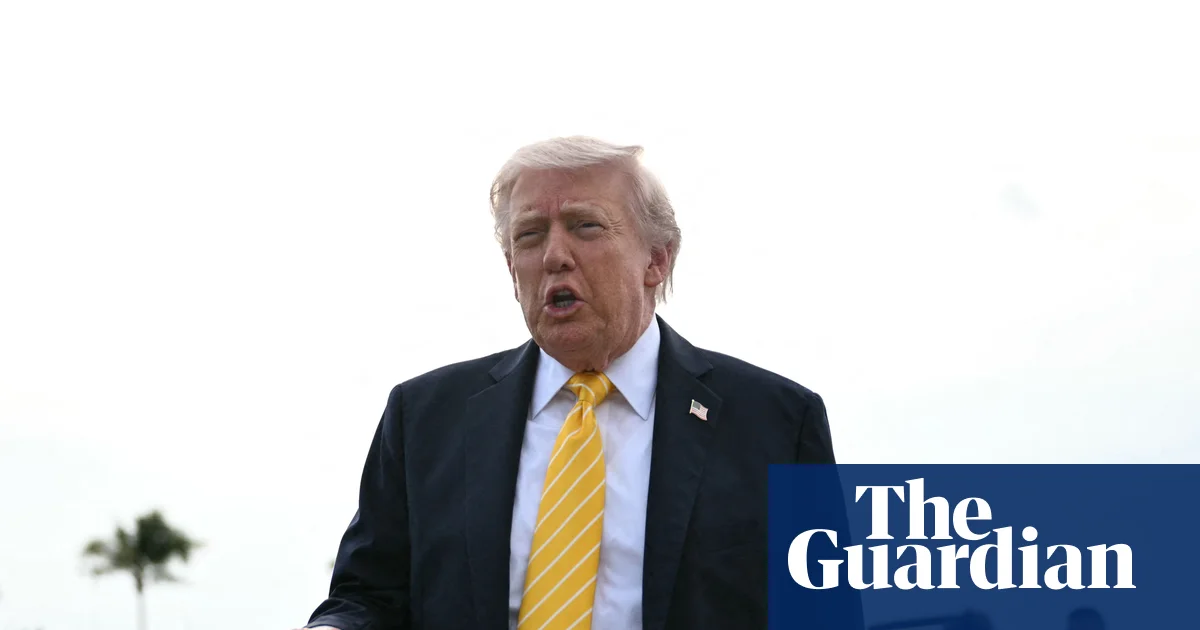
Trump alleges foreign-owned meatpackers fueling U.S. beef price hikes | Donald Trump

The recent flurry of political rhetoric surrounding the U.S. meat industry underscores a broader geopolitical tension that extends far beyond domestic economic concerns. Donald Trump has accused foreign-owned meat packers of artificially driving up beef prices in the United States, prompting a demand for a Department of Justice investigation into what he claims is illicit collusion and price fixing. This sharp stance, announced days after electoral setbacks for the Republican Party, reveals how intertwined economic security and political narratives have become in the current global climate. While Trump has not provided concrete evidence, his claims resonate with longstanding fears of foreign influence and monopolistic practices in vital sectors, exacerbating doubts over the integrity of global supply chains.

What makes this controversy particularly significant is its potential geopolitical impact. The beef industry, a critical component of both the American economy and its food security, is now entangled with international trade dynamics. Trump’s earlier proposal to surge Argentinian beef imports to curb high prices exemplifies a broader strategy of leveraging trade policy to address domestic economic challenges. Such tactics could risk international partnerships, especially with nations like Argentina and Brazil, which are major global exporters of beef but may face increased tariffs or trade restrictions. These punitive measures could send shockwaves through international markets, prompting retaliatory tariffs and escalating tensions within transnational trade agreements, thereby undermining the stability of the *U.S.-Latin America* regional relations.

The ongoing debate over food security and trade policy also holds profound implications for geopolitical alliances. Critics, including international trade analysts and historians, warn that actions perceived as protectionist could weaken free trade principles and foster a cycle of economic nationalism. In the context of a world increasingly polarized by ideological conflicts and supply chain vulnerabilities, the U.S. is walking a fine line between protecting domestic industries and exposing itself to diplomatic fallout. Furthermore, global institutions like the World Trade Organization could be pushed into contentious disputes that threaten to erode the rules-based international order. As nations scramble to fortify their economic resilience, the decisions made in Washington could either catalyze a new era of cooperation or ignite a contest over resources and markets—a contest that history warns favor the more strategic and united actors.

Ultimately, as world leaders navigate these turbulent waters, the legacy of this moment will be shaped by whether they prioritize unilateral measures over multilateral diplomacy. The unfolding story of the U.S. beef industry dispute mirrors larger struggles for sovereignty, economic independence, and cultural identity in an interconnected world. Historians and geopolitical analysts observe that decisions made today—whether to escalate tariffs, impose sanctions, or foster cooperation—will, in time, define the geopolitical landscape for generations. As the smoke of political posturing begins to clear, the silent weight of history presses relentlessly onward, reminding us that every economic move carries the potential to reshape the fabric of international relations, forging new alliances or deepening old wounds. The world watches with bated breath, aware that in this arena of high stakes, not only cattle but entire nations are pawns on a chessboard of global power struggles.

Social Media Auto Publish Powered By : XYZScripts.com