
The Rise of Black Friday 2025: A Cultural and Social Shift
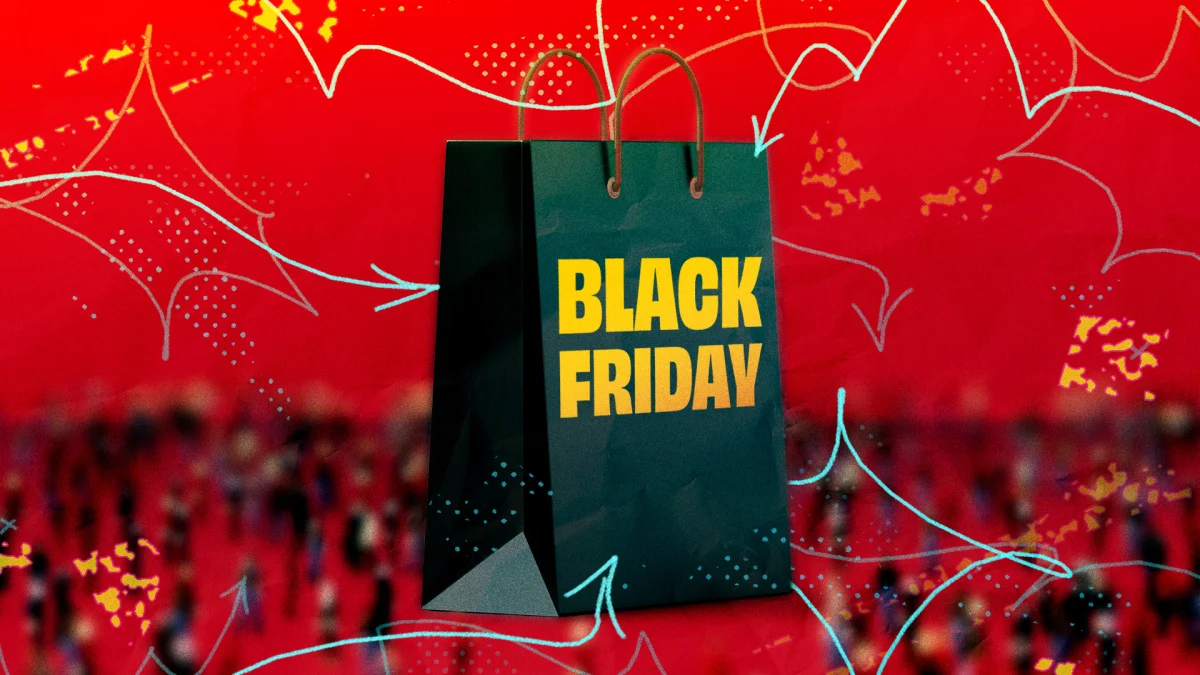
As we march further into the digital age, one tradition that continues to evolve—and shape our societal norms—is Black Friday. What started as a day reserved for early-morning rushes outside retail stores has transformed into an expansive, month-long phenomenon that reflects broader shifts in consumer behavior and social priorities. This year, with Black Friday 2025 scheduled for Friday, November 28, the spectacle isn’t just about snagging deals anymore; it’s become a mirror for society’s shifting attitude towards shopping, technology, and even community engagement.
Traditional scenes of crowds lining up outside brick-and-mortar locations, shivering in the cold, are gallantly giving way to a new online-first approach. Retailers like Amazon, Best Buy, and Walmart are kicking off their sales well before the actual Black Friday date, often starting as early as mid-November and extending into December. This shift isn’t accidental—it’s a direct response to the social relevance of convenience for younger generations. Influencers and tech-savvy consumers are less interested in fighting crowds for sales than they are in accessing deals from the comfort of their homes, which signals a profound change in consumer culture. The move online has also made Black Friday an event accessible to people regardless of geographical or physical limitations, democratizing the shopping experience and further embedding it into the fabric of social life.
Beyond the convenience aspect, experts highlight the cultural impact of Black Friday as a marker of our collective priorities. Retail analysts and sociologists note that the season’s deals—ranging from QLED TVs to Apple’s latest gadgets—are not just about consumption but serve as social rituals—virtual gatherings, online shopping competitions, and sharing of “best deals” on social media. Influencers such as tech reviewer Marques Brownlee and lifestyle icons are amplifying this shift by showcasing early deal finds, making Black Friday not just a shopping day but a social event where consumers are increasingly engaging through digital platforms. Interestingly, the social importance of bargain hunting has shifted from physical space to digital spaces, turning deals into virtual gatherings that foster a sense of community and shared experience, even across thousands of miles.
- Early Black Friday deals like ultracompact power stations or high-end gadgets are already making waves online.
- Price match policies are evolving, but a majority of stores are now less flexible—except for Target and Best Buy—highlighting shifting expectations in consumer rights and retailer policies.
- Smart shopping tools like wishlist organizers and AI-powered price trackers are changing how the next generation approaches Black Friday—more strategic, less impulsive, and highly informed.
Looking ahead, the question that looms over this trend is whether the virtualization of Black Friday will continue to erode the traditional in-store experience or if a new hybrid model will emerge—one where social engagement is integrated seamlessly with instant digital access. As sociologists and trend analysts debate whether this evolution enhances or diminishes communal ties, one thing remains clear: Black Friday 2025 is less about the deals and more about the cultural redefinition of how, when, and why we shop within our society’s larger digital narrative. Could this evolving trend signify a long-term shift in retail culture, or is it simply a fleeting adaptation? The next big question for our society—perhaps even more important than the sales itself—is whether our collective approach to consumerism is truly progressing toward a more connected, yet socially conscious future, or if we’re merely trading the chaos of the storefront for the isolated clicks of the screen.