Matox News

Truth Over Trends, always!

Dr. Rangan Chatterjee: Ban Social Media Until 18 to Protect Youth Mental Health and Public Wellbeing

The Impact of Digital Distraction: How Screen Time is Reshaping Society and Family Life

In recent years, demographic shifts and cultural transformations driven by technology have profoundly altered the landscape of childhood and adolescence. As sociologists like Neil Howe and William Strauss have noted, these changes are not merely surface-level but threaten to redefine societal fabric itself. Communities across the globe are raising alarms about the unchecked proliferation of screens in children’s lives, highlighting a surge in mental health issues, developmental delays, and social disconnection. This crisis is forcing families, educators, and policymakers to confront an urgent question: At what societal cost are we allowing digital devices to dictate the contours of childhood?

Leading voices, including health experts and social commentators, caution that the widespread adoption of screens has been a public health emergency in disguise. Dr. Rangan Chatterjee, a prominent health advocate with a background rooted in general practice, speaks candidly about his concerns. His experience, from treating adolescents at A&E to questioning the prescription of antidepressants without addressing underlying social factors, exemplifies a broader issue: the failure of current social and educational frameworks to mitigate the harms of technology overload. Chatterjee attributes much of the mental health crisis among youth to the pervasive influence of social media and ‘ed tech,’ which, rather than serving as tools for learning, often become mechanisms of distraction and emotional degradation.

  • Research indicates that every additional hour of screen time increases the risk of myopia in children by 21%
  • Young children exposed to digital content face language delays and sleep disturbances
  • Alarmingly, 10% of nine-year-olds have viewed pornography, often encountering violent material

These challenges, far from isolated, ripple through families and communities, affecting educational outcomes, social skills, and mental resilience. As Dr. Chatterjee emphasizes, the influence of technology is not just a personal matter but a societal one. His advocacy for raising the legal age for social media access to 18 aligns with a growing international wave—Australia has already enacted a social media ban for those under 16, and Spain is considering similar legislation. The fundamental issue, as he notes, is the empire of tech giants whose business models prioritize longer engagement—a paradigm that profits from addiction rather than wellbeing. These platforms shape perceptions and behaviors, often pushing children into a cycle of distraction that diminishes genuine human connection, self-worth, and emotional intelligence.

Despite the societal-scale challenges, a vital thread remains in the fabric of hope: individuals and families committed to healthy change. Dr. Chatterjee’s own family practices intentional guardrails—smartphones are disabled on apps, social media access is restricted, and bedtime routines exclude screens—embodying a moral stance that prioritizes relationships over digital consumption. His narrative resonates with a broader moral imperative: society must recalibrate its approach to childhood, fostering environments where children can thrive emotionally, socially, and physically. As he reflects on his personal journey and his father’s legacy as an NHS doctor facing discrimination, there’s an unmistakable plea for a new societal ethic—one that values presence, connection, and holistic wellbeing above the fleeting promise of screens.

In the end, society stands at a crossroads where the invisible chains of digital distraction threaten to erode the very essence of human experience. Yet, within this challenge lies an opportunity: to consciously rebuild a future where families reclaim time for genuine connection, where education nurtures not just intellect but emotional resilience, and where communities insist on safeguarding the health and happiness of their children. Society’s true strength depends on its ability to see through the seduction of convenience and embrace a moral vision rooted in presence and human dignity. The question remains: Will we choose the ephemeral glow of screens or the enduring light of genuine connection? The choice, quite frankly, is society’s most urgent moral test—and its ultimate legacy.

Barnsley drug dealer sets up 'Home Alone'-style booby traps to protect stash—crime spree caught on camera
Barnsley drug dealer sets up ‘Home Alone’-style booby traps to protect stash—crime spree caught on camera

Local Crime Sparks Broader Concerns Over Societal Security

In a striking development that underscores the persistent challenges of law enforcement in the modern era, a British citizen named Ian Claughton, 60, has been sentenced to seven years in prison after orchestrating an elaborate scheme of booby traps—reminiscent of Hollywood’s “Home Alone”—to deter intruders at his properties near Barnsley in South Yorkshire. His ex-wife, Lesley Claughton, received a suspended sentence, highlighting the ongoing fight against organized crime that often blurs the line between street-level criminality and organized enterprise.

Claughton’s trial revealed a fortified network of houses that included not only firearms and drugs but also homemade booby traps, stun guns, and flame-throwers made from everyday materials. His workshop, walled with warnings of fatal consequences for intruders, demonstrates a disturbing mentality—one that appears to prioritize defense over justice. This incident exemplifies how illicit networks are becoming increasingly sophisticated, employing makeshift weapons and elaborate security to protect their operations. According to criminal analysts, such tactics elevate the threat level in local communities and strain emergency response systems, creating ripple effects that extend beyond immediate neighborhoods.

Border Security and International Smuggling—A Global Concern

The Claughton case also illuminates devastating gaps in border security and international trafficking. Authorities intercepted parcels from China containing imitation firearms, which prompted police raids on the properties. This interdiction was crucial, as it prevented potentially lethal weapons from reaching criminal hands. The UK’s Border Force officials, along with regional organized crime units, underscore the importance of vigilant customs procedures as frontline defenses against the proliferation of illegal arms and drugs, both of which contribute directly to violence and destabilization in communities.

Experts warn that the global trafficking of firearms and narcotics exacerbates societal divisions and fuels local violence. The discovery of approximately £27,000 in cash hidden within Claughton’s properties, along with large amounts of amphetamines and illegal weapons, signals a turning point in how illicit operations adapt to law enforcement strategies. These findings, coupled with international smuggling from regions like Asia, highlight the interconnectedness of global crime networks and their capacity to destabilize nations from within. Such patterns threaten geopolitical stability, particularly in countries with weak border controls or corruption, which provides fertile ground for organized crime to flourish.

Implications for Society and the Geopolitical Sphere

The decision to clamp down on these criminal enterprises sends a strong message about the importance of maintaining law and order. For many analysts, these convictions are more than local issues—they are part of a broader struggle to safeguard societal values and security. Historians such as Niall Ferguson caution that the spread of organized crime feeds into an environment of chaos where state authority is challenged, often leading to an erosion of civil liberties and economic stability. International organizations like INTERPOL emphasize the need for cross-border intelligence sharing as critical tools to combat the globalized nature of these syndicates.

As authorities unleash cautions and sanctions, society faces a crucial choice: continue to allow criminal networks to entrench themselves or strengthen global cooperation to fortify borders and reduce the influence of illicit markets. The Claughton case, with its menacing booby traps and smuggling attempts, symbolizes the shadowy frontlines of this ongoing war—a reminder that the fight against organized crime is not merely a matter for local police but a strategic challenge for the entire international community.

In the grand unfolding of history, this event might seem like a detour in the narrative of global stability; yet, it exemplifies how local decisions and clandestine pursuits can shape wider geopolitical outcomes. The choices made today, between escalation and cooperation, will determine whether societies can withstand these dark forces or fall victim to a future haunted by chaos and crime—an ongoing chapter authored by those who dare to test the limits of law and order.

Phillipson urges teachers to ban phones during school hours to protect our youth’s focus and values

Society at a Crossroads: The Mobile Phone Debate and Its Impact on Families and Communities

In recent months, a wave of policy changes and societal debates have highlighted the pressing challenges surrounding technology’s role in our education system. The UK Government, under the leadership of Education Secretary Bridget Phillipson, has taken a firm stance advocating for a total ban on mobile phones in schools across England. Her recent directives, including the implementation of strict phone-free zones during the entire school day, reflect a broader societal concern about how digital distractions are shaping the moral and educational fabric of future generations.

This initiative comes amidst a backdrop where social media’s pervasive influence continues to deeply alter the traditional structures of families, peer groups, and community interactions. The government’s move to monitor schools’ phone policies through inspections signals a desire to restore order and focus within classrooms, aiming to curb the encroachment of fragmented digital interactions that often distract students from core learning and social development. Social commentators, sociologists, and education experts argue that excessive screen time erodes face-to-face communication skills, essential for cultivating empathy, resilience, and community cohesion—values that are increasingly under threat in a culturally shifting landscape.

While some educational leaders acknowledge the importance of enabling an environment conducive to learning, they also caution against what they see as overreach. The National Association of Head Teachers and the Association of School and College Leaders have expressed concerns that heavy-handed government inspections may undermine the expertise of local educators and lead to a climate of surveillance rather than support. Initial guidance on phone use, introduced by the previous Conservative government, lacked clarity, prompting the current administration to take a firmer stance. Critics argue that this top-down approach risks alienating educators and stripping away the autonomy necessary to foster trust and tailored solutions within diverse school communities.

Across the UK, the social media consultation and phone policies reveal a cultural divide: while England adopts a more prescriptive anti-phone stance, devolved regions like Wales, Northern Ireland, and Scotland emphasize local discretion. These variations underscore a larger societal tension—how to balance children’s safety and digital literacy with the preservation of individual freedoms and parental rights. In Wales, the government supports schools setting their own policies, whereas Northern Ireland advocates delaying smartphone ownership until age 14 to protect childhood innocence, highlighting the moral questions about the appropriate age for digital independence.

This ongoing debate underscores a societal challenge: how do we build resilient communities that nurture human connection and moral growth amidst technological upheaval? It is in these formative years—within homes, classrooms, and neighborhoods—that the future of social cohesion is forged. While policy provides guidance, it is transparency, community engagement, and moral leadership that will ultimately determine whether these efforts lead to societal renewal or deeper fragmentation. As the world stands at this crossroads, society must ask itself: what values do we wish to pass on to the next generation, and how do we ensure they grow up in a society that values human connection over digital distraction? In this reflection lies hope—that amidst doubt and debate, the collective will to forge a society rooted in moral clarity and community resilience can still prevail.

Mexico sets tough tariffs of up to 50% on China and others to protect its economy

In a bold move signaling a shift towards economic nationalism, Mexico has recently approved a comprehensive tariff package impacting over 1,400 products, many sourced from China. This policy, championed by President Claudia Sheinbaum, aims to bolster domestic manufacturing and reduce reliance on foreign imports amidst mounting economic pressures. These tariffs allow for duties of up to 50%, a clear indication of Mexico’s intent to recalibrate its economic strategies in a rapidly changing global landscape. While the move is framed domestically as a matter of economic sovereignty, its geopolitical implications ripple beyond borders, especially as Mexico engages in delicate negotiations with the United States.

  • The tariffs come at a fraught time, with U.S. President Donald Trump threatening steep import taxes on Mexico, including potential 50% duties on steel and aluminum. These measures are part of a broader strategy to exert economic pressure, ostensibly aimed at curbing the flow of synthetic opioids like fentanyl into the U.S., but also revealing a deeper struggle over trade dominance.
  • In addition, Trump has signaled intentions to impose a 5% tariff on Mexican goods, citing the longstanding Rio Grande treaty—an 80-year-old agreement—regarding water rights as a pretext. Through social media, the U.S. leader accused Mexico of “not meeting the terms” of this treaty, which historically grants the U.S. access to water from the Rio Grande tributaries, raising questions about the truthfulness and strategic motivation behind these claims.

International reactions have been swift and cautious. Warnings from Beijing to Mexico included a reminder to “think carefully” about the implications of imposing tariffs on Chinese products. Analysts note that these measures reflect a broader realignment of economic alliances in which Mexico seeks to navigate between two superpowers—the United States and China. As the world’s second-largest economy, Beijing remains deeply entrenched in Latin America, its investments and trade ties reshaping regional power dynamics. The decision by Mexican lawmakers underscores a strategic push to assert economic independence, but also signals potential shifts in regional stability, especially if tariffs spark retaliatory measures or escalate into trade conflicts.

Impact on Society and Future Trajectory

The societal impact of Mexico’s tariff policy cannot be understated. For consumers, increased costs on everyday products threaten to fuel inflation, while domestic industries may benefit from increased protection. However, historians and economic analysts warn of the long-term consequences of such protectionism—potentially fostering a fragmented global trade system that complicates international cooperation. The moves also reflect a broader pattern of nationalist resurgence across the globe, where nations challenge existing treaties and alliances in pursuit of national interests.

As Mexico confidently asserts its economic independence amid a tense geopolitical climate, the world watches with bated breath. The pending negotiations with the United States—a trading behemoth and regional neighbor—could set a precedent for how nations leverage tariffs and treaties in a new era of economic brinkmanship. The decisions made in Mexico today are not isolated policies but artifacts of a larger, ongoing competition for influence and sovereignty. With history unfolding before our eyes, the question remains: will these tariff maneuvers carve a path towards renewed national strength, or will they spiral into a broader confrontation that reshapes the very fabric of global geopolitics? The answer lies in the unfolding chapter of international relations, where every move could tip the delicate balance of power, leaving the world to witness the next act in this high-stakes geopolitical play.

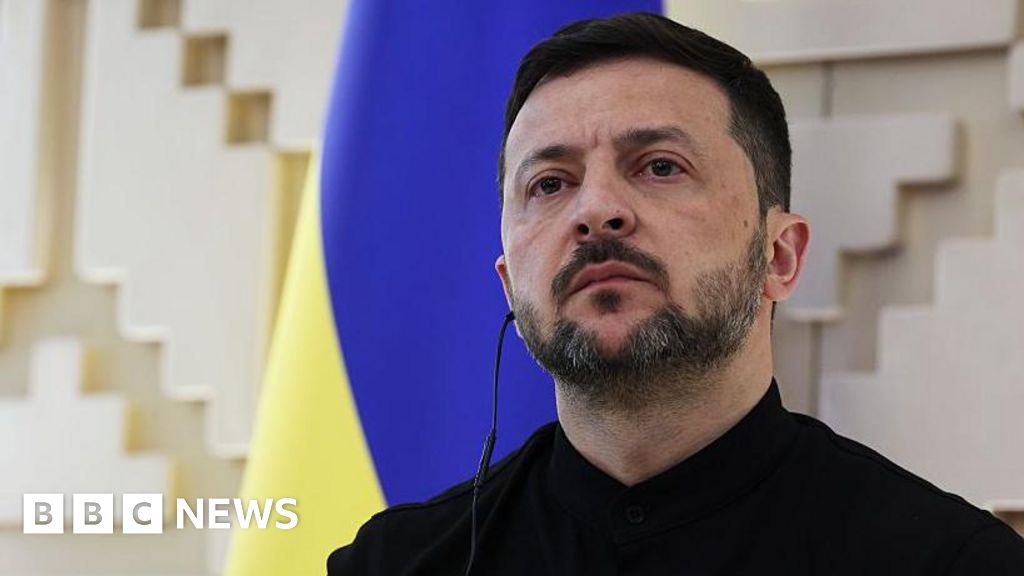
Zelensky: No Concessions — Protect Ukraine’s Land in Ongoing Talks

Ukraine and the International Power Play: A Delicate Balance on the Brink of Change

The ongoing crisis in Ukraine remains a defining flashpoint in Europe and the broader world. President Volodymyr Zelensky has publicly acknowledged the “important steps” taken during recent negotiations in Geneva. Yet, beneath this diplomatic veneer lies an unwavering tension, primarily surrounding the “main problem” — Vladimir Putin’s demand for legal recognition of Russian-occupied territories. The geopolitical implications of this sticking point threaten to reshape the very fabric of regional stability, as Kyiv emphasizes the inviolability of its sovereignty amid international pressure to accept Ukraine’s territorial integrity as a non-negotiable principle. Historians warn that conceding on such issues could establish a dangerous precedent, undermining international law and emboldening future aggressors.

Diplomatic Stalemates and the Shadow of Superpower Politics

In a move that underscores the complexity of the diplomatic manoeuvring, the recent talks involved a 28-point peace plan drafted by US and Russian officials. This plan, presented in October, has caused significant concern among Kyiv and its European allies, especially since it seemingly favors Russia’s long-standing territorial claims. Key elements include the withdrawal of Ukrainian forces from contested districts, which would be declared a demilitarized zone and recognized as Russian territory. Such provisions directly clash with Ukraine’s constitution and its desire for NATO membership — a move Kyiv views as essential for its national security and endurance against future invasions.

European leaders, including German Chancellor Friedrich Merz and Polish Prime Minister Donald Tusk, have expressed skepticism about the prospects for peace, emphasizing that the diplomatic process will likely stretch on for a “lengthy, long-lasting” period. Moreover, the absence of Russian participation in the Geneva talks, coupled with kremlin officials’ skepticism about the revised peace proposals, signals a grave message: the core issues remain unresolved. Experts argue that without Moscow’s explicit buy-in, any diplomatic breakthrough risks dissolving into another cycle of broken promises and deferred resolutions.

How International Decisions Shape Lives and Nations

As the diplomatic deadlock persists, the geopolitical impact extends beyond mere borders, touching the very lives of millions. The European Union and NATO are grappling with the political fallout, as debate rages over Ukraine’s future. The contentious inclusion of language that excludes any recognition of Russian-held regions signals a deeper divide—one where victory and defeat seem inherently linked to the principles of sovereignty and independence versus geopolitical expediency. Analysts contend that such negotiations are not merely about land but about which cultural, political, and societal values will define the 21st-century order. The question remains: will diplomatic efforts lead to a peaceful resolution, or will the relentless push for territorial status quo prolong the conflict, casting a shadow over generations?

The next chapters in this unfolding saga will feature high-stakes conversations between President Zelensky and Donald Trump, with the potential for a reconfigured peace plan to emerge. Yet, as international observers warn of, this fragile peace hangs in a delicate balance, vulnerable to the shifting tides of diplomacy, power struggles, and the unwavering will of nations to preserve or eradicate sovereignty. The true test of history is whether these fleeting agreements will forge a lasting peace or sow the seeds for further chaos, leaving humanity to grapple with the consequences of decisions made today—for the future as much as for the present.

Rogue landlords won’t fix past mistakes — and now, young renters need stronger rights to protect themselves

In recent years, the vulnerability of millions of households in England’s private rental sector has surfaced as a persistent challenge—one that deeply impacts families, education, and communities at large. Despite legislative promises to improve rental conditions, the reality is that enforcement has lagged far behind. A troubling analysis by The Guardian reveals that over the past three years, two-thirds of councils have not prosecuted a single landlord, and nearly half didn’t issue any fines. This data starkly highlights a pattern of neglect that leaves tenants exposed to unscrupulous landlords, particularly in a market where no-fault evictions remain a weapon used against vulnerable renters, often forcing families into instability and homelessness.

Legislative reforms such as the planned mandatory decent homes standard, and the banning of Section 21 evictions—which permit landlords to evict tenants without cause—are steps in the right direction. Yet, the gap between policy and enforcement remains wide. Without the necessary resources, training, and political will, these laws risk becoming mere paper guarantees, offering little tangible protection for families that rely on a fair housing market. Critics argue that the lack of proper oversight fosters a culture in which landlords face minimal consequences for abuse or neglect, perpetuating social injustices. Enforcing these rights equitably requires a systemic overhaul—one that prioritizes accountability and transparency in the rental industry, and ensures that community stability is not sacrificed for corporate profits.

This situation echoes a broader historical pattern where poor enforcement of regulations has led to devastating outcomes, from the pollution crisis in water management to the Grenfell Tower disaster. These tragedies reveal that legislation alone is insufficient without proper capacity and resources to implement change. For families living in substandard housing, the stakes are painfully real: inadequate oversight not only perpetuates inequality but also erodes trust in institutions meant to serve the public good. Highly visible social issues such as housing exploitation, environmental neglect, and neglected public services are interconnected—demonstrating how systemic failures reinforce cycles of hardship for communities already marginalized.

To bridge this gap, governmental commitment must extend beyond rhetoric. As reports indicate that local councils face bankruptcy and resource shortages, there is a pressing need for targeted funding to support enforcement and training efforts. Equipping local authorities with the tools to hold landlords accountable is fundamental to fostering a society where housing rights are respected, and families can build stability and hope. Ultimately, the core issue transcends legal measures—it is about societal values. As social commentators like David Harvey and others have argued, a society’s moral fabric is reflected in how it treats its most vulnerable members, and no community can flourish unless basic needs like housing are secured. In contemplating the future, one is reminded that building a society worthy of its children requires faith in the possibility of change—a hope that with dedicated effort, society can transform challenges into opportunities for genuine justice and sustainable growth.

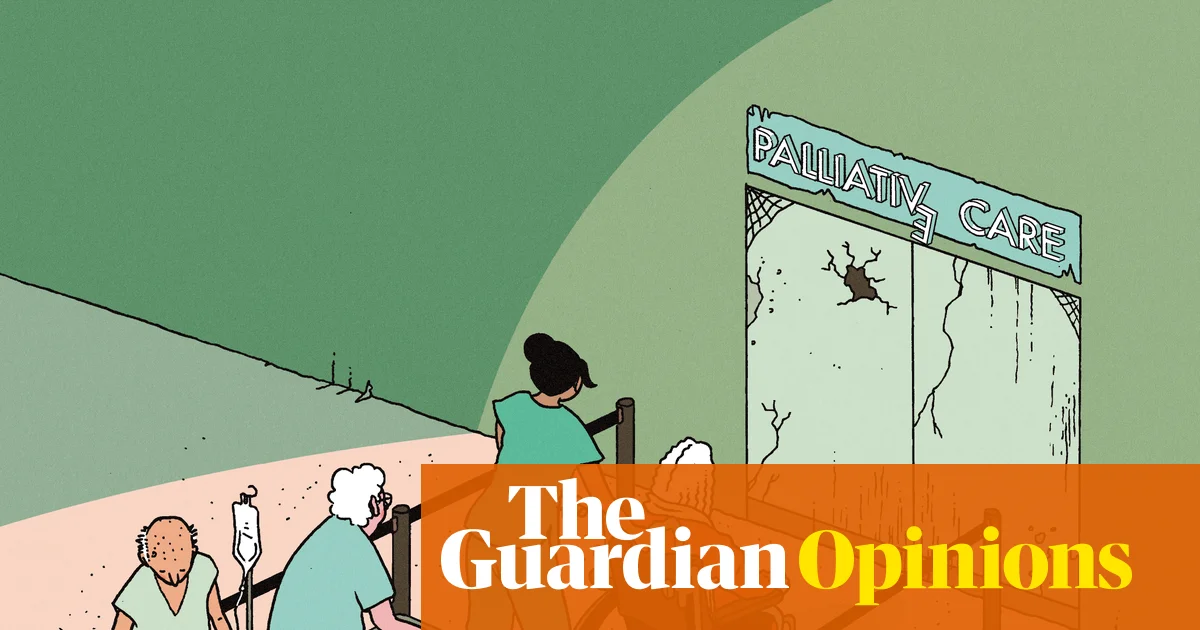
Palliative Care Crisis Reveals Society’s Failure to Protect Our Senior Citizens | Rachel Clarke

Society at a Crossroads: The Silent Crisis in End-of-Life Care

As society progresses, one of its most enduring challenges remains the reality of death—a natural yet often avoided topic that exposes the deep fissures in our social fabric. In Britain today, the state of end-of-life care serves as a stark mirror reflecting how social issues directly threaten families, education, and communities. Despite the nation’s reputation as a caring society, recent reports reveal a distressing decline in the provision of palliative services, exposing vulnerable populations to a grim reality where the quality of care depends heavily on local wealth and charitable goodwill. This systemic neglect not only affects individuals in their final days but also ripples through families, communities, and societal morals, forcing many to confront the uncomfortable truth about how we value human dignity in death.

Historically, death was once a familiar, family-centered affair. During Victorian England, most people died at home, often surrounded by loved ones, with community and familial bonds providing comfort and familiarity. Today, however, less than a third of deaths occur at home, with the majority happening within impersonal hospital or care home settings. The transition from intimate, domestic deaths to highly institutionalized farewells marks a profound cultural shift fueled by economic pressures, institutional constraints, and public discomfort with mortality. Sociologists like Philippe Ariès have pointed out that our societal denial of death results in a paradox: we are reluctant to prepare for or discuss our mortality, yet its inevitability remains a stark and inescapable reality that demands our moral attention and collective responsibility.

The Fundraising Gap: A Society That Outsources Its Humanity

Despite widespread claims of social decency, Britain’s healthcare system increasingly relies on charitable donations to fill gaps that government funding fails to cover. Hospices, which provide critical palliative and end-of-life care, now face a crisis of survival. The latest National Audit Office report reveals that two-thirds of adult hospices in England recorded a deficit in 2023-24, forcing them to slash staff, beds, and community services. This economic squeeze creates a dangerous postcode lottery of care; where you live can determine whether you receive compassionate palliative support or a hurried, institutional farewell. As Sarah Allen, CEO of Arthur Rank Hospice, lamented the closing of nine beds due to funding cuts, it becomes painfully clear that our societal values are at odds with the moral imperative to care for our most vulnerable in their final days.

The Moral Crisis of a Society in Denial

With **demand for palliative services projected to increase by over 25% by 2048**, the current trajectory suggests a society that is unprepared for its own mortality. Political responses tend to be superficial; the recent NHS 10-Year Plan scarcely mentions “palliative care,” signaling a misplaced focus that ignores the growing need. Simultaneously, debates surrounding assisted dying legislation underscore a society grappling with moral dilemmas—should we extend the option of assisted dying when the fundamental care infrastructure is failing? The alarming reality is that hundreds of thousands are unable to access proper pain management or comfort, leaving some to consider suicide as a sad, default solution. The moral failure here lies not only in neglect but in the societal refusal to confront death openly and compassionately, allowing suffering to persist in silence and shadows.

In grappling with these issues, society faces a profound moral question: are we capable of embracing death as a natural part of life, deserving of dignity and care? As social commentators like Robert Putnam suggest, vibrant communities are built on shared values and collective action. If families and communities are to be strengthened, we must challenge the cultural taboo surrounding mortality and foster a renewed ethic of compassion. The final chapter of our societal story is yet unwritten; it is a testament to our moral resolve—whether we will choose to extend our empathy and resources to the most vulnerable at their end, or let them fade silently into the shadows of neglect. Humanity’s greatest hope may lie in our willingness to face death not with fear, but with purpose, kindness, and unyielding dignity.

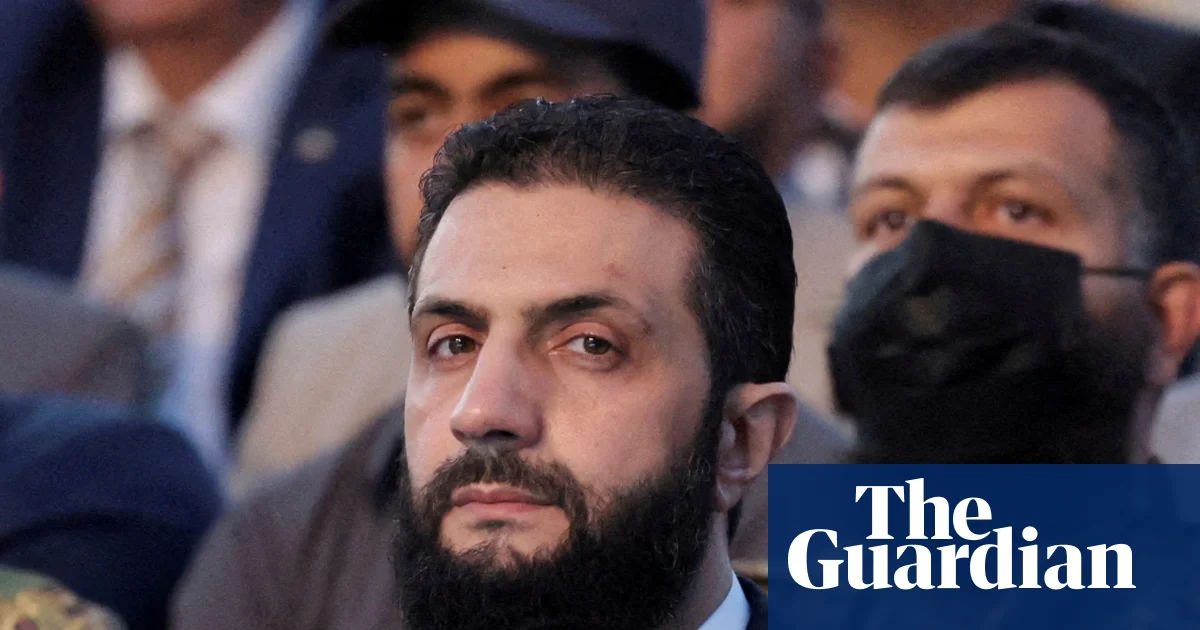
Syria launches decisive raids against ISIS threats to protect the nation

Amidst rising tensions and ongoing regional instability, Syria has accelerated its internal counterterrorism efforts, executing a series of nationwide preemptive operations targeting remnants of Islamic State cells. According to a spokesperson for the Syrian interior ministry, these operations involved 61 raids, resulting in the arrest of 71 individuals and the seizure of explosives and weapons. These actions underscore the persistent threat posed by terrorism inside Syria, even as the nation navigates a complex web of alliances and conflicts that have reshaped the Middle East’s geopolitical landscape.

This domestic crackdown takes on added significance ahead of a controversial visit by Syrian President Ahmed al-Sharaa to Washington. Officially, the trip aims to bolster cooperation and potentially deepen ties within the US-led coalition against Islamic State. The timing suggests that the Syrian government, long considered an adversary by Western powers, may be seeking to reposition itself on the global stage through diplomatic engagement—an overture that could recalibrate regional power dynamics. Meanwhile, in Washington, the US State Department and Pentagon remain tight-lipped, with no immediate responses to questions about the preparations underway.

Behind the scenes, the United States appears to be laying the groundwork for a significant military expansion in the region. Reports indicate that Washington is preparing to establish a military presence at an airbase in Damascus, a move that signals a notable shift in US policy toward active engagement within Syrian territory. Six sources familiar with the matter described efforts to facilitate a security pact between Syria and Israel, indicating that the US is pursuing its regional strategic objectives through diplomatic and military leverage alike. An official from the Biden administration recently confirmed that Washington continues ‘evaluating its posture’ in Syria, emphasizing the importance of adaptability in countering Islamic State and maintaining regional stability.

The rapid unfolding of these events has broad geopolitical impact. Analysts warn that the US’s efforts to establish a presence in Damascus and forge security arrangements could deepen regional divisions or, conversely, catalyze a fragile peace. Historical figures, such as former diplomats and regional experts, caution that such maneuvers could either pave the way for a stabilization of volatile border regions or ignite new conflicts if mismanaged. The shifting alliances and diplomatic overtures highlight a broader struggle for influence in the Middle East, where Western, Russian, and regional powers vie for dominance amidst a landscape scarred by decades of conflict. How nations respond to these moves will forever alter the fabric of their societies, potentially shaping the region’s future for generations to come.

As the world watches with cautious anticipation, the unfolding narrative in Syria is not merely a story of military operations and diplomatic visits—it is a chapter in the ongoing saga of geopolitics that could define the balance of power in the Middle East. With each decision, each raid, and each diplomatic handshake, history writes itself anew—its pen poised between reconciliation and upheaval, leaving the global community to ponder: who will hold the pen next?

Maldives enforces youth smoking ban to protect future generations

The Maldives has pioneered a groundbreaking initiative by banning tobacco for everyone born on or after 1 January 2007, making it the world’s first nation to implement a nationwide *generational tobacco prohibition*. This bold move underscores the nation’s firm commitment to safeguarding its youth from the devastating health impacts of tobacco addiction. According to the Maldives’ health authorities, the law prohibits the purchase, sale, use, or possession of all forms of tobacco by this generation, with strict verification measures in place for retailers. These regulations align seamlessly with global health standards, notably the World Health Organization Framework Convention on Tobacco Control, which reflects an urgent international response to the soaring tobacco epidemic.

Analysts and international organizations have hailed the Maldives’ decision as a *significant turning point in global health policy*. Experts warn that youth-focused bans like this could serve as a blueprint for future legislation worldwide, especially as tobacco companies increasingly target younger demographics through stylish vaping gadgets and edgy marketing tactics. Historically, nations that have taken aggressive action against tobacco have seen declines in smoking rates over the long term, and the Maldives’ crackdown on vaping last year set a precedent. Last year, the country criminalized the import, sale, and possession of electronic cigarettes and vaping devices—regardless of age—highlighting its zero-tolerance stance. The Maldives government emphasizes that this comprehensive approach is crucial to fostering a healthier generation and reducing the long-term healthcare burden caused by tobacco-related illnesses.

Global observers warn that such policies are emblematic of a broader shift in *how nations deal with public health crises*—particularly in an era marked by intense geopolitical competition. Handy and effective, these measures simultaneously defend societal wellbeing while asserting national sovereignty against the aggressive tactics of multinational tobacco corporations. Critics in countries like New Zealand and the United Kingdom have debated similar proposals, with some recent setbacks—like New Zealand’s withdrawal of a proposed generational ban—highlighting the complexities surrounding social acceptance and political will.

As historians and policy analysts observe, the Maldives’ decisive move could mark a *new wave of youth-oriented health policies*, but it also invites a crucial question: how will such policies reshape societal attitudes and international relations? Will this become a catalyst for a global anti-tobacco movement that transcends borders? Or will resistance from industry giants and entrenched cultural norms stall progress? As the world watches, one thing remains clear: an epoch of transformation is underway, with each legislative victory or setback carving its mark into the pages of history. The weight of this unfolding struggle for a healthier future is boundless, and the tide of change, relentless and unstoppable, continues to surge forward.

Protect Our Homes: Wake Up to Flood Risks Threatening Our Communities

The Hidden Crisis Beneath Our Feet: Paving Over Gardens and Rising Flood Risks

In a troubling revelation, recent RHS study uncovers that nearly half of UK garden spaces are now paved. This widespread transformation of private green spaces into concrete or asphalt not only diminishes biodiversity but also exacerbates environmental vulnerabilities, especially flooding. Such developments directly threaten families, local communities, and our future generations by undermining the natural resilience of our environment.

The impact extends beyond ecological concerns; it touches the very fabric of community safety and social cohesion. Surface-water flooding, now the most prevalent and least understood source of flood risk in England, places an estimated 4.6 million properties at imminent danger, according to recent reports from the Environmental Audit Committee (EAC). As climate patterns grow increasingly unpredictable, the urgent need for proactive and coordinated flood management becomes undeniable. Sociologists and environmental experts argue that the current reactive strategies are inadequate, and that the nation must adopt a comprehensive approach rooted in foresight and resilience.

Policy recommendations from the EAC and the Institution of Civil Engineers (ICE) propose tangible steps to address these escalating dangers. Among these is the establishment of a single national flood reporting and information service to enhance transparency and swift response. Furthermore, the call for a widespread flood-awareness campaign aims to educate communities about risks and necessary precautions. Central to these strategies is the implementation of Schedule 3 of the Flood and Water Management Act 2010, making sustainable drainage systems (SuDS) mandatory in all new developments. Such measures are designed not merely as reactions to crises but as preventive solutions that prioritize community safety and environmental sustainability.

These issues underscore a profound challenge: the erosion of cultural values tied to our natural environment. While policymakers grapple with infrastructure and flood mitigation, society must also confront a deeper cultural shift—recognizing that urbanization and paving over green spaces are not benign acts but choices that threaten long-term stability. For families, especially those in vulnerable communities, this means securing a future where nature and human life coexist harmoniously. For educators and community leaders, it presents an opportunity to instill values of conservation and resilience in the next generation. As sociologist Dr. Amina Patel reminds us, “A society’s strength is measured not only by its infrastructure but by its capacity to adapt and preserve its natural heritage.”

Finally, society stands at a crossroad. The decisions we make today—whether to pave over every inch of green or to invest in sustainable, community-centered solutions—will shape the landscape of tomorrow. As the shadows of increased flooding threaten our homes and our sense of safety, hope persists in the collective effort to mend what has been broken. Through resilience, innovation, and a renewed respect for nature’s delicate balance, communities can forge a future where danger gives way to hope, and chaos to order—transforming society into a resilient, cohesive whole that values both progress and preservation.

Social Media Auto Publish Powered By : XYZScripts.com