Matox News

Truth Over Trends, always!

Nepal’s former PM detained over deadly protest crackdown—justice demands accountability

In a stark reminder of the volatility that continues to shape Nepal’s political landscape, recent reports highlight that more than 70 lives were lost during an uprising last year that led to the ousting of Prime Minister Oli’s government. This tragic episode underscores the fragility of Nepal’s democratic institutions amid ongoing internal conflicts and regional tensions. Analysts and international observers warn that such disturbances not only threaten domestic stability but also have far-reaching geopolitical implications for South Asia, a region already strained by geopolitical rivalries and economic uncertainties.

The uprising, driven by mounting grievances against corruption, perceived authoritarianism, and economic hardship, culminated in violence that shocked neighboring nations and international actors. The death toll, exceeding 70, signifies a turning point in Nepal’s recent history, illuminating the dangers inscribed in unresolved political crises. The international community, including entities like the United Nations and regional partners, has called for restrained diplomacy, urging Nepali leaders to prioritize reconciliation and democratic resilience over continued confrontation. This upheaval has once again placed Nepal under the global spotlight, positioning it as a symbolic battleground for broader regional influence and ideological clashes.

Several years of political instability have cast a shadow over Nepal’s future trajectory, as historians and geopolitical analysts emphasize. The recent turmoil is often contrasted with the nation’s strides towards democratization after decades of monarchy and conflict. However, the lingering effects of corruption, ethnic tensions, and border disputes with India and China complicate Nepal’s path forward. International organizations have expressed concern that such internal unrest might foster space for external actors to weaponize instability—potentially amplifying regional conflicts and undermining efforts for sustainable peace.

The implications of last year’s uprising extend well beyond Nepal’s borders, serving as a cautionary tale for neighboring countries and emerging democracies worldwide. As Nepal grapples with political upheaval, the {/* underscore that decisions made now will dictate future stability, peace, and regional influence. The international community must learn from this turbulent episode—balancing diplomatic engagement with decisive support for democratic governance—to prevent further descent into chaos.

Yet, amidst the chaos, the unfolding narrative remains a poignant reminder: history’s pages are being written not by distant spectators but by those brave enough to shape their future amid conflict and upheaval. As Nepal stands at this critical juncture, the world watches with bated breath, aware that the decisions of today will resonate across decades to come. This is the peril—and the promise—of history’s ongoing march, where the weight of human aspiration and geopolitical ambition collide in the crucible of a nation’s destiny.
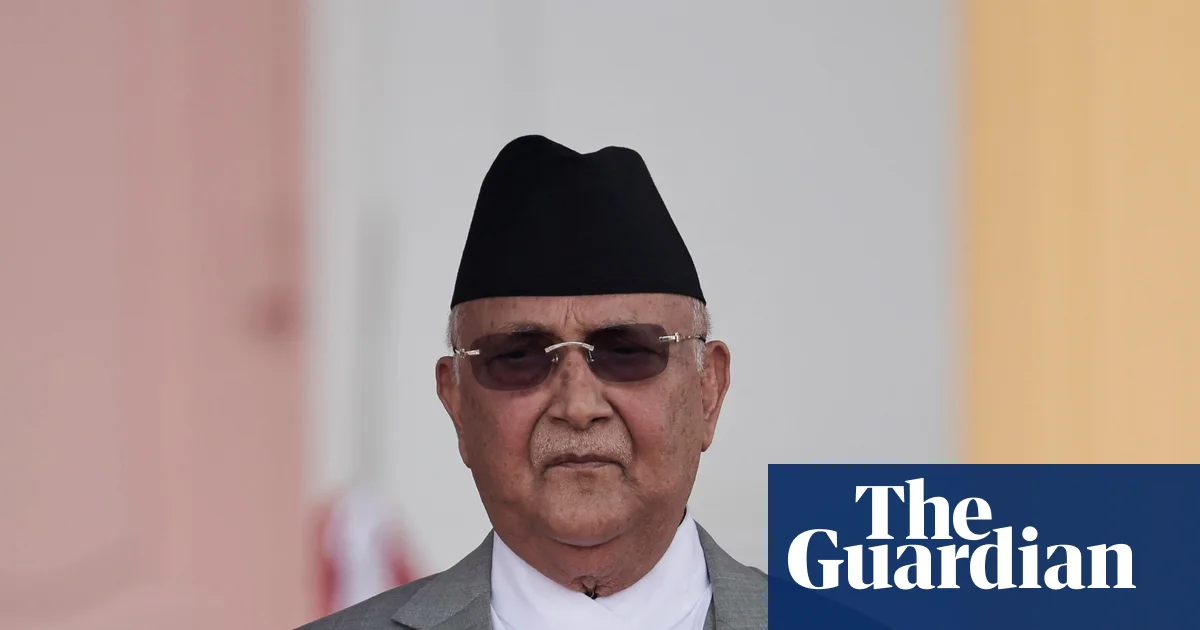
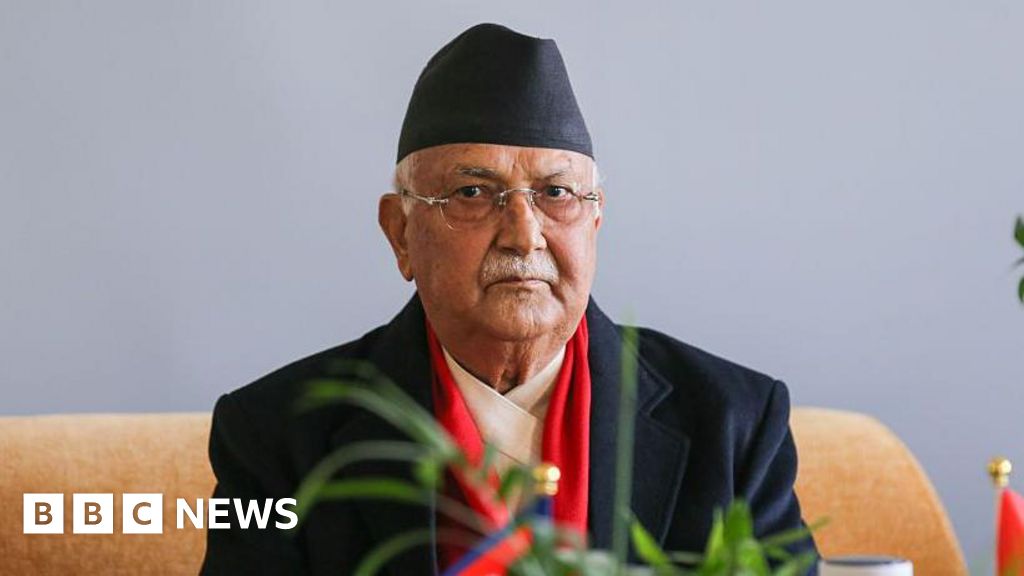
KP Sharma Oli, ex-PM, detained over suspected role in deadly protest crackdown in Nepal

Nepal’s Political Landscape Shifts as Former Prime Minister KP Sharma Oli Faces Justice

The arrest of KP Sharma Oli, Nepal’s former prime minister, marks a profound turning point in the country’s ongoing struggle for justice and political accountability. Oli, who has served three terms in office, was detained early Saturday morning on charges related to his alleged role in the deadly crackdown against youth-led protests that erupted last year. The protests, largely driven by Gen Z activists upset over social media bans, corruption, and nepotism, left dozens dead, with the political climate reaching a boiling point. Oli’s detention, along with that of his former home affairs minister Ramesh Lekhak, underscores a growing international and domestic consensus that impunity for state violence cannot be tolerated. This dramatic move signals a possible dawn of accountability in Nepal, an essential shift in a nation long plagued by political turbulence and weak rule of law.

The recent developments come scarcely days after Balendra Shah—widely known as Balen—was sworn in as Nepal’s new prime minister, in a victory triumphing over entrenched veteran politicians. Shah’s campaign was rooted in promises of justice for the September protests, which led to violent clashes, arson, and the collapse of the previous government. His rise is being viewed by analysts as a revolt against the corrupt old political guard—a coalition that had long controlled Nepal’s political scene amidst widespread allegations of nepotism and mismanagement. Influential think tanks and international observers emphasize the geopolitical impact of this fresh political wave, seeing Nepal’s shift as part of a broader regional push against corruption and authoritarian tendencies. Still, the specter of state violence and political repression hangs heavy, prompting cautious scrutiny from global watchdogs about the rule of law in the Himalayan nation.

The arrest of Oli, a figure deeply entangled in Nepal’s recent troubled history, is also a reflection of the country’s intense internal struggle for justice. The government-backed report, leaked publicly, accuses Oli, Lekhak, and police leadership of negligence—recommending severe prison sentences for their alleged failure to prevent the deadly shootings. The warning from police spokespeople that the arrests follow an investigation commission’s recommendations illustrates an emerging precedent: holding former leaders accountable, even decades after their tenure. Such actions resonate globally, echoing the recent movements in other post-authoritarian states where historical violence is confronting long-standing immunity. The international community, including regional powers like India and China, is watching closely, aware that Nepal’s internal stability and how it handles the justice process will influence the geopolitical balance in South Asia for years to come.

In the wake of these upheavals, Shah’s government faces monumental challenges that extend beyond domestic politics. The conciliation between old and new, the rebuilding of trust, and the enforcement of justice are critical for the country’s future stability. The fate of Oli and those involved in the deadly crackdown will reverberate far beyond Kathmandu’s borders, serving as a potent reminder that history often demands a steep toll before justice can be served. As Nepal stands at this crossroads, the country’s path remains uncertain—an unfolding narrative with the potential to redefine regional geopolitics, but also a stark warning: when the pursuit of justice collides with entrenched power, the resulting storm can shape the course of history itself.

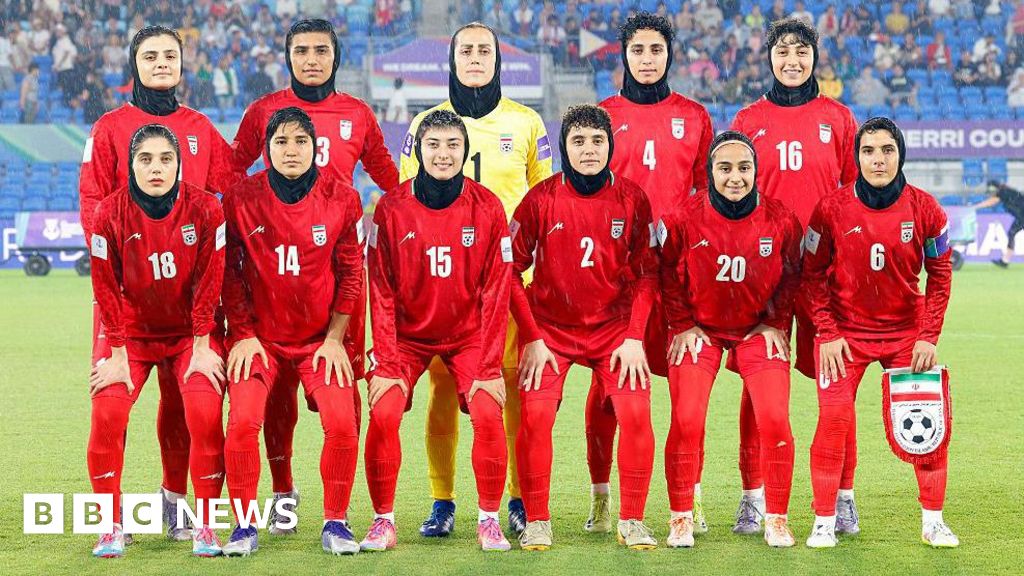
Iranian Women Footballers Seek Asylum in Australia Following Asian Cup Protest

In a concerning escalation that highlights the ongoing turbulence within Afghanistan and its complex relationship with regional powers, reports have surfaced indicating that members of the Afghanistan women’s football team are being held under duress in Iran. Activists and international observers describe a distressing situation where the athletes have been *held hostage by the Iranian team management* in their hotel, deprived of access to external communication channels including family, legal counsel, and international support networks. This incident underscores the broader issue of media suppression and human rights violations that continue to mar Afghanistan’s fragile social fabric since the Taliban’s resurgence in 2021.

Historian and geopolitical analyst John McGregor highlights that such acts represent a *turning point in regional diplomacy*, illuminating how Iran exploits its political leverage over Afghan nationals—especially women and vulnerable groups—to consolidate influence amidst ongoing regional tensions. As the United Nations and human rights organizations voice concern, it becomes clear that these actions are emblematic of a larger pattern of repression and authoritarian assertion in the Middle East and Central Asia. The detention of these athletes is not isolated but taps into a broader systemic issue where authoritarian regimes aim to suppress dissent and deny fundamental freedoms, even in arenas as global as sports.

The incident also reveals the geopolitical impact of Iran’s internal policies, which have increasingly positioned the regime as a regional power broker wielding strategic influence through coercion and control. The case echoes the crisis of international perceptions of Iran, further exacerbating its strained relationships, notably with the European Union and United States. These nations accuse Tehran of violating *international norms* and worsening regional instability, especially as Iran faces mounting sanctions and diplomatic isolation. Meanwhile, Afghan exiles and supporters argue that the detention exemplifies the ongoing suppression of Afghan women—who had begun to re-emerge symbolically through sports and education.

  • 2021: Taliban regains control of Afghanistan, leading to widespread international concern over women’s rights and human rights abuses.
  • 2023: Afghan women’s sports teams attempt to participate in international events, risking repression and retaliation from Taliban authorities and their allies.
  • Current: Reports emerge of detained athletes in Iran, illustrating the regional consequences of Afghanistan’s internal convulsions and Iran’s strategic leverage.

This crisis serves as a stark reminder that the decisions made in regional capitals have profound implications beyond borders. The fate of these athletes—and what their detention signifies—transcends sport, touching on issues of sovereignty, gender rights, and international legitimacy. As international institutions debate their response, the voices of those fighting for freedom grow louder, asserting that the repression of Afghan women is a reflection of a broader struggle for dignity against oppression. In this fluid geopolitical landscape, the actions of Iran and Afghanistan continue to ripple outward, shaping a future where the weight of history presses upon the present.

In the end, the world bears witness to how fragile the thread of human rights really is, stretched taut across an intricate web of power, ideology, and geopolitics. As the shadows of repression deepen, the question remains: will the international community choose silence or action? The answer lies not just in diplomatic words but in the resolve to stand against injustice—a challenge that history will record in the annals of a turbulent era yet to be written.

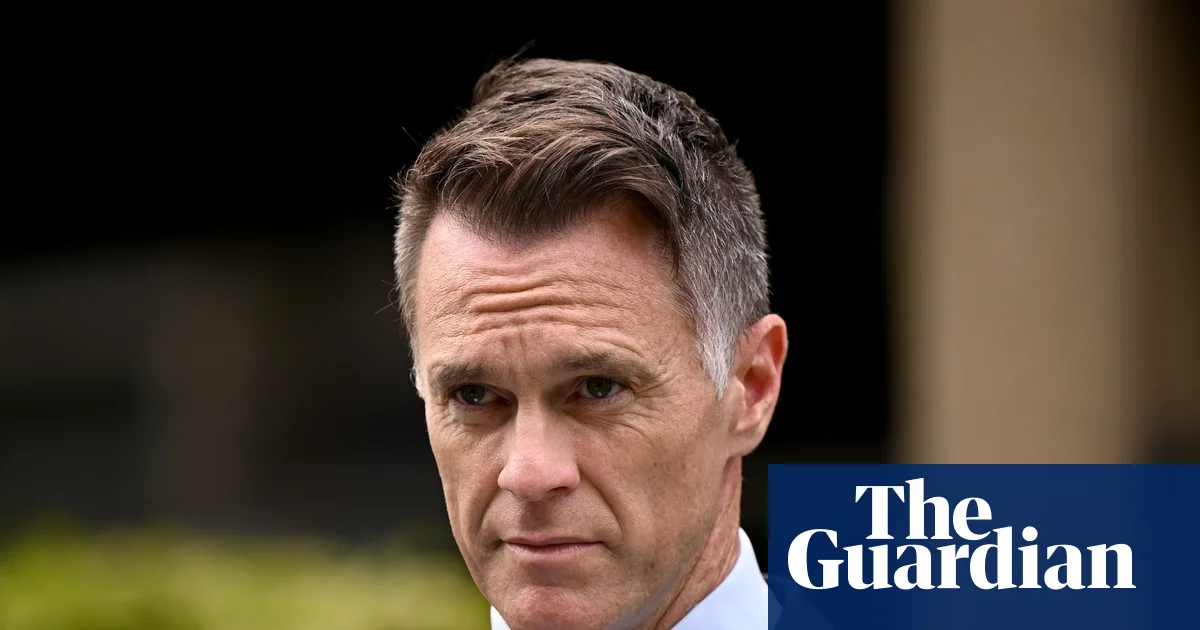
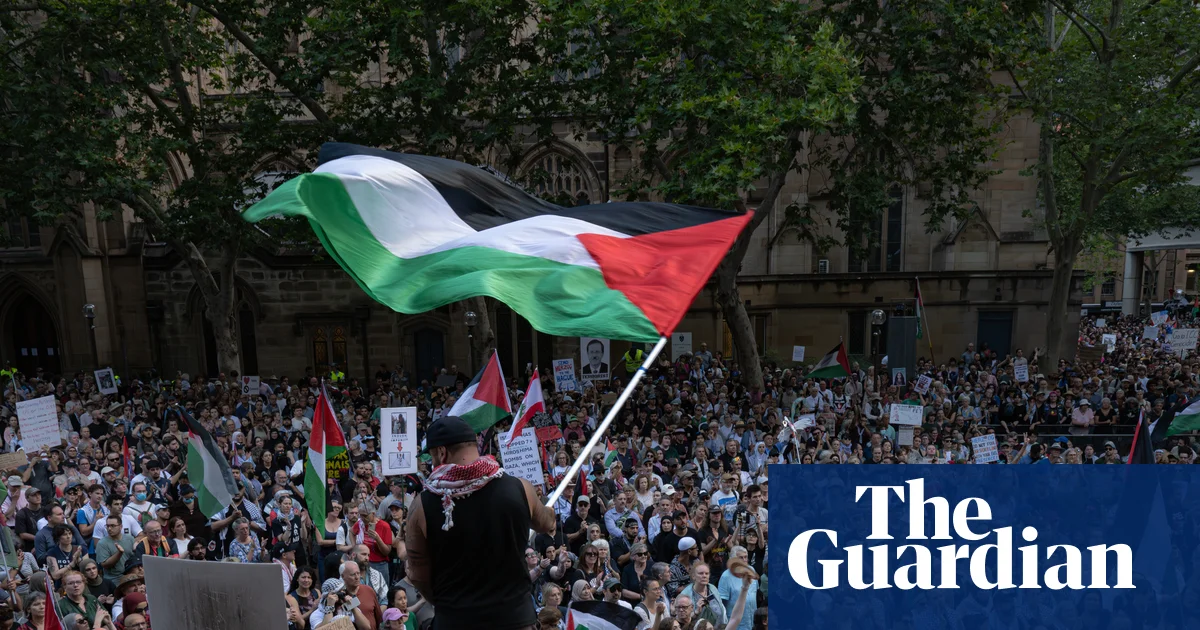
Minns calls pro-Palestine protest organizers 'communists' aiming for clash with police, NSW budget estimates
Minns calls pro-Palestine protest organizers ‘communists’ aiming for clash with police, NSW budget estimates

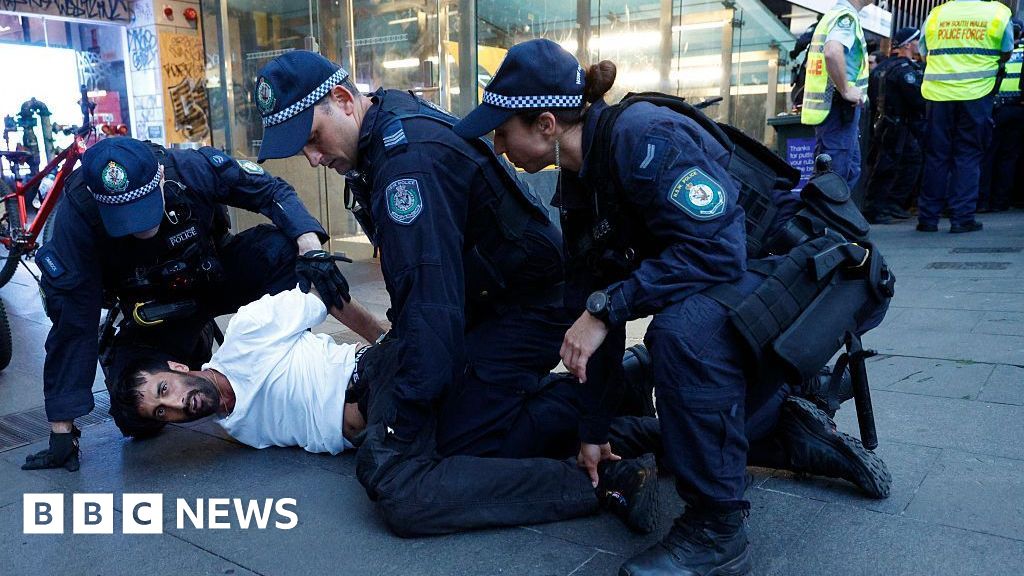
In a striking turn of events that underscores the volatile landscape of international activism and internal political fractures, Australia’s New South Wales government finds itself at the center of a contentious debate over the peaceable assembly and the engagement with pro-Palestine advocates. Premier Chris Minns has publicly dismissed protest organisers as “a pack of communists,” fueling accusations of politicising the situation and risking the social cohesion of the deeply divided society. This inflammatory rhetoric follows violent clashes during a recent rally against the Israeli president’s visit, where police responses have come under scrutiny amid allegations of police brutality.

These confrontations threaten to escalate into a broader international rift, as global analysts draw attention to the implications. The protests, which saw four Labor backbenchers attending a speech by Israeli President Isaac Herzog in Sydney, have rippled beyond local politics. While some political figures like Stephen Lawrence MLC defend protesters, viewing their actions as a stand for Palestinian rights, critics argue that the protests are being manipulated by radical elements, including socialists and communists affiliated with groups like the Palestine Action Group (PAG). Historians warn that such alliances have historically been vectors for “big social movements,” but in this context, they threaten to undermine Australia’s national stability and complicate diplomatic relations in a tense Middle East geopolitical environment.

The debate extends far beyond the streets to focus on the broader geopolitical impact. Australia’s internal divisions mirror the polarisation seen across Western nations, where support for Israel or Palestine increasingly aligns with domestic ideological battles. The Australian government’s approach, characterized by resistance to criticism and suppression of dissent, echoes patterns observed in other democracies experiencing internal stress, risking the alienation of communities and weakening social fabric. Analysts warn that such internal strife could diminish Australia’s standing on the global stage, especially as international organizations like the United Nations emphasize human rights and moderation.

Meanwhile, the situation remains precarious as the NSW police maintain that their actions were justified, citing attempts by protesters to march on Parliament against restrictions declared in response to recent acts of violence and unrest. The ongoing constitutional challenge to new protest laws and the controversial “major events” powers further complicate the legal landscape, pointing to a potential breach of civil liberties. The tension reaches into Australia’s multicultural communities, with Muslim groups voicing concerns over police actions during recent vigils mourning Iran’s late Supreme Leader, Ayatollah Khamenei. These incidents serve as a stark reminder that the political toll extends to societal divisions along religious and cultural lines, with the risk that internal discord could morph into a broader geopolitical vulnerability.

As history continues to unfold, the echoes of this clash in Australia serve as a warning: when states suppress dissent and dismiss grassroots movements as mere radical influence, they risk sacrificing social cohesion and inviting external powers to exploit divisions. The international community watches with bated breath as the narrative of support, protests, and legal battles develops — leaving behind a legacy that could reshape the political landscape for years to come. In this unfolding drama, the weight of history presses heavily, reminding observers that the moment may be fleeting, but the consequences are profound and lasting.

Minns Government's Overreach: Protest Restrictions Fail to Deliver, Constitutional Challenge Reveals | NSW
Minns Government’s Overreach: Protest Restrictions Fail to Deliver, Constitutional Challenge Reveals | NSW

Australia finds itself at a critical crossroads as new legislation aimed at curbing protests in Sydney’s CBD is challenged in court, reflecting larger global debates about security, civil liberties, and social cohesion. The NSW government’s recent anti-protest law—enacted in response to a terrorist incident at Bondi—restricts the use of the Form 1 system, a legal tool historically employed to facilitate peaceful demonstrations and negotiate between protesters and authorities. However, critics argue that these measures threaten the very fabric of democratic expression and impose unjust limits on constitutional freedoms.

Legal representatives for groups including the Blak Caucus, Palestine Action Group (PAG), and Jews Against the Occupation ’48 appeared before the court, asserting that the law “impermissibly burden[s] the implied constitutional freedom of communication” essential to political discourse. Lawyer David Hume SC questioned the legitimacy of targeting protests to “enhance social cohesion,” alleging that such restrictions are not only unnecessary but also counterproductive. His argument underscores a broad concern among civil libertarians and international observers that the law mirrors policies seen in other regions where governments leverage security rhetoric to suppress dissent.

The NSW police have extended the public assembly restriction multiple times, citing unspecified community safety concerns rather than concrete intelligence. Such measures effectively prohibit protests in designated areas, including the recent rally against Israeli President Isaac Herzog’s visit, which turned violent. This pattern of enforcement raises alarms about the erosion of democratic rights during a period of heightened political tensions. Critics argue that the restrictions amount to a “fox guarding the henhouse,” allowing authorities to unilaterally decide which protests are permissible, thus undermining checks and balances that should safeguard democratic liberties.

Geopolitical Impact and Society

The implications of Australia’s approach extend beyond domestic borders, influencing regional stability and global perceptions of governance. International organizations and security analysts observe that laws labeled as “anti-terror” often serve as pretexts to consolidate executive power and silence opposition. Historically, countries that prioritize security over civil-liberties risk sowing social discord and fostering perceptions of authoritarian drift. In Australia, this has prompted scrutiny from historians and political analysts who warn that persistent restrictions on protest could lead to long-term societal fractures and loss of public trust in institutions that are supposed to protect democratic rights.

The debate over the legislation also mirrors larger geopolitical dynamics—particularly in the context of Australia’s alliances and regional role. While the government asserts the measures are necessary to combat extremism and maintain social order, critics warn these policies could backfire, fueling resentment and radicalization among marginalized communities. International institutions, such as the United Nations, have historically cautioned against overly broad security measures that infringe on fundamental freedoms—warning that societies risking this balance might ultimately weaken their social cohesion rather than enhance it.

As the court case unfolds, so too does the broader narrative of a nation grappling with its identity—ballasted by the weight of its history of protest and activism. Historians highlight that every attempt to silence dissent often echoes through generations, shaping perceptions of justice and freedom. The verdict in this case will inevitably influence future legislation, testing the resilience of Australia’s democratic principles. Like a shadow cast by history’s unfolding tapestry, the outcome of this legal challenge could determine whether the nation marches toward greater liberty or into the muted silence of authoritarian conformity—leaving the world contemplating the true cost of security in a fragile society.

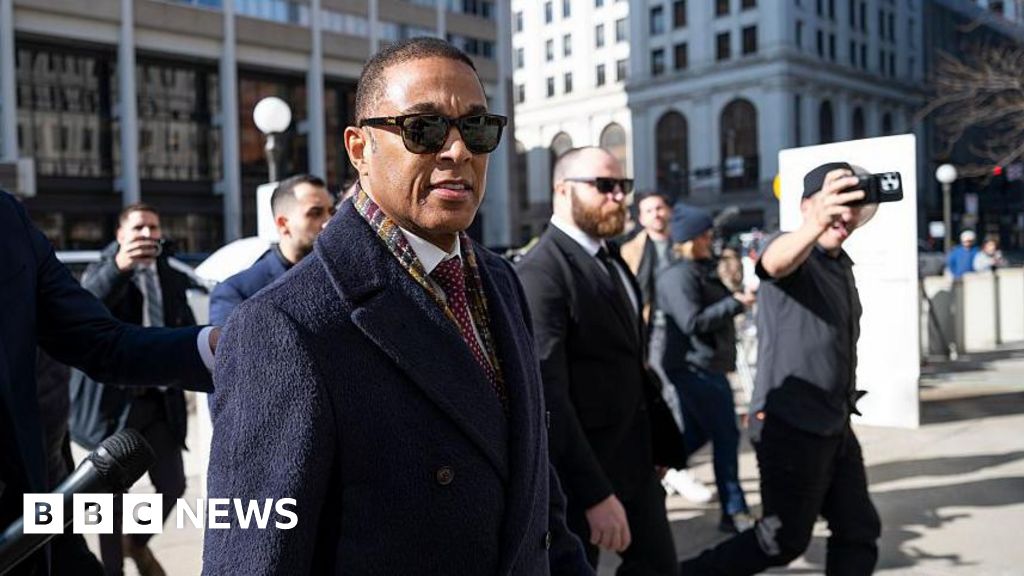
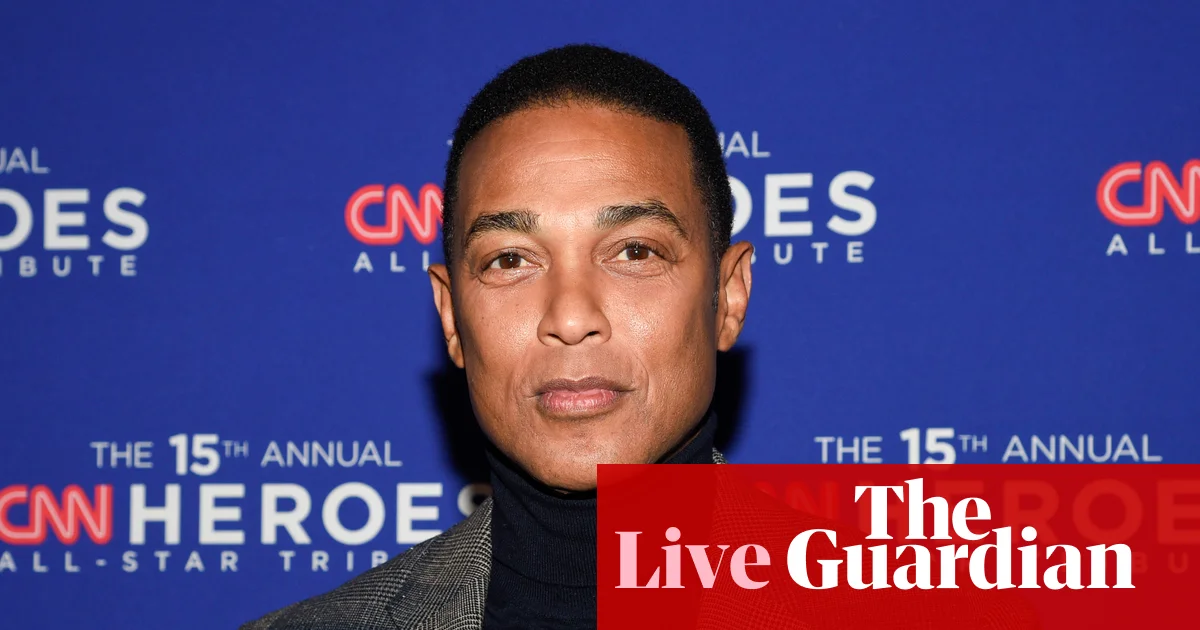
Ex-CNN Host Don Lemon Battles Back in Minnesota Church Protest Case

The recent incident in the United States, where a former CNN host along with eight other individuals were formally charged for interrupting a church service as a form of protest against immigration raids, underscores a troubling shift in domestic activism with global repercussions. The act, which took place during an event ostensibly rooted in faith and community, reflects a broader trend of activists leveraging public spaces to challenge increasingly contentious immigration policies. Such actions, while hailed by some as courageous civil disobedience, also serve as a stark mirror to the deep divisions rippling across American society and, by extension, the geopolitical landscape.

This stark confrontation between law enforcement, civil liberties, and national security considerations does not merely echo within U.S. borders but resonates far beyond. Analysts warn that these localized protests symbolize a broader international narrative where governments face mounting pressure from civic groups, advocacy organizations, and external actors. The United States’ handling of immigration policies, often shaped by bipartisan debates, is increasingly intertwined with global power dynamics, especially with nations like Mexico and Central America. As the U.S. continues to combat irregular migration flows, every act of domestic protest magnifies the overarching question: how will internal dissent influence America’s role on the world stage?

Geopolitical Impact and International Repercussions

Foreign policy experts highlight that these spectacles of civil unrest do more than challenge domestic policy—they alter international perceptions of America’s stability and commitment to the rule of law. According to international think tanks and historians specializing in U.S. history, acts of civil disobedience such as these may contribute to a narrative of chaos or instability, which adversarial nations could exploit. Moreover, the ongoing discourse reveals a nation at a crossroads—balancing its immigration commitments with the stringent enforcement measures that have become a wedge issue domestically.

Additionally, the incident arrives amidst rising tensions with China and Russia, who eagerly watch America’s internal divide as a sign of vulnerability. Global institutions, including the United Nations and European Union, have issued mixed messages—calling for human rights protections while grappling with their own crises. The protests, now etched into the national consciousness, serve as a reminder that the decisions made within American borders ripple outward, influencing alliances, trade relations, and diplomatic negotiations worldwide. Every act of defiance becomes part of a larger narrative: America’s democratic resilience being tested on its home turf.

The Future of American Identity

History historians and political analysts warn that such protests presage a more turbulent era where the American identity itself is under scrutiny. Citizens, especially younger generations, are demanding a different vision of national purpose—one that balances security with compassion. As the nation wrestles with these fundamental questions, the weight of history presses down, reminding all observers that the path forward remains uncertain yet pivotal in shaping the global order. Indeed, these moments reflect not just a confrontation over immigration, but a fundamental debate about who America is and what it will stand for in the 21st century.

As observers witness these unfolding events, one thing remains clear: in the theater of history, the lines are shifting, the stakes rising, and the outcome uncertain. The decisions made today will resonate through generations, as America’s story continues to be written in the ink of activism, policy, and power.

Australian Police Stand Firm Amid Protest Violence

Global Leaders Face Growing Civil Unrest Amid Political Tensions

In a move that underscores the increasing volatility of domestic affairs with far-reaching geopolitical implications, Prime Minister Anthony Albanese of Australia has publicly expressed his profound disquiet over recent scenes of civil unrest. As tensions boil over within his nation’s borders, Albanese characterized the protests as “destabilizing” and lamented the damage inflicted on social cohesion. Yet, in a display of diplomatic pragmatism, he reaffirmed his commitment to engaging with President Isaac Herzog of Israel, with whom he is scheduled to meet later on Tuesday. The Prime Minister’s decision to extend this engagement in the face of internal turmoil signifies an intent to uphold international relations and demonstrate resilience amidst domestic upheaval.

Historically, such internal conflicts often serve as catalysts for broader international realignments. Commentators and analysts from organizations like OECD and Council on Foreign Relations warn that prolonged domestic unrest can erode a nation’s diplomatic credibility, impacting negotiations on global platforms. The protests in Australia, arguably sparked by contentious policy debates or social grievances, have been described by political strategists as an important turning point: a moment revealing the fragility of current societal bonds. While Albanese endeavors to maintain diplomatic channels, critics argue that prolonged unrest risks weakening Australia’s position in international affairs, especially when paired with the complex regional geopolitical landscape that now includes rising tensions in Asia-Pacific.

This domestic upheaval occurs against the backdrop of intense geopolitical shifts across the globe, notably in the Middle East and Eastern Europe. Leaders such as President Herzog are navigating their own challenges, including ongoing conflicts that threaten regional stability. The ideological divide, fueled by issues like sovereignty, security, and economic resilience, echoes across continents. International institutions have called for calm and dialogue, emphasizing that internal dissent must not undermine peace agreements or international commitments. Yet, historians like John Keegan have long warned that such internal conflicts often precursors larger global instability if left unaddressed.

The unfolding scenario offers a stark reminder that internal social struggles do not exist in isolation—they are entwined with global order. Decisions made by leaders today, whether in Canberra, Jerusalem, or elsewhere, will resonate well into the coming decades. Governments are caught in a delicate balancing act: maintaining internal legitimacy while navigating external pressures. As nations grapple with the potential consequences of civil unrest—from economic disruptions to diplomatic realignments—the world’s attention is fixed on how these frontlines will evolve. The blueprint of history underscores a sobering truth: peace is often fragile, and the path toward lasting stability remains shrouded in uncertainty. The choices made now will chart the course of future generations, leaving an indelible mark on a world where the line between order and chaos is perilously thin.

House Democrat Jeffries slams Lemon’s arrest at Minnesota church protest – US Politics Update

Behind the tumultuous headlines of recent days lies an increasingly volatile global landscape, where decisions made within national borders ripple across continents with profound geopolitical impact. As President Donald Trump publicly warns Iran to cease its nuclear ambitions and end violent suppression of protesters, the world watches a familiar pattern of escalation and brinkmanship. Trump’s direct threat to deploy the U.S. military if Iran does not stop its crackdown exemplifies a stark shift towards a more confrontational posture, with analysts warning this could impoverish prospects for diplomatic engagement and ignite a wider regional conflict.

Simultaneously, Trump’s administration demonstrates a distinctive approach to internal dissent, as his nominee for the Federal Reserve, Kevin Warsh, signals intentions to reshape U.S. monetary policy under a President eager to undermine the independence of the institution. The President’s public praise for Warsh, contrasted with his previous criticisms of Fed leadership, underscores an ominous trend: an attempt to wield economic policy as a tool for political control rather than a safeguard of economic stability. Such moves evoke concern among international financial watchers, who warn that politicization of monetary institutions can trigger unpredictable swings in the US dollar and global markets, potentially destabilizing economies worldwide.

Domestically, America remains embroiled in internal struggles over free speech and law enforcement. The recent arrest of veteran journalist Don Lemon by federal agents—an unprecedented attack on the First Amendment—has alarmed international observers and U.S. allies. Critics argue this represents a troubling convergence of government overreach and ideological suppression, echoing the warnings of constitutional scholars who emphasize that the judiciary’s refusal to approve charges against Lemon indicates political interference aimed at diverting attention from ongoing crises, including violent crackdowns in Minnesota and Lebanon. As tensions rise, the question persists: how will the U.S. reconcile its democratic ideals with these alarming acts of repression?

In a broader context, these domestic and international events are intertwined within a shifting global order. The renewed threat from Trump to Iran, coupled with Iran’s readiness to resume diplomatic talks—contingent upon fair negotiations excluding military threats—reflects a world where diplomacy teeters on the brink of collapse. The stakes are high: will continued aggression and reckless rhetoric ignite a regional war, or can states find a path toward de-escalation? The decisions made today, from military posturing to economic policies and civil liberties within the United States, will shape the course of history’s unfolding narrative. It is a stark reminder that the weight of history rests heavily on the choices of current leaders, and the world remains a tenuous balance of power, waiting for its next chapter to be written—one that could either secure peace or ignite chaos.

Minneapolis Youth Protest ICE, Gen. Walz Urges Trump to Pull Back

Global Ripple Effects as U.S. Immigration Crisis Unfolds in Minneapolis

The ongoing turmoil in Minneapolis has transcended local concerns to become a flashpoint with far-reaching geopolitical implications. Following the tragic shooting of Alex Pretti, a legal gun owner and community nurse, the unrest symbolizes broader divisions within America’s approach to immigration, law enforcement, and civil liberties. As protests swell across cities nationwide, international attention has shifted to how Washington manages internal conflicts, with critics asserting that federal tactics threaten the fabric of American society.

At the core of the controversy are federal immigration agencies such as ICE, whose aggressive operations have ignited fierce resistance from local authorities. Minnesota Governor Tim Walz and Minneapolis Mayor Jacob Frey find themselves embroiled in a constitutional and political stand-off against the Trump administration. The President publicly demanded local officials to “cooperate fully” with federal agents, calling for the deportation of criminal illegal aliens, and echoed his broader stance that sanctuary cities serve as safe havens for lawbreakers. Such rhetoric not only exacerbates divisions domestically but also prompts international observers to question America’s commitment to due process and human rights.

Global Impact of Internal U.S. Policies and the Shift in Diplomatic Dynamics

Analyzing these developments through a geopolitical lens, experts warn that the U.S. internal crisis could weaken its global standing. Institutions like the United Nations and European Union routinely scrutinize American human rights practices; the scenes of federal agents engaging protesters, with reports of tear gas and stun grenades, are stirring concern abroad about democratic accountability. Many international officials and analysts have expressed alarm that America’s leadership may be eroding its moral authority on issues of justice and personal freedoms, especially at a time when global adversaries seek to exploit perceived internal vulnerabilities.

Furthermore, historical perspectives demonstrate that such internal conflicts have historically served as catalysts for international shifts in alliances and diplomacy. The unfolding crisis in Minneapolis, amplified by high-profile figures like Donald Trump and Homeland Security officials, reveals a nation at a crossroads—torn between its foundational ideals and mounting internal pressures. As some European nations ruminate on whether similar crackdowns threaten long-term stability, the international community watches with concern that the U.S. may be heading toward further polarization, undermining coalitions built on shared values of ordre and justice.

Uncertainty Looms as the World Awaits Its Next Move

As the story remains in flux, with key figures entangled in accusations, subpoenas, and mounting protests, the weight of history presses heavily on the shoulders of future generations. The narrative of Minneapolis—a city emblematic of America’s racial, political, and social divides—may well shape the trajectory of the nation for decades to come. The international community’s cautious gaze underscores a sobering truth: every decision made today bears the potential to redefine the global order. The unfolding saga of internal unrest, government overreach, and the fight for justice is not merely American history in the making; it is a chapter in the enduring story of nations grappling with the universal challenges of sovereignty, social cohesion, and the quest for liberty amid chaos.

Farmers protest French blockades over cattle cull crackdown

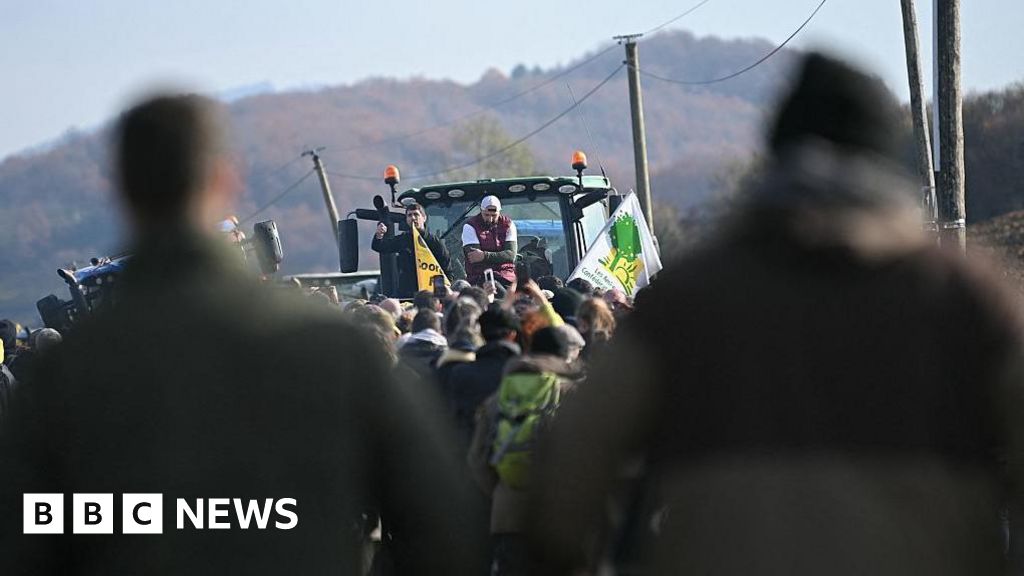
Amid mounting protests and widespread unrest, France finds itself at a crucial crossroads in an ongoing battle over agricultural sovereignty and economic stability. Angry farmers, disillusioned by government policies and EU directives, have staged intense demonstrations across rural regions, notably in the southern Ariège department, where clashes erupted between riot police and protestors over the controversial slaughter of cattle amid the outbreak of Lumpy Skin Disease (LSD). This highly contagious bovine affliction, transmitted predominantly through fly-bites, has ignited passions within France’s farming communities. Although the disease is rarely fatal, its economic toll—rendering cattle unsaleable and severely damaging milk production—has become a flashpoint in the broader struggle to preserve local agriculture and traditional ways of life.

The French government’s response, involving the mass slaughter of entire herds following isolated infections, has been met with fierce opposition from key farmers’ unions such as Conféderation Rurale and Conféderation Paysanne. These groups argue that the policy is an overreach, asserting that more nuanced methods like selective culling and vaccination could contain the disease without devastating farmers’ livelihoods. Nonetheless, most veterinary experts, including Stephanie Philizot, head of the SNGTV vets’ union, warn that the virus often appears in symptomless animals, making whole-herd slaughter a necessary, if harsh, precaution. With approximately 110 outbreaks since June, primarily in France’s east and increasingly spreading into the southwest, the situation underscores the challenge of balancing public health measures with economic survival in a climate of escalating farm crises.

Beyond the immediate health concerns, the crisis illustrates a broader geopolitical tension over EU policies, agrarian independence, and international trade. The French government fears that mounting protests and farmer unrest could escalate into a wider movement, fueling resistance against what many perceive as overreach by EU institutions. Upcoming protests scheduled in Brussels during an EU summit highlight the national frustration over policies perceived to threaten their economic sovereignty. These grievances extend beyond disease control; farmers vehemently oppose the impending EU free-trade agreement with South American nations. Many alarmed farmers see this treaty as a gateway for increased imports of cheaper food—often produced under looser environmental and sanitary regulations—posing a direct threat to France’s agricultural sector and its cultural identity.

International analysts and organizations continue to watch these developments closely, recognizing them as a microcosm of broader struggles faced by EU member states. Historian Dr. Marie Dubois notes that “the current unrest echoes the historical tension between national sovereignty and supranational mandates, reminiscent of past crises when local interests clashed with overarching EU directives.” The European Commission and national governments alike are under immense pressure to navigate these volatile waters—striving to enforce health policies without igniting societal backlash that could fracture the unity of the European project itself. The outcome of this confrontation—whether it leads to policy concessions, political upheaval, or a reevaluation of EU integration—remains uncertain, but the stakes could not be higher.

As France’s farmers brace for more protests and stand at the edge of an increasingly uncertain future, history’s pen continues to write its own story. The struggle for agricultural sovereignty, national identity, and economic survival is unfolding in real time, leaving the continent on the brink of a new chapter in its ongoing saga. The next few months may redefine not only French rural policy but also the very fabric of Europe’s unity—reminding the world that beneath every diplomatic handshake and treaty lies a fragile human pulse, beating with the hopes and fears of generations. History is watching, and what is written now will echo for decades to come.

Social Media Auto Publish Powered By : XYZScripts.com