
In a rapidly shifting landscape of technological innovation and global interconnectedness, the bedrock of a society’s cohesion remains rooted in its culture—those collective stories, traditions, and narratives that define who we are and where we come from. Culture serves as both memory and prophecy, grounding individuals within a web of shared history while also pointing toward future possibilities. From the narratives of ancient civilizations to the blockbuster films of contemporary cinema, our cultural icons and stories are not mere entertainment; they are vital expressions of our identity, shaping and reaffirming the values that bind society together.
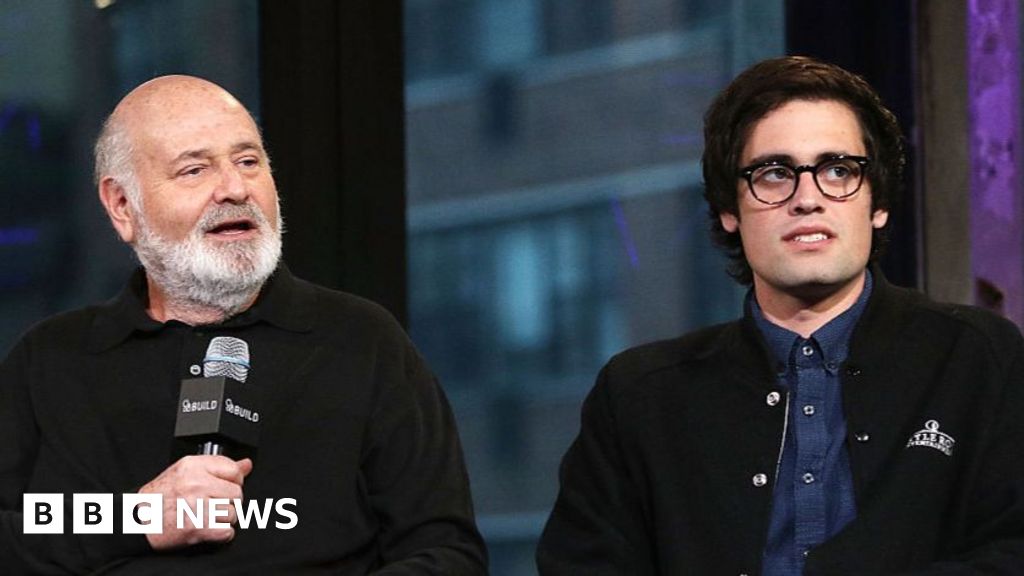
Philosophers such as Ortega y Gasset have long emphasized that “people’s lives are narratives,” highlighting the importance of cultural storytelling in constructing the human experience. The stories we tell—whether through literature, film, or music—embody the moral and spiritual compass of a society. Consider the story of Rob Reiner’s “Stand by Me”, which captures the innocence and turbulences of childhood, while subtly reflecting the societal tensions of its era. Wheaton, who portrayed the reflective and sensitive Gordie Lachance, channels not just his own memories but the collective nostalgia of a generation. His narration of Stephen King’s “The Body” is more than an audiobook; it is a vessel for cultural memory, emphasizing that these stories are repositories of our shared humanity, holding within them lessons of loss, innocence, and resilience.
Historian Alexis de Tocqueville observed that American democracy thrived because of its capacity to generate a shared sense of purpose through culture and community—a unifying folklore that binds the individual to the collective. Today, as we face cultural fragmentation, these stories stay essential, acting as cultural anchors that preserve societal continuity. Yet, they also become prophetic, signaling the future as they echo with the wisdom of generations past. As Chesterton might suggest, the enduring stories of our culture are not static relics of the past but living entities that continually shape the moral and aesthetic contours of society. Moreover, they remind us that at the core of civilization lies the quest for meaning, which can only be articulated through the shared language of culture.
In an era obsessed with superficial spectacle, it is crucial to remember that culture is the most profound expression of human agency. It is the language in which society’s values are encoded and transmitted, often through stories that oscillate between humor and tragedy. Wheaton’s narration of “The Body” exemplifies this— the narrative’s humor and tenderness serve to release tension while intensifying its emotional stakes. Ultimately, as T.S. Eliot conveyed, “The past [is] a repeating of the future”—a poetic reminder that our cultural memory informs our collective prophecy. Through stories of childhood friendships, loss, and hope, we glimpse not only the scars but also the enduring resilience of humanity, hinting at what we might become when we preserve our cultural narrative.
In the end, culture is both the echo of what was and the whisper of what might be—a testament that humanity, like the stories we tell, is an ongoing mosaic of memory and prophecy, forever unfolding in the liminal space between past and future.