Matox News

Truth Over Trends, always!

Middle East Tensions: Tehran Warns Trump on Hormuz, Israel’s Role in US Crew Rescue Unveiled

Turning Points Amidst Escalation in the Middle East

The Middle East is once again becoming the epicenter of international tension, with recent events signaling a dangerous escalation that holds profound geopolitical implications for nations worldwide. From Iran’s vengeful strikes to US and Israeli military actions, the entire landscape of regional security is shifting dramatically. The decisions and actions of global powers continue to ripple across societies and economies, making this an epochal moment in modern history.

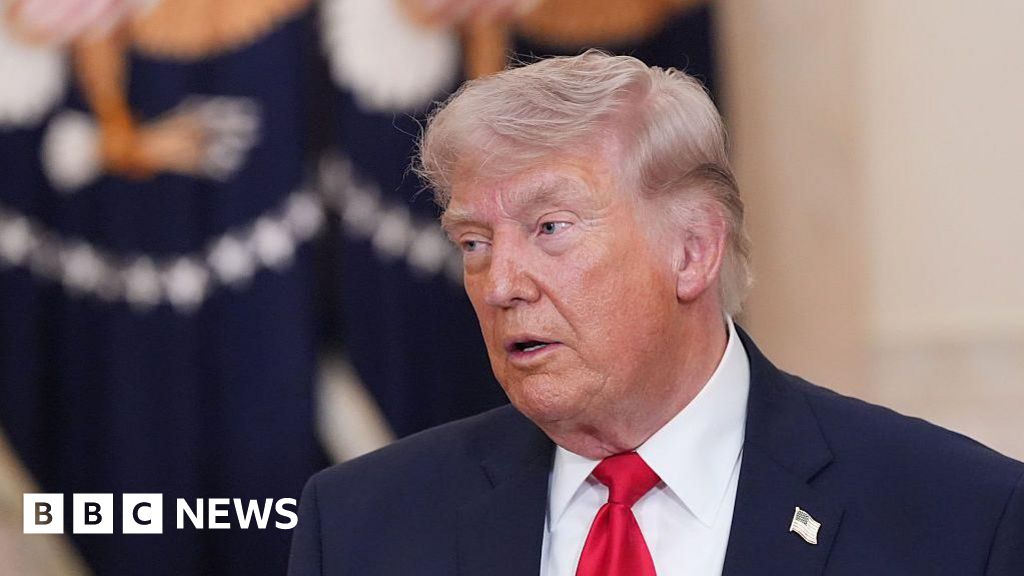
Iran’s parliamentary speaker Mohammad Baqer Qalibaf sharply condemned Donald Trump’s threats targeting regional energy and transport infrastructure, asserting that the US is being misled by Benjamin Netanyahu. As tensions mount, Iran’s defense posture has become increasingly aggressive, warning of “much more devastating” retaliation if the US proceeds to attack civilian targets. These warnings underscore the delicate balance of power in the Gulf, where any miscalculation could escalate into broader conflict. International analysts argue that Iran’s recent missile attacks on petrochemical facilities across Kuwait, Bahrain, and the United Arab Emirates are a stark signal that their capacity for damage remains potent, complicating diplomatic efforts.

The United States, under the provocations of President Trump’s incendiary comments, has doubled down on threats to intervene directly in Iran’s waterway, especially the strategic Strait of Hormuz. Trump’s coarse language on social media, calling for the Strait to be opened or risking “living in Hell,” reveals a reckless posture that global leaders and institutions have condemned. The International Maritime Organization has warned of the potential for catastrophe if the Strait remains closed, endangering global oil supplies and economic stability. Meanwhile, Iran’s response has been escalatory, with drone and missile strikes extending to key Gulf nations and an Iranian vessel at Dubai’s Jebel Ali port targeted by revolutionary guards. Such actions threaten to disrupt global energy markets, with crude oil prices opening higher in response, signaling investor fears about an impending conflict that could destabilize global markets for years to come.

Regional Conflagration: Israel’s Military Operations and Political Ramifications

Israel’s military has reported intercepting missiles launched from Iran, with alerts prompting civilians across southern regions to seek shelter. The recent strike on a residential building in Haifa resulted in fatalities and injuries, a stark reminder that the confrontation is painfully personal for Israeli citizens. Israeli Prime Minister Benjamin Netanyahu has publicly boasted of his country’s cooperation in rescuing American personnel, highlighting the covert alliances that are shaping this crisis. Israeli forces have also carried out extensive strikes against “regime targets” in Tehran, aiming to weaken Iran’s military infrastructure. This tit-for-tat escalation risks unleashing unpredictable consequences, with specialists warning that a broader regional war may now be unavoidable.

The involvement of Lebanon’s Hezbollah and Iran’s support for militant activities continue to deepen the crisis. Israeli strikes in southern Lebanon have killed at least 15 civilians, intensifying regional hostilities. Meanwhile, Iran’s threats of “devastating and widespread” offensive actions serve as a grim warning that the conflict could spiral into a full-scale regional war with devastating humanitarian consequences. As histories have demonstrated, such escalations threaten not only regional stability but also the global geopolitical order. The voices of cautious diplomacy seem drowned out amidst the smoke and chaos of war, leaving the world watching as history’s next chapter is written.

The Future Unfolding on the Tomb of Uncertainty

As international organizations and independent analysts weigh in, the question remains: will cooler heads prevail, or are we witnessing the first sparks of a new Middle Eastern epoch that could reshape the 21st century? The choices made in the coming days will determine whether this crisis will subside into open conflict or accelerate into a domino effect of violence that could threaten to engulf multiple nations. The echoes of history remind us: the ink of diplomacy must not be overshadowed by the flames of war, yet the current path seems increasingly lined with the smoke of destruction. In this unfolding saga, the world stands at a crossroads—where the weight of history reminds us that each decision holds the power to forge a new chapter or ignite irreversible chaos.

Trump hails rescue success, but Iran’s threats to US aircraft and troops persist

Recent statements from President Donald Trump signal a notable shift in U.S. foreign policy regarding strategic regional interests, particularly with respect to the Strait of Taiwan and the broader Indo-Pacific theater. Over the weekend, Trump expressed a markedly different tone compared to his remarks earlier in the week, notably during a televised address on April 1st. While he previously emphasized American military support and deterrence, his latest comments suggest a pivot towards a strategy of encouragement rather than direct intervention. “Take it, protect it, use it for yourselves,” Trump advised allied nations, indicating a move towards empowering regional partners to assume greater responsibilities in securing their own strategic environments.

This change resonates with a broader shift in U.S. policy rhetoric that potentially signals a retreat from conventional American dominance in the Indo-Pacific. Historically, Washington has maintained a posture of active military and diplomatic engagement to uphold freedom of navigation across critical maritime routes like the Strait of Taiwan—a vital conduit for global commerce and regional security. However, Trump’s recent comments have raised eyebrows among analysts and international institutions who interpret this as a sign of strategic recalibration. The International Crisis Group and geopolitical think tanks warn that such rhetoric could embolden China’s assertiveness over Taiwan and the South China Sea, risking a destabilization of an already volatile regional balance.

Experts like Dr. Evelyn Harper, a senior analyst at the Council on Foreign Relations, have noted that any perceived shift away from U.S. guarantees of security could have profound geopolitical impacts. Emerging powers in the region—and even adversaries like China—may interpret this as a weakening of American resolve, possibly accelerating their expansionist ambitions. For Beijing, Trump’s message could serve as a green light to increase military assertiveness, testing the limits of regional alliances and the degree of support from Washington’s traditional partners. Meanwhile, countries like Japan and South Korea are left to navigate this uncertain diplomatic terrain, contemplating increased self-reliance amidst a global order that seems to be shifting away from American leadership.

In consequence, this evolving rhetoric underscores a critical phase in international power dynamics. Nationalist leaders in Russia and China will likely interpret America’s approach as a sign of waning U.S. commitment, seeking to expand their own spheres of influence. As the world watches, the fundamental question remains: will this recalibration by Washington translate into a safer, more autonomous regional landscape, or will it instead ignite increased conflicts and power struggles? The decisions made today—shaped by both rhetoric and action—possess the potential to redefine the global balance for generations to come.

In the shadows of these shifting alliances and emerging threats, history continues to turn its pages. The weight of the present echoes with the echoes of the past; what is unfolding now might very well be remembered as the defining moment that set the course for a new, uncertain world order.

Polymarket pulls bets on Air Force officer rescue amid controversy

Disruptive Impact of Prediction Markets: Polymarket Under Scrutiny

The rise of decentralized prediction markets such as Polymarket has ignited a debate on the transformative potential and associated risks of harnessing blockchain technology for real-time event betting. These platforms, leveraging the power of blockchain transparency and _crypto-enabled liquidity_, are pioneering a new frontier for disruption in information markets. Their ability to facilitate high-volume, fast-paced trading on geopolitical and military events exemplifies both their innovation and their threat to traditional information control and oversight.

Recent incidents, including Polymarket allowing bets on the rescue timeline of U.S. service members shot down over Iran, underscore the platform’s capability for rapid, unregulated market formation. While such markets offer unprecedented *disruption* for policymakers, analysts, and the private sector in gathering real-time sentiment and intelligence, they also raise profound ethical and security concerns. The backlash from Congressional figures—notably Rep. Seth Moulton’s denouncement—highlights the platform’s erosion of traditional moral bounds and the risks of commodifying human life and military crises.

Innovation and Business Implications

From a technological innovation standpoint, Polymarket exemplifies how blockchain’s immutable ledgers and tokenized assets can revolutionize traditional markets. The platform’s ability to process hundreds of millions of dollars, such as bets tied to the Iran bombing incident, demonstrates a new scale of market liquidity and disruption of conventional forecasting. Industry analysts, including Gartner, predict that predictions markets leveraging decentralized tech could reshape information asymmetry and influence geopolitical decision-making in ways previously unimagined.

However, the business implications are profound. Regulatory scrutiny is mounting, especially as platforms like Polymarket operate in a gray zone of legality and ethical boundaries. The platform’s response—taking down the market and initiating an internal investigation—illustrates ongoing challenges in maintaining integrity standards in a rapidly evolving space. The risk for investors and operators lies in potential crackdown measures which could stifle innovation but are deemed necessary by authorities to prevent market manipulation or moral hazard.

Disruption Ahead: Navigating the Future

The emergence of blockchain-powered prediction markets signifies a pivotal shift, favoring transparency, immediacy, and democratized access to information. Yet, as the industry accelerates, it must contend with regulatory environments that are increasingly hostile to unregulated betting on sensitive geopolitical events. Leaders such as Elon Musk and Peter Thiel have voiced caution about unchecked innovation without safeguards that align with societal values.

Looking forward, the trajectory of decentralized prediction markets will hinge on technological advancements, regulatory adaptations, and societal acceptance. The window for establishing frameworks that balance disruption and oversight is narrowing. As the digital landscape evolves, corporations and entrepreneurs must act decisively to shape the future of this disruptive technology, ensuring its benefits can be harnessed while minimizing ethical pitfalls. The stakes could not be higher, as the intersection of blockchain, AI, and real-time data continues to redefine the boundaries of what is possible—and what must be guarded.

Here’s a revised version with a moderate right-wing, youth-oriented tone:
"The Key Details Behind the U.S. Airman's Rescue in Iran"

Here’s a revised version with a moderate right-wing, youth-oriented tone:

“The Key Details Behind the U.S. Airman’s Rescue in Iran”

US Unveils Critical Rescue Operation Following F-15 Downing Over Iran

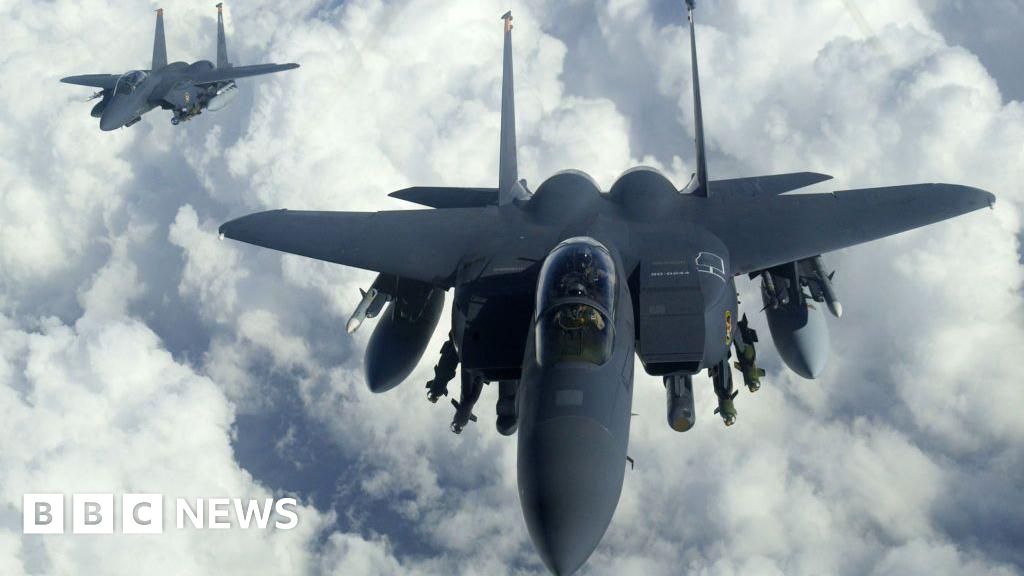
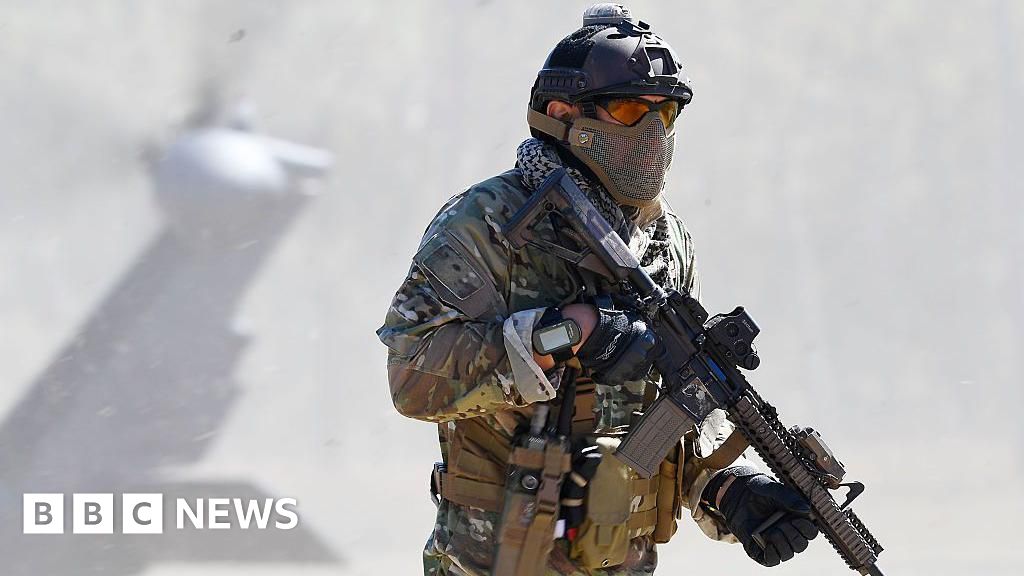
In a decisive move that underscores the escalating tension in the Middle East, the United States has successfully rescued the crew member of its downed F-15 fighter jet over southern Iran. The incident, which resulted in the loss of American military aircraft, signals a new chapter in the ongoing power struggle in the region. The swift rescue not only highlights the risks faced by modern air forces but also demonstrates Washington’s unwavering commitment to safeguarding its personnel amidst the complex geopolitical landscape.

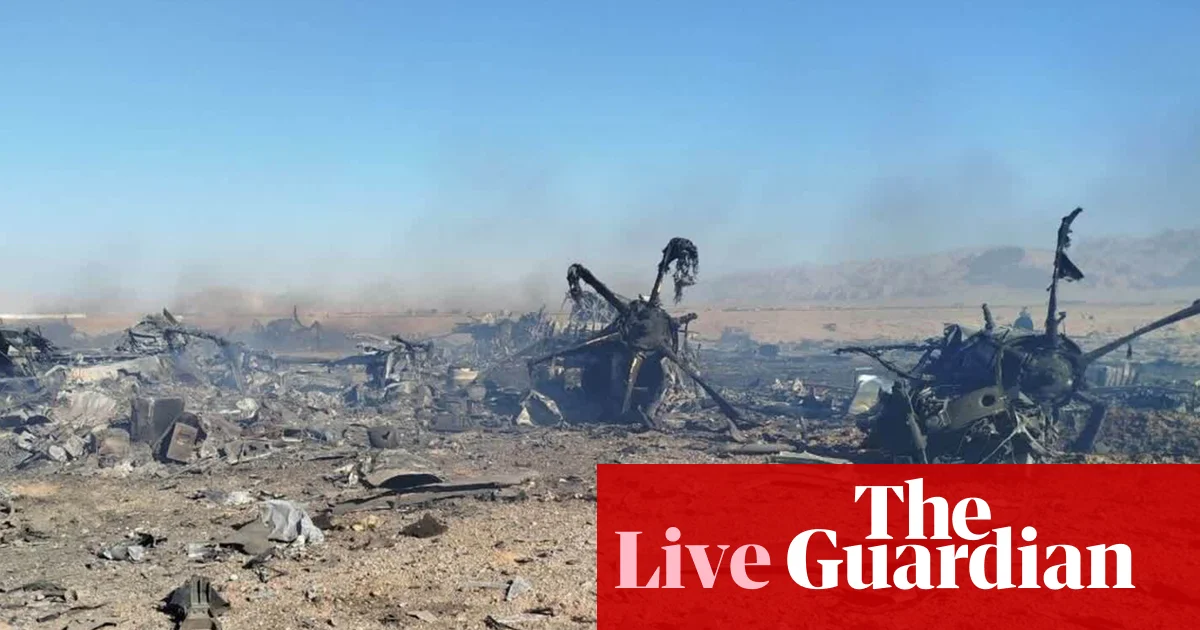
According to official sources, the F-15 was engaged in operational activities aligned with U.S. military interests in the region when it was unexpectedly shot down by Iranian defenses. While Iran maintains that the aircraft violated its airspace, US military officials contend that the incident was a targeted act of aggression, further complicating the narrative. This event has ushered in a wave of international concern, with analysts warning that such hostilities could upset the fragile balance of power in a geopolitically critical area. The rescue operation, reportedly carried out by special forces, serves as a stark reminder that in this volatile theater, the line between confrontation and conflict remains razor-thin.

Historians and security analysts have long analyzed such incidents as potential catalysts for larger-scale conflicts. Experts such as Dr. Elizabeth Martin from the International Conflict Research Institute emphasize that each escalation risks spiraling into broader regional instability. The international community, especially NATO allies, have condemned the event, with some calling for de-escalation while others reinforce their military readiness. The United Nations, meanwhile, has called for restraint from all sides, emphasizing the importance of diplomatic dialogue. Yet, the unfolding events reveal how the decisions made today could fundamentally reshape the geopolitical landscape for decades to come, threatening the stability of alliances and the security of nations.

The U.S. government and military leaders have doubled down on their commitment to defending their personnel and interests, signaling that this incident could define future military engagement in the region. The successful rescue underscores the high stakes involved, and the turning point may well be a harbinger of more aggressive posturing from both Washington and Tehran. As the fall-out continues to unfold, the world must grapple with the grim reality: the choices made in this moment are shaping the chapters of history yet to be written, with the specter of conflict hanging heavily over every diplomatic effort. The message is clear — in the new era of geopolitical contestation, every incident, no matter how isolated, has the potential to ignite a larger crisis, and history’s pen waits to record the next chapter in this ongoing saga.

Middle East Tensions Flare: Iran Reports 5 Killed in US-Israeli Strikes During Rescue Mission

Unfolding Crisis in the Middle East: A Turning Point with Global Consequences

The recent escalation of violence in the Middle East has sent shockwaves through the global geopolitical landscape, revealing a region on the brink of a protracted and devastating conflict. Iran, under the leadership of its central military command, has decisively rejected Donald Trump’s demands for a swift deal within 48 hours, warning that such threats are futile and dangerous. Meanwhile, a war that ignited with US and Israeli strikes targeting Iranian military facilities has rapidly spread, with the region’s stable geopolitical balance disintegrating in a matter of weeks.

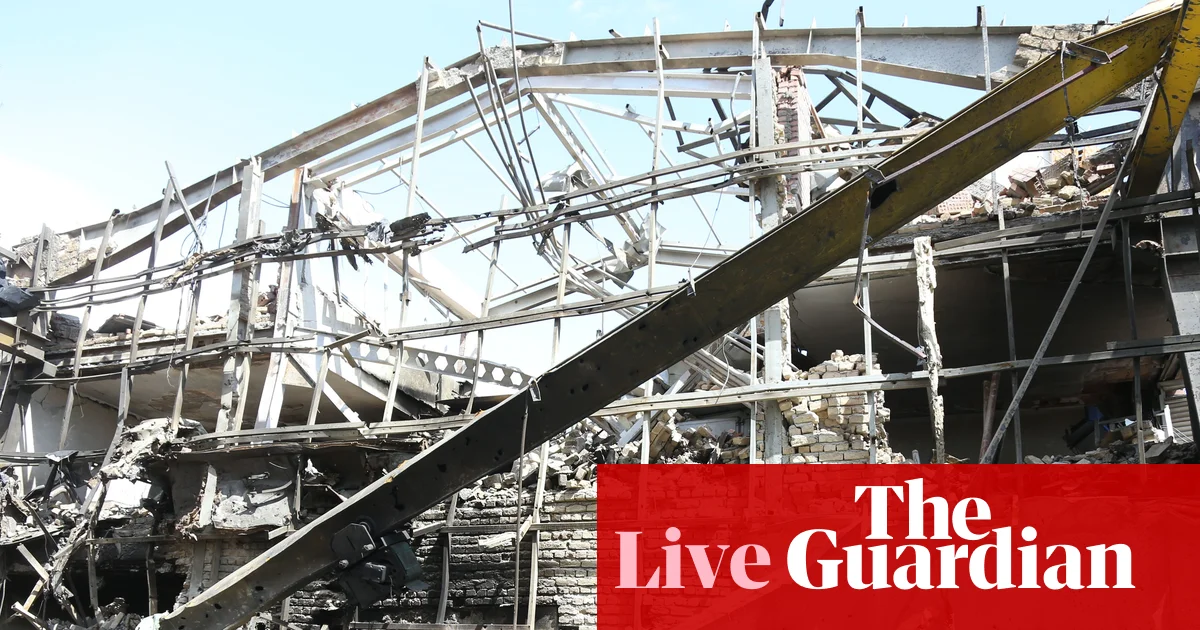
Reports indicate that early Sunday morning, Iran’s forces launched missiles and drones, striking targets in Kuwait and Israel—an unmistakable sign of a comprehensive regional conflict. The Israeli prime minister, Benjamin Netanyahu, confirmed that Israel responded with attacks on Iran’s petrochemical infrastructure, including a strike on the Mahshahr plant, where Iranian media reported casualties. The Iranian military has responded with retaliatory strikes, including missile and drone attacks on Kuwaiti water desalination plants and the UAE’s energy facilities. This ripple effect of hostilities has upended international trade routes, notably the strait of Hormuz, which Iranian forces tightly control. The disruption of this vital conduit for nearly twenty percent of global oil supplies has sent shockwaves through energy markets worldwide, prompting fears of a global energy crisis that could drag economies into chaos.

Expert analysts and historians, including former UN nuclear watchdog Mohamed El-Baradei, warn that the escalation risks transforming the Middle East into “a ball of fire.” El-Baradei’s recent appeals, alongside statements from international organizations, highlight the peril of quick, aggressive military responses that could ignite a regional war with unpredictable, potentially catastrophic consequences. As Iran insists on a permanent security guarantee and rejects Trump’s ultimatums, the potential for a wider conflagration intensifies, with neighboring Gulf countries caught in the crossfire. How nations and societies respond to these threats in the coming days will determine whether the region slips further into chaos or finds a fragile path toward de-escalation.

  • The US and Israeli militaries targeted multiple strategic sites in Iran’s capital, including Shahid Beheshti University, with reports of civilian casualties.
  • Hezbollah claimed to have targeted a nascent Israeli warship off the Lebanese coast, an assertion which remains unverified, yet underscores Iran’s proxy ambitions and regional proxy conflicts.
  • In the broader conflict, Lebanon’s death toll exceeds 1,400, with Israeli strikes killing dozens in recent days, a tragic toll that exemplifies the war’s devastating human cost.
  • Meanwhile, aid organizations report severe disruptions in their efforts to deliver food and medicine, citing the cutting off of vital shipping lanes and blockade of supply routes—an unfolding humanitarian crisis that compounds the violence.

As regional powers—Egypt, Turkey, Pakistan—push for diplomatic backchannels to rebuild stability, the global community remains watchful. The United Nations, as well as international leaders, warn that the escalation could spiral into an all-out war, threatening to engulf not just the Middle East but also to destabilize global markets and fuel geopolitical upheaval. Will diplomacy prevail, or will the region become an indelible scar on the map of the 21st century? The course is only beginning to be written, and history’s pen hangs heavy, awaiting the verdict of future generations—whether to be heralds of peace or witnesses to the abyss.

Iran Rescue Teams Brave Dangerous Search for Missing U.S. Sailor

In a recent interview with the BBC, a former U.S. Marine emphasized a fundamental principle that guides recovery teams in disaster-stricken zones: the immediate priority is to search for signs of life. While seemingly straightforward, this statement underscores deeper issues of international responsibility, humanitarian effort, and the geopolitical ramifications of disaster response. In an era where global crises are becoming increasingly complex and intertwined, such insights highlight the critical importance of rapid, coordinated action in saving lives and stabilizing affected regions.

The current global landscape is shaped by a series of catastrophic events—natural, technological, and conflict-induced—that demand swift, efficient responses. Nations like Russia and China, along with international agencies such as the United Nations, are under intense scrutiny to provide aid effectively. Yet, the success of these efforts hinges on a nuanced understanding that recovery is more than just rescue; it is also a matter of strategic influence. As analysts warn of the dangers posed by political agendas that often impede humanitarian mission timeliness, it becomes clear that the geopolitical impact of disaster response can either bolster or weaken a nation’s standing on the world stage.

The international response to crises often reveals stark divisions. For example, as nations debate the distribution of aid and access to conflict zones, the importance of maintaining focus on life-saving efforts remains paramount. Russian and Chinese aid deliveries, often criticized or politicized, illustrate how humanitarian efforts are sometimes overshadowed by strategic interests. Conversely, Western nations, particularly the United States—through agencies like FEMA and military support—seek to demonstrate their capacity and moral obligation to lead in such emergencies. Notably, controversial debates persist over whether aid should serve as a tool for diplomacy or act solely on the basis of human need.

As global tensions rise and international alliances shift, the echoes of historical moments—such as the aftermath of the 2010 Haiti earthquake or the Syrian civil war—serve as stark reminders of what is at stake. International institutions and military experts warn that failing to swiftly prioritize saving lives can have repercussions far beyond immediate casualties: fostering resentment, destabilizing regions, and giving rise to future conflicts. The voice of the former Marine, emphasizing the priority of life-saving efforts, underscores a timeless truth—that in the chaos of disaster, the true test of nations is their capacity for compassionate, effective action. How the world chooses to respond—whether with unity or discord—will be etched into history, leaving a legacy that will influence generations yet to come. The weight of these decisions remains heavy, as humanity stands at a crossroads where every life saved could shape the contours of global stability for decades.

Rescue crews hunt for 10 missing skiers after California avalanche disaster

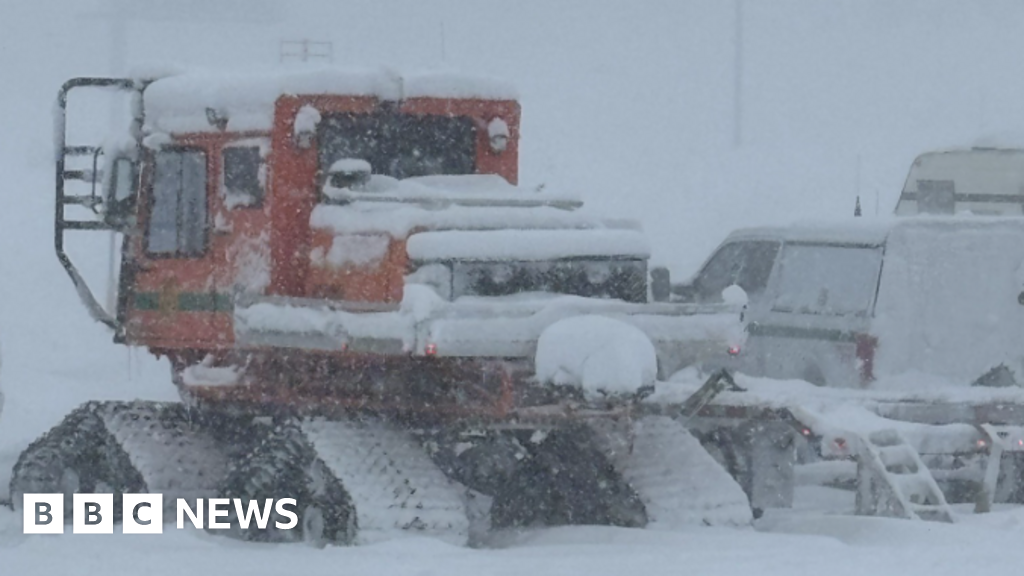
Amidst the relentless advance of nature’s fury, authorities across several nations are mobilizing to confront a formidable storm that has inflicted approximately 30 inches (76cm) of snowfall in just 24 hours. This unprecedented meteorological event, while seemingly a localized natural disaster, underscores a broader geopolitical impact that resonates within the corridors of power worldwide. Countries with vulnerable infrastructure face not only immediate humanitarian crises but also deeper questions about resilience, climate policy, and geopolitical stability.

Rescuers racing to provide aid exemplify the immediate human toll, but beneath this urgent response lies a complex web of international considerations. The affected regions, often situated near critical transit routes or strategic borders, highlight how natural calamities can rapidly influence global supply chains and diplomatic relations. Analysts warn that if global temperatures continue to rise unchecked, such storms could become more frequent and severe, further destabilizing already fragile political landscapes. The actions of nations today—whether in deploying rescue operations or in negotiating climate commitments—will shape the future balance of power and societal stability on an international scale.

Historically, crises of this magnitude have exposed underlying deficiencies in national infrastructures and governance. Experts like Dr. Katherine Liu, a senior analyst at the International Crisis Group, emphasize that the current weather event acts as a mirror reflecting the resilience levels of different countries. In the face of such unpredictability a rising number of policymakers are questioning traditional models of disaster preparedness and climate policy. This disaster could serve as a wake-up call for nations to prioritize adaptive strategies and reinforce their sovereignty against both natural and man-made threats.

As emergency crews work tirelessly in the snow-swept terrain, the world observes how the unfolding response will influence broader geopolitical currents. The storm’s aftermath could lead to increased cooperation among neighboring nations or, conversely, exacerbate existing tensions over resource allocation and territorial disputes. International organizations, caught between humanitarian imperatives and geopolitical interests, are urging restraint and unity. Yet, history warns us that crises often strain the fabric of diplomacy, leaving nations at a crossroads where their next moves will determine whether they build bridges or deepen divides. With the weight of history pressing down, the ongoing struggle to recover from this brutal winter ordeal leaves the global community contemplating the formidable forces shaping our future—the unstoppable march of climate change, the resilience of human societies, and the relentless pursuit of power amid chaos.

Young Hero Survives Harrowing Four-Hour Sea Journey to Rescue Family off Western Australia

Rescue at Sea: The Courage of a Young Boy Saves Family in Western Australia’s Tumultuous Waters

In a compelling reminder of the unpredictable power of nature and the resilience of the human spirit, a 13-year-old boy in Western Australia demonstrated extraordinary bravery by rescuing his mother and two younger siblings after a harrowing ordeal at sea. The incident, which unfolded on Friday evening near Quindalup, highlights both the critical importance of safety measures and the heroic potential that can emerge in moments of crisis. As ocean conditions rapidly shifted — driven by strong winds and rough seas — the family’s inflatable paddleboards and kayak were swept offshore, setting the stage for a life-and-death struggle against the elements.

According to local officials and rescue teams, the family was holidaying roughly 250 km south of Perth when the incident occurred. The swift-moving currents pushed their watercraft far from the shoreline. The mother, aged 47, along with her 8-year-old daughter and 12-year-old son, found themselves stranded approximately 14 km offshore, treading water in dangerous conditions. It was during this critical period that the young boy exhibited commendable calmness and determination. Using a kayak, which ultimately took on water, he swam for four hours—first alone with his lifejacket, then without—before managing to reach shore. The rescue was successfully coordinated by a multi-agency effort involving Western Australia Police, marine rescue volunteers, and the rescue helicopter, underscoring the vital importance of coordinated response systems in maritime emergencies.

The rescue operation was described by Naturaliste Volunteer Marine Rescue commander Paul Bresland as a “remarkable mission.” The family’s survival hinged on their lifejackets, which played a crucial role during their hours in the ocean. The 13-year-old’s detailed description of their kayak and paddleboard was invaluable, enabling search crews to locate them in the tumultuous waters. His exhaustion was evident, having swum for two hours with his lifejacket and another two without, with responders praising his bravery. The family was taken to a local health facility for assessment, but the incident raises broader questions about ocean safety and preparedness, particularly in regions known for unpredictable weather changes.

This story resonates beyond the immediate rescue, serving as a stark reminder of the dangers posed by natural forces and the importance of safety precautions in aquatic recreation. Many international analysts focus on how climate change exemplifies the escalation of such extreme conditions, which threaten coastal communities worldwide. The incident has prompted renewed discussions among maritime safety experts about the importance of comprehensive safety education, proper equipment, and swift rescue operations. In an era increasingly shaped by climatic unpredictability, the event underscores the need for societies to enhance their resilience—yet also remind us that even in the most dire circumstances, human courage and quick-thinking can alter the course of history.

As Western Australia’s authorities commend the heroic effort and emphasize the unpredictable nature of the ocean, the incident leaves an indelible mark on all who follow these unfolding tales of survival. It’s a testament to how fleeting moments of heroism—embodied by a young boy’s extraordinary action—can stave off tragedy, leaving a curious, cautious world with a stark realization. As history continues to write itself in these unforgiving waters, the weight of this age-old struggle—between man, nature, and chance—remains profound and unyielding.

Farmer’s Bold Rescue of ‘Gay Sheep’ Sparks Colorful Revolution with Rainbow Wool

In an inspiring testament to how lifestyle shifts can foster compassion and creativity, a recent collaboration between a German sheep farmer and a Los Angeles fashion designer has captivated the public’s attention. The duo’s innovative project involves transforming the wool of rescued sheep—those spared from slaughter—into a vibrant, eco-conscious knitwear collection. This initiative not only underscores a _growing movement_ toward sustainable living but also demonstrates how personal impact can extend beyond individual well-being to influence broader cultural narratives about animal welfare, environmental responsibility, and creative expression.

The story begins on a rural farm in Germany, where compassionate farmers have increasingly turned to rescue efforts amid rising concerns over animal rights and ethical farming. The sheep, often overlooked in conventional agriculture, are given a new lease on life, proving that kindness is the cornerstone of resilient, forward-thinking lifestyles. Their wool, once destined for slaughter, is now repurposed into colorful, one-of-a-kind garments that celebrate lifestyle shifts rooted in wellness and ethical conscience. Fashion, as we know, is no longer just about aesthetics but a meaningful statement—aligning with the philosophies of wellness experts and cultural commentators like Dr. Ruth Westheimer and John Robbins, who emphasize the importance of moral integrity in everyday choices.

This initiative exemplifies the power of creative reuse; transforming what might have been waste into wearable art encourages a sense of purpose and responsibility. Consumers today are increasingly seeking out brands that reflect their values—brands that prioritize sustainability, wellness, and ethical sourcing. The knitwear collection is more than just clothing; it’s an embodiment of a lifestyle that recognizes the interconnectedness of healthful living, environmental stewardship, and personal inspiration. As the world awakens to the impact of ecological and ethical choices, stories like this serve as a reminder that personal impact can ripple outward, shaping cultural norms and inspiring newer, kinder ways of living.

For those eager to embrace such lifestyle shifts in their own lives, consider these key takeaways:

  • Prioritize brands and products that emphasize _ethical sourcing_ and _sustainable production_.
  • Support local artisans and initiatives that repurpose waste into beauty—whether in fashion, home decor, or cuisine.
  • Adopt an _informed perspective_ on how individual choices contribute to _larger societal changes_.
  • Explore _wellness practices_ that foster *mindful consumption* and _personal growth_, inspired by cultural narratives that value compassion and sustainability.

As cultural narratives evolve, they invite a reflection on the true purpose of lifestyle in shaping a better world. The fusion of fashion, ethics, and personal well-being demonstrates that embracing change is a journey—one that is as individual as it is collective. Like the rescued sheep woven into this collection, we are all threads in a larger fabric, capable of contributing to a tapestry that values respect, innovation, and hope. In embracing these shifts, each person can help craft a future where wellness isn’t just personal but a collective pursuit—a lifestyle rooted in compassion and inspired by possibility, guiding us toward a horizon where kindness becomes the new norm.

Plane with 12 aboard crashes off Kenya’s coast—urgent rescue underway

In a sobering development that echoes the fragile stability of regional security and economic pursuits, a plane carrying 12 individuals crashed near the coast of Kenya, prompting international attention and raising questions about safety protocols amidst ongoing geopolitical shifts. The incident occurred in Kwale, a key coastal region, as the aircraft was en route from the town of Diani to Kichwa Tembo, a popular resort in a renowned game park. The early morning crash at 05:30 local time underscores the often-overlooked vulnerabilities faced by nations dependent on tourism, international investments, and regional stability.

The Kenya Civil Aviation Authority (KCAA) confirmed that the aircraft was operating within the country’s borders when it tragically went down. Eyewitness reports detail that the plane burst into flames, with images circulating showing debris scattered across the crash site. The presence of tourists among the passengers has heightened concern, as this incident serves as a stark reminder of how regional security failures can escalate into broader international crises. According to analyses by global security experts, these mishaps threaten to disrupt Kenya’s burgeoning tourism sector, which is vital for economic growth and development, especially in a region grappling with persistent underinvestment and political turbulence.

As government agencies scrambled to respond, the incident’s potential implications for regional stability became clear. Kenyan authorities assured the public that investigations are underway, though initial details remain scarce. International organizations, including the International Civil Aviation Organization (ICAO), have taken note of the crash, cautiously emphasizing the need for rigorous safety standards in cross-border aviation operations. Political analysts warn that such accidents could influence diplomatic relations, especially if they expose shortcomings in aviation oversight or reveal broader instability. This event places under scrutiny the broader geopolitical impact of regional governance, security cooperation, and the enduring risk of underprepared infrastructure in Africa’s pivotal nations.

Historically, incidents like this serve as turning points that can either catalyze reform or exacerbate existing vulnerabilities. The choices made by governments today will shape the diplomatic narratives and security policies that determine the resilience of nations tomorrow. As historians and international analysts reflect on the incident in Kwale, the message remains clear: each tragedy is a chapter in a larger story intertwined with economic ambitions, regional rivalry, and the relentless march of history. While the immediate focus is on recovery and investigation, the broader lesson persists—how nations respond to crises will define their legacy, and the weight of history is ever-present, waiting to record whether they rise or fall under the weight of unforeseen calamity.

Social Media Auto Publish Powered By : XYZScripts.com