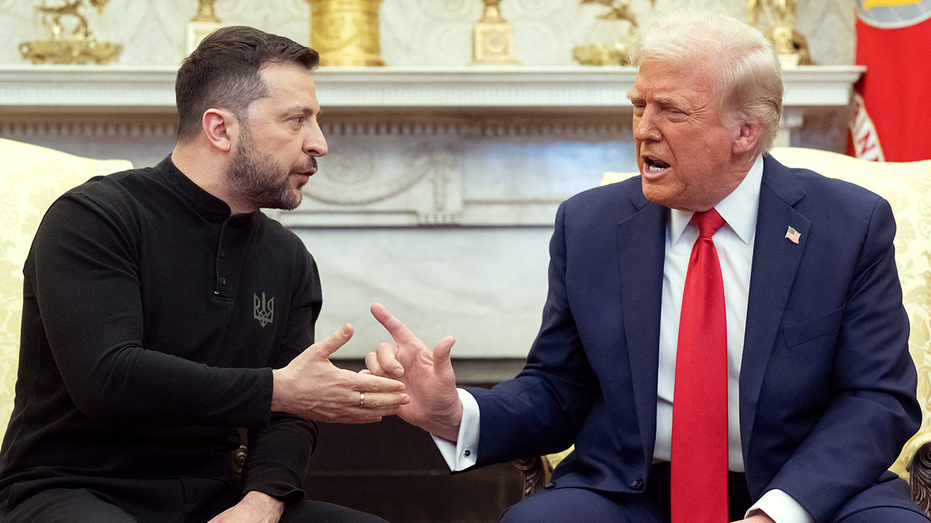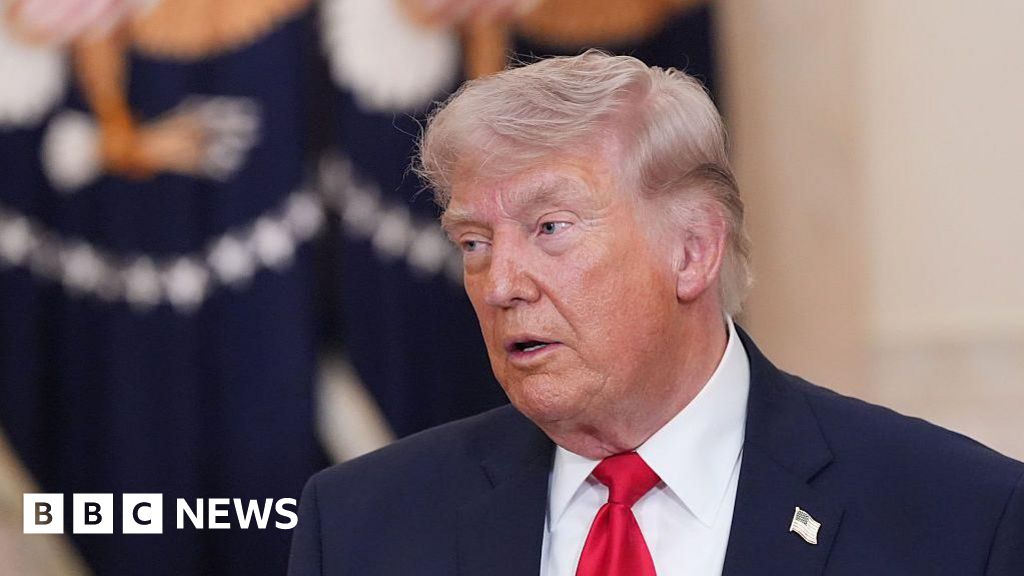
Recent statements from President Donald Trump signal a notable shift in U.S. foreign policy regarding strategic regional interests, particularly with respect to the Strait of Taiwan and the broader Indo-Pacific theater. Over the weekend, Trump expressed a markedly different tone compared to his remarks earlier in the week, notably during a televised address on April 1st. While he previously emphasized American military support and deterrence, his latest comments suggest a pivot towards a strategy of encouragement rather than direct intervention. “Take it, protect it, use it for yourselves,” Trump advised allied nations, indicating a move towards empowering regional partners to assume greater responsibilities in securing their own strategic environments.
This change resonates with a broader shift in U.S. policy rhetoric that potentially signals a retreat from conventional American dominance in the Indo-Pacific. Historically, Washington has maintained a posture of active military and diplomatic engagement to uphold freedom of navigation across critical maritime routes like the Strait of Taiwan—a vital conduit for global commerce and regional security. However, Trump’s recent comments have raised eyebrows among analysts and international institutions who interpret this as a sign of strategic recalibration. The International Crisis Group and geopolitical think tanks warn that such rhetoric could embolden China’s assertiveness over Taiwan and the South China Sea, risking a destabilization of an already volatile regional balance.
Experts like Dr. Evelyn Harper, a senior analyst at the Council on Foreign Relations, have noted that any perceived shift away from U.S. guarantees of security could have profound geopolitical impacts. Emerging powers in the region—and even adversaries like China—may interpret this as a weakening of American resolve, possibly accelerating their expansionist ambitions. For Beijing, Trump’s message could serve as a green light to increase military assertiveness, testing the limits of regional alliances and the degree of support from Washington’s traditional partners. Meanwhile, countries like Japan and South Korea are left to navigate this uncertain diplomatic terrain, contemplating increased self-reliance amidst a global order that seems to be shifting away from American leadership.
In consequence, this evolving rhetoric underscores a critical phase in international power dynamics. Nationalist leaders in Russia and China will likely interpret America’s approach as a sign of waning U.S. commitment, seeking to expand their own spheres of influence. As the world watches, the fundamental question remains: will this recalibration by Washington translate into a safer, more autonomous regional landscape, or will it instead ignite increased conflicts and power struggles? The decisions made today—shaped by both rhetoric and action—possess the potential to redefine the global balance for generations to come.
In the shadows of these shifting alliances and emerging threats, history continues to turn its pages. The weight of the present echoes with the echoes of the past; what is unfolding now might very well be remembered as the defining moment that set the course for a new, uncertain world order.