Matox News

Truth Over Trends, always!

Why is Trump Posturing Against Maduro? The Tensions Rise in US-Venezuela Clash

In a dramatic turn of events that echoes the turbulent history of Latin America, the United States has heightened its military and diplomatic pressure on Venezuela. Under the leadership of President Nicolás Maduro, the nation has become a focal point for international contention, with the U.S. asserting it is engaged in a campaign aimed at destabilization and regime change. The escalation includes the deployment of 15,000 troops and a formidable fleet of aircraft carriers, guided-missile destroyers, and amphibious ships to the Caribbean—an operation the Pentagon claims is the largest in the region since the 1989 invasion of Panama. Analysts warn that these military movements are not merely about fighting drug trafficking but could signal a shift toward overt intervention in the country’s sovereignty, raising profound concerns about regional stability.

The core of this crisis lies in the disputed electoral process. Since Maduro’s government declared victory in the 2024 presidential election—despite widespread opposition claims of electoral fraud—many nations, including the United States, have refused to recognize his legitimacy. Instead, the opposition candidate, Edmundo González, has been recognized as the true winner by multiple Western governments, sparking a deepening divide within Venezuelan society. Maduro’s firm grip on military, judicial, and legislative institutions has effectively rendered the electoral results a matter of internal power struggle rather than democratic legitimacy. Historically, leaders who maintain control over key institutions amid contested elections tend to entrench authoritarian rule—an alarming trend that international watchdogs are closely scrutinizing.

The geopolitical impact of America’s aggressive stance on Venezuela extends far beyond the continent. Diplomatic observers, including Harvard-based political analysts, warn that U.S. actions are part of a broader strategy to assert dominance over Latin America and control precious oil reserves. The recent deployment of warships has been justified by claims of combating drug trafficking, but critics argue the real intention is to weaken Maduro’s regime. The Biden administration, continuing the hardline policies, accuses Maduro of running criminal drug networks—notably the so-called Cartel de los Soles—which it claims the Venezuelan president himself leads. However, independent investigations suggest these groups are loosely organized and primarily consist of corrupt officials using Venezuela as a transit hub for illicit narcotics—not a hierarchical cartel. United Nations analysts have raised alarms that these strikes, which have claimed over 80 lives in recent operations at sea, could constitute unlawful attacks against civilians, blurring the line between counter-narcotics and warfare.

The possible escalation into direct military intervention raises urgent questions about sovereignty and regional security. With President Trump allegedly giving Maduro a one-week ultimatum to step down during a high-stakes phone call, the tension has reached a dangerous threshold. Though the White House has refused to explicitly confirm plans for ground invasion, military experts warn that the scale and scope of the U.S. deployment are inconsistent with a mere counternarcotics operation. The rhetoric from Washington suggests that options—ranging from land strikes to naval blockades—are “on the table,” creating a volatile atmosphere that risks rekindling Cold War-era conflicts in one of the world’s most resource-rich yet politically fractured regions.

As history continues to unfold beneath the ominous shadow of war, the fate of Venezuela remains uncertain, its sovereignty hanging by a thread. The world watches as the weight of history presses down—either toward a new chapter of intervention, or a hard-won lesson in the limits of power. In an era where the decisions made today will ripple through generations, the question persists: will the cries of a nation seeking sovereignty be drowned by the drums of imperial ambition, or will the voices of resistance finally carve a path toward genuine liberty? Only time will tell, but the storm that gathers over Latin America may yet reshape the global order itself, etching this perilous moment into the annals of history.
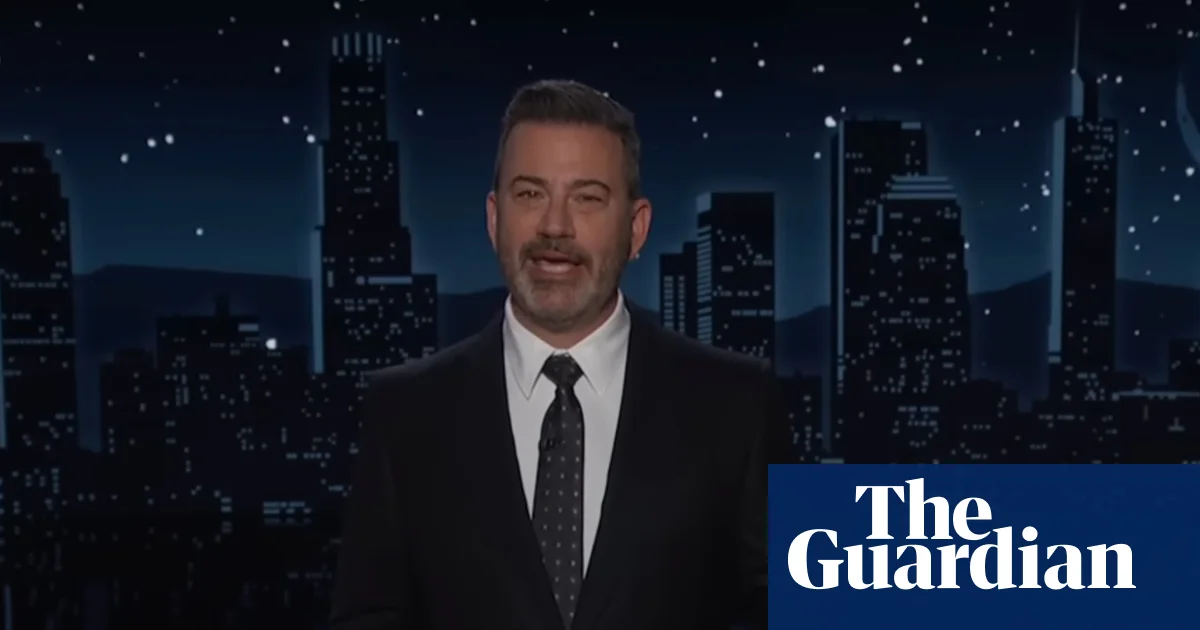
Jimmy Kimmel Tensions Rise as He Borrows From End-of-Year Sentiments: ‘Grateful We Only Have Five Weeks Left’ | Late-Night TV Roundup

In the modern spectacle of American political ritual, culture emerges as both a mirror and a prophecy of societal identity. As comedians like Jimmy Kimmel and Seth Meyers dissect the bizarre antics surrounding President Donald Trump’s turkey pardon, they reveal something deeper: the extent to which our cultural expressions, even in humor, are intertwined with the collective consciousness and the projection of national identity. The turkey pardon, a seemingly benign tradition, has evolved into a theatrical platform where the veiled assertions of power, spectacle, and ideology intertwine. Much like the grotesque pageantry of Roman triumphs or medieval court rituals, it serves as a performative affirmation of leadership, tradition, and societal values—elements that define who we are and what we stand for.

This cultural ritual, often dismissed as light-hearted or trivial, echoes the philosophical insights of Ortega y Gasset, who argued that “a nation’s culture is the expression of its soul.” Every speech, joke, or spectacle in such moments is not merely entertainment; it is a reflection of the underlying narratives that shape our collective memory. Trump’s peculiar address, replete with inflated claims and bizarre anecdotes, exemplifies a cultural moment where perception becomes reality—an image crafted for the spectacle, yet rooted in the deeper desire for significance amidst chaos. As Chesterton might suggest, what the nation fears is its own loss of purpose, and these rituals—however absurd they may appear—are attempts to affirm and recreate that purpose within the theater of public life.

Historically, these performances bear resemblance to the rites of civic affirmation and patriotic mythology maintained by democratic societies. Tocqueville warned of the danger of democratic excess where superficial equality can obscure the cultivation of the soul’s deepest roots. Today, the spectacle of political humor and satire reveals a cultural tension—on one side, the need to mock the absurd; on the other, the recognition that beneath the satire lies a yearning for authenticity and tradition. In this sense, culture serves as a repository of memory and a beacon of prophecy, guiding us through the tumult of modern society. As T.S. Eliot wrote, “The past is never dead; it’s not even past.” The narratives we craft in humor and ritual are our way of facing forward while holding onto essential truths that define us—truths that are at their core, timeless and universal.

In the end, the cultural phenomena surrounding Trump’s antics at the Thanksgiving table speak to a broader human experience: the enduring capacity of culture to both remember and foretell. It is the poetry of memory and prophecy woven into every tradition, every joke, every spectacle—reminding us that the collective identity we cherish is both a sacred inheritance and a living prophecy. As Chesterton observed, true culture is not merely a reflection of what is but an aspiration toward what could be—a continuous dance between memory and hope, echoing through the ages as humanity’s silent ode to its own enduring soul.

Drones Seen Near Netherlands’ Key Air Base—Security Concerns Rise

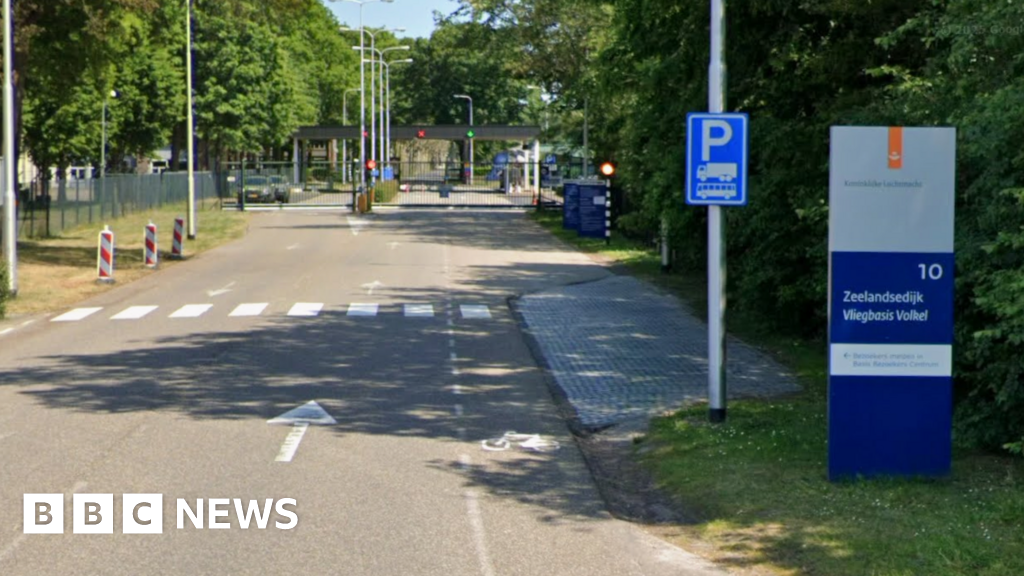
In recent weeks, the Netherlands and several neighboring European nations have been shaken by a series of unidentified drone sightings near military installations, raising serious questions about regional security and the new frontier of hybrid warfare. On Friday, unconfirmed drone activity was reported over Volkel Air Base, a critical NATO facility hosting both the Royal Netherlands Air Force and a U.S. Air Force squadron. Dutch officials confirmed that military personnel deployed weapons in an attempt to neutralize the threat, but the drones departed before recovery, leaving authorities unable to determine their origin or purpose. This incident marks a troubling escalation, part of a broader pattern of surveillance activity that has affected NATO allies across northern Europe—including Belgium, Denmark, and Germany.

The recurring sightings have sparked alarm among security experts and policymakers, with some describing them as an embryonic form of hybrid warfare aimed at destabilizing NATO’s eastern flank. Analysts from International Security Organizations warn that the increase in such acts could be a calculated effort by adversaries to test vulnerabilities in Europe’s defenses, especially as tensions with Russia persist. While Moscow has formally denied any involvement, many European officials suspect the Kremlin’s hand behind these incursions, citing the pattern of targeted NATO installations in countries supporting Ukraine. The underlying message appears clear: the landscape of international conflict has shifted, with non-traditional tactics now part of the geopolitical chessboard that shapes the future of European security.

In response, defense ministers from 10 EU countries have convened to form what they call a “drone wall,” a collective effort to enhance anti-drone measures and prevent further incursions. Some nations are investing heavily in counter-UAS technology, seeking to shield critical infrastructure from prying eyes and potential sabotage. However, the lack of concrete evidence connecting these incidents to specific actors underscores the delicate nature of modern information warfare. As international organizations like NATO and the EU grapple with establishing cohesive policies, a broader debate has emerged about how to adjust traditional security strategies to meet the challenges posed by autonomous aerial threats. The stakes are high; these incidents are not simply isolated security breaches, but potential preambles to a new era in global conflict where technological prowess and geopolitical calculus collide.

As history continues to write its tumultuous chapters, the geopolitical impact of these drone sightings is profound. They serve as a stark reminder that the boundaries of warfare are expanding beyond conventional battlegrounds. With nations on edge and alliances tested, it is clear that the delicate balance of peace in Europe is under unprecedented strain. The outcome of these developments hinges on decisions made now—decisions that will ripple across generations—and as the world watches, the shadow of conflict looms larger, awaiting its next move in the unfolding narrative of history.

Poland Blames Russia for Rail Sabotage, Calls It State Terrorism — European Tensions Rise

Global Unrest Deepens: Russia’s Strategic Moves and the Rising Response from Europe

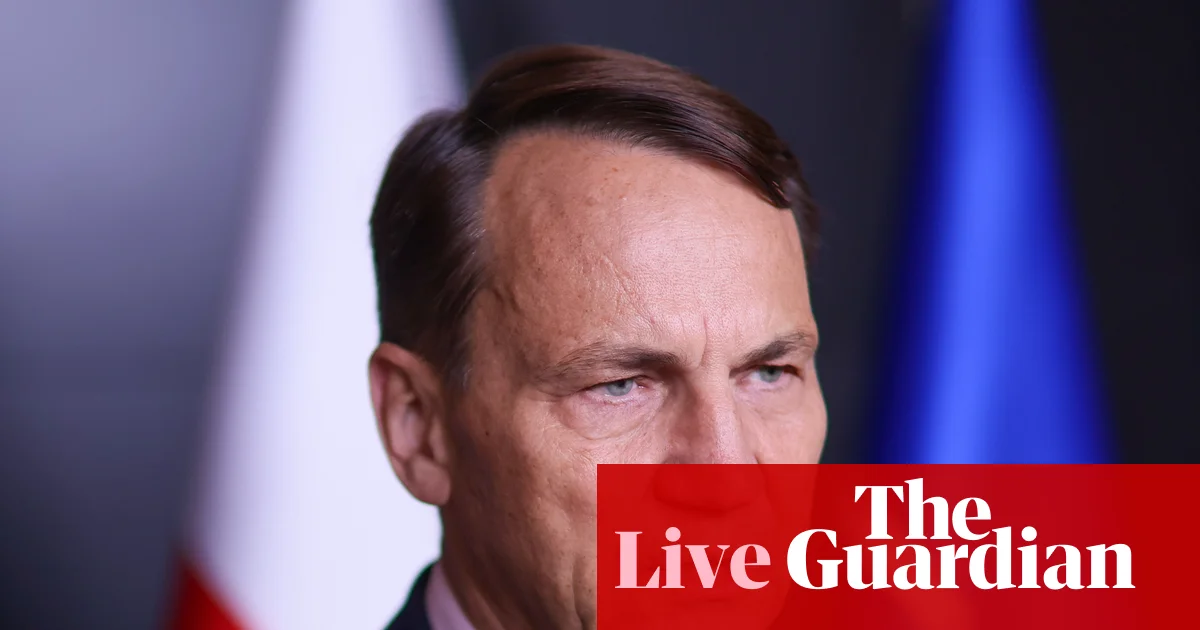
In a significant escalation of regional tensions, Russia has recently been accused of orchestrating a series of acts deemed by some as *state terrorism*. Polish Foreign Minister Radosław Sikorski publicly labeled recent Russian rail sabotage incidents as an act of state terrorism, explicitly alleging that the incidents over the weekend were not mere accidents but carefully planned assaults intended to cause human casualties. He further warned about a growing disinformation tsunami in the wake of these events, emphasizing the importance of clear, credible diplomacy amidst a whirlpool of conflicting narratives. Such tensions reflect a deliberate effort by Moscow to destabilize Eastern European countries, which are increasingly under pressure as NATO and EU members prepare their defenses against what many see as an aggressive expansionist Russia.

The situation has compelled Poland to take concrete measures. Sikorski announced that Poland will withdraw its consent for the last remaining Russian consulate in Gdańsk, effectively shutting it down in response to previous sabotage attacks that Poland claims are inspired by Moscow. These actions underscore a shift in Poland’s policy posture, signaling a refusal to tolerate what it perceives as hybrid warfare tactics. Meanwhile, across the Atlantic, analysts from international think tanks warn that such provocations could serve as a prelude to broader military escalation, forcing NATO nations to reconsider their strategic calculations as the threat from Russia looms larger. The recent NATO summit saw calls for increased air defense capabilities, especially from Slovakia, which is seeking to bolster its eastern flank amidst fears of Moscow’s territorial ambitions.

Within this volatile environment, key geopolitical conversations are taking center stage. Slovakia has formally requested NATO to strengthen its air defenses along the eastern border, a move that echoes Poland’s mounting concerns. Slovakian Prime Minister Robert Fico emphasized the importance of maintaining a robust defensive posture, especially as most NATO allies are increasing their defense investments. Meanwhile, Britain remains a cautionary tale in the EU, with Sikorski warning that outside the union, the UK has struggled with economic downturns and increased migration from less-developed regions—outcomes he argues could be mirrored by Poland if it chooses diverging paths from EU integration. Historians like Dr. Emily Watson note that these debates highlight the fundamental question Europeans face: independence through unity versus sovereignty through divergence. With rising fears of an all-out conflict, the consensus remains uncertain, and the weight of history presses heavily upon today’s decision-makers.

Amidst these diplomatic tensions, the crisis in Ukraine has reached a new peak. President Volodymyr Zelenskyy reported that Russian forces launched over 470 attack drones and 48 missiles overnight, striking civilian infrastructure and military targets with ruthless intensity. Zelenskyy’s stark warning that “the pressure on Russia is still insufficient” serves as a rallying cry for Western allies, as Ukraine continues to face relentless assaults. The attacks prompted neighboring Poland to close airports and scramble fighter jets near the border, exemplifying how these conflicts ripple through the region. Zelenskyy’s scheduled visit to Turkey in hopes of reigniting stalled peace talks underscores the delicate, yet profound, hope for diplomatic resolution amidst ongoing chaos. With the European continent at a crossroads, the question remains: how long can peace be preserved before the depths of history overwhelm the present?

BNPL’s rapid rise signals big shifts—are we ready?

Emerging Risks in Buy-Now-Pay-Later Sector Signal Possible Financial Disruption

The rapid rise of Buy-Now-Pay-Later (BNPL) services reveals a growing facet of the modern financial ecosystem, marked by intense innovation and disruptive business models. As highlighted at this year’s Web Summit, industry veteran Morris underscores a troubling trend: consumers are increasingly resorting to BNPL for basic needs such as groceries, indicating a significant strain on household finances. The statistic speaks volumes — with over 91.5 million users in the U.S., a substantial quarter utilize BNPL for essential purchases, a clear sign of economic stress among ordinary Americans. This built-in flexibility originally aimed at discretionary spending now positions BNPL as a vital, yet potentially precarious, financial tool for lower-income populations.

Within this context, the business implications are profound. Leading fintech firms like Klarna and Affirm, which have introduced innovative solutions including banking licenses and integrated payment tools, have rapidly expanded their influence, blurring lines with traditional banking entities. These companies are evolving into essential infrastructure components—embodying a marketplace-driven shift where “fintech as a service” disrupts traditional credit channels. The growing integration into platforms like Apple Pay and Google Pay epitomizes their centrality in consumer transactions, raising questions about the future of banking regulation and consumer protection.

However, lurking beneath these advancements are significant risks. Data from the Consumer Financial Protection Bureau exposes a concerning pattern: a majority of BNPL borrowers, particularly those with subprime credit, are facing mounting debt burdens. Nearly two-thirds of borrowers had lower credit scores, with 33% juggling multiple BNPL loans from various platforms—often simultaneously. Most troubling is that these loans are largely absent from credit report footprints, creating what industry insiders call “phantom debt”. This opacity hampers regulators’ ability to assess systemic risk, risking a scenario akin to the 2008 mortgage crisis, but far less visible and more insidious.

Market analysts like Gartner warn that such “light regulation and debt layering” could precipitate a cascade of defaults, especially as macroeconomic pressures mount. Rising unemployment, the end of student loan forbearance, and regulatory rollbacks create a volatile backdrop that could accelerate borrower distress. The rising default rates observed in early data mirror early warning signs of a looming storm. Notably, quantitative easing of risky debt—parallel to the subprime mortgage bubble—is now being undertaken through large-scale asset-backed securities, effectively packaging and selling off this opaque risk to Wall Street investors. The potential for widespread contagion makes urgent regulatory intervention vital, yet current efforts remain fragmented at the state level.

As the tech and financial sectors grapple with these emerging risks, industry experts warn that the next phase could involve business-to-business BNPL. The trade credit market, valued at nearly $5 trillion, is now targeted by fintech players seeking to expand their reach into corporate financing, where risk is even less visible. This mirrors the dangerous financial engineering seen prior to 2008, with layered, opaque debt structures that could destabilize markets if left unchecked. The crucial challenge for regulators and investors alike is to recognize that while these innovations offer unparalleled disruption, they also pose existential threats to financial stability — risks that demand urgent vigilance and, ultimately, firm regulatory oversight.

Looking ahead, the trajectory of BNPL signals a pivotal moment for the industry. The traditional boundary between innovative fintech and systemic financial infrastructure is dissolving, with real-time implications for the broader economy. As Morris warns, the current complacency risks a future where unsustainable debt spirals into large-scale fallout. The hour’s urgency calls for proactive measures—before the invisible debt bubble bursts and triggers a crisis that could reverberate across all levels of the financial system. Maintaining vigilance now could be the key to avoiding the next economic catastrophe, as disruptive innovation continues to reshape—and threaten—the foundational pillars of credit and consumer finance.

China-Japan Tensions Rise Over Taiwan: What Youth Should Watch

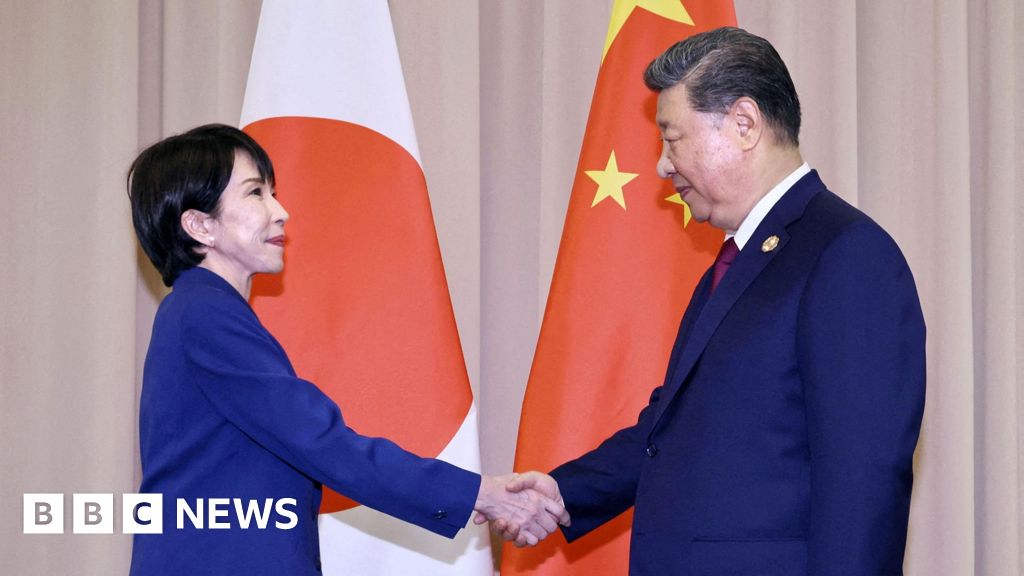
In an era defined by shifting alliances and rising assertiveness among global powers, Japan and China have entered a dangerous phase of diplomatic clash, with significant geopolitical impact that reverberates well beyond their mutual borders. This week, tensions escalated dramatically after Japanese Prime Minister Sanae Takaichi made remarks about Japan’s possible response to a hypothetical Chinese attack on Taiwan, prompting a fierce rebuke from Beijing. China has since urged its citizens not to travel to Japan and has summoned Japan’s ambassador in Beijing, signaling a deliberate escalation designed to intimidate and deter what China perceives as provocations that threaten its core national interests.

The incident reveals a broader struggle rooted in longstanding animosities, dating back to conflicts in the 19th century and the scars of Japan’s brutal wartime aggression in China during World War II. Historians and international analysts warn that such historical grievances continue to fuel suspicion and hostility, complicating efforts toward détente. The specific trigger, however, lies in Prime Minister Takaichi’s assertion that Japan could deploy its self-defense forces if China attacked Taiwan—an explicit departure from Japan’s long-standing policy of “strategic ambiguity.” This policy has kept the region relatively stable by avoiding overt commitments that could provoke China—a strategy that Washington and Tokyo have upheld to prevent triggers of larger conflict. Yet Takaichi’s hawkish stance aligns with Japan’s recent shift toward increased defense spending, a move seen by many as a response to China’s growing military assertiveness and regional ambitions.

What happened? A timeline

  • The current tensions originated during a Japanese parliamentary debate when Takaichi responded to a question about what circumstances regarding Taiwan could threaten Japan’s survival.
  • She stated that “battleships and the use of force” could trigger Japan’s self-defense protocols, a statement that China labeled “egregious” and “highly inappropriate.”
  • Tokyo promptly lodged protests against Beijing, which responded with its own diplomatic protests and warnings, including a warning from China’s foreign ministry that Japan was “playing with fire” and risking severe consequences.
  • Meanwhile, Takaichi refused to retract her remarks, remaining steadfast in her position that Japan’s stance on Taiwan has not changed, despite the diplomatic fallout.
  • In the aftermath, Beijing’s foreign ministry reiterated that Taiwan is “China’s Taiwan,” directly accusing Japan of interfering in what Beijing views as its inner affairs. China’s Vice Foreign Minister Sun Weidong summoned Japan’s ambassador, warning of “extreme consequences” should tensions escalate further.

International organizations and defense analysts warn that these exchanges symbolize a potential escalation toward a broader confrontation that could destabilize the Indo-Pacific region. The United States, meanwhile, maintains a policy of deliberate ambiguity regarding Taiwan’s defense, while strengthening ties with Japan—its closest Asian ally. The U.S. position remains cautious, yet publicly ambiguous, designed to deter China from considering military action. This delicate balance of power underscores the importance of regional security frameworks, yet also reveals their fragility in times of rising nationalism and strategic competitions.

Most worrisome is the influence of historic grievances and the rise of hawkish leaders like Takaichi, who advocates for closer military cooperation with the United States and rejects Japan’s traditional restraint on military engagement. Analysts warn that such bold policies increase the risk of miscalculation, especially as China refocuses its military doctrine on reunification with Taiwan by any means necessary. As tensions simmer, the region approaches a critical juncture, where historical scars are reopening and alliances are being tested in the crucible of modern geopolitics. The prevailing question remains—will diplomacy prevail or will the shadows of history ignite a conflict that could reshape the world order?

In the unfolding pages of history, the ink is still wet, and the future remains unwritten. The world watches as Asia’s giants inch closer to a crisis that could ignite the entire global stage, forcing nations and societies into decisions that may echo for generations. As the echoes of past atrocities and betrayals reverberate across the ocean, humanity stands on the brink of an uncertain tomorrow—hope fighting to survive amidst the specter of renewed war.

Harvey’s Rise: How a Young Legal Clerk Disrupted Silicon Valley with a Top Startup

San Francisco’s Harvey: The Rising Tide of Legal AI Disruption

In an industry long seen as resistant to rapid transformation, Harvey, a legal technology startup based in San Francisco, is making waves with its revolutionary AI-driven legal solutions. The company’s valuation has experienced unparalleled growth, surging from $3 billion in February 2025 to an astonishing $8 billion by late October—reflecting not only investor confidence but also the profound industry impact of its innovation. As Harvey continues to attract major legal firms globally, its story highlights a new era where disruption and technological prowess are redefining legal workflows.

Founded by former lawyer Winston Weinberg, Harvey leverages advanced AI models to automate and enhance legal research, transactional work, and litigation support. The company’s secret sauce is its sophisticated platform, which combines innovations like multiplayer collaboration tools and complex data permissioning systems—an essential feature given the industry’s strict confidentiality and data residency laws. With more than 235 clients in 63 countries and over $100 million in annual recurring revenue, the startup is poised to reshape how legal services are delivered, a trend acknowledged by prominent analysts like Gartner, which predicts AI-driven solutions will soon handle a significant portion of routine legal tasks.

What sets Harvey apart from generic AI chat models like ChatGPT is its focus on building a dedicated, industry-specific platform that integrates deeply into the legal ecosystem. Weinberg emphasizes that their moat lies in their ability to evaluate law firm workflows continuously, collect extensive operational data, and develop multiplayer, outcome-oriented models. This approach not only offers a competitive advantage in accuracy and workflow integration but also establishes a disruptive force capable of challenging entrenched legal industry norms. The company’s move toward outcome-based pricing, and its focus on expanding services for large corporate clients and law firms, signals a strategic targeting of high-margin, complex legal work—an area ripe for innovation.

Industry insiders warn of the challenges ahead—particularly in navigating the delicate balance between technological adoption and legal ethics. As Weinberg notes, security and permissioning remain key hurdles in scaling these solutions globally, especially amidst diverse regulatory environments in regions like Germany and Australia. However, the future of legal AI is undeniable: with the industry still in its early innings, the integration of these technologies promises to accelerate legal training, streamline litigation processes, and potentially democratize access to justice. Equipping junior lawyers with AI-enhanced training tools could profoundly reshape legal education, but also raises questions about traditional apprenticeship models.

As Harvey plans to extend its capabilities further—aiming for broader adoption and higher degrees of automation—the broader legal landscape is set for a seismic shift. With major firms and corporate clients embracing AI solutions, the window is closing quickly for slower adopters. Industry leaders like Elon Musk and Peter Thiel have long emphasized the importance of innovation-led disruption, and Harvey’s trajectory embodies that ethos, transforming legal practice from a slow, document-heavy, and error-prone process into a high-speed, AI-powered domain. In the coming years, those who fail to adapt risk being left behind as the legal industry becomes a battleground for AI supremacy.

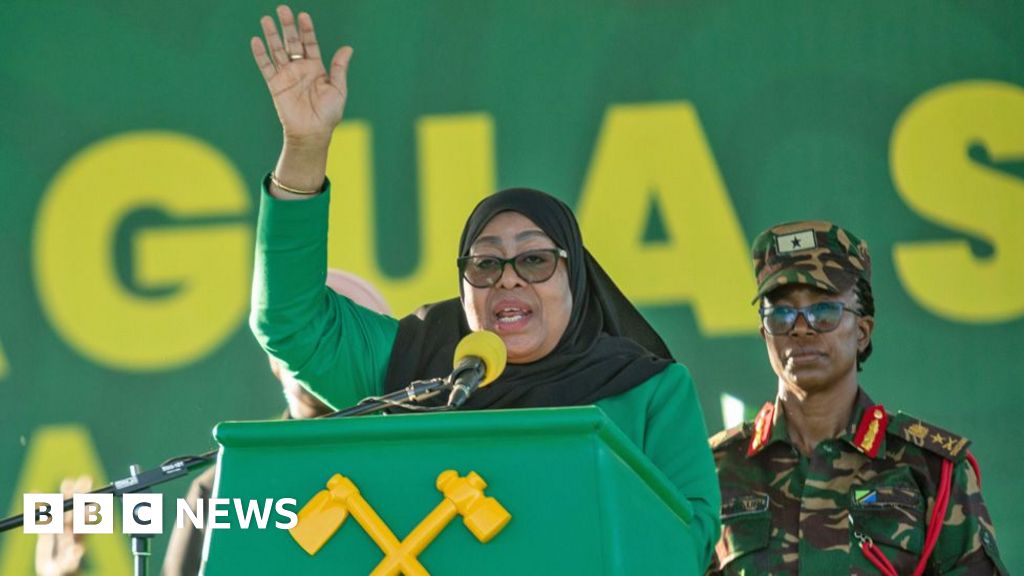
Tanzania’s Election Turns into a Showcase for President Hassan’s Rise, Not a True Contest

The geopolitical landscape of Tanzania, a nation often celebrated for its natural beauty and regional stability, has recently been marred by profound political shifts and internal power struggles. Since the death of President John Magufuli in 2021, the country has been navigating an ambiguous path marked by the emergence of its first female leader, President Samia Suluhu Hassan. Her ascent initially brought hope for renewed international engagement and economic reform under her “four Rs” policy—reconciliation, resilience, reform, and rebuilding—aimed at reinvigorating Tanzania’s relations with global powers like the International Monetary Fund (IMF) and the World Bank. The move was viewed by many analysts as a crucial pivot towards economic normalcy after years of Magufuli’s controversial, authoritarian governance, which involved crackdowns on dissent and a contentious handling of the COVID-19 pandemic.

However, beneath the veneer of diplomatic recovery, the nation’s political atmosphere has darkened significantly. Observers from organizations such as Freedom House now categorize Tanzania as “not free,” citing increased suppression of opposition voices, disappearance and imprisonment of critics, and a ruthless crackdown on dissent. Political analyst Mohammed Issa explained that President Samia, who initially adopted a conciliatory tone, has recently demonstrated a more assertive and hardened stance, reflecting a complex balancing act driven by internal party dynamics and external pressures. The recent disqualification of multiple opposition candidates, including the prominent Tundu Lissu, and the detention of critic leaders like Humphrey Polepole, highlight a disturbing shift towards electoral authoritarianism. Such moves deepen the divide within Tanzania’s political system, casting doubt on the sincerity of its democratic commitments and raising fears about the future stability of its institutions.

This internal tightening coincides with a burgeoning sense of internal fear and media suppression—an environment where free speech and civic participation seem increasingly endangered. As historian and regional analyst Dr. Samuel Mnyeti pointed out, “the long-standing control exerted by the ruling CCM party, coupled with external influences from powerful business networks known as Mtandao, has limited genuine political discourse,” leading to a society retreating into silence and social media echo chambers. Meanwhile, the semi-autonomous archipelago of Zanzibar shows vibrant electoral activity, contrasting sharply with the mainland’s subdued political landscape. With the incumbent Hussein Mwinyi seeking renomination against a stiff challenge from opposition Othman Masoud, the island elections appear to offer a more spirited contest, highlighting regional disparities within the nation.

As international commentators warn of the risks of continued suppression and disenfranchisement, the question persists: what kind of future is forging amidst these tumultuous currents? With the voice of the youth and reform-minded citizens growing faint, the nation teeters on the precipice of a new chapter—one that could cement its status either as a resilient beacon of hope or a cautionary tale of suppressed democracy. The unfolding of Tanzania’s electoral process—marked by disqualifications, alleged intimidation, and internal fractures—will ultimately enter the annals of history. As it shapes the destiny of its people, the world watches, knowing that the path chosen now will echo across generations, echoing a stark reminder: the future’s principles are forged in moments of crisis.

Greene slams GOP, calls Congress’ men ‘weak’—youth voice on the rise

As the United States grapples with an internal political crisis, the world watches with keen interest. The ongoing government shutdown, now entering its third week, reveals a deeper fissure within the Republican Party. Among the most outspoken critics is far-right congresswoman Marjorie Taylor Greene, who has increasingly distanced herself from her party’s establishment, accusing her colleagues of being “weak” in the face of pressing national issues. Her outspoken stance raises alarms about how intra-party divisions might influence U.S. foreign policy and geopolitical stability. With President Biden’s administration and the GOP at odds over fiscal priorities, the consensus is that America’s internal discord weakens its global standing and strategic leverage.

Greene’s rhetoric underscores a pattern where America’s internal strife begins to echo onto the international stage, affecting negotiations and alliances. Her call to remove the 60-vote filibuster and her alignment with Democrat proposals for healthcare subsidies are signals of a fractured Republican base. Such divisions complicate the nation’s ability to present a unified front in critical international negotiations. Analysts warn that the U.S. political tumult risks emboldening rivals like China and Russia, who thrive in moments of American weakness and disarray. Historians like F. Lee Bailey emphasize that weakness in political resolve has historically led to a decline in superpower influence, and with America’s internal struggles, global hegemony remains under threat.

Meanwhile, Greene’s focus on transparency regarding high-profile figures like Jeffrey Epstein complicates the narrative further. Her push for releasing classified files on Epstein’s case—despite resistance from House leadership and Trump loyalists—demonstrates how internal disputes are entwined with questions of justice and accountability. Her claim that Republican women are being sidelined for challenging mainstream GOP leadership exposes a broader debate about gender dynamics in American politics. This infighting not only undermines party cohesion but can have long-lasting repercussions on U.S. diplomatic credibility. As international organizations analyze the fallout, the consensus is that such fragmentation diminishes the United States’ capacity to shape global narratives and forge strategic partnerships.

The geopolitical impact of these domestic upheavals is profound. With Congressional leaders embroiled in internal power struggles, America’s global commitments and partnerships hang in the balance. The world is left to wonder whether the nation’s internal divisions will lead to a power vacuum, inviting increased influence from adversaries. Meanwhile, allies watching Washington’s turmoil question whether the U.S. remains a reliable leader. The unfolding narrative remains a stark warning: a nation divided from within cannot project strength beyond its borders. As history continues to unfurl on the global stage, the future of American leadership remains uncertain, and the weight of upcoming decisions may well determine the course of the 21st century’s geopolitical order, leaving the world to ponder whether this chapter will herald a new era of decline or resilience.

Bari Weiss’s rise to CBS News spotlights the shift pushing US media rightward

Global Media and the Shifting Geopolitical Landscape

In recent months, the United States has witnessed dramatic upheavals within its media industry, emblematic of a broader shift to the right that echoes across walls of power and influence. Paramount Skydance’s decision to appoint Bari Weiss as its new editor-in-chief and to acquire her conservative-leaning Free Press signals more than a simple corporate merger—it marks a strategic move in a rapidly evolving geopolitical chess game. Weiss, renowned for her critique of progressivism and unwavering Zionist stance, now finds herself at the helm in a media landscape that is increasingly aligned with a MAGA-driven agenda, steering narratives that favor nationalistic and conservative causes.

These developments are not isolated but form part of an accelerating trend among American media giants, who are now visibly tilting rightward to accommodate the new political realities under the second Trump administration. As analysts from the Heritage Foundation and international organizations warn, this shift impacts global perceptions of liberty, sovereignty, and national identity. It also signals a redefinition of the geopolitical impact—a media landscape that’s increasingly resistant to progressive narratives and more susceptible to Pentagon and corporate influence. The very fabric of the press, once seen as a safeguard of free discourse, now bears the marks of a systemic realignment driven by internal and external pressures.

Historical Turning Points and International Echoes

Much of the current scenario can be traced back to the ideological clashes that defined the post-2020 era. Historians like Charles Lipson and Anne Applebaum suggest that the media’s pivot mirrors the broader resurgence of nationalism and a global pushback against the liberal order established after the Cold War. The memories of 2020’s upheaval, from Black Lives Matter protests to the Capitol riot, continue to shape strategies across countries. In fact, some European nations are quietly observing how American corporations recalibrate their narratives under threat of regulation and political retribution, adjusting their coverage to exhibit less critique of the current regime.

Decisions made within U.S. boardrooms now ripple outward with profound consequences. The recent settlement of Trump’s lawsuit against CBS over a 60 Minutes interview—an instance seen as a tactical retreat—underscores how corporate interests are aligning with the so-called “MAGA” resurgence, often at the expense of journalistic independence. International organizations warn such biases could herald a new era of media manipulation and information warfare, influencing elections and political stability worldwide. Critics argue this erodes the foundational principle of free discourse, embedding partisan narratives deeper into societal fabric.

Consequences for Society and the Road Ahead

As powerful media entities adapt, the geopolitical landscape is witnessing a paradigm shift without precedent. Foreign policy experts warn that the rightward drift might embolden regimes that favor authoritarianism over democratic accountability. At the same time, the public faces increasing challenges in discerning truth from orchestrated narratives—a phenomenon recruiters at Russia Today or China’s CCTV are watching keenly. The power dynamics underneath this media realignment suggest an era where information is weaponized, and societal divisions are inflamed with relentless precision.

In a narrative that remains unwritten, the weight of history presses heavily on the present. The decisions current leaders make—how they shape media landscapes and influence international alliances—will determine whether societies fracture further or find the resilience to uphold liberty. As shadows lengthen over the unfolding future, the critical question remains: Will the giants of industry serve the principles of free discourse, or will they become pawns in a larger, more insidious geopolitical game?

Social Media Auto Publish Powered By : XYZScripts.com