Matox News

Truth Over Trends, always!

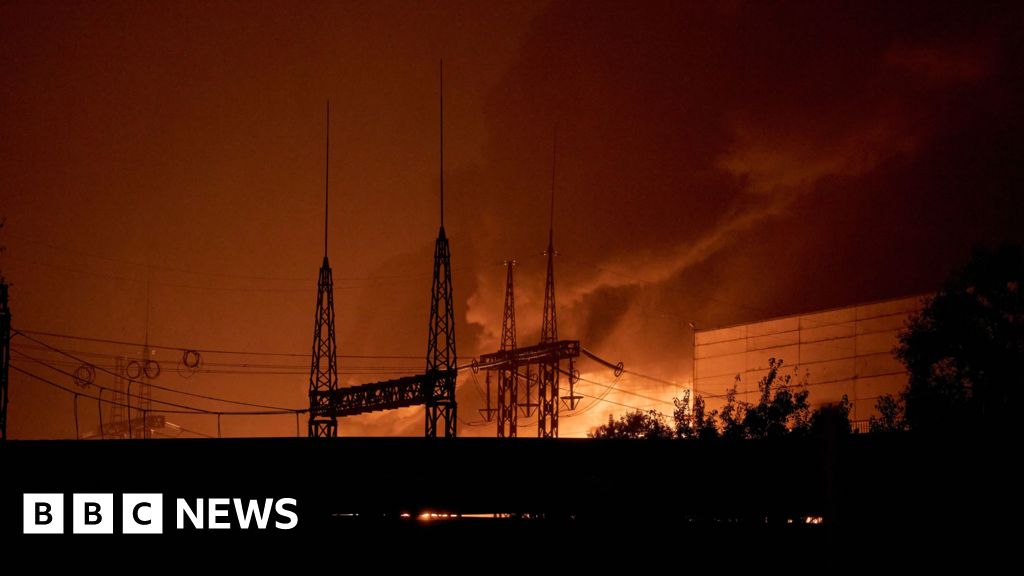
Chernihiv Shrouded in Darkness After Major Russian Attack

Ukraine Under Siege: The Geopolitical Fallout of Russia’s Latest Strikes

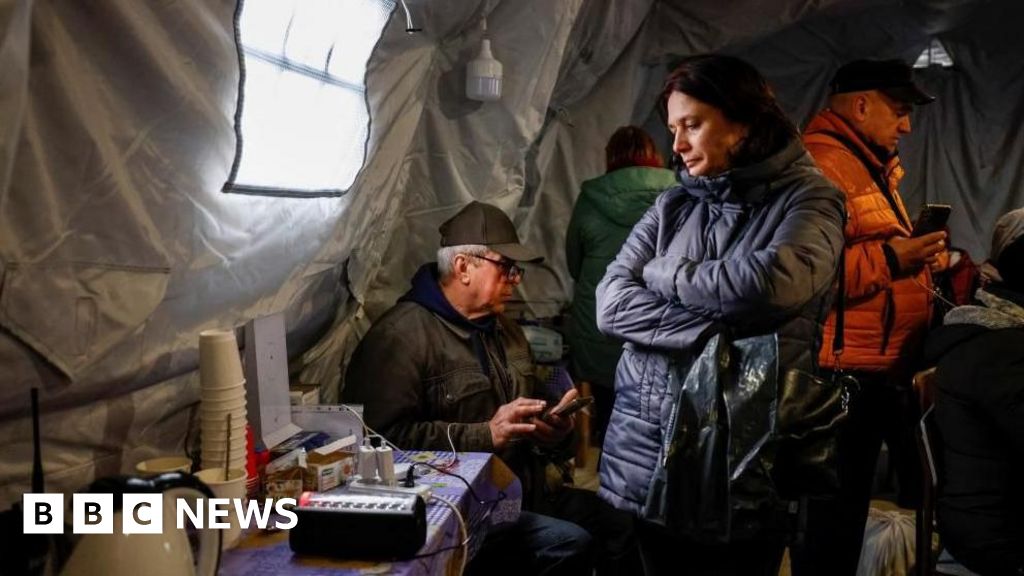
In an alarming escalation of its ongoing invasion of Ukraine, Russia has intensified its attacks on Ukrainian civilian infrastructure, with Chernihiv—a city in the country’s most northerly region—becoming the latest victim of what Kyiv describes as a “massive” missile and drone barrage. The attack has plunged Chernihiv into a complete blackout, leaving hundreds of thousands of residents without power and disrupting vital water supplies. This pattern of relentless assault signifies a clear shift in Russia’s military strategy, focusing on crippling Ukraine’s energy and logistic resilience, and raising profound questions about the future stability of the region.

Across the broader Chernihiv region, reports indicate that four civilians have been killed, including a 10-year-old girl, with ten others injured in the sustained missile strikes. The attacks have targeted the city’s electricity-generating facilities, with over 100 Shahed drones—Iran-designed UAVs carrying 50kg warheads—alongside ballistic missiles, wreaking havoc on the power grid. Deputy head of the Chernihiv Regional Military Administration, Andriy Podorvan, confirmed that these assaults are part of an alarming trend stretching back over six months, but recent months have seen a dramatic spike in frequency and intensity. The strategic targeting of energy infrastructure aims not only to weaken Ukraine’s wartime capacity but also to erode public morale, potentially paving the way for further instability in the transient ceasefire negotiations that have failed to halt hostilities.

The international community watches with growing concern. Analysts warn that sustained strikes on civilian infrastructure risk plunging Ukraine into a humanitarian crisis and further destabilizing Europe. The Biden administration and NATO allies remain cautious yet increasingly alarmed, recognizing that Russia’s escalation—be it through drone warfare or targeting of civilian targets—aims to push Kyiv into a strategic corner. The damage to Ukraine’s energy sector has exceeded $16 billion, as Kyiv grapples with the challenge of restoring power amidst dwindling supplies of replacement equipment, which can take more than a year to produce and install. In recent talks with US energy executives, Ukrainian officials have sought assistance in modernizing their grid, but tangible support—such as long-range missile systems—has so far been denied, reflecting a cautious approach driven by fears of broader escalation.

Yet, amidst the darkness, a resilient Ukrainian spirit persists. Citizens in Chernihiv remain defiant, with morale described as “high,” despite the daily hardships imposed by Russian attacks. Local leaders emphasize that they see through Moscow’s attempts to manipulate civilian suffering for political gain; instead, they find unity and resolve growing stronger. According to Oleksandr Babich, a Chernihiv resident, the city refuses to surrender, and the people are standing firm as Ukraine’s national identity is woven ever tighter by the shared experience of adversity. This crisis is not just about military conquest but a broader clash of values and sovereignty, with history now witnessing a pivotal moment that will shape the post-war order for generations.

As Russia’s assault intensifies, the full scope of its geopolitical impact begins to unfold. Politicians and military strategists alike warn that this relentless targeting of Ukraine’s infrastructure could destabilize regional alliances and provoke broader conflicts beyond Europe’s borders. Historians warn that such tactics—deliberate destruction of civilian infrastructure—are reminiscent of scorched-earth policies from past conflicts, designed to break the collective will of a nation. Yet, in the face of this new phase of warfare, the resilient Ukrainian people demonstrate that even amidst the shadows of war, hope and defiance continue to endure. With each missile launched and each city blacked out, the weight of history presses down—an indelible reminder that the future is forged today, amid chaos and conflict, where the outcome still hangs uncertain, waiting to be written by those who dare to resist.
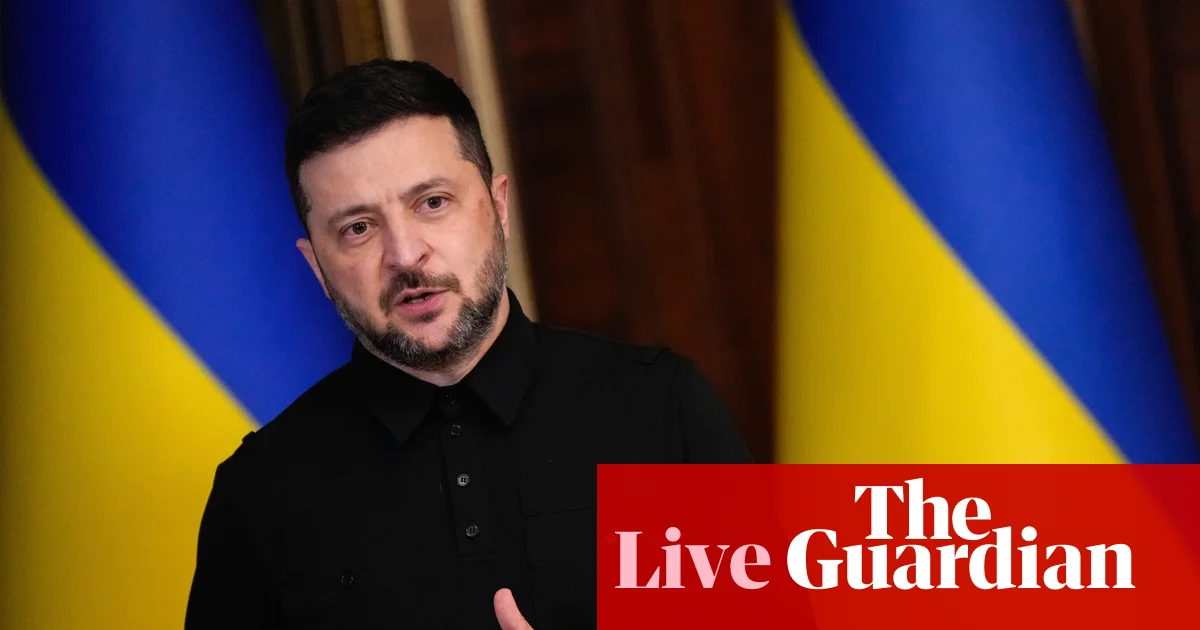
Zelenskyy names new Odesa leader after mayor’s Russian passport scandal – Europe updates | NATO

In the heart of Eastern Europe, Ukraine continues to be a focal point of geopolitical tension, with the recent appointment of Sergiy Petrovich Lysak as the new head of Odesa’s city military administration signaling an escalation of the Ukrainian government’s efforts to strengthen its regional security measures. This move follows the Ukrainian president Volodymyr Zelenskyy’s announcement on Tuesday to establish a dedicated military administration in the strategic port city, citing a critical need for increased protection amidst ongoing hostilities. Zelenskyy emphasized, “Odesa deserves greater protection and greater support,” highlighting the nation’s commitment to fortifying its vital Black Sea corridor against persistent threats.

The political upheaval in Odesa is part of a broader, tumultuous battle for sovereignty, as Kyiv revokes the citizenship of local officials suspected of dual loyalties. The dismissal of Hennadiy Trukhanov, who denies holding a Russian passport, underscores Ukraine’s rigid stance against dual citizenship, aiming to eradicate divisive figures potentially compromised by Moscow. This domestic strategy unfolds amid escalating military confrontations on multiple fronts, where Russian forces have claimed control over settlements like Oleksiivka and Novopavlivka, signaling a persistent push to consolidate territory amid mounting international support for Ukraine’s resistance.

All Eyes on NATO and Russia’s Rising Threat

As the Russian invasion enters its second year, NATO’s defense ministers convened in Brussels to address the rising threat of Russian airspace violations and the Kremlin’s ongoing aggression. NATO Secretary General Mark Rutte and other allies discussed intensifying their support for Ukraine, with the US contemplating the deployment of long-range missiles such as the Tomahawk to Kyiv—a move that, if realized, could significantly alter the dynamics of the conflict. US Defense Secretary Pete Hegseth indicated a collective commitment to bolster Ukraine’s defenses, emphasizing that more military aid, including advanced drones and weaponry, is forthcoming. Meanwhile, Russia’s military efforts have persisted, with reports of attacks on Ukrainian energy infrastructure—targets like power plants and gas facilities—aimed at debilitating Ukraine’s war effort and sowing chaos in civilian life.

Notably, Russia’s largest petrochemical complexes in Bashkortostan sustained attacks by Ukrainian drones, yet regional officials assert they continue to operate normally, illustrating the resilience of Moscow’s industrial backbone amidst setbacks. Yet, intelligence from Finland’s defense minister indicates that Russian forces are amassing anew and becoming more reliant on China—a sign that Moscow’s military resource pool might be primarily preoccupied with Ukraine, but still remains a formidable threat to NATO’s eastern flank. The gathering of NATO defense ministers highlighted concerns that Russia’s strategic posture could persist long after Ukraine’s war ends, cementing its role as a persistent destabilizer in the region.

Shifts in International Power and the Waning Kremlin Influence

Meanwhile, in the Middle East, Vladimir Putin’s attempt to project influence through the postponed Russia-Arab World summit backfired spectacularly, with only a handful of leaders attending, underscoring Moscow’s declining influence in the region. Instead, global attention shifted to Egypt, where a Gaza peace summit, attended by Donald Trump and regional leaders, signaled a geopolitical shift away from Moscow’s long-standing regional dominance. Pjotr Sauer of The Guardian notes that this diplomatic retreat reflects the reality: as the war in Ukraine presses on, Russia’s influence in the Middle East diminishes, revealing the limits of Putin’s strategy to assert global leadership.

Furthermore, the European Union is moving to confront its own internal crises, with Brussels set to propose regulations tackling short-term rentals—a social matter that, if unaddressed, could fuel populist discontent and threaten the unity of the bloc. As European nations grapple with economic stagnation, demographic declines, and social tensions, the trajectory of their resolve on international issues remains uncertain. The coming months could define whether Western alliances remain resilient or fragment under the weight of economic and geopolitical pressures.

In this unfolding chapter of history, decisions made in the corridors of power—whether in Kyiv, Brussels, or Moscow—will resonate well beyond their borders. As Ukraine’s struggle persists and NATO faces its future, the shadow of Russia’s resurgence lingers, hinting at a protracted contest that will test the resolve of Western unity, the resilience of Ukrainian sovereignty, and the shifting sands of global influence—a story that is still being written, as the world watches with bated breath, the weight of history pressing down on an uncertain horizon.

Russian strikes blackout Kyiv, Ukraine’s heartbeat under attack

Ukraine Battles Escalating Russian Attacks, Geopolitical Echoes Resound

In a stark reminder of the ongoing conflict in Eastern Europe, Ukraine is enduring intensified assaults on its critical infrastructure, as Russia increases missile and drone strikes targeting energy facilities and civilian zones. Recent overnight strikes have plunged large sections of Kyiv into darkness and disruption, with nine injuries reported and residents facing not only power shortages but also threats to water supply and safety. Meanwhile, further south in Zaporizhzhia, a tragic incident unfolded, claiming the life of a seven-year-old child due to Russian drone strikes, a harrowing testament to the relentless toll of Moscow’s strategic aggression. Such attacks—highlighted by Ukrainian officials and corroborated by international analysts—are designed to sow chaos, weaken morale, and exert psychological pressure on an already battered nation.

Experts warn that Russia’s renewed offensive on Ukraine’s energy infrastructure signifies a critical turning point in the conflict, as Moscow aims to destabilize the country’s resilience during winter months. Ukrainian Energy Minister Svitlana Hrynchuk described these attacks as a “massive strike,” emphasizing that repair crews are under immense pressure to restore functionality amid relentless assaults. Ukrainian President Volodymyr Zelensky attributes Moscow’s escalation to an intentional effort “to create chaos and psychological pressure,” and international organizations, including the International Crisis Group, have voiced concern over the strategic objective of Russia’s campaign—especially with the looming threat of hypersonic Kinzhal missile strikes, which can evade early detection and pose a severe threat to Ukrainian defenses.

This intensification of hostilities not only imperils Ukraine’s sovereignty but also ripples across the geopolitical landscape. Western nations, led by the United States and European Union, have condemned Russia’s actions while ramping up military and humanitarian aid, viewing this as a clear geopolitical struggle between democratic resilience and authoritarian aggression. Many analysts, including professors of international relations and seasoned strategists, warn that the renewed attacks threaten to prolong the conflict well into the winter, potentially destabilizing regional security and testing the resolve of allied nations committed to Ukrainian sovereignty. For Moscow, these strikes serve as a calculated attempt to undermine the narrative of Ukrainian resistance, pressing Kyiv to divert resources and attention from Ukraine’s diplomatic and military priorities.

As the world watches, the unfolding crisis echoes a broader struggle for influence in a rapidly shifting geopolitical climate. The United Nations and other international institutions face mounting pressure to respond effectively, though critics argue that their sluggish diplomatic efforts often falter in the face of blatant strategic aggression. The haunting specter remains: how will history judge the actions of Russia and the response of the international community? Will Ukraine’s steadfast resistance turn the tide or succumb to the relentless wave of destruction? As the shadows lengthen over Kyiv and Zaporizhzhia, the weight of future history hangs in the balance, waiting for the next chapter to be written—one that could define the fate of a nation and echo through the corridors of power for decades to come.

Russian missile hits railway station; over 30 injured, Zelensky reports

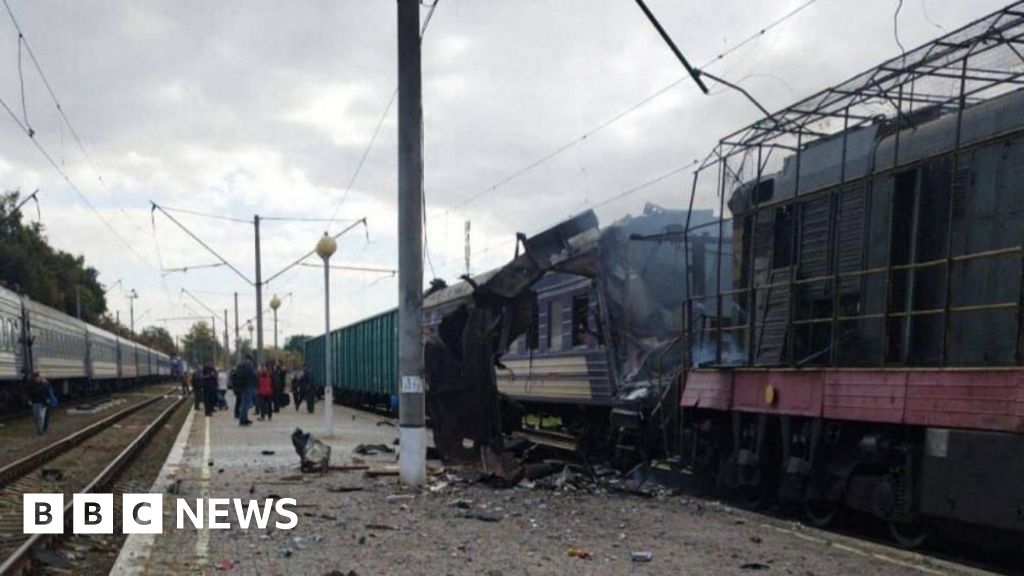
The escalating conflict in Ukraine has once again shifted into anirit of violence and desperation, as recent reports confirm a Russian drone strike that severely damaged railway infrastructure in the city of Shostka, located in the northeastern Sumy region. Ukrainian President Volodymyr Zelensky publicly condemned the attack, describing it as a blatant act of terrorism. With at least 30 injured—including children aged 8, 11, and 14—the strike underscores the brutal reality faced daily by the Ukrainian population amidst ongoing hostilities. The attack targeted civilians and vital transportation links, which Kyiv contends Moscow is deliberately sabotaging to destabilize the country’s fragile security fabric.

  • Two passenger trains were hit simultaneously during the strike, a calculated assault not aimed at military targets but designed to sow panic among civilians. Ukrainian authorities claim the attacks have increased in frequency and intensity, targeting key railway infrastructure critical for evacuation and logistics.
  • President Zelensky issued a stark warning, emphasizing that such acts clearly demonstrate Russia’s disregard for civilian life and international norms. He called on Western allies to translate their war-stated commitments into tangible support, specifically urging for increased provision of advanced air-defense systems to protect their frontline communities.
  • Meanwhile, recent weeks have seen an unprecedented surge in Russian aerial assaults, with hundreds of drones and dozens of missiles launched weekly, creating chaos and overburdening Ukraine’s defense capabilities. The devastating 12-hour drone and missile attack last Sunday, which resulted in fatalities and injuries in Kyiv, exemplifies Moscow’s escalating efforts to weaken Ukraine’s resilience.

The geopolitical impact of these developments extends beyond Ukraine’s borders, highlighting a shift in the global balance of power and exposing the limits of Western military support amid an astoundingly complex conflict. Washington and European capitals remain divided over how assertive they should be in arming Ukraine; some analysts suggest that a failure to provide sufficient defensive weaponry could embolden Moscow, potentially leading to further destabilization across Eastern Europe. The Biden administration, under pressure from allies, has agreed to a mechanism for European nations to purchase U.S.-made weapons for Ukraine, signaling a shift towards more direct support. Nonetheless, Russian President Vladimir Putin remains steadfast in his refusal to consider a ceasefire, characterizing Kyiv’s calls for peace as a tactic to buy time while his forces slowly advance on the battlefield.

International organizations and historians warn that this ongoing conflict, if unresolved, risks broader regional destabilization and possibly a wider confrontation involving NATO members. The international community faces a stark choice: escalate support in the hope of deterring further aggression or risk conceding ground and allowing Vladimir Putin to reshape the security architecture of Eastern Europe according to his own strategic interests. The increased Russian drone activity, which now threatens European airspace, has prompted debates among military experts about the need for more sophisticated defensive systems and the potential for the conflict to spill over into neighboring countries. As analysts like Dr. Maria Ivanova warn, “The longer this war persists, the more it erodes the very fabric of international peace, pushing the world toward a dangerously fragile future.”

As the smoke of conflict continues to rise and the drums of war swell louder, the world stands on a precipice—a history still being written through relentless violence and diplomatic failure. Each drone strike, each volley of missiles, is a grim reminder that the fight for sovereignty, security, and justice is far from over. And as the shadows of history deepen over the battlefield, the eyes of the world remain painfully aware: the choices made today will echo through the annals of history, shaping the future far beyond the borders of Ukraine. The question remains: how many more lives must be shattered before the weight of diplomacy finally turns the tide, or will this ongoing chaos forever redefine the fabric of international order?

Ukrainian family of four wiped out in Russian drone attack, officials confirm

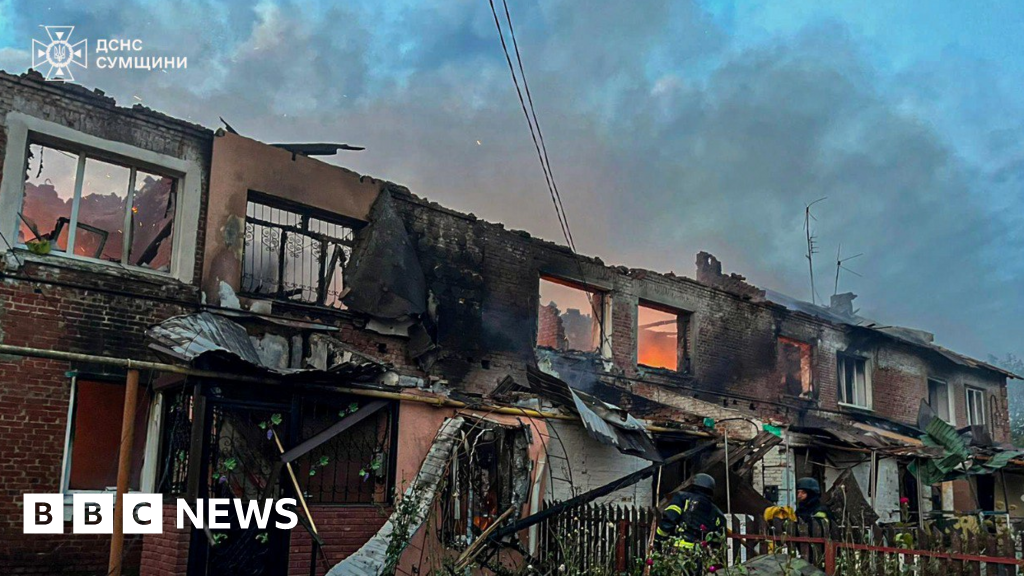
The ongoing conflict between Russia and Ukraine continues to escalate, illustrating the profound geopolitical impact of Moscow’s relentless pursuit of influence and control. In the recent overnight attack in Ukraine’s Sumy region, a tragedy unfolded as a family of four was confirmed dead, struck by a Russian drone missile targeting a residential building. Local officials, including regional head Oleh Hryhorov, condemned the strike as a deliberate act of violence against civilians, a disturbing sign that the conflict’s brutality has become normalized. Amidst the chaos, Ukraine’s air defenses demonstrated resilience, shooting down 46 out of 65 inbound Russian drones — yet the remaining 19 caused deadly hits across six locations. Such persistent assaults highlight how Russian military tactics have evolved, emphasizing infiltration and aerial bombardment to destabilize Ukrainian society.

Since Russia’s wide-scale invasion in February 2022, the international community has watched in concern as the conflict morphs into a protracted stalemate, with significant consequences for global stability. While Moscow remains comparatively silent on specific losses, it claims to have destroyed 81 Ukrainian drones within Russian borders, framing its actions as defensive. Conversely, Ukraine’s appeals for advanced Western weaponry, including long-range missiles capable of striking deep into Russian territory, index a strategic shift aimed at balancing Moscow’s aggression. Prominent analysts, such as those at the European Council on Foreign Relations, warn that the ongoing Western defense aid, totaling €2 billion for drone technology alone, significantly impacts Ukraine’s capacity to resist and persevere, yet also risks expanding the scope of the conflict.

The decision by Western powers to supply Ukraine with sophisticated weaponry—especially the possible deployment of long-range missiles like the U.S.-considered Tomahawk — signals a critical juncture. If these supplies are sanctioned, Kyiv’s ability to target key Russian military hubs and logistical nodes could significantly weaken Moscow’s operational capabilities. The American administration and European Union officials argue that empowering Ukraine with these tools is essential, contemplating whether such support might force Vladimir Putin into negotiations or prolong the war by widening its geographic scope. Yet, some international voices caution that this escalation could ignite a broader regional confrontation, risking unintended consequences that threaten global peace and security.

As the conflict persists, predictions from historians and international security analysts emphasize that the true turning point remains uncertain. The war’s toll—both human and geopolitical—is staggering. Ukrainian civilians pay a devastating price in lives and homes, while the Russian military’s determination to press its advantage tests the resolve of Western allies. The conflict’s potential to morph into a wider confrontation, perhaps involving NATO or other global powers, embodies a dangerous crossroads. With every drone strike, diplomatic maneuver, and international aid package, the pages of history are being written—an unfolding narrative of resilience, geopolitical chess, and the profound costs of modern warfare. As the war drags on, the weight of this moment rests heavily on the collective consciousness of the world, reminding us that in the storm of history, the future remains fundamentally uncertain.

Russian woman living in Karnataka cave with kids finally heads back home

Russia recently witnessed a peculiar chapter in its ongoing saga of international migration and human rights complexities, when Nina Kutina, a woman who gained global attention after her discovery living in a cave in India with her young daughters, was finally repatriated. Her case isn’t merely a story of survival; it underscores the broader geopolitical and societal implications surrounding urban migration, refugee management, and international legal responsibilities. While her situation initially drew media focus on her remarkable living conditions—residing in a remote, leaky cave—the geopolitical ramifications resonate far beyond personal hardship, affecting global diplomacy, legal protocols, and the perception of border sovereignty.

India continues to grapple with this complex incident involving Kutina and her children, as the courts navigated the delicate balance between humanitarian intervention and international legal obligations. According to reports, the High Court of Karnataka instructed the federal government to facilitate the return of the woman and her daughters to Russia, citing their lack of valid documents and the need for lawful repatriation. This legal action highlights how international treaties such as the United Nations Convention on the Rights of the Child are interpreted and applied differently across the world, especially in cases involving undocumented migrants or those who have deliberately chosen isolated lives over urban society. Analysts suggest that this case could be a precedent for how third countries respond to unusual migrant situations, especially when they cross into territory of strategic interest.

Yet, beneath the surface, the incident has exposed the underlying tension regarding sovereignty, human trafficking, and the right to self-determination. The woman’s claim of living in caves — and her subsequent rescue — prompted officials to question her motives and the factors driving her drastic choice of refuge. Her lawyer in India, Beena PK, invoked India’s commitment to international conventions to argue against immediate deportation. Conversely, government officials and legal experts pointed to her expressed desire to return to Russia, noting the importance of respecting individual sovereignty and legal extradition protocols. The decision to facilitate her repatriation—amid debates about her motives and well-being—serves as a microcosm of the ongoing global struggle to balance humanitarian concerns with national security and legal sovereignty.

This incident is emblematic of the broader geopolitical impact—highlighting how individual human stories are intertwined with larger international power plays. Navigating the pathways of migration, refuges, or illegal stays often leads to diplomatic tensions, especially when political alliances, legal frameworks, and societal narratives intersect. International organizations like INTERPOL and the United Nations continue to emphasize the importance of protecting human rights, yet their guidelines are frequently tested in such unpredictable scenarios. Historians note that in an era where borders are both vital and vulnerable, decisions made today echo in the corridors of history, shaping the narrative of sovereignty and global justice for generations to come.

Ultimately, the case of Nina Kutina encapsulates an unfolding chapter in a broader narrative of insecurity, migration, and sovereignty that the world must confront. As the woman departs for Russia and society debates her fate, the weight of history hangs heavily—reminding nations that their decisions today carve the contours of the future. The shadows of conflict, diplomacy, and the human spirit intertwine in this story, leaving the international community to ponder: in the relentless pursuit of justice and national integrity, how will the lessons of this seemingly isolated case influence the shaping of global policy? The pages of history continue to turn, and the future remains unwritten, awaiting the decisions that will define the fate of countless individuals caught at the crossroads of human rights and sovereignty.

Kyiv suffers major Russian strike, mayor warns

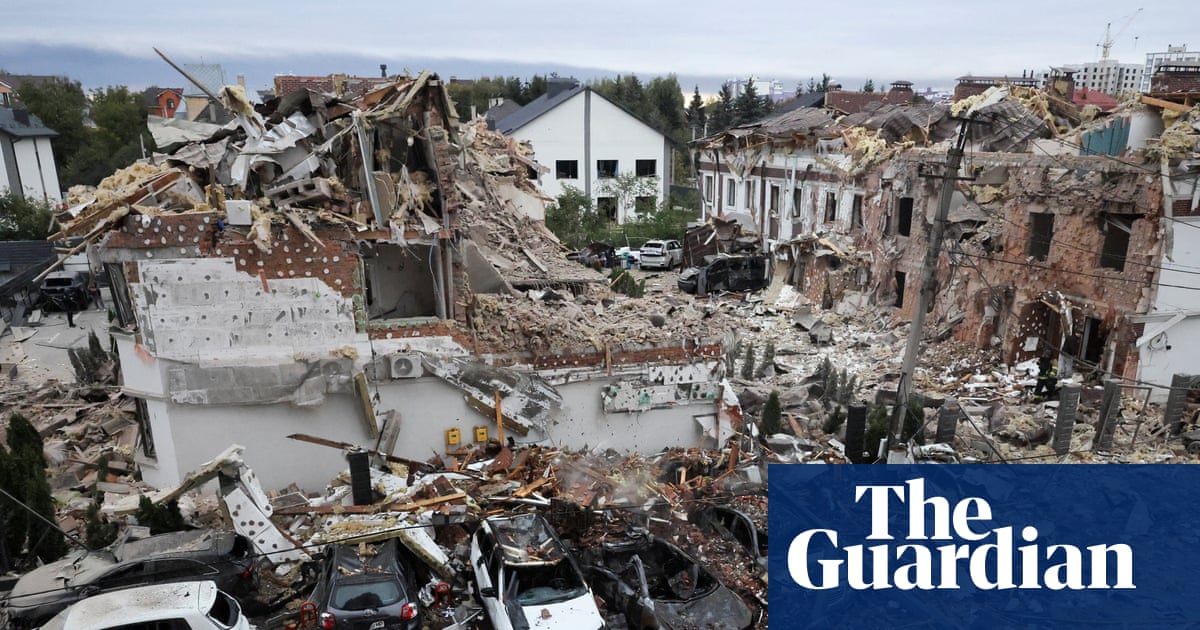
The recent escalation of hostilities in Ukraine has once again thrust the continent into the forefront of international concern. Over a 12-hour period, Russian forces launched an unprecedented aerial barrage, utilizing nearly 600 drones and dozens of missiles across seven regions, including Kyiv, Zaporizhzhia, Khmelnytskyi, Sumy, Mykolaiv, Chernihiv, and Odesa. This relentless attack resulted in the death of at least four civilians, including a 12-year-old girl, and injured dozens more, illustrating the brutal nature of Russia’s ongoing invasion. Such a major assault highlights the severity of this conflict’s third year and signals that Moscow remains committed to its military campaign, despite international condemnations and mounting sanctions.

Ukrainian President Volodymyr Zelensky described the bombardment as “vile,” emphasizing that many projectiles targeted critical civilian infrastructure, such as Kyiv’s Institute of Cardiology, factories, and residential buildings. The attack, which also injured three children and resulted in the death of a 59-year-old man in Sumy, demonstrates how deeply intertwined the conflict’s repercussions are for daily life. Zelensky issued a stern warning, asserting that Ukraine would retaliate to “force diplomacy” and called on its allies in Europe and America to provide stronger support. This plea underscores the broader geopolitical impact: a persistent conflict that risks drawing NATO into a larger confrontation and forcing global powers to reassess their commitments to regional stability.

Meanwhile, the wider international response reveals a landscape fraught with tension and uncertainty. Russia, on its part, continues to deny responsibility for recent incursions into Denmark, Estonia, and Romania, claiming no intent to attack NATO or EU countries but warning of a “decisive response” to any aggression against Moscow. Analysts warn that these provocations are part of a calculated strategy to test the resolve of Western military alliances, while Russia’s Foreign Minister Sergei Lavrov asserts that Moscow’s actions are defensive rather than offensive, aiming to protect its interests amidst what it perceives as encroaching NATO expansion. European nations, under the shadow of these threats, have responded by bolstering their defenses and increasing NATO’s eastern presence, as the alliance seeks to deter further Russian aggression. Yet, the risk remains palpable, with some voices, including Donald Trump, suggesting that NATO nations should shoot down Russian aircraft if necessary, revealing a growing divide over how to confront Moscow’s assertiveness.

Underpinning all of this is a shifting global strategic landscape where the decisions of Moscow, Washington, and European capitals are shaping the contours of 21st-century geopolitics. Historians and international analysts warn that the current trajectory could lead to a broader conflict, especially if diplomatic efforts continue to falter and the cycle of escalation persists. The recent drone and missile strikes, combined with NATO’s increased military activity in Eastern Europe, create a tense climate teetering on the edge of a much larger confrontation. As the world watches this unfolding drama, the weight of history presses down—each decision, each attack, each diplomatic maneuver could determine the future of not just Ukraine but global peace and stability. With tensions reaching this critical juncture, the question remains: will diplomacy prevail or will the chaos of war reshape the European continent once and for all, writing yet another chapter in the tumultuous saga of human conflict?

Russian Missiles and Drones Pound Ukraine as Poland Ships Jets to Defend NATO Borders

The escalating conflict in Ukraine has once again plunged the region into chaos, with Russian forces deploying an unprecedented barrage of hundreds of drones and missiles early Sunday. The attack, resulting in at least four civilian deaths—including a 12-year-old girl—and dozens of injuries, underscores the persistent threat of Russia’s military strategy of targeted strikes against civilian infrastructure. Ukrainian officials, including Foreign Minister Andrii Sybiha and Kyiv’s mayor, Vitali Klitschko, have described the missile attack as a clear violation of international norms, emphasizing the deliberate targeting of residential areas. Analysts, such as those from NATO and the European Union, warn that this pattern of aggression aims to break the will of the Ukrainian people and test Western resolve.

The geopolitical impact of these assaults extends beyond Ukraine’s borders, particularly in neighboring Poland and the broader NATO alliance. Poland, a key front-line state and member of NATO, quickly activated its military response by scrambling fighter jets and elevating ground-based air defenses—the move described as “preventive” to secure airspace in the face of increasing Russian incursions into regional skies. The swift Polish reaction demonstrates how Russia’s military actions are strategically designed to destabilize neighboring NATO countries. This aggressive posture has prompted renewed calls for a cohesive Western response, with some strategists warning that Moscow’s intention is not only to bully Ukraine but to test the West’s capacity for collective defense, potentially opening new corridors for conflict across Europe.

Furthermore, Ukrainian President Volodymyr Zelenskyy has publicly accused Russia of deliberately probing Europe’s defenses, citing recent drone sightings over Denmark, Romania, and incursions into Estonian airspace. Zelenskyy’s assessment aligns with intelligence reports suggesting Russia’s goal is to destabilize NATO institutions and soften European resistance, preparing conditions for broader conflict. “Putin will not wait to finish his war in Ukraine,” Zelenskyy warned at the UN, suggesting that Moscow’s ambitions might eventually expand beyond Ukraine’s borders. Meanwhile, Russia’s Foreign Minister Sergei Lavrov dismissed Western concerns, warning the international community that any aggression against Russia would be met with a *“decisive response”*. This rhetoric indicates that the dispute has reached a dangerous crossroads, where diplomatic talks are overshadowed by threats of escalation.

  • Russian missile strikes result in civilian casualties, emphasizing the human cost of ongoing hostilities.
  • Poland and NATO ramp up air defenses as Russian actions threaten regional stability.
  • European nations face increasing pressure to address Ukraine’s security challenges amid Russia’s strategic testing.
  • International organizations and military analysts warn that escalation risks pushing Europe toward a broader conflict.

Historians and geopolitical analysts warn that the current dynamics could redefine the European security calculus for decades to come. Some suggest that Russia’s increased military harassment signals an intent to erode NATO’s unity or leverage chaos for diplomatic gains. The EU’s plans for a drone wall—a significant development aimed at creating a layered defense system—highlight the continent’s urgent efforts to counteract Moscow’s calculated destabilization. Yet, amid these measures, the risk of miscalculation or unintended escalation looms large.

The world watches with bated breath as the sun rises over shattered cities and scars on the European continent deepen. As diplomats scramble and armies stand on heightened alert, history’s pen continues to write the next chapter—one where the stakes are nothing less than the survival of sovereignty and the balance of power in an increasingly volatile globe. This conflict is no longer just about Ukraine; it is a wake-up call echoing through the corridors of international diplomacy about the true cost of unchecked aggression. The arc of history bends toward an uncertain future, and only time will reveal whether nations will unite to halt the descent into chaos or succumb to inevitable consequences.

Ukrainian Youth Stand Firm: Embrace Life Despite Russian Bombings

Sloviansk’s Enduring Spirit and the Geopolitical Struggle in Eastern Ukraine

In the heart of Ukraine’s tumultuous eastern frontline, the city of Sloviansk stands as both a symbol of resilience and a testament to the relentless consequences of Russian imperial ambitions. This city, once a quiet hub of salt production dating back to the 17th century, has been transformed into a frontline battleground where everyday life persists amid ongoing conflict. Despite the visible scars inflicted by near-daily bombardments, residents, including pensioners and soldiers, continue to demonstrate an unwavering determination to live despite the threat of Russian drones, airdropped bombs, and political intimidation. This defiance, observed through stories shared by local officials and residents, highlights an indomitable spirit that geopoliticians and analysts around the world watch closely.

The escalating military and humanitarian crisis in Sloviansk reveals the broader geopolitical impact of Russia’s relentless effort to reclaim Ukraine’s eastern territories. Since 2014, when Vladimir Putin’s forces first occupied parts of the Donbas region, the city has endured a series of occupations, battles, and destruction. Recent attacks by kamikaze drones, reaching as close as two kilometers outside the city, have demonstrated that the Kremlin’s array of tactics remains aggressive and unrelenting. Ukrainian officials, including Mayor Vadym Liakh, openly express confidence in the country’s ability to defend Sloviansk, despite fears that Russia’s strategic goal is to encircle and seize this pivotal city. As Ukraine enhances its anti-drone defenses, the Russian military continues to press forward, aiming to secure a strategic corridor that could threaten the entire eastern region and cut off critical supply lines—a move analysts warn would set the stage for further destabilization of Ukrainian sovereignty.

International organizations and military experts closely monitor this ongoing conflict, warning that the stakes extend far beyond the local battlefield. Many analysts argue that if Slovakia and other key cities in the Donbas fall into Russian control, it could pave the way for a quick advance across the flat, open steppes toward Kharkiv and Kyiv. The future of Ukraine’s independence hinges on whether Western aid, including long-range missiles and advanced defense systems, can delay or halt the Kremlin’s march. Meanwhile, Kyiv’s leadership remains defiant, asserting that Moscow’s promises of a ceasefire in exchange for territorial concessions are nothing more than tactical distractions—an insidious voice from the Kremlin’s propaganda machine in Moscow’s bid to demoralize and divide Ukraine’s defenses.

The international community, particularly Western allies, faces mounting pressure to bolster Ukraine’s military capabilities. As U.S. officials contemplate further sanctions and military aid packages, Russian President Vladimir Putin operates under the assumption that time favors him. His previous commitments have proven unreliable, and strategic analysts warn that the Kremlin’s long-term goal remains the destabilization and division of Ukraine—to resurrect a forever-claimed… Russian sphere of influence. The historians warning of this era as a period where decisions made now will shape the geopolitical landscape for generations are increasingly relevant as the conflict drags on, risking wider regional destabilization and Europe’s security architecture.

With each explosion and each act of defiance, Sloviansk’s populace embodies a pivotal chapter in a conflict that will determine the fate of Ukraine and the broader European security order. As the night sky in Sloviansk becomes a dark canvas illuminated only by stars and the distant glow of fires, the city’s story resonates beyond its battered streets. It is a stark reminder of how history is not merely unfolding—it is being forged. And the choices made by leaders and nations today will echo through the corridors of history, leaving the world to ponder: Will this be the beginning of Putin’s regained empire, or will Ukraine’s tenacity seal the fate of the Eastern European future? The answer hangs trembling on the horizon, yet the weight of that future is already beginning to settle upon the shoulders of all committed to the cause of sovereignty and freedom worldwide.

Social Media Auto Publish Powered By : XYZScripts.com