Matox News

Truth Over Trends, always!

British-Iranians Raise Alarm Over Safety Amid Iran War Emergency

As the geopolitical storm in the Middle East intensifies, its repercussions are rippling across global cities, with London emerging as a flashpoint for Iranian diaspora tensions. Recent reports reveal a surge in concerns among Iranians living in the UK, fueled by escalating conflicts involving the US and Israel. The city’s sizable Iranian community, especially the district known as Little Tehran in Finchley, has become a battleground for ideological confrontations, protests, and fears of harassment. These developments underscore how international conflicts extend beyond distant borders, directly impacting societal cohesion and safety within diasporas. Analysts warn that such utterance of unrest—driven by pro-monarchy groups and factions aligned with Iran’s opposition movements—could have long-term social and security consequences for the UK.

Amid these tensions, law enforcement in London are caught in the middle, tasked with balancing the preservation of free speech and protest rights against the need to maintain public order. Recently, police officials have engaged with community leaders and increased patrols in affected districts, indicating an acknowledgment of the gravity of the situation. London’s police chief, Det Supt Katie Harber, emphasized that “the impact of events happening thousands of miles away” is felt locally, and that “many in our Iranian communities” are understandably fearful. This dynamic reveals a broader pattern: international conflicts are not confined to distant geopolitical theaters but play out tangibly within immigrant communities, fueling polarization and potentially escalating into violence or social fragmentation. Furthermore, the UK’s recent banning of the annual al-Quds Day march, citing risks of disorder, signals an alarming escalation where authorities are actively intervening in expressions of political and cultural identity—often under the guise of national security.

Meanwhile, the conflict’s international ramifications are mirrored in recent counterintelligence efforts, with UK authorities arresting suspected Iranian spies, reflecting fears of espionage and political meddling. These actions dovetail with growing calls from British-Iranian activists for the UK government to be vigilant and refrain from succumbing to external pressures or internal divisions. Notably, Reza Pahlavi, the exiled son of Iran’s former pro-Western monarchy, has garnered both support and controversy. Supporters advocate for his leadership as a potential unifier for Iran’s fractured opposition, while opponents critique the divisive nature of his political stance. A recent

  • petition demanding investigations into pro-Pahlavi groups

highlights how external political factions influence internal UK security and societal cohesion, prompting debate on how to navigate these complex foreign and domestic interests.

At the heart of this unfolding crisis lies a pivotal question: How will the UK and its allies respond to the expanding influence of Iranian opposition factions, and at what cost to civil liberties and social order? The narrative is still being written, with each incident pushing history closer to a potential tipping point. As experts warn of the risks of escalation—both within communities and geopolitically—the world watches a fragile equilibrium teetering on the edge. Today’s decisions and actions may determine whether London remains a welcoming haven for free expression or transforms into a battleground where history’s most profound divisions are played out. The weight of this moment, ripe with unresolved tensions, echoes a stark warning: the global struggle for influence and ideology continues to shape societies from afar, leaving the future uncertain, and the epoch of this conflict yet to be decided.
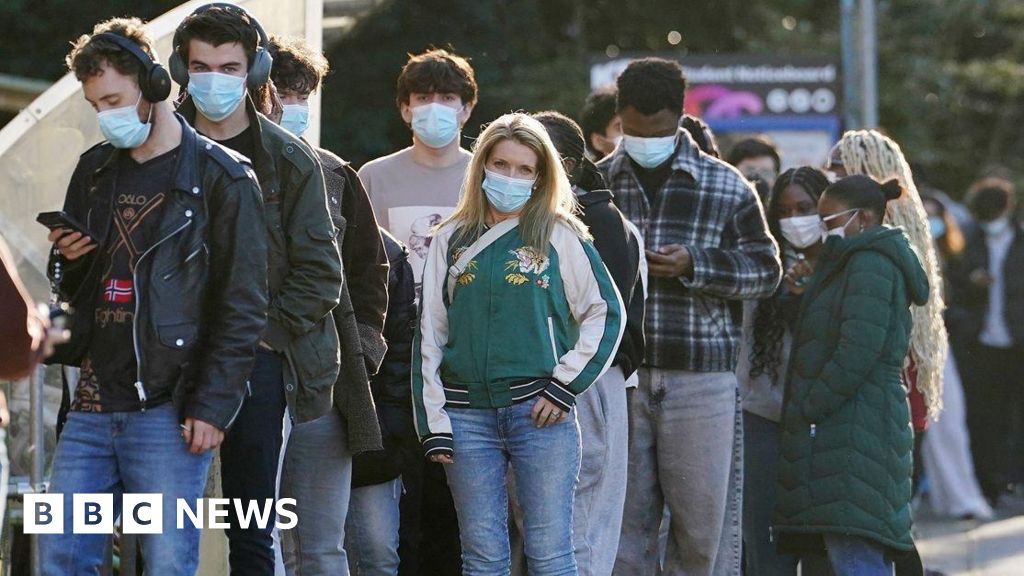
Health officials admit meningitis outbreak still not under control—youth safety at risk

Health Workers in England on Alert as Vaccination Campaign Continues

As England advances its extensive public health vaccination program, health workers across the nation are being urged to remain vigilant for signs of infection among the vaccinated population. Thousands of individuals have already received their COVID-19 jabs, a testament to the government’s commitment to curbing the pandemic. However, this widespread immunization effort introduces complex social challenges, particularly for families and communities already grappling with the ripple effects of the crisis.

While vaccination is a critical tool in the fight against the virus, public health experts warn that breakthrough infections, although rare, require careful monitoring to prevent transmission. Health professionals are being trained to identify symptoms early, ensuring swift isolation and treatment. The emphasis on meticulous health surveillance underscores a broader societal concern: how do we maintain trust and resilience within our communities amid ongoing health uncertainties? This question extends beyond medical protocols, touching on social cohesion and communal responsibility.

This ongoing health drive has significant implications for families and educational institutions. Schools, for instance, are navigating the delicate balance between reopening and safeguarding students. As vaccination efforts target vulnerable populations, questions arise about how children and young adults will be protected from the virus while maintaining essential social and educational development. Sociologists such as Dr. Jonathan H. Marks highlight that the pandemic’s disruption to routine social interactions may have long-term effects on community bonding and youth mental health. The challenge lies in ensuring that educational institutions are equipped not just with vaccines but also with resources to address new social and emotional needs.

The broader societal impact also concerns how cultural shifts and demographic changes are reshaping the fabric of society. The pandemic has exposed and exacerbated existing inequalities, deepening divides that threaten to fracture trust in institutions. The uneven access to healthcare and vaccination among different socioeconomic groups sparks concern among social commentators, who emphasize that true societal resilience involves bridging these gaps and fostering inclusive community engagement. Building trust requires a comprehensive approach—integrating healthcare, education, and social services—to ensure that all communities feel valued, protected, and heard.

Ultimately, society faces a pivotal moment: whether to succumb to fear and division or to leverage this crisis as a catalyst for meaningful transformation. As Dr. Robert Putnam reminds us, “communities thrive when social capital is prioritized, and collective effort triumphs over individual apathy.” The ongoing vaccination campaign could become a narrative of hope, underlying the importance of unity, moral responsibility, and shared purpose. For families, educators, and community leaders, the path forward entails not only managing health risks but also reaffirming the social bonds that underpin a resilient society—an acknowledgment that it is through our collective effort that society can emerge stronger, more equitable, and truly prepared for the challenges ahead.

AI Toys for Kids Fail to Read Emotions, Raising Concerns About Safety and Trust

Emerging Risks of AI Toys in Shaping Childhood Experiences

Recent research conducted by Cambridge University has highlighted a significant and emerging concern within society: the potential for artificial intelligence (AI) toys to misinterpret children’s emotions. This groundbreaking study, the first of its kind, raises questions about the intersection of technology, childhood development, and the well-being of families in a rapidly digitizing world. As many households adopt AI-enabled toys for entertainment and education, understanding the social and emotional implications for our youngest generations becomes increasingly urgent.

At the core of this issue lies a profound societal challenge: how technological advancements are reshaping traditional familial dynamics and children’s emotional development. The research from Cambridge indicates that AI toys, equipped with emotion recognition capabilities, often struggle to accurately read children’s nuanced expressions. This misreading can lead to a cascade of adverse effects, from miscommunication to emotional frustration—particularly affecting families in underprivileged communities who may lack access to alternative resources for healthy emotional development.

The Societal Implications of Emotional Misreading

  • Impact on Family Relationships: When AI toys incorrectly interpret a child’s feelings, it can undermine trust and emotional security within the family unit. Children may feel misunderstood or invalidated, leading to broader issues of emotional literacy and human connection that sociologists like Arlie Hochschild have long warned about in the context of technology’s encroachment into personal spaces.
  • Educational Challenges: Schools increasingly incorporate AI tools in classrooms, aiming to foster personalized learning. Yet, if these tools are prone to emotional inaccuracies, students’ unique emotional needs could be overlooked, reducing the efficacy of these educational innovations.
  • Community and Cultural Tensions: As social commentators observe, technology often exacerbates existing social inequalities. Marginalized communities, less equipped to scrutinize or challenge unreliable AI, risk falling further behind, deepening societal divides over access to emotionally responsive, culturally sensitive education and support.

Historians like Yuval Noah Harari have raised concerns about humanity’s relationship with technology—warning that misplaced reliance may erode fundamental human skills, such as empathy and emotional recognition. The moral dilemma is clear: should we allow artificial intelligence to mediate the most intimate aspects of childhood experience?

Pathways Forward for Society and Policy

Addressing these complex issues requires a multipronged approach:

  • Stronger regulations around AI safety and emotional assessments must be implemented to protect children and families from potential harm.
  • Investment in community-based programs that reinforce human emotional skills, ensuring children do not grow up solely dependent on machines for social interaction.
  • Educational reforms that foster digital literacy among parents and educators, equipping them to critically assess the capabilities and limitations of AI tools used by children.

Ultimately, society faces a choice: continue to embrace technology at the risk of distorting essential human qualities, or actively shape a future where machines serve human needs, not replace them. As society grapples with these shadows of the digital age, hope remains rooted in our collective resolve to nurture resilient communities and uphold the dignity of genuine human connection. In the quiet moments of reflection, we are reminded that the true progression of society hinges on protecting its most vulnerable—our children—and ensuring that technological innovations serve the moral imperative of *humanity’s moral growth and social cohesion*.

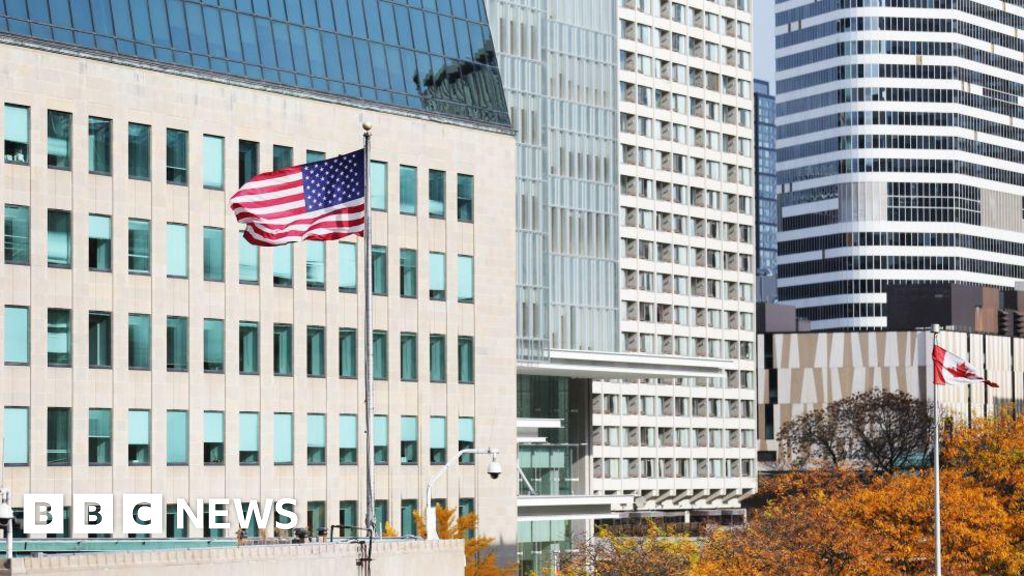
Canada Police Probe Shots Fired at US Consulate in Toronto, Raising Safety Concerns

The world watched with growing alarm as Norwegian authorities launched a comprehensive investigation into a violent explosion outside the US embassy in Oslo on Sunday. While preliminary reports suggest that the incident was targeted, the geopolitical implications extend far beyond Norway’s borders, resonating across Western alliances and challenging the fragile stability of the European security landscape.

Norwegian police and security agencies responded swiftly, cordoning off the area and deploying bomb squads to analyze the device responsible for the blast. The incident has ignited a wave of speculation among international analysts about potential motives—ranging from espionage to terrorism. As authorities continue their probe, officials from the United States have called for calm, emphasizing their commitment to safety and security, while also urging caution in interpreting the attack’s significance. However, the incident underscores a disturbing shift—an escalation in threats targeting diplomatic missions in Europe, a region increasingly vulnerable amid global tensions.

Historians and geopolitical analysts point to this event as a turning point revealing the underlying fragility within the European security architecture. From the perspective of global institutions such as NATO, the incident signals a persistence of threats that threaten to undermine years of diplomatic progress and regional stability. Furthermore, specialists warn that such attacks can serve as catalysts for reliable allies to reconsider their security postures and diplomatic strategies. These developments place countries like NORWAY and the US at a crossroads—balancing the imperative of protecting sovereignty with the need for international cooperation in a rapidly shifting geopolitical environment.

The geopolitical impact of this event extends into the broader debate over security commitments and the observance of global peace treaties. With Russia and China monitoring Western responses, international organizations such as the United Nations have issued cautious statements emphasizing the need for vigilance and dialogue. Yet, critics argue that these diplomatic responses may be insufficient to deter further escalation. As countries bolster their defenses and rethink alliances, the incident serves as a stark reminder of the enduring contest for dominance in international affairs—a contest that could very well define the future trajectory of global order.

As the investigation continues and political leaders weigh their next moves, the world holds its breath. What emerges from this incident will undoubtedly shape the trajectory of international diplomacy, security, and alliances for years to come. In a period marked by unprecedented change and global uncertainty, history remains a relentless force, unfolding with each decision and confrontation—casting long shadows over the fragile fabric of peace, and leaving nations to confront the enduring question: Are we truly prepared for the storms on the horizon?

Students ordered to ditch blazers to boost safety and curb violence

In an era where digital platforms have become the battlegrounds of youth identity and social influence, troubling trends have emerged that threaten the fabric of families and communities across the country. Posts encouraging conflicts between students of different schools—often derogatory, provocative, and designed to incite violence—are proliferating on social media. This phenomenon not only undermines the spirit of mutual respect and cohesion among youth but also creates ripple effects that destabilize local neighborhoods, educational institutions, and the broader societal cohesion that binds us together.

Experts warn that such social media campaigns foster a dangerous climate of divisiveness and hostility. Historians and sociologists highlight that when kids are encouraged to see peers from other schools as enemies, the boundaries of community dissolve. Families and educators, who are the first line of defense against social fragmentation, find themselves increasingly powerless to combat the online influences that normalise aggression and intolerance. According to Dr. Karen Matthews, a sociologist specializing in youth culture, “these provocative online activities chip away at the shared values of respect and unity that are fundamental to a healthy society.”

Social tensions are compounded by a shifting demographic landscape, underlining the need for a societal approach rooted in higher moral standards and community engagement. It is vital for schools, local authorities, and families to recognize the implications of such divisive actions—particularly how they threaten the safety and emotional well-being of young people. The challenge lies in fostering environments that not only prevent violence but actively promote understanding and reconciliation among diverse student populations.

  • Implementing comprehensive anti-bullying and anti-violence campaigns in schools.
  • Engaging community leaders and parents in dialogues that promote societal cohesion.
  • Utilizing social media literacy programs to equip youth with skills to critically evaluate online content.

In confronting these social issues, it is essential to reflect on how the erosion of community bonds impacts educational outcomes and the moral development of youth. The social fabric that sustains families and neighborhoods hinges on shared principles and collective responsibility. As sociologist Amy Chua warns, “the fragmentation of social trust can lead societies down a path of increasing polarization and alienation, where youth might see conflict as inevitable rather than resolvable.” Yet, amidst these challenges, hope remains. By cultivating resilient communities grounded in respect, understanding, and moral clarity, society can forge a future where young individuals no longer see violence as a means of expressing their identity but as a betrayal of our shared human dignity. In this moment of societal reflection, perhaps the greatest challenge—and opportunity—lies in anchoring our youth in values that transcend division, forging a society that refuses to be defined by conflict but instead finds strength in unity and hope for transformative change.

Parents of nursery abuse victims set to confront Bridget Phillipson on justice and safety

Recent revelations about the Bright Horizons Finchley Road Nursery incident have cast a stark light on the ongoing vulnerabilities within our societal structures dedicated to safeguarding children. According to Alison Millar, head of the abuse team at Leigh Day, investigations have only just begun, yet disturbing patterns have already emerged. Parents’ concerns over staffing practices, supervision lapses, and troubling interactions with children were reportedly ignored or inadequately addressed. These failures reflect a broader societal issue where systems entrusted with protecting the most vulnerable are faltering, with potentially devastating consequences for families, communities, and the moral fabric of our nation.

The case underscores how social issues intertwine with core institutions such as education and childcare, revealing cracks that often go unnoticed until tragedy strikes. The reactions from affected families highlight a sense of betrayal; they trusted these institutions to nurture and safeguard their children. When misconduct is overlooked or dismissed, it not only compromises child safety but also erodes parental confidence and community cohesion. Social commentators and sociologists like Charles Murray have long argued that institutional failures contribute to social disintegration, and incidents like this serve as painful reminders of the urgent need for reforms rooted in accountability and transparency.

Addressing these challenges requires a multifaceted approach.

  • Implementing rigorous background checks and ongoing staff evaluations
  • Fostering a culture of openness where concerns are promptly addressed
  • Empowering parents to participate actively in childcare oversight
  • Increasing community engagement and oversight to prevent institutional neglect

At the heart of these social issues lies a moral responsibility: to protect the innocence of childhood and foster environments where children can thrive without fear. Yet, societal shifts—such as diminished respect for authority, growing distrust in public institutions, and demographic changes—have complicated this mission. Historically, sociologists like Christopher Lasch have warned about the erosion of traditional community bonds, which are crucial for safeguarding children from harm. As these bonds weaken, communities face the peril of becoming passive spectators rather than active guardians.

Ultimately, this crisis compels us to reflect deeply on who society truly serves and how its moral commitments are upheld. Can we reclaim a shared sense of responsibility to protect our youngest members? As tragic as these incidents are, they present an opportunity—an urgent call to rebuild institutions, restore community trust, and reaffirm the moral duty we all bear. In this effort, there is an enduring hope: that societies grounded in vigilance, compassion, and steadfastness can forge a future where the safety and dignity of every child are sacrosanct and protected by collective resolve. The path forward demands courage, integrity, and a collective refusal to accept complacency—reminding us that the true strength of a society is measured by how it cares for its most vulnerable.

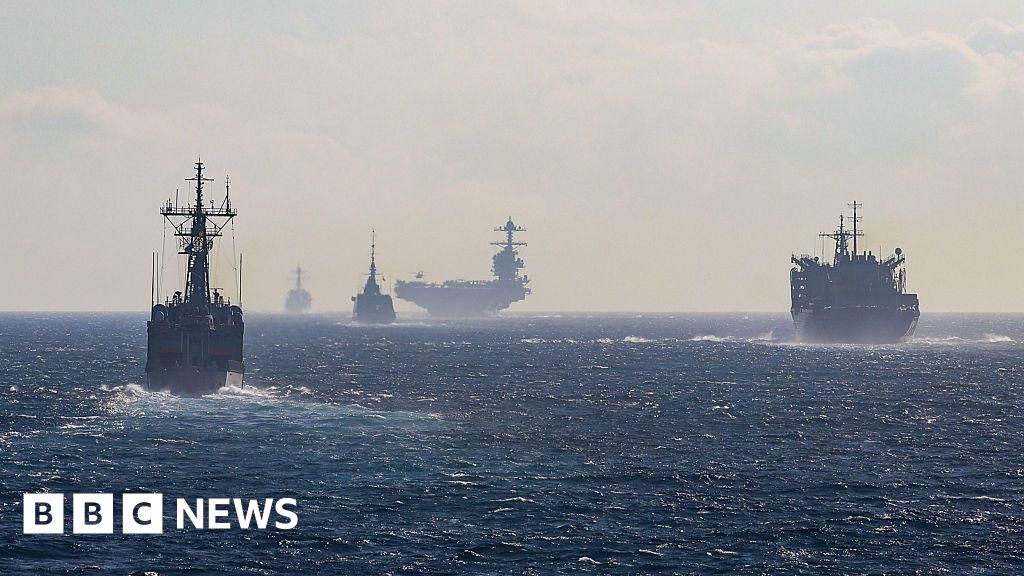
US Navy ships collide off South America — a wake-up call for maritime safety

The unfolding narrative of recent military activity underscores an ongoing shift in international power dynamics, highlighting how U.S. military operations continue to influence regional stability. According to official reports, two individuals involved in the operation sustained minor injuries and remain in stable condition, a detail that underscores the relatively controlled nature of the incident. While the injuries are minor, the implications of this event reverberate far beyond the immediate vicinity, touching upon broader strategic concerns and diplomatic repercussions in an increasingly complex geopolitical arena.

Experts and analysts from various international institutions are closely monitoring how such incidents fit into the larger tapestry of posturing and power projection by global superpowers. Historians like Dr. Julia Schneider, renowned for her work on military conflicts, warn that even seemingly minor engagements can serve as barometers for escalating tensions. The U.S. military has repeatedly emphasized its commitment to operational safety and stability, yet critics contend that such actions risk unintended escalation, especially in volatile regions where alliances are fragile and rivalries are intensifying. Although the injuries were minor, the incident raises questions about the precision and prudence of military interventions in sensitive zones.

The geopolitical impact of this event resonates across nations harboring stakes in regional security. The recently heightened tension underscores the importance of diplomatic channels and multilateral agreements, such as the fragile ceasefire agreements and international treaties designed to prevent open conflict. As international organizations like the United Nations seek to mediate, many analysts suggest that such incidents threaten to undo years of diplomatic progress, exacerbating fears of a broader regional escalation. Historically, similar events have often served as turning points, leading to wider conflicts or renewed arms races, as witnessed during the Cold War era. The delicate balance of power hangs in the balance, with each side reassessing its position and strategy in real time.

Looking ahead, the ramifications of this incident extend into societal contexts, as populations on all sides grapple with the realities of ongoing conflict and military intervention. Governments are under increasing pressure to justify their actions to domestic audiences, framing these operations as necessary for security and national interest. Meanwhile, international observers warn that decisions made today could incite hardened attitudes and escalate military confrontations. This moment in history remains a pivotal point where diplomacy, military prudence, and national interests intersect, shaping the course of the 21st century. As history’s pen continues to write, the weight of unresolved conflicts and potential confrontations looms large on the horizon—reminding us that every small incident carries the seed of a future determined by today’s choices.

Meta Faces New Mexico Child Safety Trial — What Youth and Tech Fans Need to Know

Meta Faces Landmark Legal Battles: Disruption at the Crossroads of Technology and Society

In what could be a watershed moment for the tech industry, Meta is currently embroiled in a series of high-profile lawsuits that threaten to reshape the landscape of social media accountability. The state of New Mexico has brought a lawsuit against the social media giant, alleging that Meta failed to protect minors from exploitation and designed platforms that fostered harmful environments. This case signals a broader shift in regulatory attitudes towards disruption, innovation, and corporate responsibility within the digital ecosystem. As Meta defies attempts to settle, the proceedings could unveil internal practices that have prioritized engagement metrics over user safety, drawing public and governmental scrutiny centered on the profound societal impact of social media’s business models.

Adding further to Meta’s legal challenges is the simultaneous trial in California, the nation’s first legal probe into social media addiction. This “JCCP” involves multiple civil suits, including allegations from figures like Sacha Haworth of the Tech Oversight Project, who warns of “an industry that has enabled predators and addictors alike.” Plaintiffs accuse companies such as Snap, TikTok, and Google of negligent design that deliberately manipulates algorithms to maximize user engagement at the expense of minors’ well-being. Notably, TikTok and Snap have already settled, leaving Meta’s resistance to settlement as a focal point that could lead to unprecedented witness testimonies, revealing the inner mechanics of platforms built on “attention economy” strategies. This trial underscores a pivotal industry shift: regulators and courts are actively challenging a trajectory of innovation that borders on exploitation.

From a business perspective, these legal battles lay bare a critical truth for the tech sector: the cost of doing disruptive business is rising. Meta’s alleged complicity in enabling harmful content and exploitation illustrates how a relentless pursuit of growth and user engagement can clash with regulatory and moral boundaries. As Gartner analysts observe, such lawsuits serve as a “canary in the coal mine” — signaling that **the era of unchecked platform innovation without accountability is nearing its end**. The implications are clear: big tech firms must now balance innovation with compliance, or risk debilitating repercussions that could stifle future disruption. Ruthless market shifts demand that companies develop technology ecosystems more resilient to legal, ethical, and societal pushback—a call to arms for entrepreneurs and tech leaders eager to shape the future responsibly.

Looking ahead, the emerging legal landscape anticipates a fundamental reassessment of how social platforms innovate and monetize. As regulations tighten and consumer awareness grows, **the next wave of tech innovation will likely favor transparency, safety, and ethical design**. Industry titans have a limited window to pivot towards solutions that leverage breakthrough technologies such as AI-driven moderation, privacy-preserving algorithms, and robust user protections—integrating these into their core strategies to future-proof their business models. The ongoing trials symbolize a critical inflection point; failure to adapt could result in a “regulation tsunami” that disrupts traditional giants’ dominance. For entrepreneurs and investors targeting the next frontier of technology, the message is unmistakable: act swiftly, innovate with integrity, and prioritize societal benefit—because the future of tech is being rewritten today, and only the most visionary will thrive amid the disruption ahead.

Colombia plane crash claims lives of all 15 onboard, raising safety concerns

Tragedy in the Skies: Satena Flight Disaster Sparks International Concern

In a devastating announcement, Colombia-based airline Satena disclosed that one of its aircraft, operating with a modest flight crew and carrying a total of 15 passengers, tragically suffered a fatal accident. The incident, which unfolded amidst ongoing regional tensions and geopolitical shifts, has sent shockwaves across the Latin American continent and beyond. While authorities have yet to release complete details, early reports point toward a catastrophic event that underscores the persistent perils of regional air travel in conflict-affected zones.

The geopolitical impact of this tragedy reaches deeper than the immediate human loss. It raises pressing questions about the safety protocols, security challenges, and infrastructural vulnerabilities faced by airlines operating in volatile regions. Analysts from the International Civil Aviation Organization (ICAO) warn that the incident could mark a turning point in how international aviation safety standards are enforced in conflict zones. For many nations, especially those like Colombia, where internal unrest and political instability persist, such accidents threaten to destabilize regional cooperation and expose cracks in the fragile fabric of peace and stability.

The incident comes at a time when the global community is closely watching Latin America’s evolving geopolitical landscape. The region, historically a battleground for influence between major powers, now finds itself grappling with a mix of internal conflict, economic instability, and external pressures from North America and China. According to geopolitical analysts, this tragedy could serve as a somber reminder that the consequences of regional unrest extend far beyond political discourse, affecting innocent lives and tangible infrastructure. International organizations emphasize the need for enhanced security cooperation among neighboring nations to mitigate risks and stabilize the region’s fragile borders.

Historically, airlines operating in conflict-prone areas have often faced disproportionate challenges, but this incident underscores that safety cannot be compromised, especially when human lives are at stake. Experts like Dr. Elena Martinez, a senior analyst at the Latin American Institute for Peace and Security, caution that such tragedies could usher in a chapter of increased scrutiny and tighter international oversight, potentially impacting regional diplomacy and economic development. As nations grapple with whether to prioritize security measures over economic activity, an evolving battlefield of geopolitical interests takes shape. How governments and international agencies respond in the coming days will shape regional stability for years to come.

In this chapter of ongoing crises, history’s pen remains poised. The weight of countless lives lost in moments of sudden disaster reminds the global community that the unfolding war of geopolitics is not only written in treaties and speeches but also etched into the very skies where countless flights, innocent and unknowing, still voyage through the chaos of our changing world. As nations mourn, prepare, and respond, the haunting question persists: how many more stories of tragedy must be written before the lessons of safety, stability, and international responsibility are truly heeded?

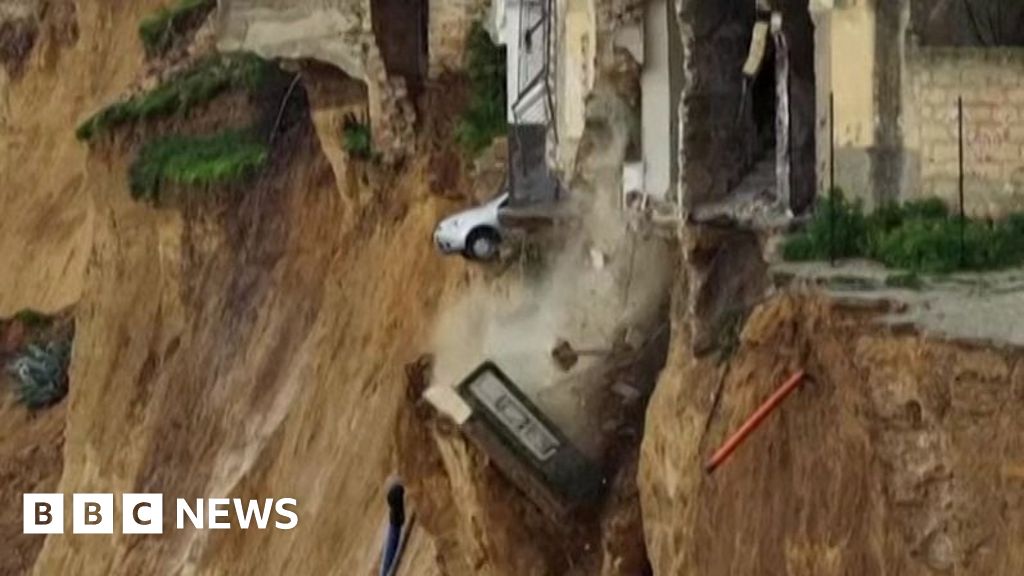
Storm Harry triggers massive landslide in Sicily, raising concerns for safety and resilience

In a stark reminder of climate-related instability, a 2.5-mile (4 km) section of coastline on the Italian island of Sicily has recently collapsed, following severe weather disruptions caused by Storm Harry. The disaster, which took place over the weekend, underscores the growing vulnerability of coastal regions to extreme weather events, a phenomenon increasingly attributed by scientists and environmental analysts to global climate change. The collapse has prompted a major emergency response, with over 1,000 residents evacuated from the towns of Niscemi as authorities scramble to assess the damage and prevent further tragedies.

The geological surveys underway reveal a troubling picture: aerial footage shows significant destruction, with buildings and vehicles destroyed or rendered inaccessible. While no fatalities have been reported, the potential for loss of life and livelihoods remains high, especially as parts of the cliff continue to *crumble*, reflecting ongoing instability in the area. This incident draws attention not just to local environmental conditions but also to overarching global concerns about climate resilience, coastal management, and international response strategies. Many analysts argue that such catastrophes are a warning sign of a changing world, where recent weather anomalies serve as a clarion call for policy shifts and technological innovations in disaster mitigation.

Historically, the Mediterranean region has been a crossroads of geopolitical tension, with Italy’s strategic position intertwined with broader European stability and security concerns. As regional communities grapple with the immediate aftermath of the landslide, experts warn of the broader, long-term implications: increased migration from vulnerable areas, economic disruptions, and the destabilization of tourism-dependent economies. The United Nations and other international institutions have called for enhanced cooperation and climate-adaptive infrastructure, but critics highlight that policy responses often lag behind the rapidly evolving threats posed by climate change.

Looking ahead, the situation in Sicily is a microcosm of a global challenge: how nations adapt to a **world where natural disasters are intensifying** and threatening societal stability. Historians and geopolitical analysts warn that decisions made in this critical era will shape the trajectory of international order. Will countries prioritize short-term economic gains over environmental sustainability? Or will they recognize that the cost of inaction far exceeds immediate sacrifices? As the climate continues to shift, impacting societies across the globe, humanity faces a moment of reckoning. The landslide in Sicily is more than a local tragedy—it is a gripping chapter in a larger story where the choices of today could either build resilience or lead to chaos, leaving the weight of history to be decided by the actions of tomorrow.

Social Media Auto Publish Powered By : XYZScripts.com